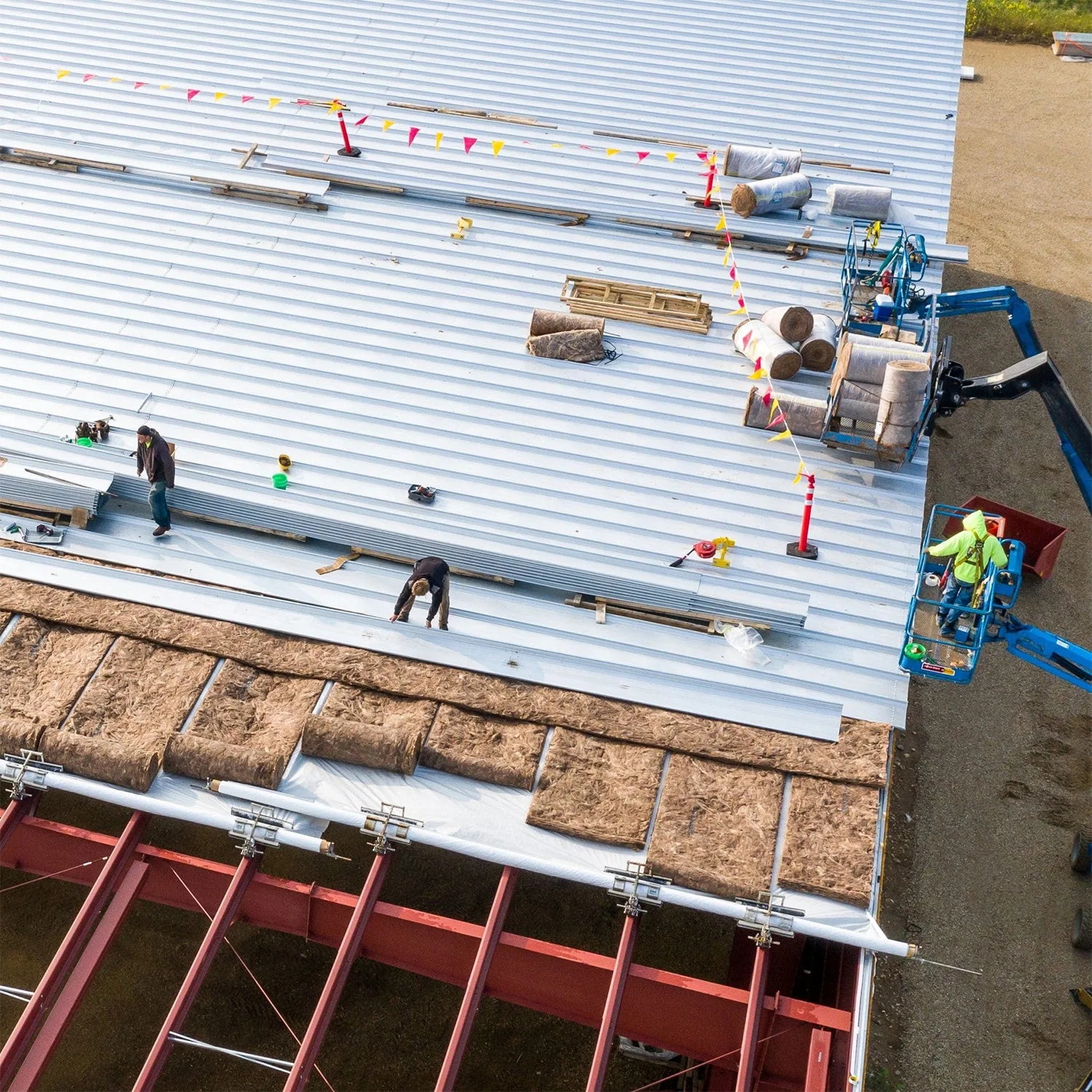
Commercial Roof Insurance Restoration in Chico
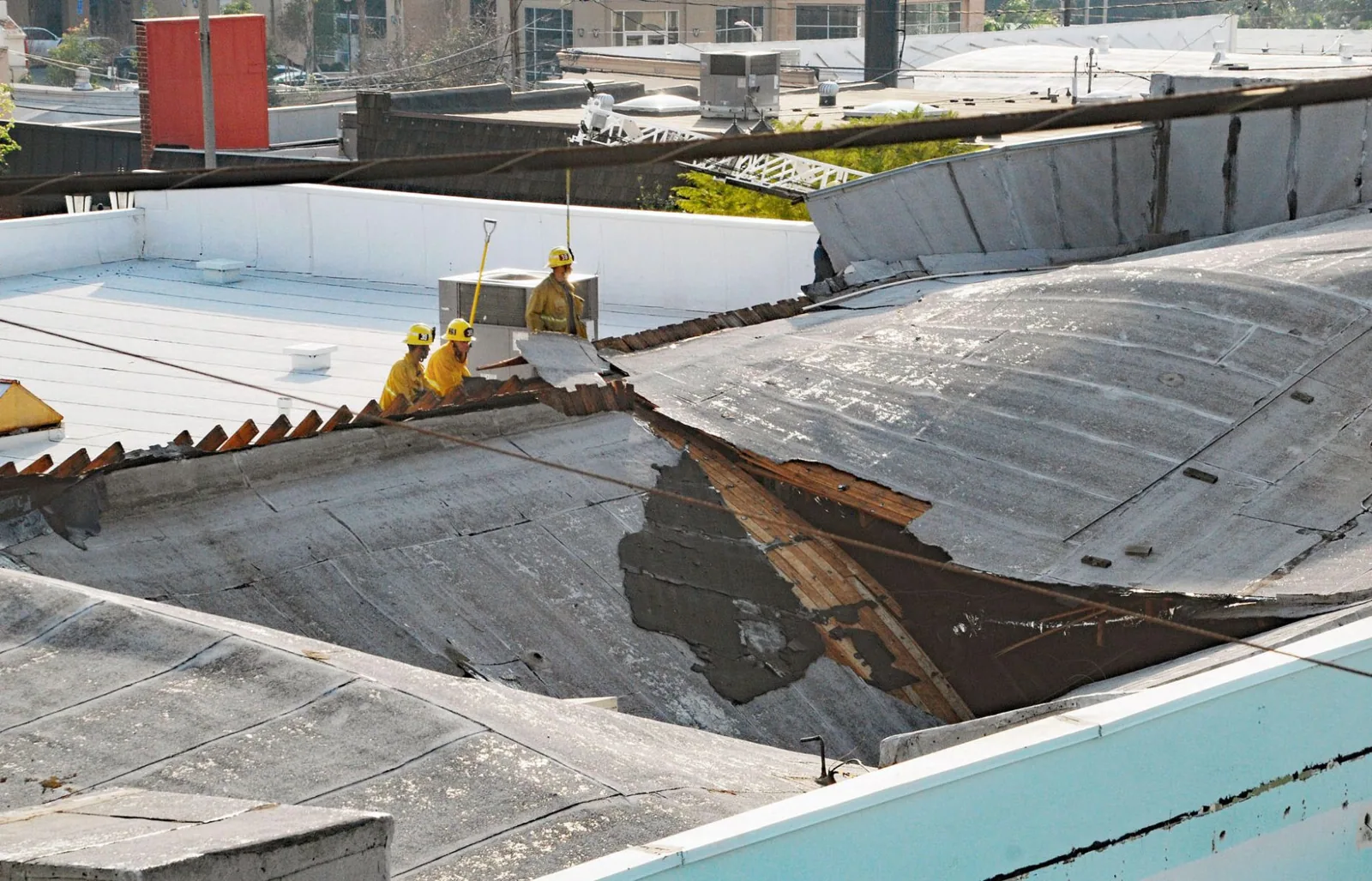
After a storm or sudden roof leak, a commercial property team needs to protect the interior while preserving a clear record of what happened. Our Chico roofing review separates observed damage from pre-existing wear, identifies temporary measures, and maps each condition to a roof area. That documentation can help a property owner communicate with its insurer, but coverage decisions belong to the policy and insurer. We do not promise claim approval or a particular settlement.

The City's planning map frames the downtown opportunity area with Little Chico Creek, Big Chico Creek, Normal Avenue, and Orient Street. North Valley Plaza is also identified as a regional commercial center. These district references can orient a field visit, but they do not establish a cause of loss or condition at an individual roof. East 20th Street is another city-identified retail corridor that can orient a site conversation. The property, assembly, event, and cause must still be inspected. A North Valley Plaza roof assessment is based on the actual building and documented condition.
Stabilize the Building and Record the First Report
Begin by identifying active water entry, affected rooms, electrical or equipment concerns, and routes that occupants should avoid. The property contact decides what interior protection or shutdown is needed. On the roof, the inspection team records weather at the time of the visit, the apparent entry zone, visible membrane or flashing conditions, and whether water remains present. Do not treat a ceiling stain as proof that the opening sits directly above it; water can travel along a deck, insulation layer, or framing.
If temporary protection is required, describe its location, materials, attachment, limits, and expected follow-up. Separate emergency work from permanent restoration so the owner can see what has been stabilized and what remains unverified. Photograph the roof plane, detail, and nearby context before a repair changes them. A commercial emergency response should record access, weather, protection, and the handoff for the next inspection.
Separate Observations From Cause and Coverage
A careful report distinguishes visible facts from conclusions. It can state that a seam is open, a curb flashing is displaced, or insulation is suspected wet, then identify what additional test would confirm extent. It should not assign storm causation from appearance alone where age, prior repair, drainage, equipment work, or another condition could be relevant. The insurer and policy govern coverage; the roofing contractor documents the assembly and work performed.
Use a chronology that connects the event report, inspection, temporary protection, testing, and permanent scope. Include who provided each date or record and note conflicts rather than silently choosing one account. If a prior repair exists, photograph its location and condition. Do not remove evidence or alter a roof assembly without the owner's direction and any required insurer coordination. An independent roof condition review can define the observed boundary and questions that remain.
Document Chico’s Seasonal Exposure Carefully
Butte County's 2024 Chico hazard annex characterizes the local climate as Mediterranean, with hot, dry summers and cool, wet winters. That broad seasonal context can explain why roof teams consider heat exposure and winter water management, but it does not identify the date or cause of a reported loss. Use the property records, weather information for the event, and physical findings together. Record which surfaces were wet, which drainage paths were blocked, and where water appeared inside.
NOAA normals at the Chico University Farm station report 27.39 inches of annual precipitation, including monthly averages above five inches in January and February. Those are long-term station averages, not measurements from a specific storm. For a claim file, distinguish normal climate data from event-specific observations and from roof testing. A drain inspection can identify current drainage conditions without claiming that it explains a past event.
Map the Repair Boundary and Testing
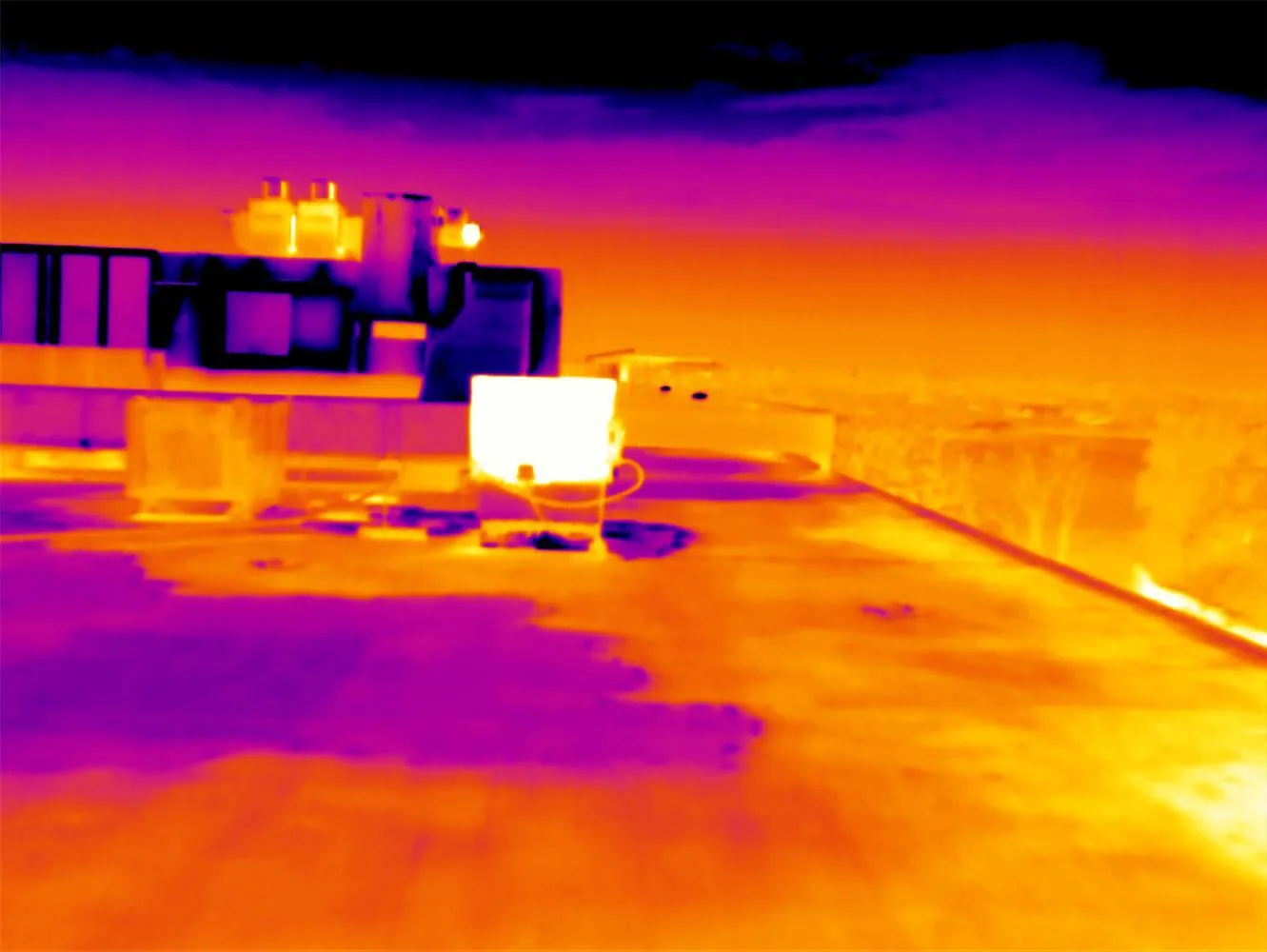
Mark each observation on a roof plan using a consistent zone label. Include the affected membrane, seam, curb, perimeter, drain, or interior room and link the image to that label. If moisture is suspected, describe the method used, coverage, limitations, and any confirmation opening. A meter indication or thermal image is a screening result until interpreted with the assembly, surface conditions, and a suitable verification step. State what could not be inspected because of access, safety, weather, or operating restrictions.
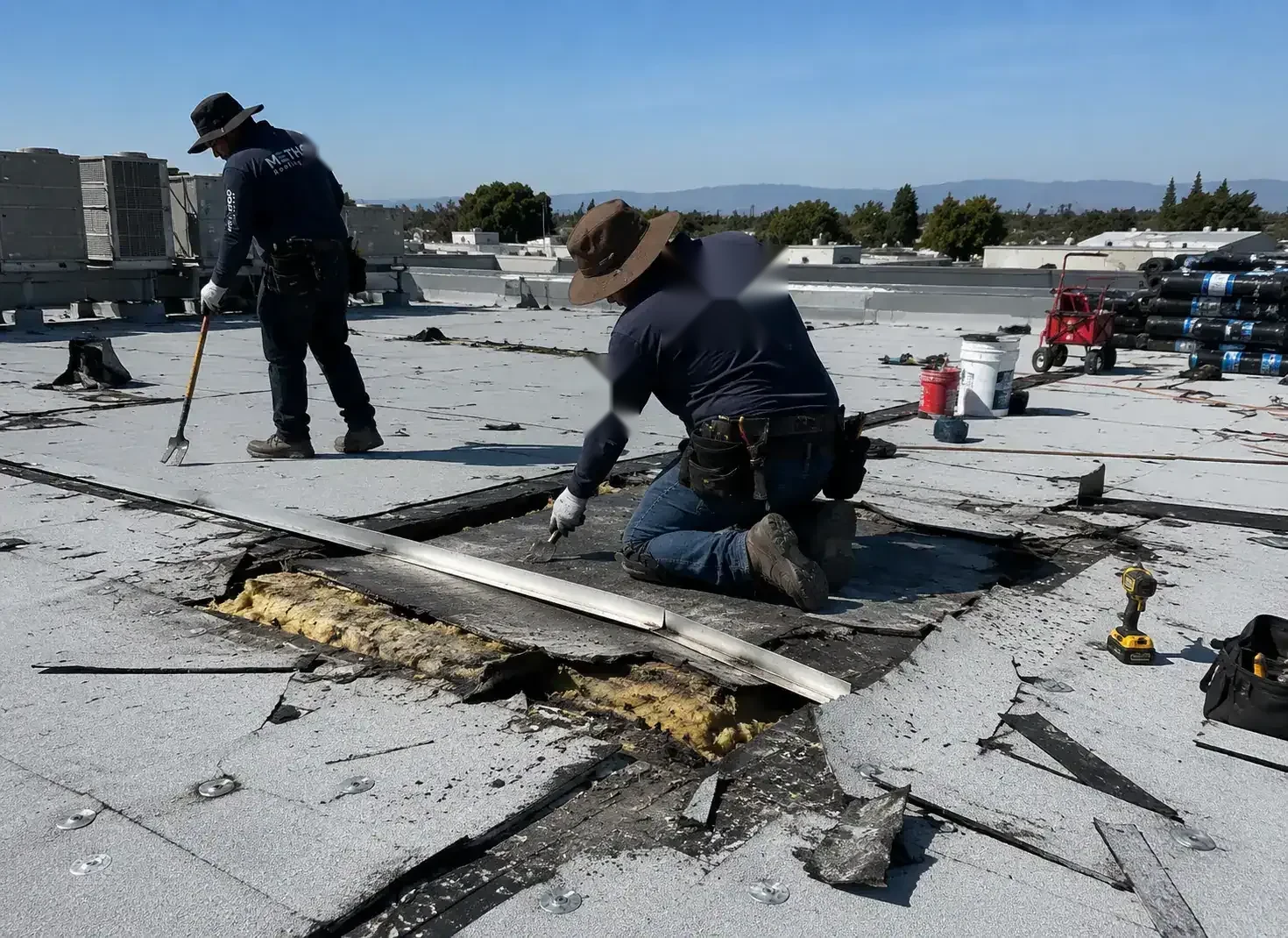
The repair boundary should follow confirmed conditions and a sound tie-in, not simply the visible water stain. If damage extends farther than the initial report, record the new finding and obtain direction before expanding the work. Separate temporary tarp or sealant measures from permanent system restoration, with the product, location, date, and follow-up need identified. A moisture survey may help prioritize testing, while leak repair addresses the verified entry path.
Build a Scope That Can Be Compared
A restoration estimate should identify removal, substrate review, insulation, membrane or coating materials, flashing, fasteners, metal edges, drainage work, protection, disposal, and access. Clarify quantities and boundaries wherever field measurement is possible. If concealed conditions could change the scope, describe the unit, allowance, or approval process that will apply. State what remains outside the proposal, including unrelated deferred maintenance or work by mechanical and electrical trades.
When comparing repair, partial replacement, recover, or full replacement, use the same evidence set and note the conditions that support each alternative. A limited repair may be adequate when the defect is bounded and adjacent material can accept a tie-in. Broader renewal may be considered where testing shows widespread moisture, failing attachment, or an unsuitable substrate. A claim documentation review can organize roof records and a replacement assessment can define the permanent work; neither substitutes for the policy determination.
Coordinate Occupancy, Trades, and Final Records
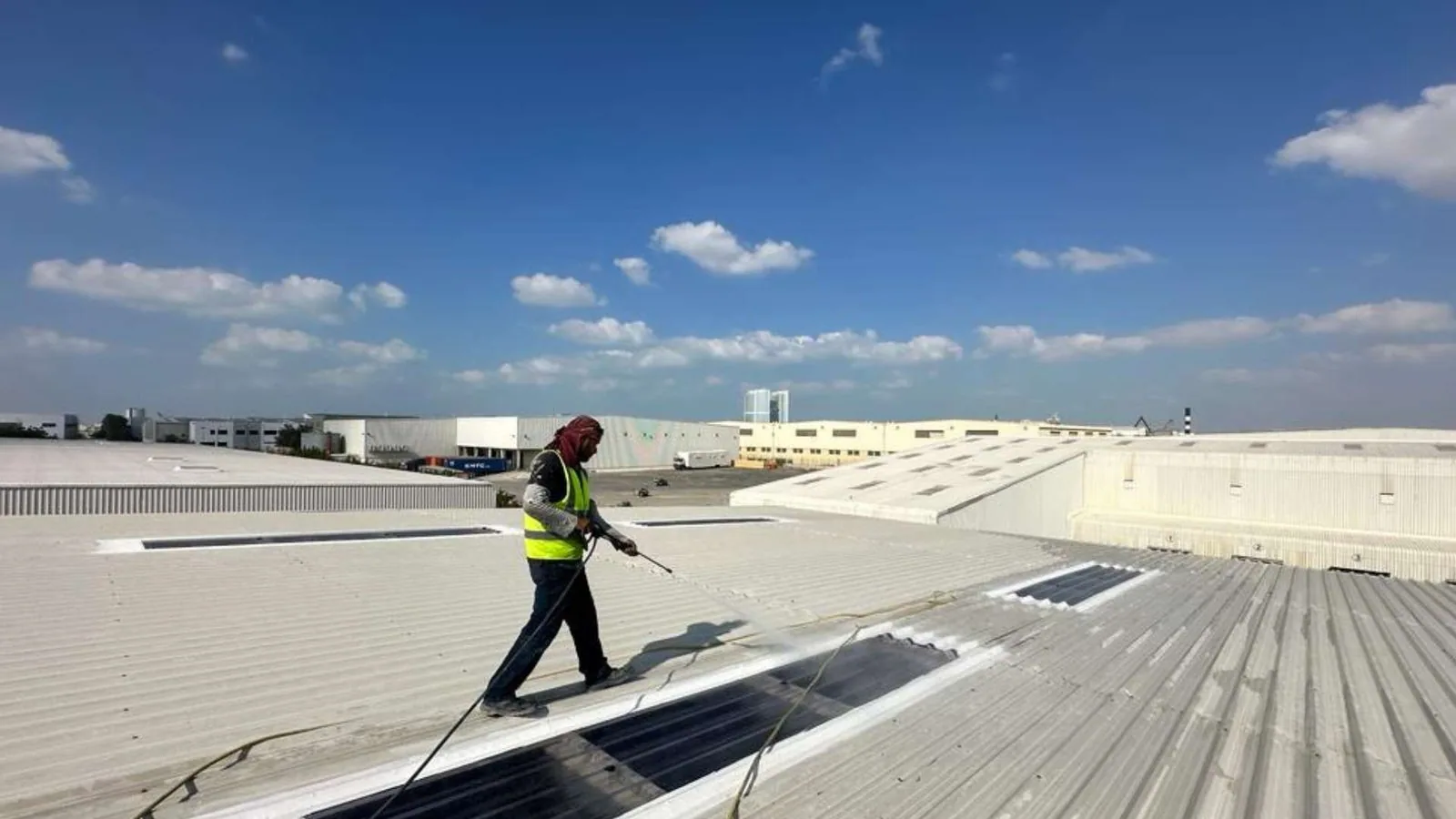
Restoration work must fit the property's access, deliveries, equipment schedule, and occupancy needs. Identify who can authorize a shutdown, open a ceiling, move stored items, or grant roof access. If mechanical equipment has been altered, assign the curb and flashing interface to a named trade before the repair begins. The daily plan should state where materials sit, which rooms or routes are affected, and how the crew will leave the roof protected at shift end.
At closeout, provide dated photographs, a marked roof plan, materials installed, repair limits, test results, temporary work removed or retained, and unresolved conditions. Keep receipts, work orders, and communications in the owner's file if the owner chooses to share them with its insurer. The record should be factual and readable by someone who was not present during the event. A property manager's repair record and a portfolio roof review support later maintenance decisions without overstating what the inspection established.
Commercial Roofing Questions
Will a roofing inspection decide whether an insurance claim is covered?
No. Coverage depends on the policy, facts of loss, and the insurer's decision. A roofing inspection can document observed conditions, testing limits, temporary work, and a proposed repair scope. It cannot determine policy coverage or promise a settlement.
What should be photographed after a commercial roof leak?
Photograph the affected interior area, roof plane, suspected entry point, nearby seams and details, drainage, and any temporary protection. Use a consistent location label, date, and direction where possible. Preserve the original images and note changes made after the first visit.
How can storm damage be separated from existing roof wear?
Record each visible condition and compare it with prior inspection reports, maintenance records, repair history, and event timing. Testing may be needed to confirm the extent or assembly. The report should identify uncertainty instead of assigning a cause that the available evidence does not establish.
Should temporary repairs be included in the permanent restoration scope?
List temporary protection separately with its location, materials, date, and follow-up plan. Permanent restoration should identify the assembly and boundary that will remain after temporary measures are removed. This makes the estimate easier to review and helps avoid treating short-term protection as a completed system repair.
What information should the property owner provide for an inspection?
Share the reported event date, affected rooms, roof plan, access contact, prior repair records, equipment work, and any known water-control steps. If the owner intends to coordinate with an insurer, identify the appropriate contact and direction before evidence is altered or concealed.
Document the Roof Condition and Repair Boundary
Share the event timeline, affected areas, roof plan, access contact, and prior repair records. We will document observed conditions, testing limits, temporary protection, and the proposed permanent scope.