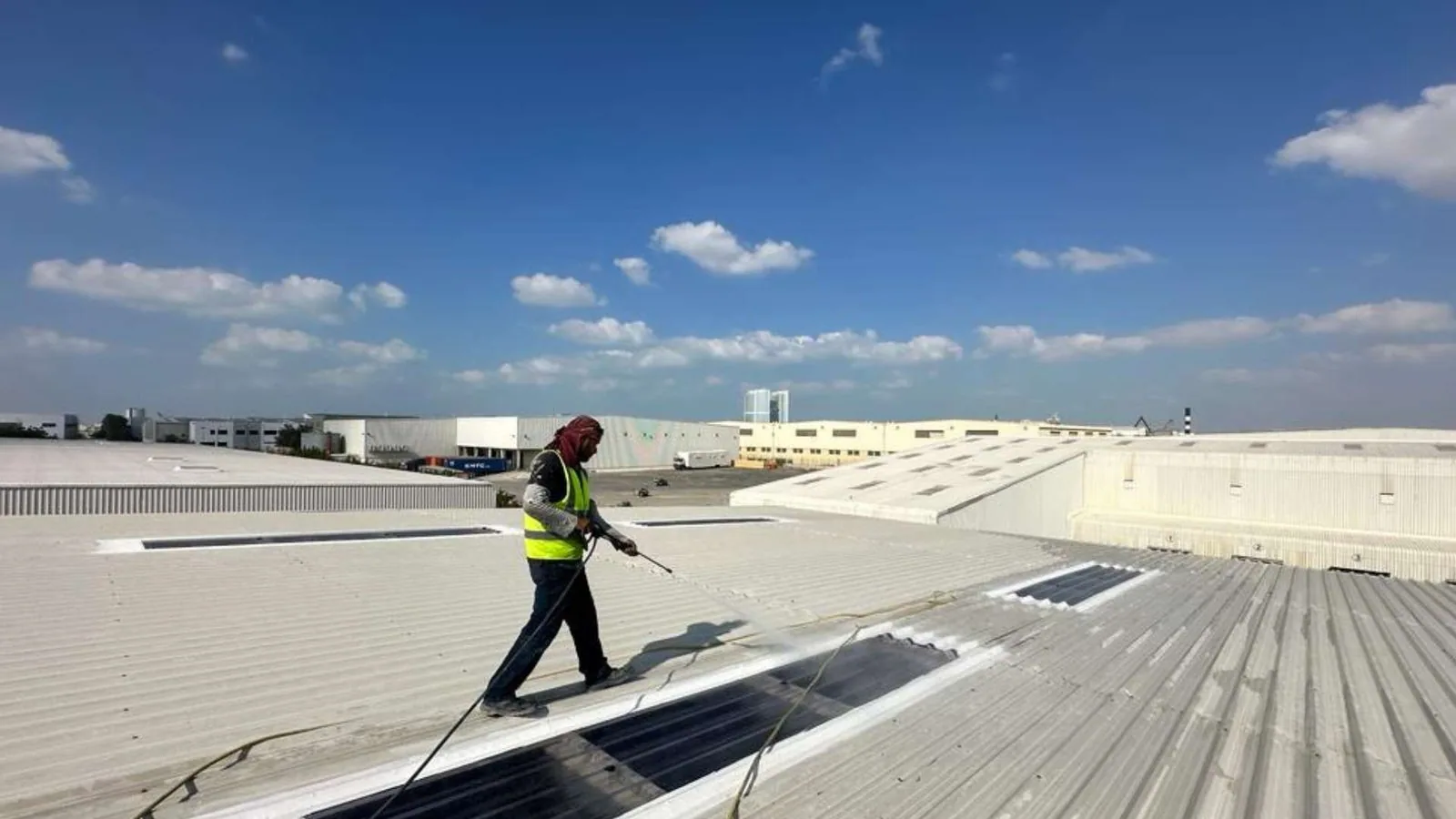
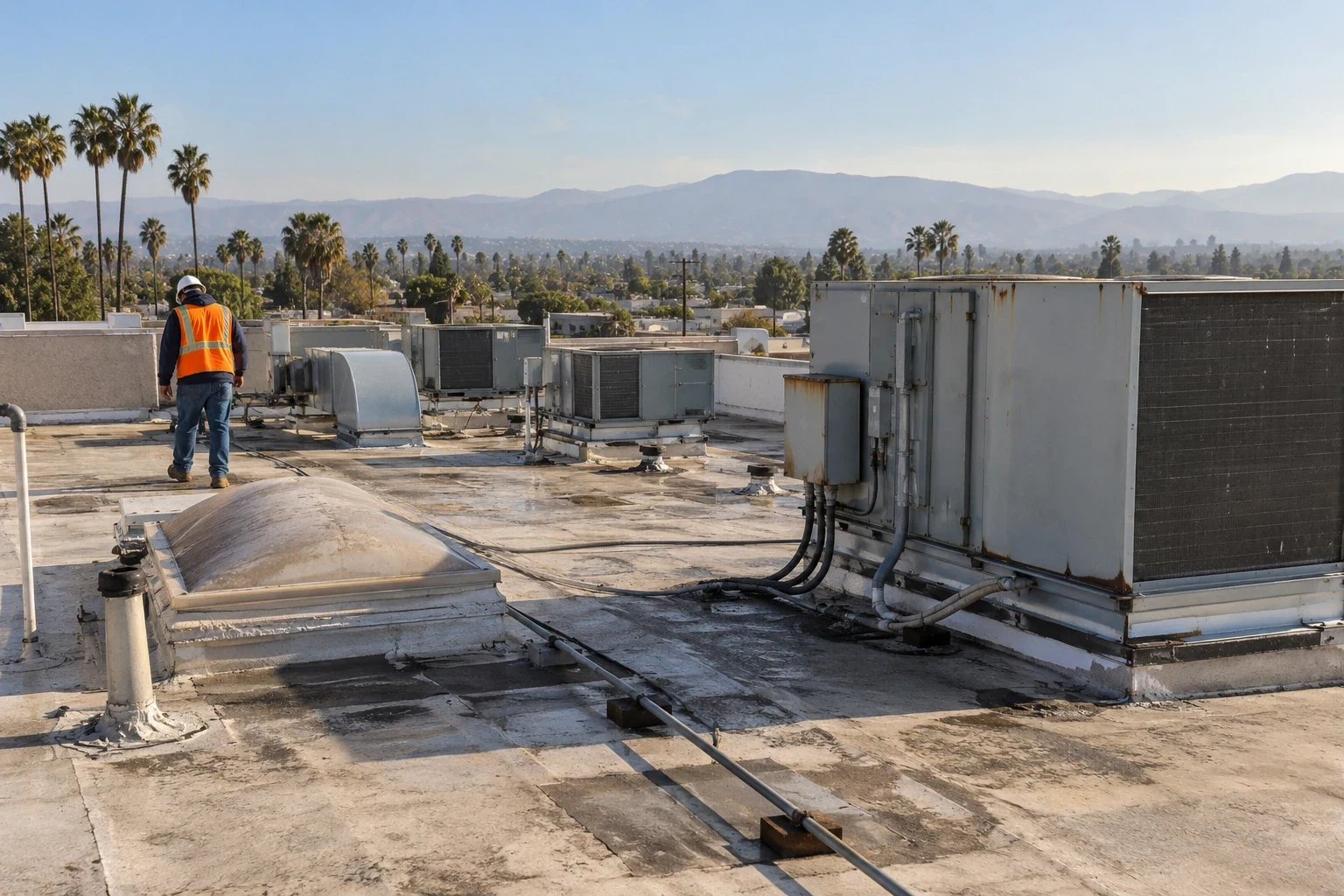
Infrared Roof Moisture Survey in Chico, CA
Heat patterns across a roof can point to areas that deserve a closer look, especially when a leak report or aging assembly raises questions about concealed moisture. We use infrared screening to compare surface temperatures, mark unusual areas, and select locations for follow-up. The scan does not see through a membrane or prove that insulation is wet. Sun exposure, wind, surface materials, rooftop equipment, and recent water can all affect a reading. We explain the conditions at the time of capture, then verify the locations that could change a repair or replacement decision.
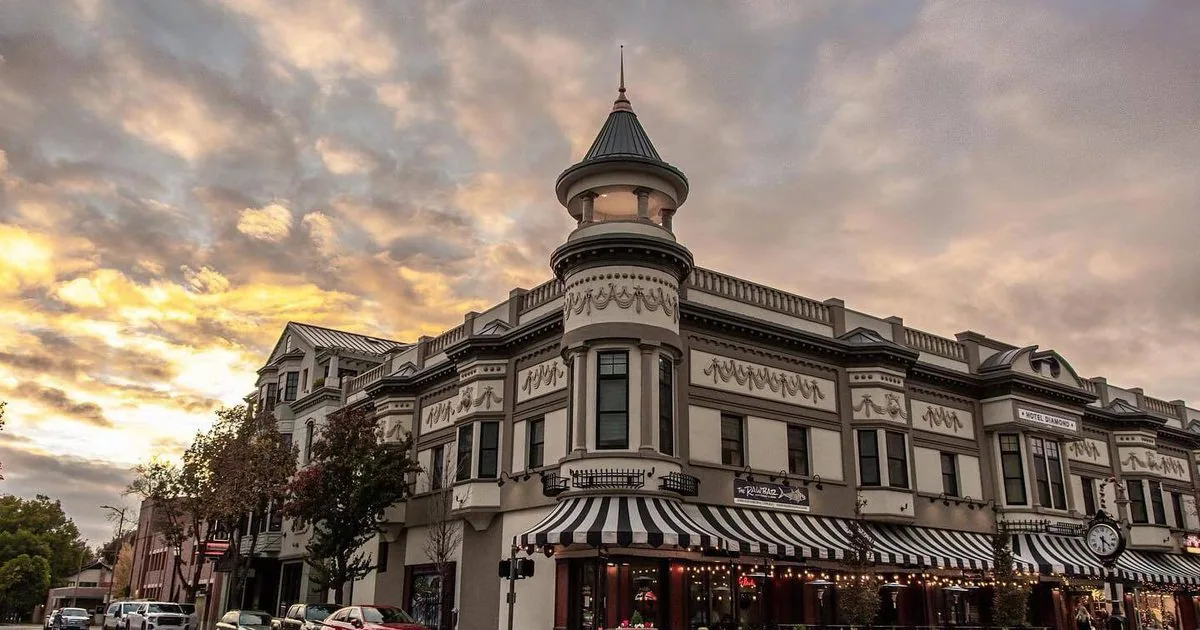
Capture a useful thermal pattern
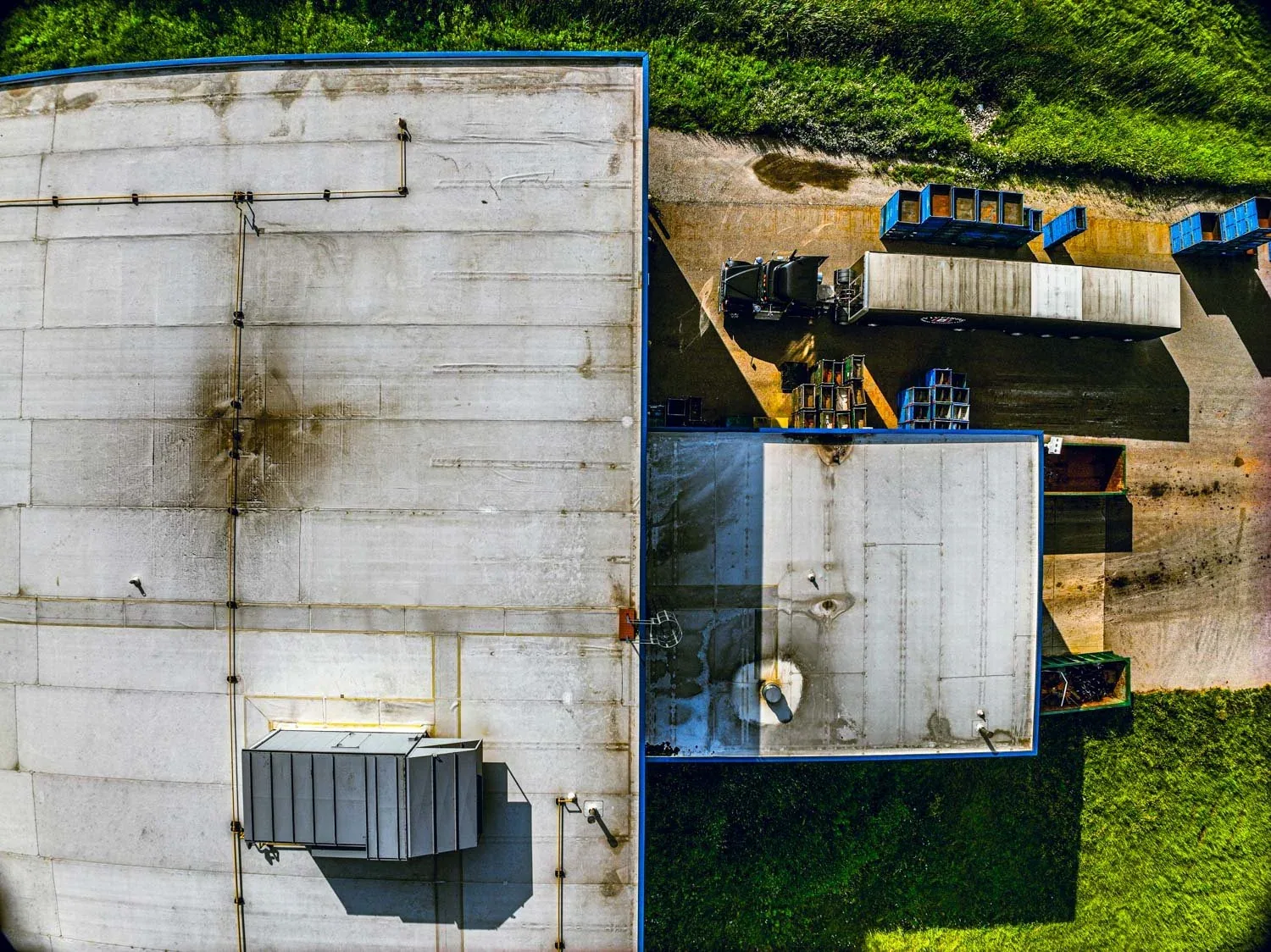
Survey timing matters. A roof needs a suitable temperature difference and stable conditions for useful thermal contrast. We review recent weather, surface moisture, equipment operation, and shade before interpreting an image. The scan may be performed from an appropriate roof-level or aerial vantage depending on access and the question. We record the instrument view and pair it with a visible-light image so the owner can find the area during a roof walk.
Chico's summers are hot and dry, and much of the annual precipitation falls in winter. That seasonal pattern affects when thermal differences may be available, but it does not mean the scan will be conclusive on a particular date. A hands-on inspection remains necessary for seams, flashing, and surface condition. If a roof is large or access is limited, a drone overview may help organize the capture and the later walk.
Treat each anomaly as a question
A warm or cool patch can have more than one cause. Wet insulation may retain heat differently from dry material, but a shadow, patch, drain, equipment base, or change in membrane can create a similar contrast. We compare the thermal image with the visible surface, roof plan, and reported leak locations. Then we sort each anomaly by whether it aligns with a plausible water path and whether the finding would change the scope.
We do not label a whole roof as wet because one image shows a temperature difference. The marked area becomes a test location only when the pattern and roof details support that next step. The East 20th Street District contains multiple shopping centers and large-format retail properties. At a specific retail building, rooftop units and shade from surrounding equipment may affect readings, so we isolate those influences before recommending a core.
We also compare the pattern with how the roof is built. A single-ply membrane over one insulation layer may respond differently from a multi-layer assembly or a roof with several repairs. Rooftop units can shade adjacent areas, and metal components can change surface temperature quickly. We mark these influences on the visible image so they are not mistaken for a moisture boundary. If the image and the roof plan do not align, we revisit the position and confirm the location on the roof before choosing a test point.
Confirm below the surface
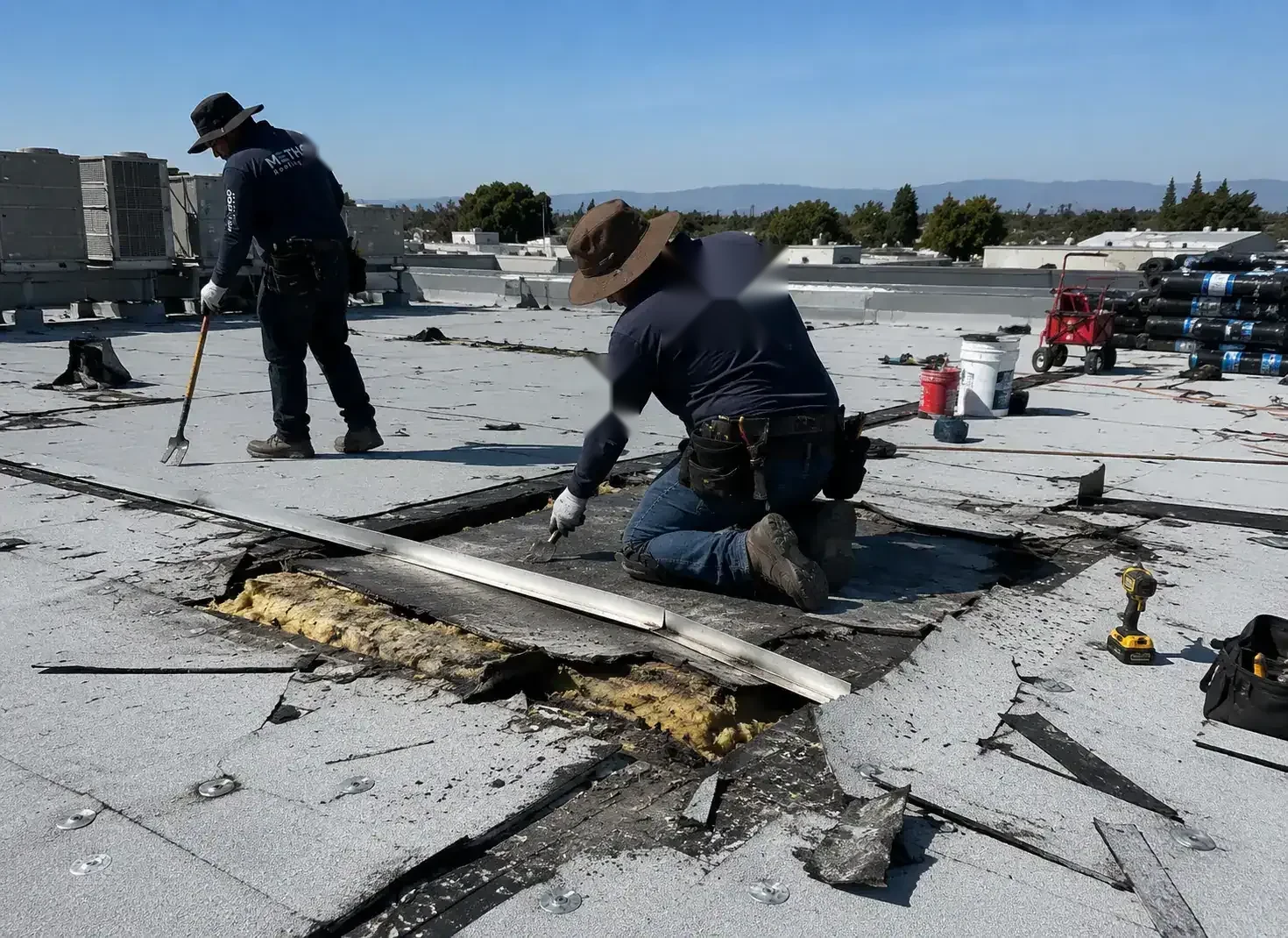
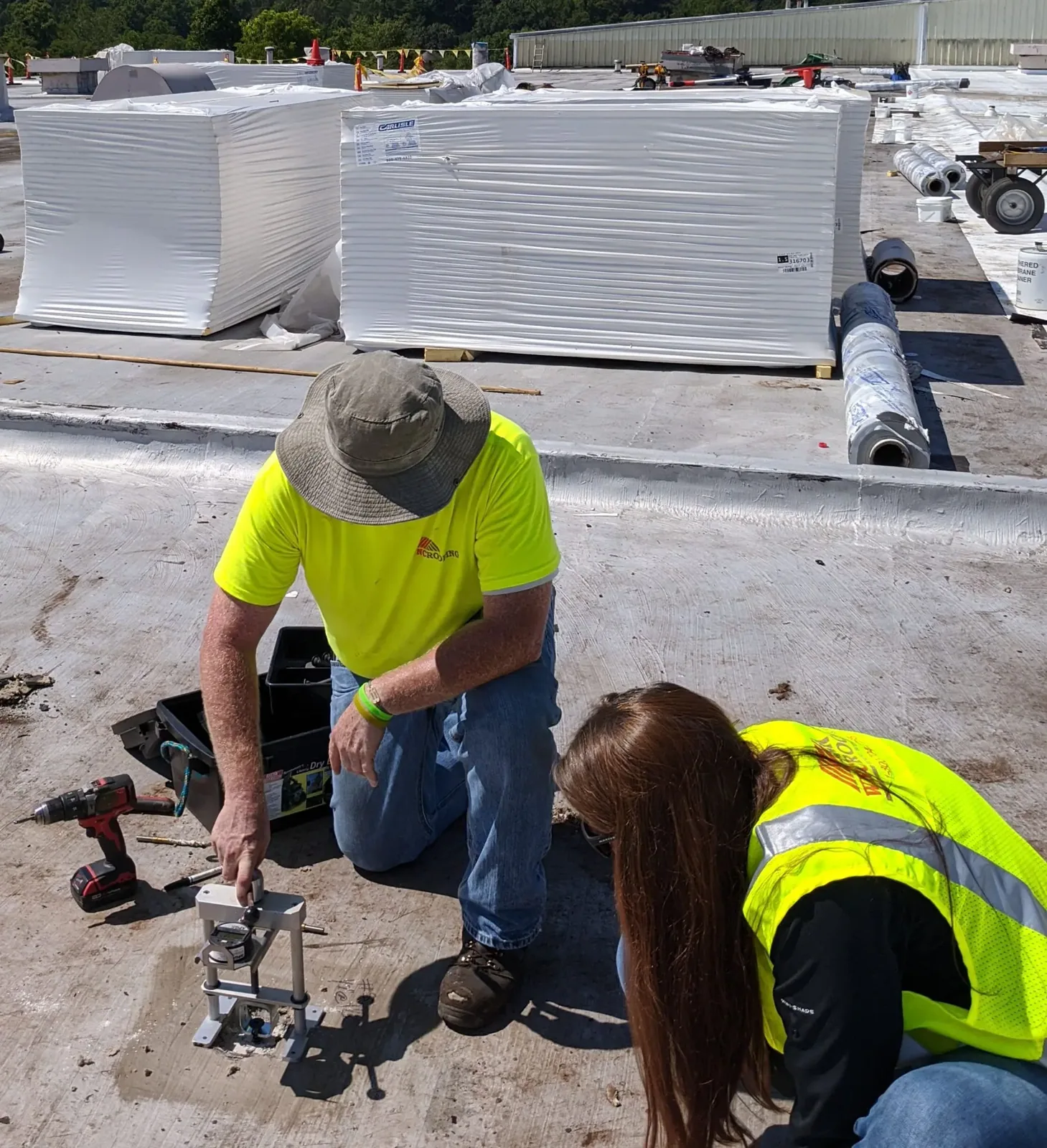
Selective cores or another approved opening verify the layer condition at chosen points. We record the membrane, insulation, cover board, and deck encountered, along with moisture observations and whether the assembly is bonded or separated. The opening is repaired after documentation. A core should answer a defined question, such as whether a suspected wet zone continues beyond a leak or whether a recover option remains possible.
When findings show isolated moisture, we map the affected boundary and discuss removal before a new layer is installed. If results are dry, we consider whether the thermal pattern came from a different surface condition and whether another test is necessary. We can then compare the outcome with a recover assessment or full replacement scope. The owner sees both the image clue and the verification result, not just a color-coded diagram.
Connect readings to roof choices
The report ties each numbered anomaly to a location, a visible-light image, the capture conditions, and any test result. We identify which areas warrant repair, monitoring, or added sampling, and which do not support a conclusion. If moisture is present near a drain or curb, a targeted leak investigation can trace the entry path. A condition report keeps the finding in the roof history, while a capital plan can compare its effect on replacement timing.
North Valley Plaza is a regional commercial center near East Avenue and Cohasset Road. At a building in either retail district, we distinguish equipment shadow and surface material from a pattern that merits moisture testing. We work from the building's assembly and test locations, then explain what the evidence supports for that property.
For a portfolio owner, a survey can also help sequence a limited number of test cuts across separate roof sections. We distinguish areas with similar patterns from areas that have a different assembly or exposure. The owner can approve the locations that answer the immediate scope question and defer exploratory openings that do not change the next action. That keeps verification focused on the decision at hand and leaves a repeatable record for future maintenance staff.
Know when infrared is the wrong tool
Infrared screening may not be useful on every roof. A dark surface, high winds, recent rain, reflective materials, or heavy equipment can obscure meaningful contrast. Some assemblies do not hold a clear temperature pattern, and access rules may prevent a suitable view. If conditions are not appropriate, we say so and recommend a direct inspection or another method rather than forcing a conclusion from weak imagery.
Before scheduling, share the roof system if known, leak history, plans, and any access restriction. We will explain the survey method, what we need from the site team, and where test openings could be proposed. A good result is a shorter list of verified areas and a more precise scope. It should reduce guesswork, not replace sound judgment about seams, drainage, attachment, and the building's operating needs.
Some owners request a scan before a sale, refinancing, or annual budget review. In those situations, the survey should supplement a broader assessment of membrane condition, drainage, and roof history. A thermal image cannot establish remaining service life or set a replacement date by itself. We explain the limit clearly so the report can be used alongside inspection notes, repair invoices, and any available roof plans.
Commercial Roofing Questions
Does infrared prove that roof insulation is wet?
No. Thermal contrast helps identify areas for investigation, but a test opening or other approved verification confirms the assembly condition. We distinguish a scan anomaly from a finding that supports repair or replacement.
When should an infrared survey be scheduled?
The roof and weather need suitable conditions for contrast. We review recent rain, wind, sun, surface material, and equipment effects before selecting a capture window, and we will reschedule if conditions do not support useful readings.
How many core cuts will you make?
The number depends on the pattern and the question each opening must answer. We identify candidate points, explain the reason for each one, and agree on locations before making a cut.
Can a thermal survey identify the source of a leak?
It can help narrow the area, but it cannot trace water through every roof layer by itself. We compare the anomaly with drains, seams, curbs, and the interior report, then inspect the likely path directly.
What do I receive after the survey?
You receive marked thermal and visible-light views, capture notes, verification results where completed, and a prioritized next step for each area. The report states where the evidence is clear and where it remains inconclusive.
Verify suspected moisture before setting roof scope
Send the roof plan, leak locations, existing system information, and recent repair history. We will assess whether thermal screening fits the conditions and identify any test locations before the roof decision is made.