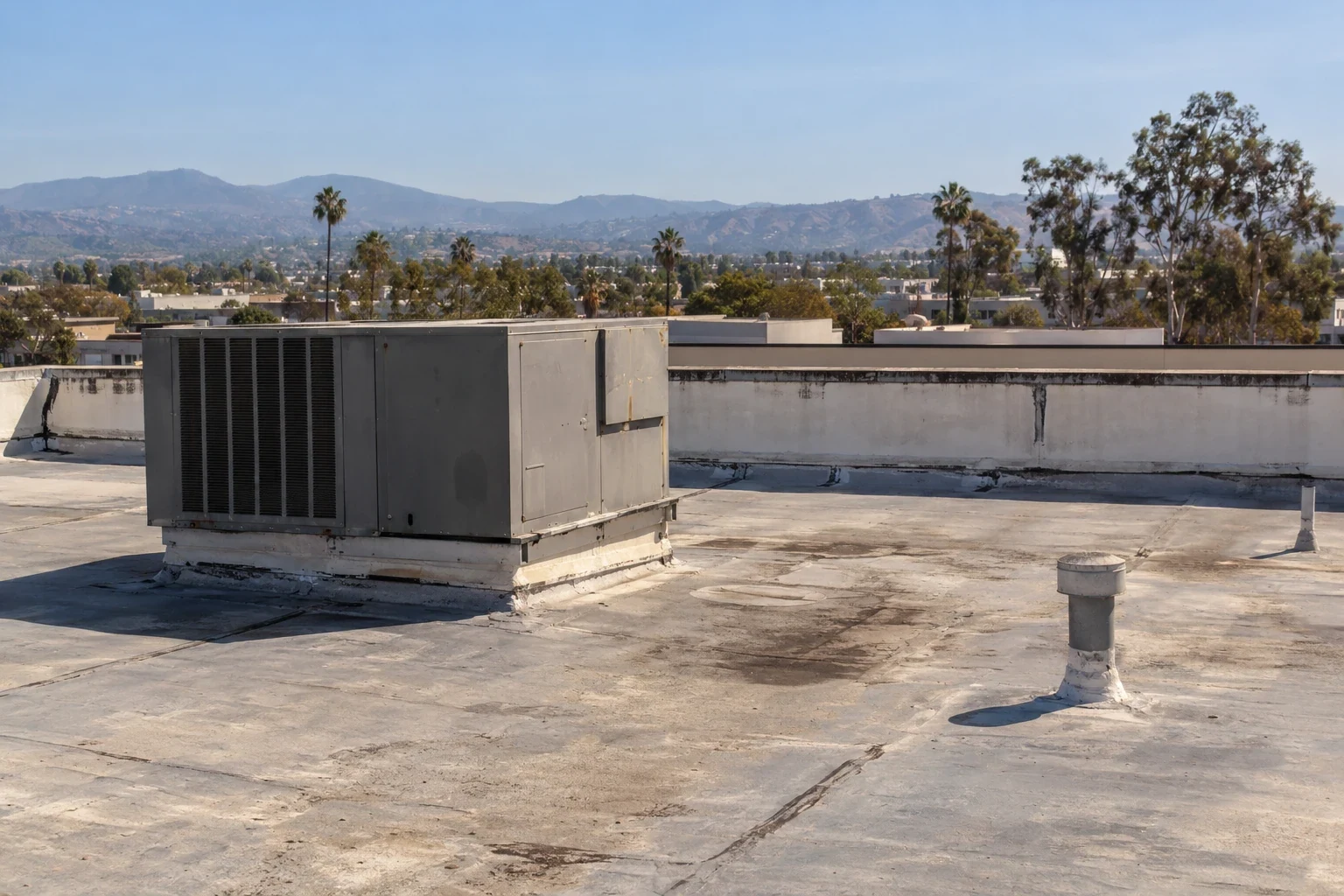
Commercial Roofing for Real Estate Investors in Chico, CA
An acquisition file may show a roof age while leaving attachment, wet insulation, and prior patch limits unresolved. For an investor or REIT reviewing a Chico asset, those gaps affect reserves and the first operating plan. We inspect the accessible assembly, compare visible conditions with available records, and identify what would need a test or opening before a repair boundary is priced. That gives the buyer a decision list tied to the roof rather than a broad condition label.
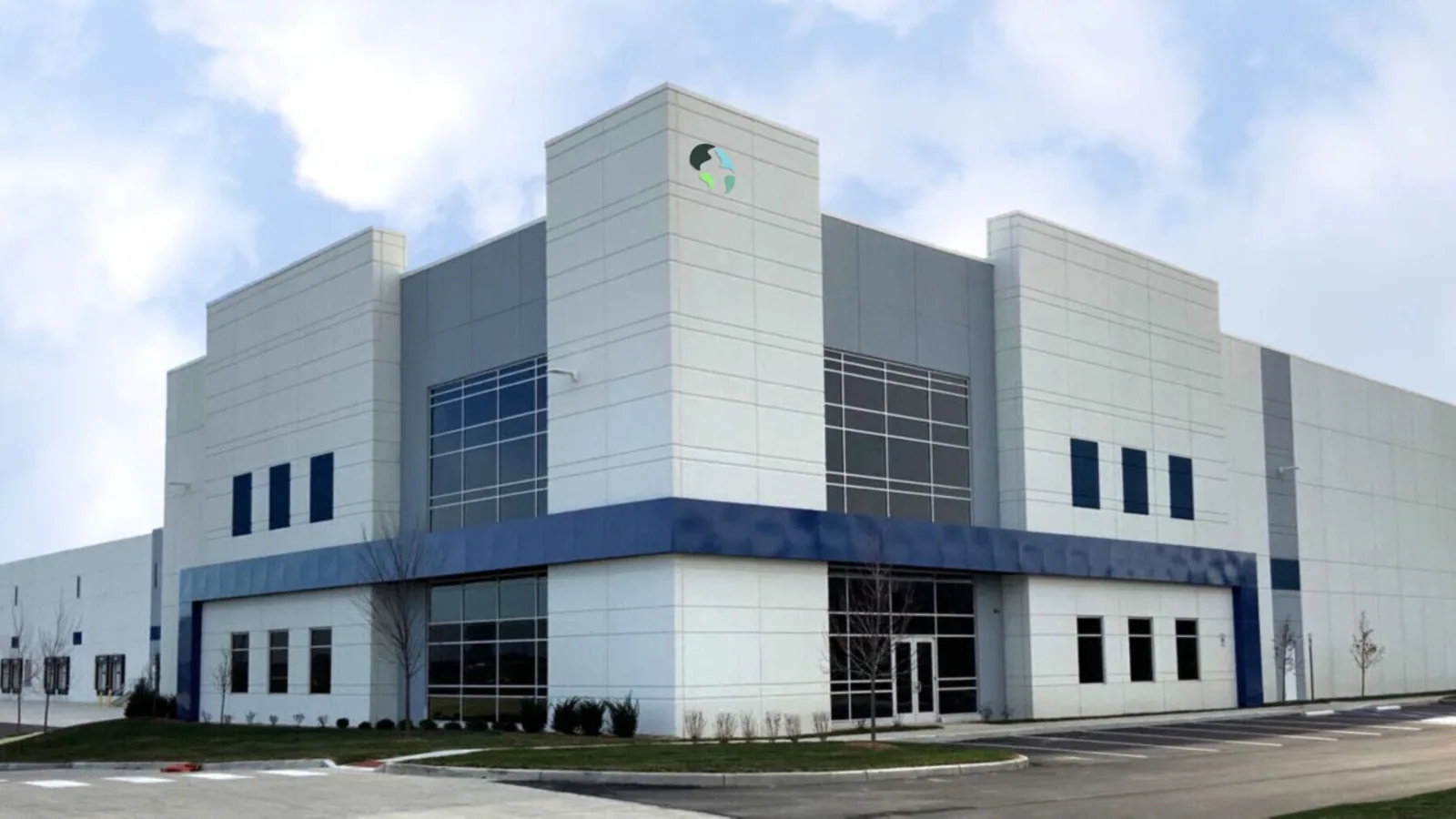
Chico planning records describe mixed-use opportunities downtown and employment areas near Meyers Street and Hegan Lane. Those broad settings do not establish the construction or roof condition of any asset. The property inspection must do that work. A Downtown Chico assessment and a review in the Hegan Lane area may involve different access, tenant, or loading questions, but each report stays specific to the property and scope.
Turn the Walk Into a Decision File
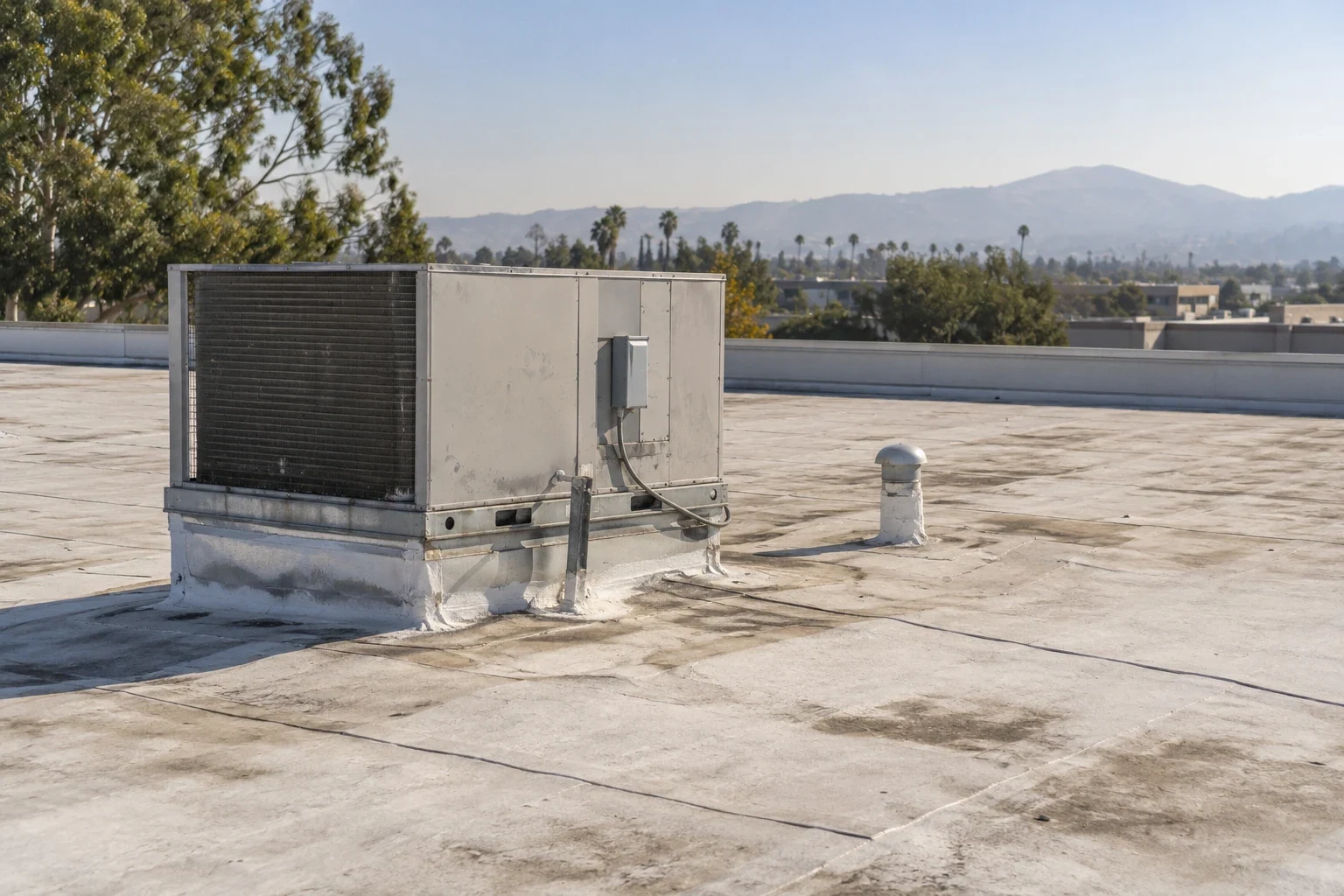
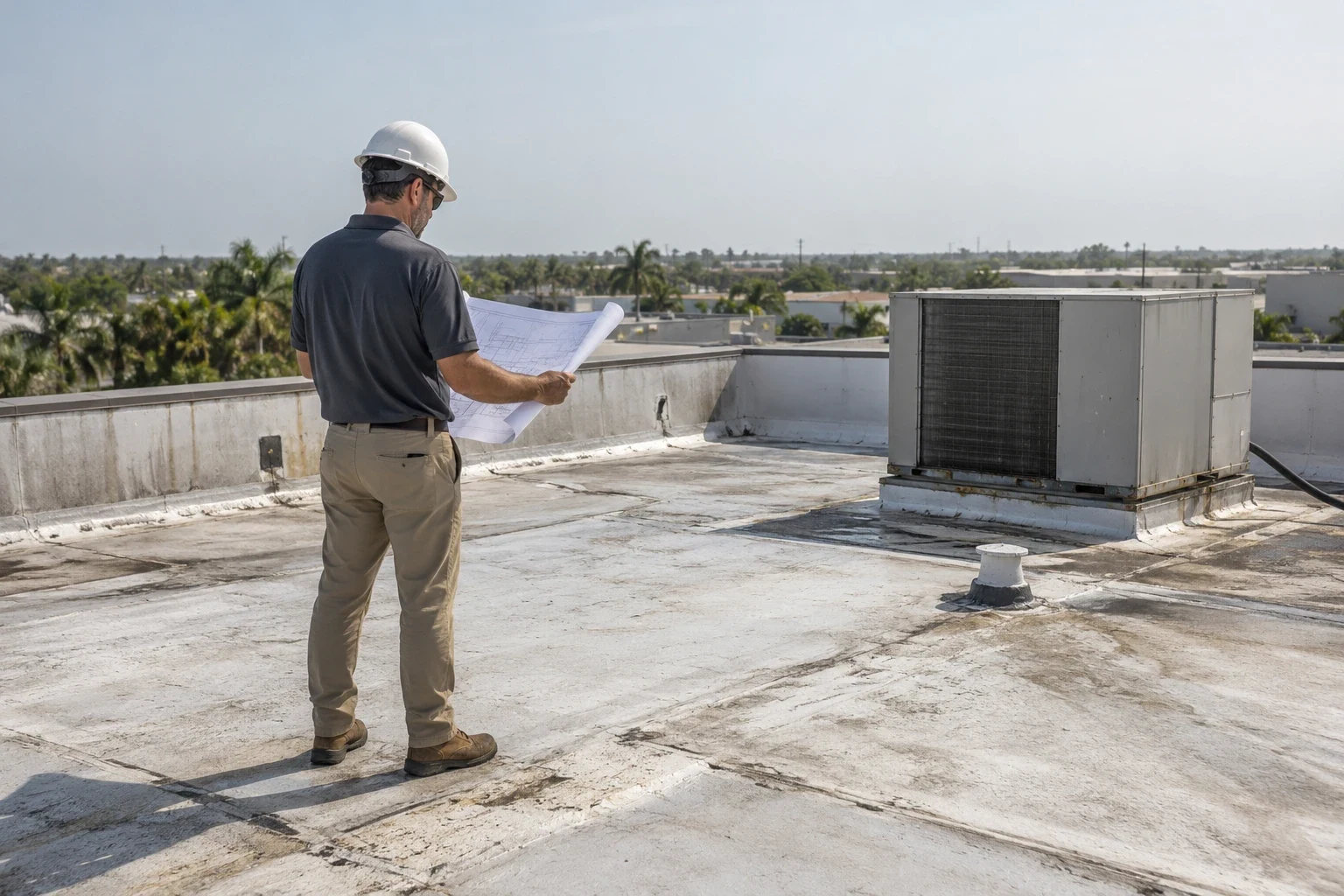
A due-diligence visit should leave the buyer with a roof-zone map, photographs, known repairs, and a list of concealed conditions that could change the estimate. We record the system only as far as documents and field evidence support. A roof age in a seller file is useful context, not proof that the surface is near failure. We check seams, drains, edges, penetrations, attachment clues, and signs of moisture before deciding whether any next step merits invasive access.
Timing matters when the buyer has a closing date, lender review, or tenant transition. We can identify what can be observed before access changes and what requires authorization from the current owner. A roof due-diligence survey separates immediate exposure from reserve planning. If an active leak needs action, a leak investigation can establish a short-term repair boundary while the larger asset review remains open.
Separate Reserve Items by Evidence
A useful reserve schedule distinguishes a bounded repair, recurring maintenance, a component replacement, and full assembly renewal. We mark each item with a roof area, observed condition, and the evidence behind its timing. A test cut may reveal wet insulation beyond the visible leak, while an edge detail may be repairable without disturbing the field. Those outcomes have different costs and scopes, so an allowance should say what finding triggers the added work and who approves it.
Chico's employment and commercial areas include multiple property contexts, but the General Plan's planned capacity is not a count of existing roofs. We do not use a citywide projection to estimate an asset's roof quantity or remaining life. Instead, a capital planning review can rank observed needs against operating priorities, while a property manager's service record can preserve repair history and approvals. The asset owner can then compare the same mapped scope at each property. For acquisitions, we distinguish a seller's repair history from what can be corroborated on the current walk. A membrane patch can hide an earlier opening, and tenant turnover can obscure where a leak was reported. We label historical items until they match current field evidence, then name the follow-up test before presenting a life estimate.
Price Around Chico's Summer Window
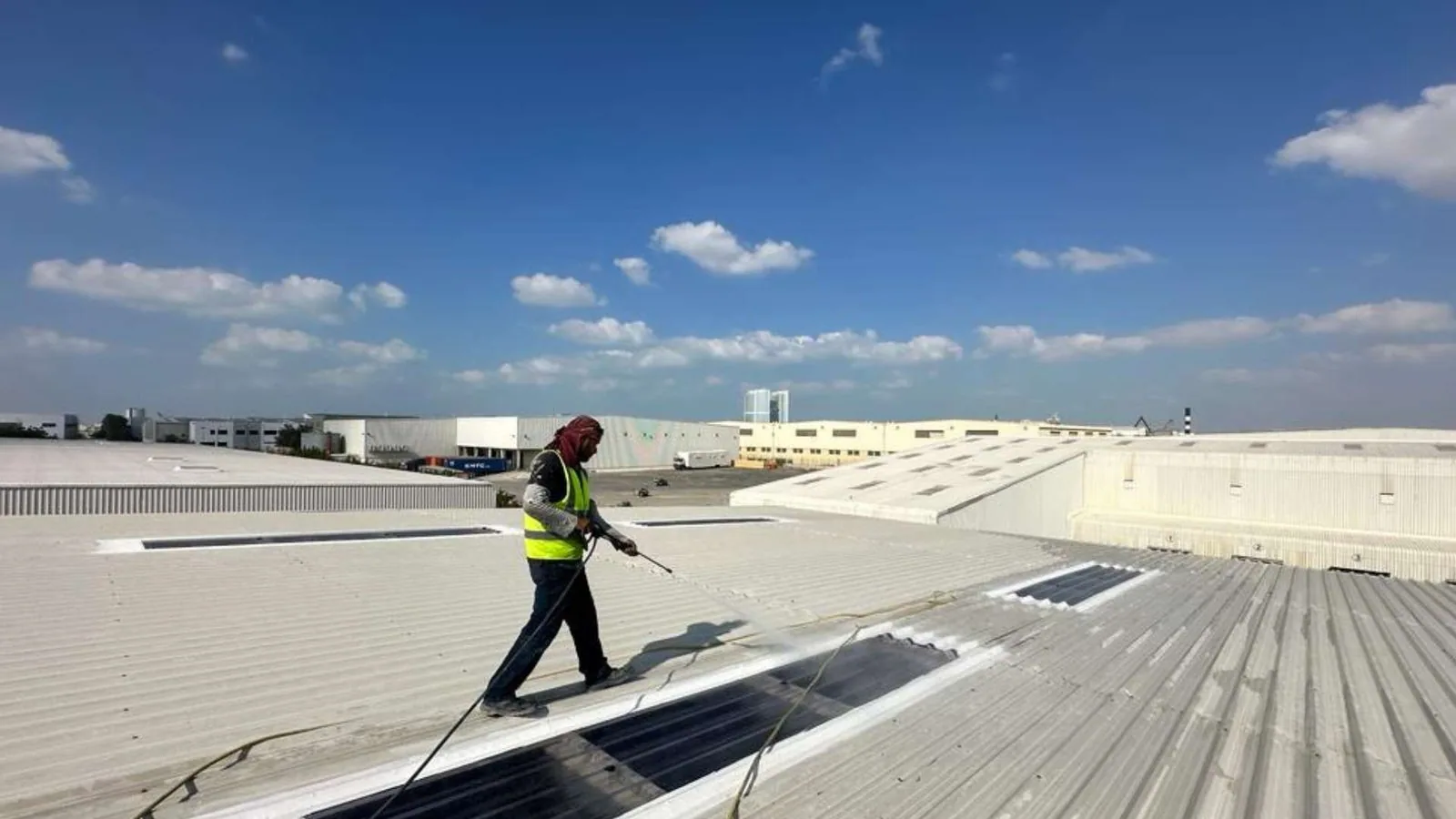
The Chico hazard annex characterizes summers as hot and dry, a seasonal exposure that makes the installation window relevant to a capital schedule. That exposure makes crew access, staging, and safe daily dry-in limits part of a replacement schedule, but it is not a condition rating. We check the actual membrane, seam welds, sealants, metal edges, and insulation indicators, then relate the finding to the proposed work window.
For an investor managing occupied suites, a lower bid that assumes unrestricted access may not match a phased scope that protects customers and equipment below. We identify staging needs, hot-work controls where applicable, rooftop-unit coordination, and the daily area that can be dried in. A phased roof sequence can help the ownership team compare operational impact alongside price. If the assembly is confirmed as TPO, TPO seam and flashing work can be evaluated against actual material condition rather than the label in an old schedule.
Use the Dry Season to Check Water Paths
Chico's normal rainfall is weighted toward winter, with January and February averaging about five inches each and midsummer months close to dry. That seasonal pattern makes a pre-rain review of outlets and low areas useful, especially when a roof has prior ponding or tenant leak reports. We inspect primary drains, overflows, scuppers, parapets, and discharge routes, then show which areas were reachable. A drainage concern is not automatically a membrane failure, but ignoring the route can make a localized repair recur.
The roof map should connect outlets to the rooms and equipment below. Where the path is unclear, we state what a moisture survey or approved opening could confirm. An outlet inspection and moisture survey answer different questions; neither replaces field judgment about the assembly. Keep maintenance, repair, and capital renewal as separate reserve entries unless the inspection shows they share a cause.
Compare Repair, Recover, and Replacement
A recover can reduce removal, but only if the existing assembly is suitable, dry, stable, and accepted under the governing permit. The added load and concealed condition must be evaluated before it becomes an investor's cost-saving assumption. If wet insulation or loose attachment is confirmed, the scope should address those layers rather than cover them. We document the basis for each option and identify any test that could move the boundary.
Repair may fit an isolated split or transition if surrounding seams, flashings, and substrate can accept a tie-in. A sectional renewal is easier to compare when the affected zone has its own moisture results and service history. Full replacement can be compared when deterioration crosses the assembly or repeated repairs no longer address the source. A recover assessment and a replacement scope should use the same roof map, equipment coordination, removal assumptions, perimeter details, and dry-in limit so the investment committee can compare like work.
Retain a Comparable Record Across Assets
For multiple properties, a consistent record format helps without pretending every roof is alike. We identify the building and roof zone, date observations, note access limitations, and keep temporary measures distinct from permanent repairs. A photo index can show the edge, drain, and field condition supporting a recommendation. The record also names what remains unknown, such as concealed insulation or an inaccessible equipment curb, so a later reserve update does not treat an assumption as a completed inspection.
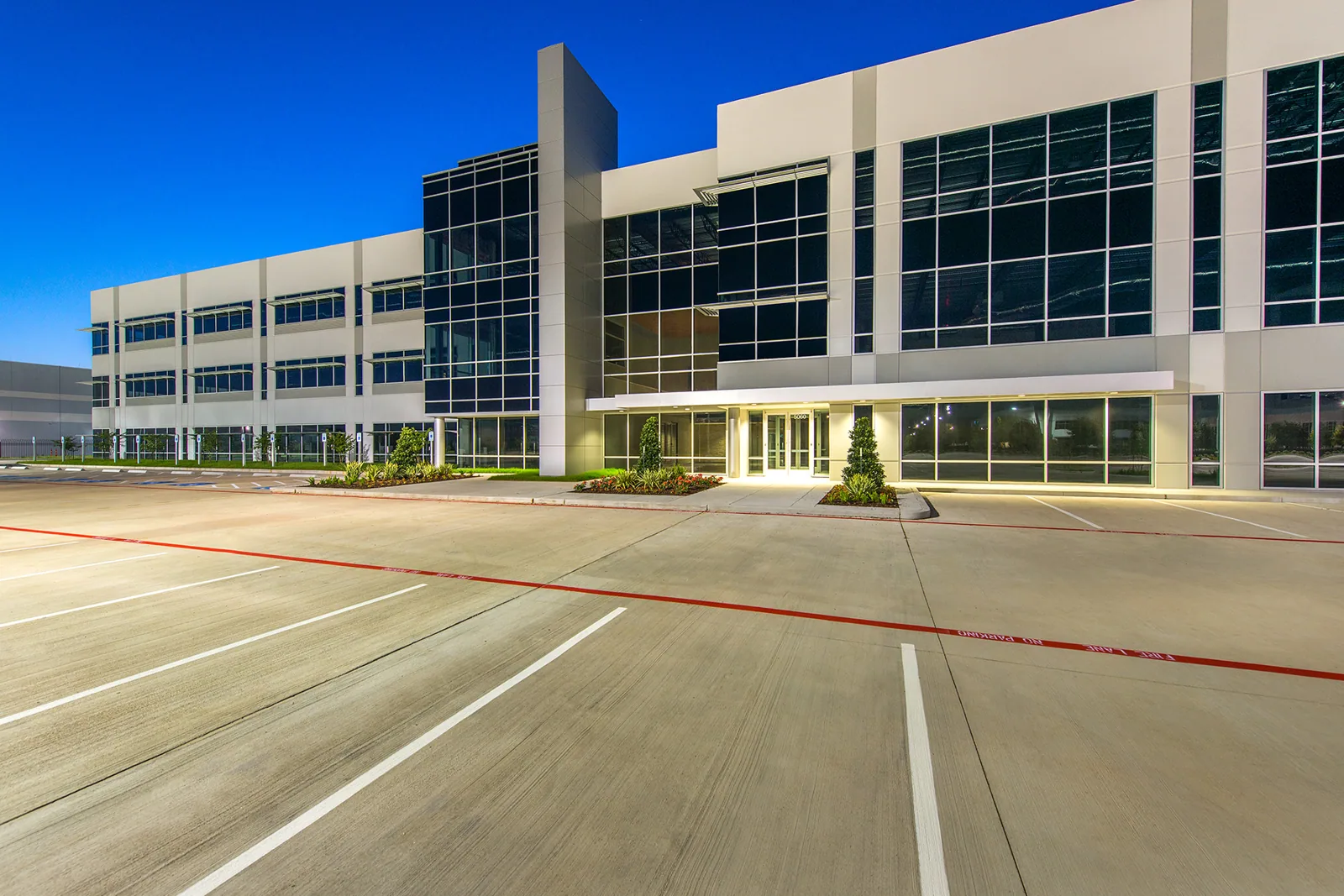
Send the site list, roof plans, tenant constraints, past service reports, and the decision date for each asset. We can document conditions in a way the owner and manager can review together. A roof condition report supports the technical file, while a health system portfolio review illustrates how operating requirements can differ across occupied assets. Scope, timing, and reserve language follow the building evidence, not a portfolio-wide guess.
Commercial Roofing Questions
What should a roof due-diligence report resolve before closing?
It should map observed conditions, show prior repair evidence, identify access limits, and list tests or openings that could change the scope. We separate verified items from allowances for concealed layers.
Can roof age alone establish a replacement reserve?
No. Age is one file detail. We inspect the assembly, repair history, drainage, attachment indicators, and moisture evidence before describing a service or renewal need.
How do we compare a recover proposal with tear-off?
Compare retained layers, moisture testing, attachment, permit conditions, added assembly, removal assumptions, and responsibility for concealed damage. We use one roof map for both options.
What does Chico summer heat change in project planning?
Hot conditions can shorten the safe installation window. The field team checks the roof surface, ambient conditions, and product instructions before setting crew hours and the boundary that can be protected before shift end.
Can an active leak be handled before a full acquisition review?
We can inspect the reported zone and define a limited protective or repair action while keeping the broader assembly review separate. The report says what remains unverified.
Review a Chico Roof Before the Next Decision
Share the asset address, roof records, lease or access limits, and the date your team needs a decision. We will map confirmed conditions and identify the checks that could change scope.