Occupied-Building Commercial Reroofing in Chico, CA
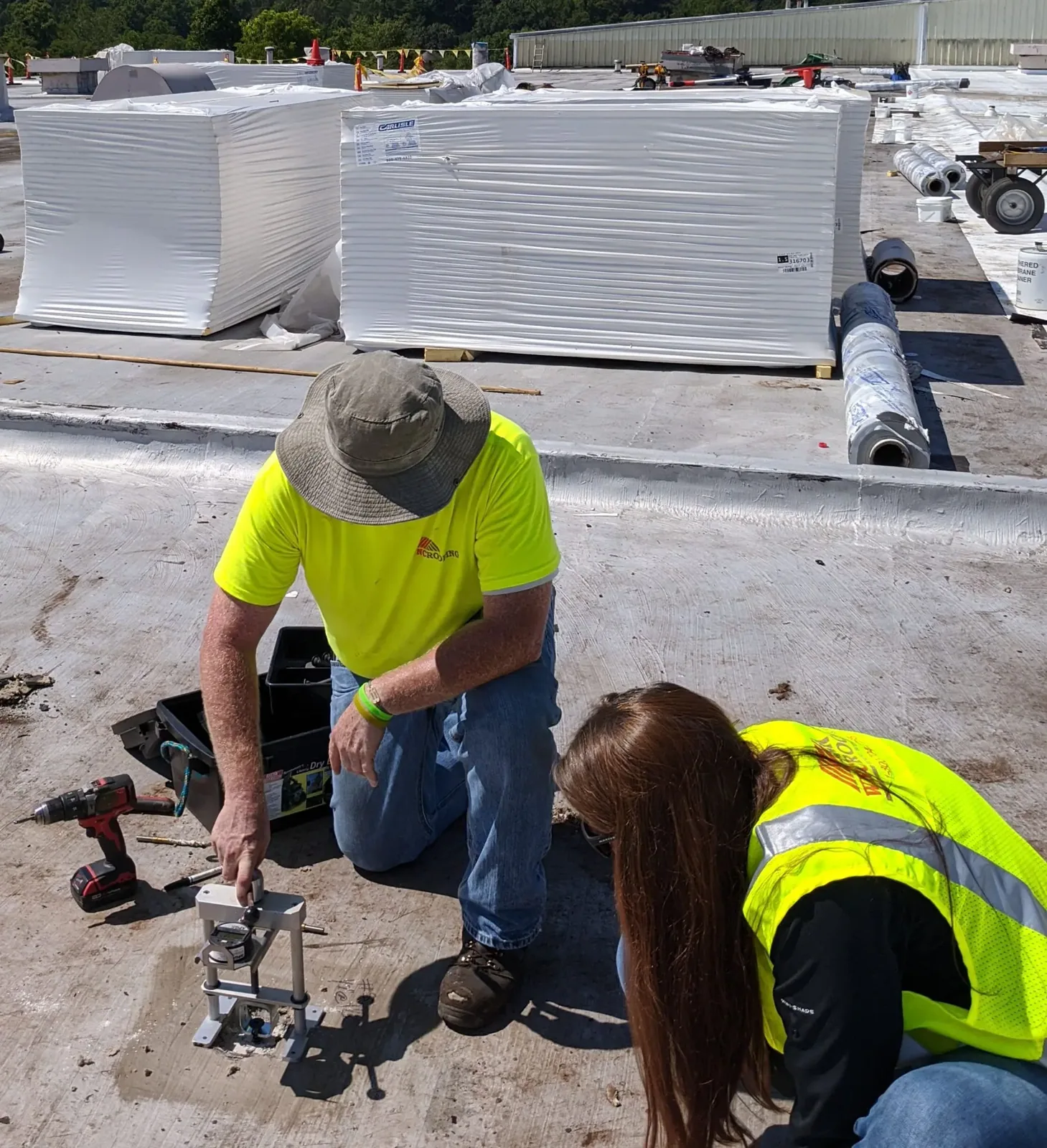
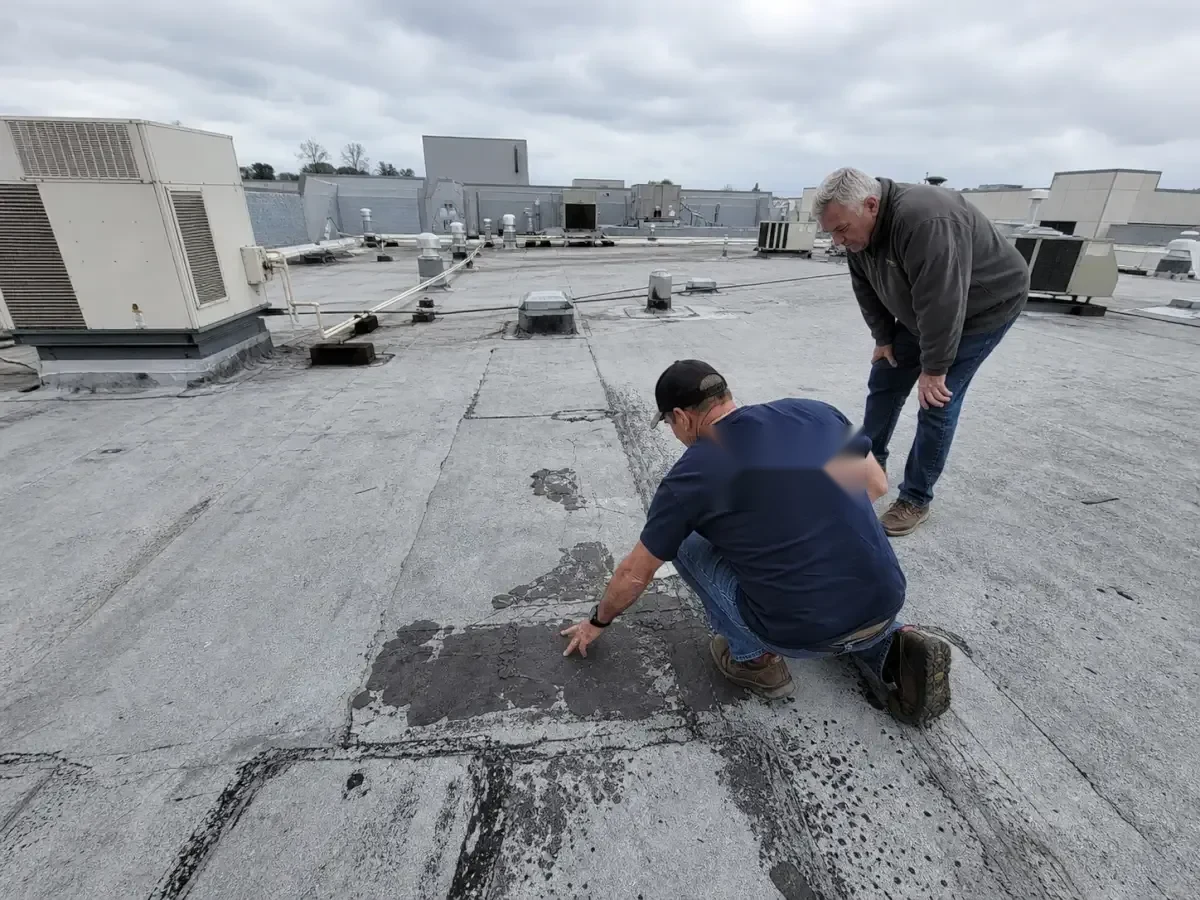
A roof section can be opened during occupancy only when the crew can restore a dry boundary before the shift ends. In Chico, CA, summer heat and winter rain affect that decision at different times of year; the area has hot, dry summers and cooler, wet winters. The roof and the day’s conditions set the work window. We inspect the assembly, mark zones that can be removed and closed in sequence, and identify entrances, equipment, or operations that need protection. The plan assigns work zones and access controls to the property’s schedule. Start with a commercial roof inspection that records access and roof condition together.
Set the daily opening and close-in limit
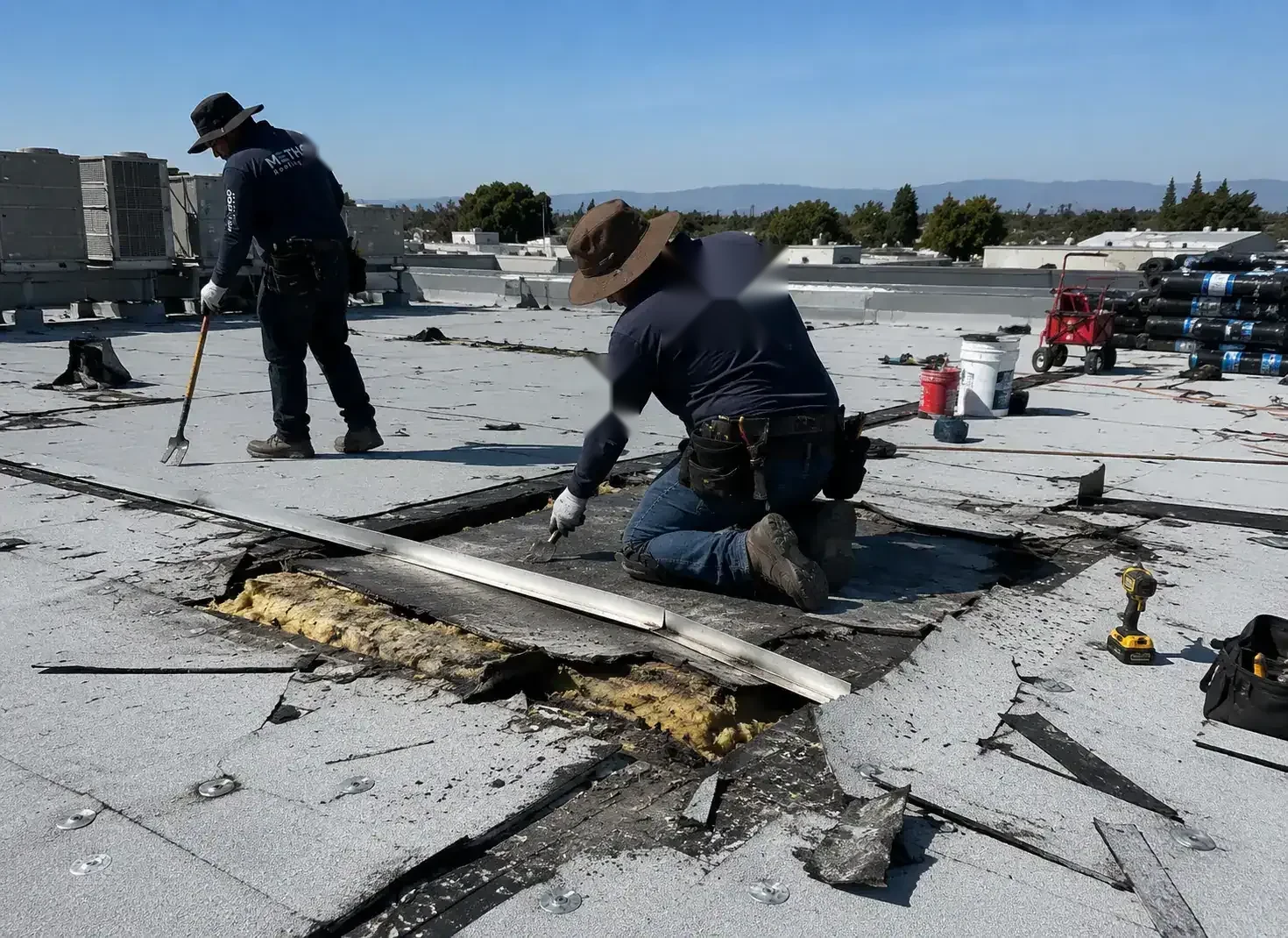
Before tear-off, we divide the roof into areas the crew can prepare, repair, and dry-in within the approved shift. The boundary considers forecast, substrate condition, crew access, and the number of details at drains, curbs, and walls. We note what stays covered, where temporary protection is staged, and who can authorize a change if concealed damage appears. If a section cannot be closed safely before weather or the end of the shift, it remains unopened. That rule protects the interior and gives the owner a clear point to review before the next area is exposed.
Downtown Chico combines commercial and office mixed-use areas, while North Valley Plaza is part of a regional retail area. Those settings can involve different check-in, delivery, and public-access patterns, but the property contact defines the actual limits. We record entrances, loading areas, and roof routes that matter for the work. A Downtown Chico roofing plan still starts from that building's access map. The sequence lists the zone number, start point, tie-in, and protection needed when a crew moves to another section.
Protect rooms, equipment, and people below
Roof work can create noise, vibration, debris, or a temporary change in weather protection. We ask which rooms, stored products, equipment, and occupied routes sit below the proposed work area. The owner can then identify sensitive operations, set a notice window, and approve a route for materials or debris. A wet ceiling or unstable surface may need to be isolated before roof access is arranged. We keep those steps tied to the work zone rather than handing the facility a generic notice that does not identify where work will occur.
Chico’s employer mix includes higher education, health care, schools, insurance, and public services. That range points to different scheduling needs across the market, not a claim about any one building's operations. We coordinate with the site contact before removing material over a room that cannot be interrupted. If a medical, classroom, or customer-facing area has special restrictions, the owner communicates those limits and we reflect them in the sequence. Temporary protection and daily cleanup remain part of the roof scope, with any interior access handled under the property's rules.
Keep drainage open as each zone changes
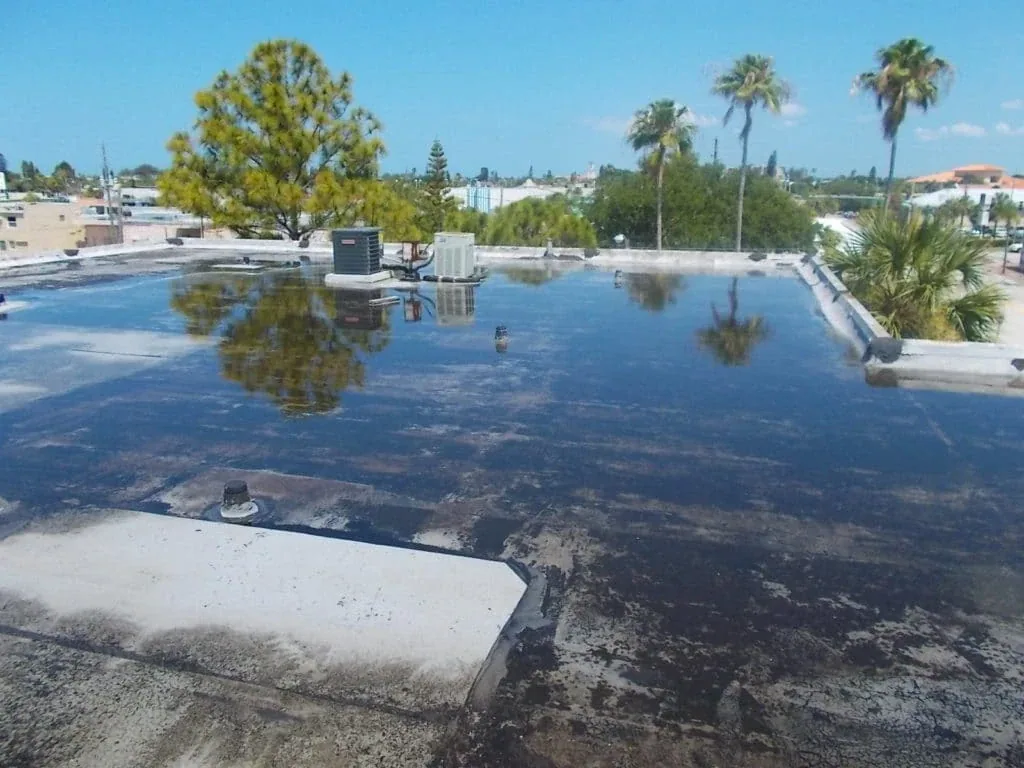
When an assembly is open, drains and overflow routes must keep working. We identify outlets inside or uphill from the active zone, protect strainers from debris, and avoid leaving a temporary cover where it can trap water. The crew confirms the planned path before each section is closed and notes any drain or scupper that needs separate correction. If a roof has ponding or a low area, the work plan should show whether slope or insulation is part of the project, because a new membrane will not change the roof's geometry by itself.
Chico rainfall normals show greater precipitation in January and February than in July and August. A season with little rain still calls for a defined close-in, and a winter forecast narrows the open-roof window. We check surface moisture and material cure requirements before placing the next layer. If drainage work is needed, a drain or scupper repair is coordinated with the reroof zone and listed in the closeout. The owner's staff should know which outlets are protected and where a temporary path remains until permanent work is complete.
Coordinate deliveries and rooftop trades
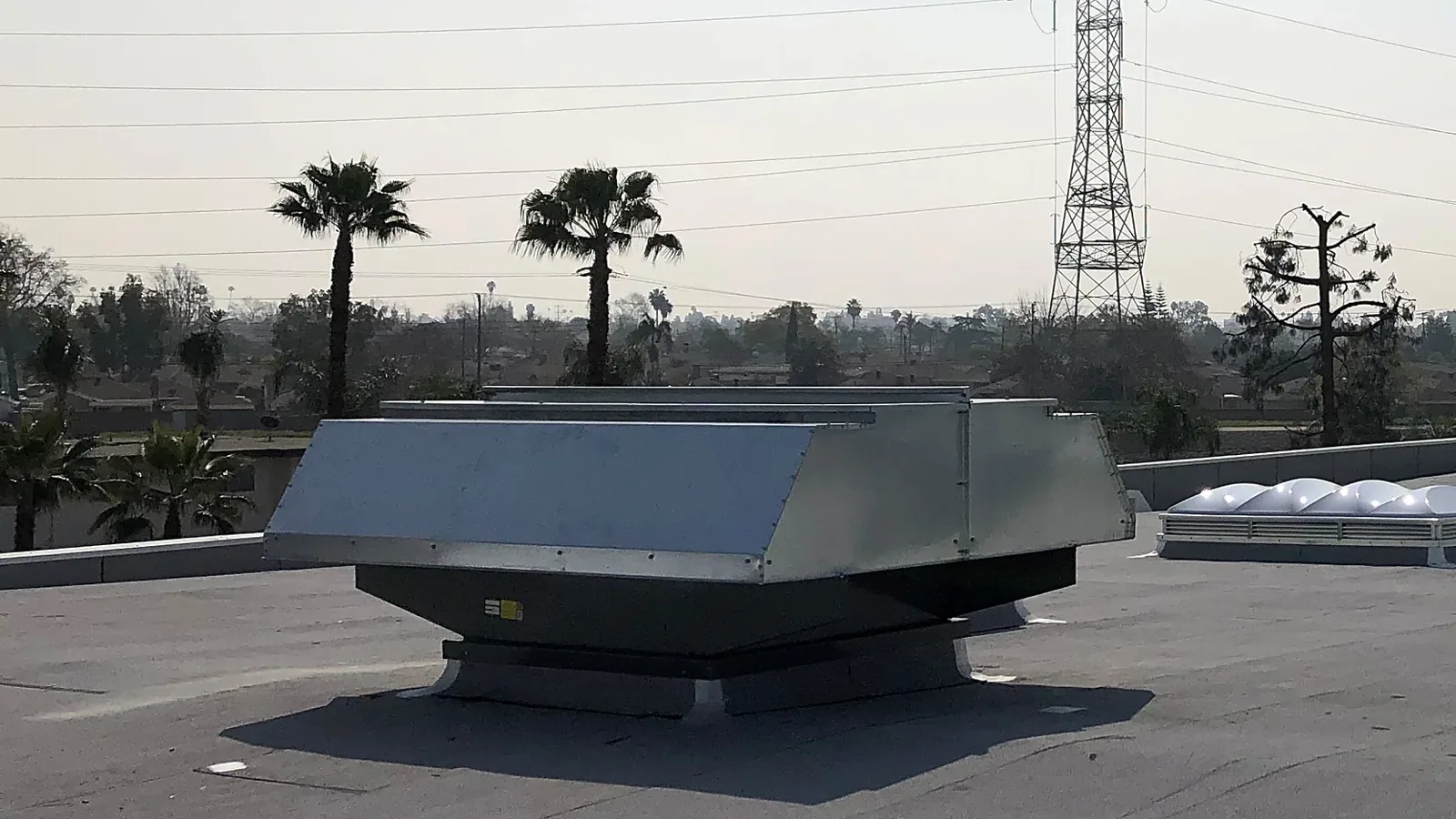
Rooftop units, antennas, skylights, and service lines remain in use while a building operates. Before removal, we identify which items require protection, shutdown, disconnection, or a temporary lift by another trade. The proposal states who completes each step and when the roofer can close the membrane around it. A late curb dimension or unplanned conduit route can delay close-in, so the schedule includes a review point before the assembly is covered. We do not let a roof work window erase the electrical, mechanical, or fire-safety access a facility needs.
Industrial and business-park areas around Meyers Street and Hegan Lane add different access and operating needs. Those broad employment settings can involve trucks and production equipment, while downtown or retail access brings a different set of constraints. We ask for the real delivery window, staging limits, and equipment shutdown plan for the property. Curb and pipe-support work can be sequenced with the field roof area. A replacement scope identifies when concealed conditions will be reviewed before the crew resumes.
Prepare for a hidden condition or weather shift
Tear-off can reveal wet insulation, a damaged deck, or an attachment condition that was not visible from above. The plan names the hold point where the owner sees the exposed area, reviews photos, and approves a change in scope. We identify the temporary protection needed to keep the opening covered while a decision is made. If weather changes before a permanent tie-in can be completed, the crew secures the active zone and records what remains exposed or under temporary protection. The update ties the next shift to a specific roof map instead of a verbal handoff.
Chico's seasonal pattern makes that preparation useful in a hot dry period as well as before the wet winter months. Conditions at the substrate and product cure limits still control whether a repair can close in. When the observed issue extends beyond a local area, we explain whether selective removal, a broader commercial roof repair, or a replacement sequence is appropriate. The owner receives a revised boundary and timing note before crews move into the next zone.
Give each shift a map of completed work
At the end of a shift, the closeout records which zones were opened, repaired, and restored, where temporary protection remains, and what the next crew must check before continuing. Photos show tie-ins, drains, curbs, and any concealed condition that changed the plan. The owner can use that record to answer tenant questions or coordinate a follow-on trade without relying on memory. A roof condition record should distinguish completed work from an item that still needs review.
Chico's retail districts and employment areas include different access patterns, but every property needs the same clear handoff from one roof zone to the next. Share the roof history, current leak locations, occupied hours, delivery windows, and any restricted areas before mobilization. We can then map the daily close-in limit, identify the review point, and keep the repair boundary visible through the project. If the schedule changes, the record gives the owner a practical basis for rescheduling without losing the roof conditions already documented.
Commercial Roofing Questions
Can reroofing continue while tenants remain in the building?
It can when access, noise, interior protection, and the daily close-in boundary are coordinated. We divide the roof into work zones and confirm operating limits with the property contact before opening an area.
How large is each open roof section?
The shift plan sets the area the crew can prepare and restore with the time, weather, details, and access available. We identify the tie-in and temporary protection before removing the next section.
What happens when tear-off finds wet insulation?
We pause at the agreed hold point, photograph the exposed layers, and show where the condition ends or needs testing. The owner reviews the added work before the assembly is covered again.
How do you protect deliveries and roof equipment?
We coordinate staging and equipment routes with the site contact, then identify any curb, conduit, or unit that needs another trade. The sequence states who acts and when the roofer can close the detail.
What should staff receive after each workday?
The closeout lists zones restored, temporary protection, drains checked, photos, and decisions still open. That gives facilities staff a usable handoff for the next shift and a clear status for occupants.
Plan the work around the active building
Tell us the building type, operating hours, current roof symptoms, delivery windows, and any restricted areas. We will map the work zones, daily close-in limit, and the inspection points that need owner review.