Commercial Roof Recover in Chico, CA
An overlay can shorten demolition, but only when the roof below it can carry another assembly and the concealed layers are suitable to remain. We check moisture, attachment, deck condition, slope, drainage, penetrations, and the number of existing roof layers before we recommend a recover. In Chico, the long dry summer can make access and staging easier, yet hot weather is not evidence that the old membrane is ready to cover. The decision rests on what the inspection finds beneath and around the field, including any wet insulation or unstable patches that a new surface would hide.
Test the layers before covering
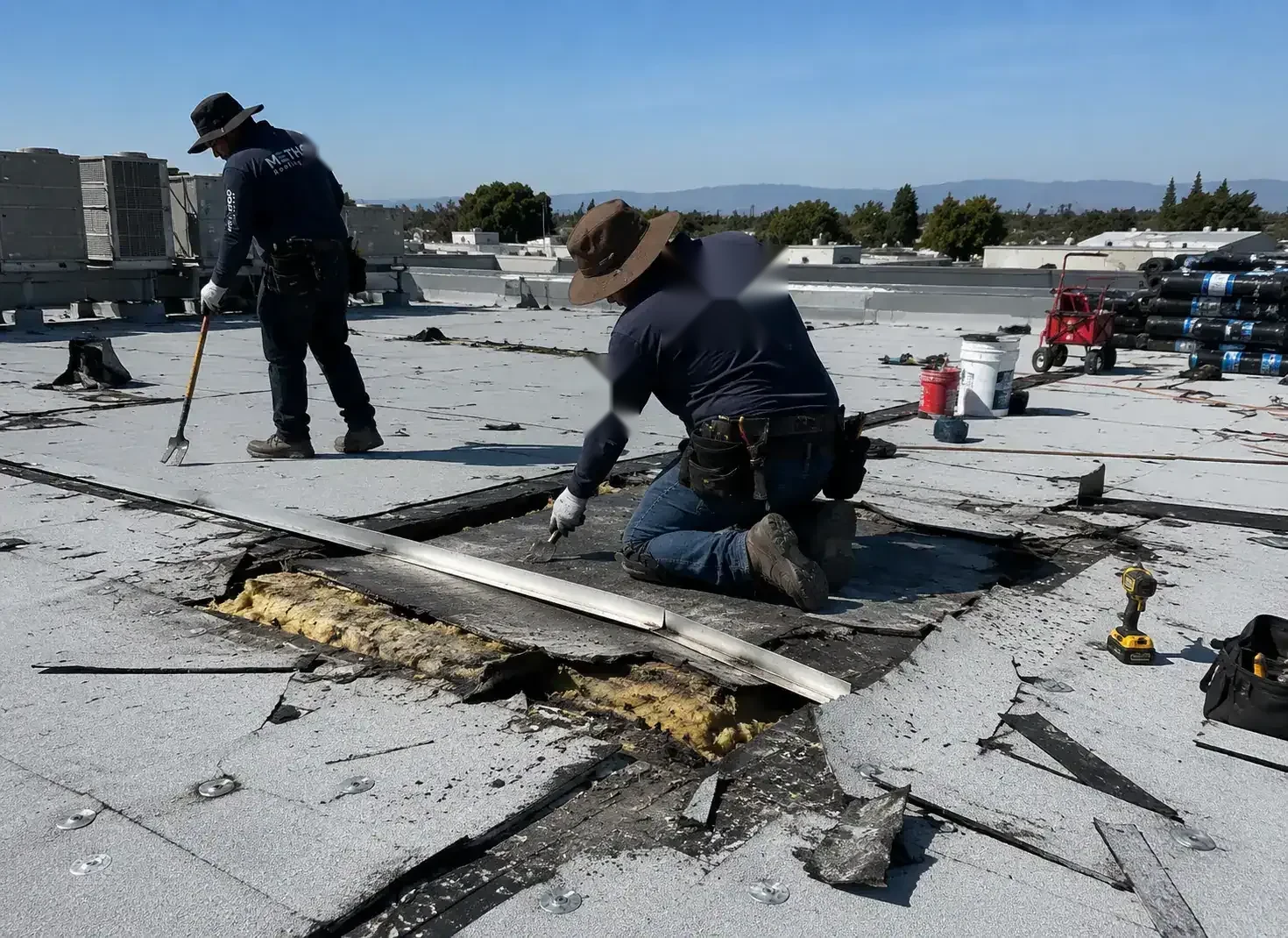
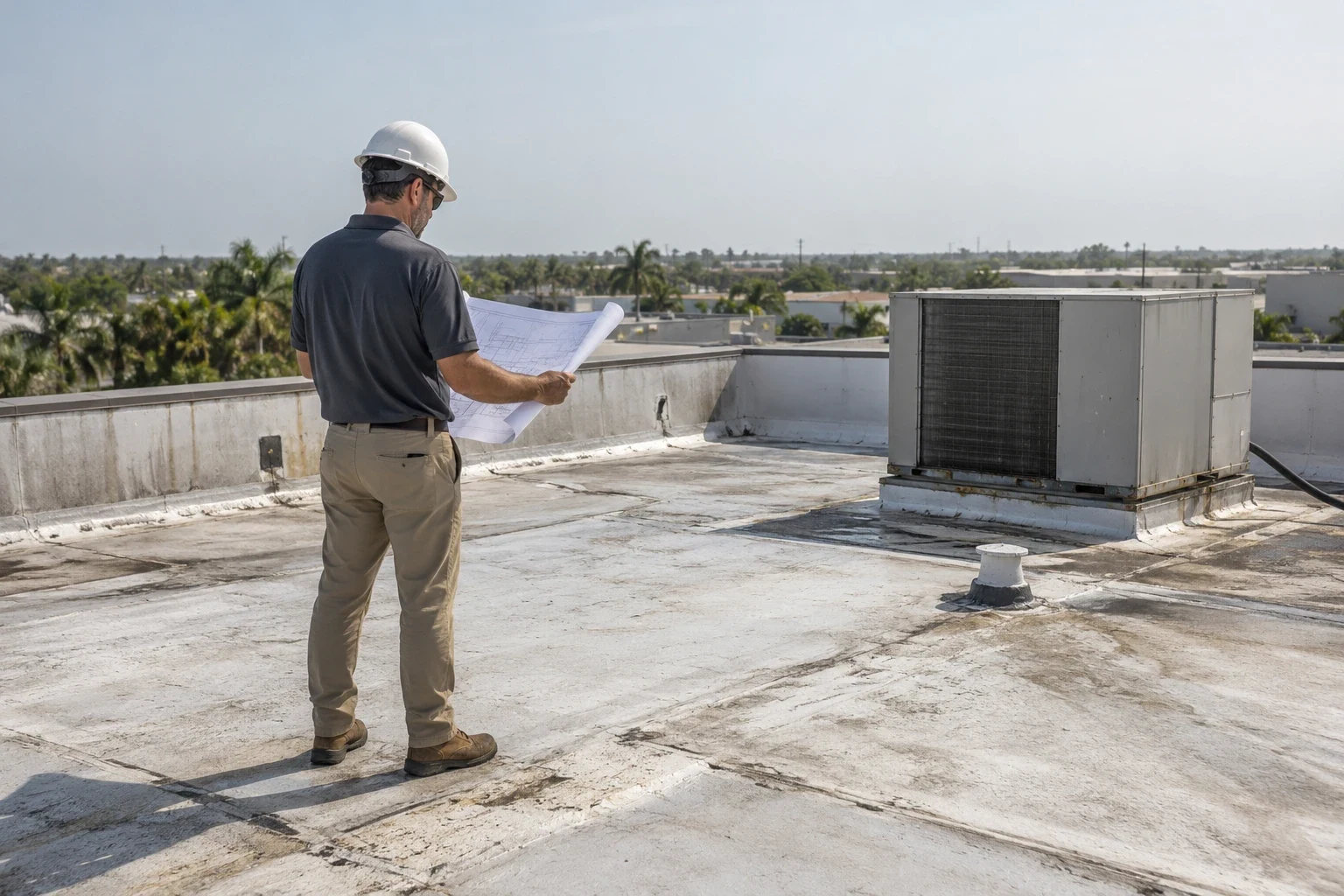
We start by mapping repairs and visible defects, then select test locations that can answer a specific question about the assembly. A core sample may show whether insulation is dry and bonded, while a pull test can help assess attachment. We inspect deck transitions and look for movement around curbs, drains, and perimeter edges. An overlay is not an appropriate way to bury active water entry or widespread saturation. If testing finds isolated wet areas, we define their removal and replacement before the new system goes down.
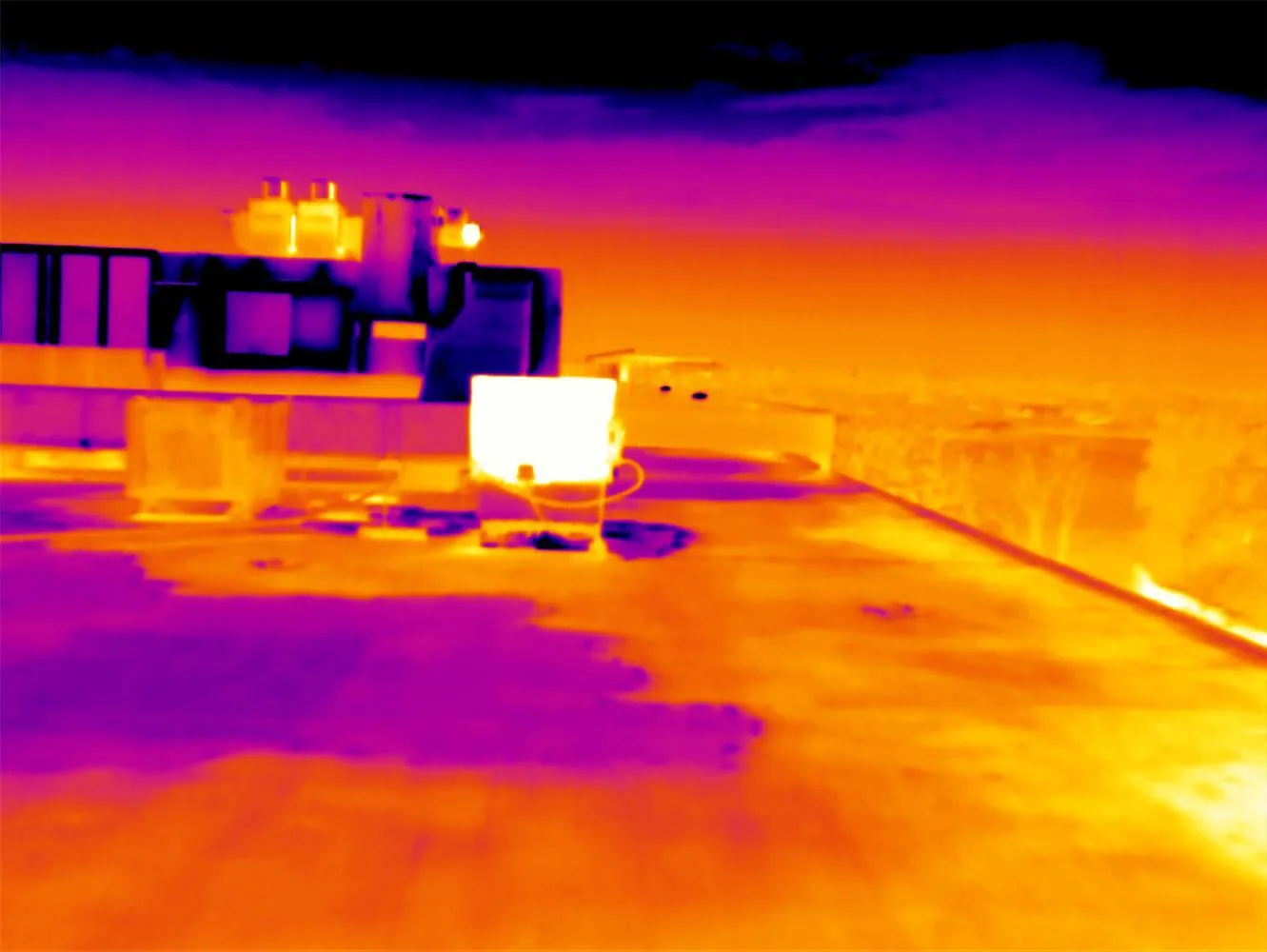
The report also identifies how many roof layers are present and whether adding another would violate applicable limits. A hands-on roof inspection is paired with selective openings when surface observations cannot establish the condition below. For moisture mapping over a broad field, an infrared survey can direct follow-up cores, but it does not replace them. Our condition record links each finding to its location and to the recommended next step.
Confirm support and fastening
A recover system depends on the old roof and deck as part of the fastening path. We check whether the existing surface is secure, whether insulation can accept the selected fastener pattern, and whether the deck condition is known. Loose or buckled layers, soft areas, corrosion, and concealed moisture can interrupt that load path. The proposal should say how the new system attaches and which areas will be opened, repaired, or removed before installation.
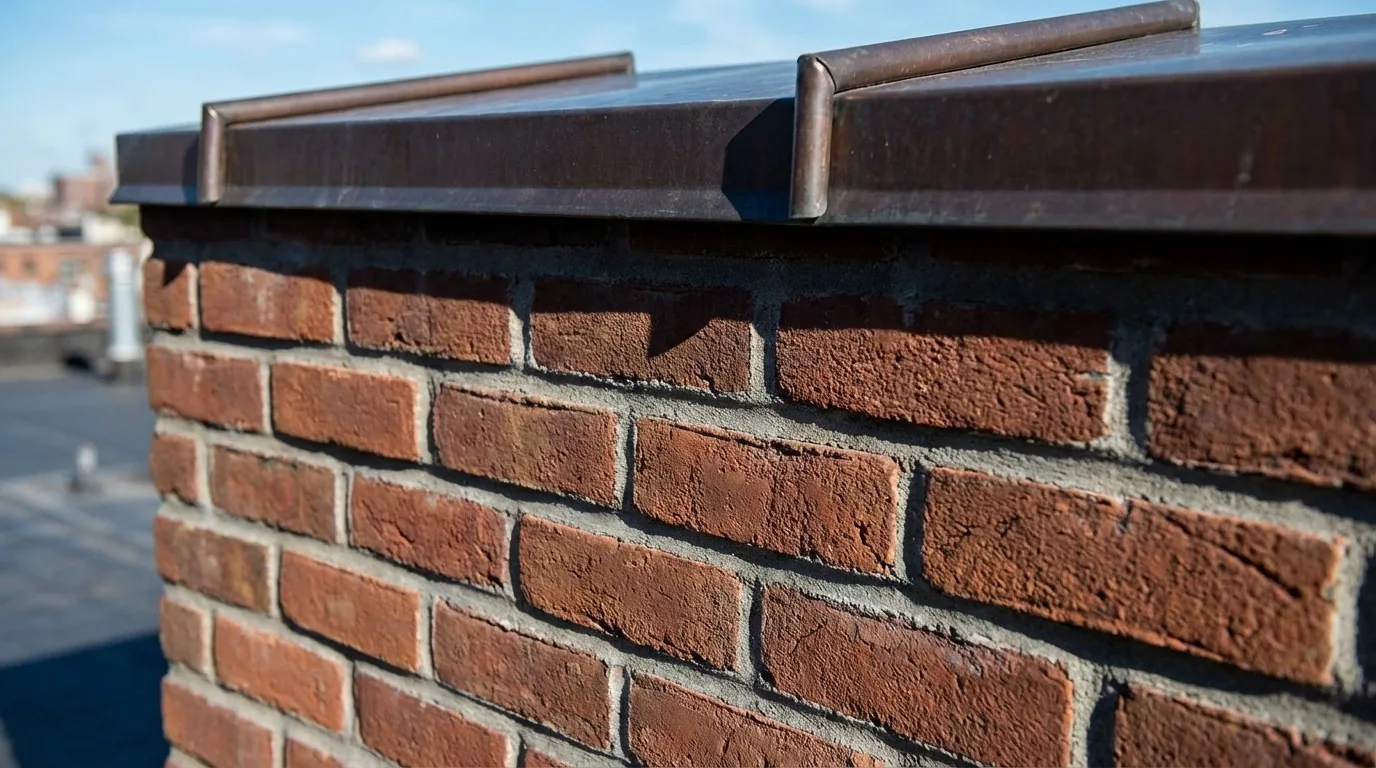
Where conditions support it, a new cover board can create a more consistent surface for the membrane and protect the layer below. The method may differ for TPO or another selected assembly; seams, perimeter details, and penetrations still need compatible transitions. A metal edge that cannot be raised or reworked may become the limiting detail. We coordinate the membrane termination with edge metal and coping rather than treating it as a separate cosmetic item.
Preserve drainage geometry
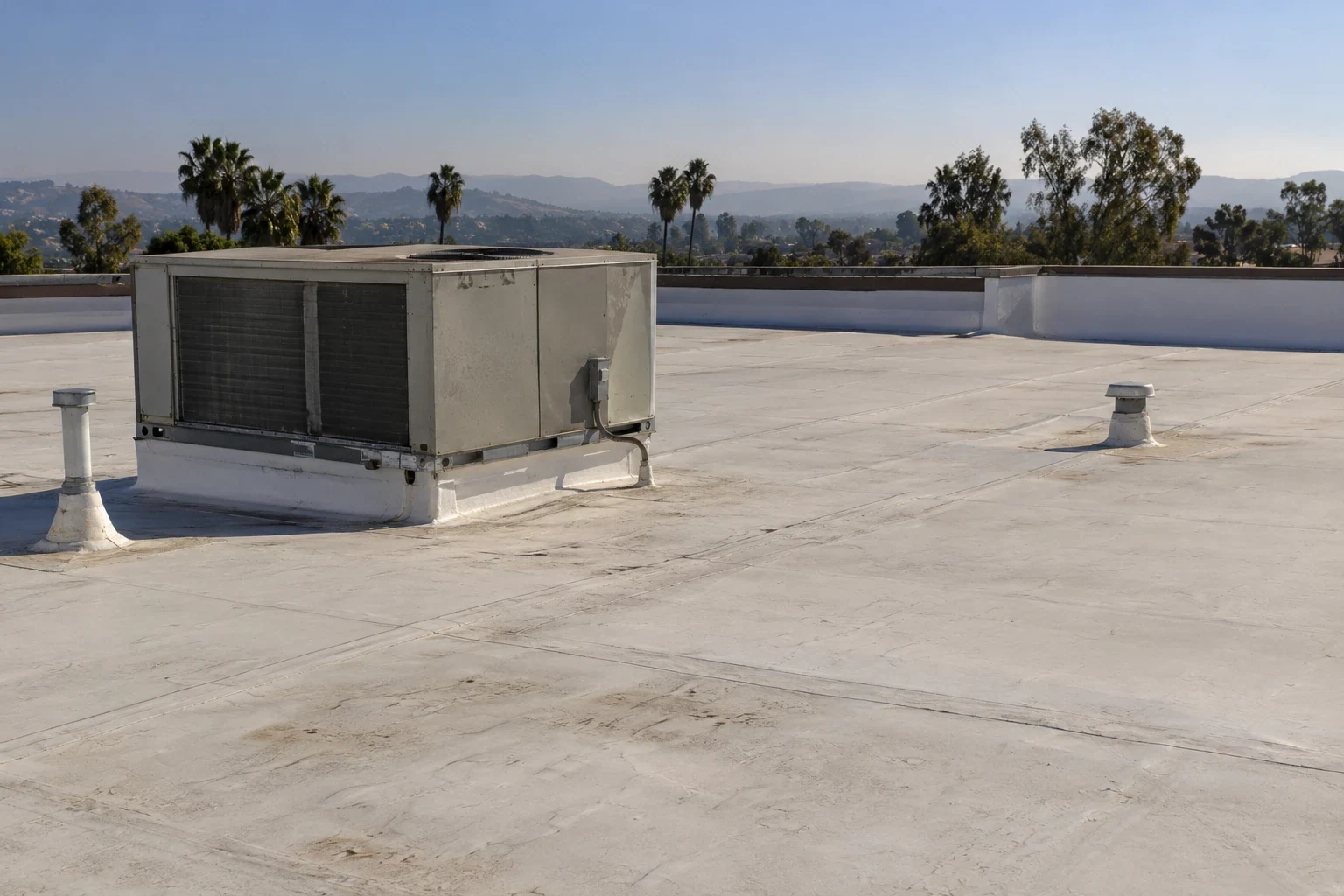
Additional layers change finished height. That can affect drain bowls, overflow scuppers, equipment curbs, door thresholds, and the clearance below edge metal. We measure those transitions before setting recover thickness. If the field slopes toward a drain but the outlet is already too high, another layer may worsen ponding. In that case we compare tapered insulation, drain modifications, localized tear-off, or full replacement against the building's actual geometry.
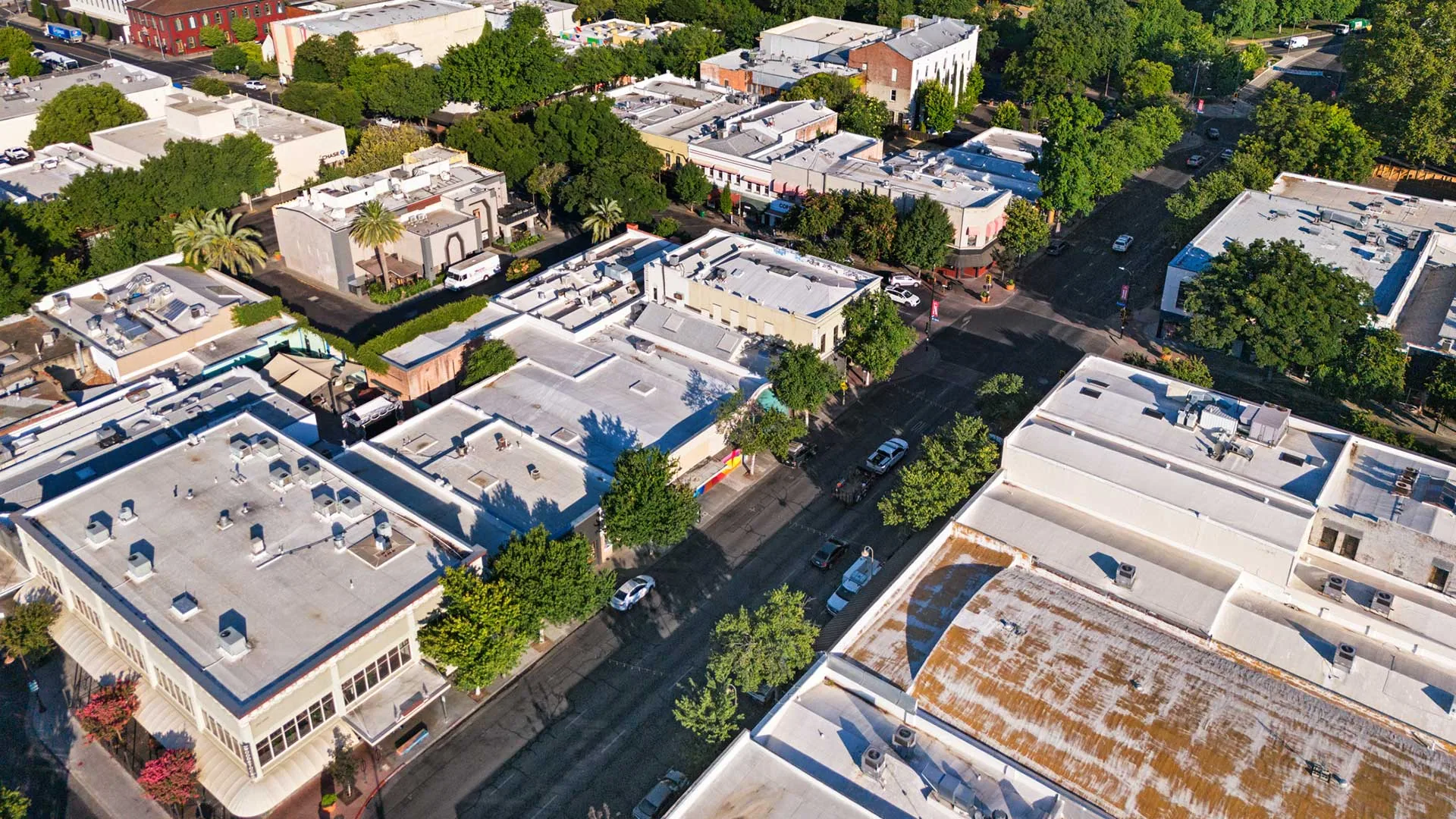
Chico University Farm NOAA normals show that rainfall is concentrated in winter, with very dry midsummer months. The inspection can therefore use the dry season to document surface slopes and prepare a scope, while the finished assembly must be ready to shed winter rain. The East 20th Street District combines retail centers with larger-format stores, while Downtown Chico includes commercial mixed-use blocks. For either building, a recover decision turns on outlet height, edge clearance, and the actual roof layers, which we measure before specifying added thickness.
Compare the work that stays
A recover may preserve sound insulation and reduce tear-off, but it also leaves existing conditions in place. Full removal exposes the deck and gives a clearer view of concealed damage, with more demolition, debris handling, and weather protection to manage. We lay out both options using the same boundary and known repairs so the owner can compare scope rather than headline price. Unknown wet areas or weak attachment may change the cost after opening; the proposal should state how that condition is documented and approved.
For an owner building a multi-year budget, the capital plan can include the recover and removal alternatives with their inspection assumptions. If only part of the roof qualifies, we identify a transition that can be flashed and maintained. A small patch to a deteriorated field may defer a larger decision, but the repair should not be presented as equivalent to restoring the whole assembly. Our replacement scope explains where removing existing layers provides a better basis for the next roof.
Sequence installation around the building
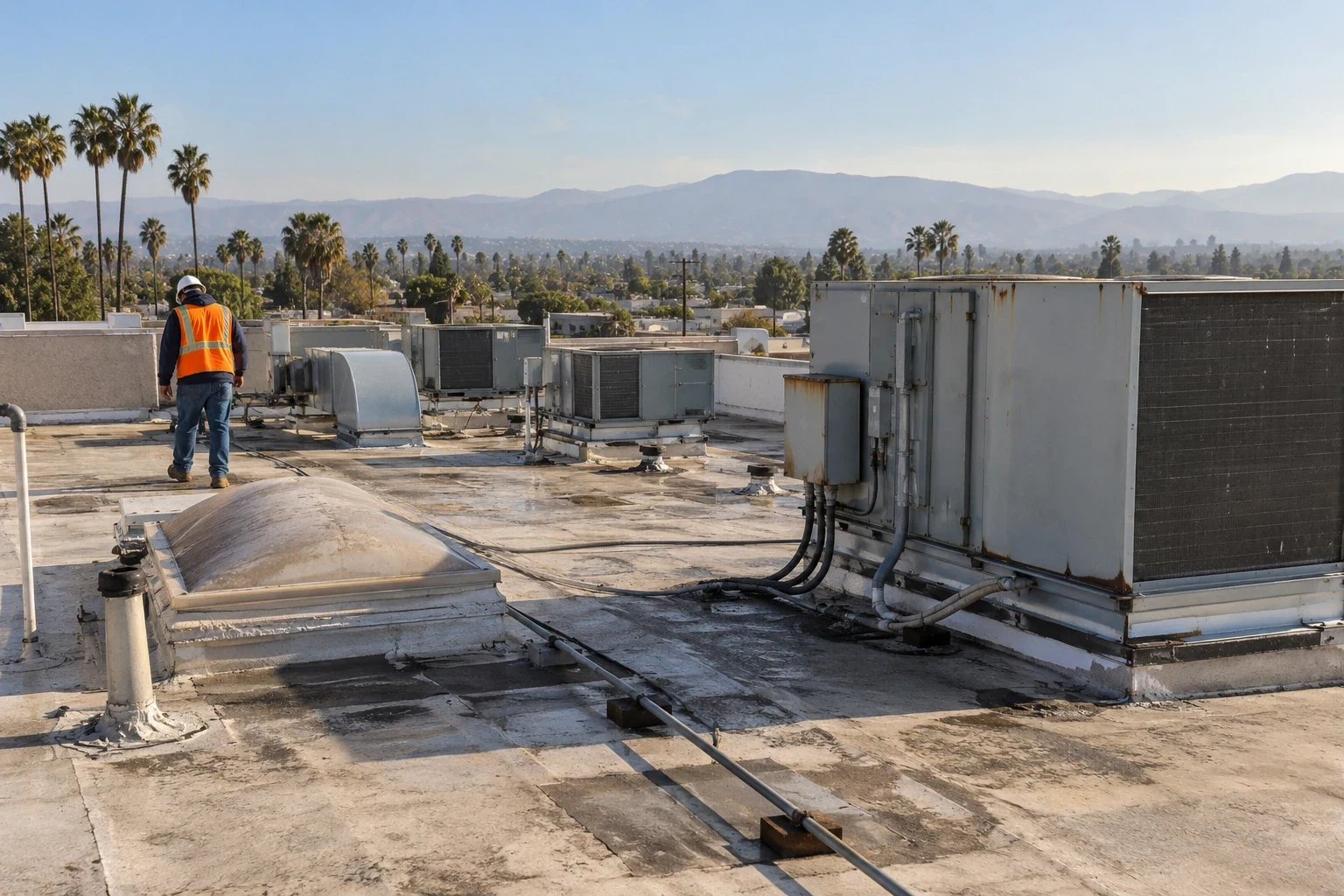
Recover work still requires controlled staging, safe access, and a plan for protecting equipment and occupied areas. We review deliveries, rooftop unit service clearances, exhaust locations, and the path crews will use to move materials. If daily operations cannot pause, a phased work plan sets smaller areas and closes each one before moving forward. The owner should know when noise, odor, or equipment coordination could affect the building.
Air Park Boulevard and Cohasset Road sit within Chico’s northwestern employment geography, where business and industrial uses make equipment access a relevant planning question. We still confirm the actual constraints during the building walk. We do not assume the roof can support a recover because nearby properties share an employment designation. The selected method follows the deck, existing layers, and project requirements at that address.
Leave a record of what remains
Before installation, the owner should receive a map of repairs, test points, and areas where existing material remains. At completion, we document new seams, terminations, drains, and any locations that require closer attention during maintenance. This record makes the overlay decision understandable to the next facilities contact. It also establishes where a future leak investigation should begin, instead of treating every symptom as a failure in the new surface.
Send the existing roof plan, repair history, known leaks, and any prior core results before requesting a recover assessment. We will explain which layers can remain, which locations need opening, and what evidence could shift the recommendation toward removal. The goal is a scope whose limits are visible before a crew covers the old surface.
Commercial Roofing Questions
How do you know whether an overlay is allowed?
We identify the number of existing layers, review applicable code and project requirements, and test whether the assembly and deck can support the proposed system. The permit reviewer and structural conditions can affect eligibility, so we keep those checks explicit in the scope.
Can a recover go over wet insulation?
No. Wet or deteriorated material needs to be located and removed or otherwise addressed before it is covered. Infrared indications can help select test cuts, but the core and field inspection establish what is actually below the surface.
Will the roof drains still work after a new layer is added?
Finished height can change the relationship between the membrane and drain bowl. We inspect primary and overflow outlets, curbs, and edge conditions, then specify the adjustment or removal needed to preserve a path for water.
Is a recover cheaper than replacement?
It may reduce demolition, but the comparison also includes testing, localized removal, cover board, edge changes, drain work, and the condition left beneath the new membrane. We price both approaches against the same roof boundary and disclose concealed-condition assumptions.
What happens if a core finds damage during the project?
We document the opening, show the affected layer, and stop at the approved scope boundary while the owner reviews the added work. The written change identifies the repair, the tie-in, and any schedule adjustment before the area is covered.
Check whether the existing assembly can stay
Provide roof plans, repair history, prior test results, and known leak areas. We will inspect attachment, moisture, drainage, and edge heights before comparing a recover with full removal.