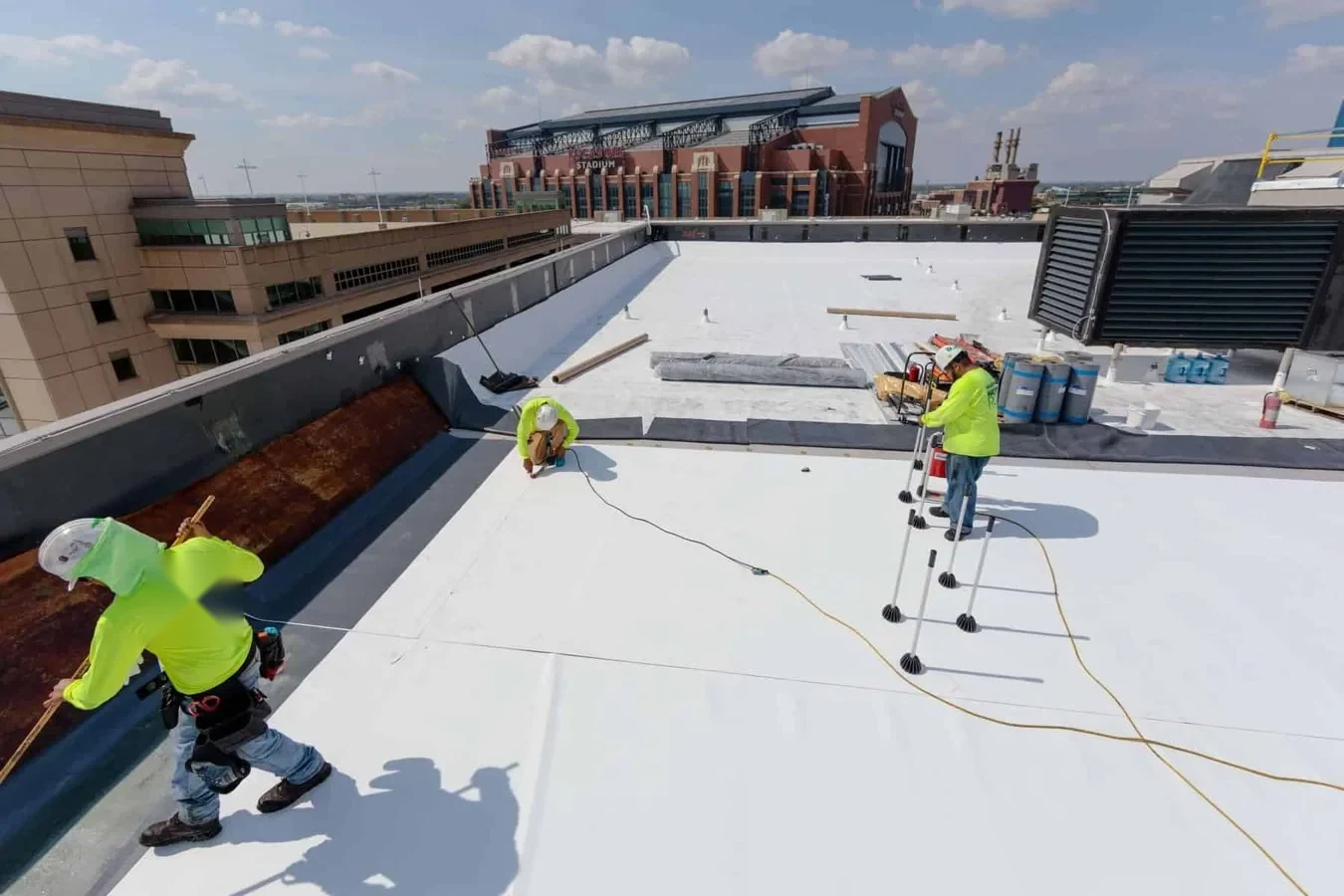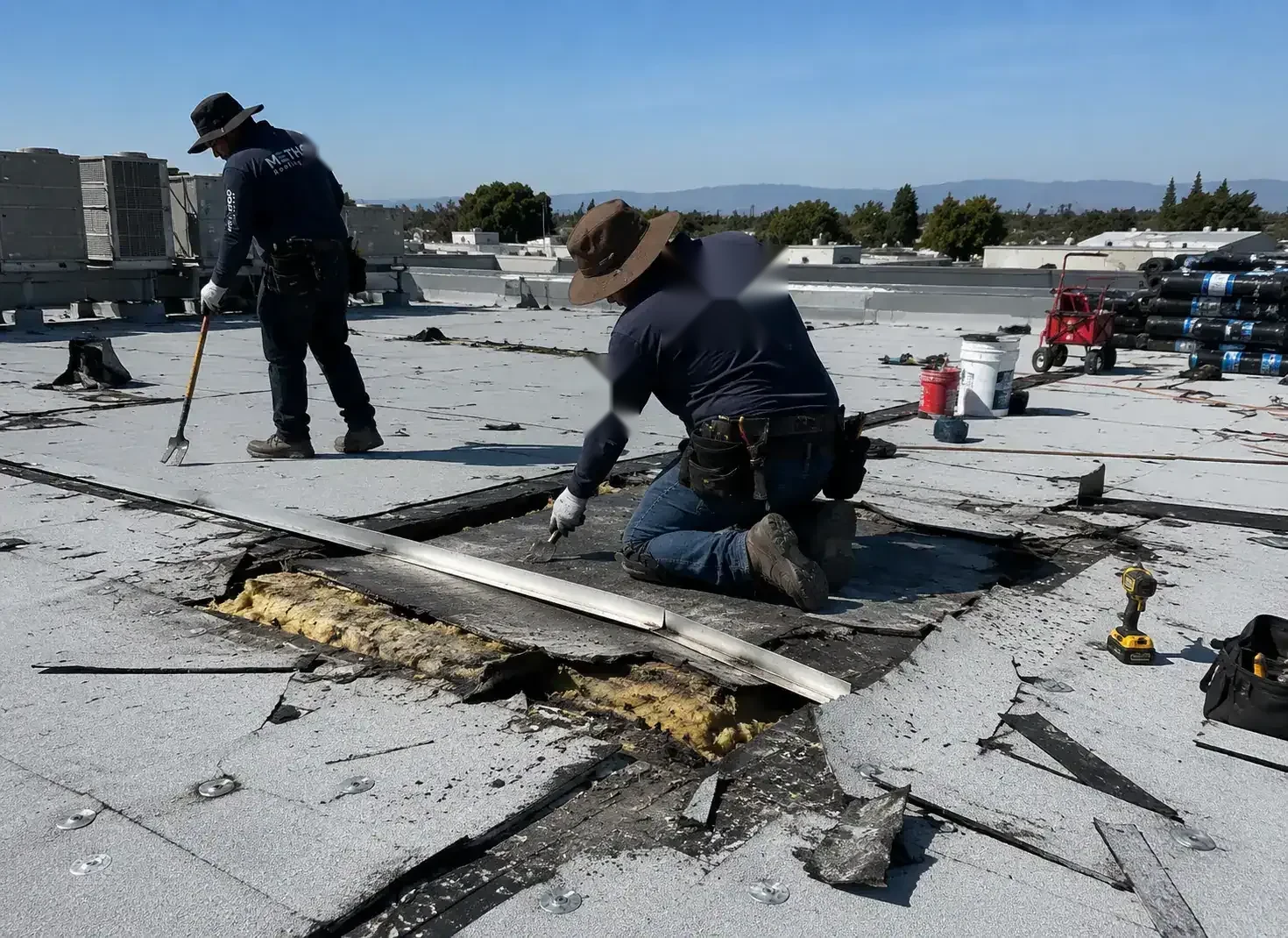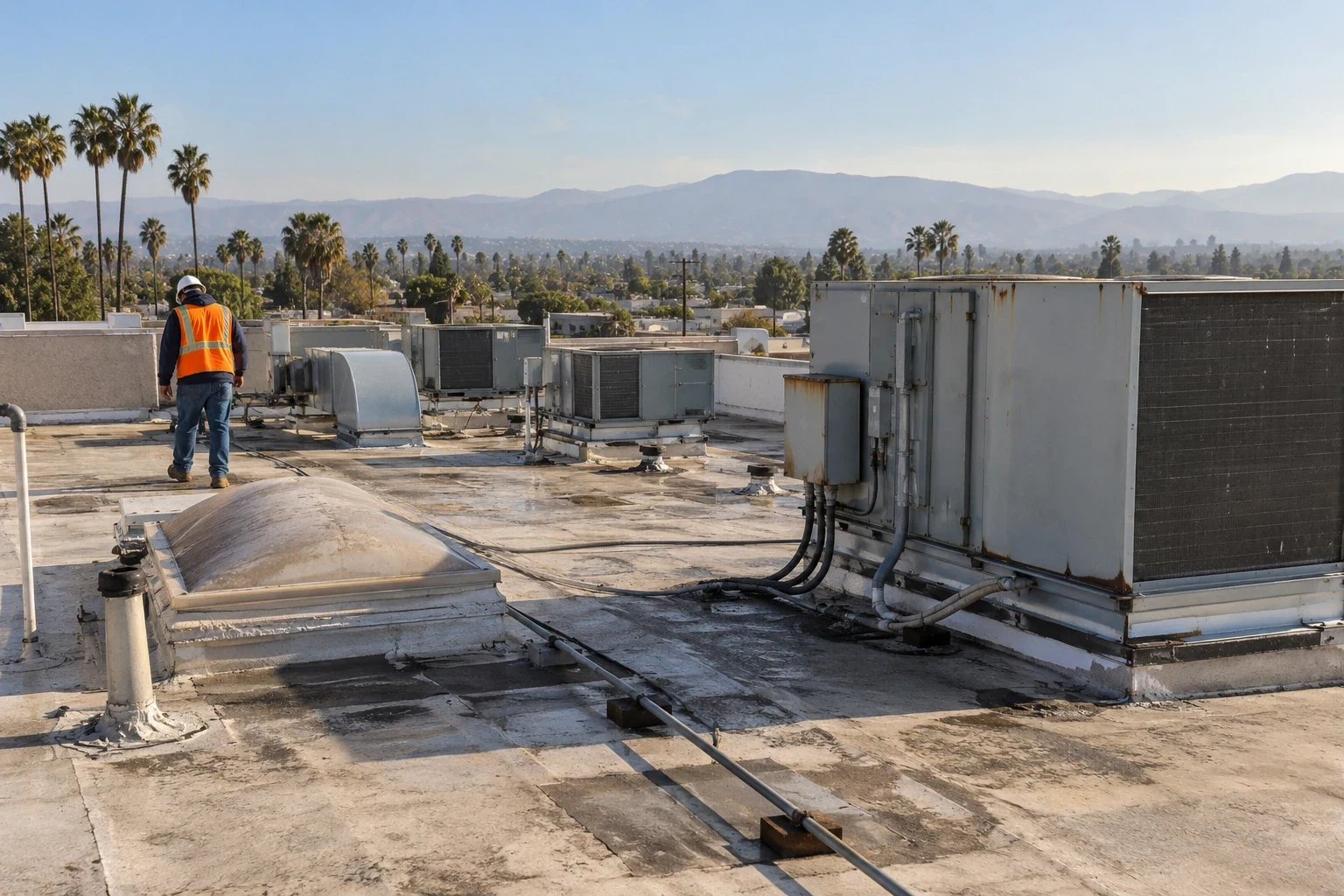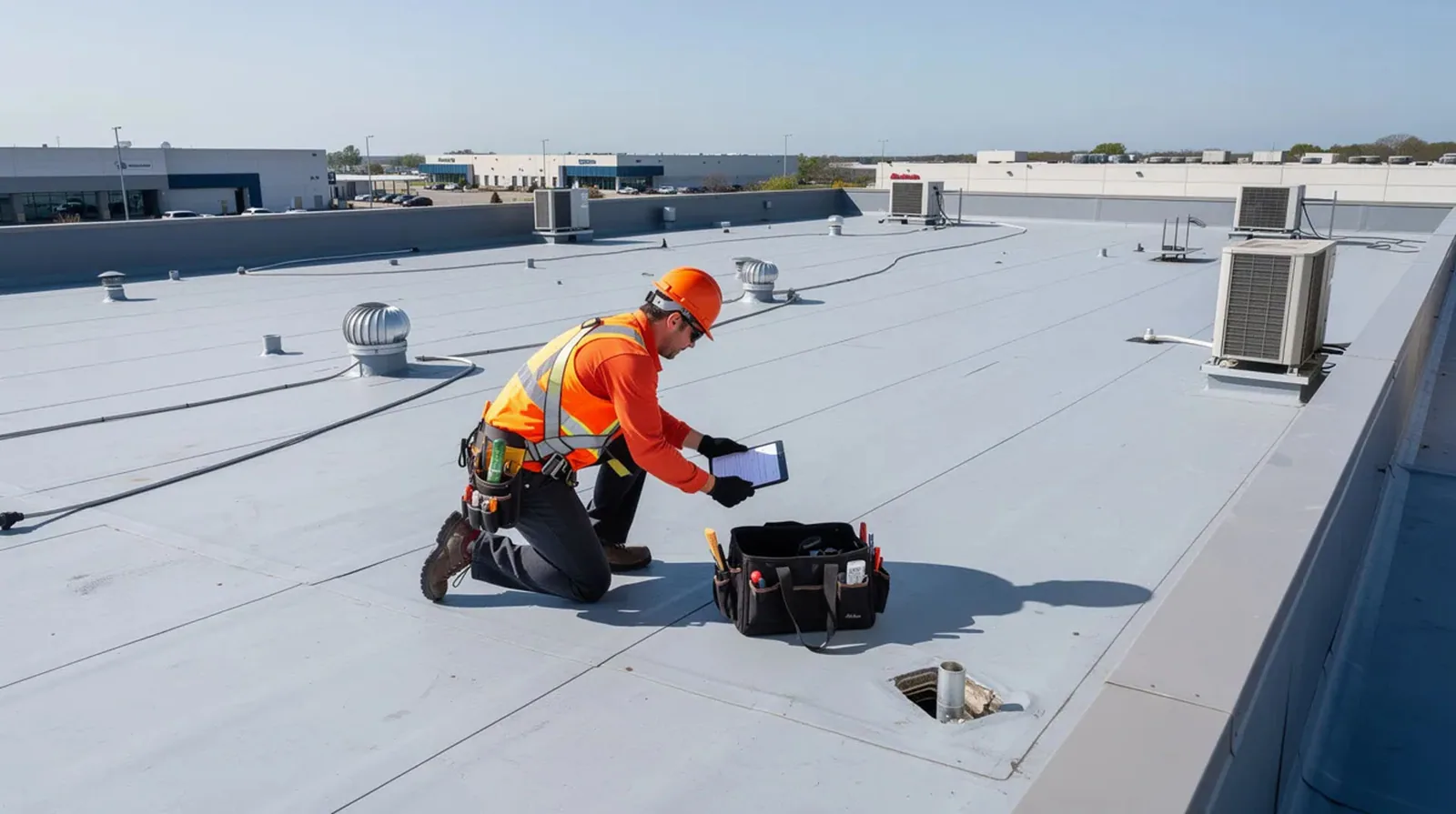
Commercial Roof Capital Planning in Chico, CA
A roof budget needs a reason behind each number. We help Chico property teams connect field condition, repair history, system records, access constraints, and the next decision into a capital plan. The result is a set of options and timing assumptions the owner can review, not a promise that a roof will last for a set number of years. Unknowns remain visible until records, testing, or an opening resolves them.
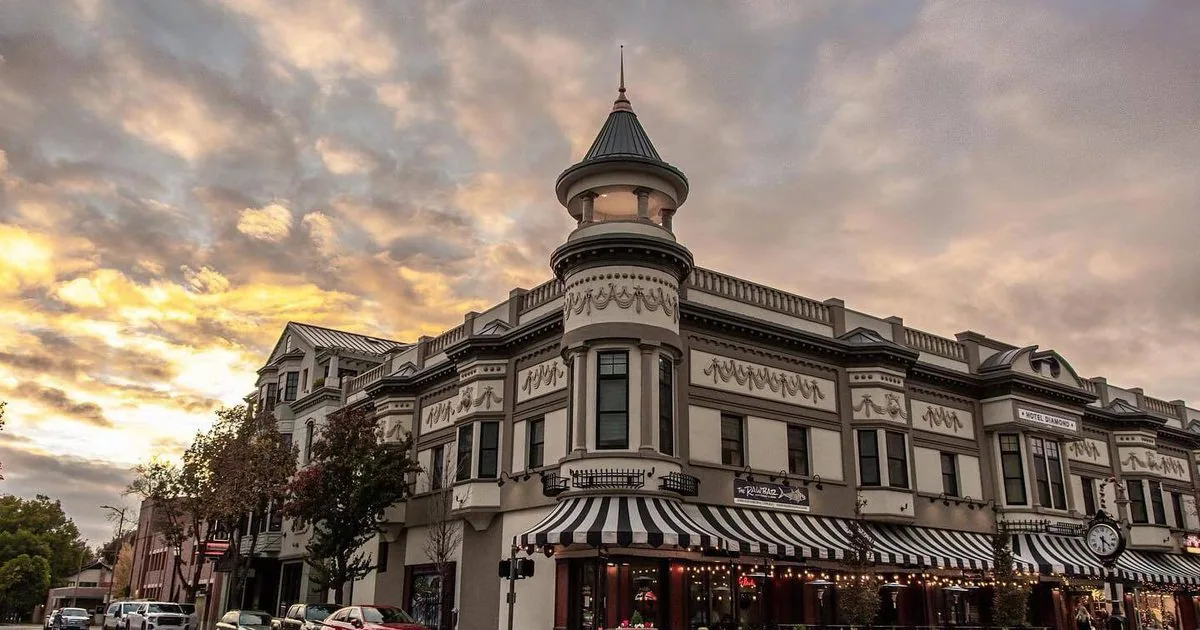
A portfolio that includes Downtown Chico offices and properties near East 20th Street may have different occupancies and roof assemblies even when the drive between them is short. We keep each asset's condition and scope separate, then organize the review for budgeting. A roof asset register provides the property and repair history; a field inspection supports the current condition entry.
Translate Findings Into Work Options
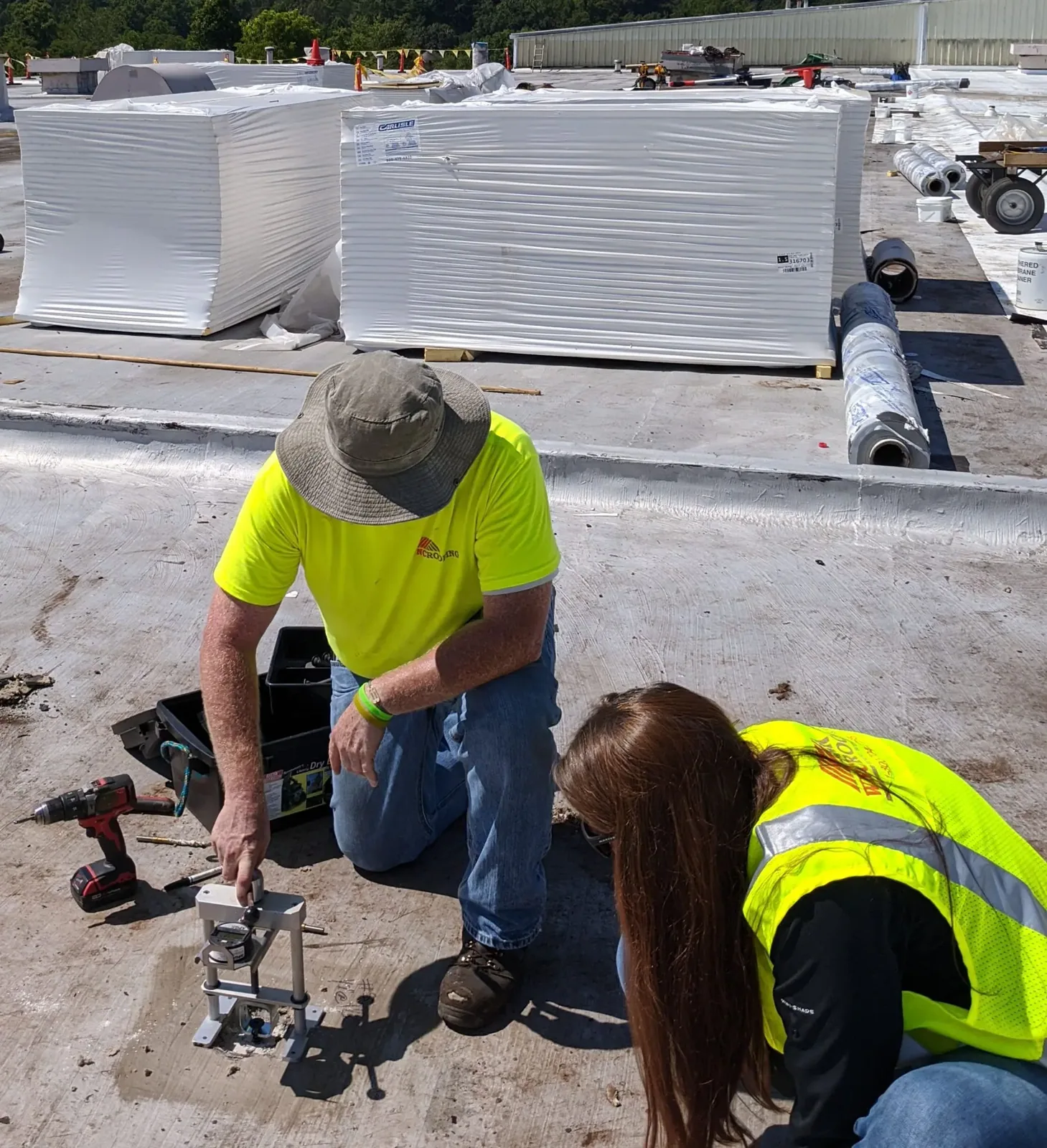
Each roof area starts with a documented observation, inspection date, and stated limit. We separate active leak response, localized repair, maintenance, coating restoration, and replacement evaluation so the budget does not combine unlike work. If the roof system is uncertain, that is a verification task rather than a confirmed product assumption. If moisture testing is proposed, the plan names the area and the question it will answer.
Options should show what each scope includes: preparation, tie-ins, access, temporary protection, removal, disposal, and closeout. A repair allowance can be useful before a concealed condition is resolved, but it should identify the trigger and approval process for spending it. A condition report keeps those observations and photos linked to the same roof-plan location for later review.
For each option, we can show the estimate date, pricing basis, access assumptions, and items excluded from the amount. If a scope uses an allowance, we state the condition that would activate it and who must approve work beyond the base. Those notes help finance staff distinguish a current bid from a provisional amount included in a later budget.
Use Timing Ranges With Explicit Assumptions
Replacement timing depends on current condition, maintenance, drainage, assembly, occupancy, and what the next inspection finds. We may present a planning window for a roof area, but we state the observations and assumptions beneath it. A range is not a warranty or a prediction of exact remaining life. If the roof has unverified layers or prior repairs without records, those gaps can change both scope and timing.
Capital plans are easier to use when a decision date comes before the proposed work date. That allows time to obtain records, verify the system, test a suspected wet area, coordinate tenants, and confirm funding. Chico's seasonal move from dry summer conditions to winter rain can influence scheduling, though the property's actual exposure and access calendar control. A maintenance review can resolve smaller items before the budget is revisited.
Separate Base Scope, Allowances, and Owner Choices
We separate known work from allowances and optional scope. The base amount can cover confirmed quantities and details; an allowance can address a defined concealed-condition risk; and an alternate can price a distinct choice such as a different restoration path. Each line should name its boundary and the evidence behind it. This makes a budget easier to compare with other proposals and reduces the chance that a low initial figure hides an unpriced condition.
Planning also accounts for access, staging, occupied operations, disposal, protection, and any temporary work. We note what the owner supplies and what requires a separate trade. Costs can change when the roof system or underlying layers differ from records, so the approval path should be written before work begins. A replacement scope can be prepared once the roof area and assembly are verified.
Check Code and Permit Questions Before Funding
Code applicability depends on the work, building, permit date, and locally adopted requirements. California's 2025 Energy Code is in effect for applicable work beginning in 2026, but a capital plan should not assume that every repair triggers the same provisions. Before setting a funded scope, the project team confirms the governing permit path, applicable energy and building-code sections, and any required coordination with rooftop equipment.
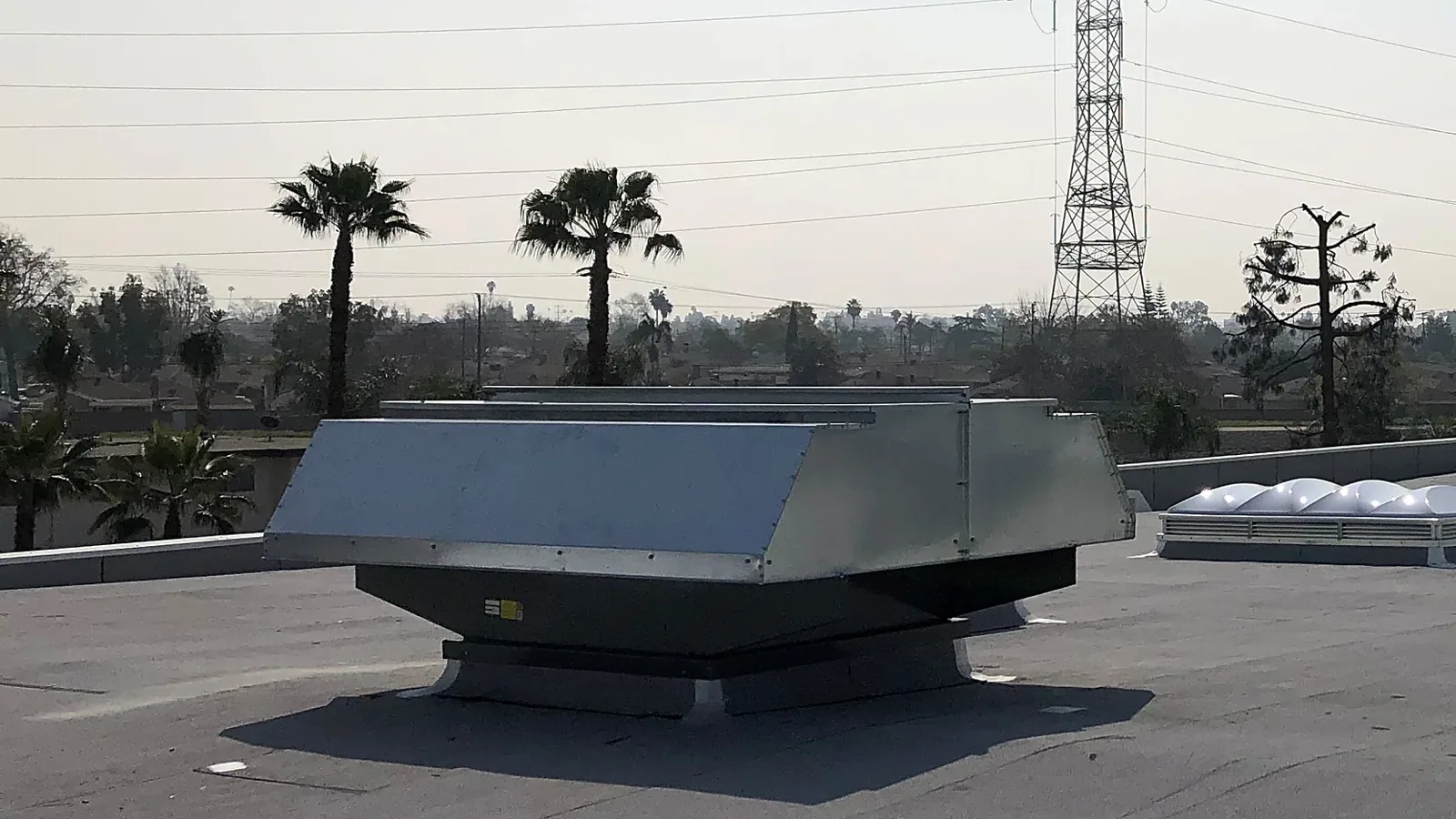
For commercial alterations, roof and HVAC timing can affect one another. If equipment is near end of life, replacing or relocating it after new membrane work may disturb finished details. We list that interface as a decision item for the owner and design team. The applicable curb and equipment review can identify roof details that need coordination. We document the question; the authority having jurisdiction and project professionals confirm code requirements.
Sequence Projects Around Operations and Capital
A multi-year schedule can prioritize roof areas by documented exposure and operational consequence while keeping each project's price and assumptions distinct. The owner may group work by property, system, access, or funding year. We do not rank assets from the market name or planning map. A site near Hegan Lane and an office in Downtown Chico still need separate inspection records and scope boundaries.
Work sequencing can include a planning allowance for design, testing, tenant notices, procurement, and approvals before construction. For a facility that must remain open, the schedule identifies work zones and turnover points. A phased reroof plan can show when areas are available and what access each phase requires. The owner can move a project between budget years when new field evidence changes the priority.
Refresh the Plan When New Evidence Arrives
Review the capital plan after a repair, inspection, water event, ownership change, equipment project, or revised permit direction. Update the roof-plan area, observation date, cost basis, and open questions. Preserve earlier versions so the team can see which assumptions changed. If a test opening reveals a different layer than expected, revise the estimate instead of carrying forward a number built on the old assembly.
Chico's commercial and employment areas are part of a wider Butte County market, yet roof work remains specific to the property and its records. We provide a concise decision log with options, approval dates, and next verification steps. A system comparison may help when replacement material is being evaluated, but selection follows the verified building conditions and project requirements.
The revised log also names the person responsible for a next step and the date when a decision is due. If no owner has approved testing, the budget should carry that as an open question rather than imply a final roof scope.
Commercial Roofing Questions
Can a roof capital plan give an exact replacement year?
It can provide a planning range tied to inspection findings and stated assumptions, not an exact service-life date. Unknown layers, repairs, drainage, and occupancy can affect timing. We identify when the next verification should occur before funding is finalized.
What records help build a Chico roof budget?
Roof plans, closeout documents, warranty files, prior invoices, inspection reports, repair photographs, tenant schedules, and planned HVAC work are useful. We mark gaps and separate confirmed conditions from items that still need testing or access.
Does every roof repair require code upgrades?
Applicability depends on the project scope, permit path, building, and adopted requirements. We flag the code question in the capital plan and recommend confirmation by the project team and authority having jurisdiction before the scope is funded.
How do you compare repair with replacement?
We define the repair boundary, preparation, tie-ins, and unresolved conditions, then compare those with a separately scoped replacement option. The comparison includes access, operations, allowances, and the evidence supporting each path.
Can projects be split across budget years?
Potentially, if the owner and project team confirm safe boundaries, drainage, temporary conditions, and sequencing between roof areas. The plan identifies decision dates and operational constraints so deferral is a documented choice, not an assumed condition.
Build a Reviewable Roof Budget
Share roof plans, inspection records, repairs, warranty files, and planned equipment work. We will connect current findings with scoped alternatives, timing assumptions, and decisions for your Chico capital plan.