KEE Roofing in Chico, CA
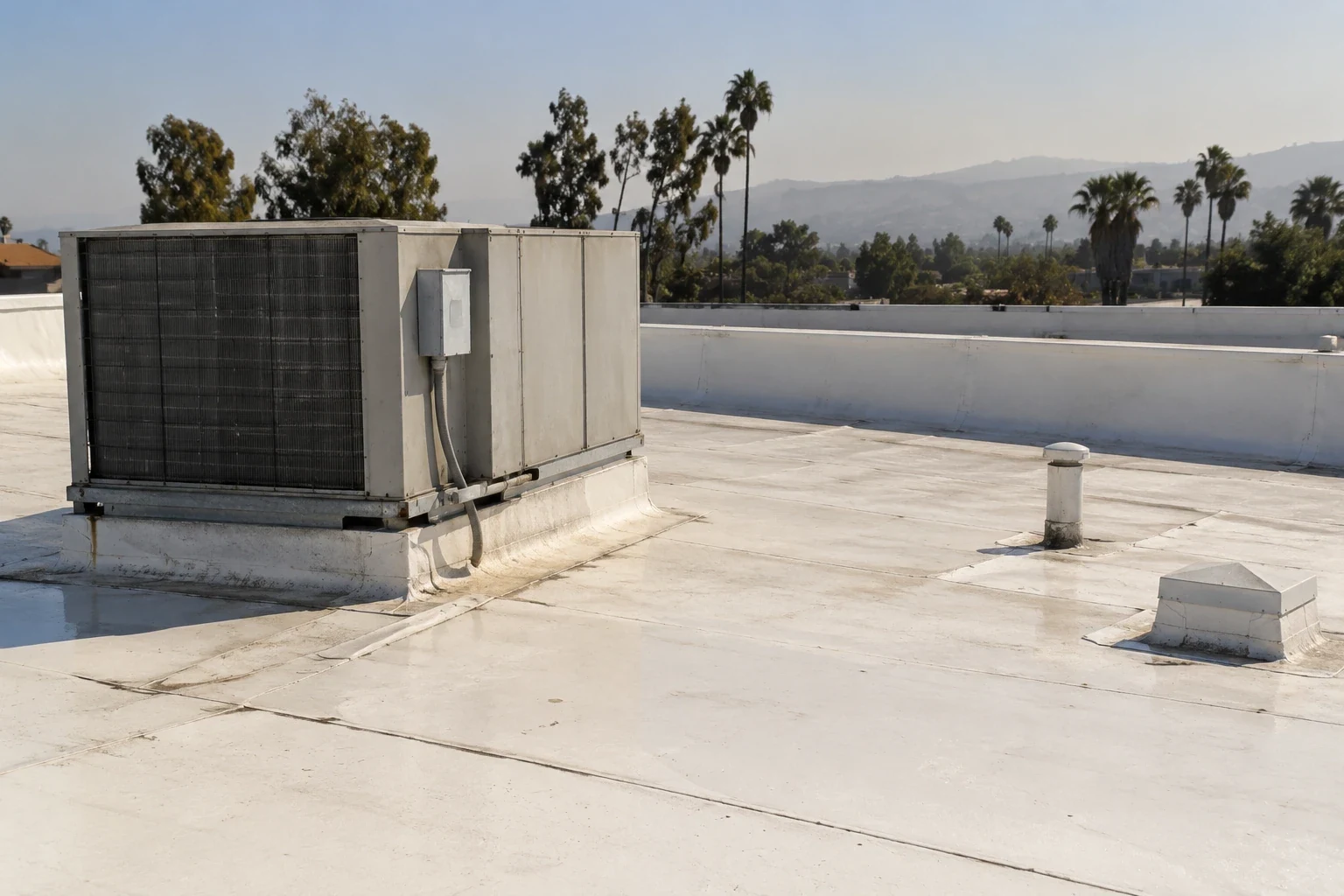
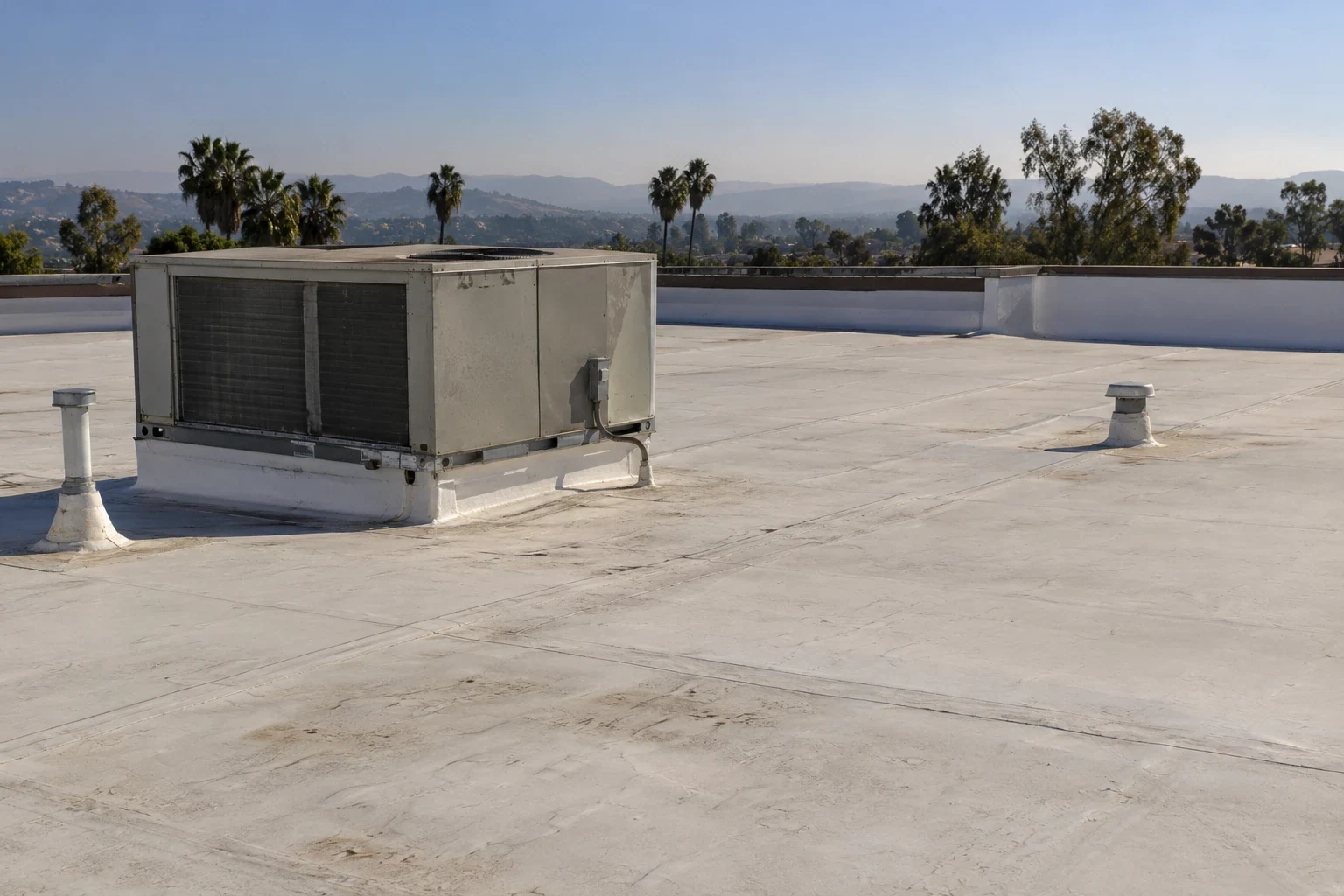
KEE is a ketone ethylene ester-modified thermoplastic membrane formulation, and the installed product's reinforcement and details still need to be identified before repair. We begin with the roof plan, seams, edge terminations, drains, penetrations, and maintenance history, then compare them with what is visible in the field. Chico's hot summer season and concentrated winter rainfall make surface exposure and drainage useful inspection topics at different times of year. County hazard planning describes Chico’s Mediterranean pattern as summer heat followed by cool, wet winter weather, with tule fog possible. Those conditions inform scheduling, not a conclusion about this KEE roof. We document the actual assembly and set a repair boundary around confirmed conditions. If concealed construction could alter the recommended boundary, we give the owner a proposed test location and a written close-back detail before any cut is made. A related thermoplastic surface is PVC thermoplastic roofing, but its product instructions still need separate confirmation.

How KEE fits a roof assembly
KEE products belong to the thermoplastic membrane family, but product formulations and repair instructions are not interchangeable by name alone. We check markings, submittals, prior installation records, and any manufacturer's detail available to the owner. The survey then looks at reinforcement, seam welds, patches, penetration flashings, and attachment at the perimeter. Chico planning identifies a mix of downtown, regional retail, office, and light-manufacturing opportunity areas. A building in one of these broad districts may have different equipment and scheduling needs than another, yet location does not reveal which KEE formulation is installed. We retain the confirmed system identity in the service record and describe uncertainty plainly. That keeps the proposed repair tied to the specific sheet and seam that can be reached and verified. A TPO roof has a different formulation; compare only a verified TPO membrane system.
What the field membrane reveals
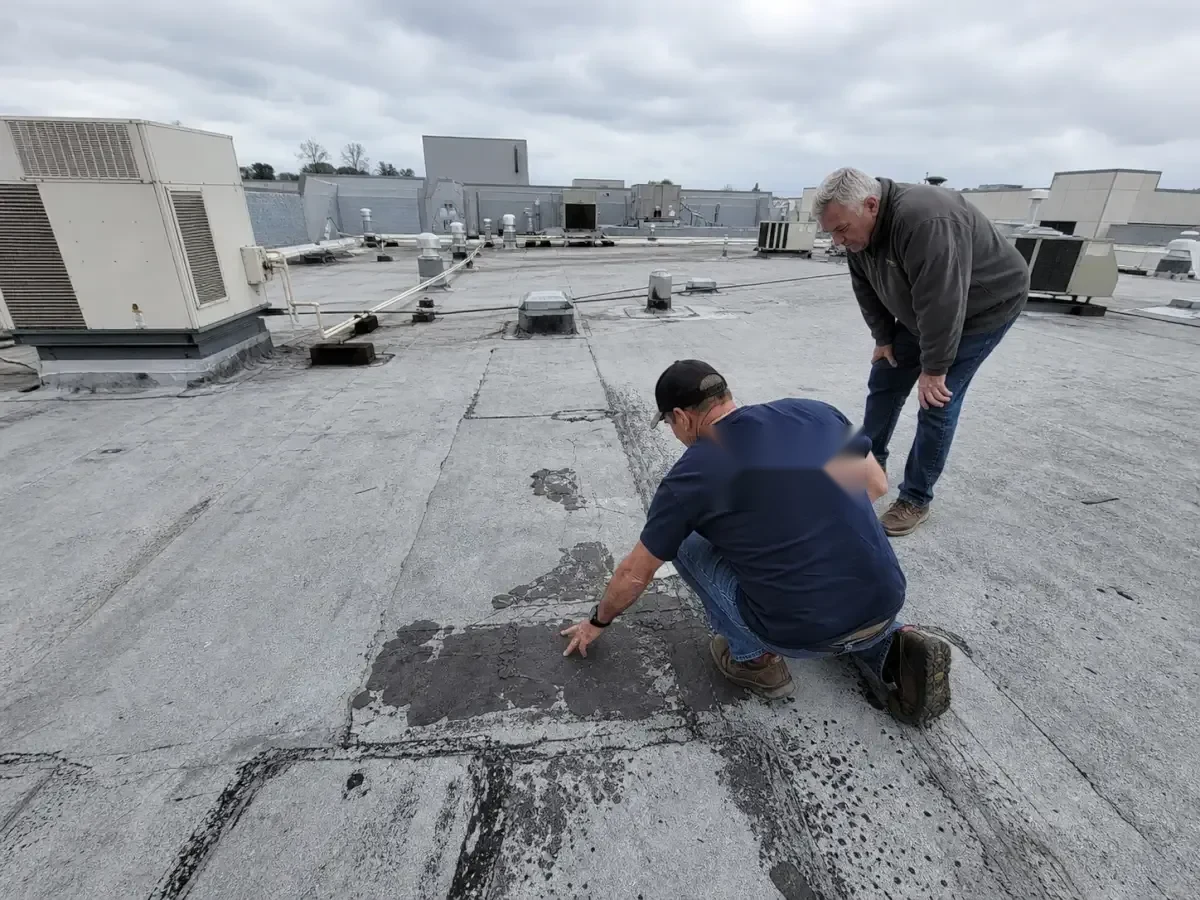
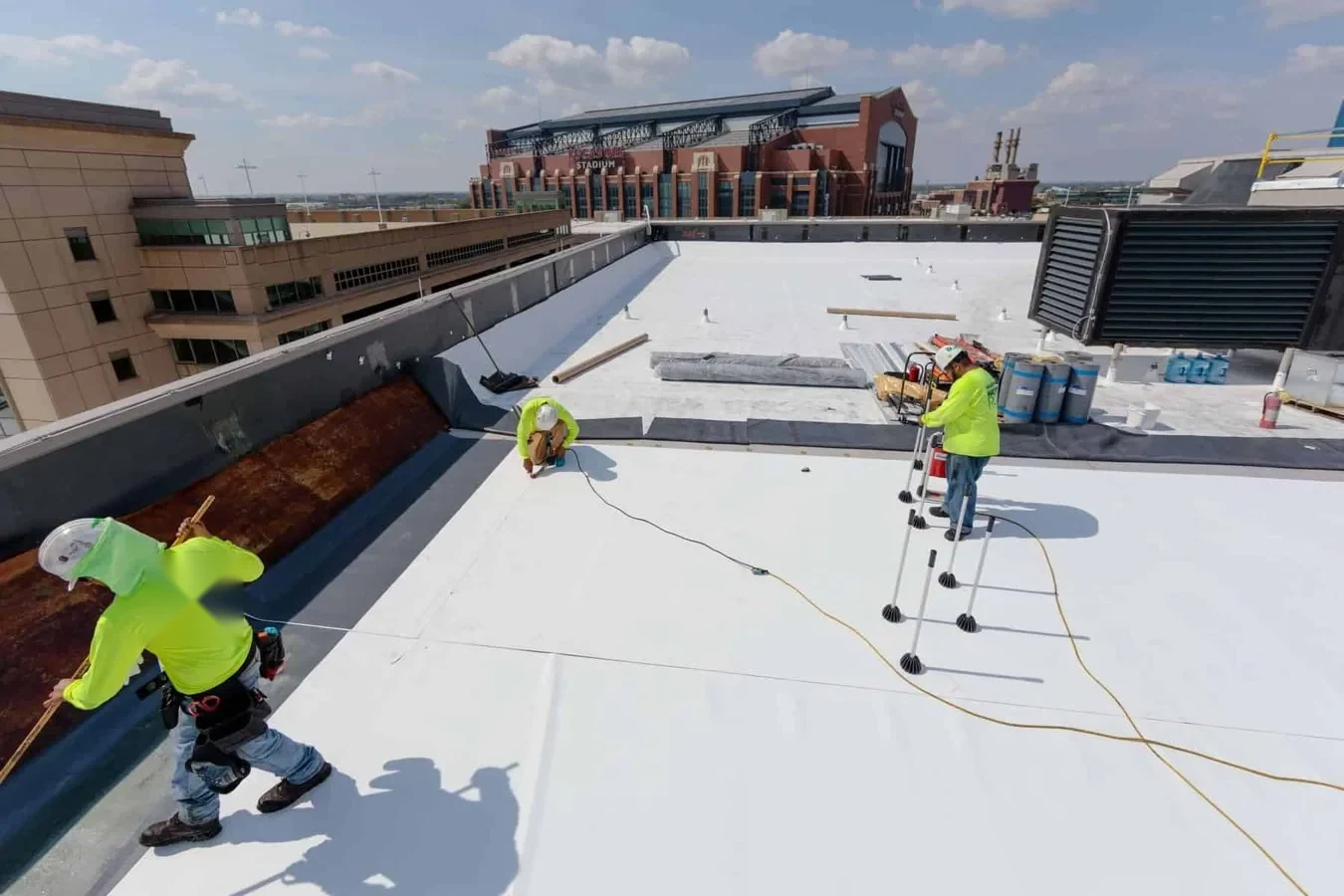
A heat-welded KEE seam should be evaluated for full contact, clean bonding surfaces, and any separation that continues beyond a visible edge. We inspect intersections where laps meet corners, curbs, drains, or an earlier patch, because a narrow defect can connect to a larger water path. Repair materials must be compatible with the identified sheet and applied according to the relevant product requirements. A weld coupon or trial seam can show whether the exposed sheet accepts the intended repair. Any opening still requires owner approval and a specified restoration detail. Near Skyway and East 20th Street, property contacts may have different loading windows and public entrances. We confirm those rules during scheduling rather than infer them from the roof system. We confirm the actual site route and the open-roof window so the area can be protected before weather or operations require the crew to close it. The field review can pair with commercial roof repair when a bounded defect is confirmed.
How compatible repairs are chosen
The membrane cannot compensate for a drain that sits below the surrounding flow line or a scupper whose flashing has pulled away. We map roof slope, outlets, overflow points, and areas where previous equipment or repairs may interrupt drainage. Chico rainfall normals show most precipitation during winter months, which makes outlet condition and temporary protection important before the wet period. That seasonal fact guides timing but does not say whether an individual roof has ponding. We record the date and surface condition, including any outlet hidden or unsafe to access. If a low area appears repeatedly, the owner may need a slope correction or broader design review rather than a membrane patch alone. A repair estimate should identify which work restores the KEE field and which item concerns drainage or substrate. For transition metal, perimeter metal work should follow the existing termination detail.
Where drainage changes the result
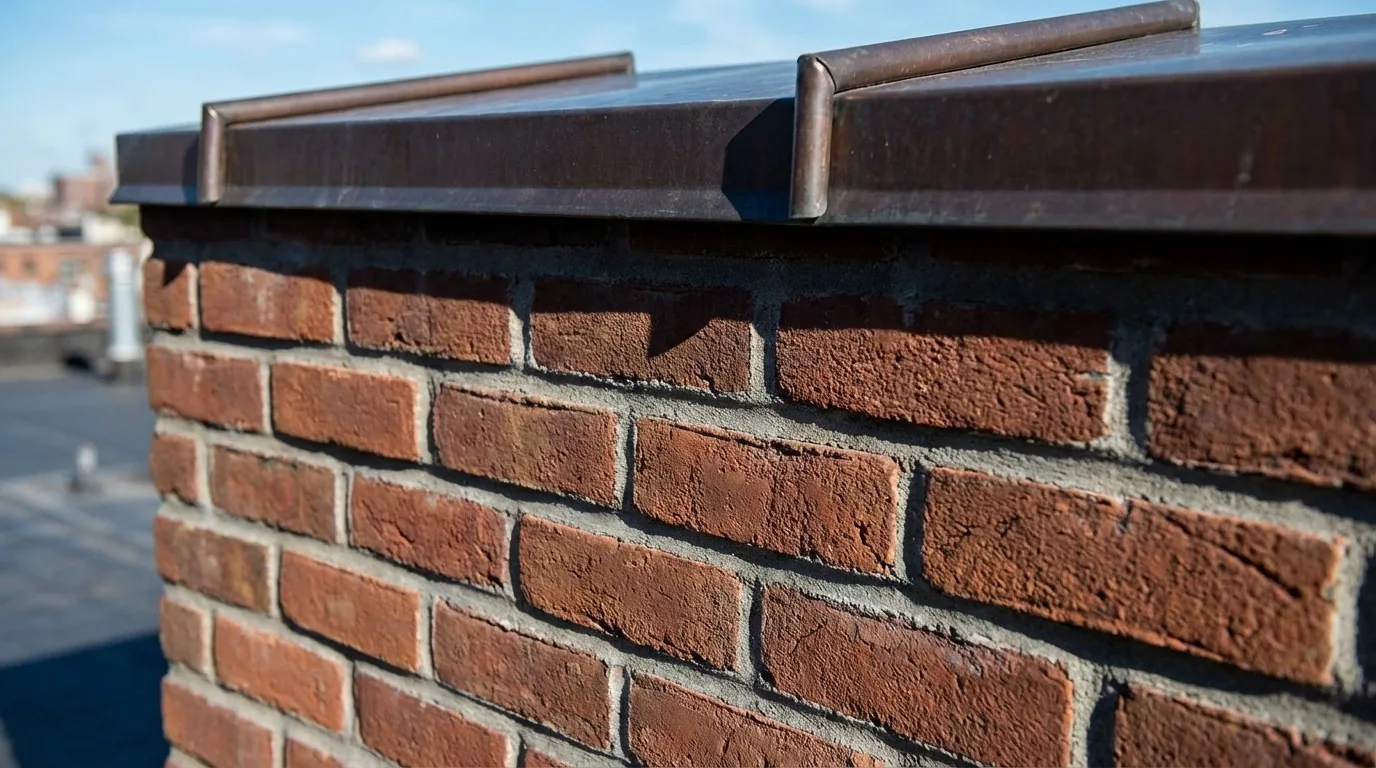
Edges, parapets, expansion joints, curbs, and pipe penetrations create movement and water-entry questions that vary with the building's details. We look for secure termination, compatible flashing, sound metal, and a route that directs water back onto the roof surface. If an HVAC replacement, solar support, or conduit installation changed a curb, the roof work should identify that interface before a leak repair closes it. City maps show several Chico employment zones, including separate areas near Meyers Street, Hegan Lane, and South Park Avenue/Fair Street. Use that context only to plan a field visit; the roof survey must confirm the membrane and any defect. The field survey confirms the assembly, marks each transition, and notes whether another trade must participate in the repair window. An owner tracking several zones may use roof asset records to retain maps and service dates.
How transitions stay watertight
KEE repair remains practical when the membrane is identified, the surrounding sheet accepts a compatible weld, and the supporting layers are suitable for continued service. Several unrelated seams, widespread moisture, repeated repairs at the same transitions, or a surface that no longer supports a reliable patch may justify comparing recover or replacement. We separate those findings by roof zone and explain the information that would change the recommendation. The scope identifies removal limits, cover board or insulation needs where confirmed, edge metal, drains, penetrations, temporary dry-in, and inspection points. An owner can then compare a targeted repair with phased renewal without treating the full roof as failed by default. The service record closes with photos, materials, repairs completed, and the next inspection item. Where a roof lies within the East 20th Street commercial district, coordinate arrival through the property contact. A focused commercial roof inspection should verify the installed product before testing a seam.
When wider renewal makes sense
A service record should name the confirmed membrane, the repair preparation, the seam or flashing restored, and the weather conditions that limited the work window. We add dated images and mark any test opening, its restoration, and the result that could affect later scope. The owner can then see which findings are resolved and which need a return visit. Chico's hot season may favor an earlier inspection window for some work, while wet-season timing makes drainage and dry-in readiness central to a different project. These are scheduling considerations, not a prediction for a specific building. Retain submittals and repair details together so another crew can identify the correct sheet before touching it. That continuity helps keep future repairs compatible and prevents an unverified assumption from expanding a localized problem. Before approving a repair, record the temperature and surface condition that allowed the crew to prepare and weld the material. The closeout should identify any detail that was not accessible and state what evidence is needed before that area is included in a later scope.
Commercial Roofing Questions
How is a KEE repair different from a PVC repair?
The product formulation and manufacturer repair instructions must be verified for the installed sheet. We identify the membrane first, then select compatible preparation, welding, and flashing details for the actual roof.
Can KEE seams be heat welded?
Many KEE membranes use heat-welded seams, but we confirm the installed product and follow its repair requirements. The work record identifies the test, weld area, and finished boundary.
What local exposure should be checked?
Hot Chico summers and winter rainfall make both surface condition and drainage worth reviewing. NOAA normals provide seasonal context; the roof survey determines the condition at the building.
When is a larger KEE replacement worth comparing?
Widespread moisture, repeated seam distress, or several failing transitions may make a roof-wide option more useful than a succession of small patches. We map those findings and identify any test needed before comparing scope.
What do you need to identify the membrane?
Existing submittals, product labels, prior repair records, and access to representative roof areas are useful. We check those items against field details before naming the system or choosing repair materials.
Review the roof evidence
Share the building type, the current symptom, and any roof history you have. We can inspect the assembly, document a repair boundary, and explain timing considerations for the next step.