Commercial Roofing in Mangrove Avenue Corridor, Chico, CA
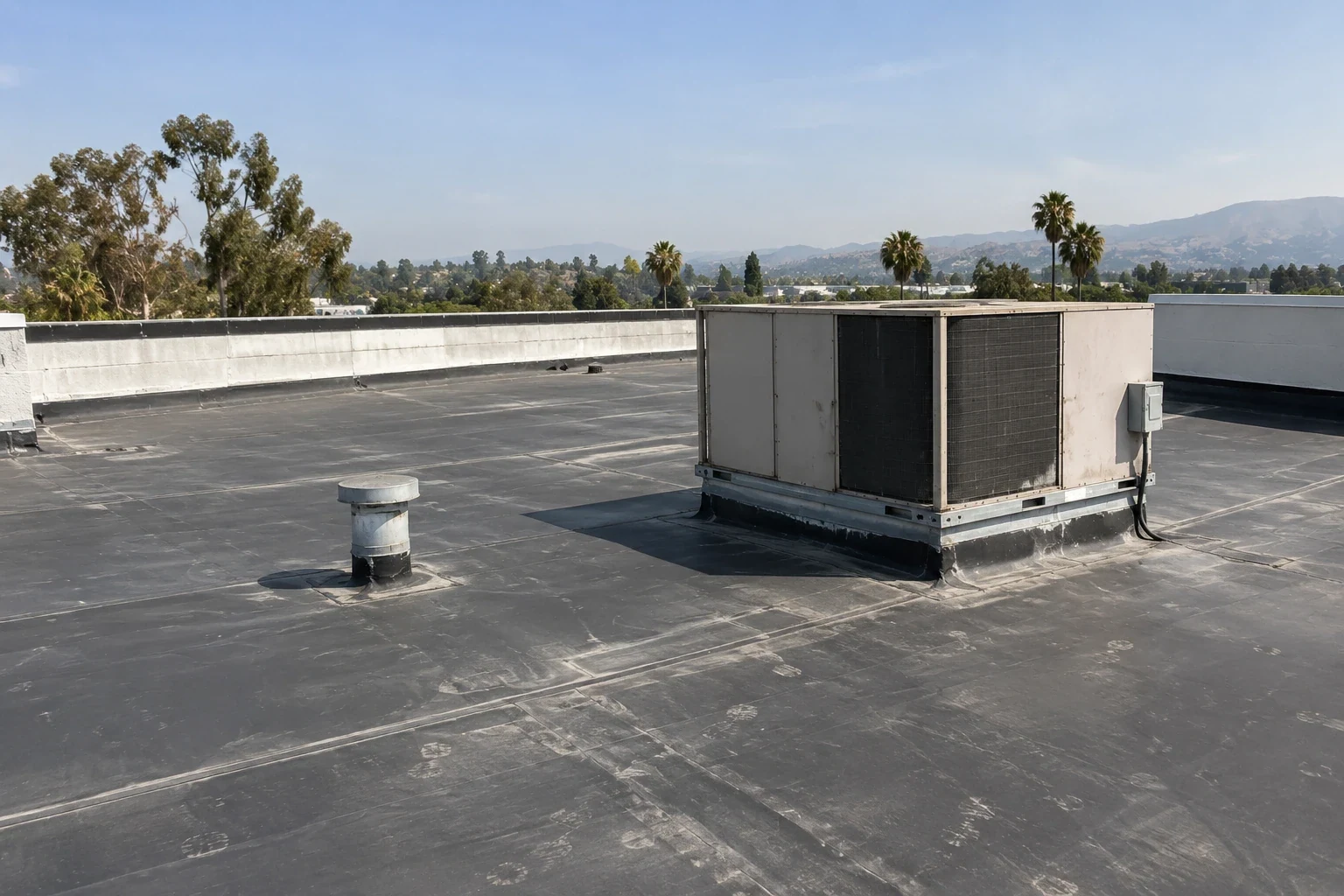
A small split at a roof curb can be easy to spot from above and still leave the repair boundary unclear. We look at the curb, nearby seams, membrane condition, and drainage before deciding how much material to replace. Chico's planning documents describe Mangrove Avenue as a high-traffic, transit-served corridor with retail and service businesses, extending approximately from Palmetto Avenue to East Lindo Avenue. The same report notes aging small buildings and surface parking in the opportunity area, but those observations do not establish the age or condition of a particular roof. Our inspection starts with the property itself and the work its occupants need to keep running.
Separate the leak from its symptom
We trace moisture from the interior mark to the roof surface, then compare the path with a curb corner, pipe boot, lap, drain, or wall termination. The first visible defect may be one part of a longer water route. A hands-on survey records the seam condition, patch edges, wet insulation evidence, and any area that needs a test opening. The owner sees which repair can close now and which question requires more evidence before the proposal is fixed.
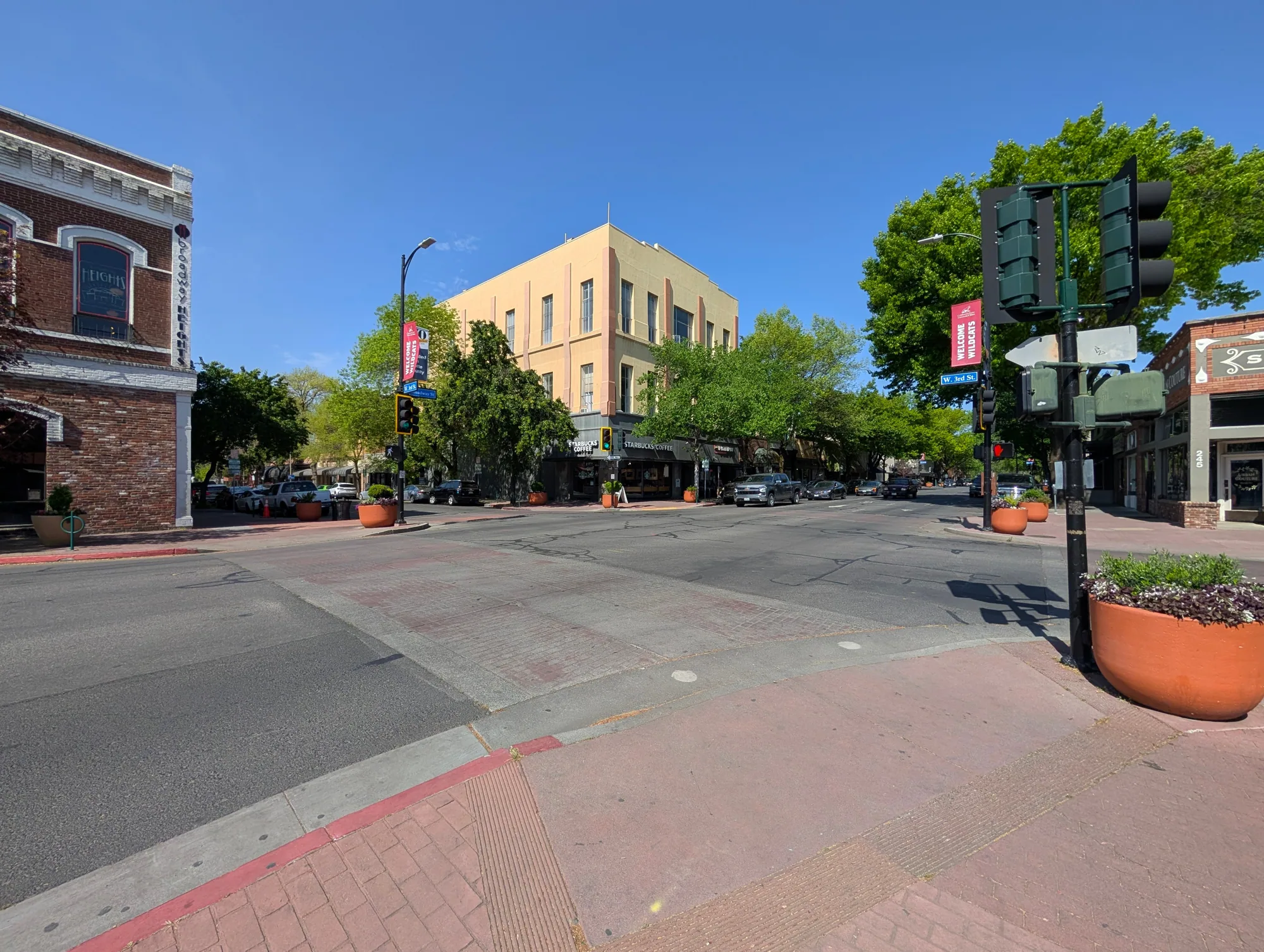
Transit service and traffic help describe how the corridor functions, but we verify access at the actual building. The report can account for ladder placement, delivery timing, or a restricted loading space without assuming the same arrangement for every parcel. See how the East 8th and 9th Street area and Downtown Chico differ in their planning context, then keep each roof decision based on its own inspection.
Do not stop at a clean drain
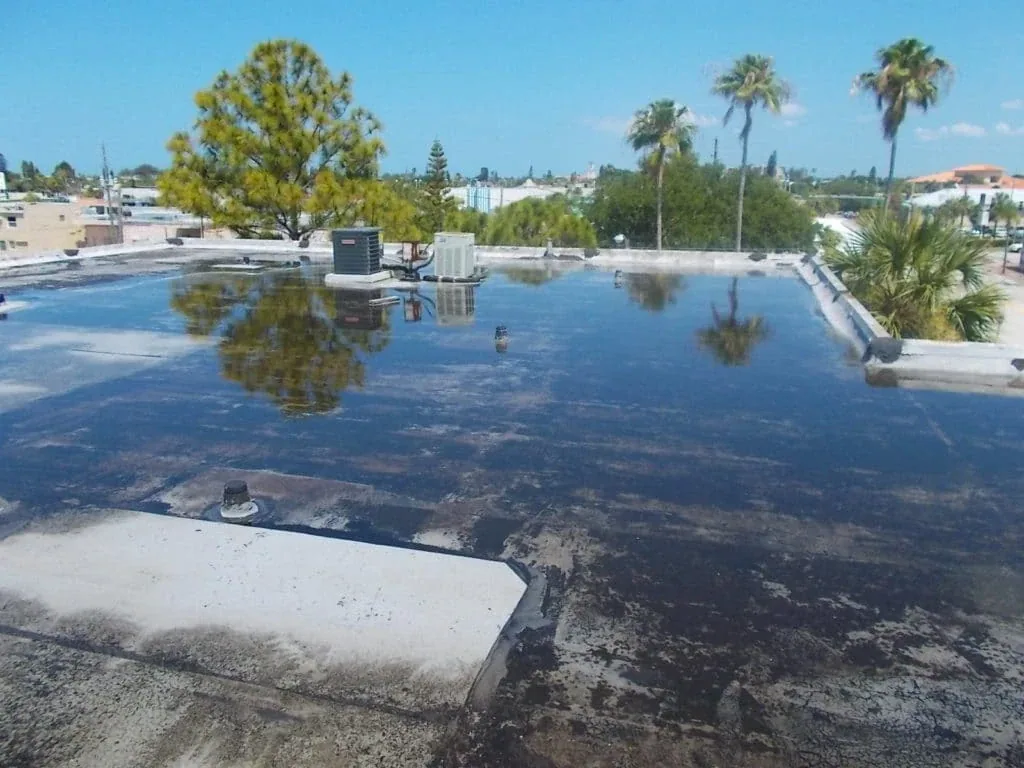
We check whether water can reach an outlet, whether the bowl is clear, and whether the overflow stays open. If the roof still holds water after cleaning, the cause may sit in the slope or deck rather than at the drain. We map the affected area and look at nearby seams and repairs. That lets us separate an outlet maintenance task from a roof correction, and it gives the owner a specific item to monitor after rain.
Chico's recorded precipitation is concentrated in the cooler months, while midsummer is much drier. A visit before winter can document leaf and sediment buildup, low areas, and drain condition while the surface is dry. The seasonal pattern does not identify a leak on its own. Our drain and scupper work records the outlet and overflow findings. When water has affected the membrane or insulation, a ponding-water repair review can set the next inspection boundary.
Match the repair to what is present
A corridor that includes smaller commercial buildings may contain different assemblies, but the planning report does not say which roofs are membrane, metal, or built-up. We identify the actual surface and compatible repair materials before cutting away a failed area. A patch needs sound edges, clean bonding surfaces, and flashing that connects to a stable curb or wall. If the adjoining membrane has lost adhesion or the substrate is wet, a small patch may only hide a larger scope question.
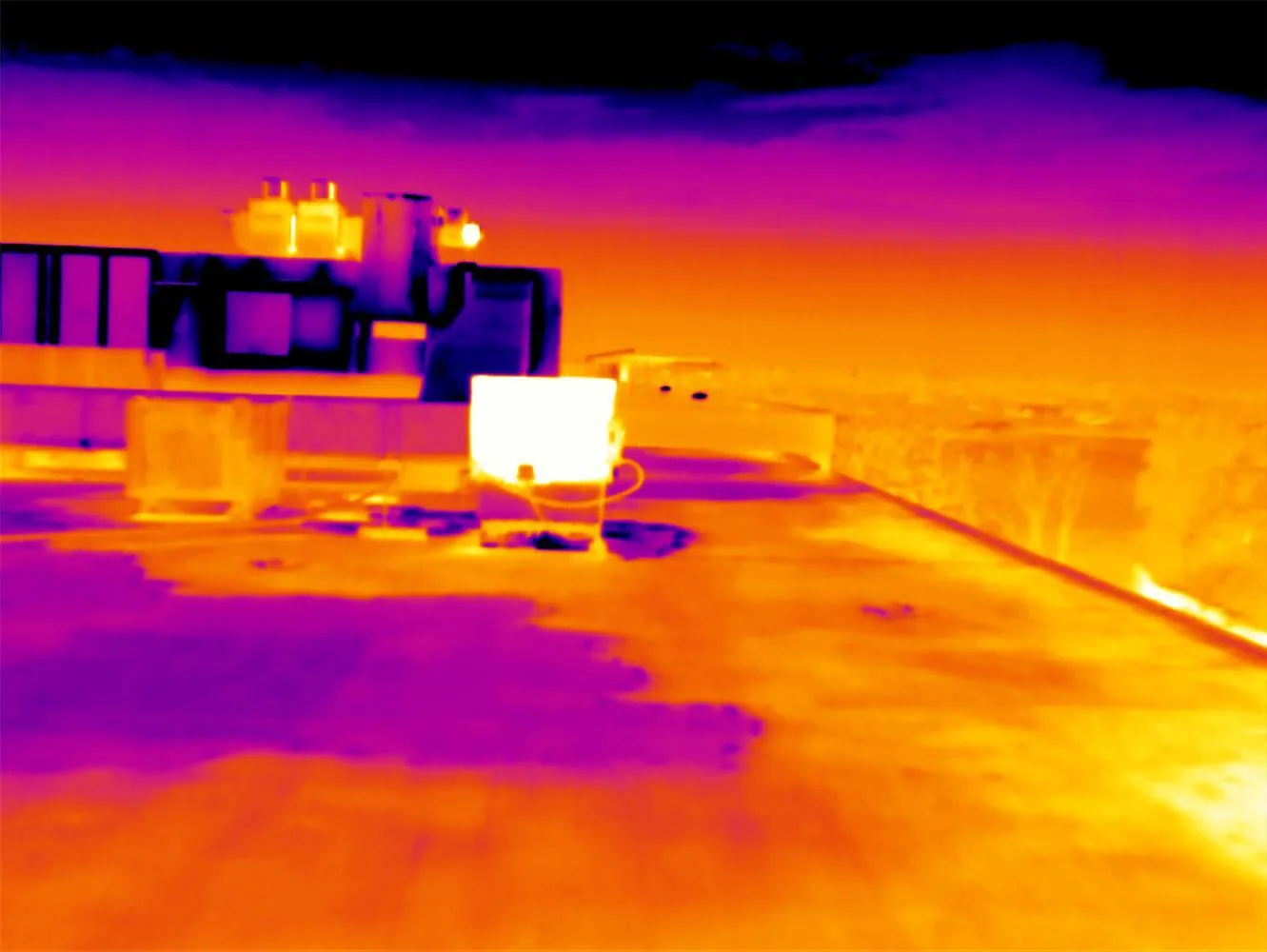
For low-slope systems, EPDM membrane has repair details different from TPO or modified bitumen. We use the existing roof and product requirements to set those details. An infrared moisture survey can help map likely wet areas when conditions support the method, while a test cut confirms what is beneath the surface. A capital plan can then separate urgent repairs from a later replacement decision.
Fit staging to live businesses
Mangrove Avenue's traffic and transit context makes site-specific staging worth confirming early. We review roof access, material delivery, parking restrictions, pedestrian routes, and the hours when equipment can be moved. For occupied retail or service space, we agree on noise windows and interior protection before opening the roof. Daily dry-in lines matter: each open section must be closed or protected at the end of the shift, even when the forecast looks favorable.
Chico's summer heat can affect surface temperatures, adhesive handling, and coating cure, while the winter season brings more frequent rain exposure. The actual material instructions and roof moisture govern work timing. For a larger project, a phased roof plan lets operations continue around contained work zones. If rooftop HVAC equipment needs access, curb and support coordination belongs in the sequence before membrane removal begins.
Draw a boundary the owner can approve
We recommend a local repair when the defect is limited and the surrounding assembly is dry enough and stable. Replacement becomes relevant when several roof zones show failed seams, widespread moisture, or recurring detail problems. A recover can work only if the existing layers, attachment, drainage heights, and code requirements allow another assembly. We explain what we found, what we propose to open, and what would trigger a scope change. The owner can see which condition is confirmed and which remains a contingency.
The current California Building Standards Code took effect at the start of 2026, and local amendments and permit requirements must be checked for the specific project. Energy-code provisions can also affect applicable commercial alterations, including coordination with rooftop equipment. We review those requirements before finalizing insulation and HVAC interfaces. Price and schedule depend on measured area, tear-off, substrate repair, material choice, staging, and any shutdown window, not on a broad corridor description.
Leave clear notes for follow-up
At closeout, dated photos show the repaired seam, curb, drain, and perimeter conditions. We note materials observed or installed, the boundary of the work, and a next inspection item where another condition needs monitoring. A service record lets a facilities manager compare what changed after seasonal rain and coordinate another trade without reopening a finished section. We can also list the person responsible for equipment access and the date for a follow-up check so roof observations remain tied to operating plans. The notes also make a future repair or replacement comparison more direct because the original decision is visible.
For a Mangrove Avenue property, share the building use, symptom, roof-access limits, and any repair history when requesting a visit. We will document the water path and give you a defined scope to review. For an active leak, temporary protection can be arranged at any hour, including holidays, then followed by a permanent repair plan once the roof condition is clear. Each proposal identifies the work boundary and how the building stays protected while the crew is on the roof.
Commercial Roofing Questions
Does traffic along Mangrove Avenue affect roof access?
A specific site's loading and parking conditions may change the schedule. We confirm deliveries, roof entry, and pedestrian protection with the property contact before setting a work window.
Can an infrared survey confirm that insulation is wet?
It can identify thermal patterns that may indicate moisture under suitable conditions. We verify the finding with roof-level evidence and, when needed, a test cut before changing the repair scope.
What should happen if a patch exposes damp insulation?
We document the opened area, keep the roof protected, and show the owner the added material removal or test area for approval. The permanent boundary follows the confirmed condition.
Are summer afternoons suitable for coating work?
That depends on the surface temperature and the selected coating's application limits. We check the actual roof and product instructions, then schedule within a workable application window.
Can roof work be phased around retail hours?
Yes, when access and protection can be planned. We agree on deliveries, noise periods, daily dry-in, and any temporary change to HVAC or tenant access before the work opens.
Plan a Mangrove Avenue roof review
Share the property use, leak location, access needs, and prior work. We will document the roof condition and options for repair or broader planning.