Commercial Roofing in North Esplanade Corridor, Chico, CA
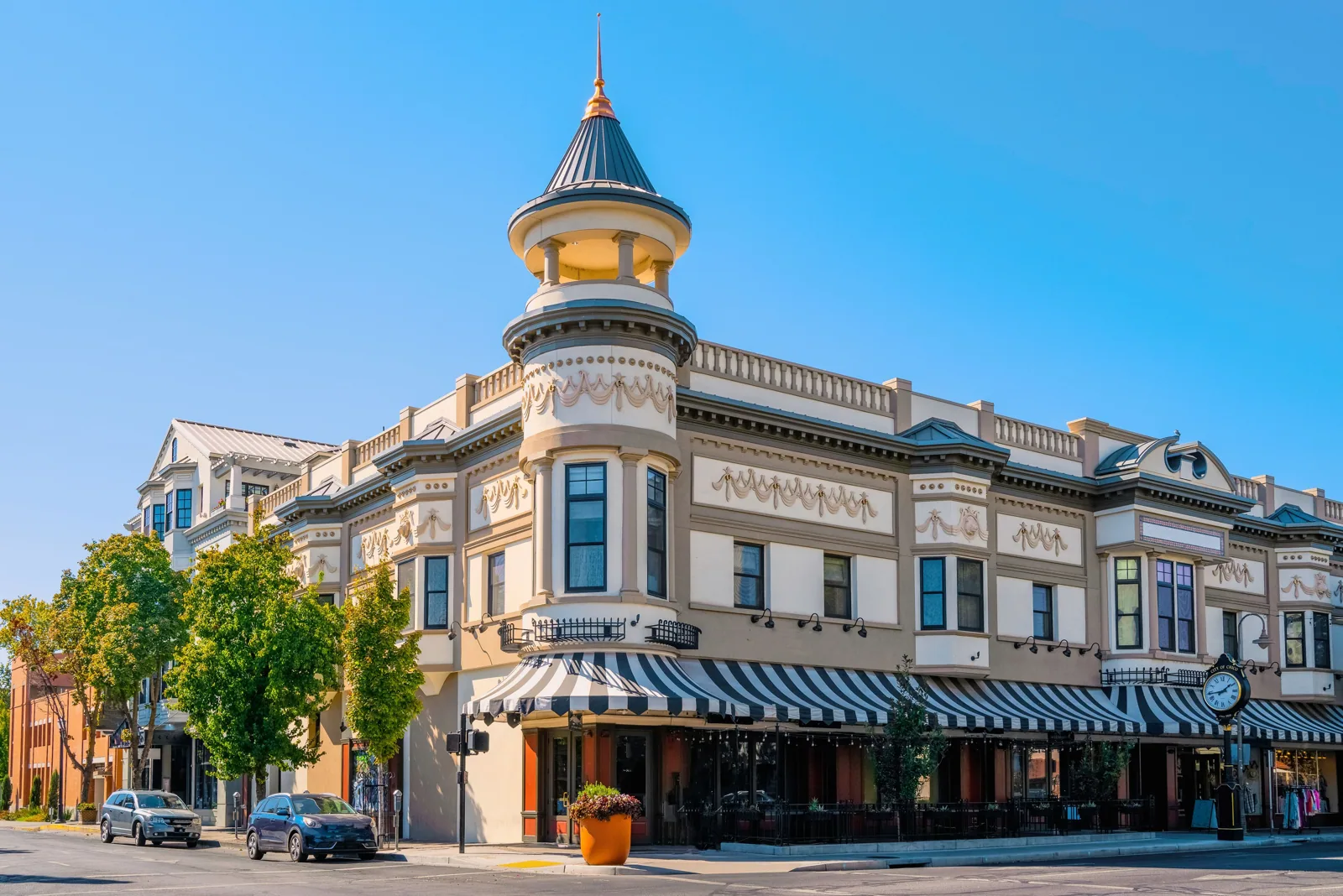
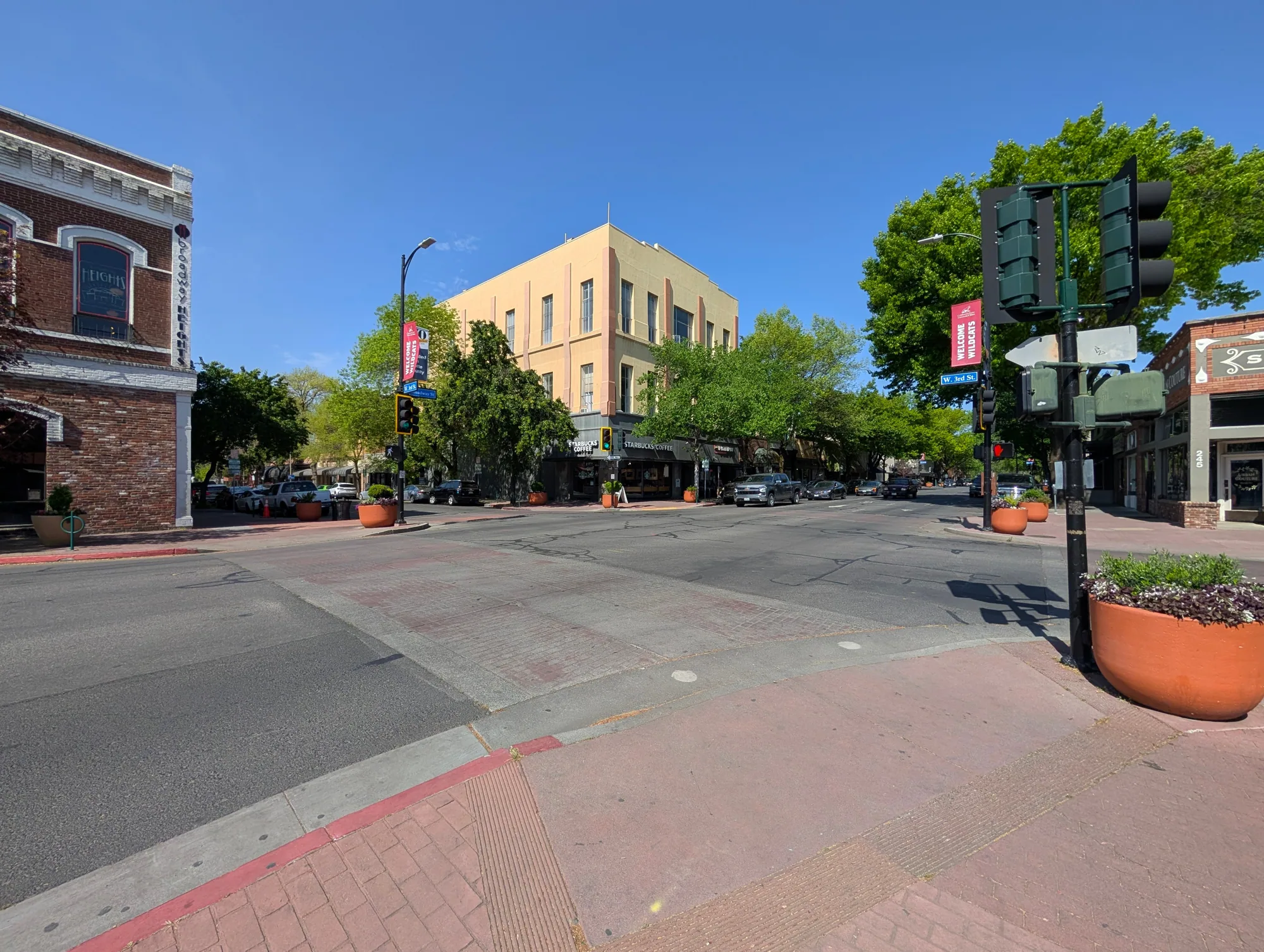
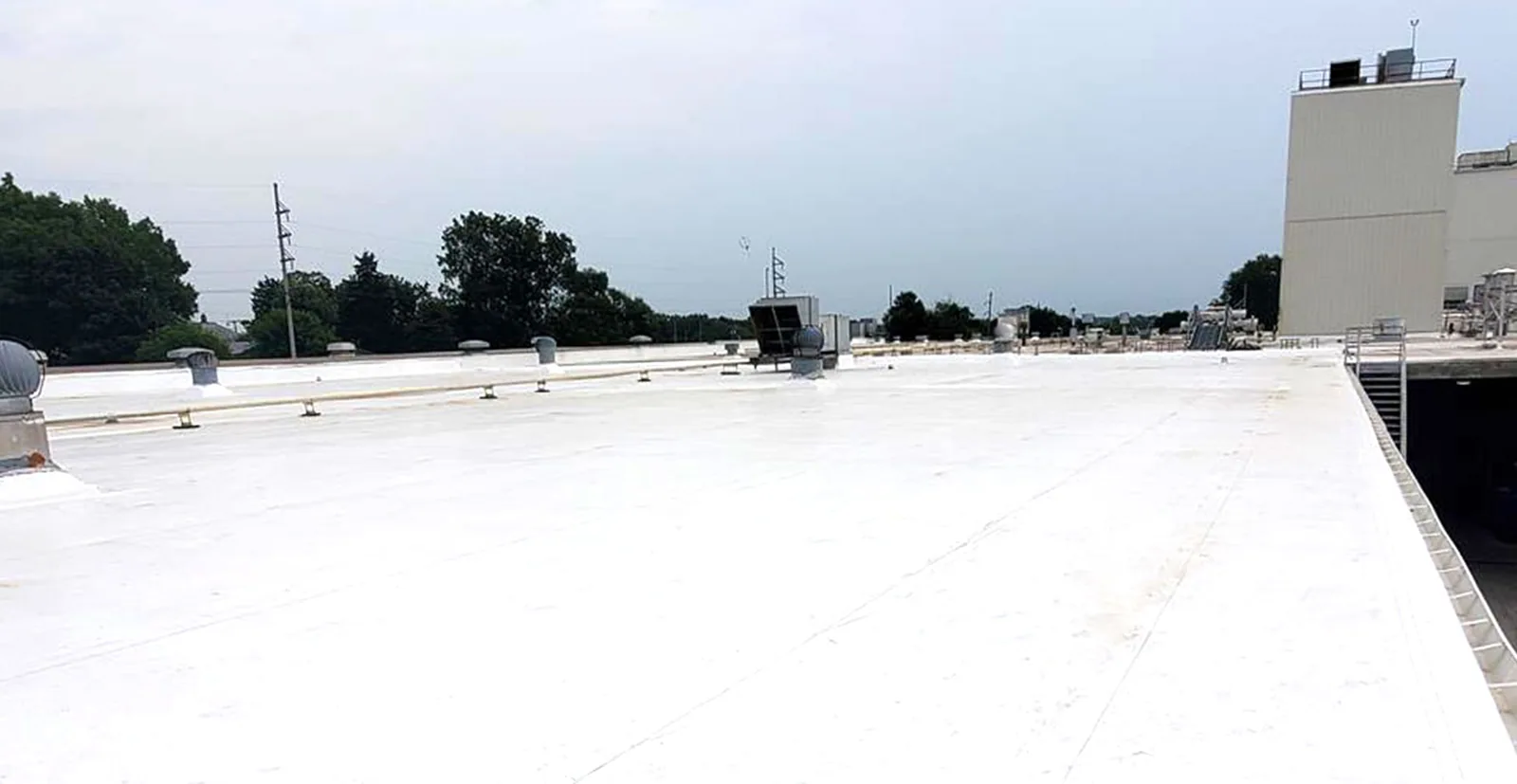
A roof along North Esplanade can have a small commercial footprint beside homes or offices, so the first question is not how large the district looks on a map. It is whether the leak, seam, or drain concern has a contained repair boundary. We inspect the actual membrane, flashing, roof slope, and interior symptom before recommending work. The City's planning description places this corridor from Lindo Channel to East Eaton Road. It distinguishes lower-density commercial uses and a northern streetscape that differs from the tree-median southern Esplanade. Those are planning-area characteristics, not a roof survey. We confirm the building's own access, occupancy, assembly, and drainage before setting scope.
Start at the roof opening
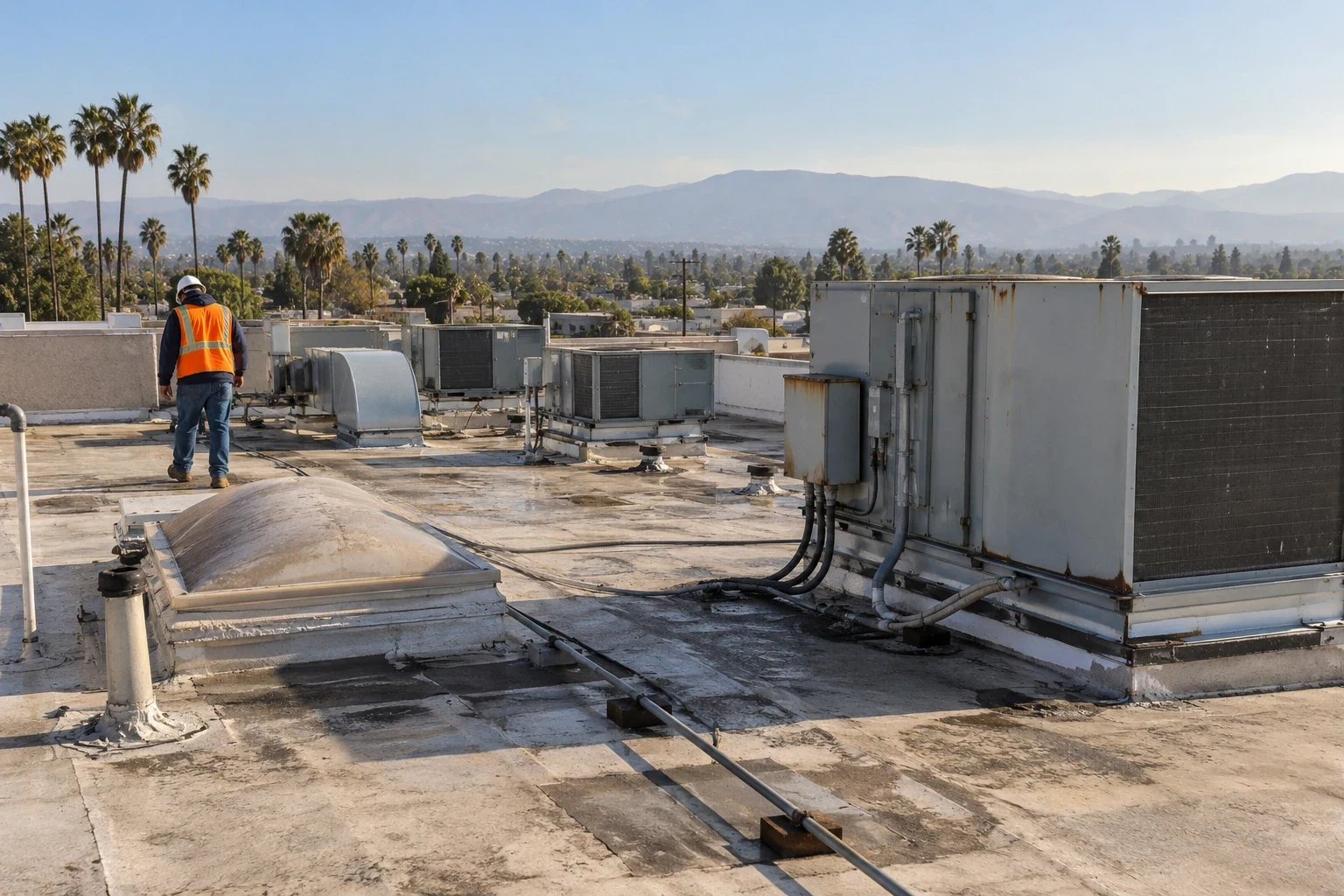
We follow the symptom to the roof and compare it with seams, penetrations, wall turns, drains, and prior patches. Moisture can travel beneath a membrane before reaching the room below, so an interior mark does not define the affected area. We take photos, note the membrane type where visible, and identify whether a test cut is needed to confirm insulation condition. The owner receives a repair boundary rather than a general statement that the roof needs attention. We also note the date, weather exposure, and any condition that should be checked again after the next rain, so a temporary measure does not become an undocumented permanent repair.
For a property near Downtown Chico, mixed-use occupancy may add staging questions, while a building along Mangrove Avenue may have a different access pattern. We treat each roof individually. A photo-marked condition report connects the visible evidence to repair, restoration, or replacement options.
Read water at the outlet
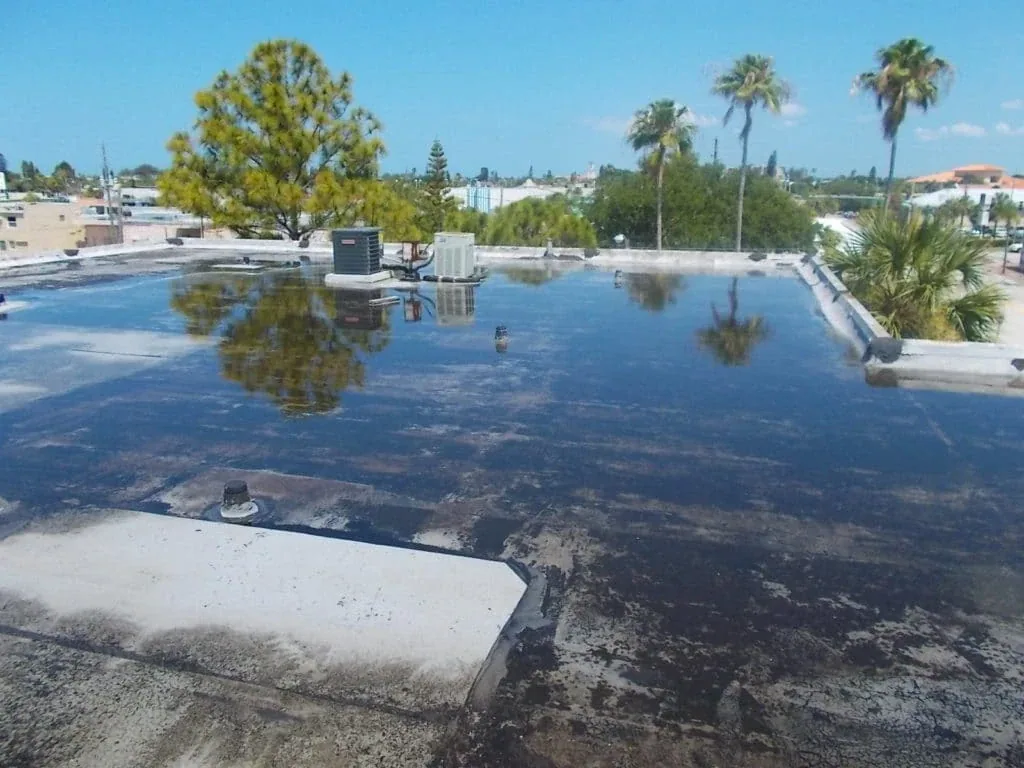
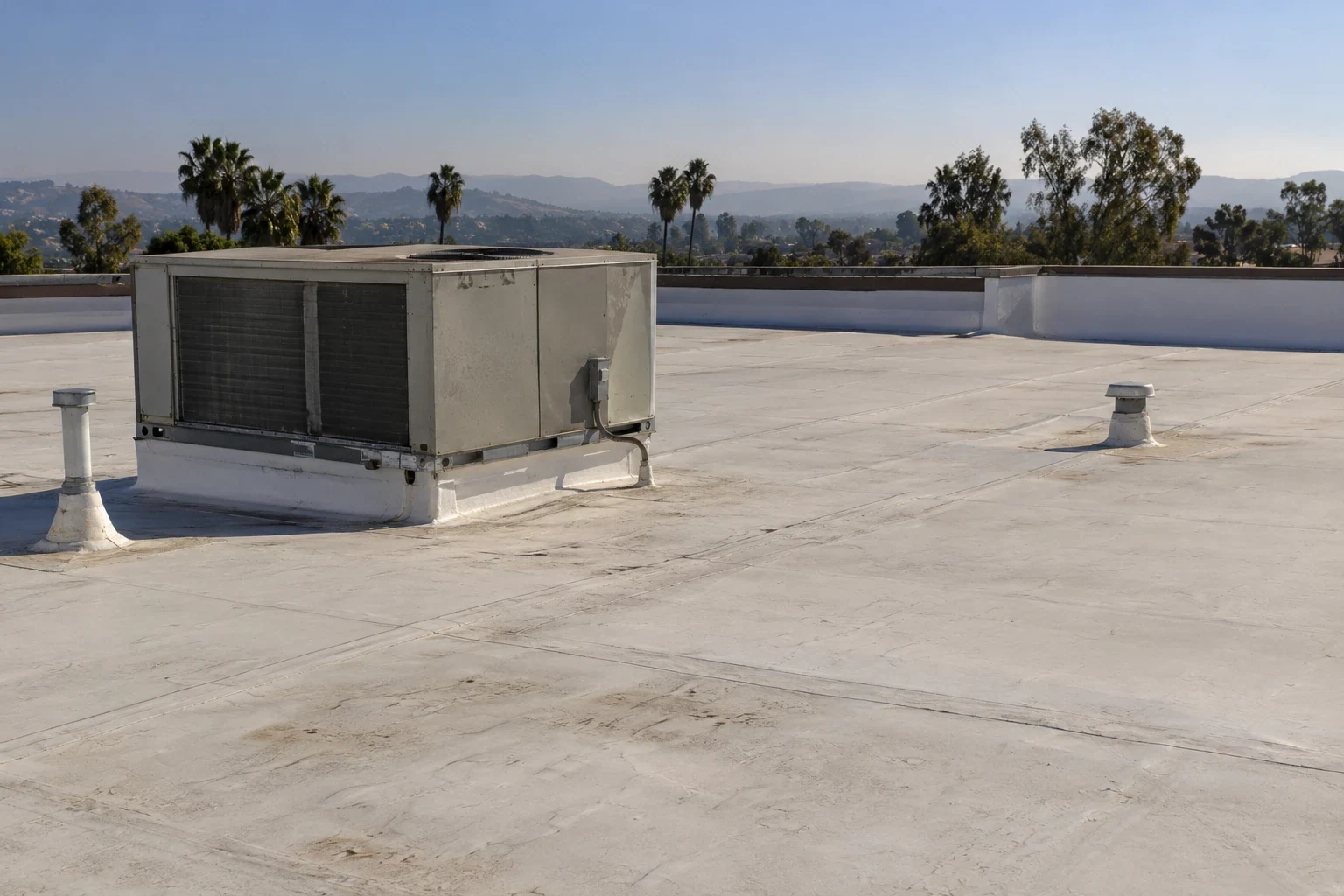
A clear drain does not rule out a slope problem, and standing water does not prove the membrane has failed. We check the bowl, strainer, overflow, adjacent seams, and the low point the roof actually directs water toward. Where a restriction is present, we record whether cleaning restores flow. Where the outlet works but water remains, we map the ponding area and discuss a separate correction. That difference prevents an owner's repair budget from being spent on the wrong part of the assembly.
NOAA precipitation normals for Chico show a much wetter winter season than July and August. Before winter rain, a dry-weather visit can make debris, drain conditions, and slope transitions easier to document. It cannot predict how every roof will drain. Our drain and overflow review notes what was checked and which conditions need follow-up. If a seam near a ponding area is open, a ponding-water assessment can separate membrane repair from drainage work.
Respect the roof assembly
The corridor's land-use plan encourages street-facing commercial mixed use and shows office- and residential-mixed-use designations toward the north. It does not establish that every parcel is developed or that buildings share the same roof. We identify the deck, insulation, cover board, vapor control, and attachment only where records or openings confirm them. A membrane repair must bond to a compatible surface, and an overlay needs a secure, dry assembly with room for higher edge and drain details.
For one low-slope building, a TPO system may be an option; another roof may call for modified bitumen, EPDM, or metal work. We explain the actual choice through seam type, substrate, penetrations, and the owner's maintenance plan. A recover review checks moisture and attachment before adding material. If replacement is indicated, our a replacement scope shows what will be removed, retained, and rebuilt.
Sequence work beside active uses
North Esplanade includes commercial uses near other occupied properties, so access and protection below matter even when the roof repair is modest. We confirm where ladders can sit, whether a lane or entry needs protection, where materials can be staged, which rooftop equipment must remain available, and who can authorize a temporary shutdown if field conditions require one. We also plan a dry-in point at the end of each shift. A small repair should not leave an exposed edge that depends on an uncertain forecast.
Chico's hot summer and wetter winter pattern influence adhesive and coating windows. The roof surface, substrate moisture, product cure, and crew access determine the daily sequence. For a larger scope, phased occupied-building work keeps the open area controlled. A roof coating is considered only after adhesion and surface condition checks; restoration planning is not a substitute for wet-insulation removal or failed flashing repair.
Compare the practical choices
A repair can be the right move when the defect is localized and nearby membrane and insulation are serviceable. Replacement is a broader option when water entry, seam failure, or weak transitions appear across separate roof areas. A recover can reduce tear-off only if the current assembly is dry, secure, compatible, and permitted at the added height. We explain what evidence supports each route and identify what remains unknown before asking the owner to approve a larger scope.
The 2025 California Building Standards Code took effect on January 1, 2026, and local amendments may apply. Commercial roof alterations also need coordination with applicable energy-code provisions and rooftop HVAC plans. We verify the permit basis for the specific parcel and document which trade handles equipment or deck conditions outside the roofing scope. Timing and cost follow the confirmed quantity, material choice, removal needs, access, and shutdowns, not the corridor name.
Make the next visit more useful
Our closeout notes the repaired section, flashing changes, drain condition, materials observed, and any adjacent area to revisit. Dated photos give the next inspection a baseline. That record helps a manager plan maintenance around seasonal drainage and distinguish a new leak from the same water path returning. We can also identify an open item for a plumber, HVAC contractor, or property engineer when that trade owns part of the correction. If the repair exposes wet insulation or a weak substrate, we document the finding and request direction before expanding the work.
For an inspection in the North Esplanade Corridor, share the building use, interior symptom, prior repair notes, and roof-access window. We will trace the water path and show where the repair ends. Owners also coordinating roofs near Park Avenue can keep work records separate by property rather than assuming nearby buildings have matching assemblies. If active water needs temporary protection, our response is available around the clock, including holidays, followed by a permanent scope tied to the evidence.
Commercial Roofing Questions
Does the corridor's north end have a different roof standard?
The City's planning report describes a different streetscape and land-use pattern, not a separate roof standard. We verify the applicable code and assembly for each parcel.
Why can water appear away from an open seam?
A deck or insulation layer can carry moisture beyond the entry point. We compare the stain with roof seams, drains, curbs, and wall transitions before drawing a repair line.
Can standing water be corrected with a roof coating?
Only if the existing membrane and substrate are suitable. We first check drainage, adhesion, moisture, and the cause of ponding; coating does not correct every slope problem.
What access details should be planned for a small repair?
We confirm safe roof entry, staging, any affected doorway or lane, equipment needs, and how the area will be protected at shift end. The property contact helps coordinate active uses.
How do I compare a patch with replacement?
The condition report shows the defect size, nearby material condition, moisture evidence, and transition details. We explain which scope addresses the confirmed problem and what each leaves in place.
Arrange a North Esplanade inspection
Give us the property use, roof symptom, and access window. We will document the water path and a clear repair boundary before work is priced.