Commercial Distribution Center Roofing in Chico, CA
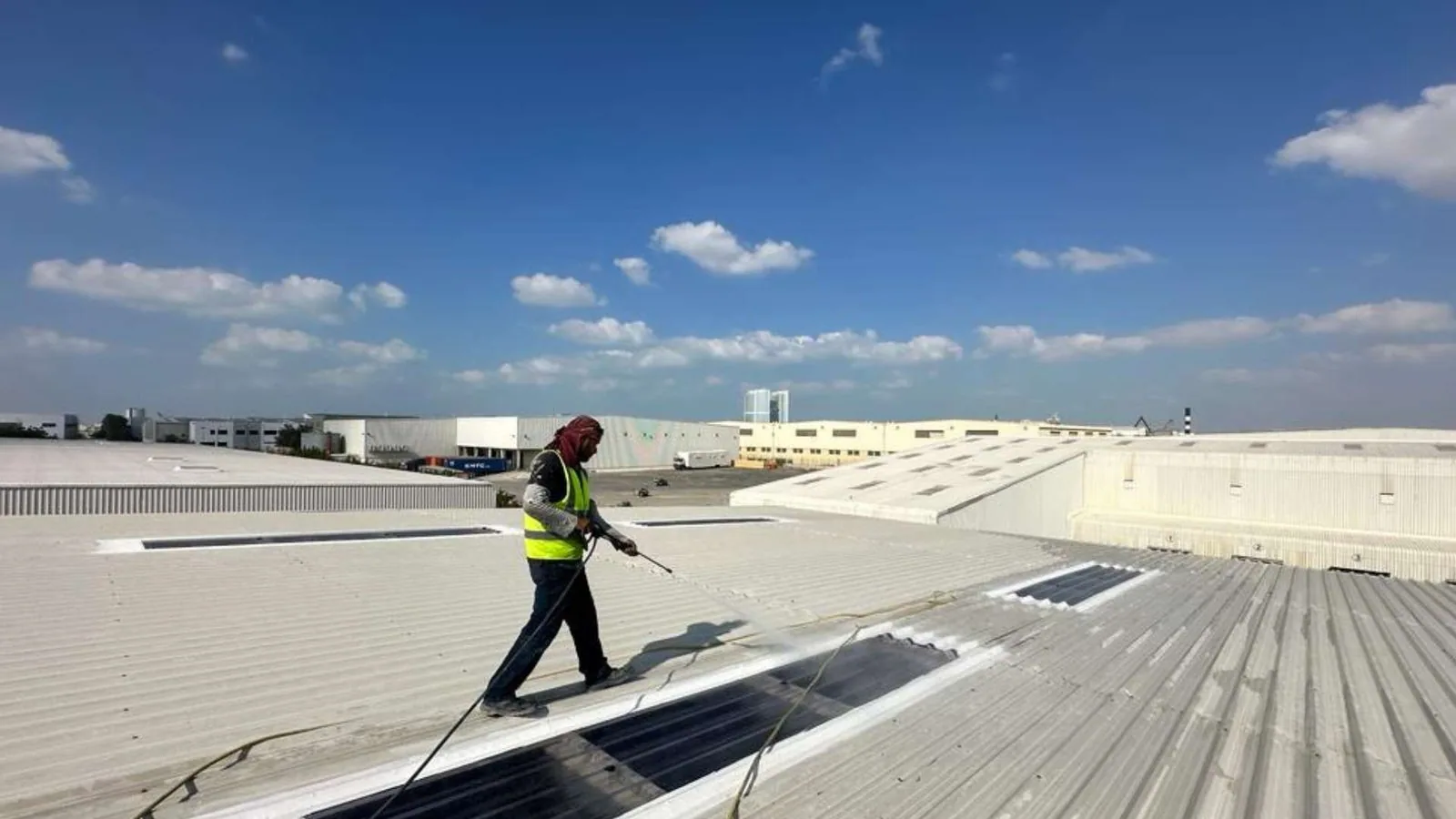
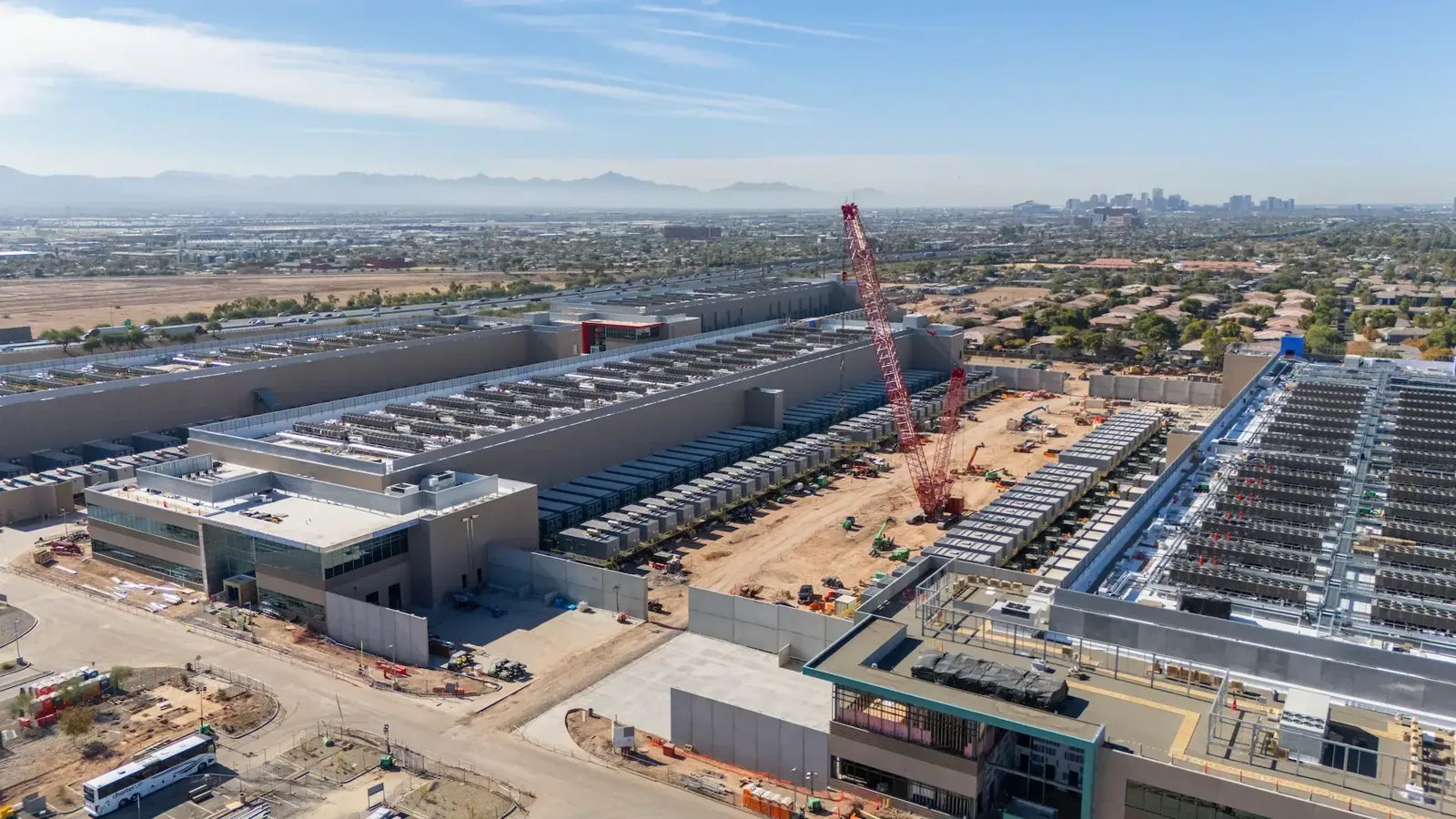
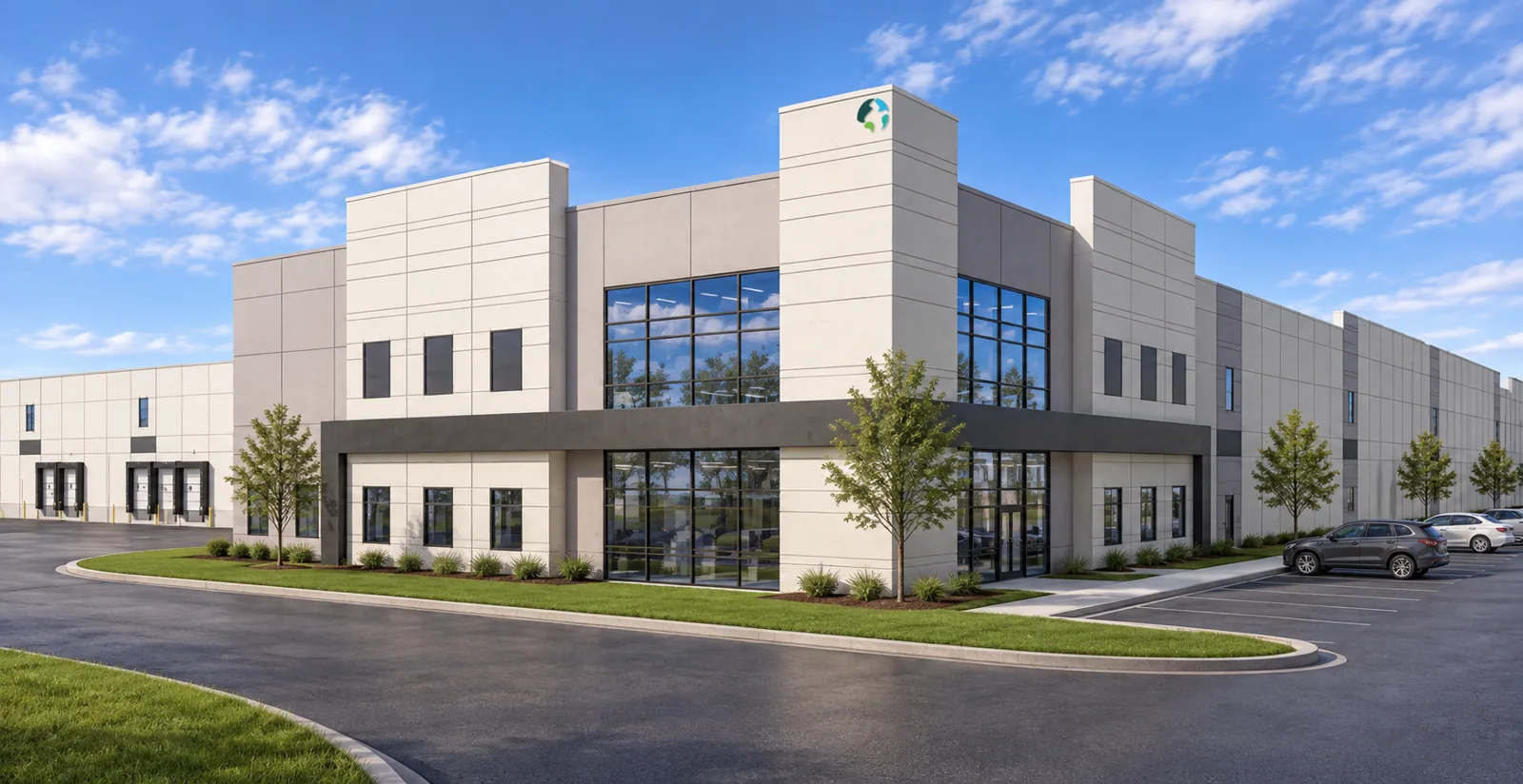
A distribution-center roof connects several work zones under one assembly: receiving, storage, dispatch, and equipment service. For a facility in Chico, CA, we begin by locating the reported moisture against the roof plan and delivery schedule. The first decision is whether one section can be repaired safely or whether drainage, seams, or attachment problems cross multiple zones. We document the assembly and work boundary before pricing.

State Route 99 links Chico’s north and south commercial and planned-growth areas. Chico’s employment map also identifies commercial movement along Skyway and East 20th Street, plus activity by the airport-side district. Those corridors help orient dispatch; the property contact supplies the roof plan and access limits. These routes are broad geographic context, not proof that a particular site has a distribution roof. The property contact confirms the actual building, dock arrangement, access, and roof sections before dispatch.
Map Work to the Operating Zones
A leak over a pick aisle may need a different work window than one over an exterior canopy or break room. We list affected zones, active shifts, equipment clearances, and stored goods before opening the roof. If forklifts, conveyors, or truck queues pass below, the plan must keep those paths open or identify a short closure. We coordinate staging on the parcel, not on a neighboring drive, and note who can approve a temporary change.
The roof plan should mark drains, scuppers, rooftop units, skylights, and expansion joints by section. We verify each area instead of carrying one repair detail across an unconfirmed transition. At a distribution building, the commercial roof leak repair review should connect the interior report to a roof zone and keep dock movement in the work boundary.
Set Dock and Roof Access
Water may travel from a seam or curb before it reaches a ceiling below a distribution line. Storm timing and direction, roof fall, and nearby curbs help rank inspection points; the report still separates confirmed conditions from a suspected entry. A second report after a different storm can show whether the first repair boundary was too small. We mark confirmed conditions, inaccessible areas, and any test that could change the scope. That record gives the asset manager a reasoned repair limit instead of an open-ended patch allowance.
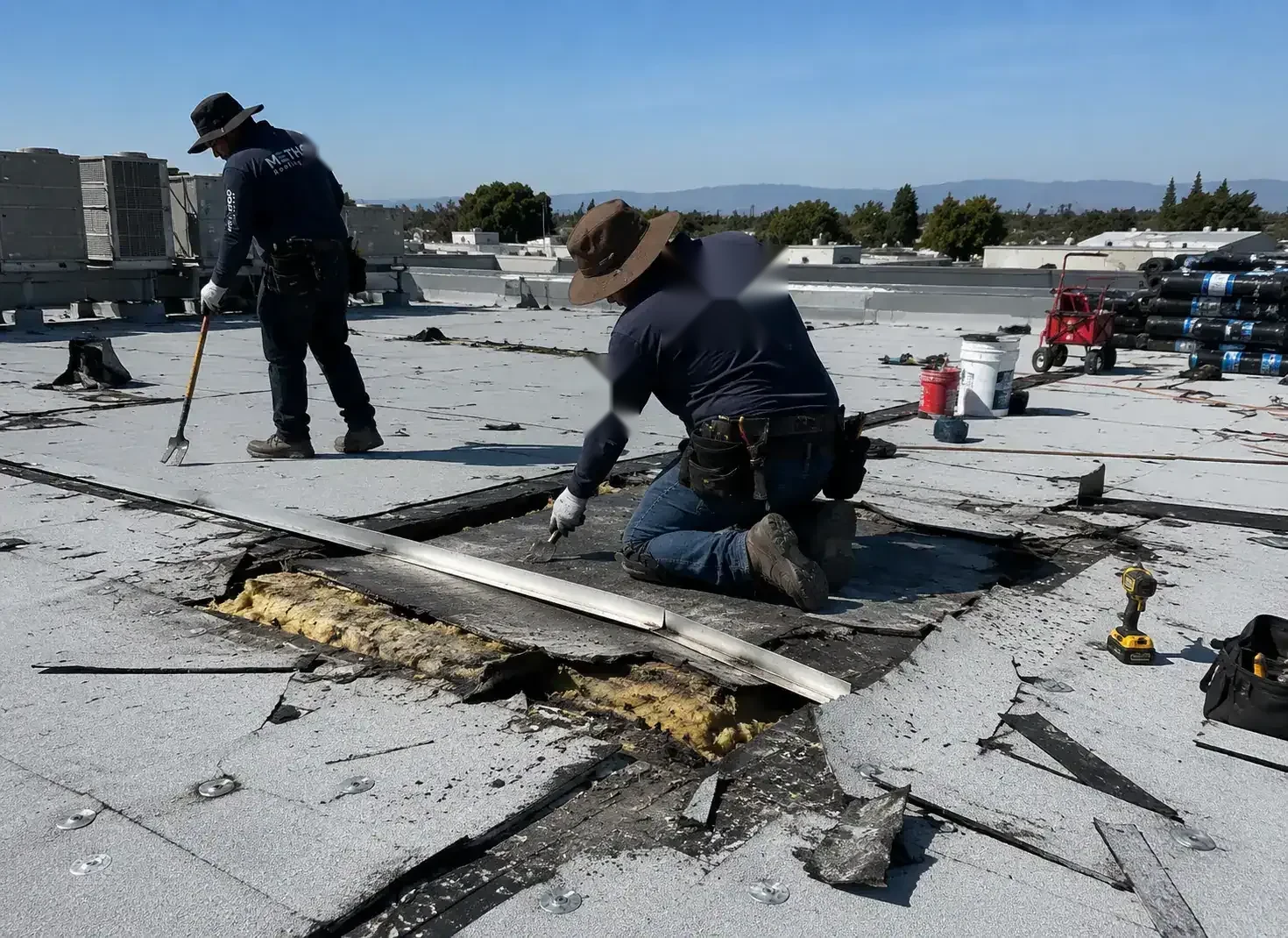
If moisture is suspected under insulation, visual review may not show its full extent. A test opening can help, but the report must say which representative area was tested and what remains uncertain elsewhere. Replacement bids should define how concealed wet material will be measured and approved. A commercial roof leak repair review begins with the affected zone and preserves the distinction between emergency protection and permanent correction. Use a commercial roof inspection to connect moisture notes and dock reports to labeled roof zones before choosing a repair limit.
Trace Reports by Section
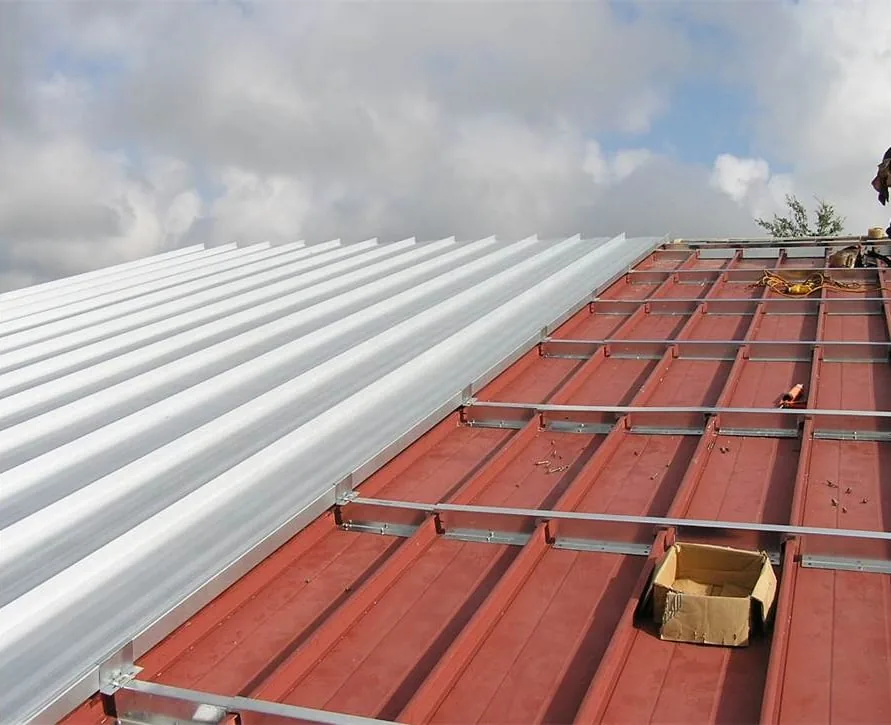
A distribution facility may have single-ply, built-up, modified-bitumen, metal, or mixed roof areas from different construction phases. We identify the system at each zone before selecting a repair method. On membrane, seam condition, attachment, and flashing control the scope. Metal panels move at laps and fasteners; a field sealant bead may not address a loose transition. We record the material and any incompatible older repair that could affect adhesion.
Chico has local employment and commercial corridors ranging from East 20th Street and Skyway to Nord Avenue and the Esplanade. That variety does not imply one roof type across the city. It does mean the property’s actual use should drive staging and access questions. For a retrofit, an existing roof system inspection documents the substrate before a new layer is considered. A distribution operation may need one boundary for inventory aisles and another for active docks, so the roof map should mark both before sequencing.
Confirm the System at Each Zone
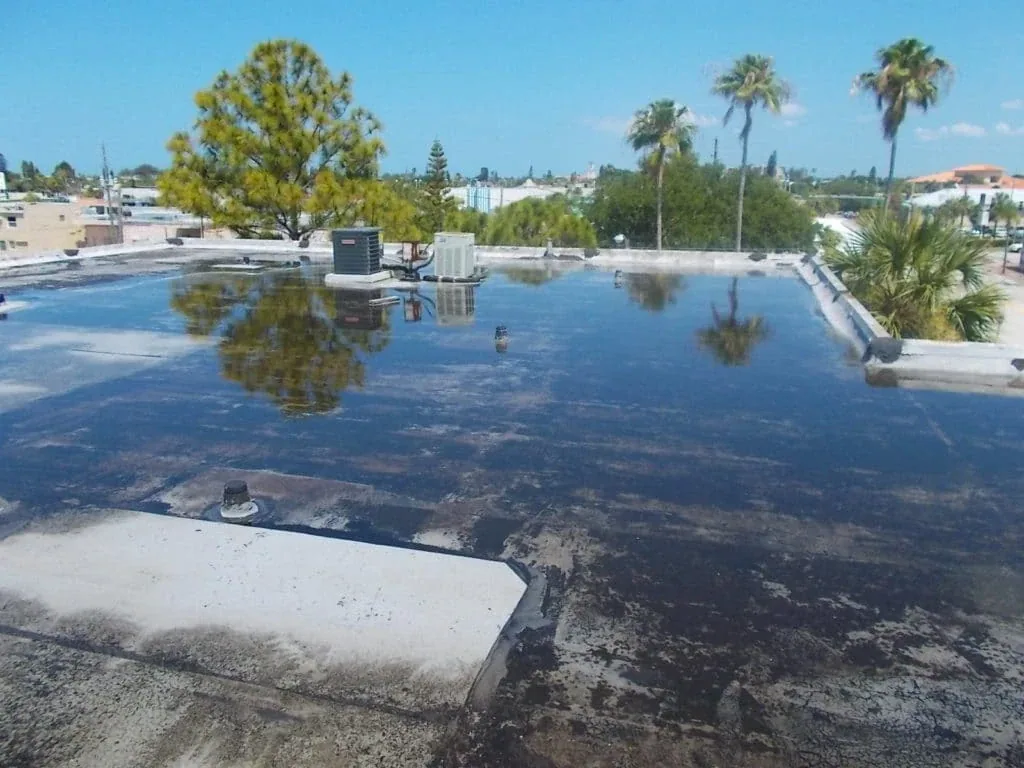
Distribution roofs often combine broad field areas with roof drains, scuppers, overflow routes, curbs, and perimeter metal. We inspect the path water takes to the outlet and identify whether debris, slope, or a damaged detail is involved. A drain that is clear during inspection may still be undersized or poorly placed, but any redesign recommendation needs measurement and qualified review. The roofing scope should not promise structural correction without that evidence.
Chico’s annual precipitation average is 27.39 inches, with January and February averaging just over five inches each and midsummer much drier. We use this seasonal contrast to prioritize outlet readiness before wetter periods, not to predict a leak at a particular facility. A maintenance scope can clear and document accessible drains; a replacement scope should show permanent outlet and overflow details. If dispatch shares a roof with a production line, coordinate the manufacturing plant roof review with the line supervisor before assigning a removal window. A roof drain and scupper inspection can compare outlet condition with the receiving route, overflow path, and any reported water near a loading area.
Keep Drainage on the Schedule
A repair can be enough when the failure stays within one zone and adjacent material is serviceable. When repeated leaks follow a seam line or moisture spans multiple roof sections, compare repair with a recover or replacement on equal limits. Recover suitability depends on existing layers, attachment, moisture, and permit requirements. A coating needs a compatible surface that can be prepared and tested. We separate those options in the proposal rather than calling each one a renewal.
Cost and schedule move with tear-off depth, insulation, perimeter metal, drains, access, and dock coordination. The estimate should list the open-roof area per shift and the dry-in point at day’s end. An owner can compare the roof recover overlay with full replacement only when both scopes include the same sections and concealed-condition process. A warehouse roofing review may address similar stored-goods priorities. A commercial roof replacement scope should compare the same dock windows, removal depth, and dry-in boundary used in the repair alternative.
Compare Renewal on Equal Limits
Before work starts, the site contact approves crew access, delivery route, roof hatch procedure, debris area, and any escort. We schedule around confirmed receiving windows and identify operations that cannot pause. If the weather shifts, a named contact needs authority to stop work or approve an adjusted sequence. The proposal should show which entrance remains available and how emergency vehicle paths stay open. These are project requirements, not assumptions drawn from a street or business district.
Closeout includes dated photos by roof zone, completed details, and remaining observations. It records the conditions that were outside the approved scope and the owner decision still needed. A facility manager can then tie the roof file to maintenance and capital plans. For an assessment, share drawings, repair notes, leak dates, shifts, and the funding calendar. We can build a roof drainage inspection into the visit and coordinate with the actual property team.
Record the Work Boundary
Chico’s industrial areas around Meyers Street and Hegan Lane and its commercial corridors along Skyway and East 20th Street are distinct local contexts.
Our commercial roof inspection can establish a baseline; the Chico industrial-area service route is a broad geography, not a substitute for property-specific findings. The roof recover overlay option belongs beside removal and replacement only after the tested sections, moisture limits, and attachment are comparable. A South Park and Fair Street industrial-area request identifies a broad Chico district, while operating zones and roof observations define the actual scope.
Commercial Roofing Questions
How do you inspect a roof over several distribution zones?
We map the reported interior areas, roof transitions, drains, and equipment to sections, then record which zones were accessible and what testing could change the scope.
Can roof work keep receiving open?
Often, if the property approves a material route and staging point and the crew phases work around confirmed dock windows and dry-in limits.
What does the estimate need to say about open-roof area?
It should define the section opened per shift, the temporary protection method, and the stop point if weather or concealed conditions change.
Does State Route 99 establish roof access or travel time?
No. It is a city corridor reference. Access, staging, and dispatch are confirmed with the actual building contact.
When should a facility compare repair with replacement?
Compare them when moisture, repeated seams, or failures reach multiple zones, using the same removal, drainage, and access assumptions.
Review a Distribution Center Roofing Scope
Provide the roof-zone plan, active shifts, dock restrictions, leak dates, and repair history. We can map the work boundary to each operating area and compare options on matching removal and access assumptions.