Commercial Roofing in Nord Avenue Corridor, Chico, CA
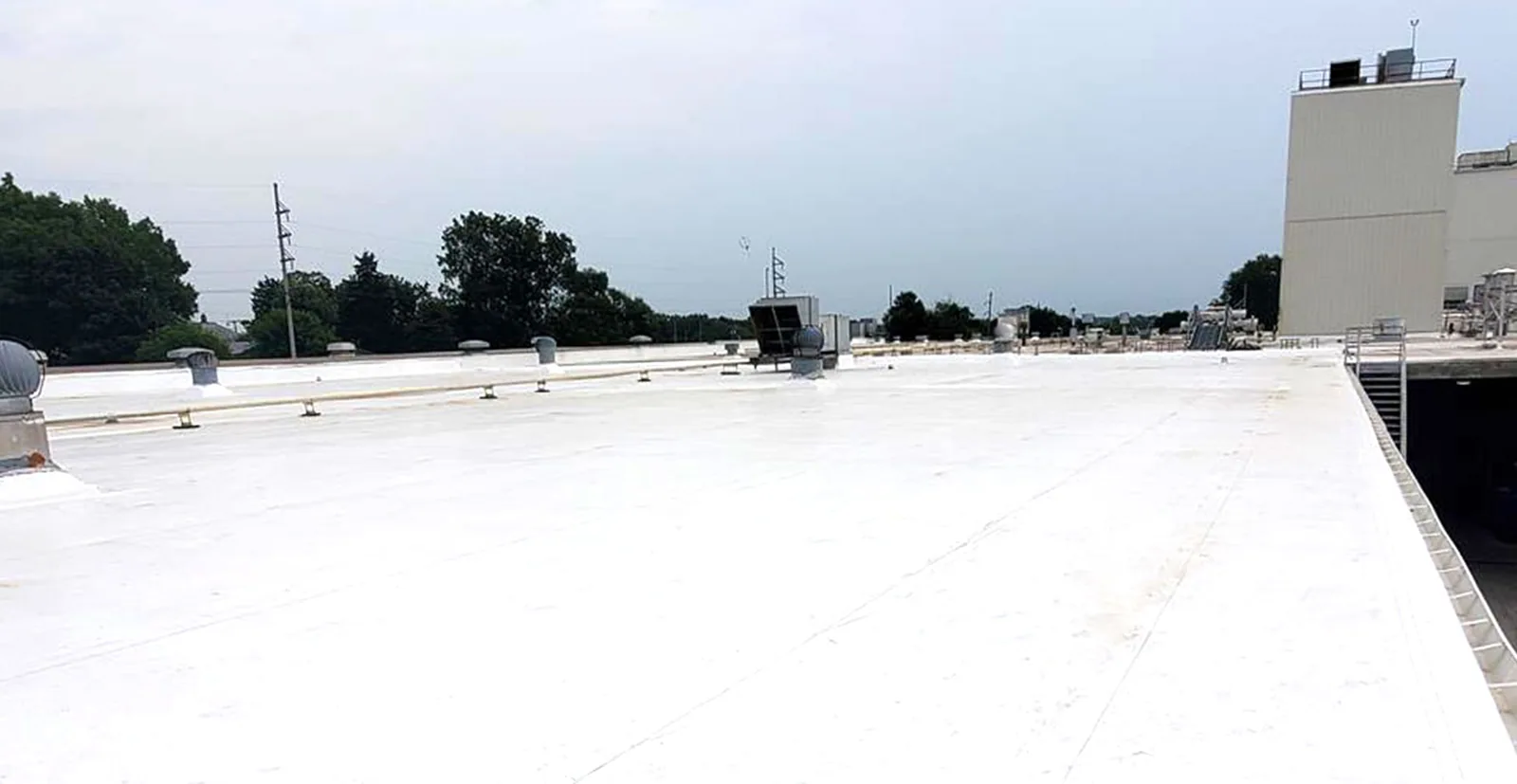
A roof beside a highway and railroad edge needs its own access and water-path review before a crew can price the repair. Along Chico's Nord Avenue Corridor, we inspect the membrane, seams, drains, penetrations, and perimeter metal, then map the point where a repair can return to sound material. The City's opportunity-area description follows the highway and rail edge from Lindo Channel south to West Sacramento Avenue. It records commercial services, light manufacturing, and multifamily residential uses, with industrial-office designations and commercial projects at selected intersections. Those uses create different operating needs, but they do not identify any particular roof's assembly or condition.
Confirm how the crew reaches the roof
We establish the work route first: roof hatch or ladder, gate and key access, material staging, and any area where pedestrians or vehicles need protection. The corridor's transportation edges make delivery timing worth confirming with the property contact. We do not infer loading zones from the district description. A first visit also checks the indoor symptom and the roof area directly above it, because a stain can appear away from the entry point.
The work context differs from the Mangrove Avenue retail corridor and other Chico corridors, where the City's planning descriptions address other uses. For Nord Avenue, a marked photo report can set the repair boundary and note access constraints. If water is active, a temporary dry-in response protects the opening while the permanent scope is confirmed.
Identify the assembly before selecting materials
Commercial services, light manufacturing, and multifamily use can place different demands on a roof, yet the same corridor may contain more than one roof type. We identify what is present rather than assuming membrane, metal, or built-up construction. At laps and transitions, we check adhesion, fasteners, surface condition, and the path water can follow. At curbs and pipes, flashing must connect to a compatible surface and allow for movement. A repair material chosen without that check may not bond or bridge the actual defect. We also compare the existing repair history with the visible surface so repeated patches are understood as evidence rather than treated as a ready-made scope.
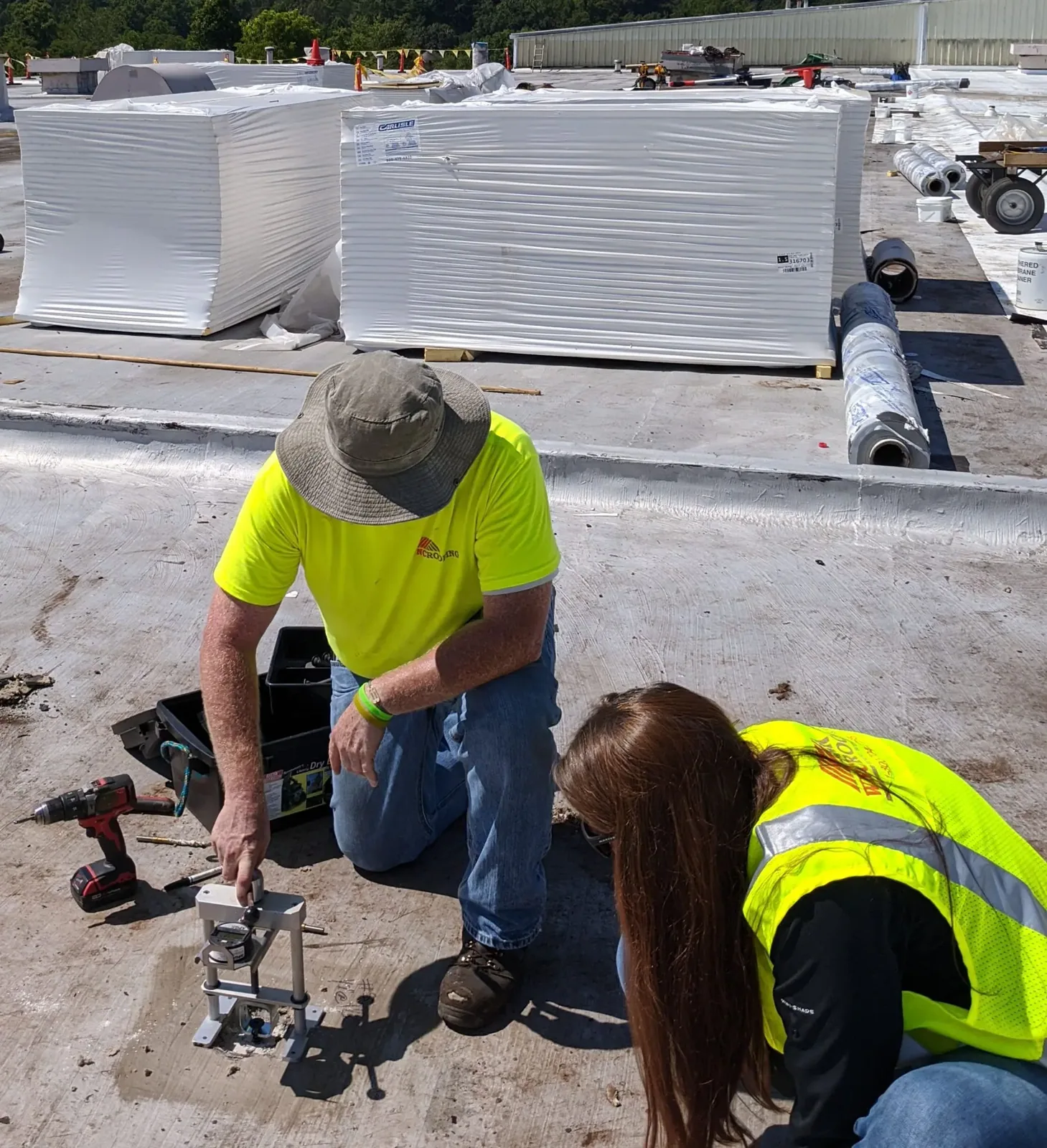
A low-slope membrane may be TPO, EPDM, or another assembly; a metal section needs attention to panel seams, clips, and penetrations. Where a test opening is warranted, we explain what it will resolve about moisture or attachment before making it. For an eligible roof, a recover assessment checks that existing layers can remain. If replacement is indicated, replacement planning records tear-off limits and transition details.
Track water through the full field
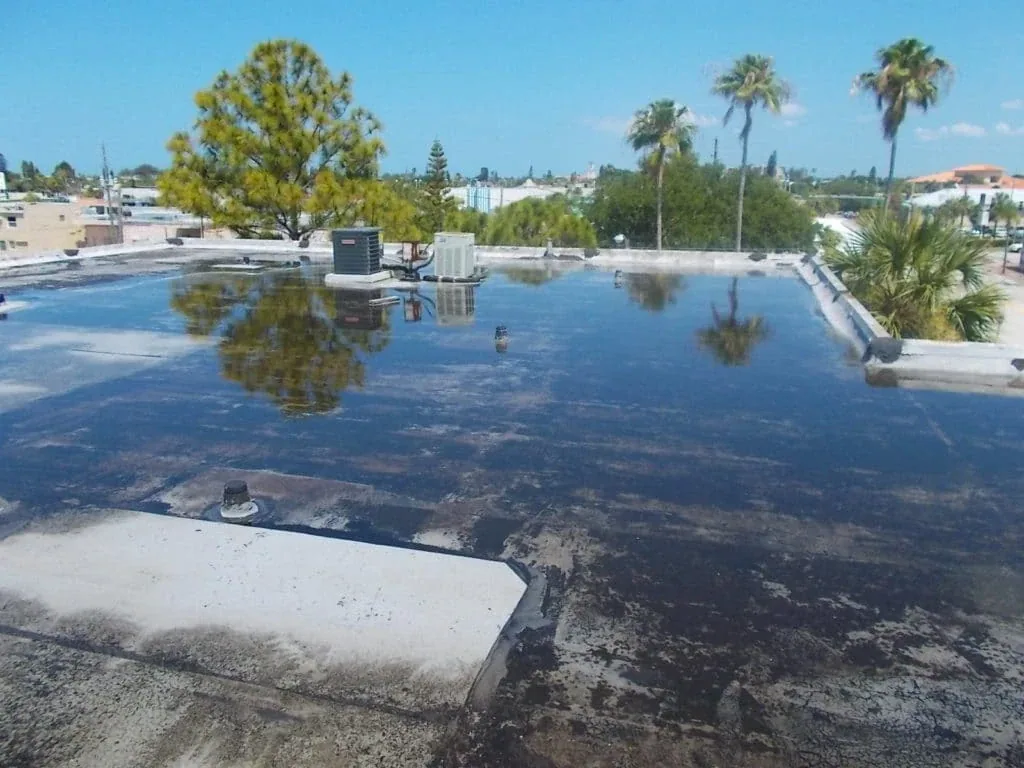
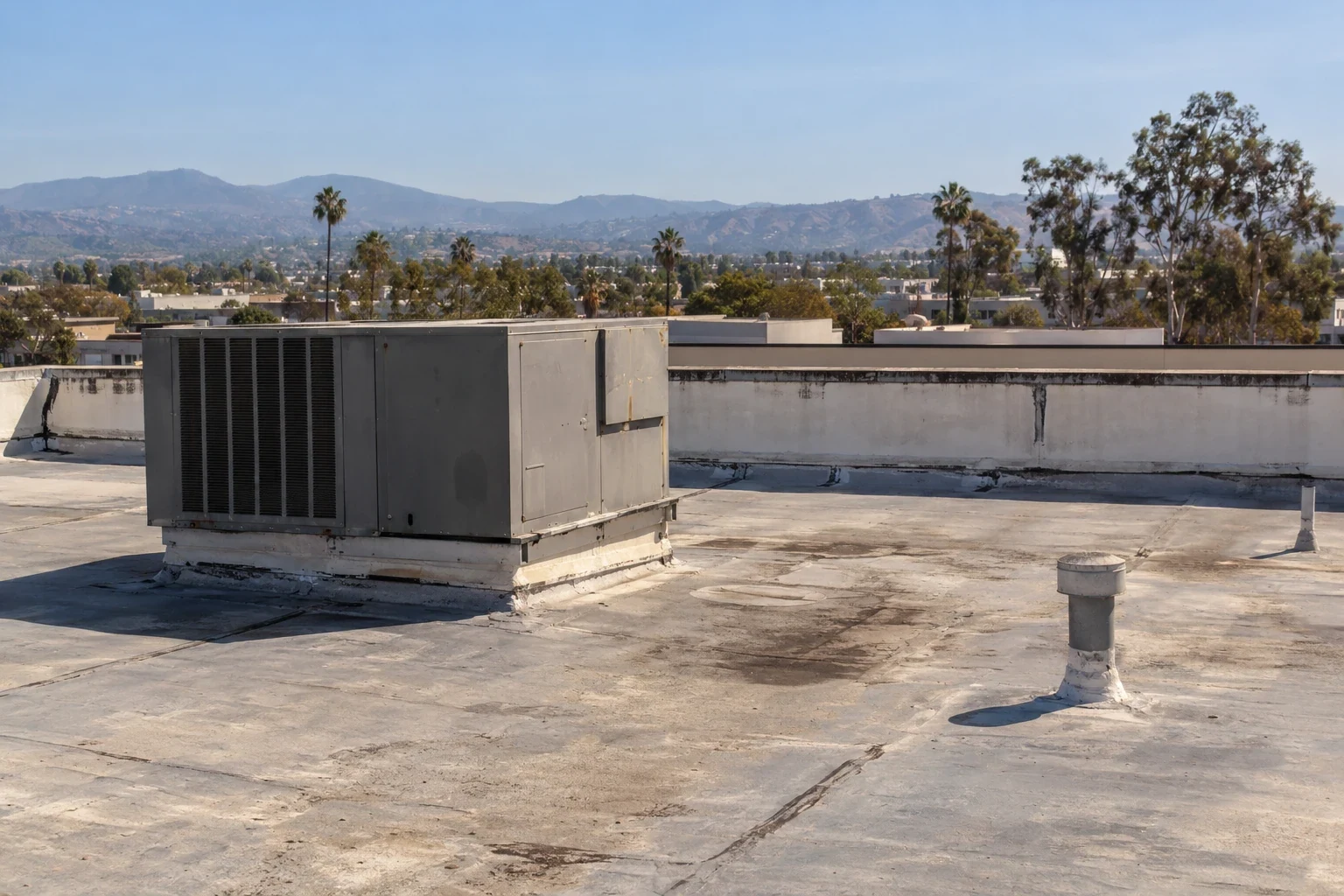
A drain bowl, scupper, and overflow each play a different role. We inspect whether the outlet is open, whether water can reach it, and whether the overflow will operate if the primary path is obstructed. We then look at low areas, seam laps, and repair patches that might hold back flow. The inspection records what can be corrected with cleaning and what needs a slope or membrane scope. A drainage finding is documented separately from any structural concern.
Chico receives most of its normal precipitation in winter rather than midsummer. A dry-season visit can record drains and low points before winter use, then the service record helps the owner compare actual conditions after rainfall. It is not proof that water is entering. Our drain and scupper service follows the outlet, while a ponding-water review maps retained water and checks nearby seams and insulation evidence.
Keep occupied floors protected
Light manufacturing and multifamily operations can place very different limits on noise, equipment shutdown, and entry below a roof zone. We ask which spaces need uninterrupted use and when roof access can be coordinated. Before opening material, we identify interior protection, dust controls, and the dry-in boundary for the day's work. If a rooftop unit or exhaust must stay in service, its clearance and trade responsibilities need to be settled before the membrane is cut back.
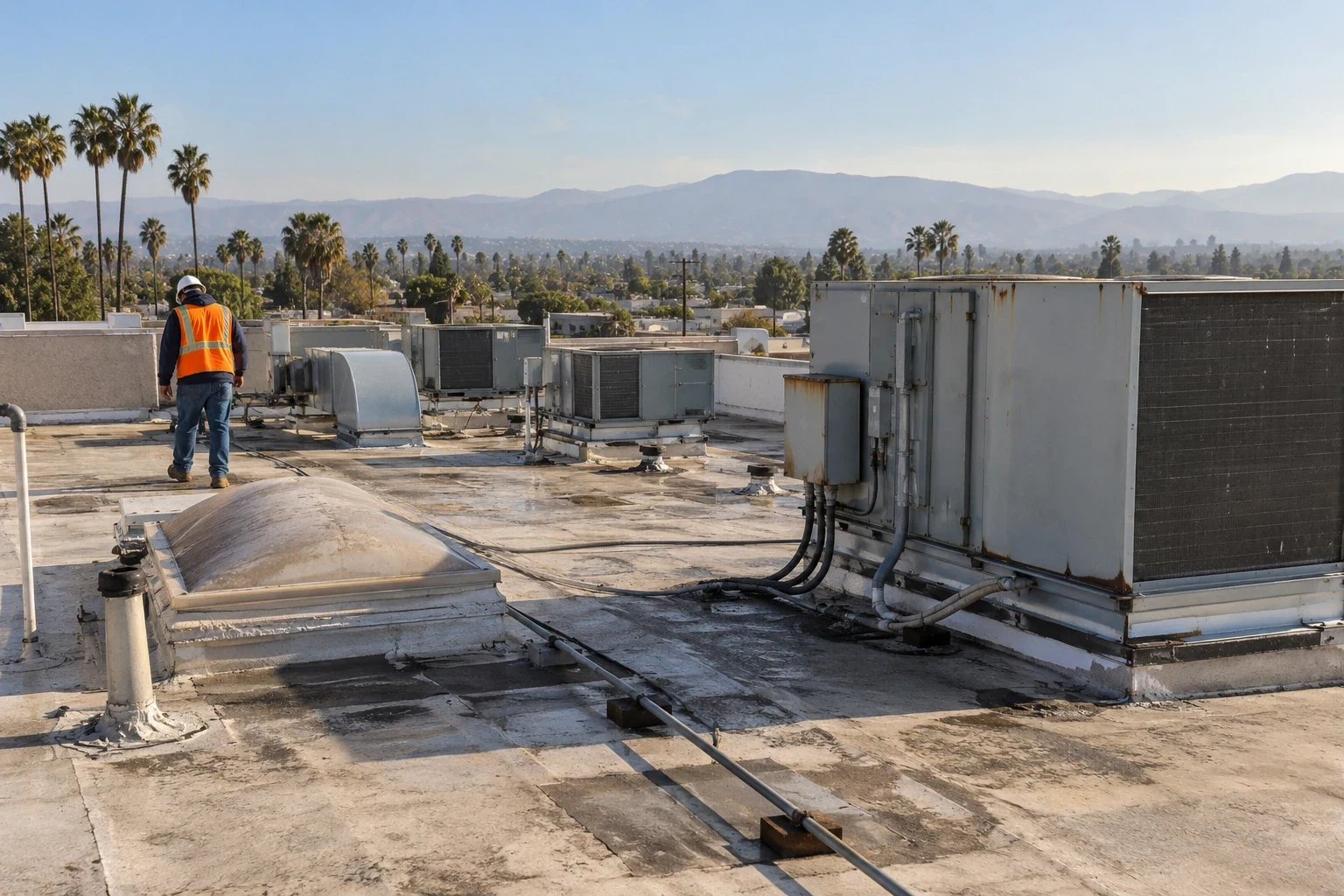
Hot, dry summer conditions and a wetter winter season shape the possible work window, but surface temperature, substrate moisture, and system cure requirements determine the actual sequence. A phased occupied-building plan can set a limited open area and closeout point. Where rooftop equipment crosses the repair, an equipment-curb review identifies the flashing and support work that must be coordinated.
Set a boundary before expanding work
A repair is appropriate when the failed detail is limited and the neighboring material can accept a tie-in. Replacement becomes a stronger comparison if moisture or seam failure appears across distinct areas, or if past repairs no longer reach stable material. A recover may reduce tear-off, but attachment, moisture, layer count, drain height, edge metal, and current code all affect its feasibility. We show the owner what was inspected, where the condition is confirmed, and what still needs a test before final quantities are approved.
The current California Building Standards Code took effect January 1, 2026, subject to local amendments. Applicable commercial alterations also require attention to energy-code provisions and rooftop HVAC coordination. We check the permit basis for the parcel and identify work that belongs to another trade. Cost and timing follow measured area, assembly selection, deck or insulation repair, staging, equipment needs, and weather protection, not the corridor's name or the building's broad use category.
Use the record for the next inspection
At closeout, dated photos show the repaired seam or transition and the extent of material opened. We record what was replaced, what remained, and which adjacent detail is a follow-up item. That gives a facilities manager a baseline for the next wet season and helps avoid treating an older repair as a new failure. The record can also show whether the next visit should begin with the same drain, wall, or equipment transition, keeping maintenance focused on a known condition rather than a broad walk with no question to resolve. For a property where equipment service and roof maintenance share the same access window, the record identifies the next inspection task and the contact who can coordinate it.
Share the building use, symptom location, prior repair work, and roof-access details when requesting a Nord Avenue visit. We will trace the water route and outline the repair or replacement choice supported by the findings. For properties also near North Esplanade, we document each roof separately because the city's planning areas do not substitute for an inspection. If a project spans multiple addresses, a multi-building service record can keep decisions organized by site.
Commercial Roofing Questions
Does the railroad edge indicate that a building has a metal roof?
No. The City's corridor description records a rail edge, not roof materials. We inspect the building and identify the membrane, metal, or other assembly that is actually present.
How do you protect multifamily occupants during a roof repair?
We set the sequence with the property contact, including access, notices, interior protection, and the daily dry-in boundary. The open roof area stays controlled while work proceeds.
What if a rooftop unit has to remain operating?
Before work, we record required clearances and coordinate the flashing sequence with the mechanical contractor. Any temporary equipment shutdown belongs in the plan.
Can we repair only one part of a larger roof?
Yes, if the damaged area can be separated from sound, compatible material and nearby conditions do not call for a wider scope. Photos and moisture checks support that boundary.
When does a recover make sense for this corridor?
The address does not decide it. We verify moisture, attachment, existing layers, drainage height, edge details, and code before recommending another assembly over the roof.
Schedule a Nord Avenue roof visit
Tell us the building use, current symptom, previous work, and access requirements. We will inspect the roof and explain the repair boundary and timing.