Commercial Roofing in East 8th and 9th Street Corridor, Chico, CA
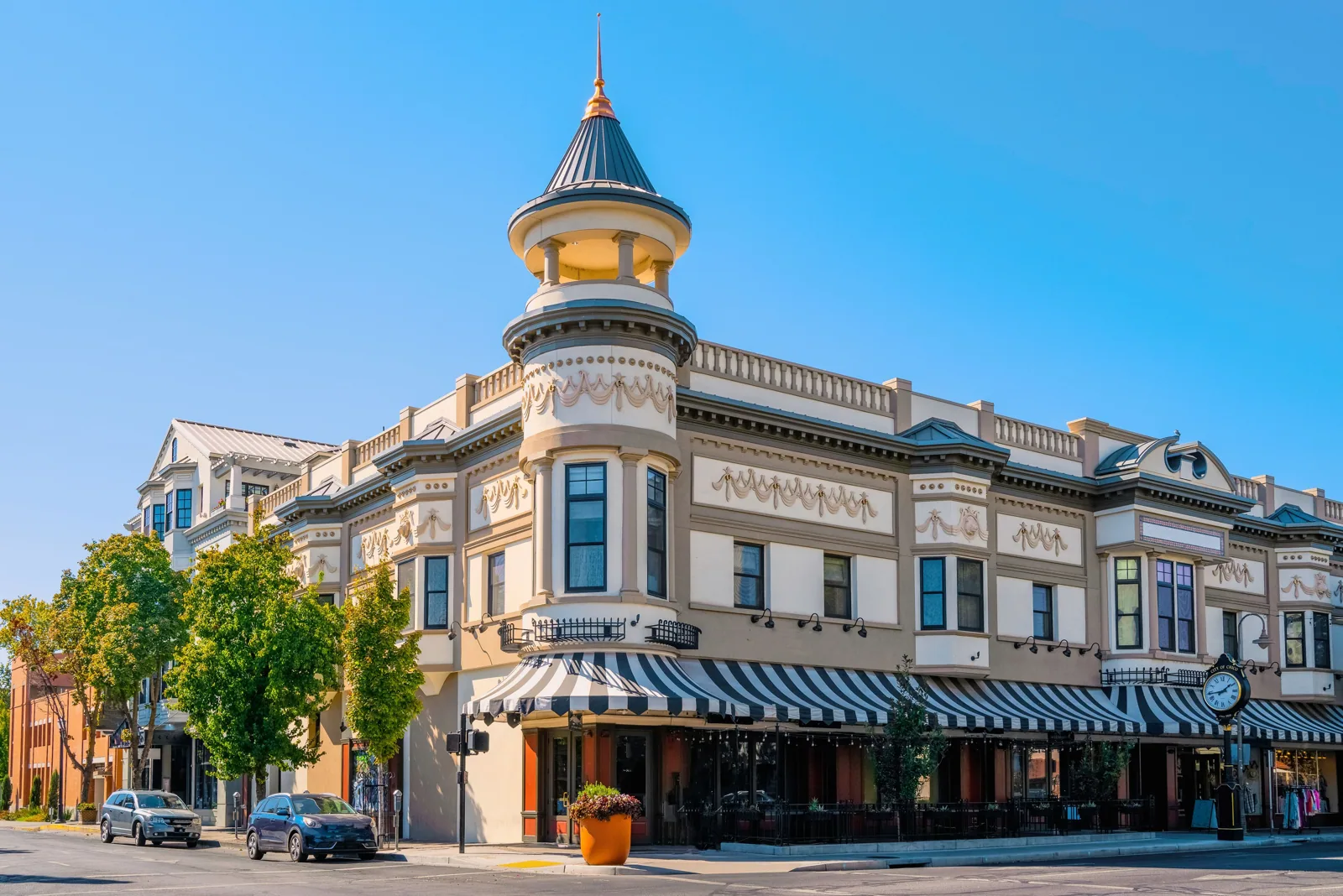
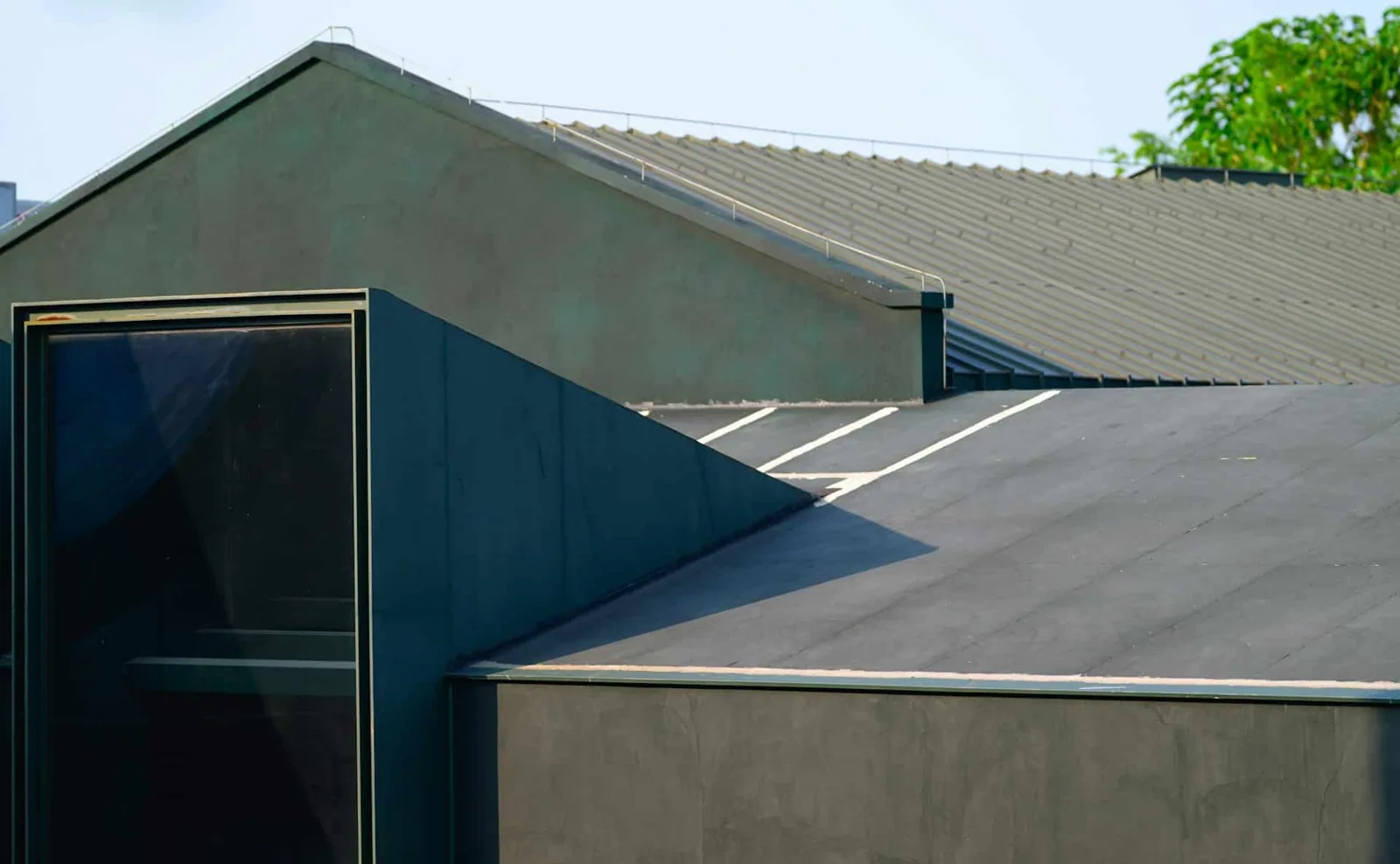
A roof leak over a small office or commercial suite can cross a long path before it reaches the ceiling. In the East 8th and 9th Street Corridor, we begin with the actual roof assembly and the room below, then trace seams, drains, walls, and penetrations before setting a repair limit. The City describes this opportunity area between State Route 99 and Flume Street, with B-Line service and most of the corridor within walking distance of downtown. Its planning notes a predominantly residential setting with commercial mixed-use planned near the highway and modest commercial elements nearer Downtown Chico. That distinction matters to work access, but it does not tell us the condition of a particular roof.
Find the point of entry
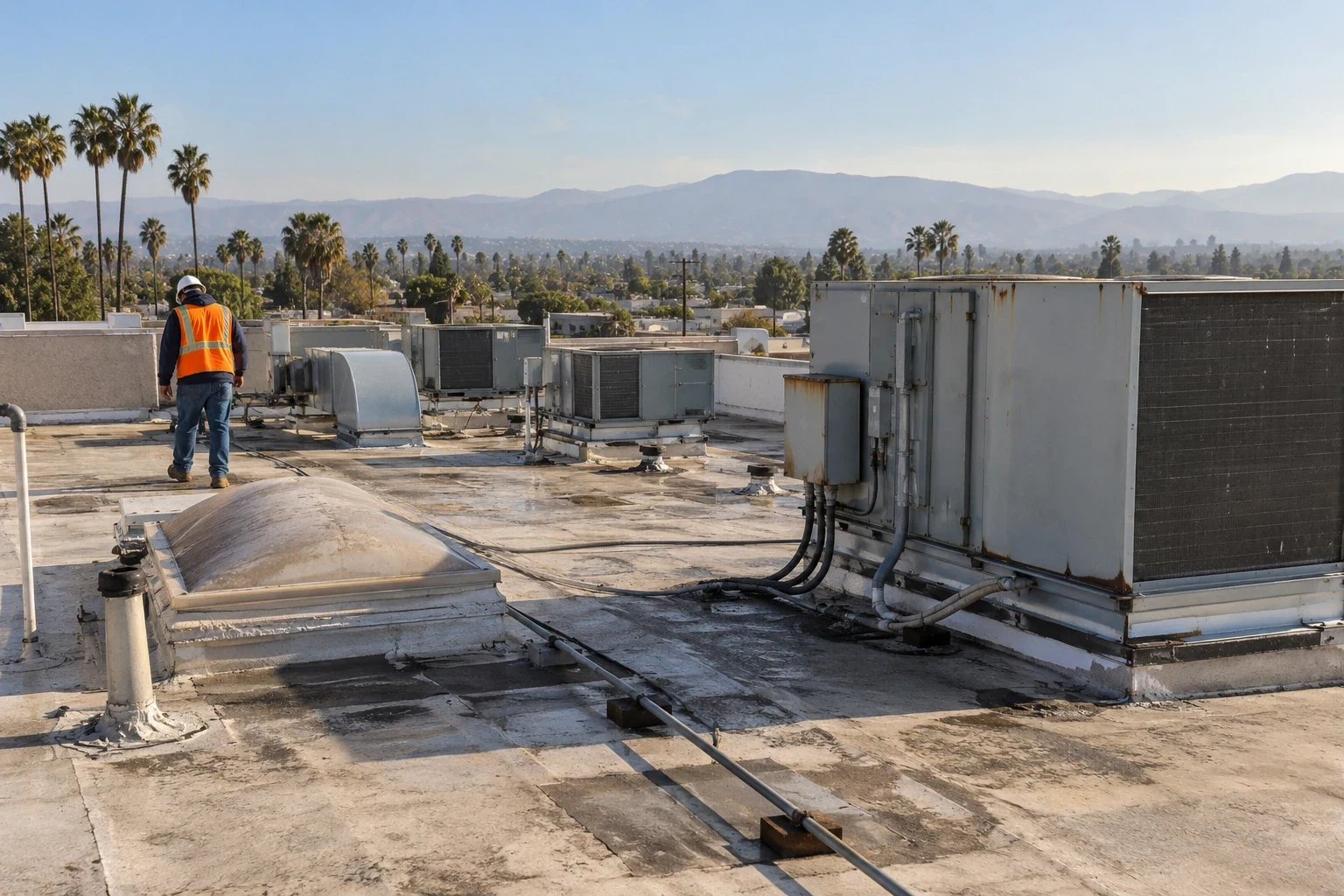
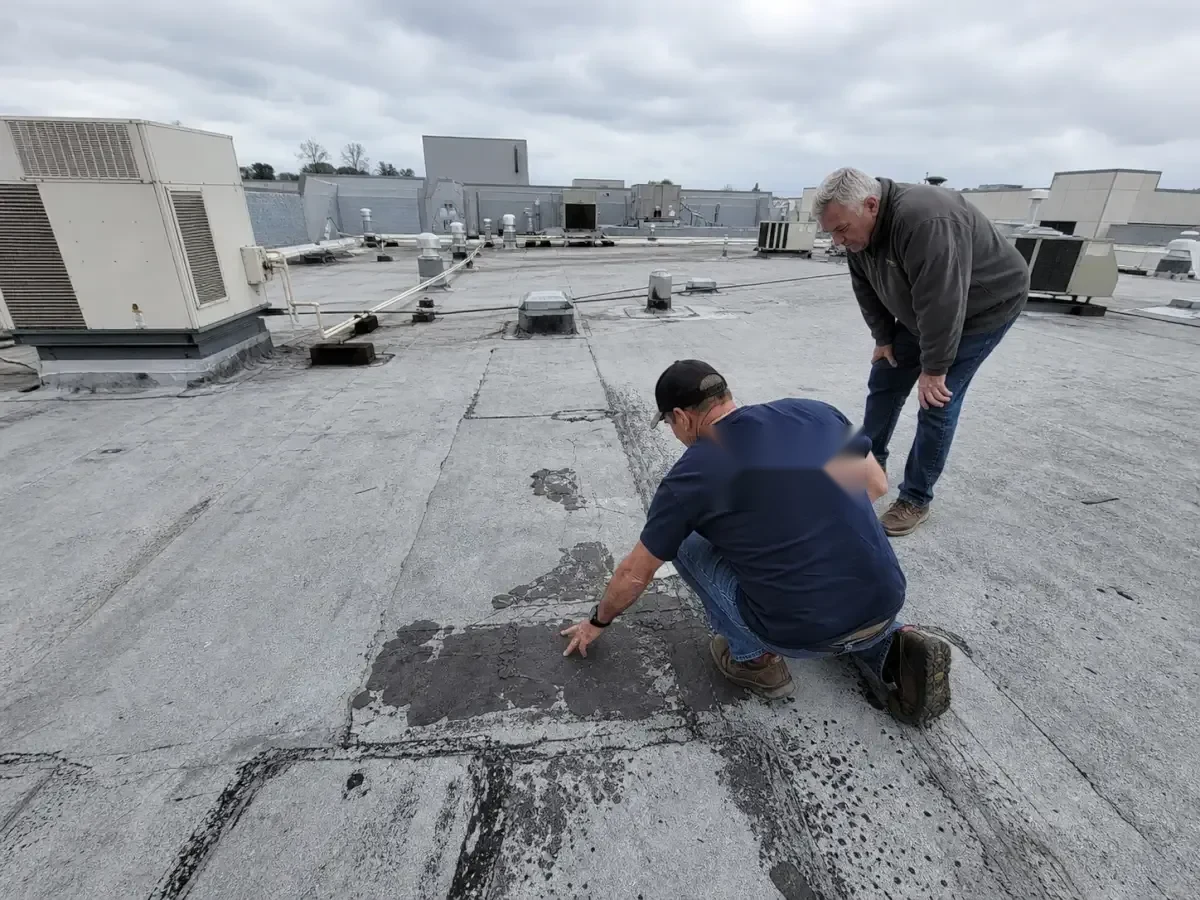
We compare the indoor symptom with roof-level evidence, including lap direction, seam condition, curb corners, drain position, and any repaired section that overlaps the likely water path. A surface mark may identify where water ended up, not the entry point. Photos and a measured sketch help distinguish a single flashing failure from moisture spreading through insulation. If an opening is needed, we identify why it will answer the scope question and how we will close it the same day.
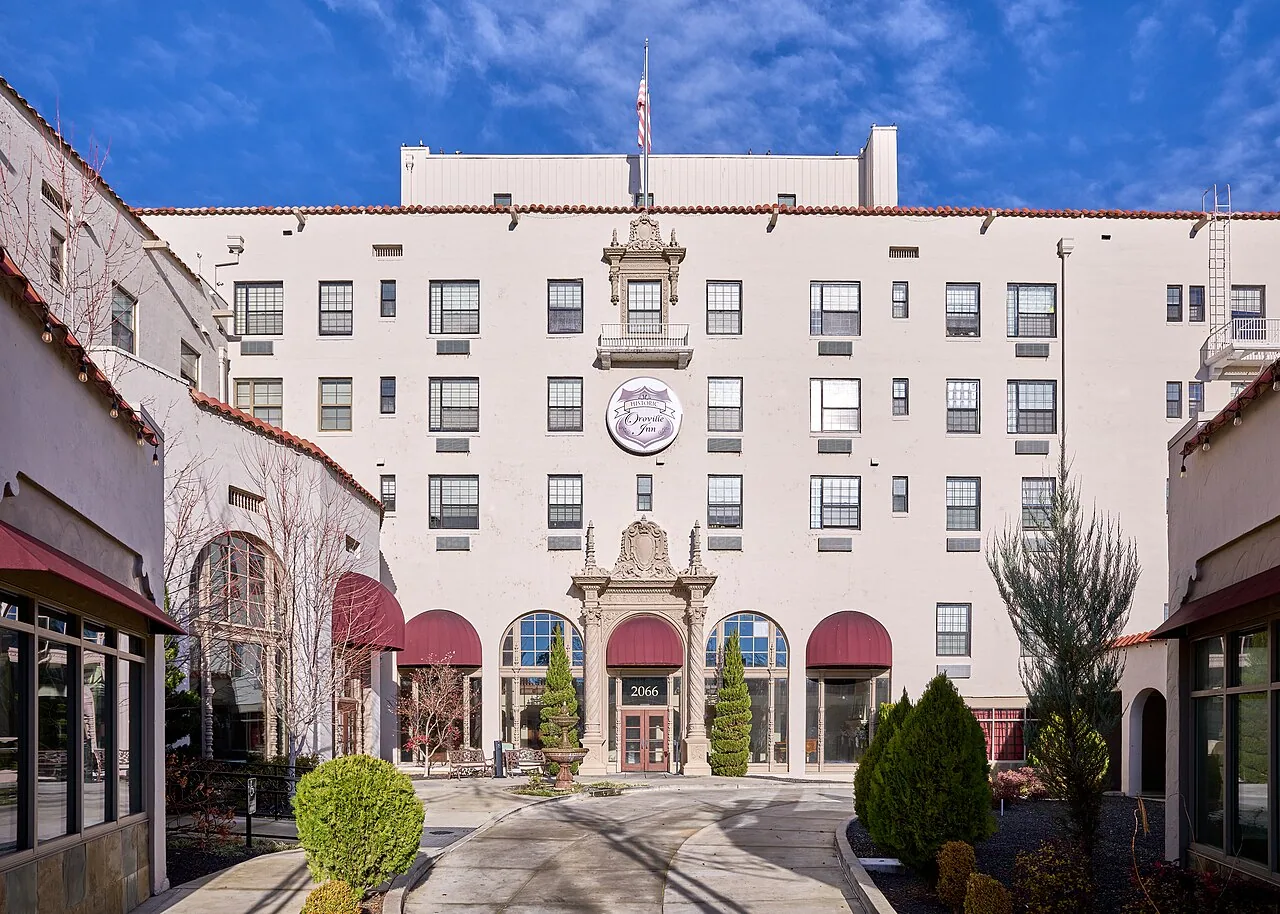
A photo-based condition report gives the property contact a repair boundary to review. If the condition extends beyond the first defect, we compare a focused commercial roof repair with a planned replacement or a compatible recover. For nearby work in Downtown Chico, the same questions apply, but building access and staging still need a property-specific look.
Check each outlet and low point
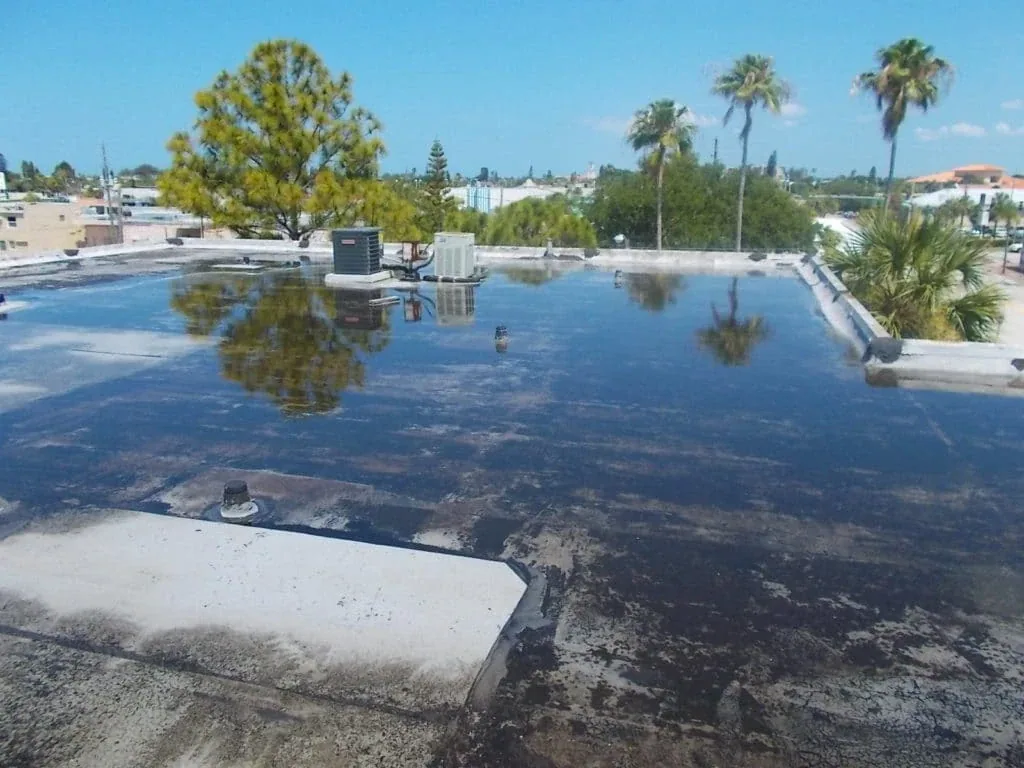
A roof can hold water for different reasons: a blocked bowl, a low spot, a displaced strainer, or slope that does not lead to the outlet. We check each one separately and follow the overflow path. The goal is to determine whether cleaning restores flow or whether the surface geometry needs a broader correction. Before recommending tapered insulation or deck work, we map the affected area and separate roof findings from plumbing or structural questions.
Chico's precipitation normals show a much wetter winter than summer, which makes the dry months a useful time to clear and document drainage conditions before seasonal rain returns. The forecast cannot substitute for a roof check. We record the drain, surrounding seams, and water line, then revisit the evidence after a storm where the scope calls for it. A drain and scupper service can be planned alongside the membrane repair without assuming one caused the other.
Close the wall and curb joints
At a wall, curb, or pipe, the membrane has to turn up and connect to a stable termination. A small split at the corner may indicate movement, poor adhesion, or a detail that was never carried high enough. We clean and inspect the full transition, not just the visible crack. The repair must account for the substrate, existing flashing type, and adjacent field membrane. If those materials cannot accept a lasting tie-in, the work boundary has to expand until it reaches compatible material.
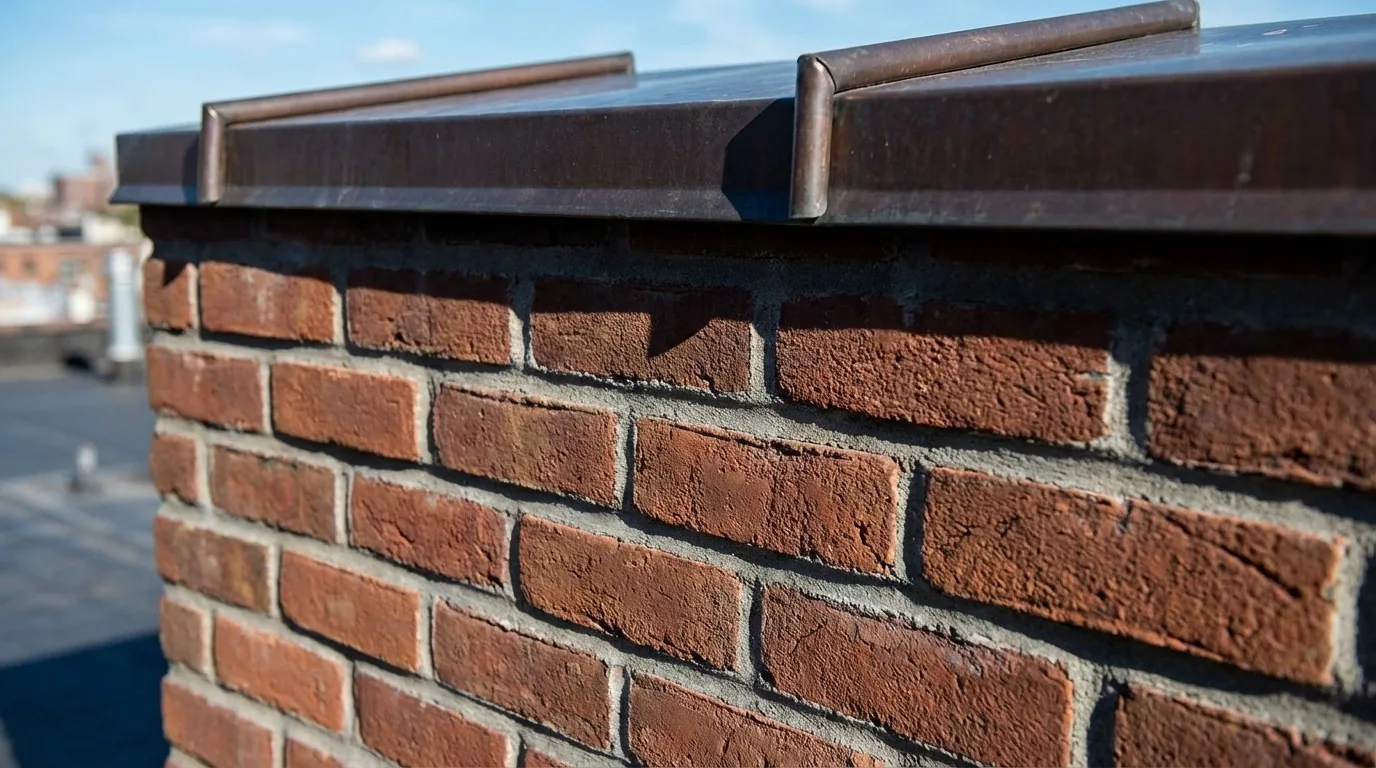
The corridor's mix of residential uses with planned commercial areas does not establish a roof type. We inspect what is actually present, whether membrane, metal panel, or an older multi-layer assembly. For low-slope roofs, modified bitumen and single-ply systems require different seam and flashing methods. If the scope reaches an edge, a separate coping and edge-metal check helps keep wall terminations and perimeter joints within the same repair record.
Coordinate access with the block
Street access and building occupancy affect when materials can arrive and which roof areas can open. We coordinate staging, deliveries, noise, ladder placement, tenant notice, and rooftop equipment with the site contact. B-Line service along the East 8th and 9th Street area is a planning fact, not a promise of a particular loading space. We confirm the actual work route and keep pedestrian access clear based on site conditions. A phased plan sets a daily dry-in point and identifies how the building stays protected if weather interrupts the work.
Chico's hot, dry summer and wet winter pattern can influence the installation window. Membrane temperature, moisture in the substrate, adhesive limits, and overnight conditions still determine the work sequence. For occupied properties, our occupied-building approach keeps a defined section open at a time. An existing roof restoration review can also establish whether the surface is clean and sound enough for coating or needs a different repair.
Choose a scope that can close
A local repair is sensible when the defect is limited, the surrounding roof is stable, and the tie-in can be made to dry, compatible material. Replacement enters the discussion when moisture, failed seams, or recurring perimeter problems extend across multiple areas. A recover may preserve a sound existing assembly, but only after confirming attachment, moisture, allowable layers, drain heights, and edge details. We show these conditions in the proposal so the owner can compare what each option leaves in place. The owner can also decide whether to inspect adjacent roof zones now or keep them on a dated maintenance list, based on visible condition and operating priority.
The repair boundary should also reflect what the work uncovers. We document concealed conditions as they appear and pause for approval before changing the agreed scope. Cost and schedule follow the area opened, substrate replacement, material lead times, equipment coordination, and access. If the building has an interior operation that cannot stop, we divide work around that constraint rather than promising a calendar before the roof is inspected.
Keep a record for the next rain
After closeout, the owner should be able to see what was repaired, where the tie-in ends, and which neighboring details remain on the watch list. We provide dated photos, note observed materials, and record drain and flashing conditions. That information helps compare future moisture with the current baseline instead of reopening the same area without context. It also gives a facilities team a useful handoff if the property manager or service vendor changes.
For a building in the East 8th and 9th Street Corridor, share the use, symptom, past repair notes, and access window when requesting an inspection. We will trace the water path, document the proposed boundary, and explain whether temporary protection or a broader scope is warranted. Around North Esplanade and downtown, nearby properties still need separate inspections because no district label establishes roof layers or condition.
Commercial Roofing Questions
Does a leak near East 8th Street mean the nearest drain is faulty?
No. We check the bowl, slope, seams, and the path above the interior mark. A drain is only one possible cause and should be tied to visible evidence.
Can a commercial suite stay open during a roof repair?
Often the work can be phased, with a limited roof zone and daily dry-in point. We confirm noise, access, equipment, and interior protection needs with the property contact.
What decides whether flashing repair will hold?
The substrate and adjacent materials have to accept a sound tie-in. We inspect the whole corner or wall transition and expand the repair only as far as compatible material requires.
How is a recover evaluated for a corridor building?
We verify moisture, attachment, layer count, drain height, edge metal, and code limits. A recover is considered only when those checks support the added assembly.
What information should I have before requesting a roof visit?
The building use, where water appeared, prior repair records, and access limits help us prepare. Photos from inside are useful context, but they do not replace roof-level inspection.
Inspect a corridor roof
Share the building use, symptom location, repair history, and access window. We will document the water path and options for the next roof decision.