
Roofing Capabilities in Chico, CA
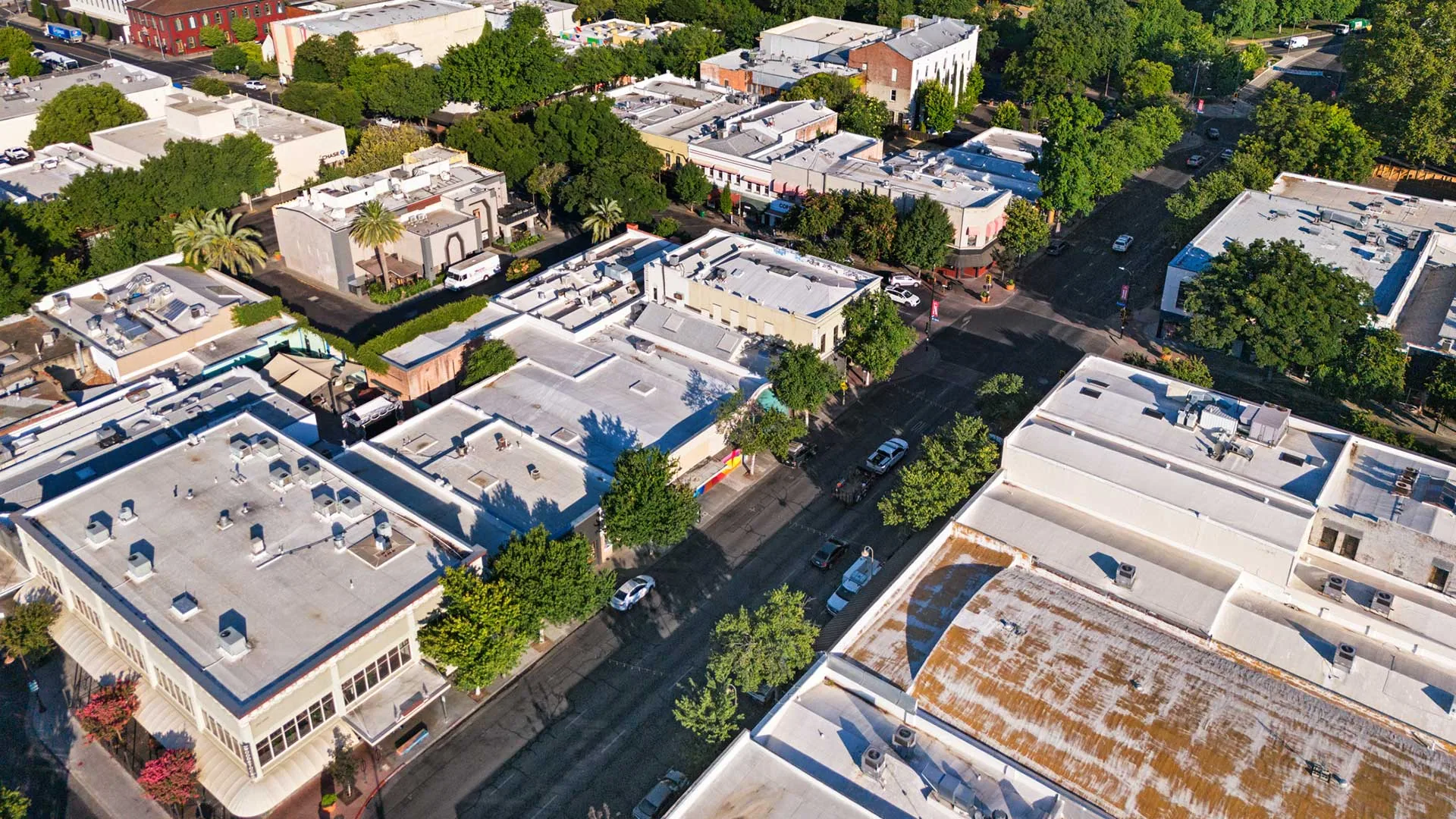
Useful roof records begin with an observation the next person can locate. We photograph the detail, mark the roof zone, note access limits, and connect each condition to a decision such as repair, testing, monitoring, or replacement. Chico's commercial and employment areas include different property uses, so a record needs the actual building, assembly, and operating contact. It should not turn a city plan or a past leak call into a claim about the whole roof.
Explore Roofing Capabilities
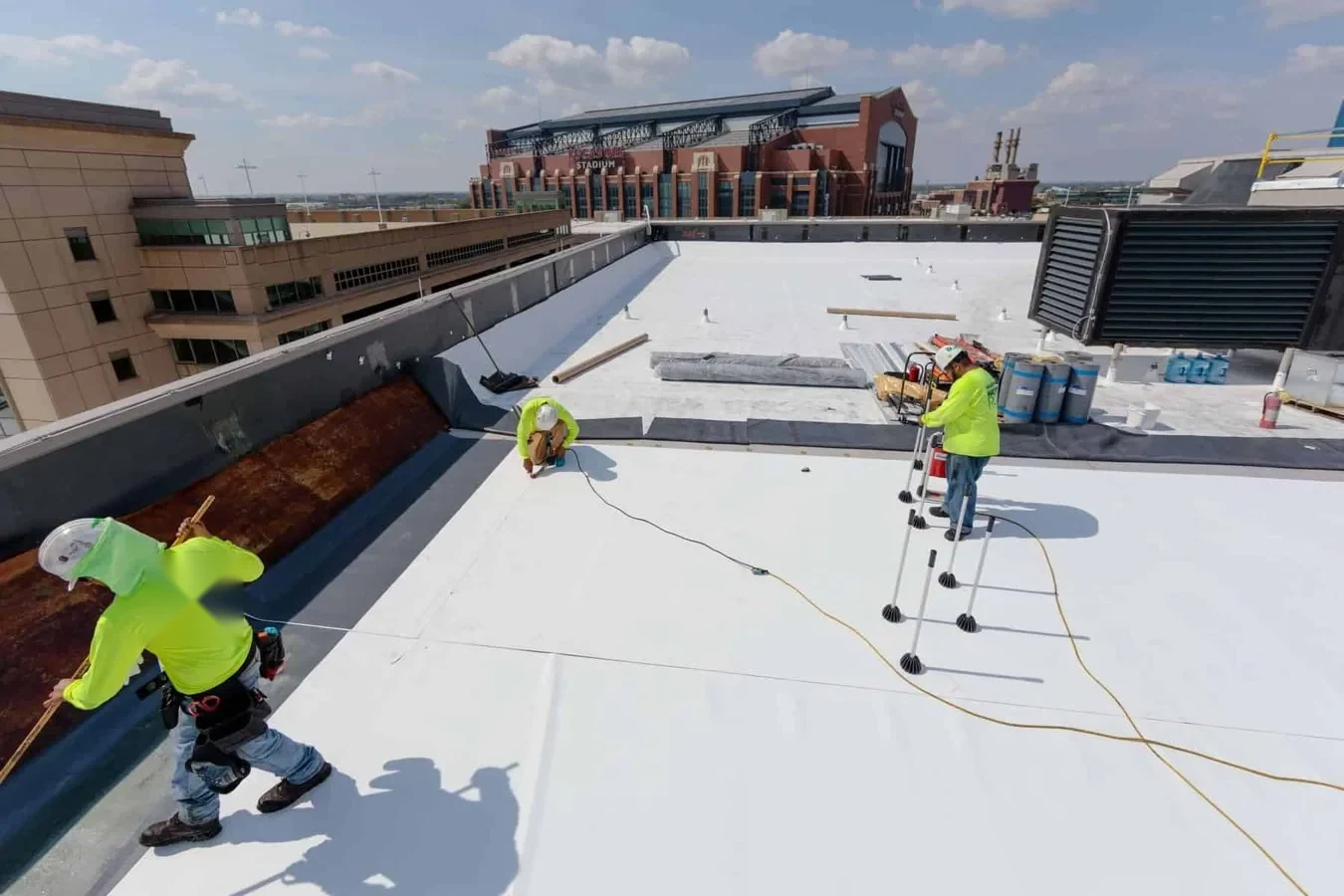
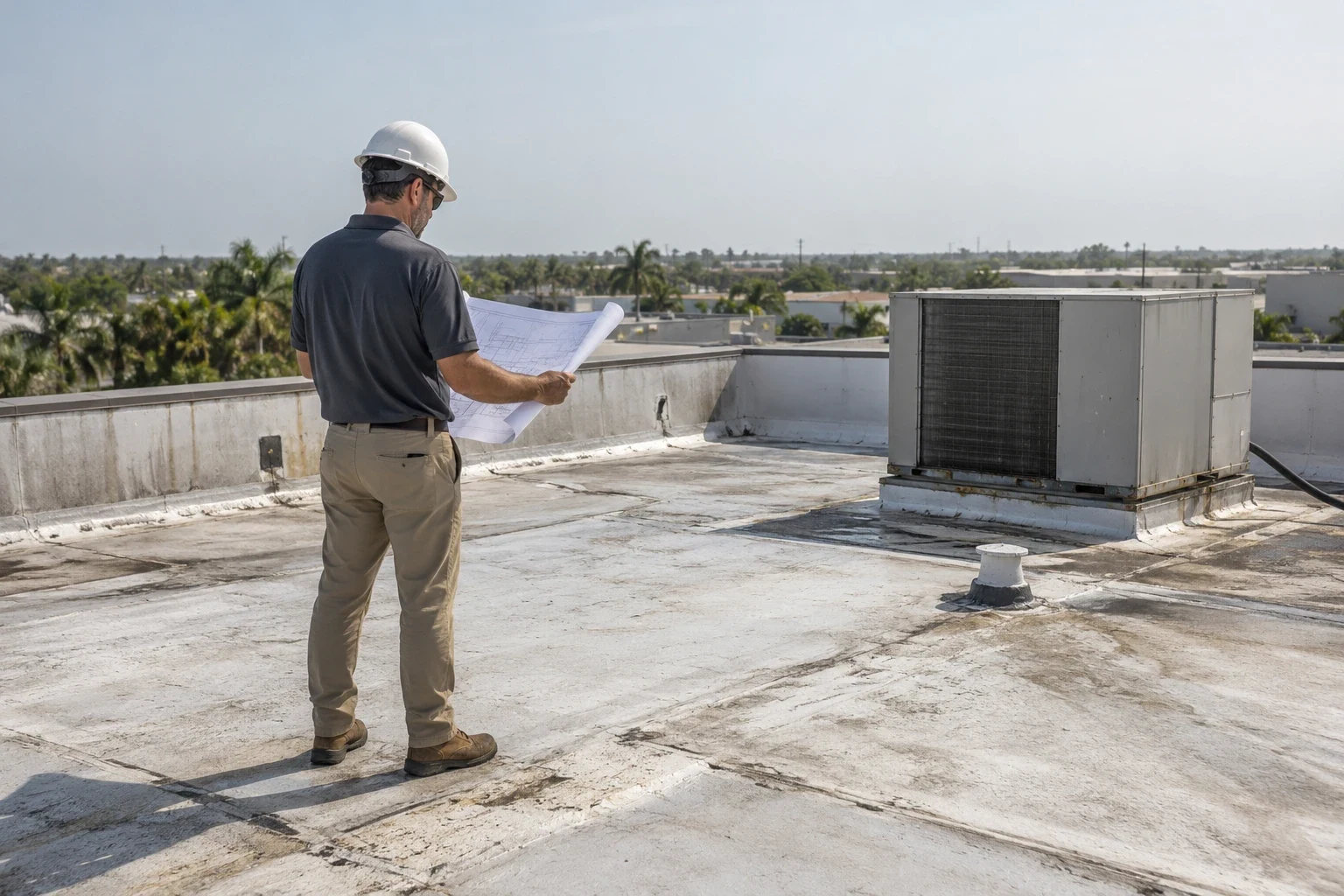
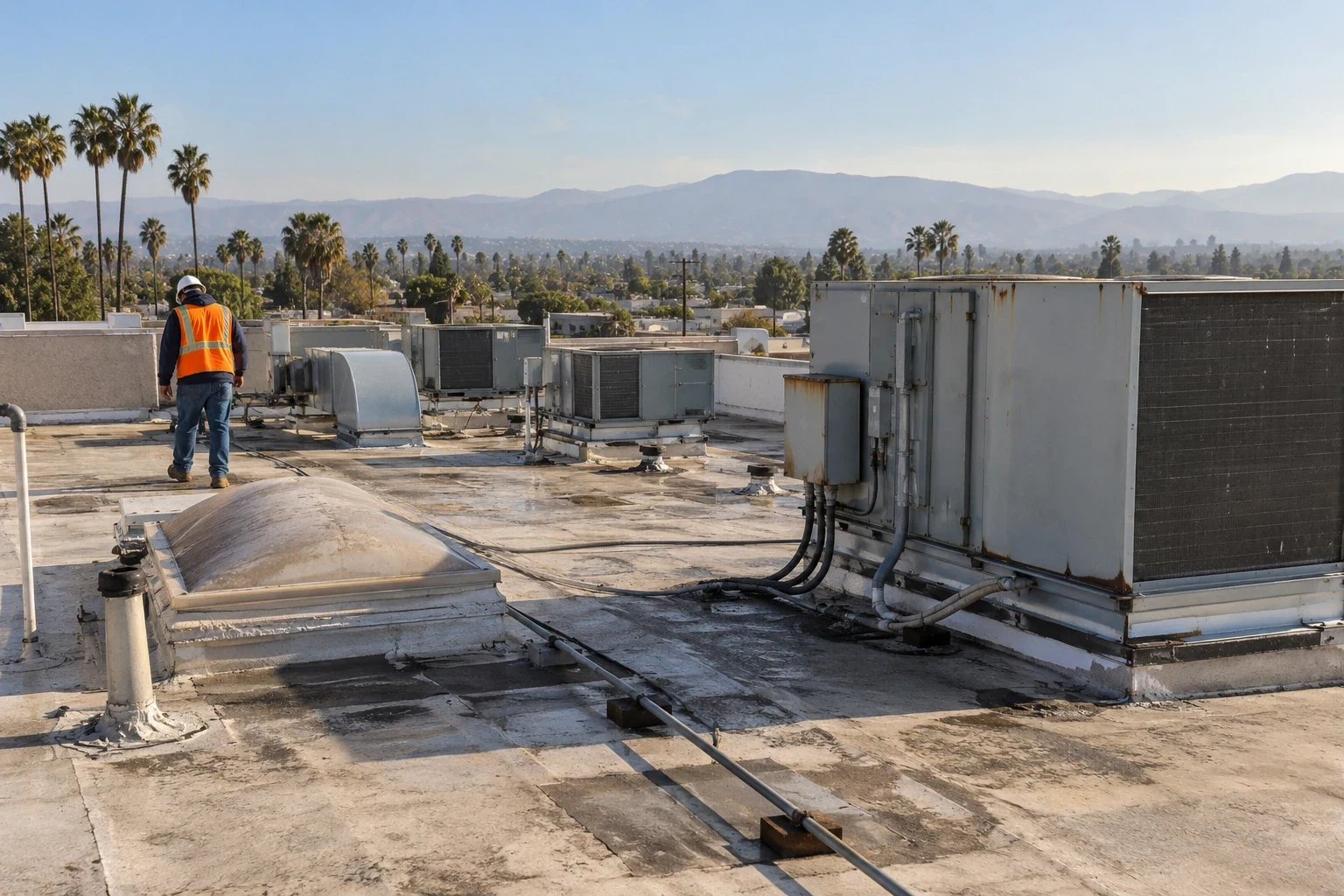
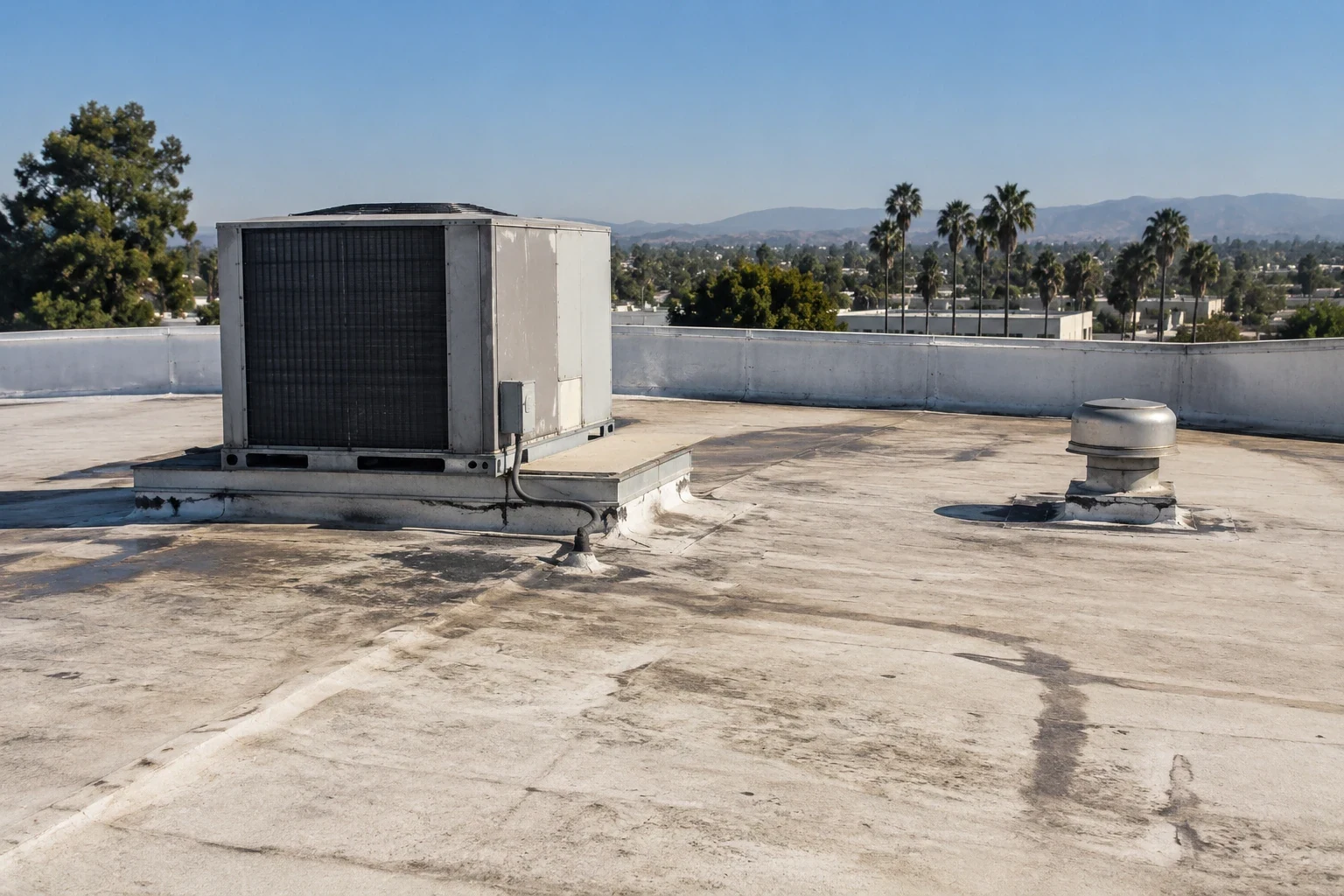
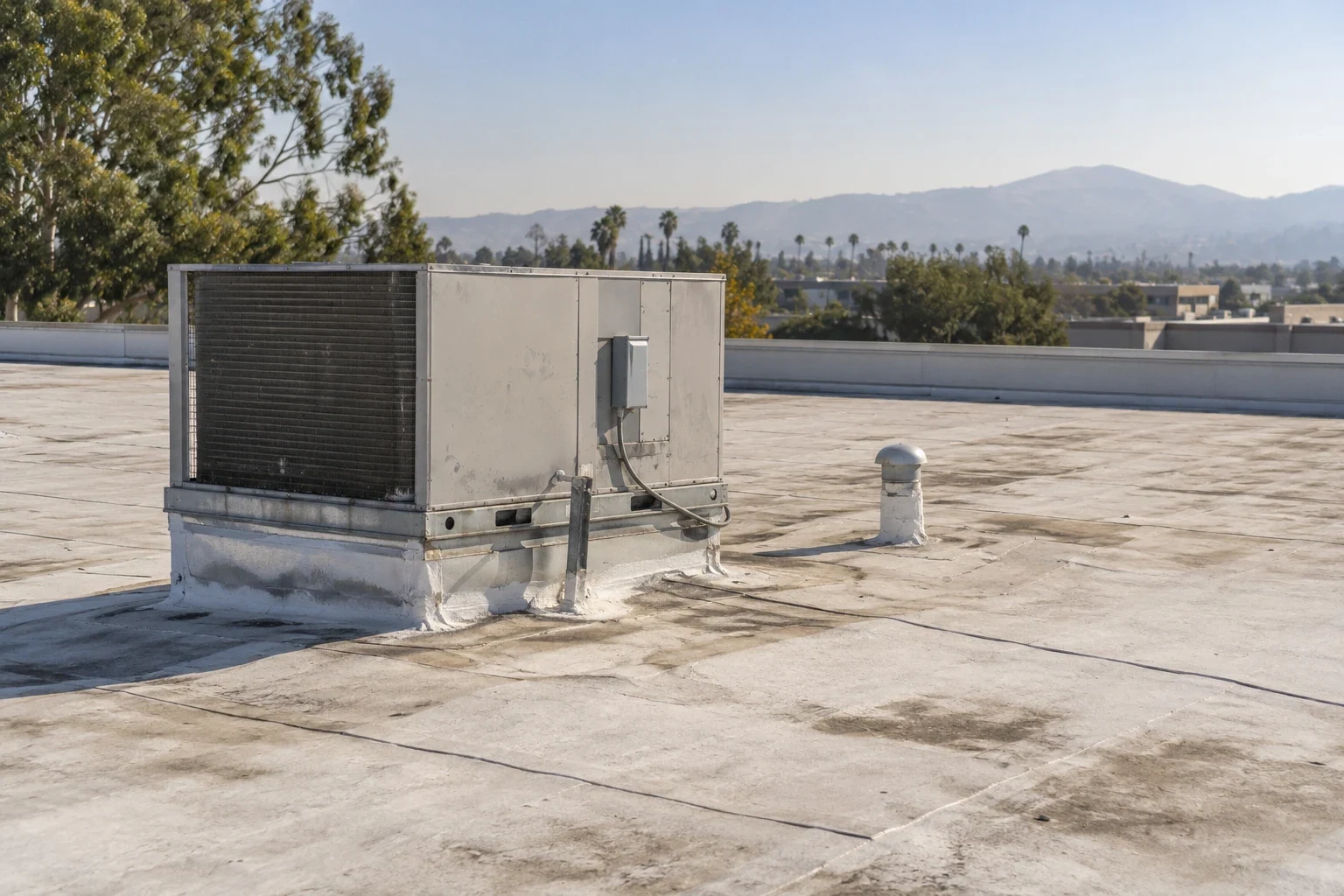
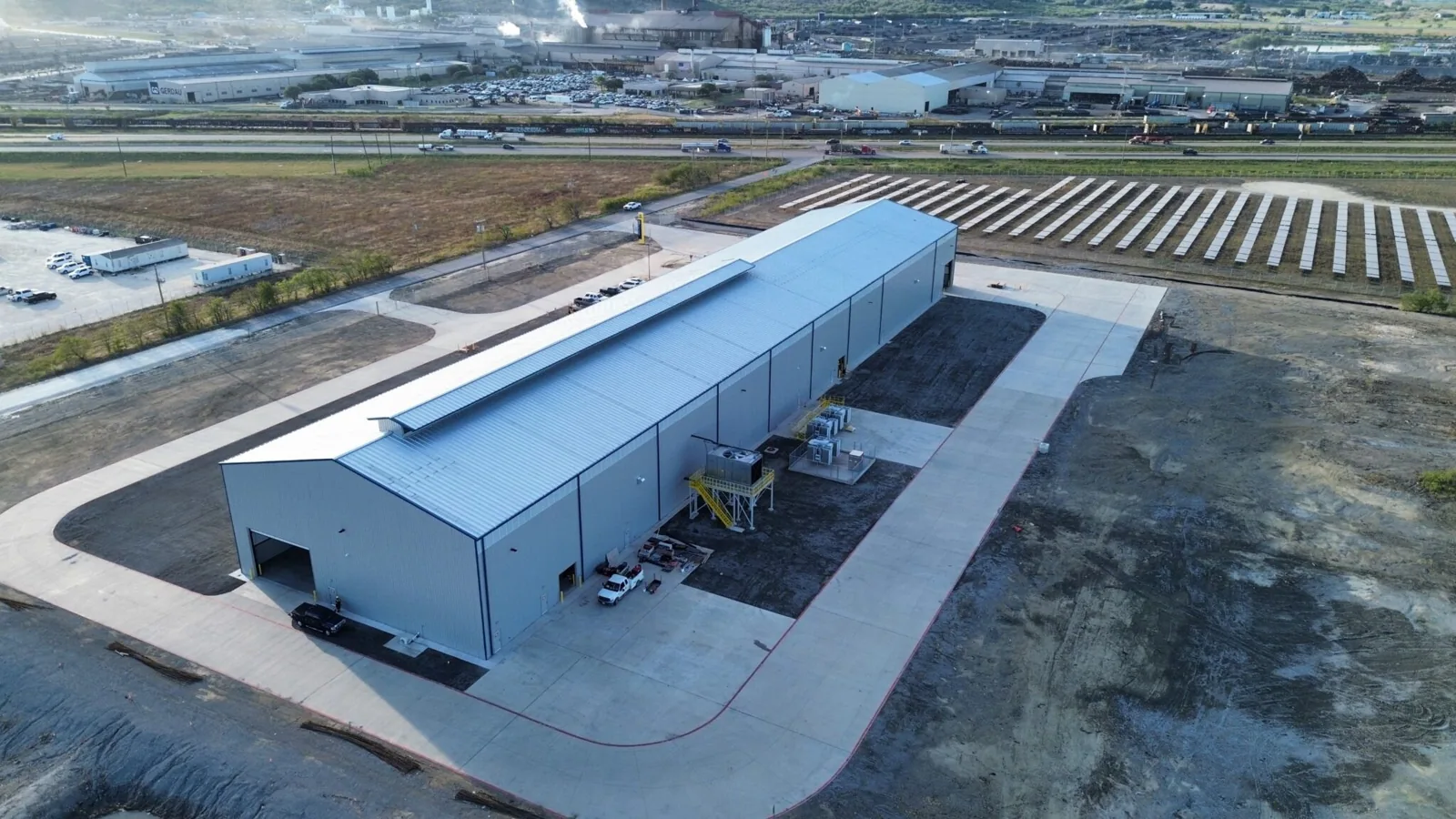
More About Our Roofing Capabilities
Translate the walk into a condition record
A roof condition report identifies what was reached, what was observed, and which question remains open. A drone overview can help map access on a broad surface; an infrared survey can help select locations for confirmation when the roof and weather conditions support it. We pair those tools with hands-on review of seams, edges, outlets, and penetrations rather than treating an image as a full diagnosis.
Keep maintenance tied to findings
Chico's NOAA station normal records 27.39 inches of annual precipitation, with the larger monthly averages in winter. That context makes drainage notes useful before a wet-season repair, while the property forecast controls the workday. A roof asset record can retain system, repair, and inspection history; a maintenance visit revisits known drains, seams, and edges. The schedule follows visible conditions and owner policy.
Compare near-term work with renewal
A capital plan can place a local repair beside a section replacement or broader reroof when each option has a documented basis. We describe measured areas, existing layers, moisture evidence, deck condition, and access. Concealed conditions remain a decision point, not a confirmed quantity. Chico planning materials identify areas near Meyers Street, Hegan Lane, and South Park Avenue and Fair Street for industrial or business-park use; a property record should still describe the actual roof.
Carry the record across locations
For multiple properties, a shared format makes comparisons easier without making the findings interchangeable. We can track open leaks, completed repair boundaries, access limits, and next inspections while leaving each roof's materials and condition distinct. A multi-site program can help assign follow-up, and a due diligence survey can document visible condition for a transaction. The owner retains one trail from field evidence to approval.
Commercial Roofing Questions
What belongs in a roof condition report?
A useful report ties dated photographs to a marked roof area, visible conditions, access limits, and the next decision supported by the inspection.
Does an infrared survey confirm wet insulation?
It can help identify temperature patterns for follow-up when conditions are suitable. A physical test or opening may be needed to confirm the assembly beneath.
How does roof history help capital planning?
Past repairs and recurring locations help compare the current observation with earlier work. The plan still uses current inspection and known layer or deck conditions.
Can separate properties use one maintenance schedule?
A portfolio may use one review calendar, but each roof keeps its own system, condition record, access rules, and repair priority.
Put roof findings into a usable record
Share existing inspection notes, repair history, property contacts, and any open concern. We will connect visible conditions to the next maintenance or capital decision.