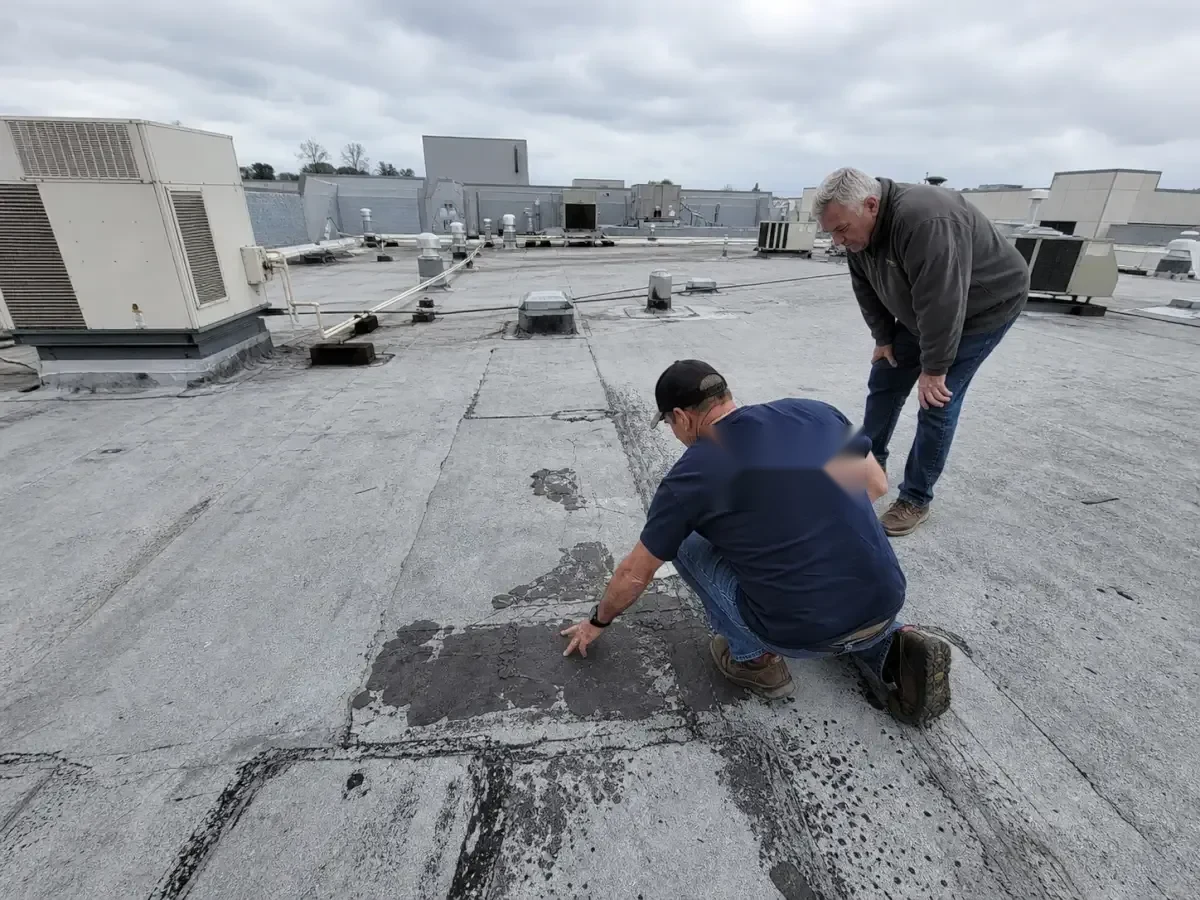
Multi-Site Commercial Roof Programs in Chico, CA
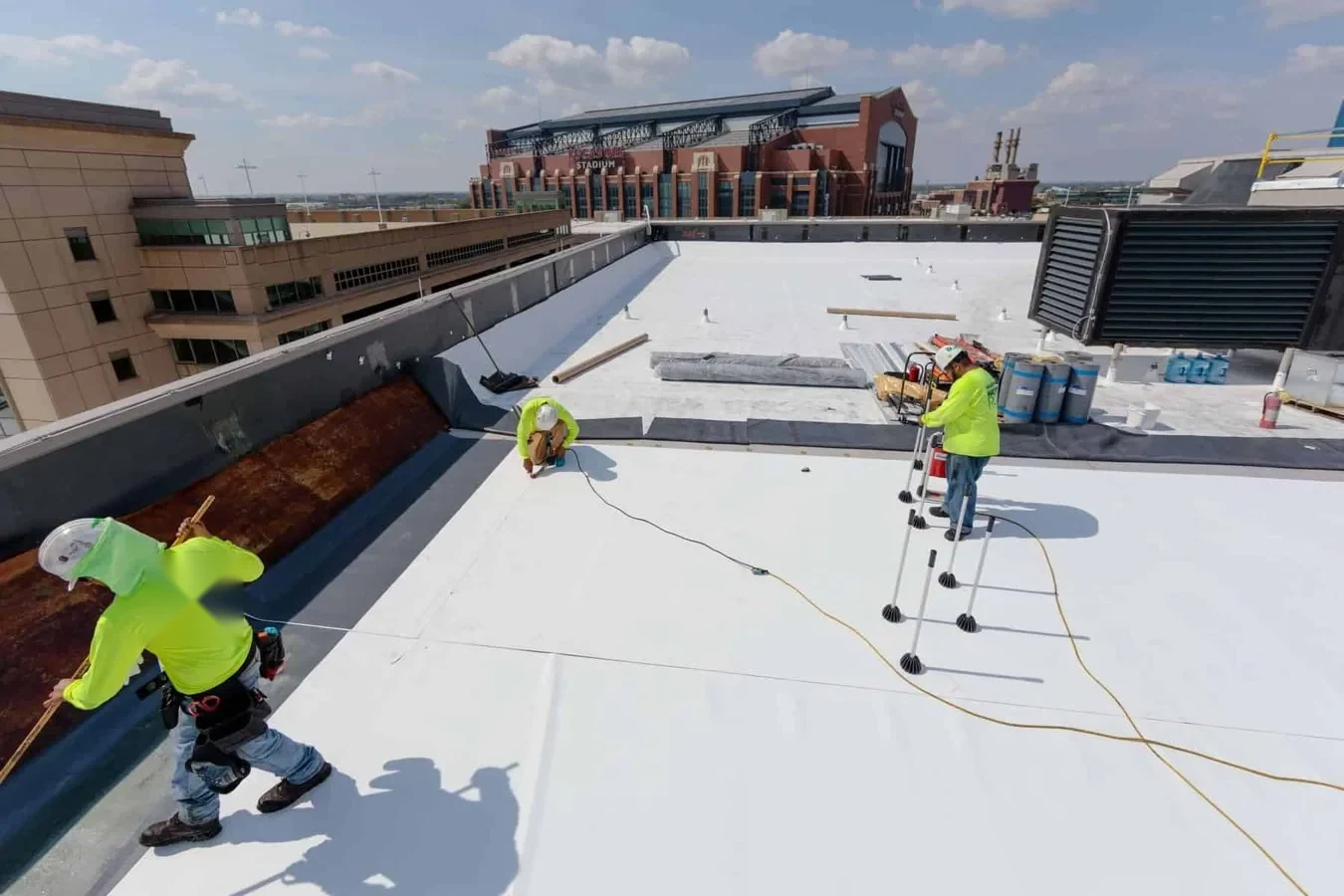
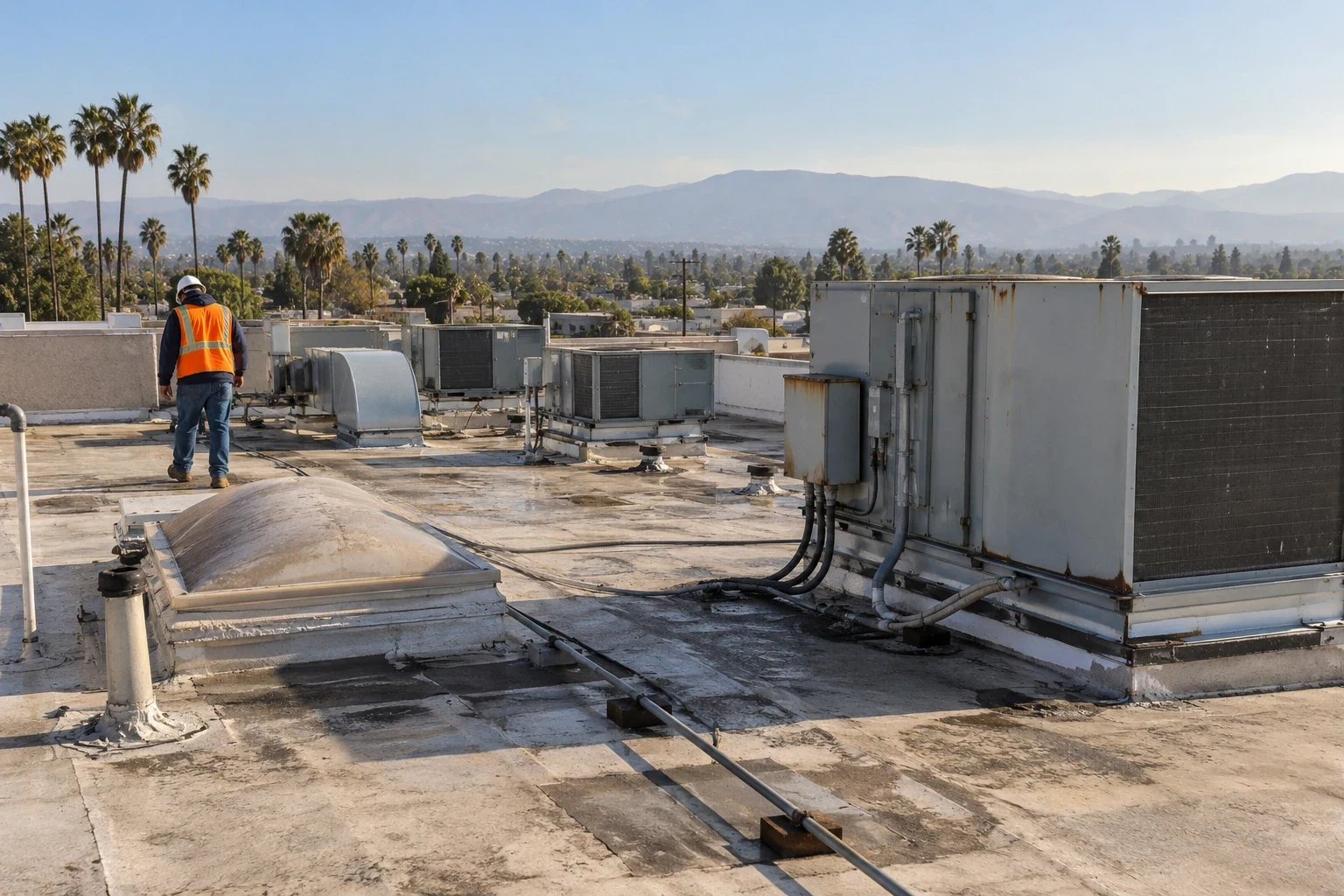
A multi-site roof program needs a consistent process without flattening the differences between buildings. We help property teams set up a shared inspection calendar, property and roof-area references, repair closeout records, and a review cadence for open decisions. Each site keeps its own system details, condition notes, and access limits. The shared format makes the portfolio easier to review while the field scope stays specific to each property.

Chico's business districts range from Downtown Chico to employment areas near Hegan Lane and East 20th Street. A manager with several addresses can group records by site and still compare open issues in one review. We begin with the owner's property list and map, then determine what records and access are available. A commercial-area visit near East 20th Street is recorded as its own asset, not treated as a proxy for other roofs.
Set Shared Identifiers and Local Site Records
The owner provides the property roster, contacts, roof plans, and any existing maintenance or repair history. We assign a consistent site label and use roof-plan references for separate areas, additions, or systems. The register notes which details are confirmed, reported, or unknown. A missing plan or uncertain membrane remains an explicit gap instead of becoming a made-up asset field.
Shared naming is most useful when each site's source files remain traceable. We retain the property reference, document date, and observation location, then align work orders and photographs to those labels. A roof asset register can hold the inventory, while a condition report records what was visible during a specific visit.
When several sites share a landlord or operating team, the record can also name the person who approves access, receives findings, and closes work orders. Those roles may differ by address. A contact matrix prevents a shared portfolio inbox from being mistaken for roof-access authorization at every building.
Create a Schedule the Team Can Keep Current
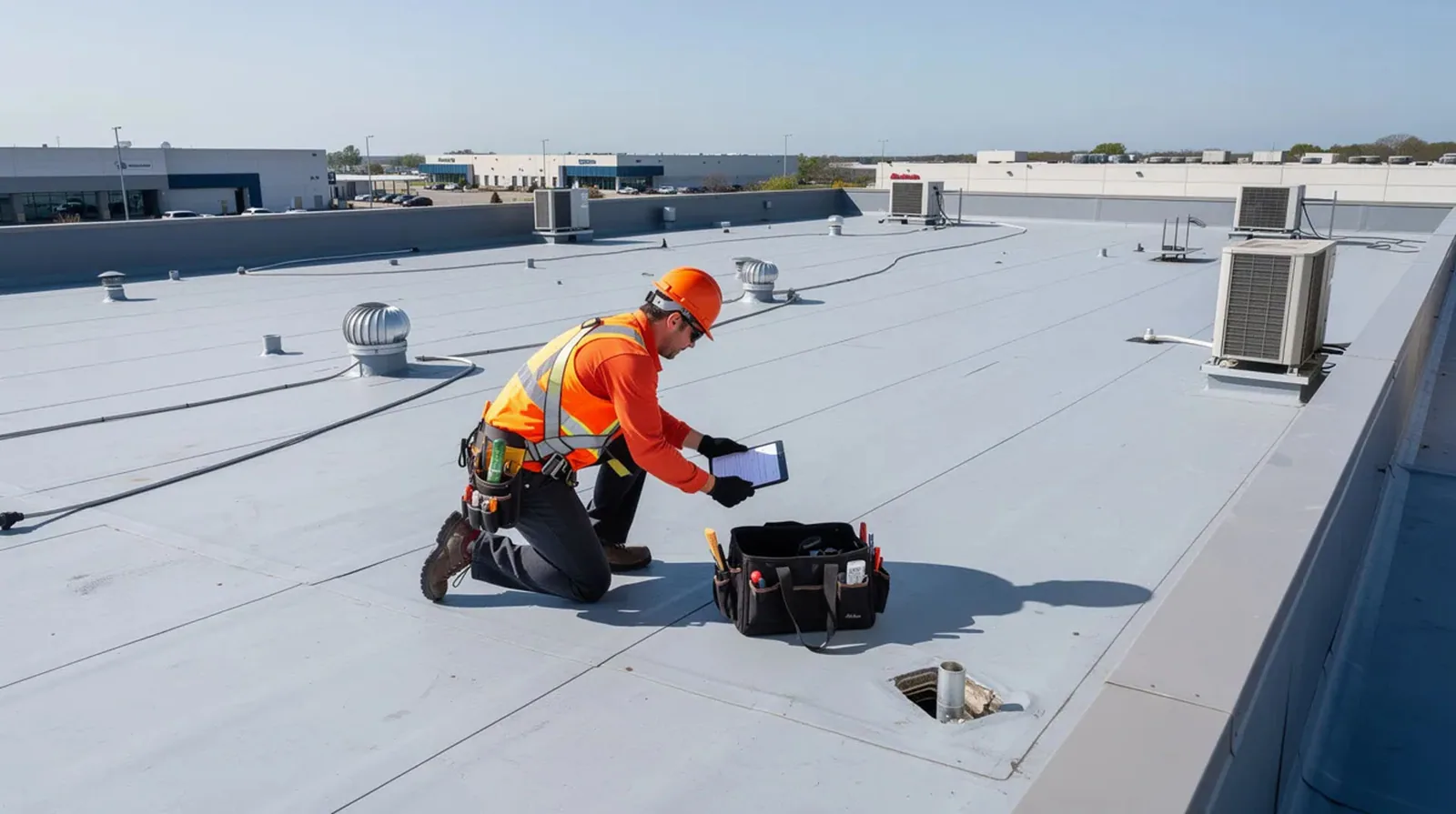
Inspection dates should reflect roof condition, repair history, drainage, building use, and any documented requirements. We build a calendar with a target date, property contact, areas to revisit, and prior open items. A calendar entry is a planned visit, not proof of completed inspection. After a visit, the report records the areas actually accessed and what needs follow-up.
Chico's hotter dry months and winter rain season can influence planning, but the roof's observed condition and the owner's operating calendar control the schedule. A property near Skyway may have different access rules from a downtown office or warehouse. A roof inspection can update the site record, and a maintenance visit can address its own drainage or debris scope.
Keep Repairs Tied to Their Approved Boundaries
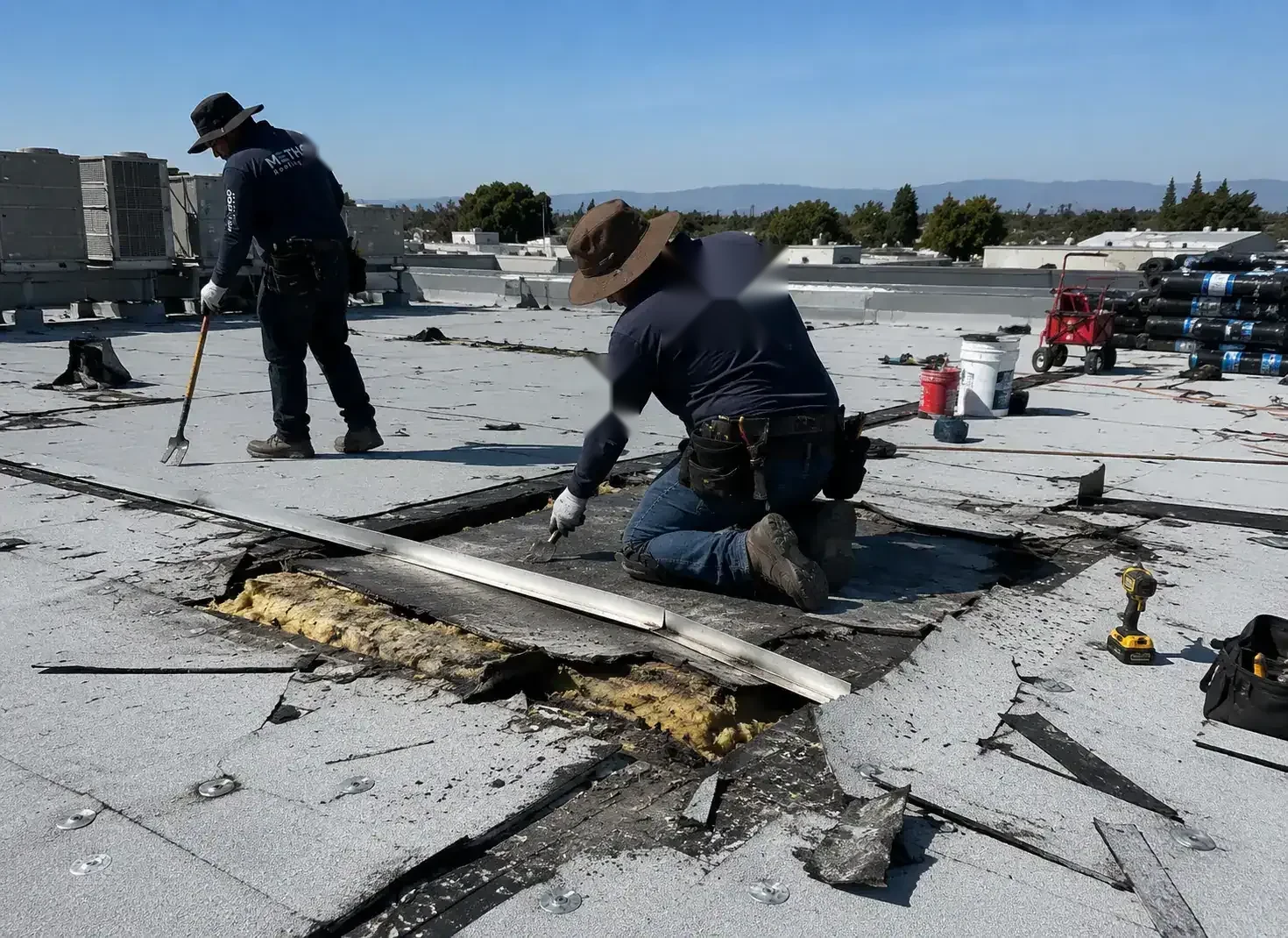
When a report identifies repair candidates, the program can track owner approval, scope, scheduling, and closeout by roof area. The work order states the material and tie-in where known, exclusions, access plan, and any condition that requires a change decision. This helps a portfolio manager distinguish a priced recommendation from work that is approved and completed.
For connected properties or sites with separate occupants, we confirm the contact and operating restrictions for each visit. No work moves from one address to another by assumption. Photographs, completion notes, and remaining items stay attached to the relevant plan reference. A repair scope can be listed with its own authorization, while a warranty file review keeps contract records separate from field completion.
Compare Priorities Without Hiding Site Differences
A portfolio review can group unresolved items by urgency, planned budget year, system, or operating impact. The reason for each priority stays visible: an active opening, a drainage concern, recurring repair, or an inspection gap. We avoid a single score that suggests precision across roofs with different records and access. Owners can add business continuity, sensitive equipment, tenant schedules, and funding constraints.
When one site needs a quick repair and another needs a replacement study, the shared review shows both with separate boundaries and assumptions. An allowance should identify the concealed condition it addresses and the approval needed to use it. A capital planning review can compare timing and scope options without implying that all Chico roofs need the same work.
Coordinate Building Access at Each Address
Before field work, we confirm check-in, escorts, roof keys, restricted areas, staging, loading, and occupied-space rules with the local contact. A portfolio manager can centralize status, but each property still needs its own access approval and day-of contact. If a section is inaccessible, the report lists it for rescheduling rather than describing the entire building as inspected.
Commercial areas around Chico include a mix of office, retail, and employment contexts. Site hours and traffic constraints depend on the property, not just its district. We coordinate delivery windows and roof access with the people responsible for each location. If equipment work or reroofing affects occupancy, a phased work sequence can set communication and turnover points for that specific building.
Review Exceptions and Decisions Together
A useful program report summarizes upcoming visits, completed work, open approvals, missing records, and high-priority findings. The list links each item to a site and roof-plan area so a manager can move from portfolio view to the underlying evidence. The report should not overstate completion where access or documentation remains incomplete.
We can review the register with an owner on a monthly or quarterly cadence, then update dates when the property team changes direction. Planning information for Chico describes commercial and employment areas, while California EDD places Butte County in the Chico metropolitan labor market. Those facts help frame local coordination; they do not replace property-specific roof data. The owner keeps a dated log of decisions and the records supporting each one.
Adjust the Process as the Portfolio Changes
Acquisitions, dispositions, tenant changes, reroofing, equipment projects, and management transitions can all change the portfolio list. We update the site roster, retain prior versions, and confirm that old roof labels still match the current plan. A newly acquired building enters the review with whatever records exist; the first inspection identifies what remains to be verified.
At program review, we compare completed work with the approved scope, add closeout material, and identify the next due date. Chico's Downtown and Hegan Lane properties remain separate assets even if the same team schedules both. A consistent format supports handoff and budget discussion while keeping each roof's condition grounded in its own report.
Commercial Roofing Questions
What is included in a multi-site roof program?
It can include a property roster, roof-area references, inspection calendar, repair and maintenance records, open-issue tracking, and a recurring portfolio review. Each visit and work scope remains tied to the individual site's access and condition.
Can one inspection cover several Chico properties?
We can schedule several visits in one program, but each address needs its own access approval, inspection record, and roof-area map. A portfolio summary does not replace the observations from each building.
How do you compare roofs with different systems?
We use a consistent reporting format and keep each roof's verified system, condition, and repair history separate. Unknown details are marked for confirmation instead of forcing different assemblies into one comparison.
Can a property manager see which repairs are approved?
Yes, if the owner provides authorization records. We track recommendations, approved scopes, scheduled work, and closeouts as separate statuses, with each item linked to its site and roof-area reference.
What happens when a new property joins the portfolio?
We add its source documents, contacts, roof plan, and access limits to the roster. The first review identifies missing records and inspection needs, then the owner decides which work or testing to authorize.
Coordinate Roof Records Across Your Chico Properties
Share your property list, roof plans, inspection files, maintenance logs, and contact preferences. We will set up a common review process while keeping every building's scope and evidence distinct.