Commercial Roofing in East 20th Street District, Chico, CA
A roof over a large-format retail space can be extensive, but the repair question still starts with one observed condition and a defensible boundary. We inspect the membrane field, drains, equipment curbs, and perimeter details, then map the leak path before setting scope. The City places the East 20th Street opportunity area roughly between State Route 99, Huntington Drive, Springfield Drive, and Flying V Street. Its plan records multiple shopping centers, large-format retail, and extensive surface parking, while noting traffic congestion at 20th Street and Business Lane. These facts describe the planning district, not a specific tenant or roof. We confirm the property's layout and operating needs on site.
Measure the affected section
A stain below an open seam does not show how far water traveled through the roof. We compare the interior location with nearby drains, laps, curb corners, and prior repairs, then record the footprint of visible moisture. A test opening can answer whether insulation is wet beneath the membrane; it is not made without a reason and a dry-in plan. The resulting condition report marks what is confirmed, where the proposed repair can end, and what remains a contingency.
Retail districts near North Valley Plaza and Skyway have their own roof and access conditions. We do not transfer one property's findings to another. A thermal survey may help screen a broad roof under suitable conditions; a hands-on check verifies seams, flashing, and test locations before the owner approves a scope.
Check runoff across the field
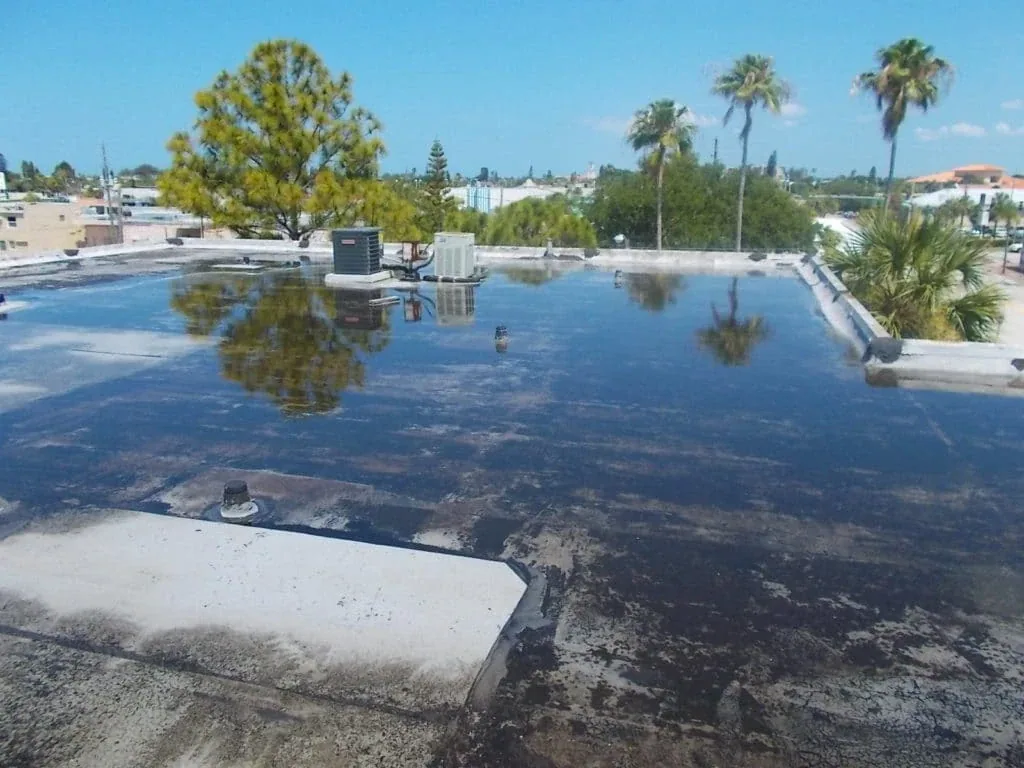
The City's planning report notes extensive surface parking, but parking does not indicate how a roof drains. We inspect the roof itself: slope toward primary outlets, clear strainers, open overflows, low points, and the seams water crosses on its way out. A blocked bowl and a depressed deck call for different work. We document which condition we found and whether cleaning changed the water path.
NOAA precipitation normals show Chico's cooler months receive much more rain than the midsummer period. Before winter, a dry roof visit can help record drain condition and identify debris or ponding marks for follow-up. It cannot diagnose a future leak. Our drain and scupper inspection notes the primary outlet and backup path. If moisture or membrane wear appears where water remains, ponding-water repair can address that roof evidence without assuming the deck has the same condition everywhere.
Coordinate equipment and perimeter work
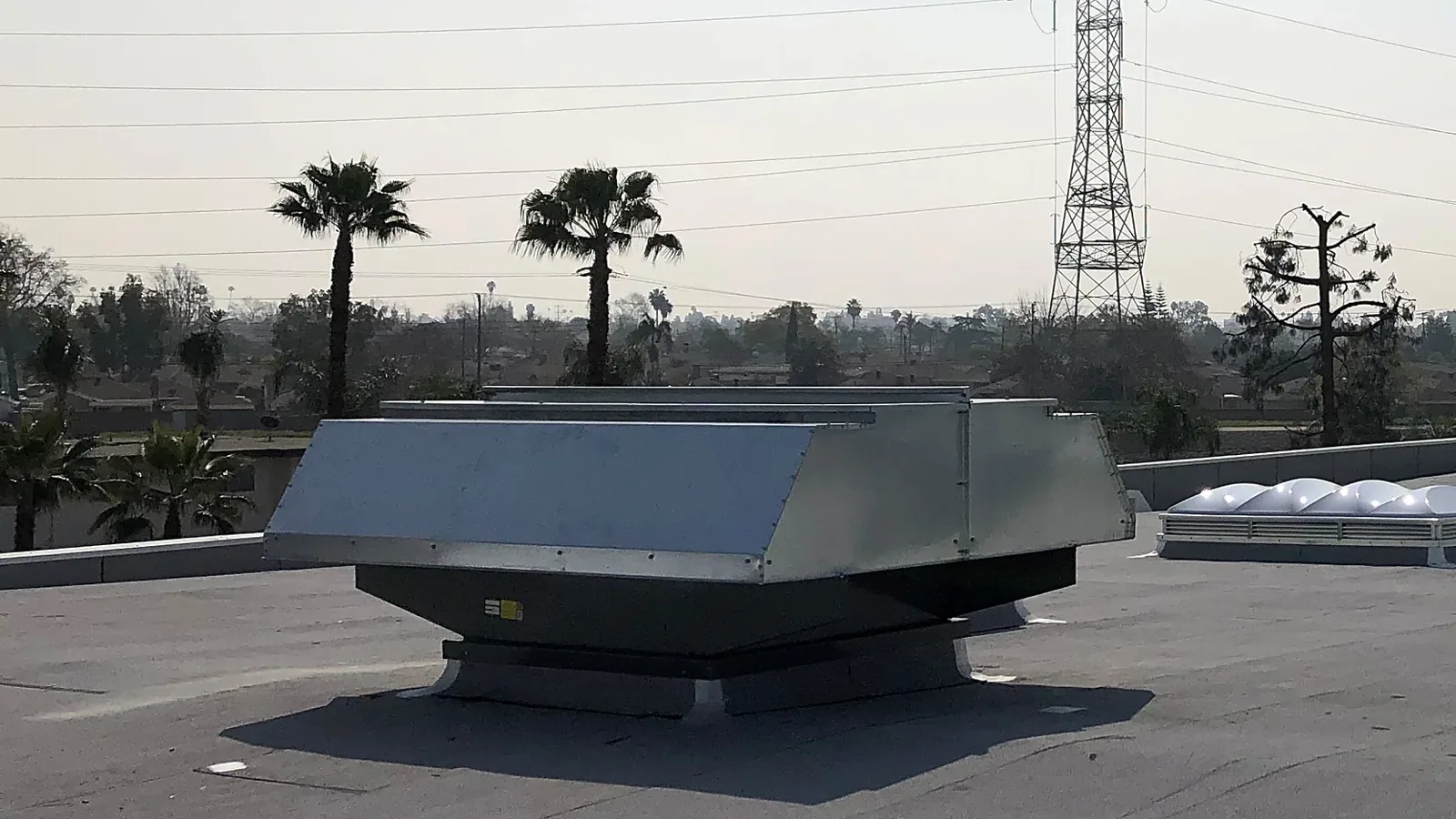
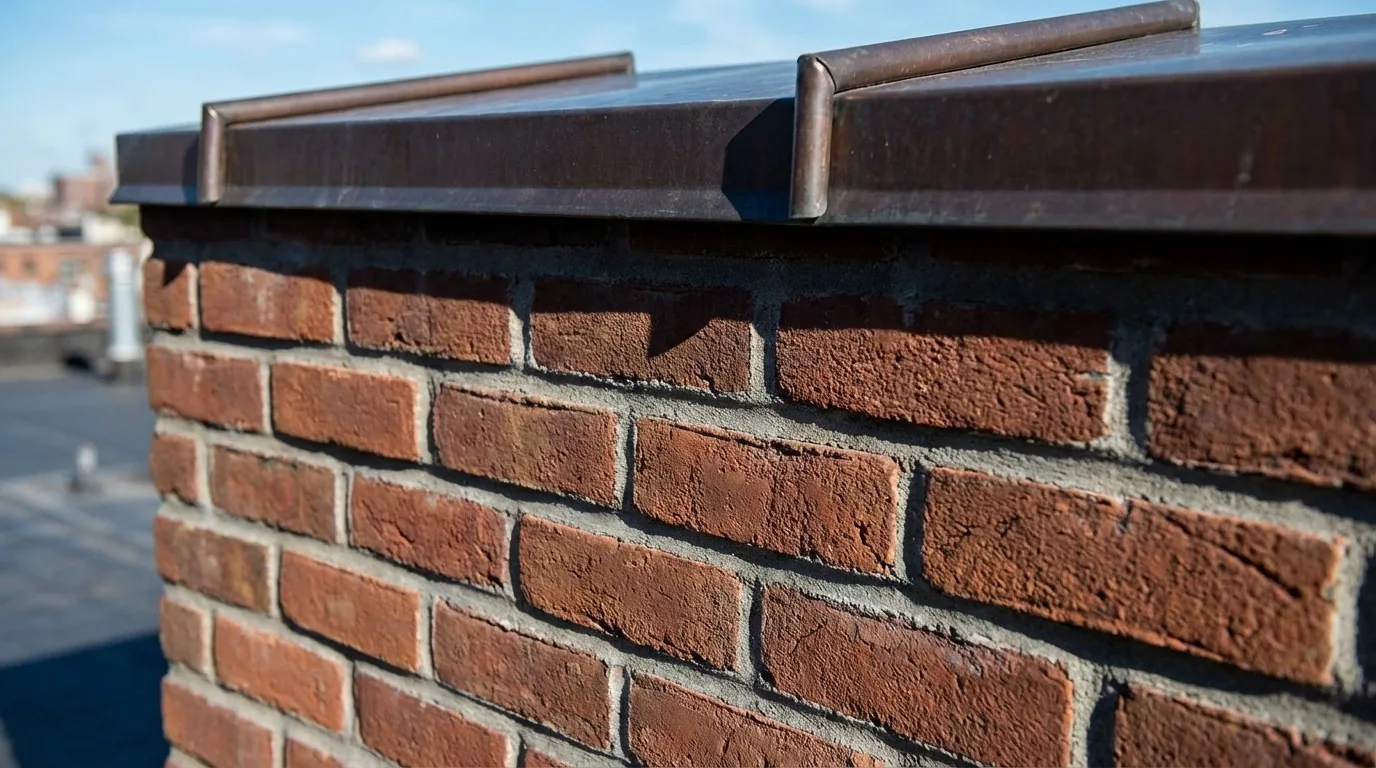
Retail and large-format roofs may contain multiple mechanical units, but the actual equipment layout has to be inspected. We photograph curb flashing, pipe penetrations, supports, and service clearances. If a unit must remain active, its contractor needs a route and shutdown plan before membrane removal reaches the curb. Perimeter metal also deserves a separate check: loose fasteners, open laps, and failed sealant can admit water even when the field membrane looks intact.
Where the observed assembly is a single-ply membrane, a TPO repair uses different seam methods from EPDM or modified bitumen. We verify compatibility before selecting material. A curb and support review can clarify trade coordination, while edge-metal service records the perimeter condition. The repair proposal keeps those details visible rather than bundling them into a generic field patch.
Stage work without assuming the route
Traffic congestion at 20th Street and Business Lane is a documented planning constraint. For a roof project, we still confirm the route, delivery window, and staging permission at the property. We coordinate pedestrian paths, material lifts, tenant notices, and the spaces needed for equipment. Surface parking may be occupied, reserved, or unavailable; a site visit establishes what can safely support the work. The daily sequence ends with a protected roof boundary and a clear contact for any change.
Chico's hot, dry summers and winter rain season influence adhesive, coating, and dry-in planning. We check temperature, substrate moisture, and product limits rather than promising a fixed work window from the calendar. An occupied-building plan can set phased areas around store hours and equipment service. For a planned replacement, material staging and temporary protection are defined before tear-off begins.
Compare repair, recover, and replacement
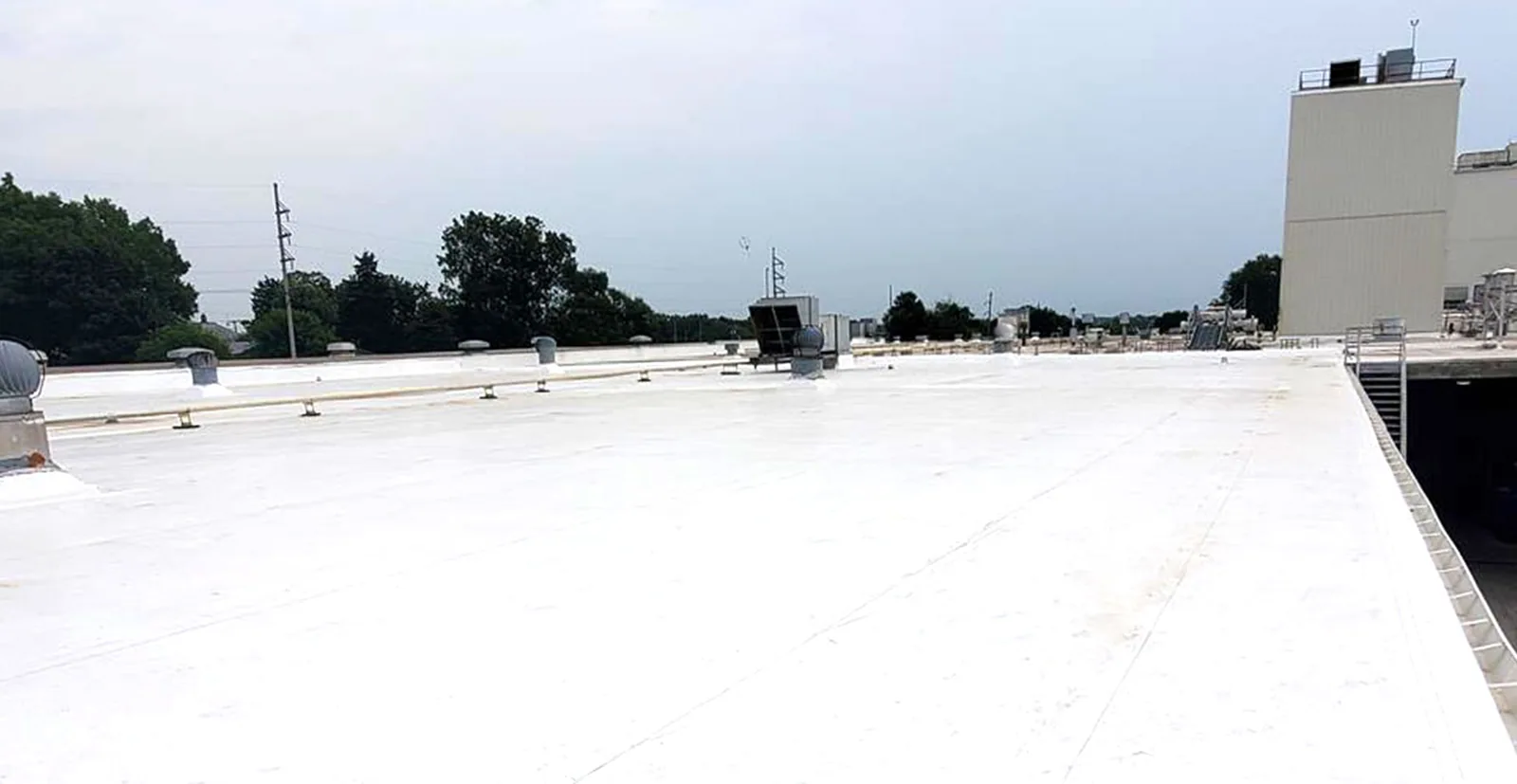
When a defect is isolated and surrounding material is sound, a local repair can protect the roof without opening unrelated zones. When moisture or seam failure repeats across different sections, replacement belongs in the comparison. A recover may keep a dry, securely attached layer in place, but it raises drains, curbs, and edges and must fit the allowed assembly and code. We inspect those details before treating overlay as a shortcut. When prior service records are incomplete, we note the observed layers and any material we cannot identify with confidence. That distinction matters when the owner compares a patch against a recover, since the existing attachment and moisture state affect both options. We make the uncertainty visible before the work order is approved.
Current California building and energy code requirements may apply to commercial alterations, with locally adopted amendments and parcel permits part of the review. We coordinate roof insulation and HVAC work with the project requirements and identify any trade boundary. The owner receives quantities for tear-off, substrate correction, membrane, metal, access, and temporary dry-in. We list any allowance for concealed conditions separately, with a process for documenting the finding and receiving approval before additional removal. The scope also identifies who will restore displaced rooftop equipment and when the site contact can inspect the finished work. Cost and timing vary with the confirmed assembly and site operation, not simply roof area or district placement.
Give each repair a clear handoff
Closeout records should identify the repaired zone, date, material, and tie-in points, with photos of drains, curbs, and edges that were included. We list any area not opened so a later inspection knows where evidence stops. That information helps a property manager compare future stains, direct an HVAC vendor to a known curb, and schedule maintenance before another wet season. If work changed after a test opening, the approved boundary and reason appear in the record.
For a building in the East 20th Street District, share the use, tenant schedule, roof access, and previous leak history when requesting service. We will check the water path and return a scope tied to what the roof shows. Owners with property in the Park Avenue Corridor can plan separately for each site. Capital planning uses those distinct records to sequence repairs without treating one roof as a stand-in for the rest.
Commercial Roofing Questions
Does surface parking tell you how a roof drains?
No. It is a land-use feature, not a roof condition. We inspect slope, drains, overflows, and the water route on the actual building.
What if the leak is over only one retail tenant?
We trace the path above the suite and check nearby roof details. Water can travel beyond tenant boundaries, so the repair follows roof evidence rather than the room layout.
Can work be scheduled around store hours?
We coordinate noisy tasks, deliveries, roof access, and tenant notices with the property manager. A phased sequence can protect the interior and close each work area daily.
How do you assess a recover on a large retail roof?
We verify that the existing roof is dry, attached, and within allowable layer limits, then check added height at drains, curbs, and edges before recommending an overlay.
Why record conditions outside the repair area?
Those notes show where the inspection ended and help the next visit compare new symptoms with the current baseline. They also prevent an unapproved issue from blending into closeout.
Scope an East 20th Street roof
Send the property use, leak location, previous work, equipment needs, and access window. We will document the repair boundary and operating sequence.