Commercial Roof Repair in Chico, CA
A repair should stop a defined failure and leave the surrounding roof ready for the next inspection. We trace the condition, identify the material and attachment, then mark where sound surfaces begin. A sealant bead over a loose seam may cover the symptom without correcting the movement underneath. In Chico, summer heat can cycle materials through expansion and contraction, while winter rain tests drainage and flashing. Those are useful inspection conditions, not a diagnosis. The repair scope follows what we find at the seam, curb, edge, or puncture and how that detail connects to the rest of the roof.
Find why the detail opened
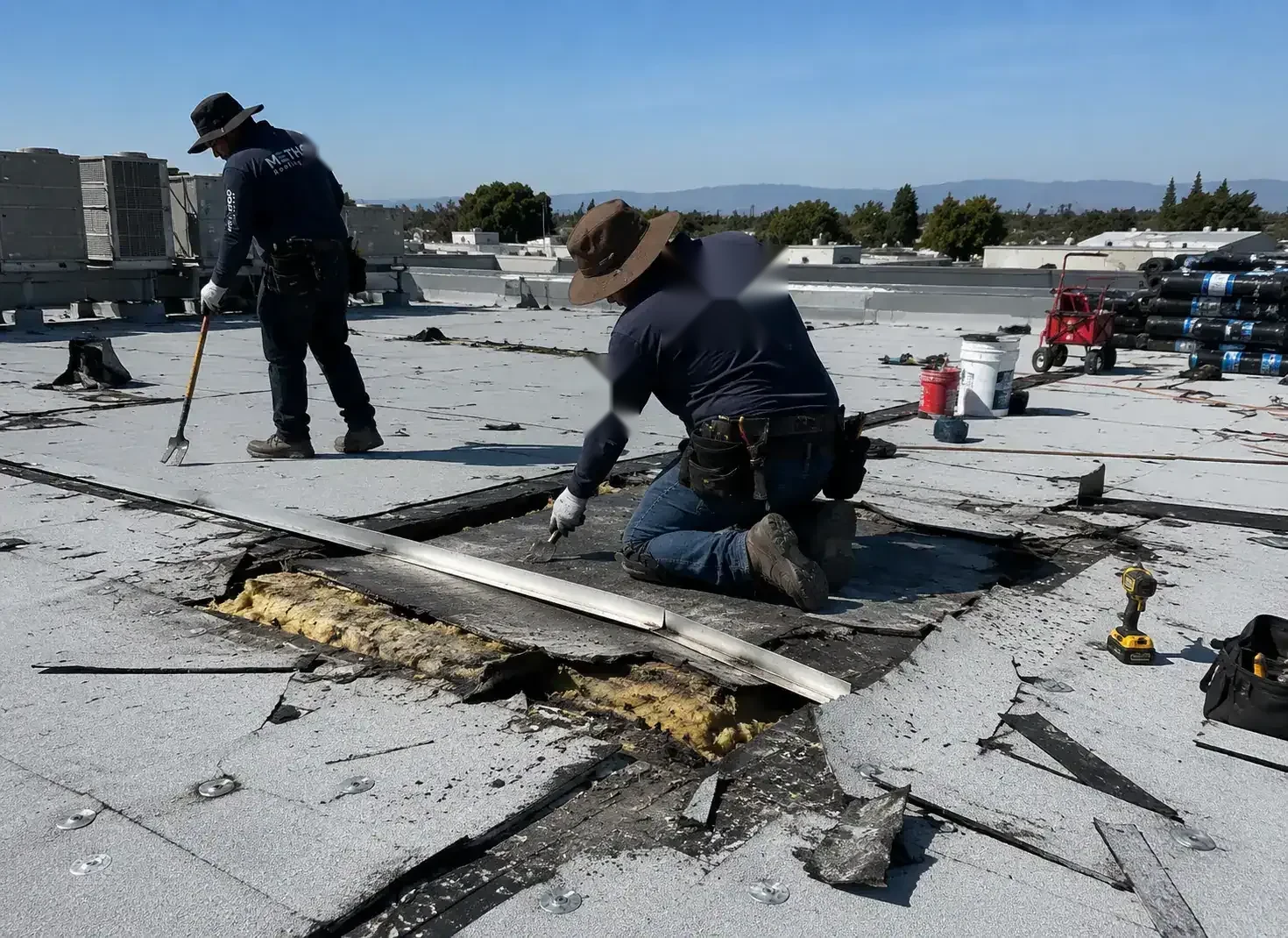
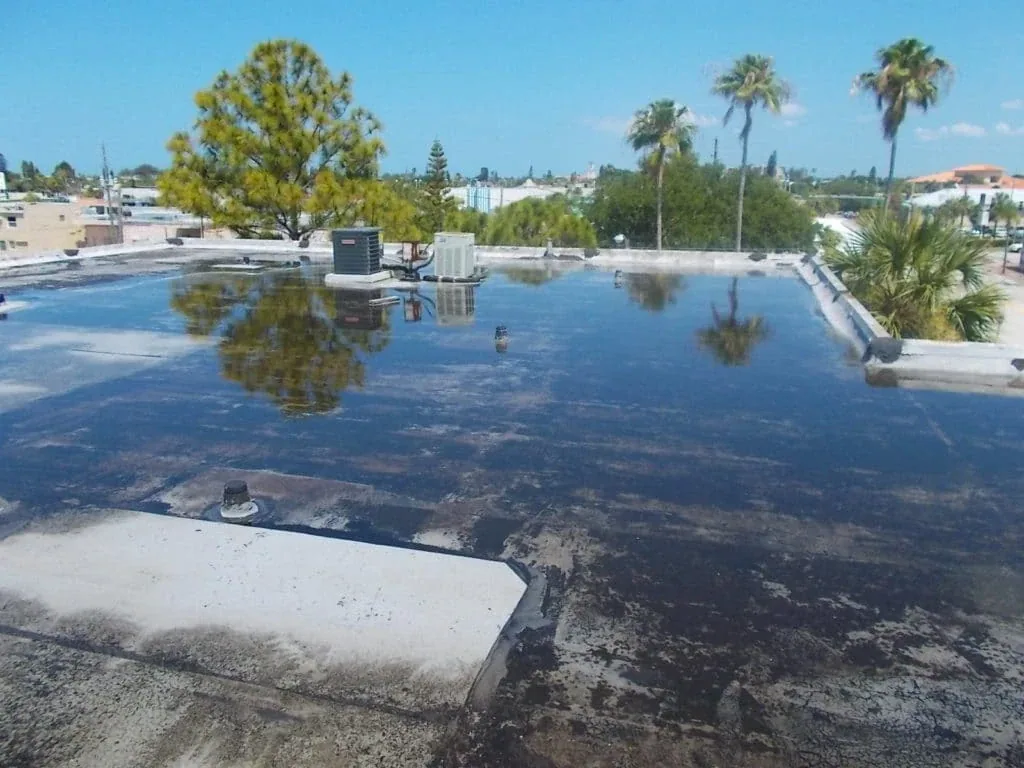
We look at the failed area and the path water can take beyond it. A split in a membrane, a loose termination bar, a lifted metal edge, and a failed seal around a pipe require different preparation. We check for trapped moisture, previous patches, movement, and nearby drains before selecting a repair. If the surface is dirty or damp, the bond can fail even when the product is suitable. The repair record notes what was removed, how the substrate was prepared, and the length of sound material available for the tie-in.
A roof inspection can also compare scattered leaks against the full assembly. Our condition report shows the owner whether one defect is isolated or part of a pattern worth monitoring.
Prepare a compatible patch
Durable repair begins with the existing roof type. We remove loose material, clean the surface, and prepare a tie-in that matches the membrane or metal system. On a single-ply roof, the patch must extend onto sound material and be welded or adhered using a compatible method. On modified bitumen, the repair must restore the affected layers without creating a water-catching ridge. Metal repairs need attention to panel movement and fasteners as well as the exposed opening.
Where the assembly is TPO, PVC, or modified bitumen, we verify the material before bringing repair stock to the roof. A prior repair may conceal a different membrane beneath it. We keep the proposal specific to the observed roof and avoid forcing an unfamiliar material into a detail where it will not bond or move correctly. If the damage crosses several layers, the repair includes each one rather than only the visible surface.
Check the surrounding water route
Water entry can recur when a patch closes the opening but leaves the drainage problem unchanged. We check nearby primary drains, overflow outlets, scuppers, and low spots for debris or a change in slope. We inspect where the roof turns up against a wall and where coping, gutters, or edge metal divert runoff. A clogged drain needs cleaning or plumbing attention; a membrane repair will not clear the line. When several details fail in the same area, we map them together and decide whether the repair boundary should expand.
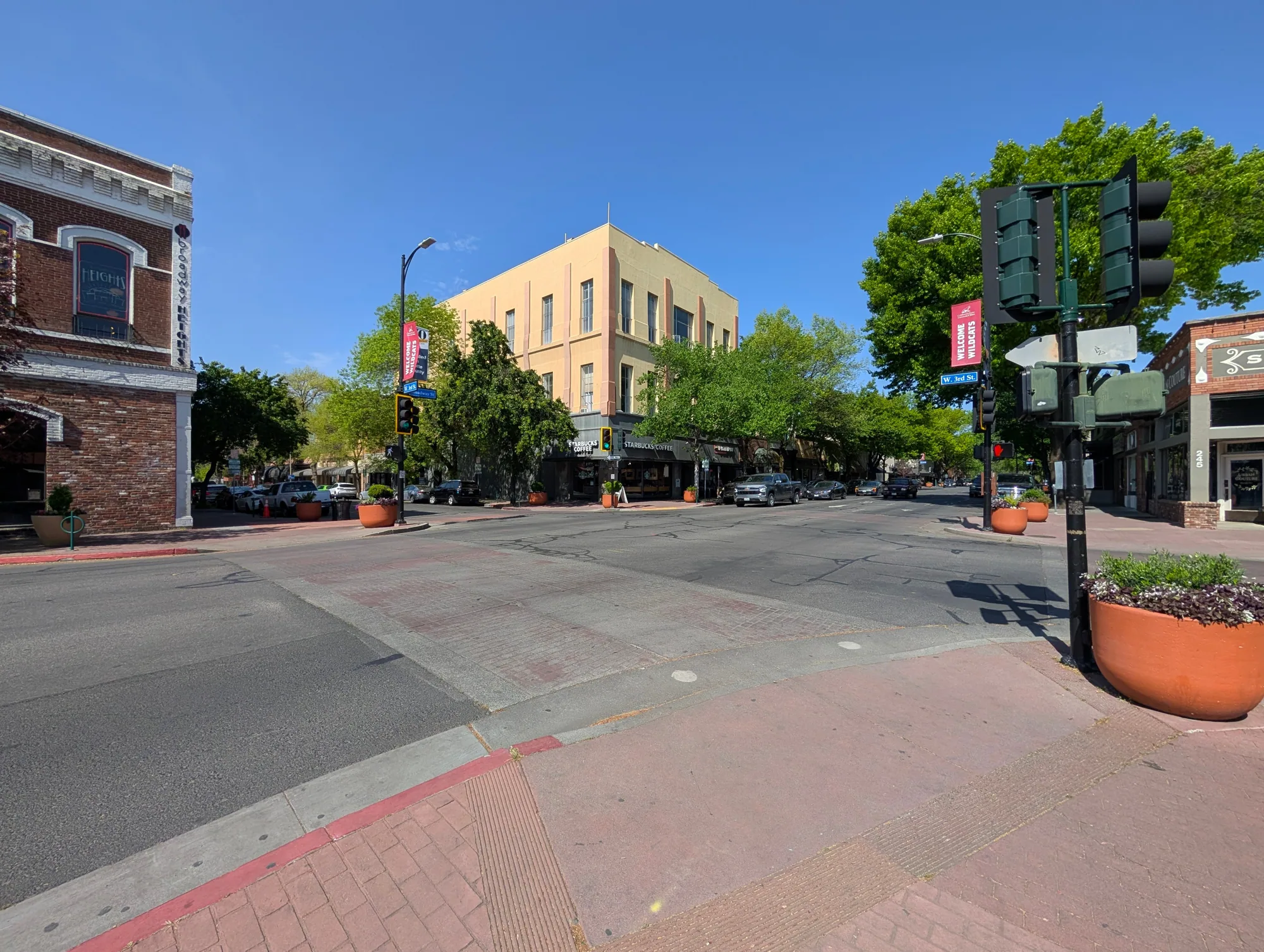
Chico’s hot, dry summers and cool, wet winters make surface preparation and seasonal drainage part of repair timing. A dry-weather repair window can simplify surface preparation, but closeout still needs sound drainage before rain returns. The drainage detail review follows water to the outlet, and the perimeter metal scope checks how the edge receives that flow. These details matter in Downtown Chico’s commercial, office, and residential mixed-use blocks, and in the Meyers Street industrial area, where several industrial users share a constrained-access district. In either setting, each building's layout must be inspected individually.
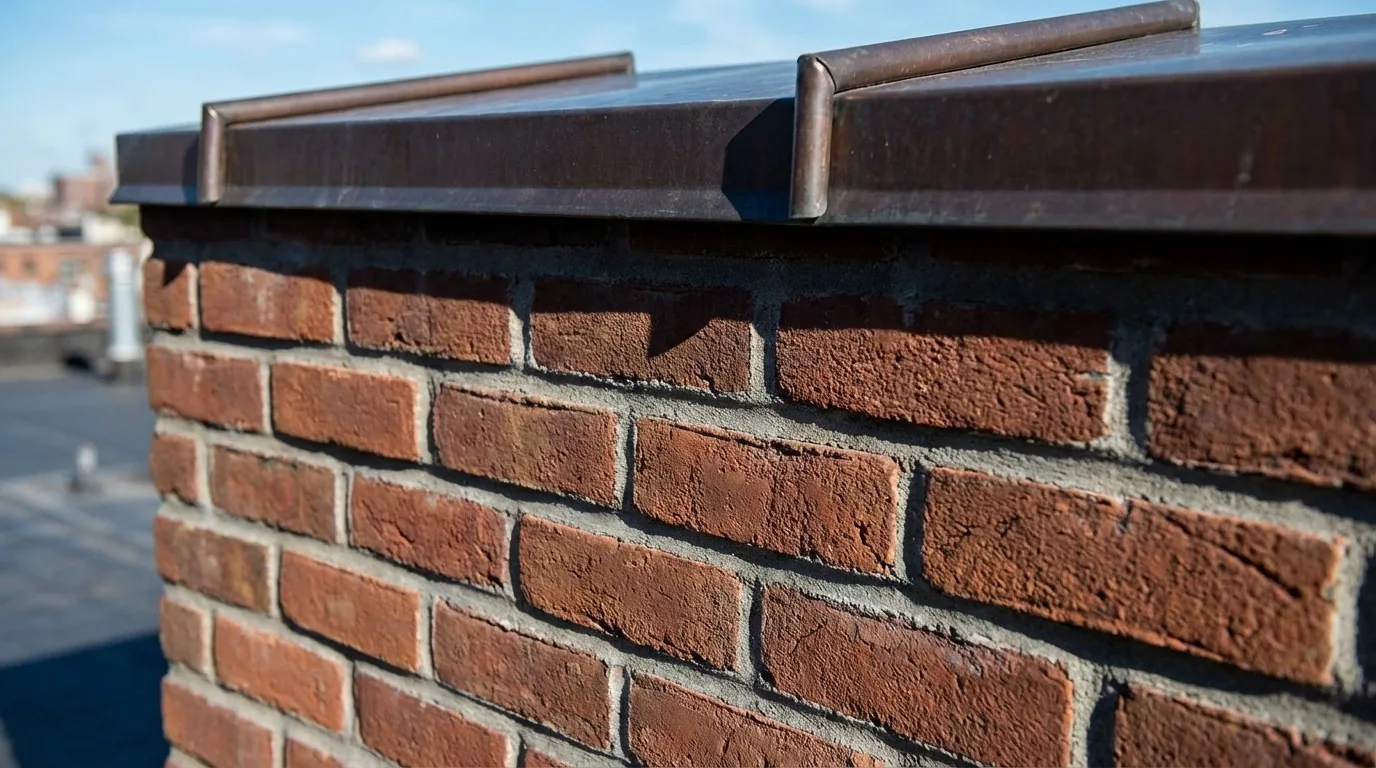
We also inspect the transition beyond the obvious wet spot. A lifted corner can admit water behind a coping cap, then release it farther inside the parapet. A blocked scupper may leave a shallow pool that keeps a patch edge wet. We note the order of those conditions and test the likely route, rather than applying material to every visible mark. If a repair needs a second visit after drying or cleaning, we explain why before scheduling it.
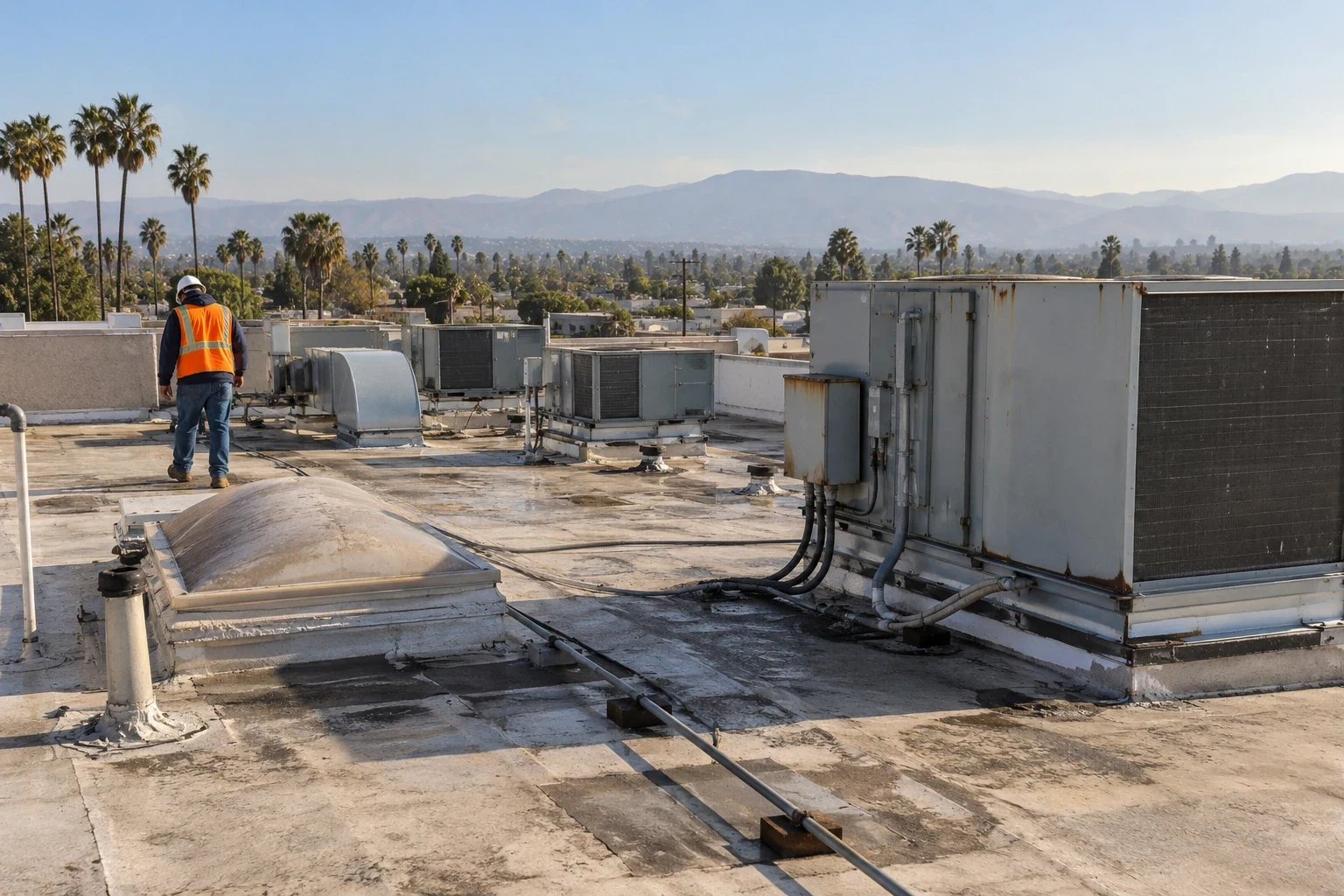
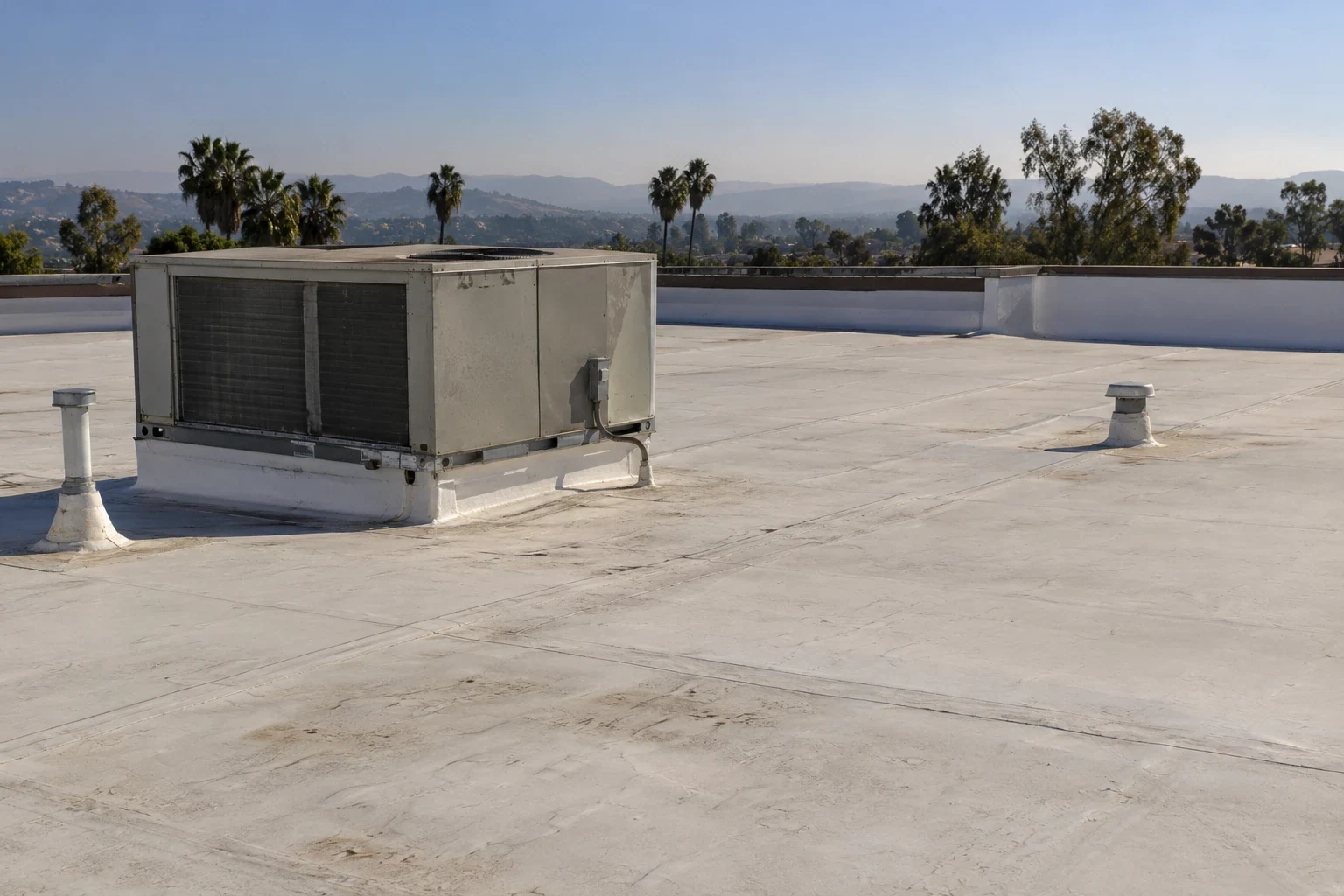
When a defect sits beside a rooftop unit, we check the curb, electrical conduit, service path, and nearby membrane before closing the repair. The HVAC technician may need access soon after our visit, so the finished detail must leave a clear service route and a record of the new flashing. If insulation has softened or the deck moves, a surface patch alone cannot restore support. We photograph that condition and discuss the opening needed to see how far it extends.
Plan a repair without losing the roof
Most repairs require a controlled work zone, access to the affected detail, and a dry surface for preparation. We coordinate rooftop equipment, tenant activity, deliveries, and any interior protection needed beneath the repair. If the building stays open, we schedule around occupied hours and avoid blocking service routes longer than required. For an active leak, temporary protection may be needed first; permanent work follows once the roof is safe to prepare.
A repair crew may need to protect a customer route at one property and keep loading access open at another. We check the actual service entrance, parking, and equipment clearances before setting the work area. When an area of repeated patching is no longer a sensible repair boundary, we compare the evidence with a replacement assessment or a recover evaluation, including what must be tested before choosing.
Use the repair record
After the work, we photograph the prepared substrate and finished repair, identify the material used, and record nearby conditions that remain open. This helps a facilities manager distinguish a new leak from a return at the repaired detail. The record also gives maintenance staff a precise area to revisit after heavy rain or rooftop service. If the water path continues, we can compare the new symptom with the prior findings rather than start from an unmarked roof.
Tell us where water appears inside, when it started, and what work has already been done. If you have roof plans or prior inspection notes, send them before the visit. We will locate the likely entry point, explain whether a repair can hold a clean boundary, and identify any test or follow-up that changes the scope. That is more useful than treating every leak report as the same patch.
Commercial Roofing Questions
Can a repair handle a seam that keeps reopening?
A recurring split needs a movement and attachment check before another patch is placed. We inspect the seam, adjacent membrane, and nearby termination, then decide whether the repair must extend farther or the assembly needs a broader correction.
Do you repair metal and membrane roofs?
Yes. We repair the materials listed in the roof record and confirm the actual system at the opening. Metal panels, single-ply membranes, modified bitumen, and built-up roofs each need a different preparation and tie-in method.
Can you work while tenants are in the building?
Often. We coordinate access, noise, equipment service, and interior protection with the property contact. The exact schedule depends on where the defect sits and whether a work zone can be isolated safely.
What makes repair different from replacement?
A repair corrects a bounded defect where surrounding material remains sound. We compare repeated failures, moisture, deck condition, and the ability to make secure transitions before recommending a wider replacement scope.
How can I help the first visit go faster?
Share the room or equipment area where water appears, the date it began, and the roof work already attempted. That gives us a starting point, while the roof inspection establishes the actual entry path and repair material.
Locate the failure before patching
Send the leak location, roof history, and access restrictions. We will inspect the detail, define the repair limit, and leave a photo record of the work and follow-up conditions.