Commercial Roof Inspection in Chico, CA
A maintenance log can show three leak calls at the same building and still leave the owner unsure where the roof is failing. We inspect the surface, transitions, drains, equipment curbs, and repair history, then connect each finding to a location on the roof. The visit is designed to answer a decision: make a bounded repair, monitor a condition, test below the membrane, or prepare a larger scope. Chico's hot summer and wetter winter pattern helps us think about timing, but the inspection documents what is present on that roof rather than attributing a defect to weather alone.
Walk the assembly in sequence
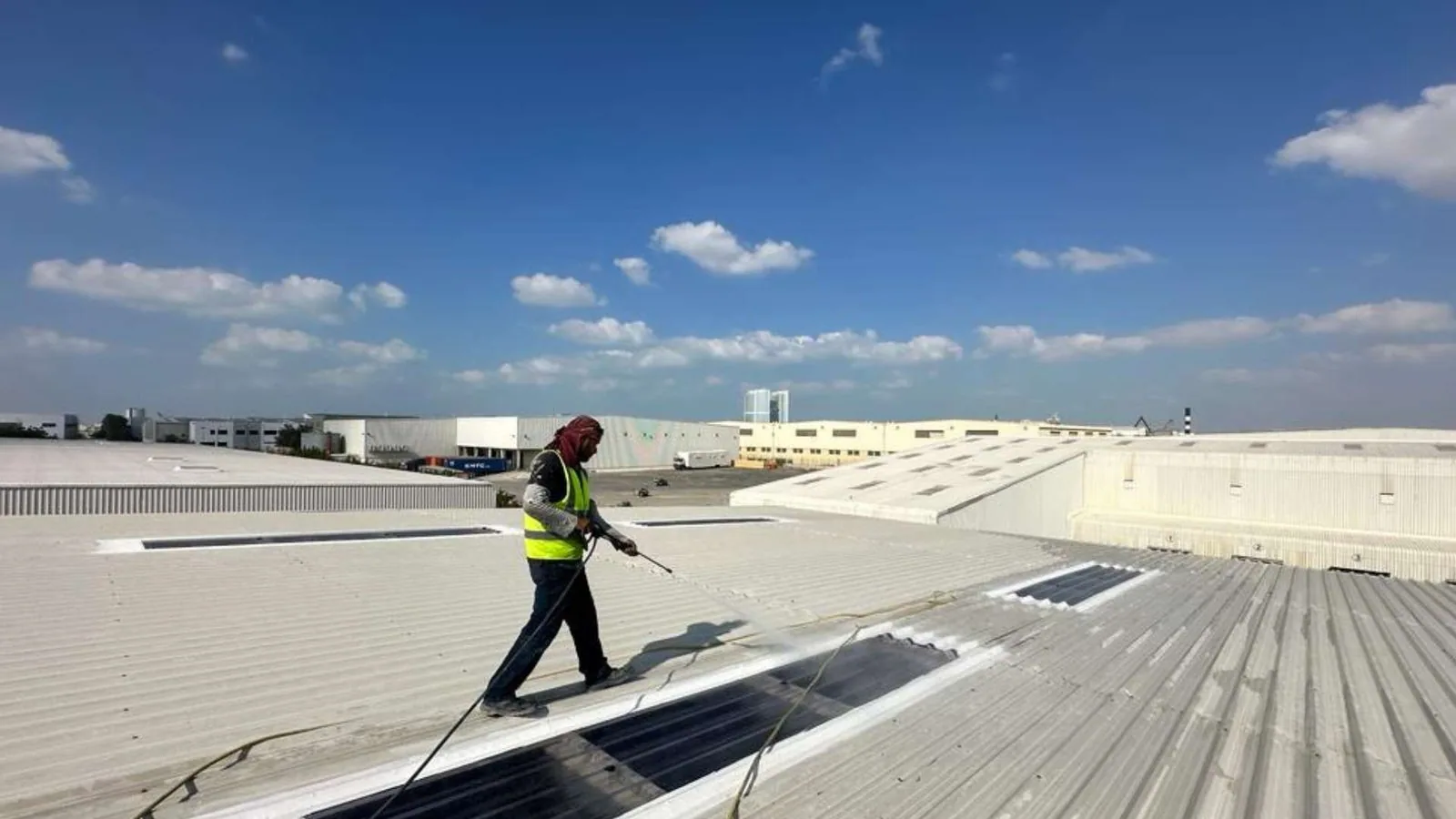
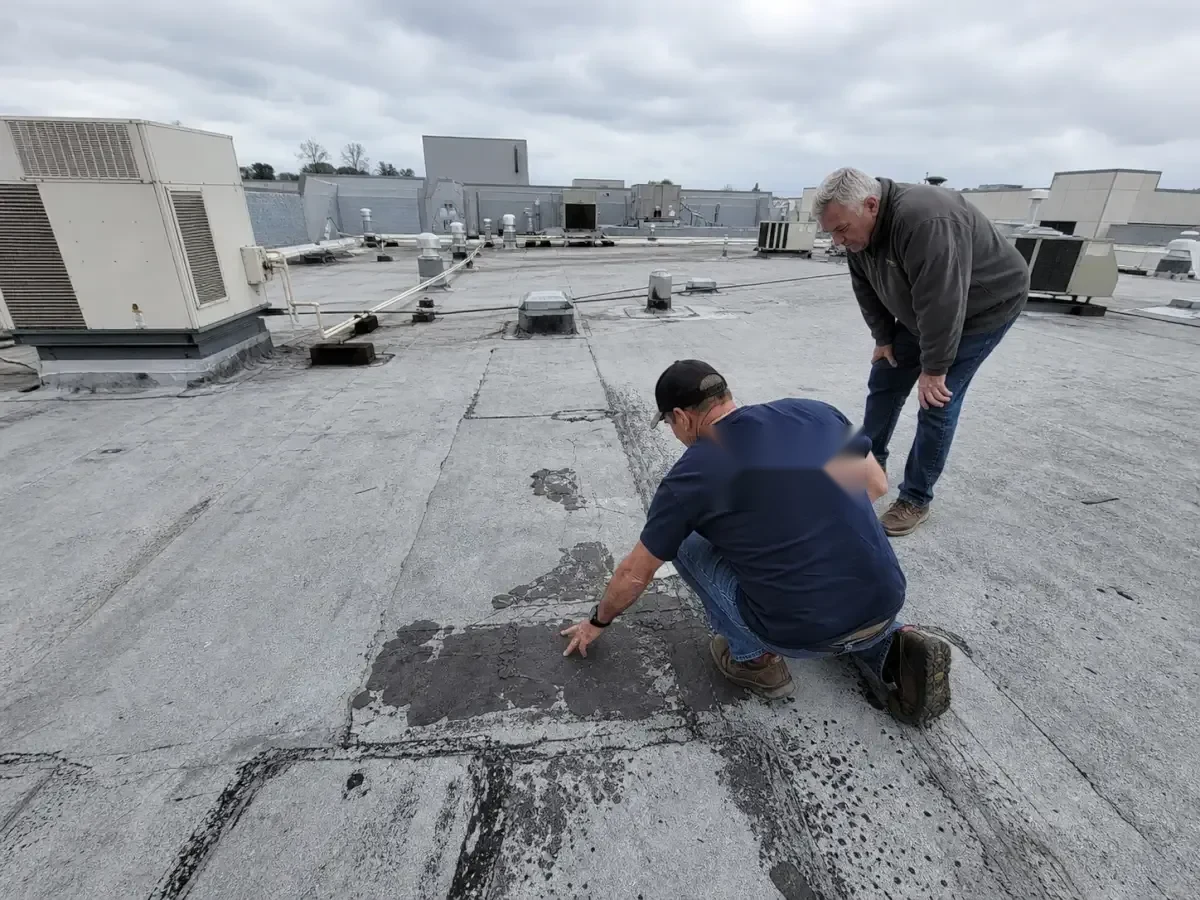
We begin at access and safety, confirm the roof system where possible, then follow the field toward drains, penetrations, walls, and edges. Seams are checked for separation or movement; flashing is reviewed where materials change direction; and the surface is compared with prior patch locations. We note debris, standing water, exposed reinforcement, displaced fasteners, and unusual wear. The route matters: a check that jumps between unrelated details can miss a pattern tying the symptom to an outlet or transition.
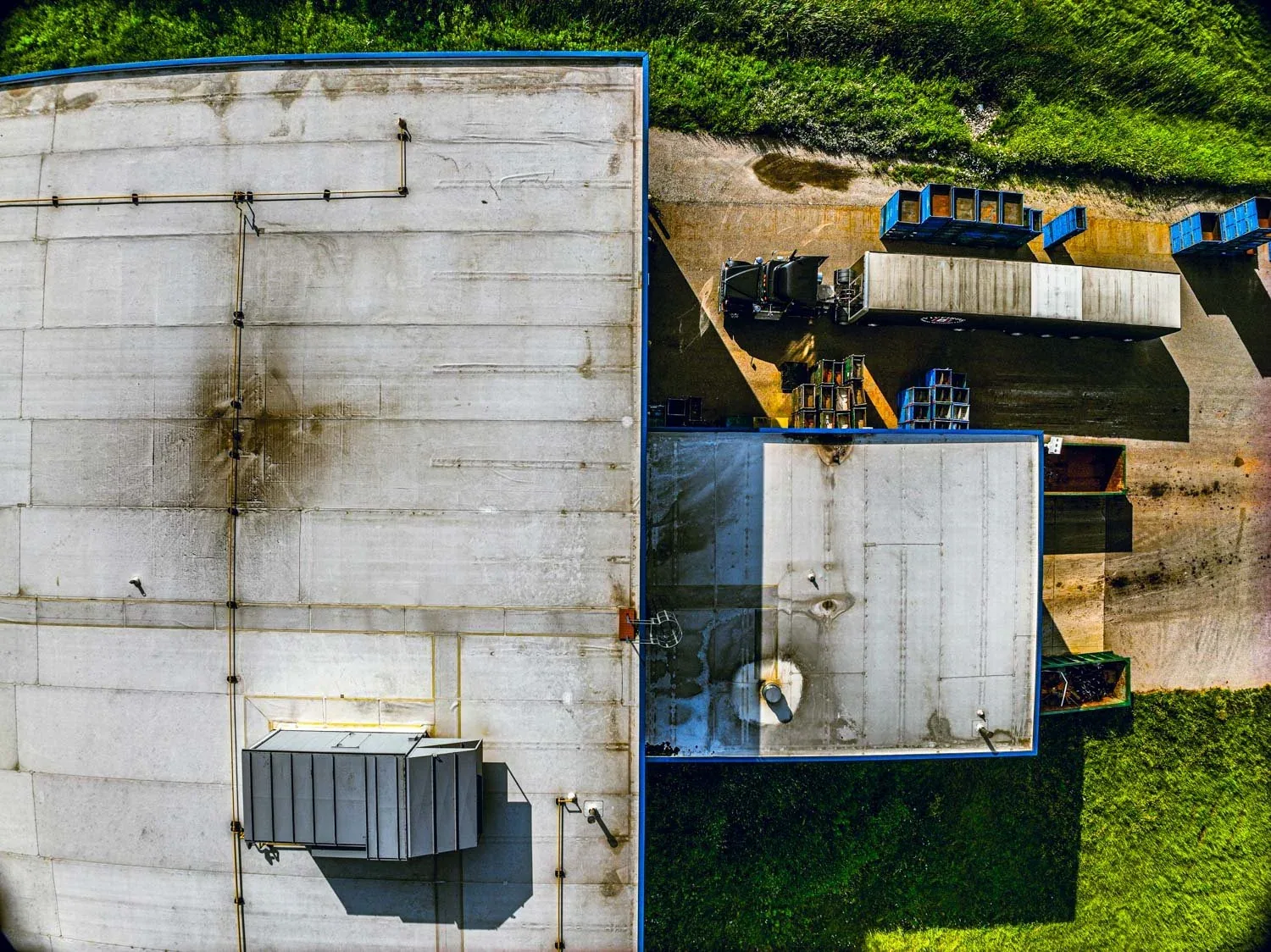
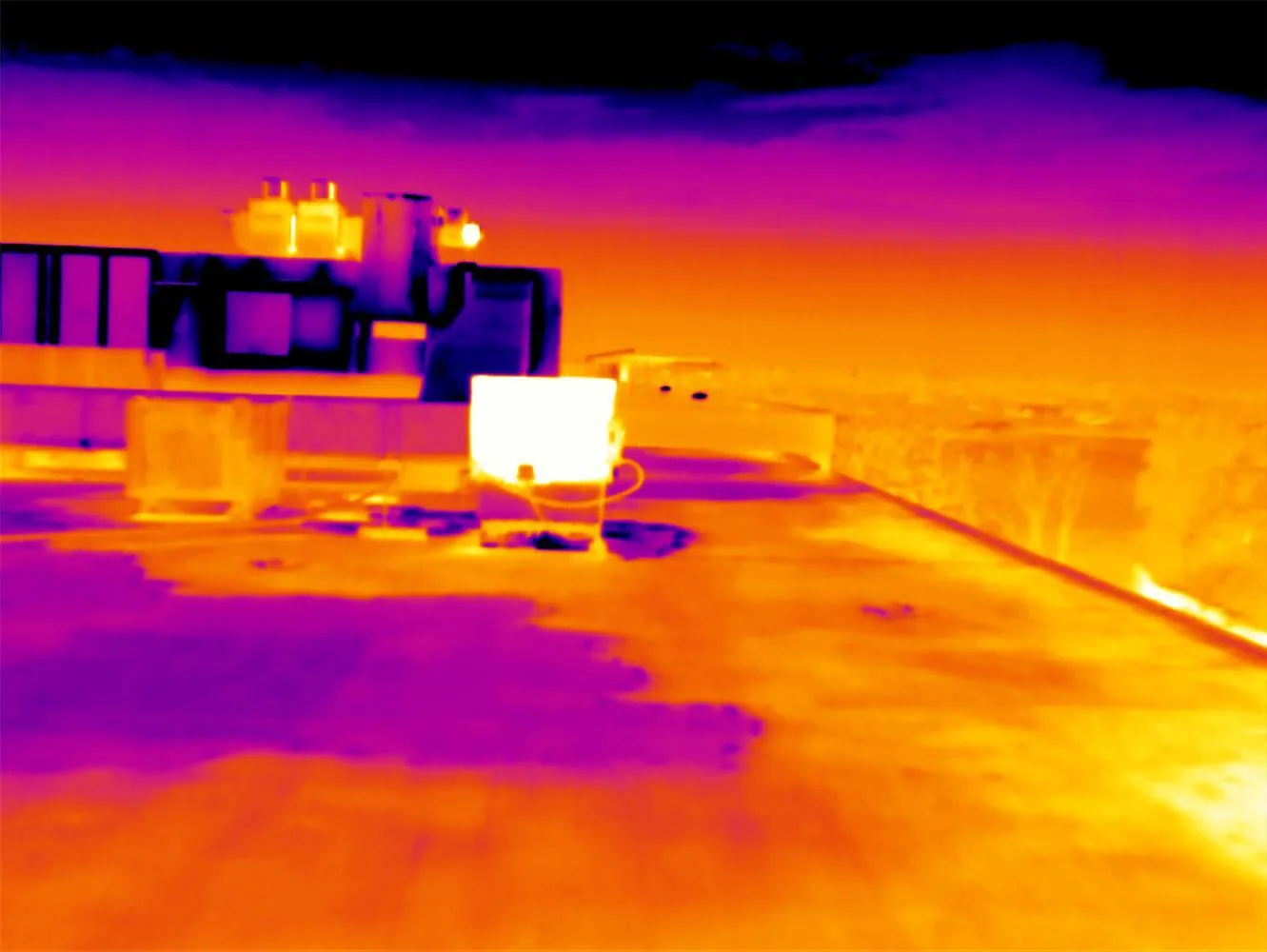
On a broad roof, a drone inspection may provide an overview for planning the walk, while the close review confirms material and detail condition. If a temperature pattern suggests hidden moisture, an infrared survey can help choose test locations. We mark which observation supports each recommendation, and whether confirmation requires a core or other opening. A quick visual pass alone cannot establish concealed insulation or deck condition.
Inspect the places water can cross
Most roof transitions deserve as much attention as the open field. We examine pipe supports, curbs, skylights, roof-to-wall turns, expansion joints, coping, and drain bowls. A detail may look dry while its sealant has separated or its metal has lifted enough to admit wind-driven water. We check fasteners and terminations without disturbing an assembly unnecessarily. If a condition is beyond safe access or requires a test opening, we record that limit and explain how it affects the conclusion.
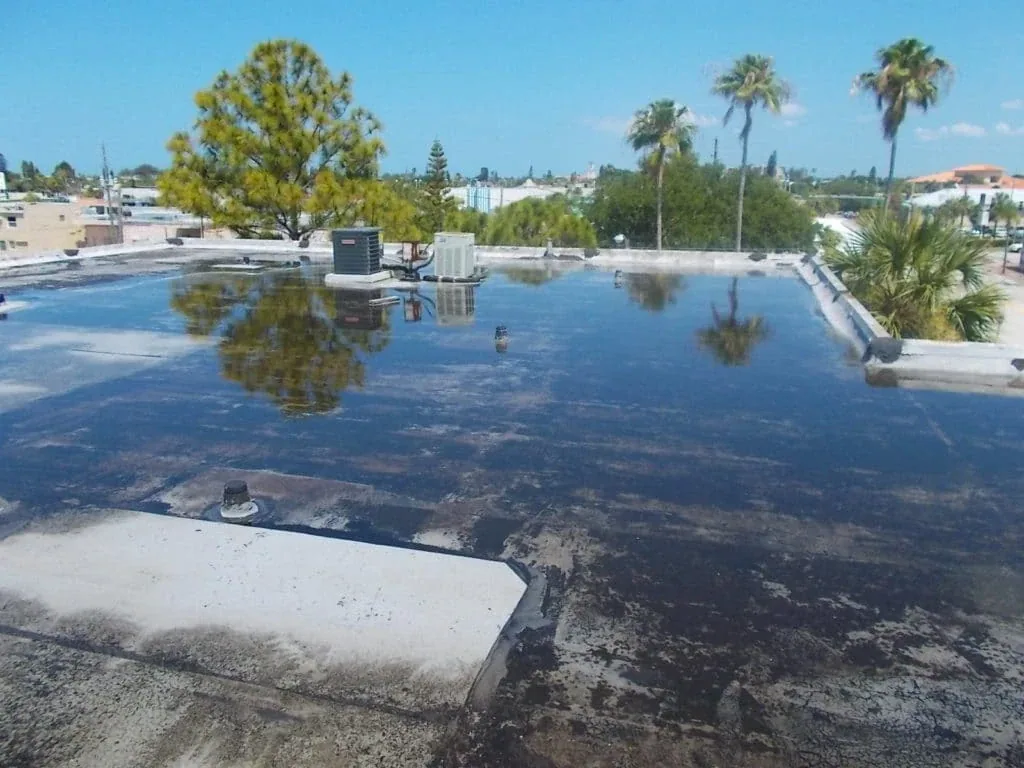
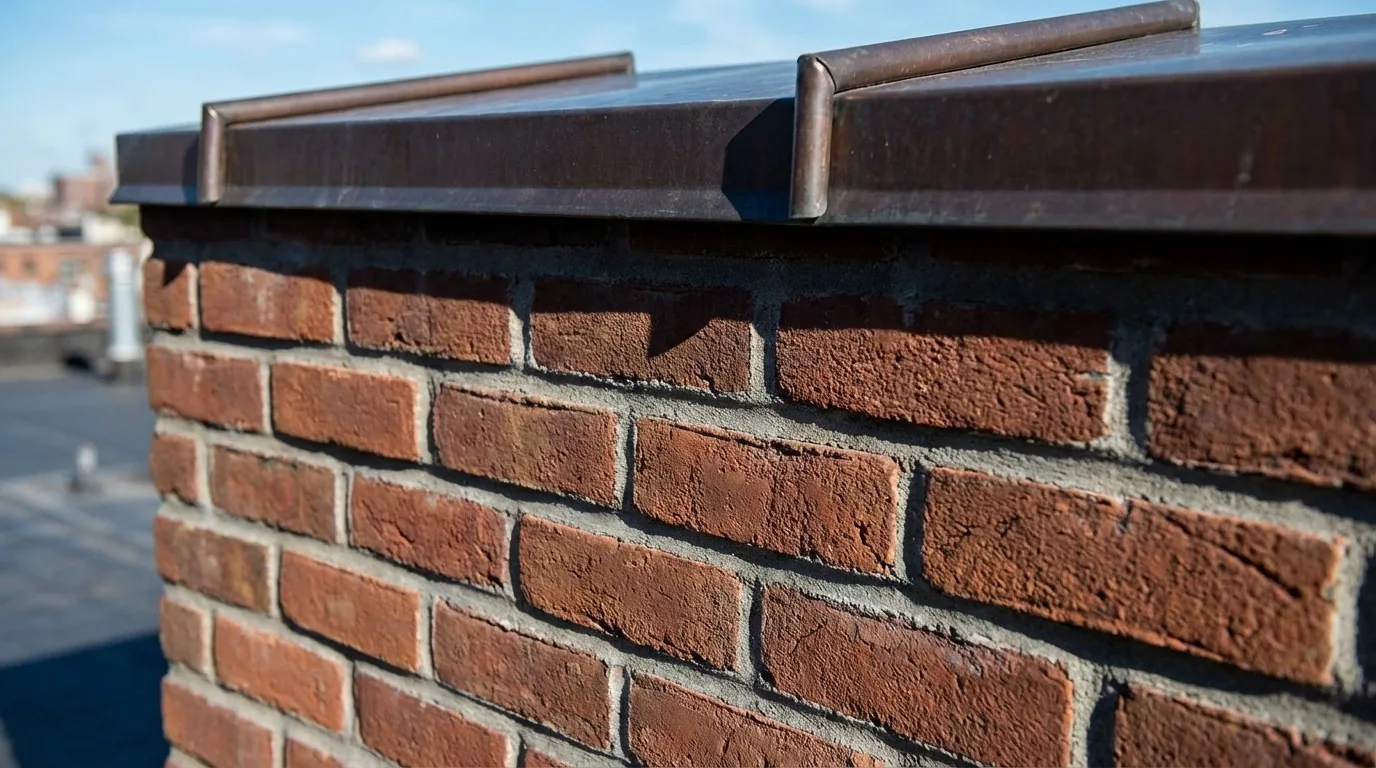
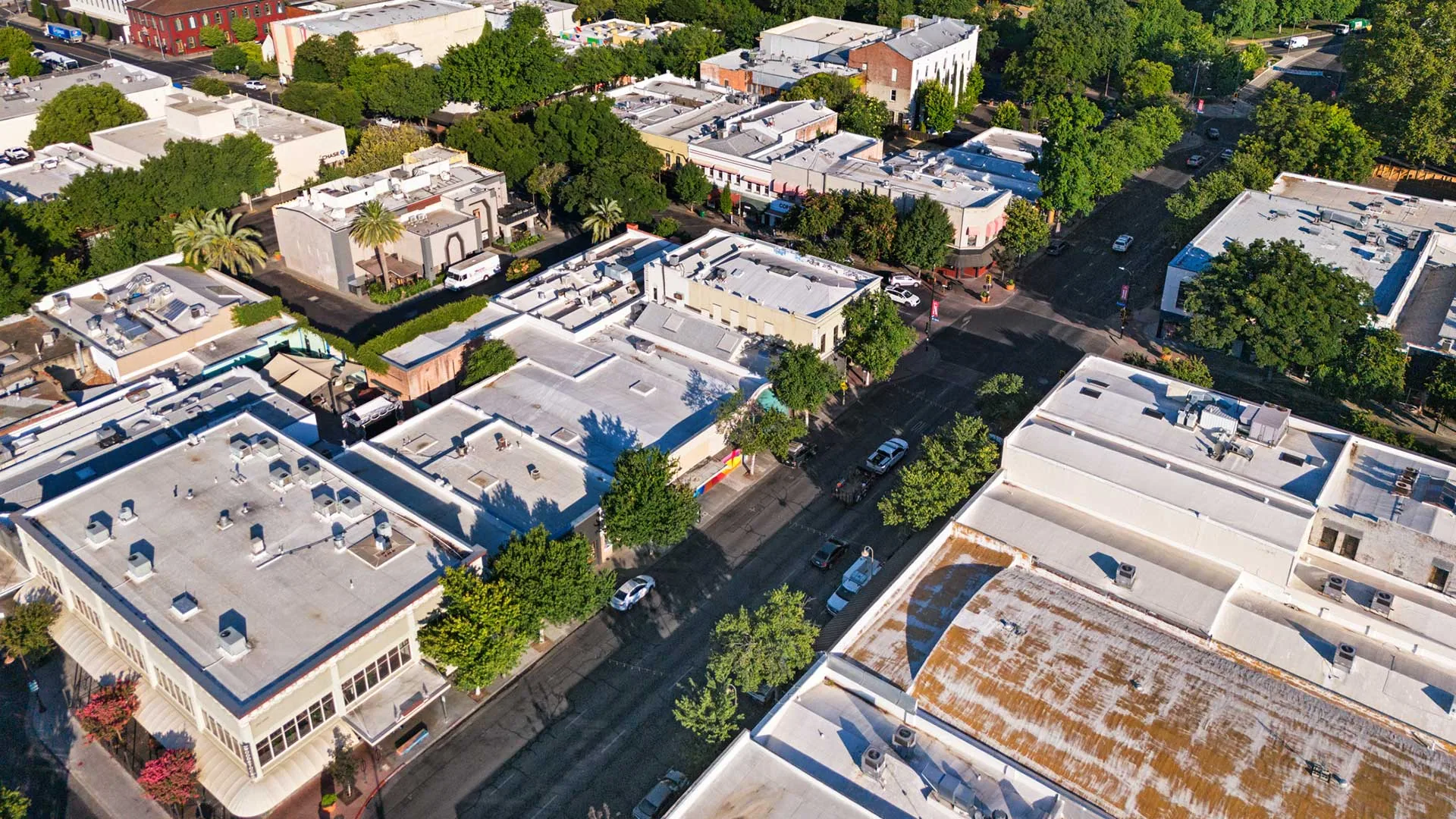
The drain and scupper review checks the path to each outlet, including overflow provisions and nearby ponding. At parapets, the coping and gutter assessment considers how runoff leaves the roof and whether the edge stays secure. North Valley Plaza District contains a collection of shopping centers, while Hegan Lane is a multi-property industrial area. Those settings can require different access plans; neither tells us the condition of an individual roof.
Read wear against exposure
At Chico University Farm, NOAA normals list 0.03 inches of rain for July and 5.12 inches for January. We look for movement at membrane seams and metal edges, then check whether the winter drainage path leaves water at a low point or weak flashing. We look for those mechanisms but do not label a material failed from age or color alone. A roof can show surface weathering and remain repairable, or appear intact while moisture has moved beneath it. The inspection notes the evidence and the consequence of leaving it unaddressed.
For an occupied building, we also note equipment clearances, access routes, and any area where a repair would affect operations. We ask for the roof plan and leak locations, then compare them with what we can see. If the suspected condition lies beneath insulation, a leak investigation may require a separate test. If field failures repeat across sections, our repair assessment can set a boundary and define where a broader evaluation begins.
Inspection notes are more useful when they separate a condition from a conclusion. We describe a seam as open only where the edge has separated, and we note whether the substrate beneath it feels secure. We mark standing water by location and explain whether the outlet or surrounding slope needs follow-up. For metal, we record loose fasteners, displaced laps, or corrosion where observed, rather than assigning a general rating to every panel. That detail lets the owner compare one visit with the next and decide which item changes the operating risk.
Turn observations into a decision
The written record includes photos, roof-area labels, observed conditions, and a prioritized next step. We distinguish immediate water-entry risks from maintenance items and longer-term capital concerns. If more than one option fits, the report identifies what additional evidence would change the choice. This is especially useful when an owner has several buildings or a handoff between facility staff. A clear finding should be traceable to a specific seam, drain, curb, or area, not a generic roof-wide statement.
We can align the condition report with a maintenance program so future walks revisit the same details. If deterioration is widespread, the owner can compare the evidence with a replacement scope. Where layers may remain, a separate recover review tests eligibility instead of assuming an overlay. The goal is to make the next roof decision with enough information to explain why it is the next one. Where the surface is confirmed as TPO, we can compare observed seam condition with the membrane system details before recommending a repair method.
Choose a useful inspection window
An inspection can be scheduled for routine maintenance, before a capital review, after a leak, or following work on rooftop equipment. Dry surfaces make some seam and flashing checks easier; a recent rain can help locate active entry, although wet access changes what is safe to inspect. We record whether conditions were dry, damp, or actively leaking so the owner understands what the visit could confirm.
For a property in the North Valley Plaza District, the roof contact may need to coordinate access around tenant and customer activity. An industrial property may have different loading or equipment restrictions. Tell us the building use, roof history, and reason for the inspection when scheduling. We can then focus the walk, bring suitable access equipment, and leave the site team with a record that supports the next repair or budget conversation.
Before we leave, we review the priority items with the site contact and identify any immediate housekeeping that can prevent a repeat visit. That may include clearing loose debris from an accessible drain, keeping a service path open, or asking another trade to correct a separate equipment issue. We record what was completed and what remains assigned to the owner or a specialist. The report then serves as a practical handoff, not just a collection of roof photographs.
Commercial Roofing Questions
What will the inspection report tell me?
It records the roof areas checked, visible conditions, photos, and a recommended next step. We separate urgent repairs from maintenance and longer-term planning, and we call out any concealed condition that needs testing before a conclusion is possible.
Can you confirm moisture without cutting the roof?
Some surface patterns can suggest moisture, but a test opening may be needed to verify the insulation and deck. We identify the question a core would answer and agree on its location before disturbing the assembly.
Should the inspection happen after rain?
A recent rain can reveal an active path, but safe access and a dry surface matter for seam preparation or certain tests. We record the conditions and can schedule a follow-up check when the first visit cannot confirm a detail.
Do you inspect rooftop equipment and drains?
Yes. We review curbs, supports, nearby penetrations, drains, and overflow paths because those interfaces can affect both water control and future service access.
What inspection timing fits a roof with recurring access limits?
We set the next visit from the roof condition, repair history, equipment activity, and the time needed to coordinate access. A property with repeated service work may need a different schedule from a quiet roof with stable drainage.
Get a roof record tied to decisions
Share the roof plan, prior leak calls, recent repairs, and the reason for the inspection. We will walk the assembly, photograph priority details, and connect each finding to a practical next step.