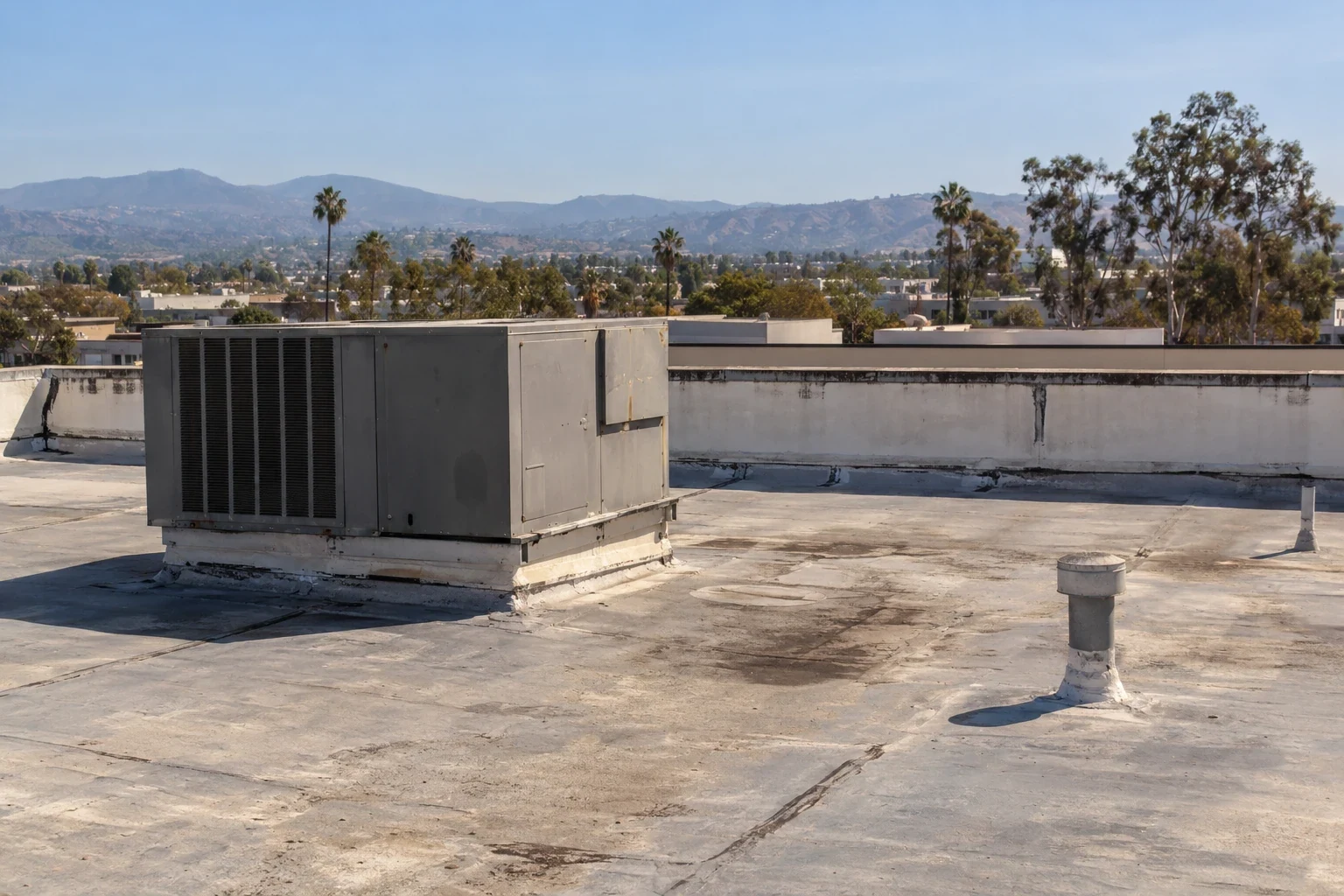
Commercial Roof Ponding Water Repair in Chico, CA
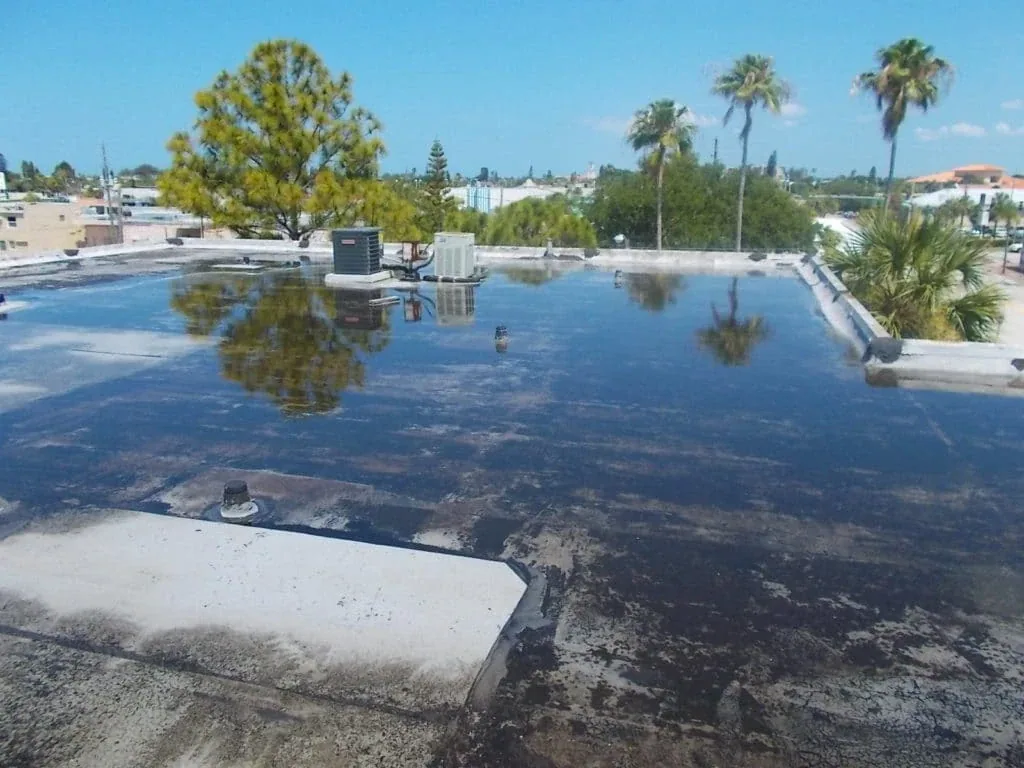
A shallow basin that holds water after nearby roof areas dry can point to a drain restriction, changed slope, deflected deck, or prior alteration. We map where water remains, how long it is present, and what sits below the area before pricing a correction. On a Chico property, winter rain puts outlets and low points to work after a long dry stretch. The inspection records the roof assembly and the path to each outlet rather than treating every wet area as the same defect.

Downtown Chico and the North Valley Plaza district have distinct planning contexts, but those land-use descriptions do not show the drainage or roof condition of a particular building. The site's slope, drain position, overflow, and interior reports do. Share a roof plan and recent leak locations before the walk. A Downtown Chico assessment begins with the actual building and its access limits.
Measure the Water Area and Its Timing
We note the approximate boundary of standing water, the depth where it can be safely observed, nearby seams, and the time since the last rain or cleaning. A photograph from one day may not distinguish a temporary wet surface from a recurring basin, so repeated observations can help. We check whether the area is near a drain bowl, parapet, rooftop unit, patched opening, or deck transition. The roof map ties those details to what the owner reported indoors.
Drainage plans can change when equipment, walk pads, penetrations, or previous repairs are added. We compare those field conditions with available roof drawings and note where an old plan no longer matches the assembly. If the water crosses a seam or flashing, we inspect that detail separately. A roof inspection can document slope clues, drainage points, and the limits of what is visible without opening the assembly. We do not assume a structural cause from surface observation alone.
Follow the Outlet and Overflow Route
At each basin, we check the drain bowl, clamping ring where accessible, strainer, nearby membrane, and the route water takes to reach the outlet. We look for debris, a separated flange, a blocked strainer, or a discharge line that does not carry water away. Scuppers and overflows matter because a primary outlet can be slow or obstructed. The report identifies whether the correction is housekeeping, a drain detail repair, or an unresolved condition needing further access.
Chico's normal rainfall is concentrated in winter, so a plan for drains and overflows should be ready before the wet season rather than assembled after the first interior report. State Route 99 connects the city's north and south commercial areas; each roof along those districts still has its own drainage layout. A drain and scupper review can distinguish a serviceable outlet from a membrane transition that needs restoration. We map the route to the discharge point and note any walkway or entrance affected below.
Separate Surface Water From Assembly Damage
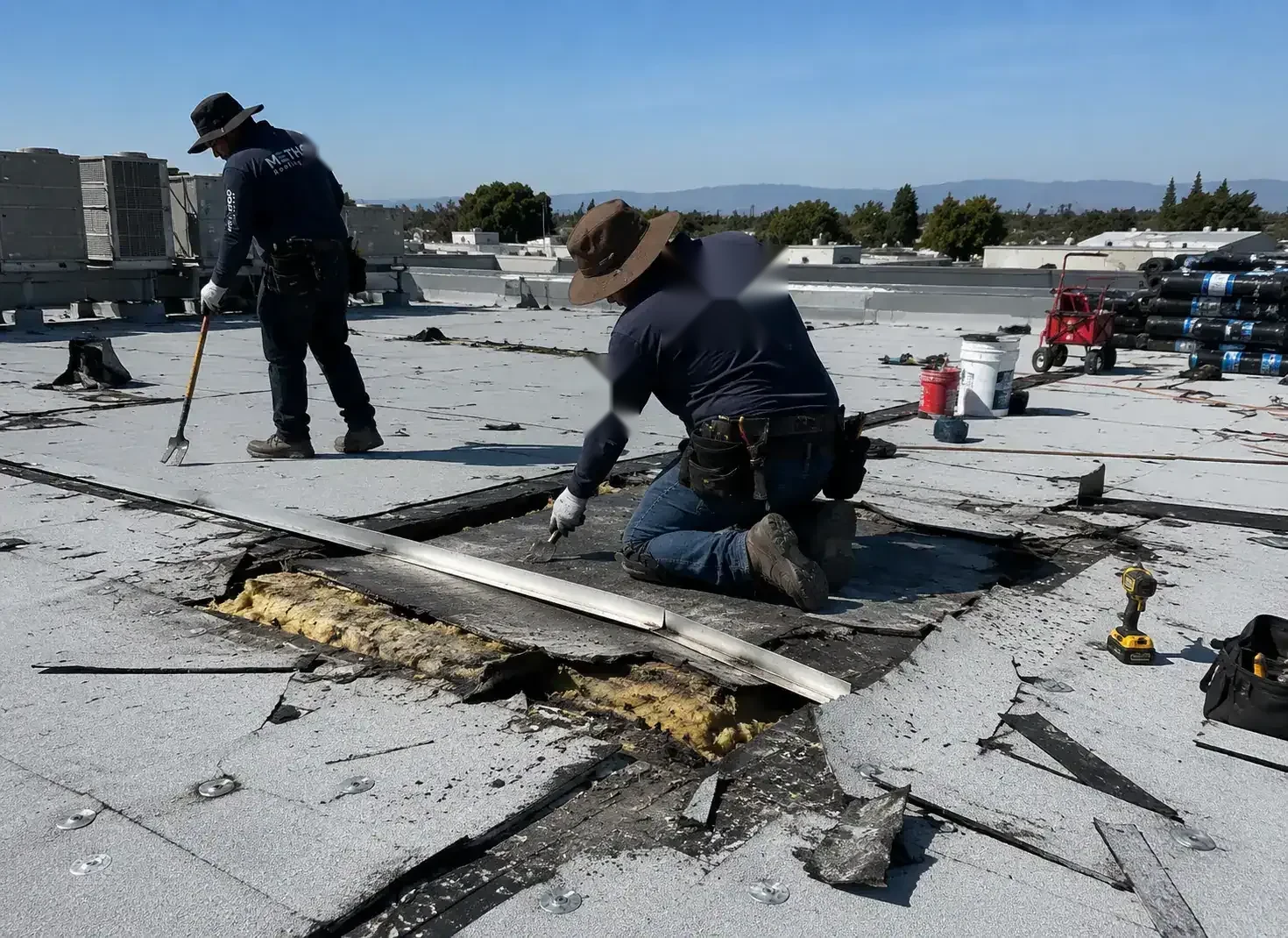
Standing water can expose a low seam, open lap, cracked flashing, or loose coating edge, but it does not prove that the entire roof has failed. We check the membrane around the basin and the adjacent curb, wall, and penetration details. If the material is confirmed as a single-ply system, we identify the seam type and preparation needed before specifying a patch. If the surface is a coating, we check adhesion, blisters, cracks, and the substrate where access permits.
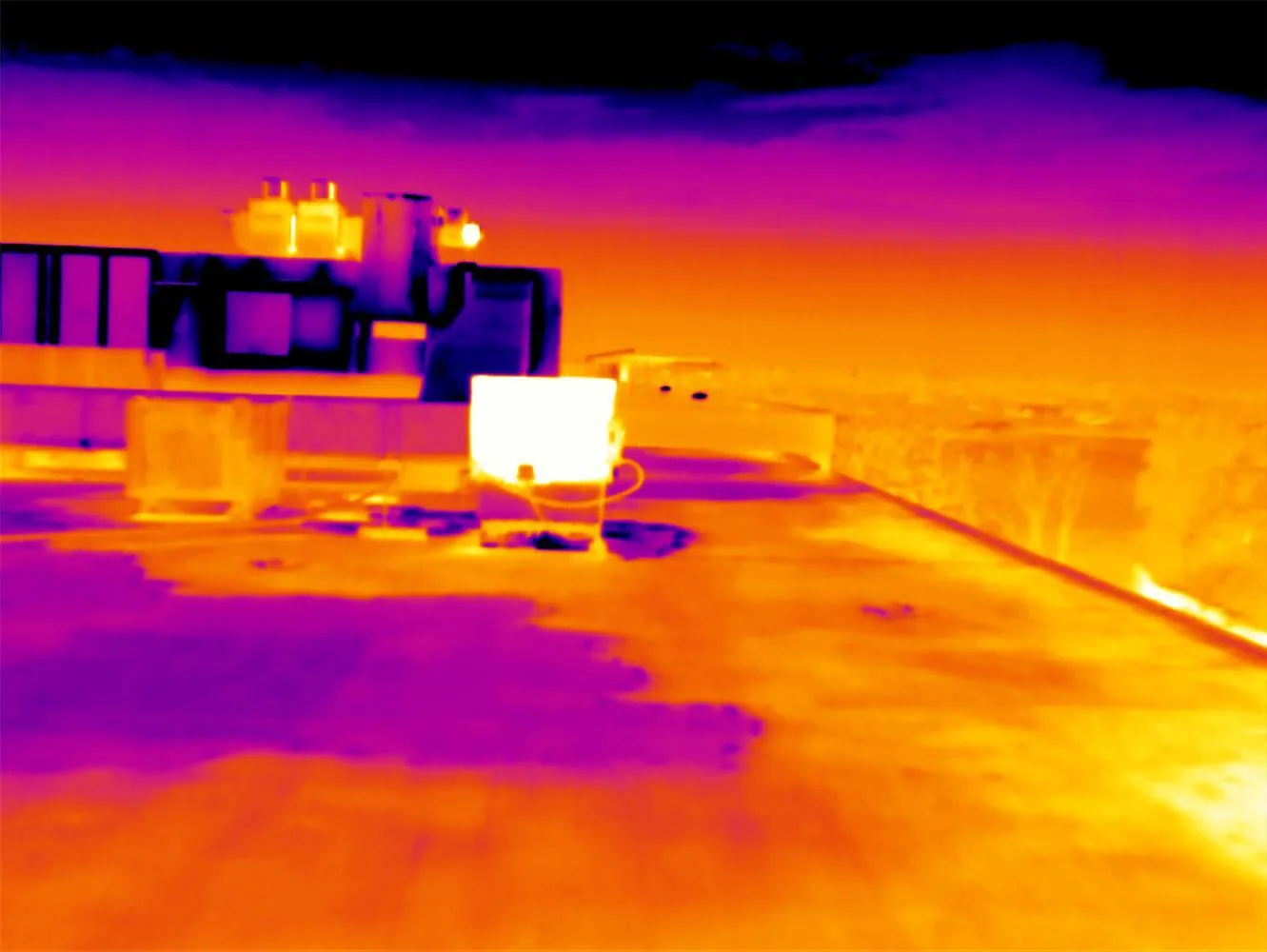
When moisture below the membrane is a concern, we explain the test that could confirm it and the area the owner would authorize us to open. A thermal or electronic survey can help focus attention, but its result must fit the assembly and field conditions. A moisture survey can narrow a testing plan. If a split seam is confirmed, a seam repair review defines a separate repair boundary. The closeout record notes what the selected test found and which areas remain untested.
Check What the Basin Affects Below
Water that remains on a roof may reach ceiling systems, stored materials, equipment, or a service corridor if a seam or transition opens. We ask the site contact where moisture appeared, when it started, and whether the report changed after drainage work. That chronology can help separate a blocked outlet from water moving through the roof assembly. If occupants or deliveries use the area below, the work plan identifies protection, temporary access changes, and who approves an interior opening.
For a building near North Valley Plaza or East 20th Street, retail loading and customer routes may influence where a lift or drain-cleaning equipment can be staged. The City identifies commercial activity in those districts, not the operations of any one property. We confirm the actual loading hours, roof access, and affected interior zone. A work sequence can keep the repair area and any temporary closure clear to staff. The roof scope remains tied to the conditions we inspect at that address.
Compare Drain Work With Roof Correction
When debris or a strainer is the cause, cleaning may restore flow, but we still inspect the drain interface and surrounding membrane. A separated drain flange, damaged clamping detail, or failed lap requires a different repair. If the roof slope or substrate contributes to repeated water retention, the proposal can separate localized correction from broader work that needs design or structural review. We identify what each option will and will not change.
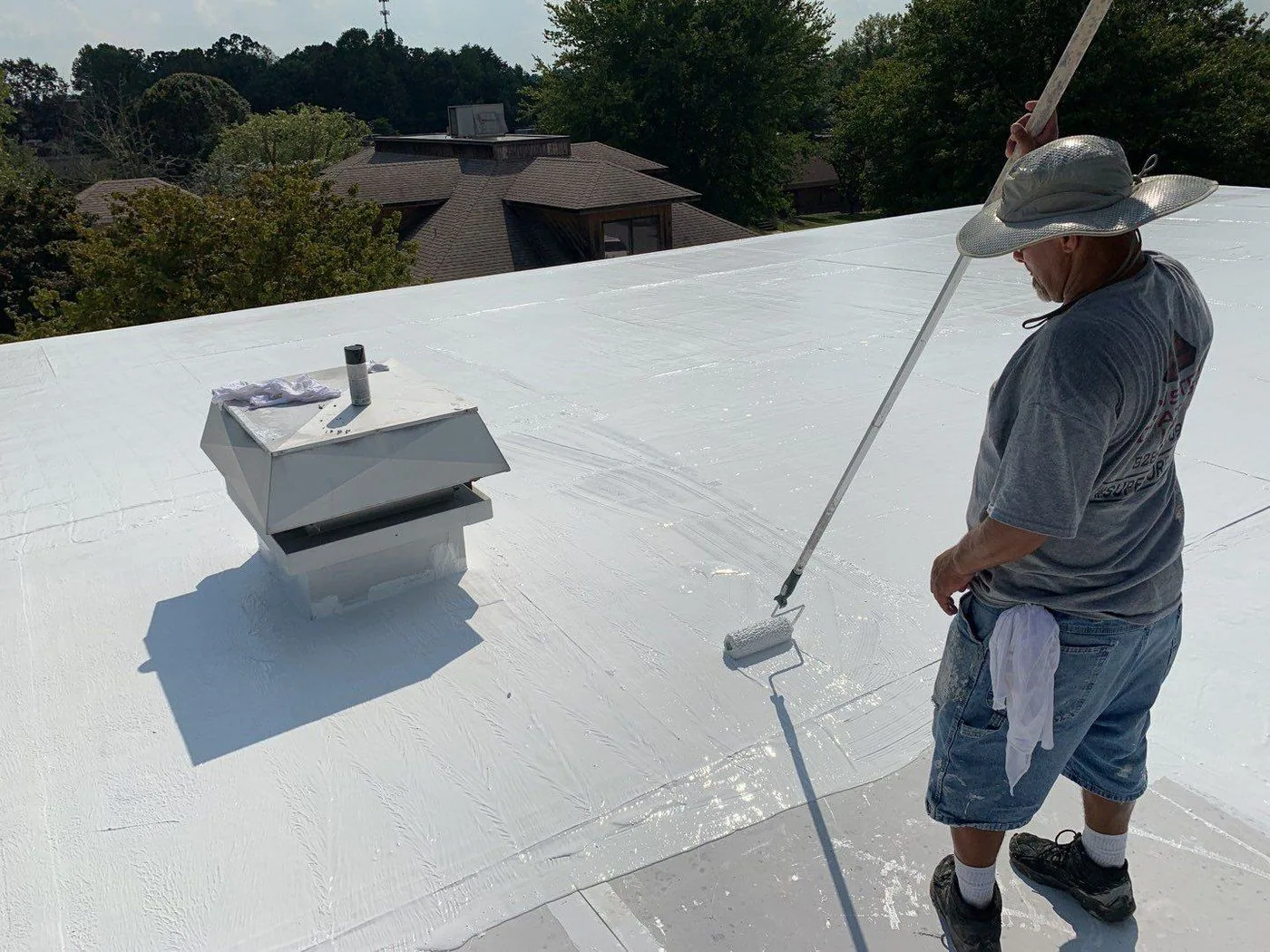
Cost and timing depend on outlet count, access, drain configuration, membrane type, removal, wet insulation, equipment, and whether an interior shutdown is required. A local patch may protect a verified seam; a broader replacement may be considered if moisture or poor drainage extends across the assembly. A repair scope can price the confirmed detail, while a coating assessment can test whether a roof surface is a suitable candidate. Both use the same mapped basin and note the needed follow-up.
Keep a Repeatable Drainage Record
At closeout, we provide the basin location, outlet checked, photographs, work completed, and any water path that remains under observation. Record whether a drain was cleaned, repaired, or left for a separate trade. If the owner schedules a later inspection after rain, use the same map label and note the weather and time since the event. A later comparison is more useful when it follows the same area and outlet rather than a roof-wide label.
Chico's planning documents identify employment and retail corridors around Hegan Lane, Meyers Street, North Valley Plaza, and East 20th Street. Those place names help locate a service call but do not establish the slope or condition on a roof. Send the building plan, repair history, drain locations, and the interior areas affected. We will identify the outlet path, separate maintenance from membrane work, and note any test that could change the recommendation. A flashing assessment can record a separate transition if water reaches a wall or curb.
Commercial Roofing Questions
How long can water remain on a commercial roof before it needs review?
The timing, depth, weather, and drainage history matter. We record the area after rain and compare it with slope, outlets, and prior reports. A recurring basin or water near an open detail deserves a closer inspection.
Will clearing a roof drain stop every ponding problem?
Cleaning can restore flow when debris is the restriction. We also check the drain connection, overflow route, surrounding membrane, and slope. A basin that remains after the outlet is clear may need a different correction.
Can ponding water cause a roof leak?
It can expose a weak seam, flashing, or drain interface, but water retention alone does not identify an entry point. We trace the interior report to the roof details and mark the evidence supporting the repair limit.
Does a ponded area require a full roof replacement?
Not by itself. We assess the roof assembly, moisture evidence, drainage, and condition of adjoining material. A bounded outlet or seam repair may suit a localized finding; broader work needs evidence that the affected area extends farther.
What should be included in a Chico drainage inspection?
Share the roof plan, drain locations, recent rain or cleaning date, and rooms where water appeared. We map the basin and outlet, photograph the surrounding details, and note whether additional testing or approval is needed.
Trace the Basin Before Water Returns
Send the roof plan, drain locations, recent leak reports, and the access contact. We will map the retained-water area, inspect the outlet and surrounding assembly, and define the correction that fits the evidence.