Split Commercial Roof Seam Repair in Chico, CA
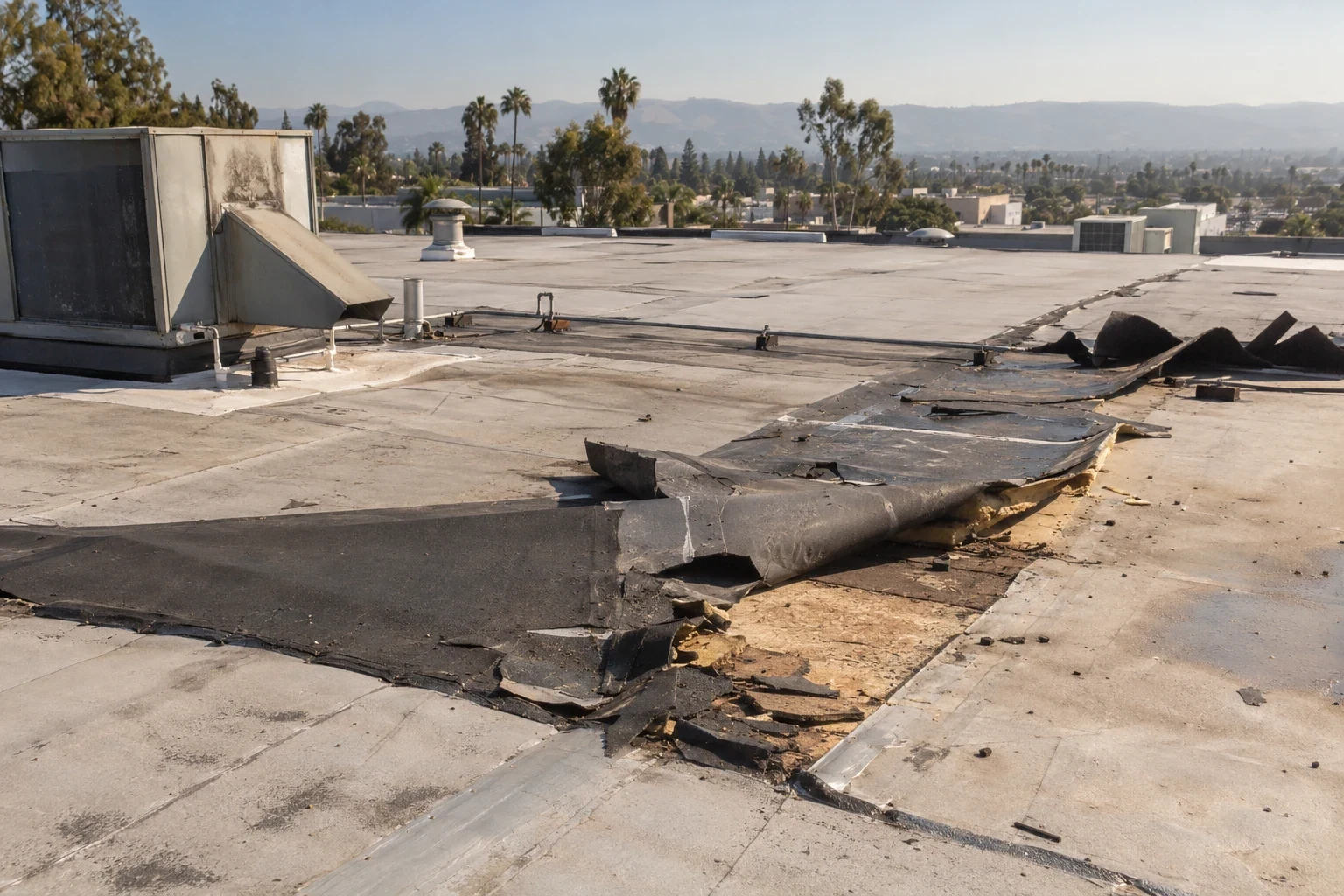
An open lap may look narrow from the roof, yet its repair depends on the membrane, seam construction, and condition on both sides. We inspect the reported split, test only where the assembly allows, and mark the length that can be tied into sound material. That gives the owner a repair boundary based on the seam itself instead of a broad patch that hides the edge without confirming the connection.

Chico's long dry summer and wetter winter season make it useful to record when the seam was observed and whether the roof was hot, damp, or recently wet. State Route 99 connects commercial areas across the city, and Skyway has its own planning context; those locations do not establish a roof system. We identify the assembly at the property before selecting a method. A Skyway roof inspection begins with the same site-specific seam review.
Find the Opening Along the Lap
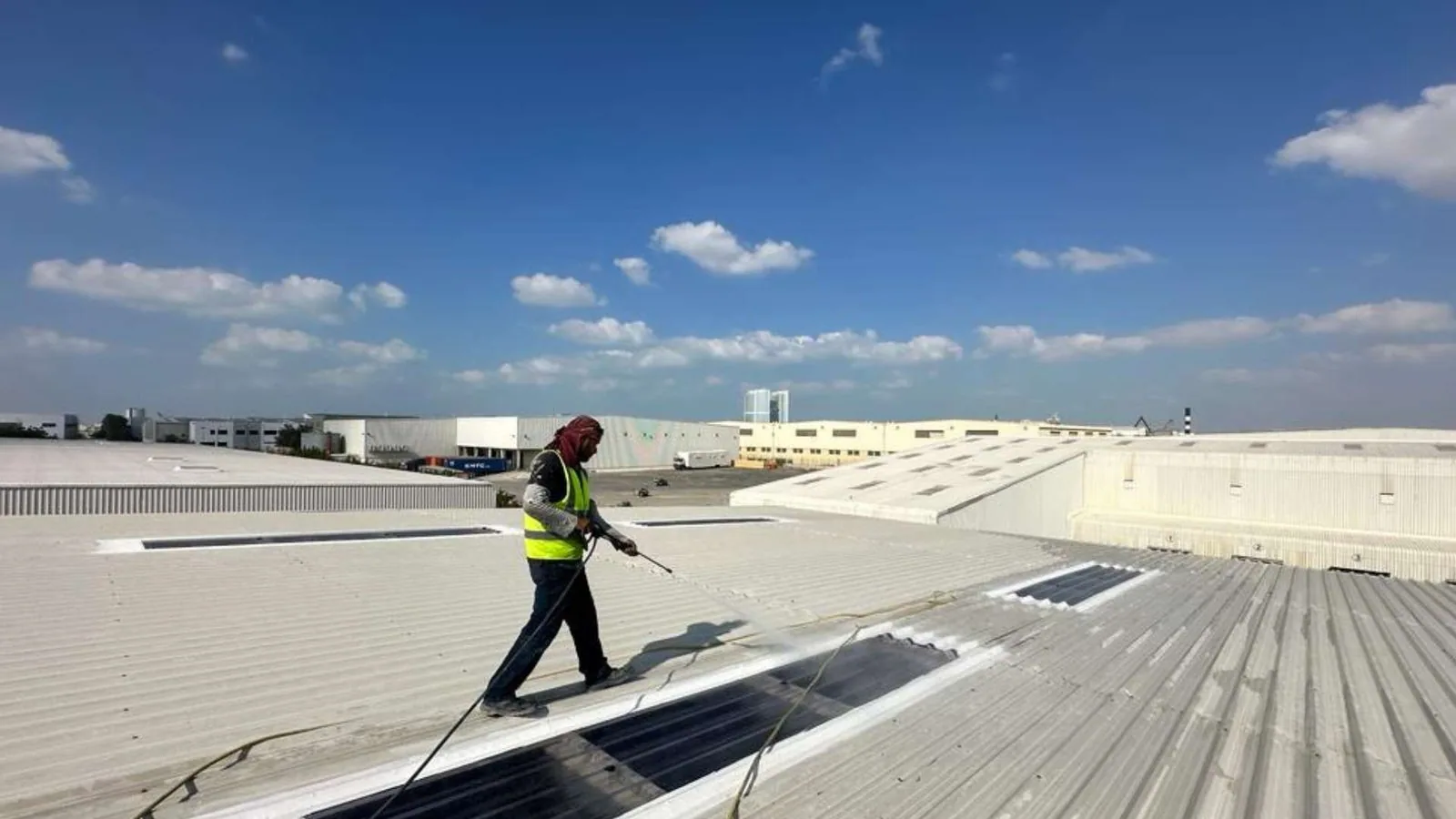
We follow the seam from the point reported toward nearby corners, patches, drains, and penetrations. The inspection checks for a split, fishmouth, wrinkle, loose edge, failed cover strip, contamination, or a section that has lost bond. A seam probe may help locate a loose edge when the surface and product permit that check. We note the tool, pressure, length, and any change in condition so the finding can be compared on a later visit.
Water inside may appear away from the seam because it can move across the membrane or below the surface. We compare the interior mark with roof slope, adjacent laps, insulation evidence, and the timing of the report. If there is more than one opening, we map them separately before treating them as a continuous failure. A leak investigation can connect a reported room to the roof zone and identify whether additional testing is useful.
Confirm the Membrane Before Repair
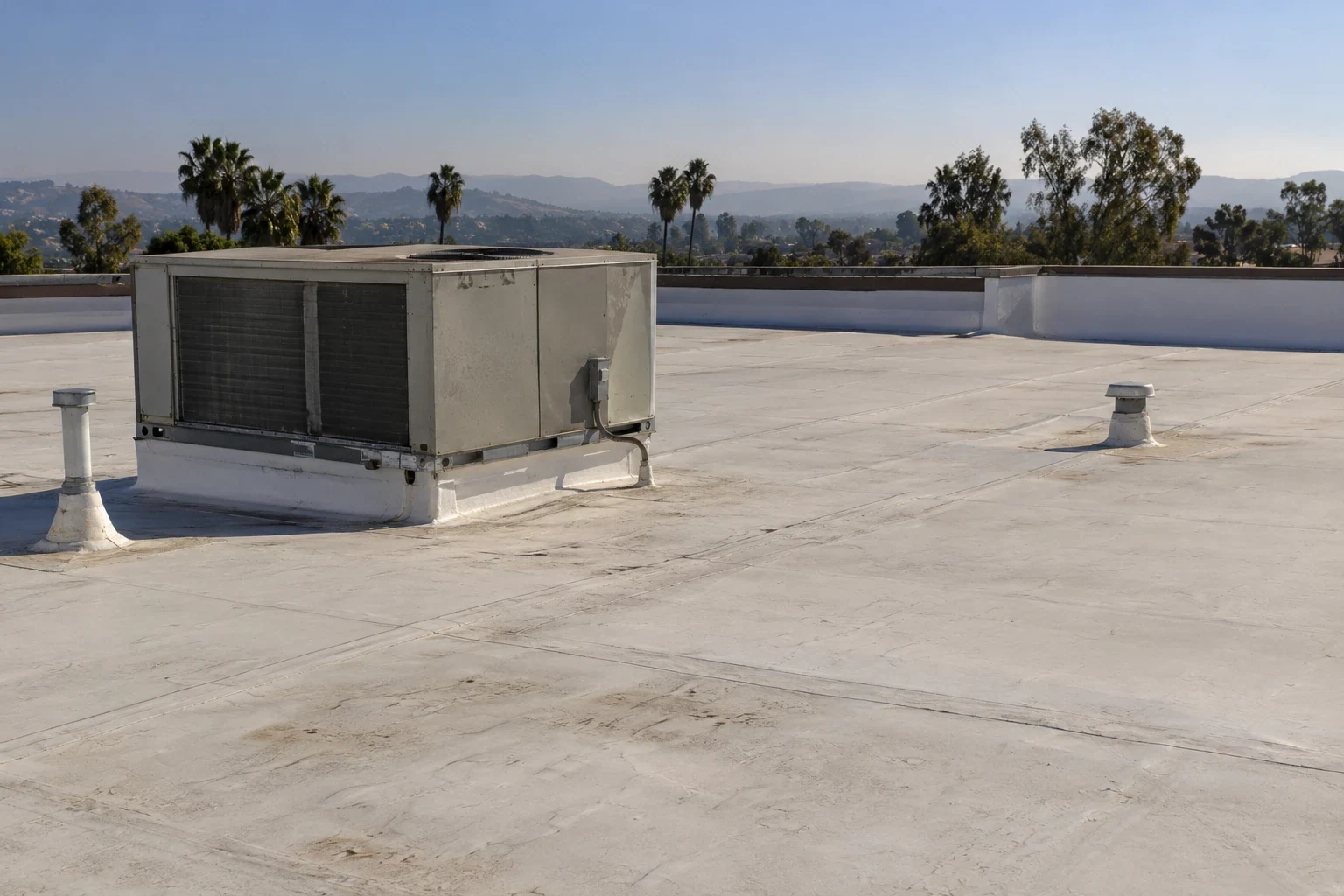
Thermoplastic, EPDM, modified bitumen, and other systems use different seam methods. We confirm the material from records and field evidence, then check whether the edge is clean, dry, and sound enough for the selected repair. A thermoplastic weld depends on surface preparation and compatible membrane; a rubber system uses a different adhesive or seam tape approach. A patch that does not suit the roof can fail beside the original opening and make the next visit harder to interpret.
Age or color alone does not identify the assembly. We inspect adjoining field, repair history, and exposed edges where access permits. If the system is TPO, a TPO seam review can confirm the preparation and weld path once the material is verified. We mark the proposed repair width and length, note transitions that need separate flashing, and identify whether an approved test opening is required to check the substrate or insulation.
Check Movement at the Roof Detail
Seams near a roof edge, curb, expansion joint, or equipment support can move differently from a long field lap. We look for tension, bridging, fasteners drawing through the membrane, and attachment changes that may have loaded the edge. If the split occurs at a transition, a field patch alone may leave the movement source in place. The scope should identify both the failed seam and any adjacent detail that must be corrected to complete the tie-in.
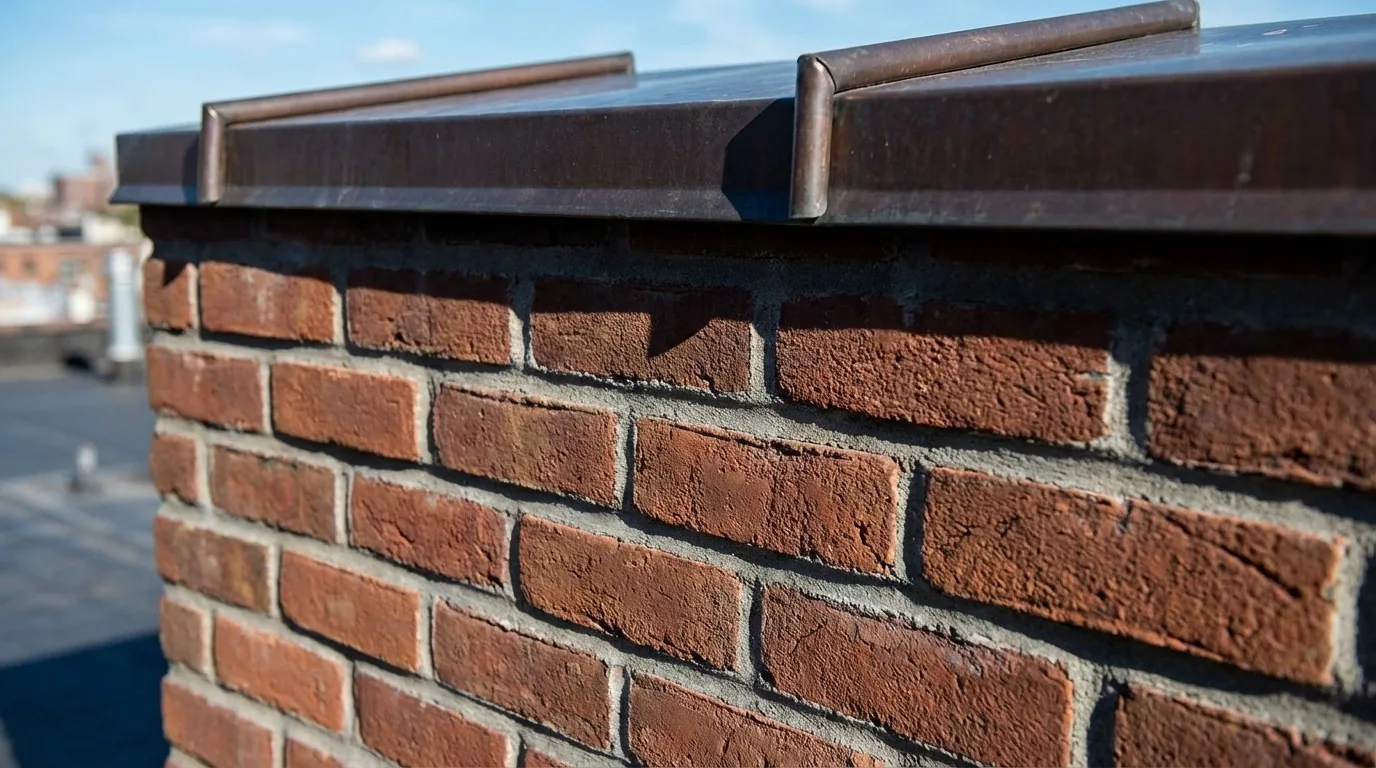
The City identifies commercial districts near East 20th Street, Skyway, and North Valley Plaza. Those planning areas include varied commercial uses, but they do not tell us how a particular roof was installed. We inspect the building's actual edge, curb, and deck interface. Where the seam meets metal, a perimeter detail review can include the termination and coping. If wind also displaced a raised edge, a wind damage check records that as a separate condition.
Test the Area Beneath the Split
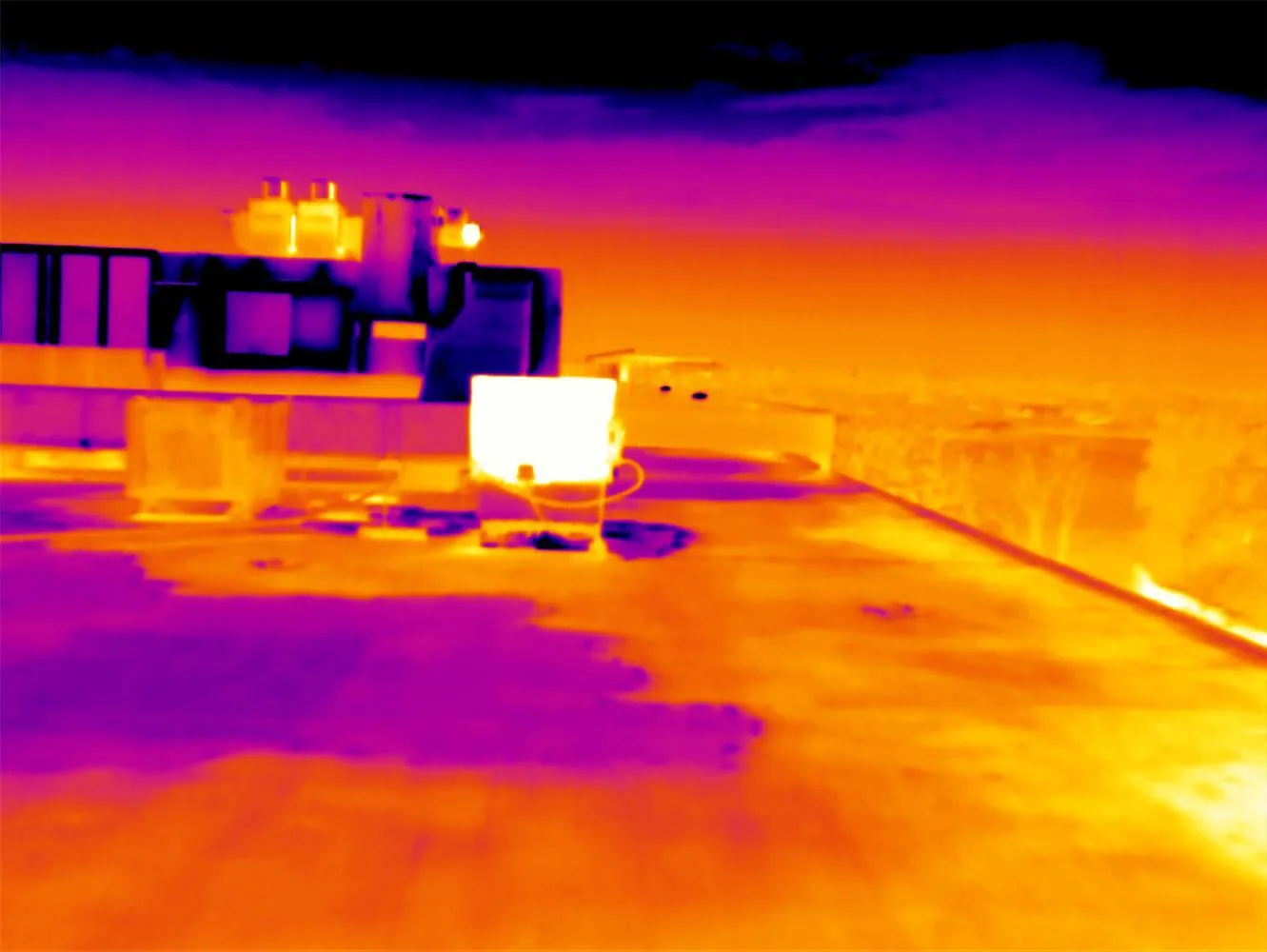
A seam opening can let water reach insulation, cover board, or the deck, but the visible split does not show how far moisture traveled. We record the area that can be examined from the surface and choose any further test with the owner. A thermal pattern may help prioritize locations; an approved core can confirm layers and moisture at a defined point. The report states where testing occurred, what it showed, and which adjacent areas were not opened.
Chico's normal precipitation is weighted toward the winter months, so a roof that has been dry through summer may show a different moisture path after rain. We note the visit conditions and compare them with past leak calls. The moisture survey can inform a limited testing plan, while a drain check looks for a separate water-control issue near the seam. Neither test replaces confirmation of the actual membrane connection.
Set the Repair Length and Work Window
The repair scope names where preparation starts and stops, what material is removed, how the edge will be rejoined, and what protection is needed below. If the seam crosses an occupied space, the building contact identifies routes that must remain open and the time available to close the roof. Hot summer surfaces and a forecast change can affect preparation, welding, adhesive handling, and dry-in time. We use current conditions and product instructions when setting the daily work sequence.
A small opening may be repaired during one shift, while wet insulation or an unstable deck can require added approval. We do not combine concealed work into a fixed patch boundary without explaining the decision point. A roof work sequence can identify a safe section size, interim protection, and the contact who receives an update. At closeout, we record whether the seam has been permanently restored or remains under temporary protection.
Keep a Seam History for the Next Inspection
Photographs should show the open edge before work, the prepared surface, the completed repair, and the adjoining details. Label the roof zone, date, seam length, material, and any test result. If the repair stops before the full lap, mark what remains and why. A later inspector can then compare the same seam and distinguish a new opening from a patch boundary that was intentionally left outside the earlier scope.
For a Chico property with repeat reports, keep the seam map beside drain, curb, and equipment records rather than summarizing everything as a single leak. Send the roof plan, prior repair notes, and interior location. We will identify the membrane, document the split, and describe the preparation and follow-up check. A commercial repair assessment can price a bounded seam correction, while a ponding-water review records a separate drainage condition if the roof map shows a low area.
Commercial Roofing Questions
Can an open seam be patched without replacing the roof?
A localized repair may fit when the membrane, attachment, and adjacent lap remain serviceable. We inspect both sides of the split and define the tie-in length. Moisture or repeated openings can change the scope.
How do you confirm the roof material before repairing a seam?
We compare available records with visible field construction and exposed edges. The repair method follows the confirmed system and product instructions, not a color or a roof age entered on an old schedule.
What does a seam probe show?
It can help locate a loose edge where the surface and system allow that check. The inspection records the tested length and pressure. It does not confirm concealed moisture or the condition of the deck.
When should insulation be opened beneath a split seam?
An opening may be useful when surface evidence, interior moisture, or a prior test suggests a concealed condition. We identify the question it will answer, mark a location, and obtain approval before disturbing the assembly.
What affects seam repair timing in Chico?
Access, surface temperature, moisture, wind, material compatibility, occupied-space limits, and the area that can be closed that day all affect the sequence. We use current site conditions and installation instructions to plan the work window.
Trace the Split Before Extending the Patch
Send the roof plan, affected room, membrane information, and prior repair photographs. We will inspect the seam, map any moisture question, and define the material and boundary for a compatible repair.