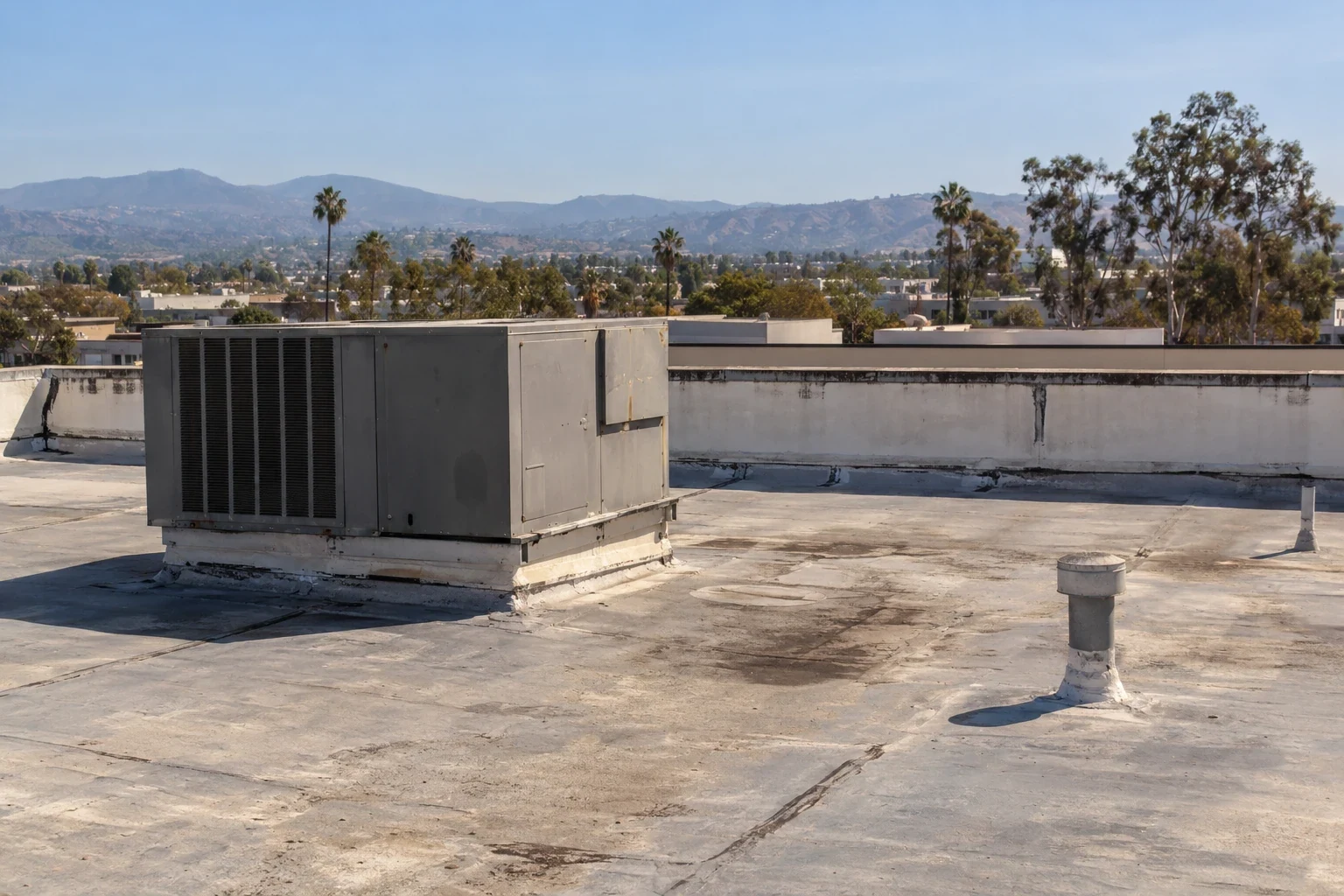
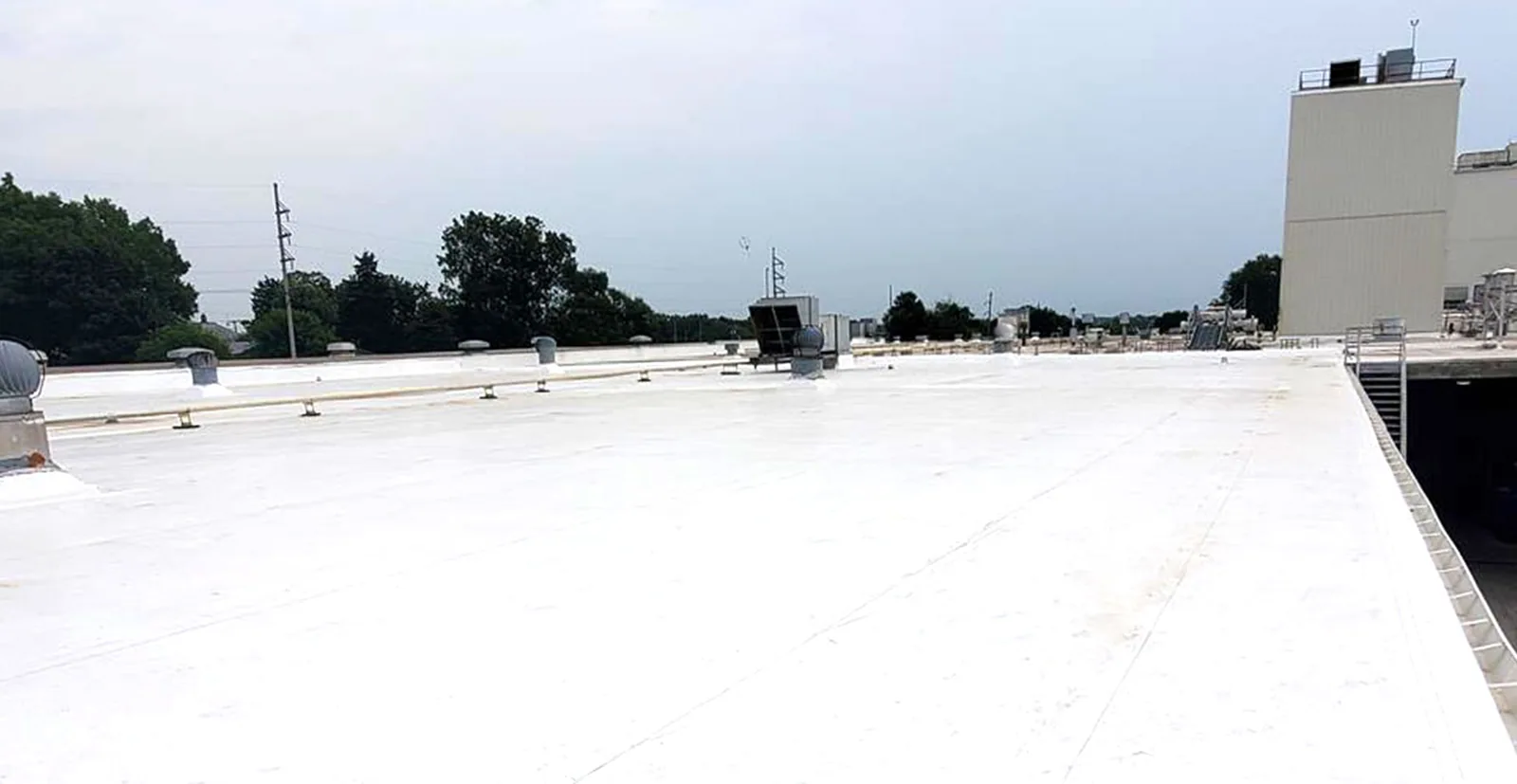
Commercial Roof Wind Damage Repair in Chico, CA
A lifted edge, loose coping, or opened seam changes how the next rain reaches the roof assembly. When a Chico property reports wind-related damage, we record the affected zone, inspect the perimeter and nearby transitions, and separate visible displacement from concealed moisture. That sequence helps the owner decide whether temporary protection is enough for the shift or a permanent repair can proceed after the surface and attachment are checked.
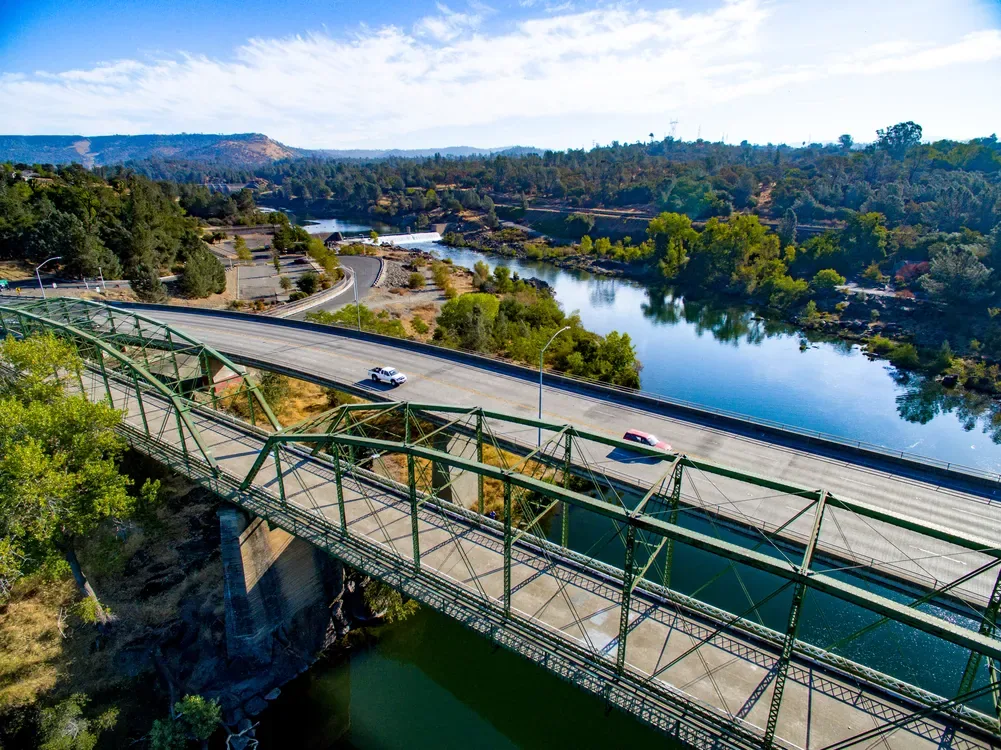
Chico's hot, dry summer and cool, wet winter pattern makes the repair window part of the scope. We check current conditions before handling membrane, sealant, or metal details. Downtown Chico and Hegan Lane have different building and access settings, but neither tells us how a particular roof is fastened. The assembly, edge detail, and site records determine the work. A Hegan Lane roof visit starts with the property and its roof evidence.
Map What Moved Before Setting a Repair Limit
Loose edge metal, a displaced coping cover, lifted membrane, separated flashing, and debris impact are different observations. We photograph each location from the roof field and the perimeter, then mark it on a plan. If the reported leak appeared inside, its timing and room location help us trace water toward seams, penetrations, or a wall transition. The stain does not define the repair boundary by itself. The roof detail and the path of moisture do.
We also look for conditions that may have preceded the report, such as an older patch, open fastener, or sealant joint that has lost contact. A damaged accessory can expose a broader assembly, so the inspection records the adjacent surface and any attachment that can be checked without disturbing sound material. An inspection record can distinguish a bounded condition from a question that needs a test opening. The work order can name the area, material, and approval point before the repair starts.
Check the Membrane, Fasteners, and Transitions
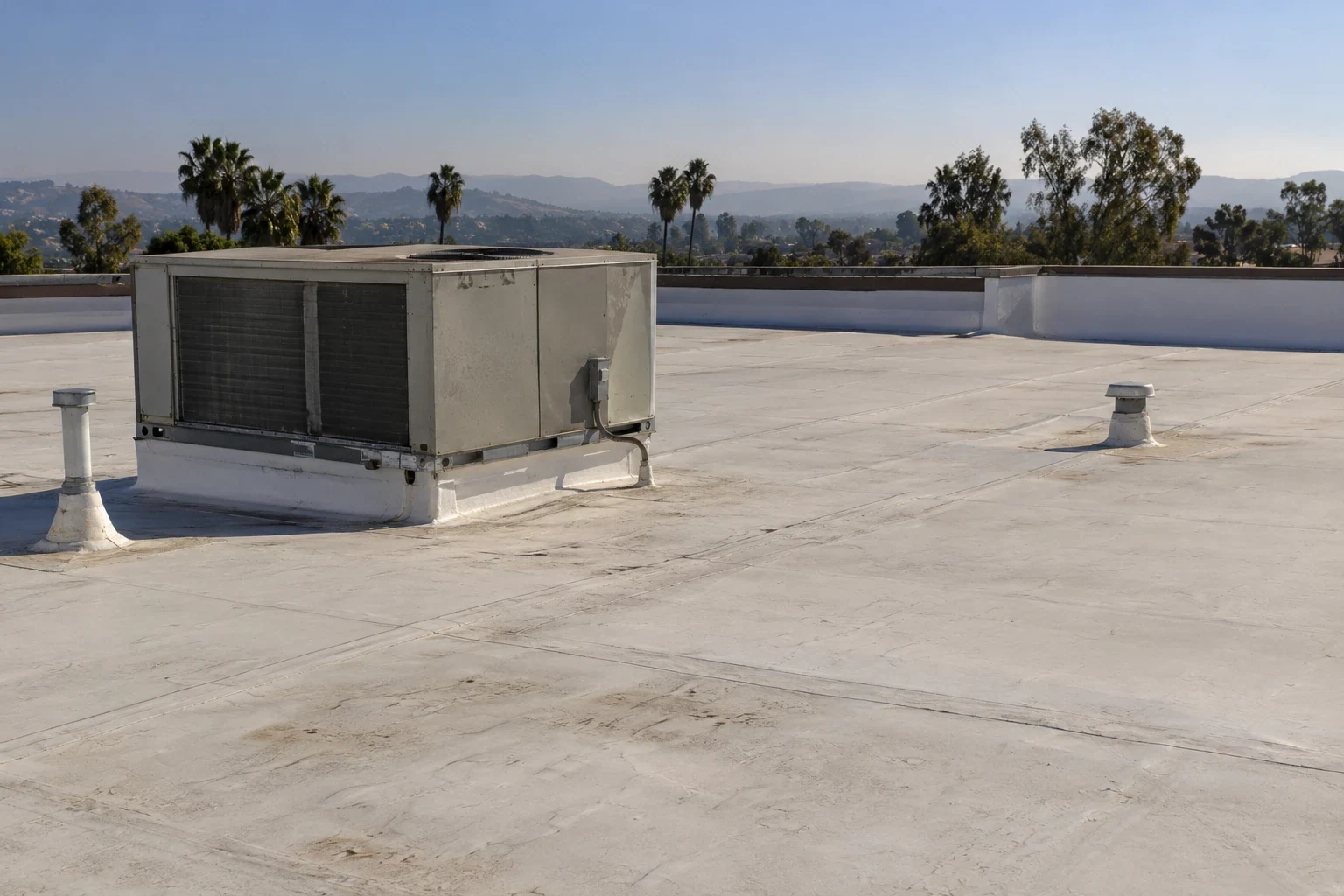
Wind pressure acts differently at roof edges, corners, field seams, and changes in height. We check the membrane termination, perimeter attachment, cover strip, parapet coping, and nearby curb flashings for separation or movement. On a mechanically attached system, the fastener pattern and plate condition matter. On an adhered assembly, we look for a lifted area and identify whether the bond line can be assessed from the surface. We confirm the roof type from records and visible construction instead of guessing from color.
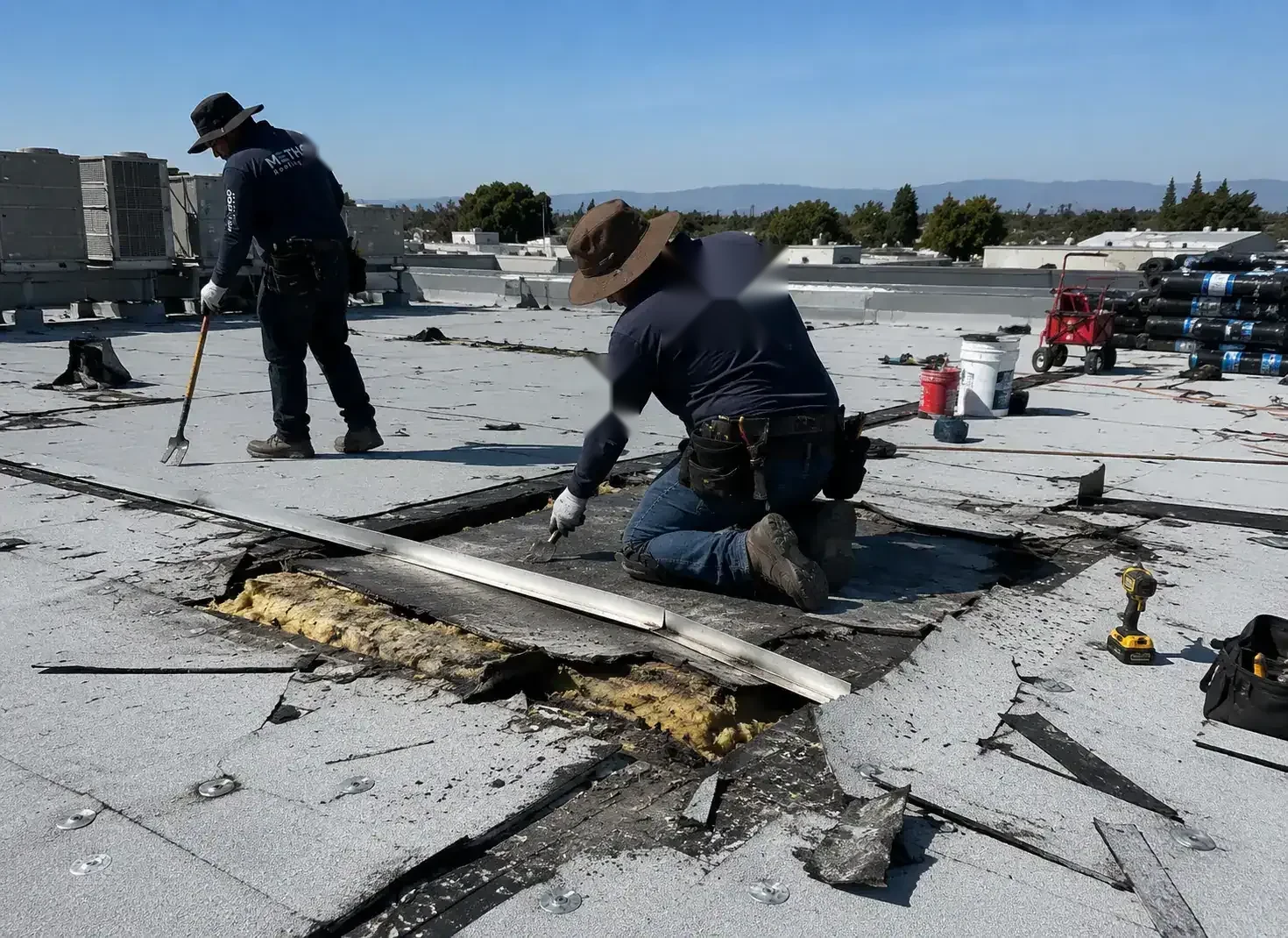
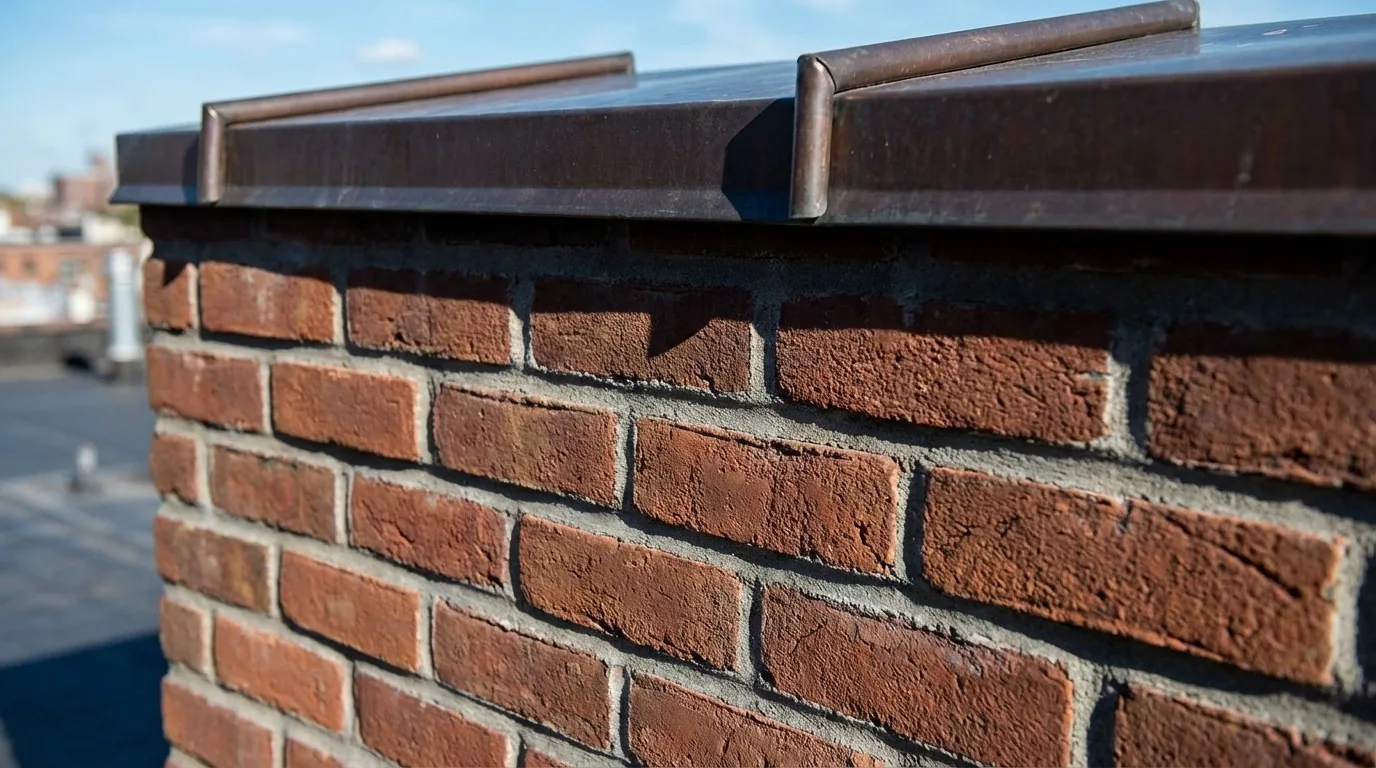
A repair method must suit the material and condition. A thermoplastic seam may call for surface preparation and a compatible weld, while a metal edge may require securement and a properly lapped flashing. A TPO seam review applies only after the assembly is identified. If the perimeter metal has shifted, a coping and edge review can define what must be reset and where the membrane tie-in ends. We record any concealed attachment that needs owner authorization to expose.
Trace Wind Exposure Across the Roof Edge
At a corner, the inspection follows the edge in both directions rather than stopping at the first loose piece. We check adjoining laps, cleats, fasteners, terminations, and the condition of the substrate that holds them. A short displaced section may connect to a longer run of loose metal. If the surface remains secure, the repair may stay local; if attachment has failed across multiple sections, the estimate should show the measured boundary and the detail that supports it.
Access is part of the work. A lift, hatch, parapet, loading zone, or tenant route can affect where materials arrive and how the crew protects the roof during repair. In the North Valley Plaza district, retail and service uses create site-specific customer and delivery considerations; the district does not imply that a particular property is affected. The property contact sets access limits. A phased work plan can identify the open-roof window, daily closeout, and area that stays clear while edge work is underway.
Look for Water Beneath the Displaced Detail
After an edge or seam opens, water can move across the membrane, beneath insulation, or along the deck before appearing indoors. We compare the interior report with roof slope, drains, wall turns, equipment curbs, and prior repairs. If insulation may be wet, we identify the method and location that could confirm it. A thermal pattern or meter reading can help choose a test area, but the report states the limits of that observation and whether a controlled opening is needed.
Chico receives most of its normal precipitation during the cooler part of the year, so a repair scheduled before a wetter period should include a dependable temporary closeout if conditions change. We do not leave an exposed boundary without identifying who checks it and what materials will protect it. A damage record can organize dated photographs, mapped findings, and prior maintenance records for the owner's file. Where water remains between storms, a ponding-water assessment can compare the low area with drainage and slope. The record describes observed roof conditions without deciding insurance coverage.
Compare a Localized Repair With Wider Work
A local repair may fit when the displaced section is limited, the surrounding material remains serviceable, and the attachment can be restored. A wider replacement area may be appropriate if movement, moisture, or failed fasteners extend beyond the first visible opening. Full renewal should be compared only when inspection supports a broader assembly problem. We map each option to the same roof plan and list the test or approval that could move the boundary.
Timing and cost depend on height, access, edge length, metal fabrication, membrane type, removal, wet insulation, interior protection, and the hours available to close the roof. A storm response may include temporary protection and a later permanent detail, each listed separately. A commercial repair assessment can price the confirmed area; if the assembly needs more than a bounded fix, a replacement review compares the wider scope. We explain which materials and transitions remain outside each option.
Keep the Repair Traceable After Closeout
The closeout record should show the roof zone, detail repaired, materials used, photographs before and after, and any area that was not accessible. If temporary material remains, mark its location and the next inspection point. If a separate trade must reset equipment or restore a curb, identify that handoff and the waterproofing step that follows it. The owner can distinguish a completed permanent repair from protection that still needs attention.
For a Chico roof with repeated edge or seam reports, retain the plan with the date, interior location, weather note, prior repair, and test result. A later visit can compare the same zone without treating a new report as the old defect. Share the roof plan, access contact, event timeline, and earlier work orders. We will photograph the displaced detail, trace the water path, and return a repair limit tied to the assembly. A seam condition review can document a separate opening when the roof map shows more than one failure point.
Commercial Roofing Questions
What should be checked after wind lifts a roof edge?
Start at the reported corner or edge, then inspect adjoining laps, cleats, fasteners, membrane termination, and nearby wall or curb flashing. We mark the measured area and note whether attachment or substrate testing requires an approved opening.
Can loose coping be repaired without replacing the roof?
A localized reset may work when the coping, cleats, substrate, and adjacent membrane are serviceable. We inspect the run beyond the loose section and price the connection detail so metal and membrane finish as one water-shedding transition.
How is hidden moisture handled after an edge opens?
The report identifies where moisture is suspected and which test could confirm it. A meter or thermal survey can narrow the area, while an approved opening may be needed to verify insulation and deck conditions before setting a removal boundary.
Will a wind-related roof repair resolve an insurance claim?
The roofing scope documents observed conditions and completed work. The policy and insurer determine coverage. We can provide dated photographs, mapped findings, temporary-protection records, and a repair description for the owner's file.
What information helps plan an urgent Chico roof visit?
Send the property location, affected interior area, roof plan, access contact, photographs, and the time the condition was first noticed. Include prior repairs or equipment work so we can check those interfaces while tracing the water path.
Document the Displaced Roof Detail
Share the roof plan, affected area, access contact, and earlier repair records. We will inspect the edge and adjoining assembly, photograph the condition, and define the temporary or permanent repair boundary.