Commercial Roof Asset Management in Chico, CA
A roof asset list is useful only when it helps someone make the next decision. We document each roof area, installed system where known, visible condition, repair history, access limits, and open questions in a format a facility team can update. The goal is to connect observations to an action, whether that means scheduling a repair, checking a warranty record, planning a test opening, or carrying a replacement allowance into a future budget.

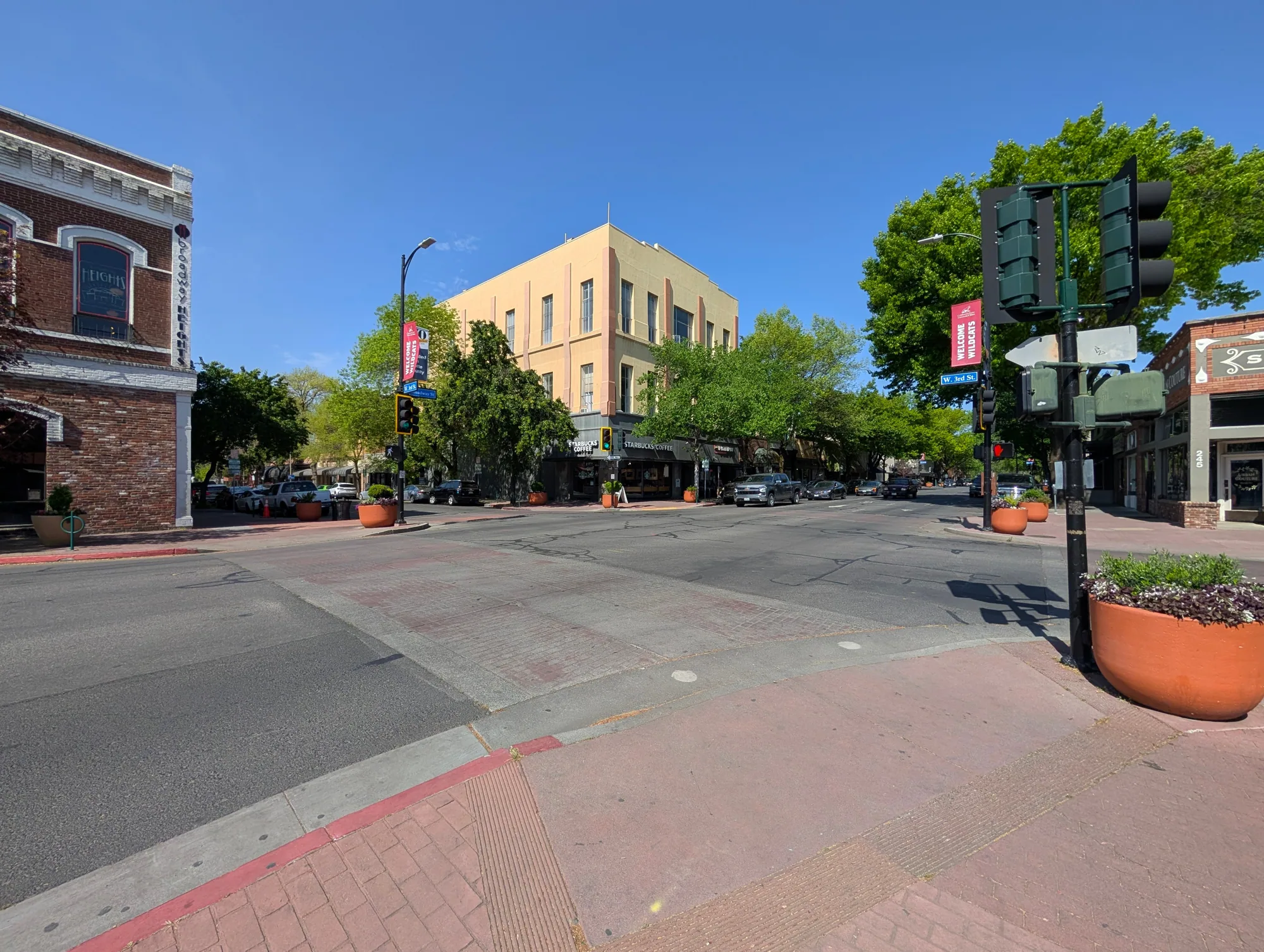
For a Chico portfolio, roof records should distinguish a single property from neighboring commercial areas such as Downtown Chico and the employment districts near Hegan Lane. A location label alone does not describe construction or condition. We use the roof plan and site records to identify the actual building and areas, then retain the date and basis for each observation. A Hegan Lane industrial-area assessment can be one entry in a broader register, while a roof inspection supplies field observations for the individual asset.
Build an Inventory That Matches the Property
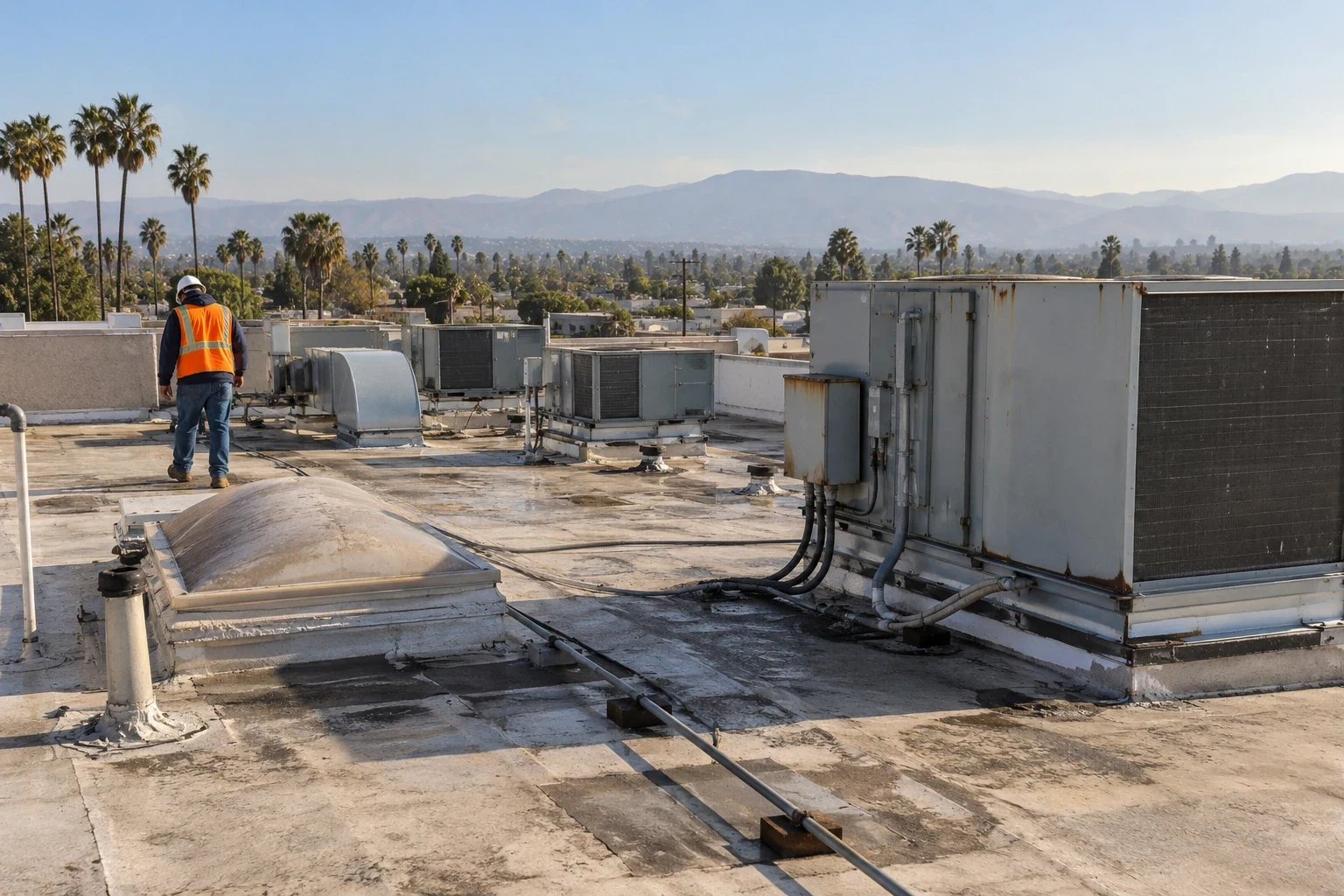
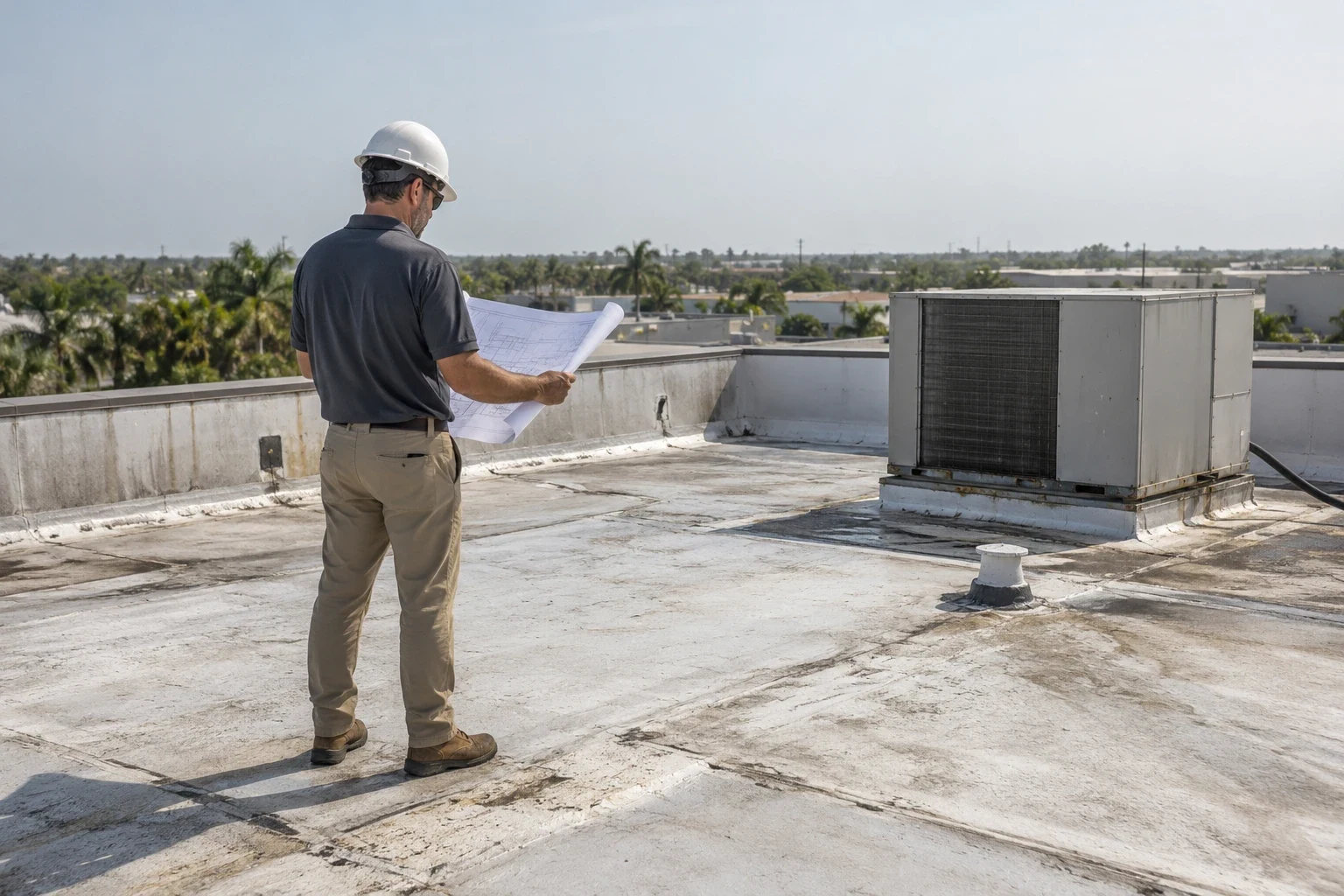
We begin with the owner's property list, roof plans, available closeout files, and prior work orders. Each roof area receives a consistent identifier tied to a building or plan reference. Where a site has additions, low roofs, canopies, or separate systems, those areas should not be collapsed into one total. A field review confirms which surfaces are accessible and notes where the record does not match what can be observed.
The inventory can capture approximate area when a reliable plan supports it, system type and installation date when documented, warranty information, drainage and edge details, and current operating restrictions. Unknown fields stay marked unknown until verified. This avoids turning a planning estimate into a measurement or treating a general roof age as a confirmed product detail. Condition reports provide dated evidence for updates to the register.
Keep Findings and Repairs in One Timeline
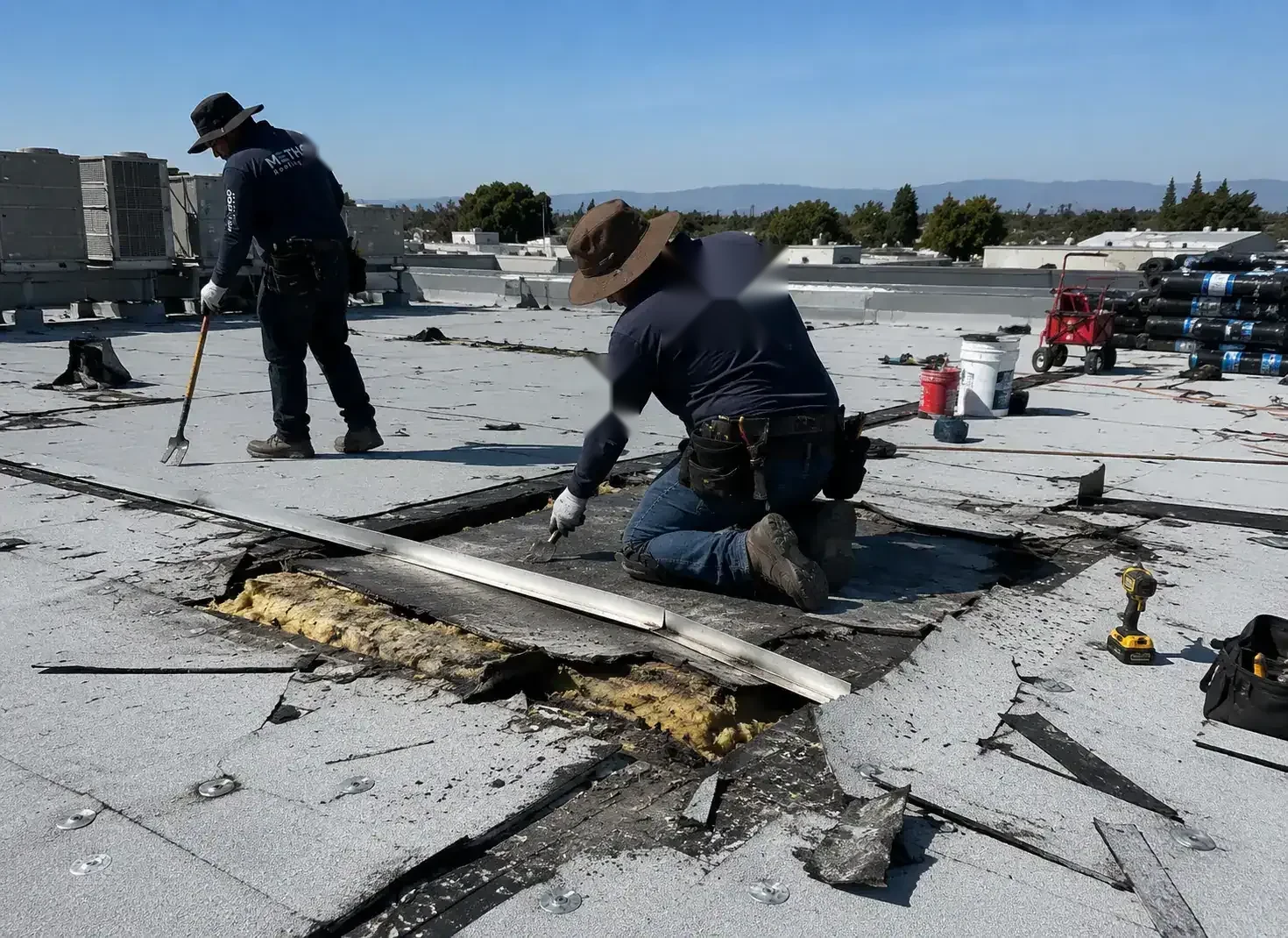
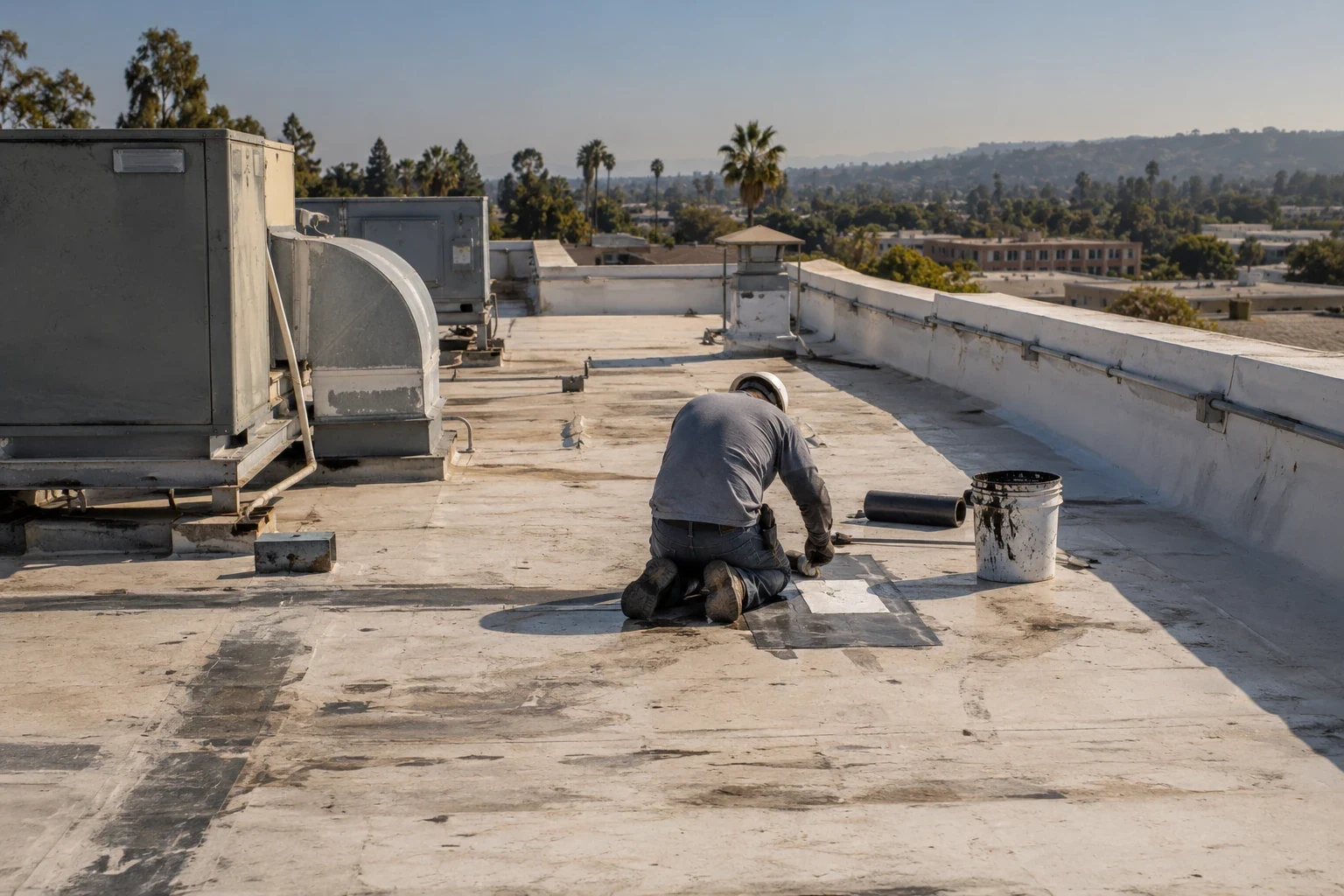
A roof's condition changes with weather, access, maintenance, and repair work. We preserve dated inspection observations and link them to the affected roof-plan area, not just the street address. A repair entry should state what was opened or patched, which material was used when known, what follow-up was recommended, and any area that was not inspected. Photos should include both a useful overview and a close view of the detail.
Separate events make repeat patterns easier to see. A drain correction, seam repair, and puncture should remain distinct records even if each appeared during one visit. If a later inspection cannot reach a section, that limitation belongs in the record rather than being carried forward as a current condition. A seam assessment or puncture repair record can connect field work with the asset timeline.
Rank Work by Evidence and Consequence
Prioritization starts with observed condition and the consequence of leaving it unresolved. We can flag active water entry, an exposed opening, a failed transition, recurring maintenance, or a section that needs testing. The owner can add occupancy, equipment sensitivity, business continuity, access restrictions, and available capital. That creates a reviewable sequence without assigning a false precision score to a roof that has not been fully inspected.
We distinguish immediate protection from a planned repair and a longer-term capital project. Each item includes its basis, the next verification step, and what could change the recommendation. A roof with an uncertain system may need document review before pricing; a wet-area question may require testing before a replacement boundary can be drawn. Roof capital planning converts those findings into options the owner can compare across budget periods.
Set an Inspection Rhythm the Team Can Maintain
Inspection timing should reflect the roof's documented condition, drainage, exposure, repair history, and operating needs. A calendar reminder is a starting point, not proof that a review occurred. We set a due date, identify the areas to revisit, and carry forward prior open items so each visit checks whether the condition changed. After high-wind or heavy-rain reports, a targeted review can be more useful than waiting for the next routine date.
Chico's seasonal shift between dry heat and winter rain can inform scheduling, but current roof conditions and the owner's use determine the actual scope. We record the observation date, weather context when relevant, and accessible areas. A preventive maintenance visit can handle debris and visible drainage items, while an inspection documents the broader condition question and its limits.
Make Records Easy to Transfer and Review
Useful records should be retrievable by property, roof area, date, and work type. We organize the owner's plan references, inspection reports, invoices, repair photographs, product details, and warranty correspondence so a new facility manager can understand what was done. The register should distinguish original construction files from later field observations. When a source is missing or a product cannot be confirmed, that gap remains visible.
Warranty administration depends on the actual document, covered assembly, owner responsibilities, and any required notices. We record known deadlines and open items but do not imply that a roof condition is covered before the applicable terms are reviewed. A warranty record review can keep the relevant documents and maintenance history together. The owner retains control of notices, approvals, and any contact with the manufacturer.
If the portfolio changes hands, note the date of transfer and who supplied each file. That small distinction helps the next reviewer tell a contemporaneous inspection from an older document carried into the folder.
Turn the Register Into a Working Review
A portfolio review brings the inventory, condition timeline, open questions, and proposed next steps into one discussion. We can group items by property, system, timing, or operational priority while keeping each repair boundary tied to its roof location. Planning documents identify commercial and employment areas around Chico, but they do not establish how much roof area exists or what condition a particular asset is in. Field observations and owner records remain the basis for decisions.
For owners with properties in Chico and elsewhere in Butte County, a consistent record format makes it easier to compare requests without assuming each market has the same weather exposure or building use. We prepare a dated register, identify missing documentation, and list decisions the owner can make now versus items needing further investigation. The file can be updated after each approved visit, leaving a clear sequence for maintenance and capital review.
Commercial Roofing Questions
What belongs in a commercial roof asset register?
A useful register identifies each roof area, system and date when documented, condition observations, repair history, access limits, warranty records, and open questions. It should link Diligence Notes and photographs to a plan reference and keep unverified details labeled as unknown.
Can you manage roof records for several Chico properties?
Yes. We can use one consistent format across multiple properties while keeping each building, roof area, and work history separate. The owner supplies the portfolio list and records, and field reviews confirm what can be observed at each site.
How often should the asset list be updated?
Update it after inspections, repairs, significant weather reports, changes in occupancy or access, and warranty correspondence. A scheduled review can identify stale records, but a date alone does not confirm that a roof area was inspected.
Does asset management include repair work?
The register and review organize information and next steps. Repair work is separately scoped and authorized, with its own location, material, boundary, and closeout record. That separation keeps planning data distinct from completed work.
Can an asset register predict replacement timing?
It can support a planning range when condition, system, maintenance, and owner priorities are documented. It does not establish an exact remaining service life. Further inspection or testing may be needed before a replacement boundary or budget is set.
Create a Clear Record for Each Roof Area
Share the property list, roof plans, reports, work orders, and available warranty files. We will identify each roof area, organize dated findings, and outline the next decisions for your Chico portfolio.