Commercial Roof Membrane Puncture Repair in Chico, CA
A puncture can admit water, but the ceiling mark may not sit directly below the opening. We identify the roof assembly, map the reported area, and inspect nearby seams, edges, drains, and prior patches before choosing a repair. That keeps the work tied to sound material and gives the owner a boundary to review after completion.

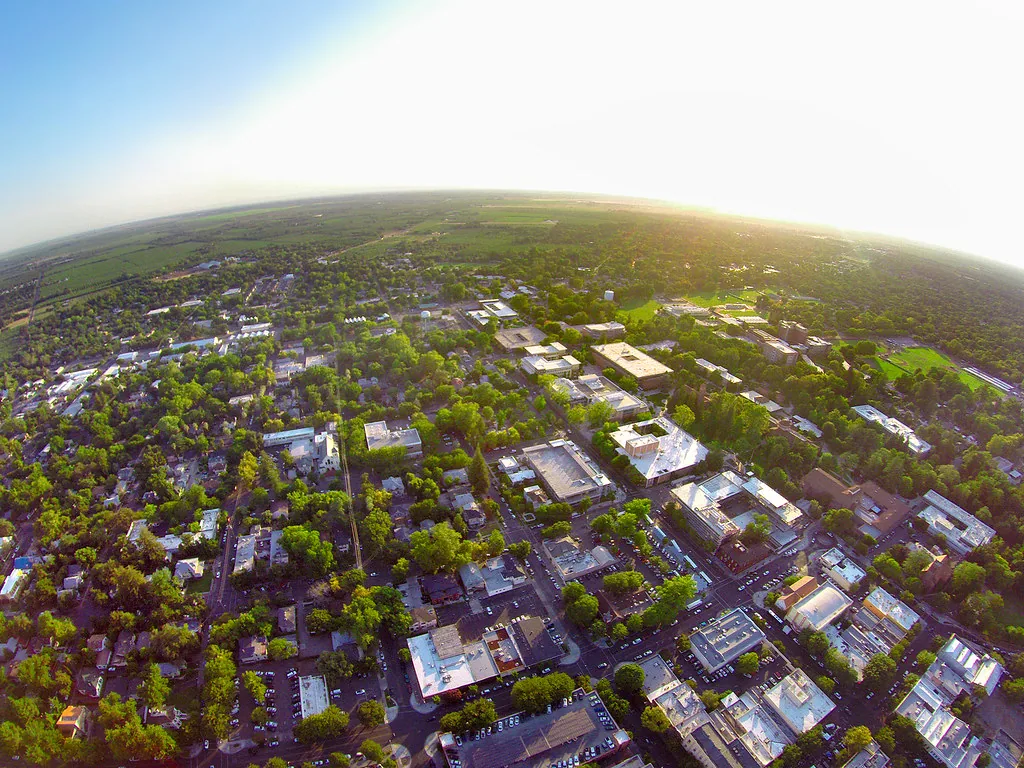
Chico moves from hot, dry summer conditions into a wetter winter season, so the observation date and roof condition help explain what was visible. We record the affected room, report timing, access limits, and any recent rooftop activity. For a property in the Skyway commercial district or Downtown Chico, the location guides access planning; it does not identify the membrane. A commercial roof inspection establishes the assembly before a method is selected.
Locate the Opening Before Choosing a Patch
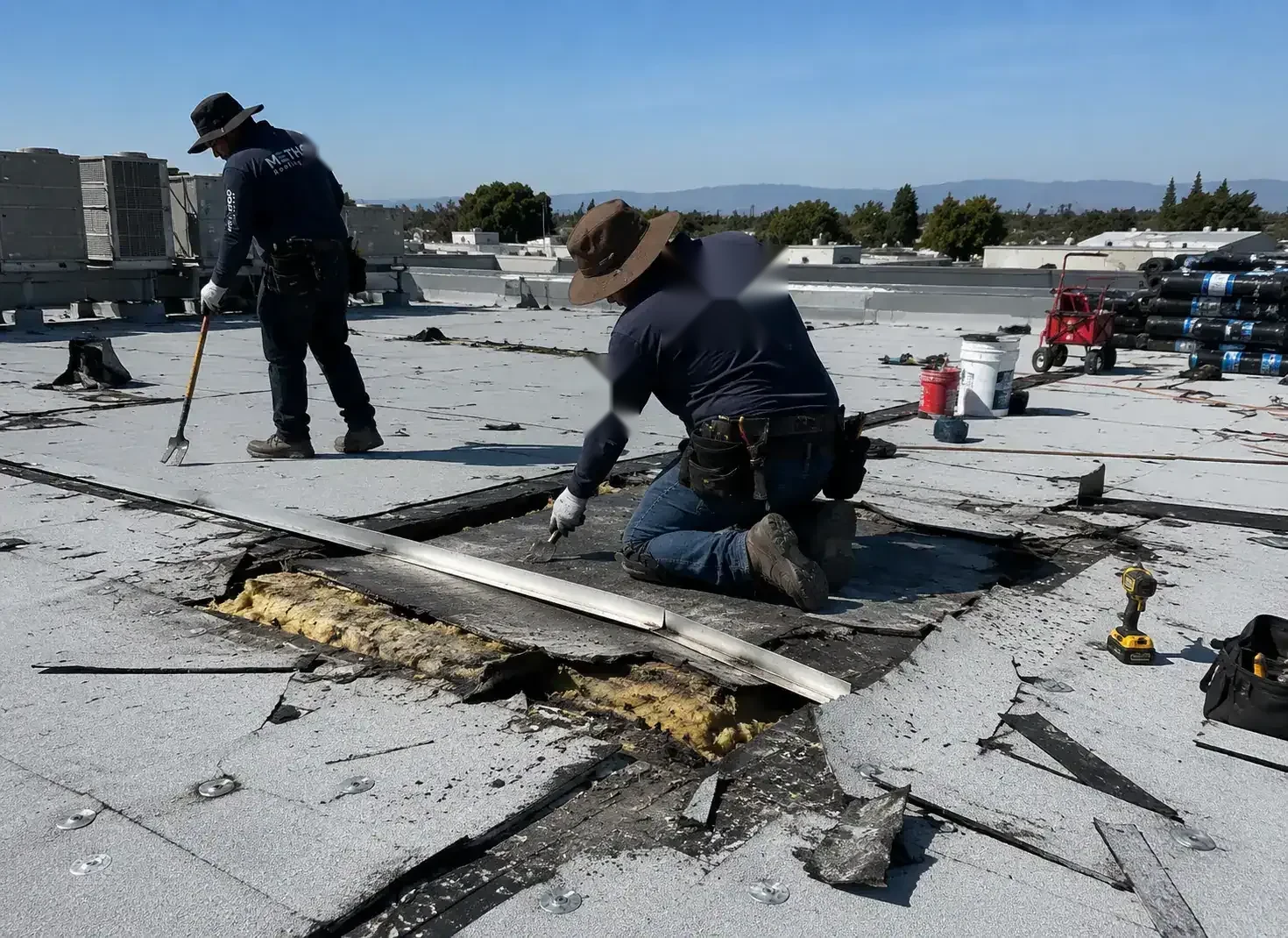
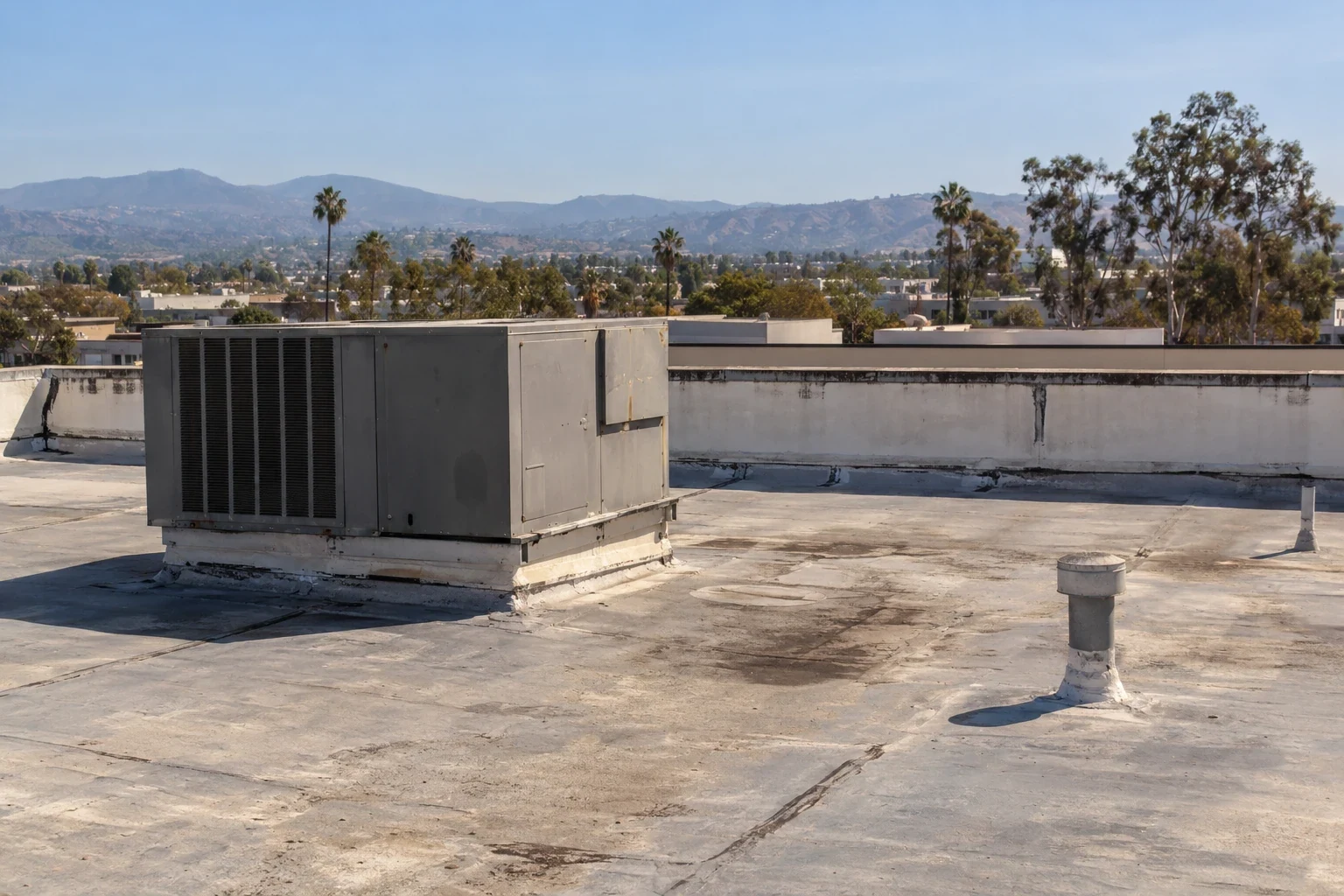
We compare the interior report with the roof plan and conduct a controlled walk of accessible areas. The surface review looks for a cut, abrasion, impact, dropped fastener, open lap, loose patch edge, or damage at a transition. Similar marks can call for different preparation, so we mark the suspected point and nearby features instead of treating every discoloration as a puncture.
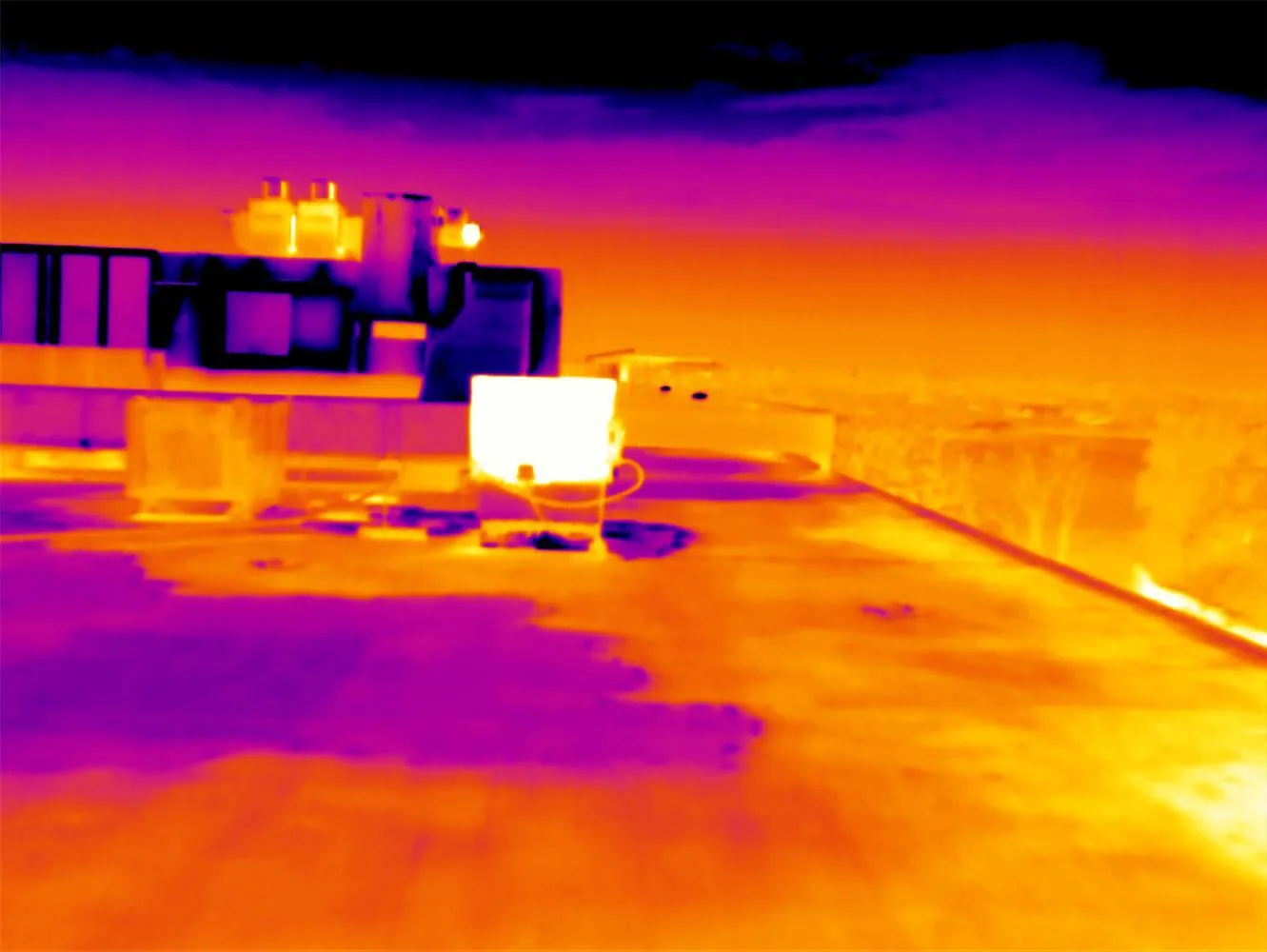
Water may move along the membrane, insulation, deck, or framing before it reaches the space below. We compare slope, drainage paths, equipment supports, and the reported timing to map likely routes. If multiple openings appear, each receives a separate location and note. A moisture survey process may help answer a defined question about an affected area; it does not by itself identify a puncture or prove every layer is dry. We explain the limits before testing.
Confirm the Membrane and Repair Materials
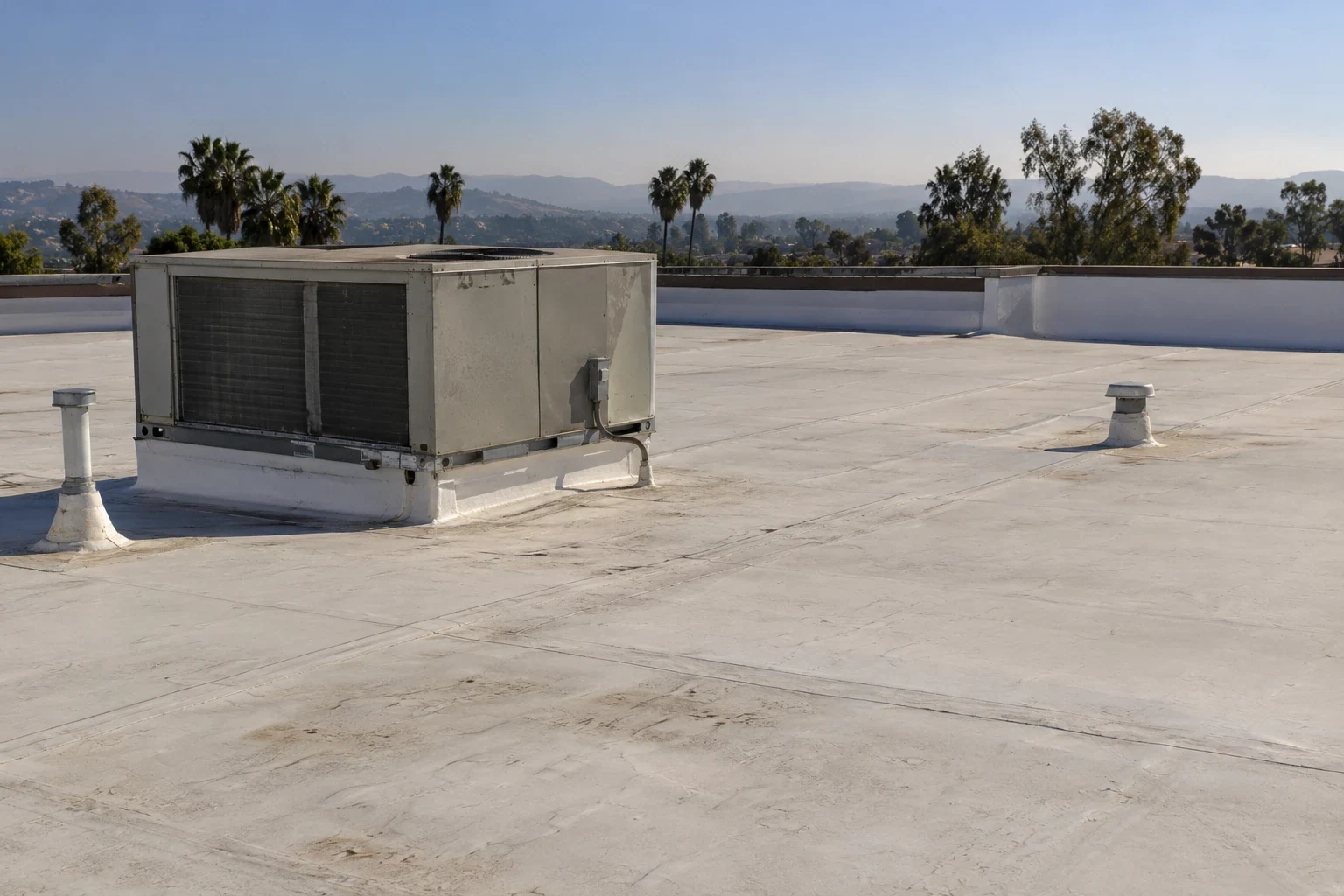
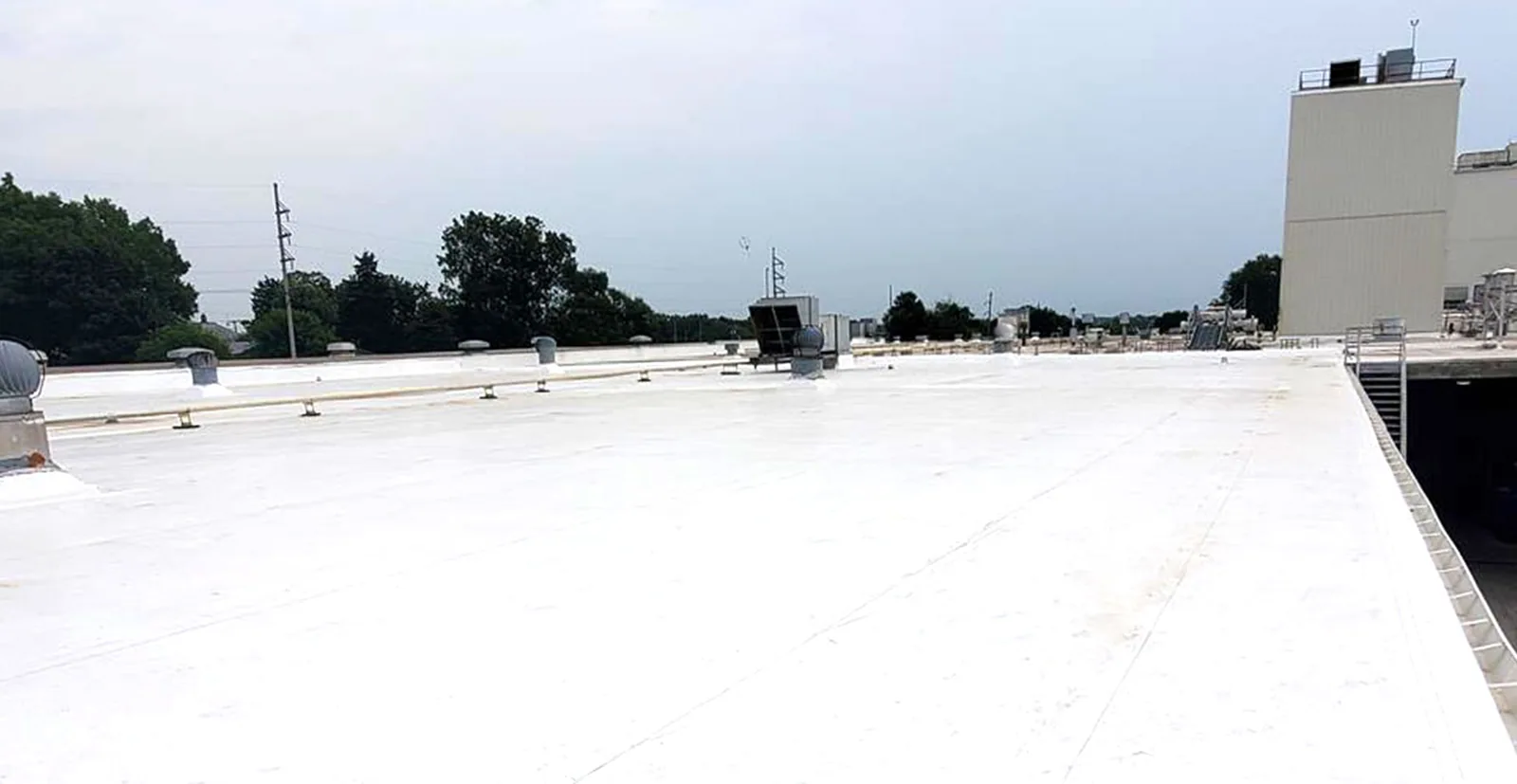
Patch selection starts with system identification rather than color matching. We compare closeout records, product labels, exposed edges, attachment details, and field construction. A white surface may be a single-ply membrane, a coated assembly, or an older repair over another material. If records and visible construction disagree, we note the uncertainty and verify the system before applying heat, adhesive, primer, or sealant.
Preparation can include cleaning, drying, trimming, or a compatibility check under the product instructions. Contamination, weathered coating, a nearby seam, or a weak prior patch may reduce the usable bond area. We define how far work extends and stop if concealed conditions differ from the approved scope. For a confirmed thermoplastic assembly, the repair may use a welded patch; an elastomeric or coated roof needs its own procedure. TPO roof construction is one comparison point, not a substitute for field identification.
Set a Repair Boundary That Can Be Checked
The written scope should identify the suspected opening, preparation area, tie-in approach, and nearby conditions excluded from the repair. If a puncture is close to a seam, curb, drain, or old patch, we explain how that relationship affects the detail. A repair should not bridge a loose lap or conceal another failure without confirming the surrounding material is suitable.
We also list possible change conditions: wet substrate, damaged cover board, corroded deck, additional openings, or deterioration that continues beyond the planned patch. Photographs and measurements show what changed and let the owner decide before an expanded opening is made. Ponding or a blocked drain belongs in a separate note; a puncture repair will not correct drainage. A ponding-water review can map a low area and keep that issue distinct from the membrane opening.
Each photograph should include enough surrounding context to return to the same roof area, plus a closer view of the opening and completed tie-in. We label images with the roof-plan reference and date, then note any area that could not be reached. This record supports the next inspection without implying that concealed conditions were opened or tested.
Coordinate Access Around the Building’s Use
Before mobilizing, we confirm roof access, check-in, restricted zones, loading activity, noise or odor limits, and any need for interior protection. The property contact identifies occupied rooms and the best route for tools and materials. We agree where supplies can be staged and how the crew will keep exits and walk paths clear. For work near East 20th Street or Park Avenue, delivery timing still depends on the actual parcel and operating hours.
Weather and surface condition shape the work window. A patch may require a dry substrate, a temperature range, or cure time based on its system. If preparation exposes moisture or a deteriorated layer, we protect the opening, document the condition, and request direction before widening the repair. An occupied-building sequence helps coordinate notices and turnover, while the puncture work stays within its separately approved boundary.
Complete the Repair and Record the Result
After approved preparation, the technician installs compatible material using the product-specific procedure. The crew checks the full tie-in perimeter, records the roof area and date, and notes any difference from the planned scope. If a controlled process such as heat welding is required, its setup and field checks follow the applicable system guidance.
Verification depends on the repair method. A visual review may fit one detail; another assembly may allow a probe, test patch, or other check. We state what was tested and what that test can show. The closeout provides photographs, the mapped location, the identified material, preparation notes, and any follow-up item. If water reports continue elsewhere, a leak investigation can continue without treating an unrelated area as part of this patch.
Know When a Local Patch Is Not Enough
One accessible puncture in otherwise serviceable membrane may fit a bounded repair. Repeated openings, widespread wear, failed seams, or deterioration beyond the patch can point to a larger question. We describe observed conditions without recommending replacement from age or one isolated stain. If several old patches are present, we map each edge and note whether it remains attached so future reviews can distinguish prior work from new damage.
When layers are concealed, an owner should know what an exploratory opening would answer before approving one. That creates a useful decision point: repair the confirmed detail, investigate a defined area, or price a broader restoration separately. A seam or flashing failure next to the puncture also receives its own finding. A seam review or penetration flashing review can be scoped to that detail, with the repair map retained for future Chico property inspections.
Commercial Roofing Questions
Can a puncture be repaired without replacing the commercial roof?
A localized repair may be appropriate when the membrane and surrounding tie-in area are sound and the system is identified. We inspect the nearby seams and layers, then define the repair boundary. Widespread deterioration or concealed moisture may require a separate evaluation.
Will the leak appear directly below the puncture?
Not always. Water may travel across the membrane or within lower layers before reaching the interior. We use the roof plan, drainage, framing, and reported timing to map likely paths, then distinguish confirmed openings from conditions that still need testing.
How do you choose a patch for a roof membrane?
We identify the existing assembly and follow compatible product instructions for surface preparation, patch material, and installation. Color or building age alone is not a reliable system identification method. If records and field conditions differ, we resolve that before repair.
Can you work while a Chico business stays open?
Often, with advance coordination. We confirm access, staging, noise limits, restricted areas, and any interior protection needs with the property contact. Weather and system requirements can affect the work window, so the final sequence is set for the actual site conditions.
What will I receive after the puncture repair?
The closeout can include the mapped location, photographs, identified material, preparation and repair notes, the tested area, and any separate follow-up item. It describes the checks performed and their limits so future reports can be compared with the same record.
Map the Opening and Define the Repair
Share the affected room, roof plan, prior repair records, and any photographs. We will identify the membrane, locate the suspected puncture, and outline a compatible repair boundary for your review.