Commercial Roof Due Diligence Surveys in Chico, CA
A roof survey for an acquisition or refinance should answer a defined property question. We review available records, map accessible roof areas, document visible conditions, and separate confirmed findings from items needing testing or further access. The report helps a buyer, owner, or lender understand the roof information available at the time of the survey. It is not a structural evaluation, destructive investigation, or promise about future performance.
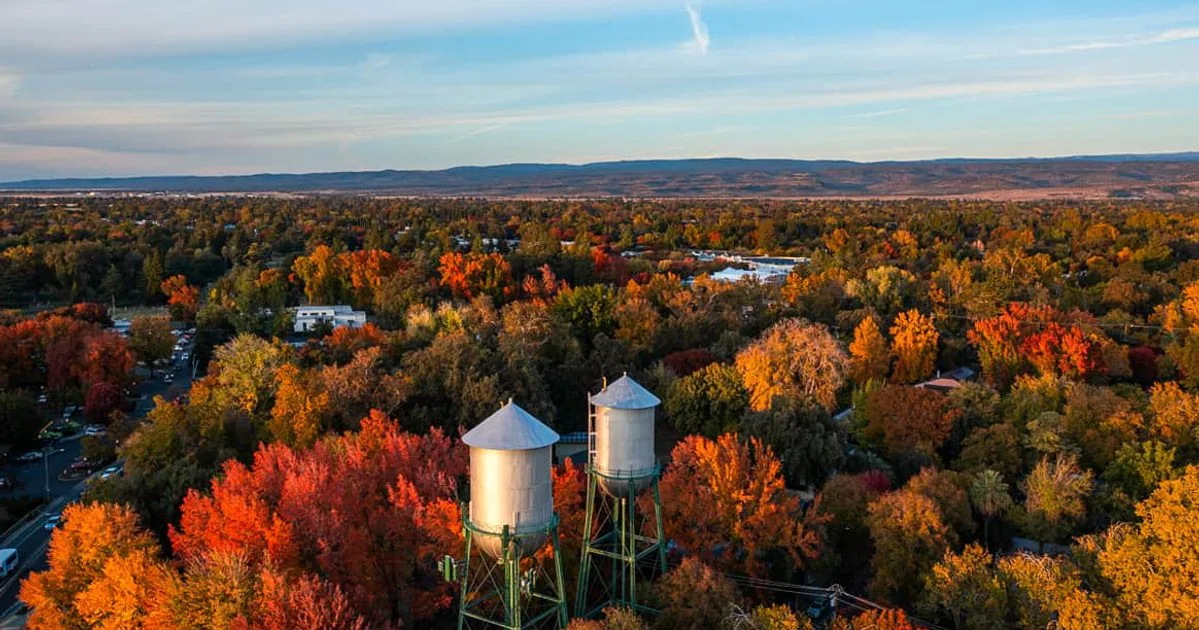
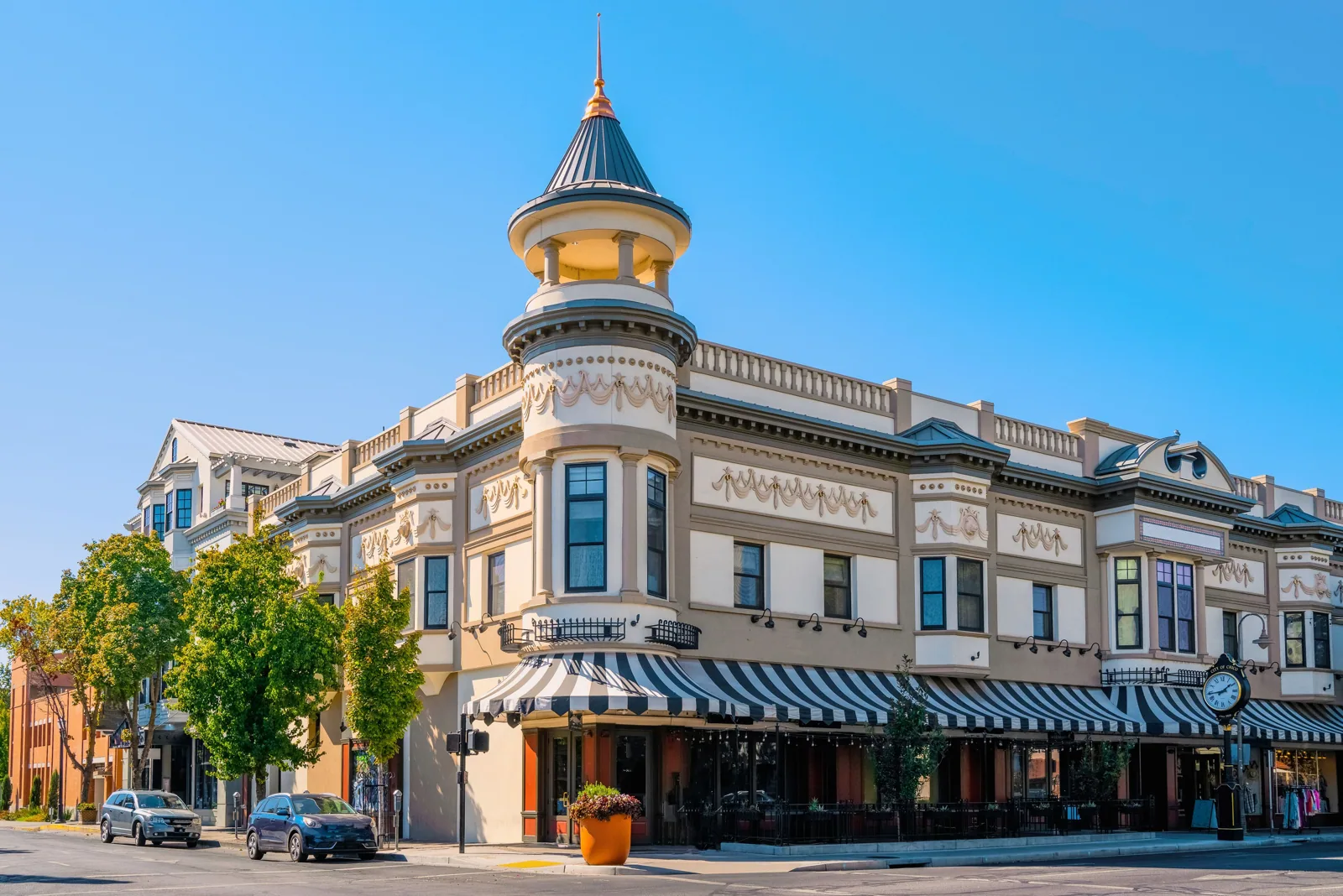
Chico has distinct commercial and employment areas, including Downtown Chico and the business districts near Hegan Lane. Those settings help orient a site visit, but they do not establish roof area, system, or condition. We identify each building from the transaction documents and roof plan, then tie observations to the property. A Downtown Chico survey follows the same evidence process as a separate industrial-area asset.
Start With the Records in the Transaction File
Before field access, we review the roof plan, construction or closeout documents, warranty records, repair invoices, maintenance logs, and prior reports supplied by the client. We note dates, covered areas, system descriptions, and gaps. A proposal or tax record does not by itself verify the installed membrane, insulation, or deck. If information conflicts, the report identifies the discrepancy for buyer and seller review.
We can prepare a question list for the property contact: roof access, recent leaks, recurring work orders, tenant restrictions, known equipment changes, and areas unavailable during the survey. The answers are labeled as reported information, distinct from field observations. A roof asset register can carry the resulting property references, and a condition report records the field visit.
Map Accessible Areas and Visible Conditions
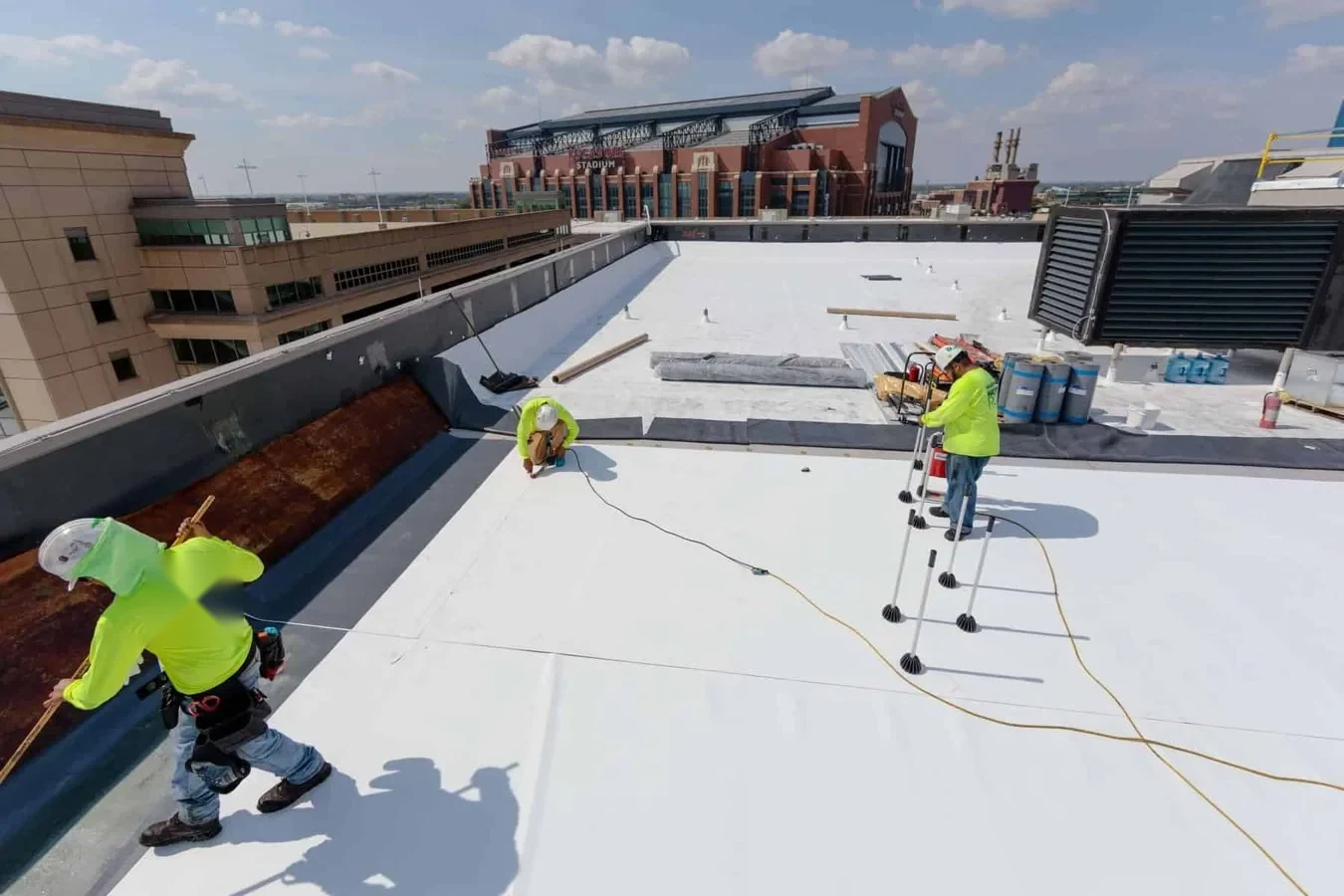
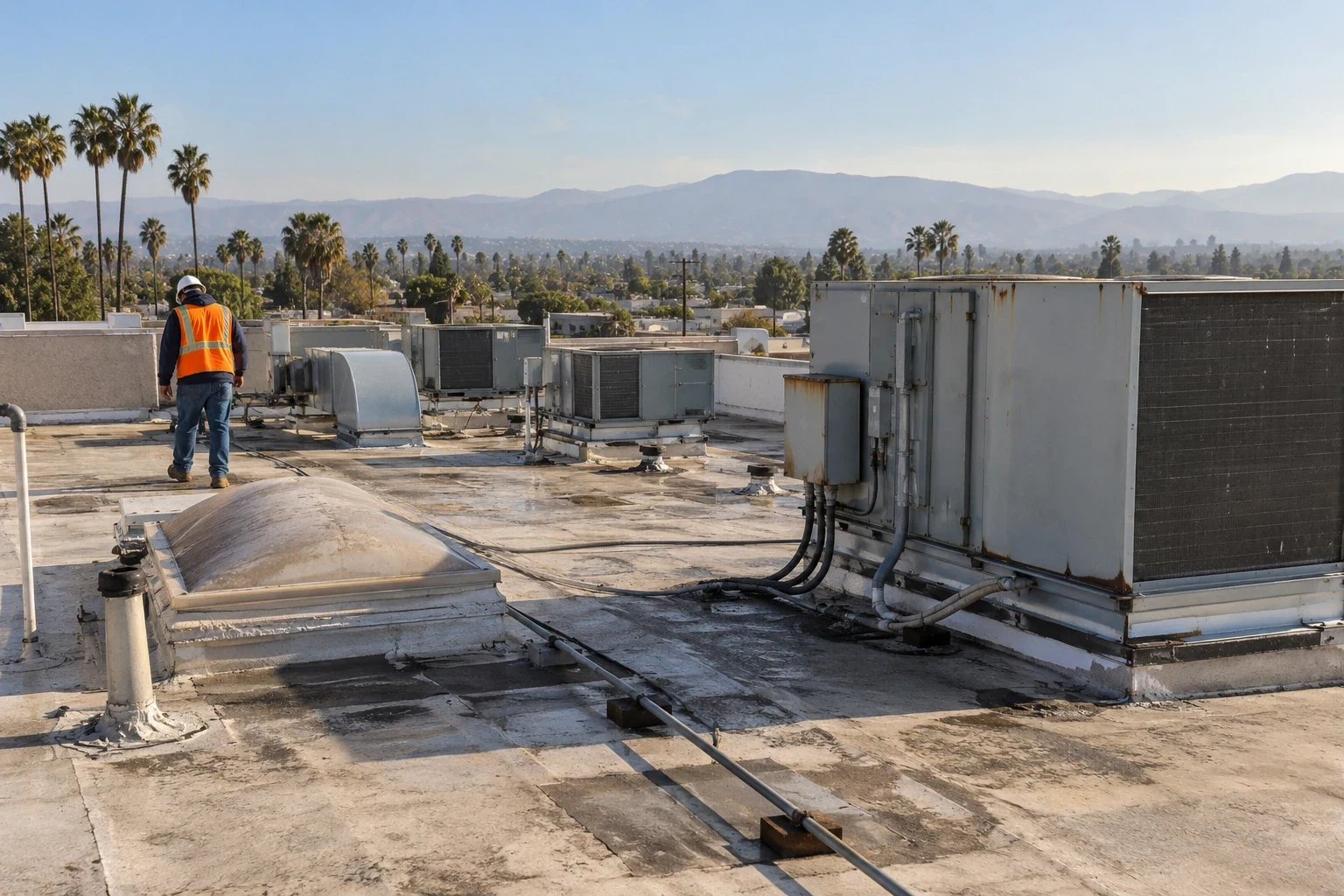
On the roof, we confirm the route and areas made available for review. We document visible seams, penetrations, curbs, drains, edges, patches, coating wear, ponding observations, and signs of water entry. Each finding is tied to a roof-plan location or field reference and photographed where access and conditions allow. If a section is locked, unsafe, or blocked, it is listed as not observed.
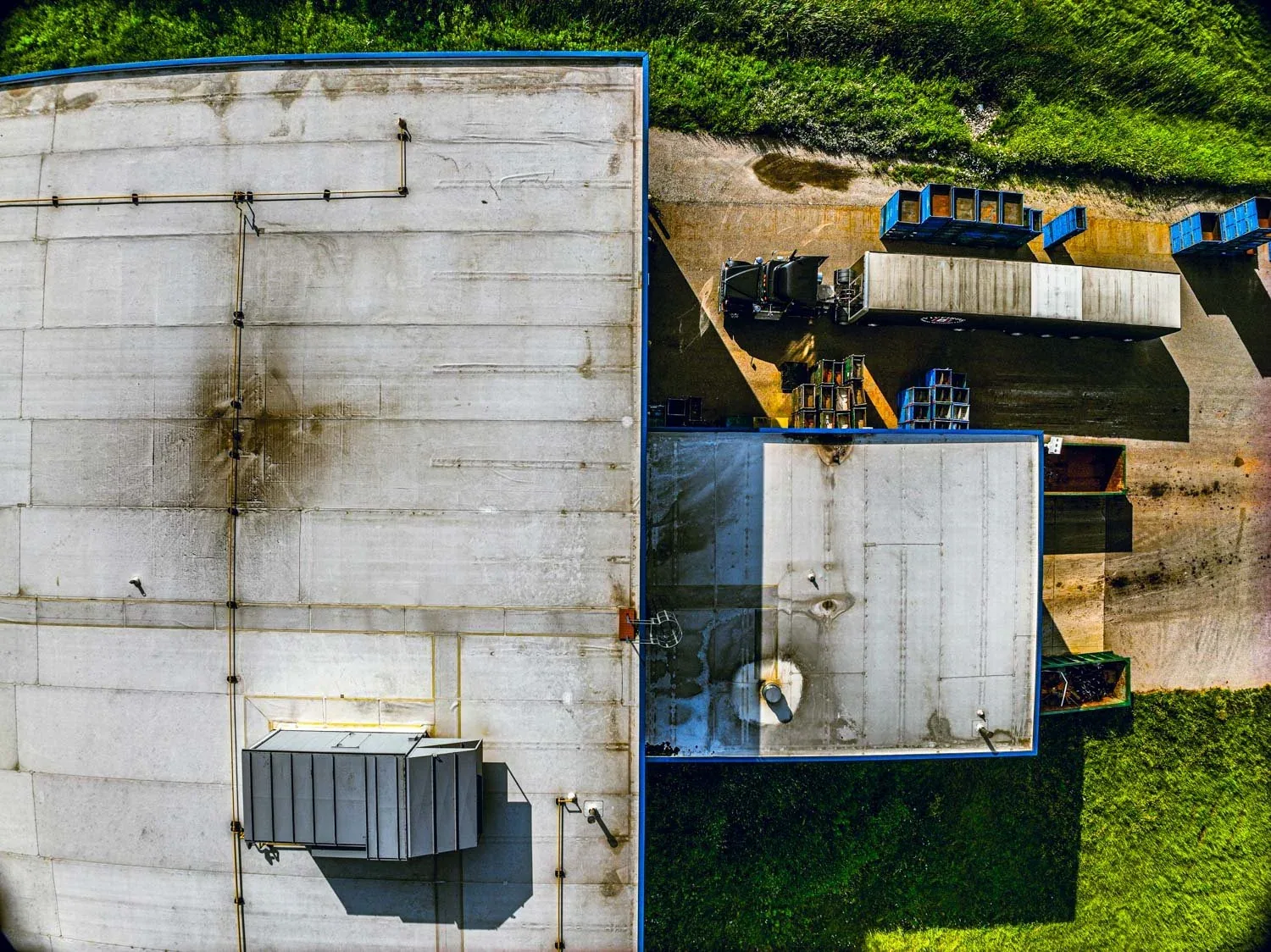
For a broad footprint, a roof plan makes the survey more useful than an address-only summary. If a plan is missing, we agree on field labels and identify that limitation in the deliverable. The report can include approximate area only when the supplied or measured reference supports it. A commercial roof inspection provides the Diligence Notes, while a drone inspection may help document accessible views where site rules and conditions permit.
Where a low-slope area is divided by additions, the survey records the transition and which side of it was available. A roof-level label, compass direction, or grid reference can be added to a field sketch. This gives the buyer a usable way to ask follow-up questions without turning an approximate boundary into a measured quantity.
Separate Visible Findings From Concealed Questions
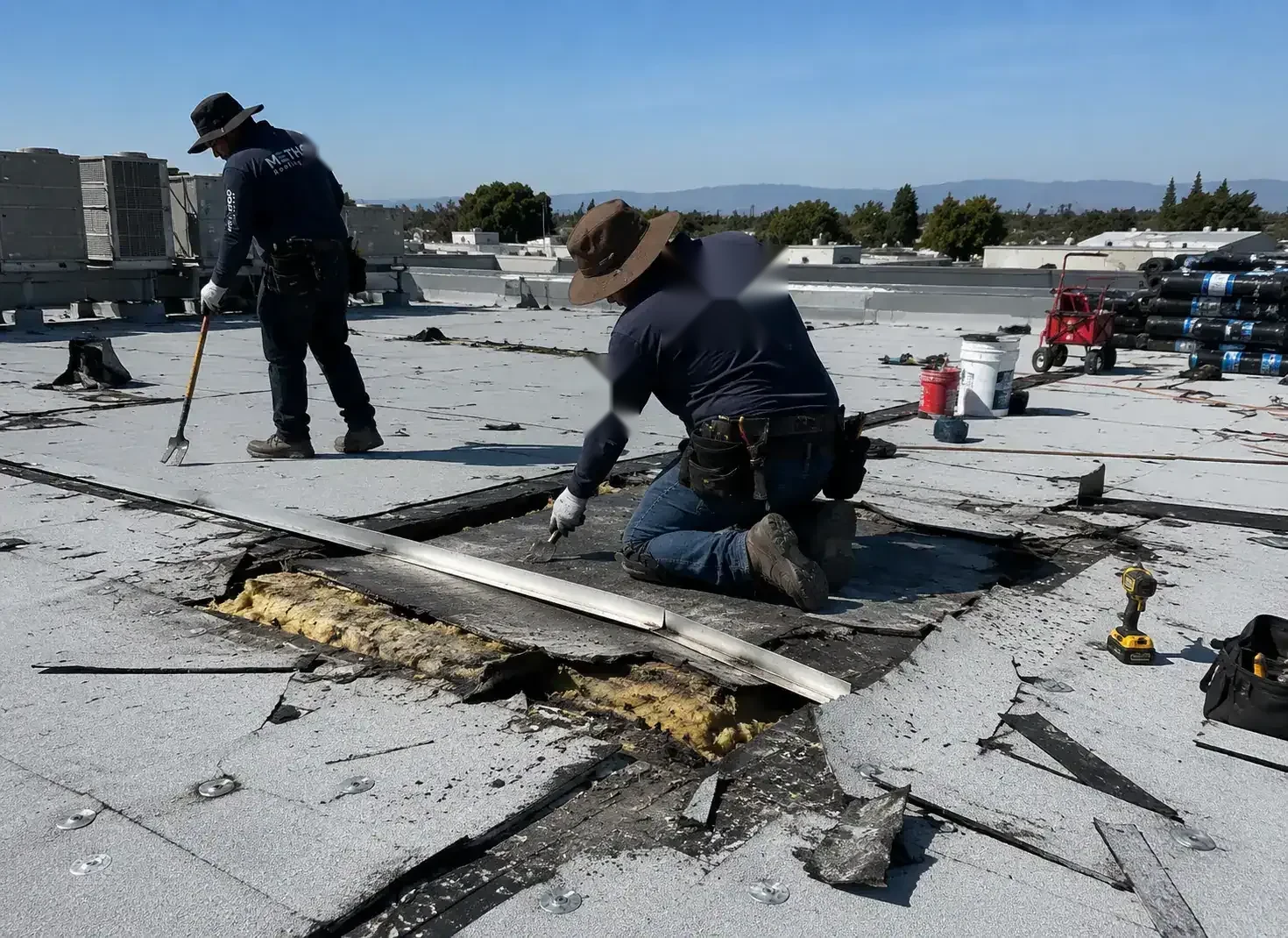
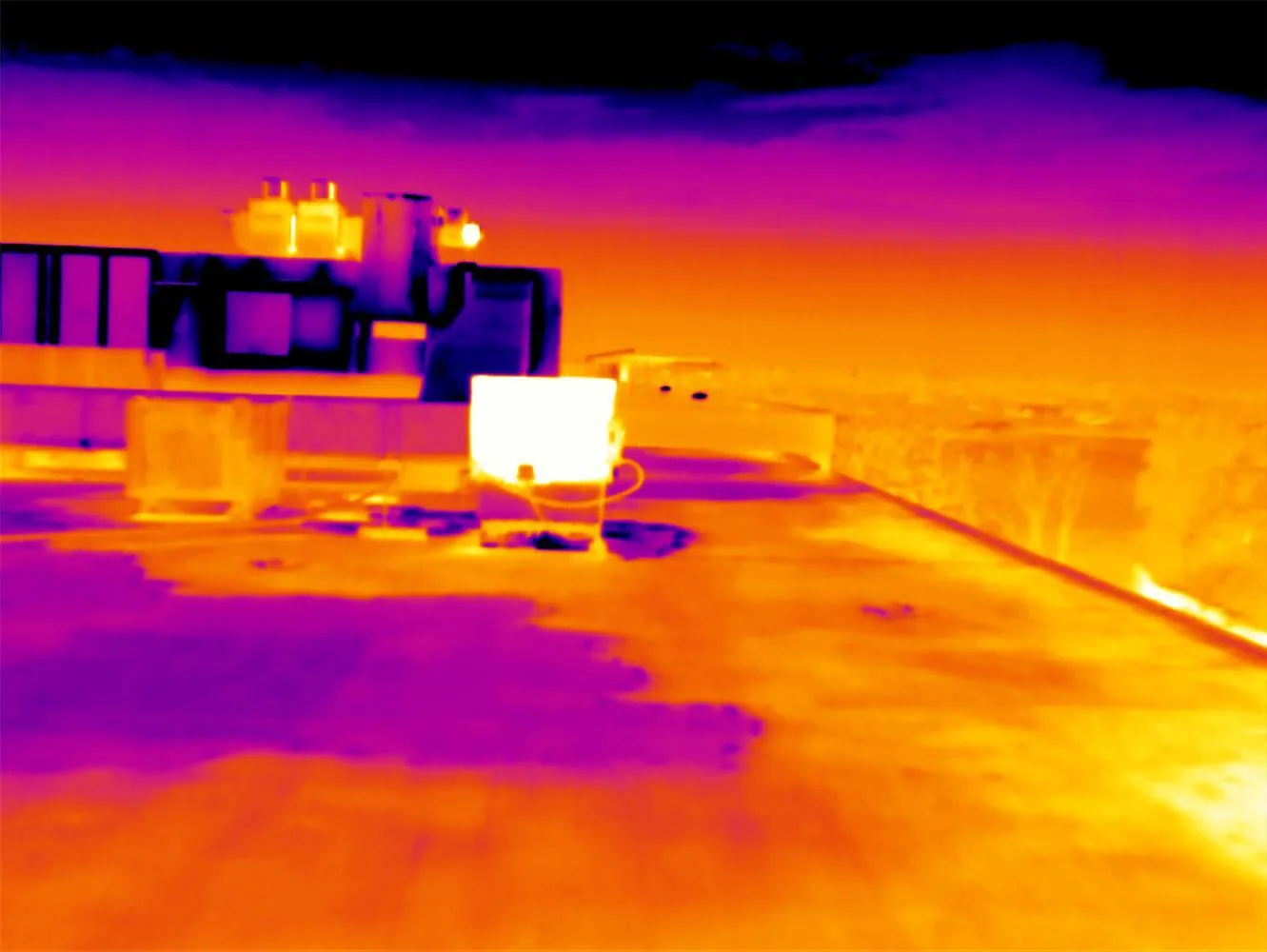
A roof survey does not expose every layer. Water staining can occur away from an entry point, and a sound-looking surface may cover concealed conditions. We state the basis and limits of each observation. If the transaction requires information about moisture, attachment, deck, or insulation, we identify the specific question and recommend an approved test or opening as separate work.
The report can distinguish an active opening, an aged patch, a drainage observation, and a condition that needs follow-up. We avoid assigning a precise remaining life from appearance alone. A repair estimate should also show its boundary and any concealed-condition allowance. A moisture survey can address a mapped area when it answers the transaction team's question; it cannot replace the survey's stated limits.
Give the Transaction Team Comparable Next Steps
When the survey identifies work candidates, we group them into immediate protection, near-term repair, maintenance, and longer-term evaluation. Each item names its location, reason, and next verification step. If pricing is requested, the scope defines access, preparation, tie-ins, and exclusions. A broad allowance can support planning, but the report names the condition that would change the price and the decision process required.
Properties around East 20th Street, Skyway, and Downtown Chico may have different access, tenant schedules, and loading limits. We record the actual site's requirements instead of applying a corridor label to a building. For a buyer comparing assets in Butte County's wider market, a consistent survey format helps organize the findings, while each roof remains separately assessed. A capital planning review can compare the options after acquisition.
For a transaction review, we can separate a confirmed near-term item from an investigation that still depends on access or testing. That distinction helps the buyer decide whether to request a seller record, schedule a follow-up visit, carry an allowance, or wait for a defined result. We state the date and basis of any pricing so the transaction team can compare it with the closing schedule and current assumptions.
Coordinate Access With the Property Team
Transaction schedules can be tight, so the client should identify who can authorize roof access and who can answer building questions. We confirm check-in, escort requirements, tenant notices, restricted areas, staging, and the time available on site. The buyer or seller sets the authorized scope; we do not enter an operating facility or make intrusive openings without direction.
Photos and interview notes are organized to support review by the owner's engineer, lender, property manager, or counsel. If a roof detail depends on mechanical equipment, a separate trade may need to confirm its condition. We list the coordination point and any work excluded from the roofing survey. A curb and equipment review can be scoped independently if the transaction question includes those details.
Deliver a Dated Record for the Decision File
The final report identifies the property, date, areas reviewed, records supplied, observations, photographs, limitations, and suggested next steps. It separates owner-reported history from what was seen during the survey. If the team requests a repair budget, that estimate uses the same roof-area labels so the reviewer can trace a number back to a finding.
Butte County is identified by California EDD as the Chico Metropolitan Statistical Area, a useful boundary for organizing a wider property search, not proof that two roofs have similar condition or cost. We keep each site's survey and follow-up separate. A repair assessment can refine a confirmed item after the buyer or owner approves that next step. The report gives the transaction team a dated basis for discussion without deciding the deal.
Commercial Roofing Questions
What does a roof due diligence survey include?
The survey reviews supplied records, accessible roof areas, visible conditions, photographs, limitations, and next questions. Any destructive testing, structural review, or repair work is separately scoped and requires the owner's authorization.
Can a survey estimate the roof's remaining life?
It can describe observed condition and provide planning considerations when records support them. Appearance alone does not establish an exact service-life date. Concealed layers, repair history, and maintenance may require further investigation.
What should a Chico buyer provide before the site visit?
Provide the roof plan, prior reports, closeout and warranty files, work orders, transaction questions, access contact, and any tenant restrictions. Identify which areas are authorized for inspection and which are unavailable.
Can a roof survey include repair pricing?
Yes, when the client requests it and the findings support a defined scope. Pricing should identify access, materials, boundary, exclusions, and concealed-condition assumptions. The survey itself does not authorize the work.
Does a drone survey replace roof access?
No. A drone may document some views where permitted, but it cannot inspect every seam, test a surface, or reveal concealed layers. The report identifies which areas were viewed from the air and which were physically accessible.
Define the Roof Questions Before Closing
Share transaction questions, the roof plan, available reports, and the site access contact. We will document accessible conditions, identify gaps, and prepare a dated report with reviewable next steps.