Commercial Roof Insurance Claim Documentation in Chico, CA
An insurance conversation about a commercial roof is easier to manage when observations, dates, and repair boundaries are kept together. We document the reported event, inspect accessible roof areas, photograph visible conditions, and identify what remains unknown. The resulting material can help an owner discuss the roof with an insurer or adjuster, but it does not determine policy coverage, establish causation by itself, or promise payment. Chico's wet winter months and very dry summer period create different inspection conditions; neither tells us when a particular defect began. A roof inspection records the present assembly and reported leak locations before a repair scope is selected.
Create a dated record of the report
We begin with the owner or facility contact's timeline: when the condition was first noticed, where water appeared, what weather or operations were occurring, and whether temporary work has already been done. We distinguish reported information from what the crew observed. The file includes the roof area, interior location, date and time of access, photographs, and the person who supplied each detail. If the roof has prior inspections or leak tickets, those records are listed with their dates rather than blended into a new event. This chronology does not decide coverage; it helps keep the claim discussion tied to traceable observations. A storm-damage review can document a changed condition without assuming every existing defect came from one event.
Make photos useful to a reviewer
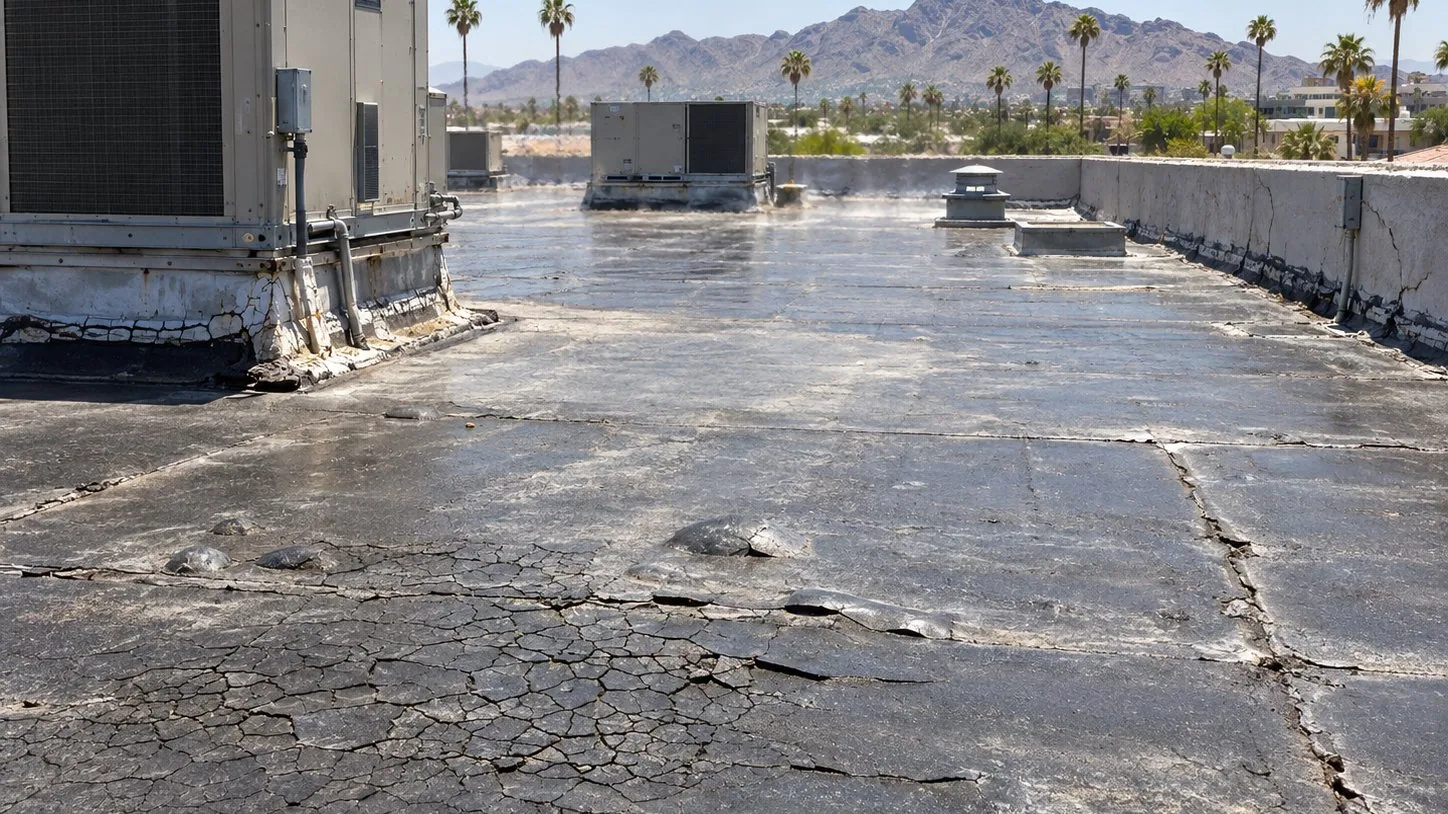
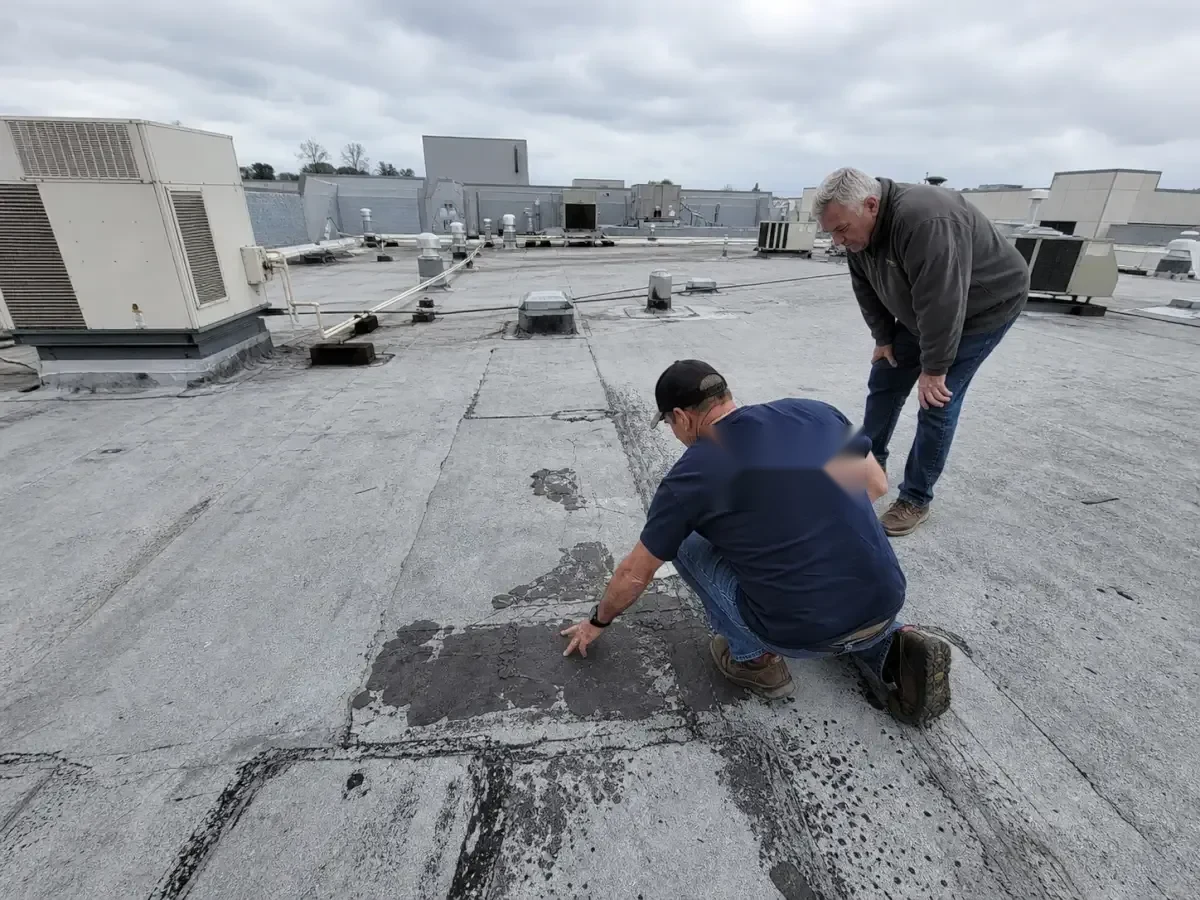
Each photograph needs a location and a purpose. We capture a broad view showing the roof zone, then closer views of the seam, edge, curb, drain, or puncture under review. A photo index identifies the direction, approximate location, and relation to a roof plan or fixed marker. Interior images are linked to the corresponding report without claiming that the stain sits directly below the opening. We preserve originals when supplied and label new images by inspection date. In Downtown Chico or the East 20th Street District, street access and tenant activity may affect staging, but neither district identifies the construction of an individual roof. The report therefore describes the actual roof and keeps neighborhood context limited to logistics.
Separate visible damage from testing questions
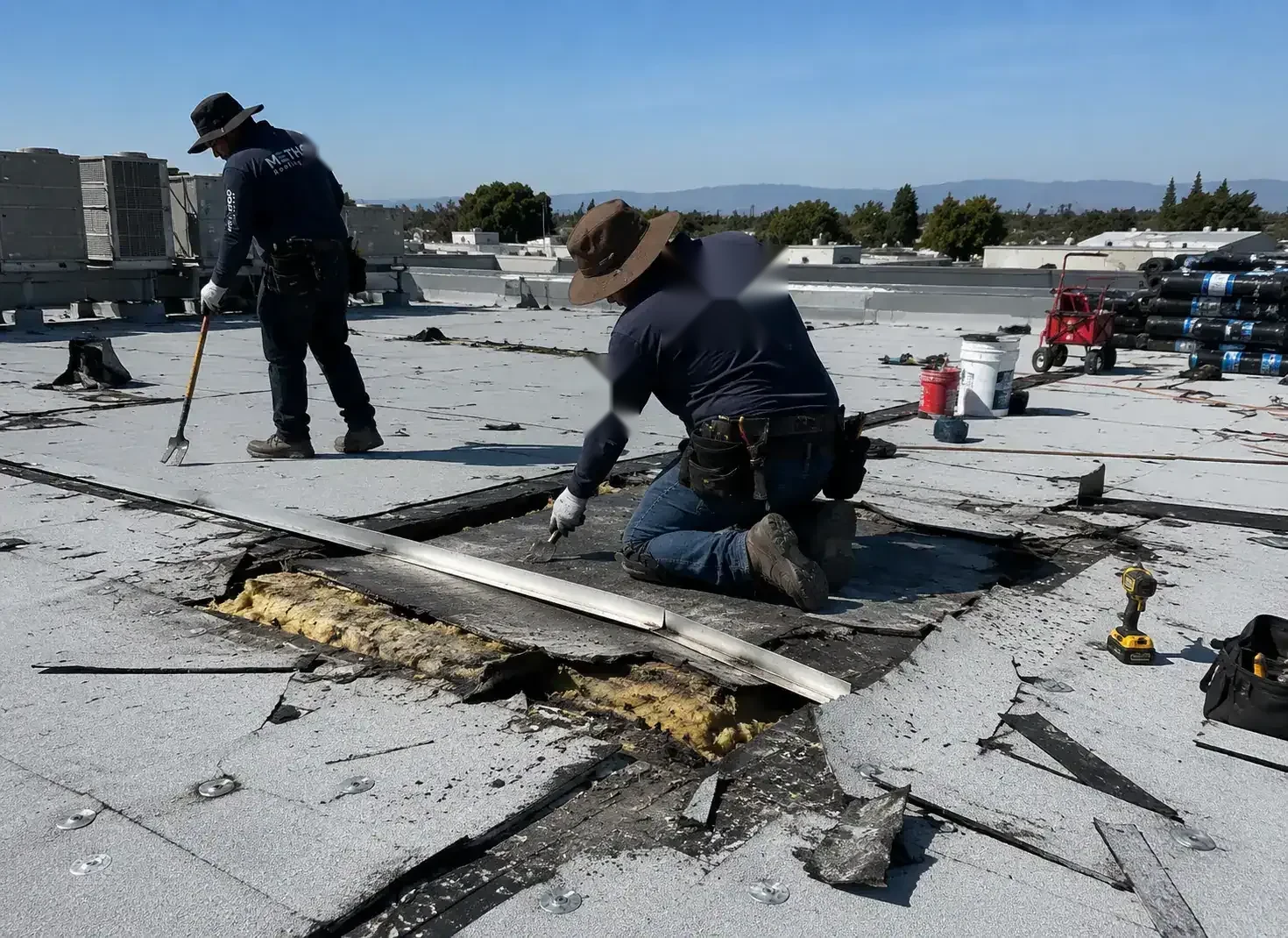
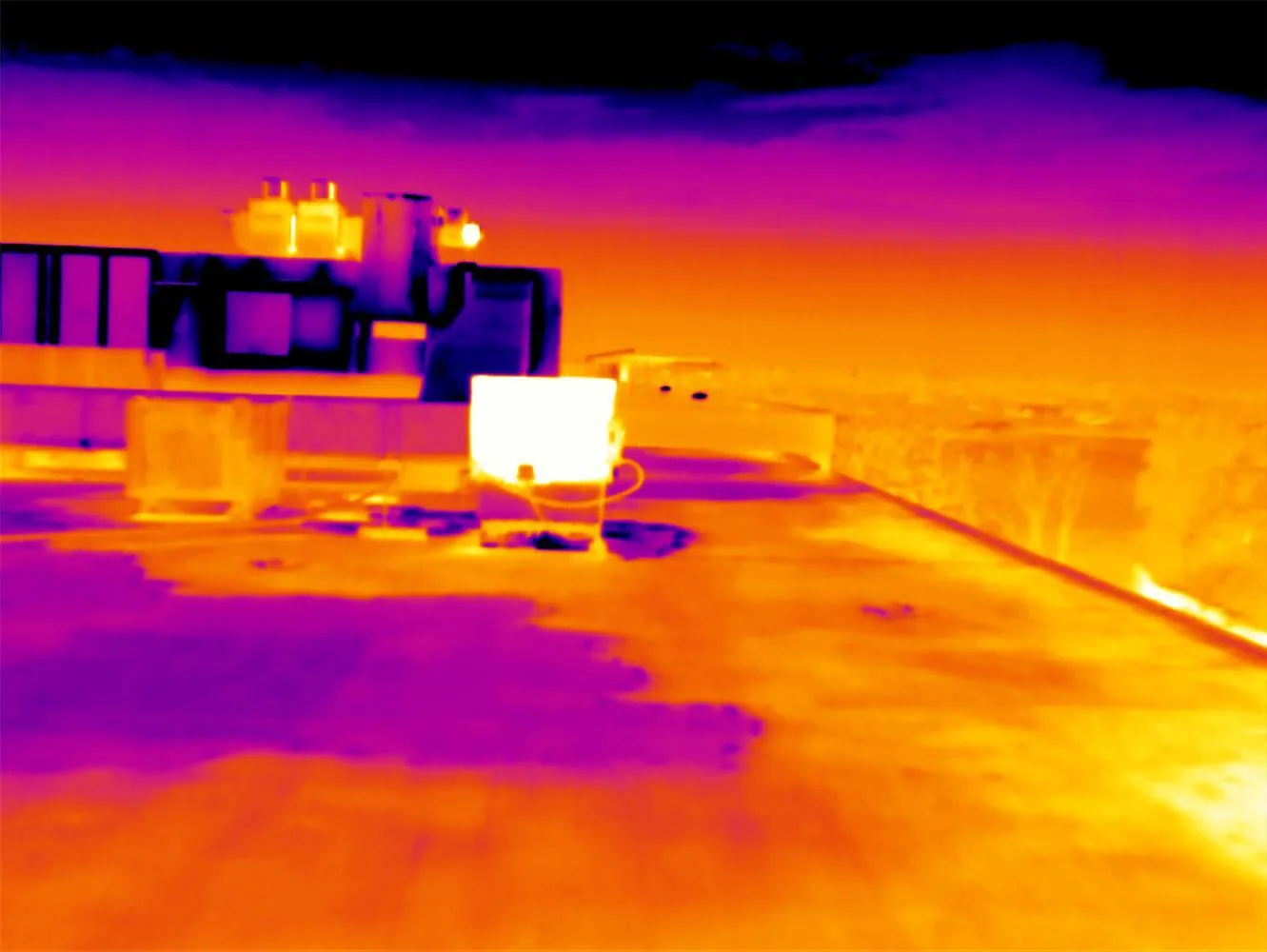
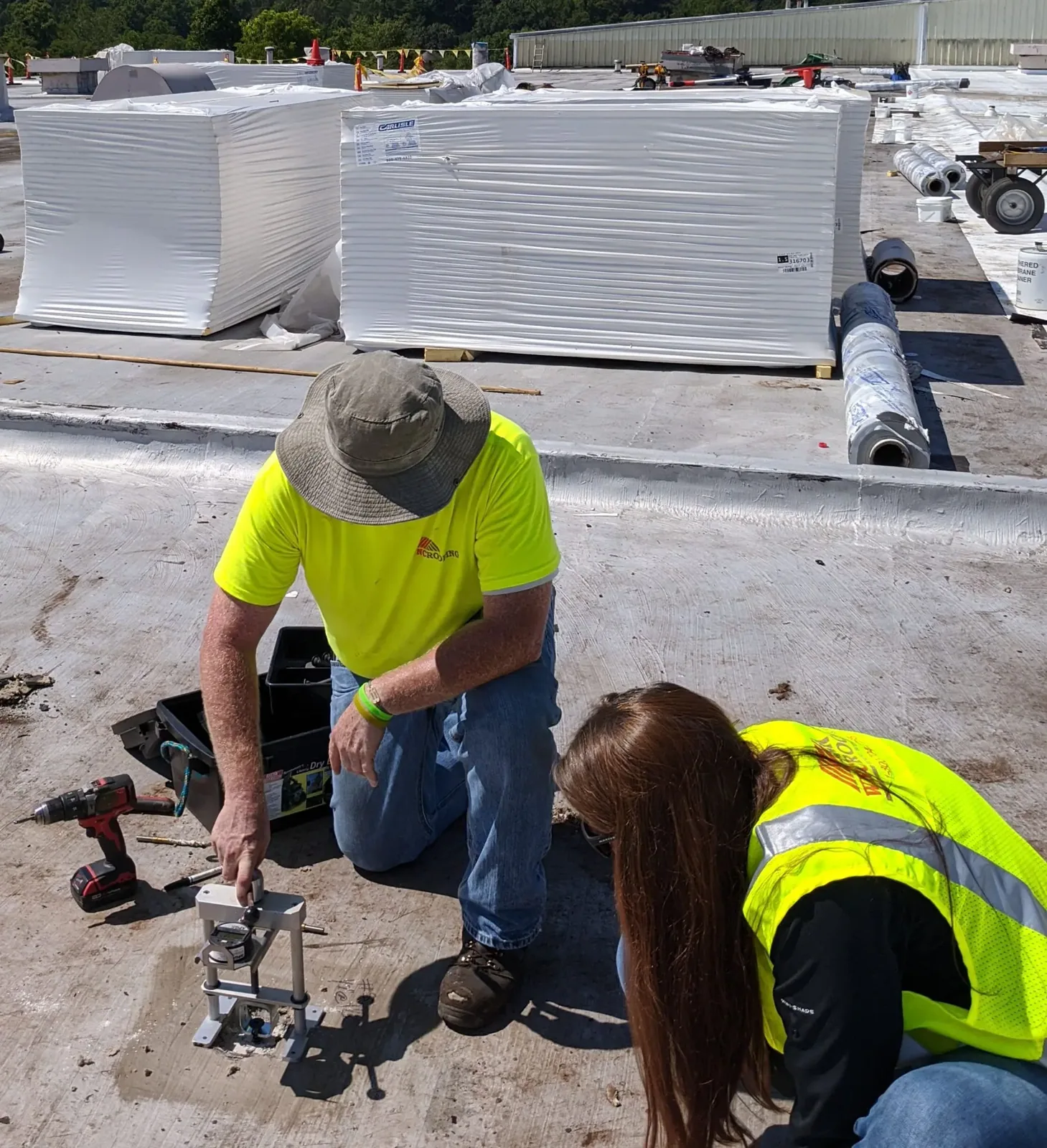
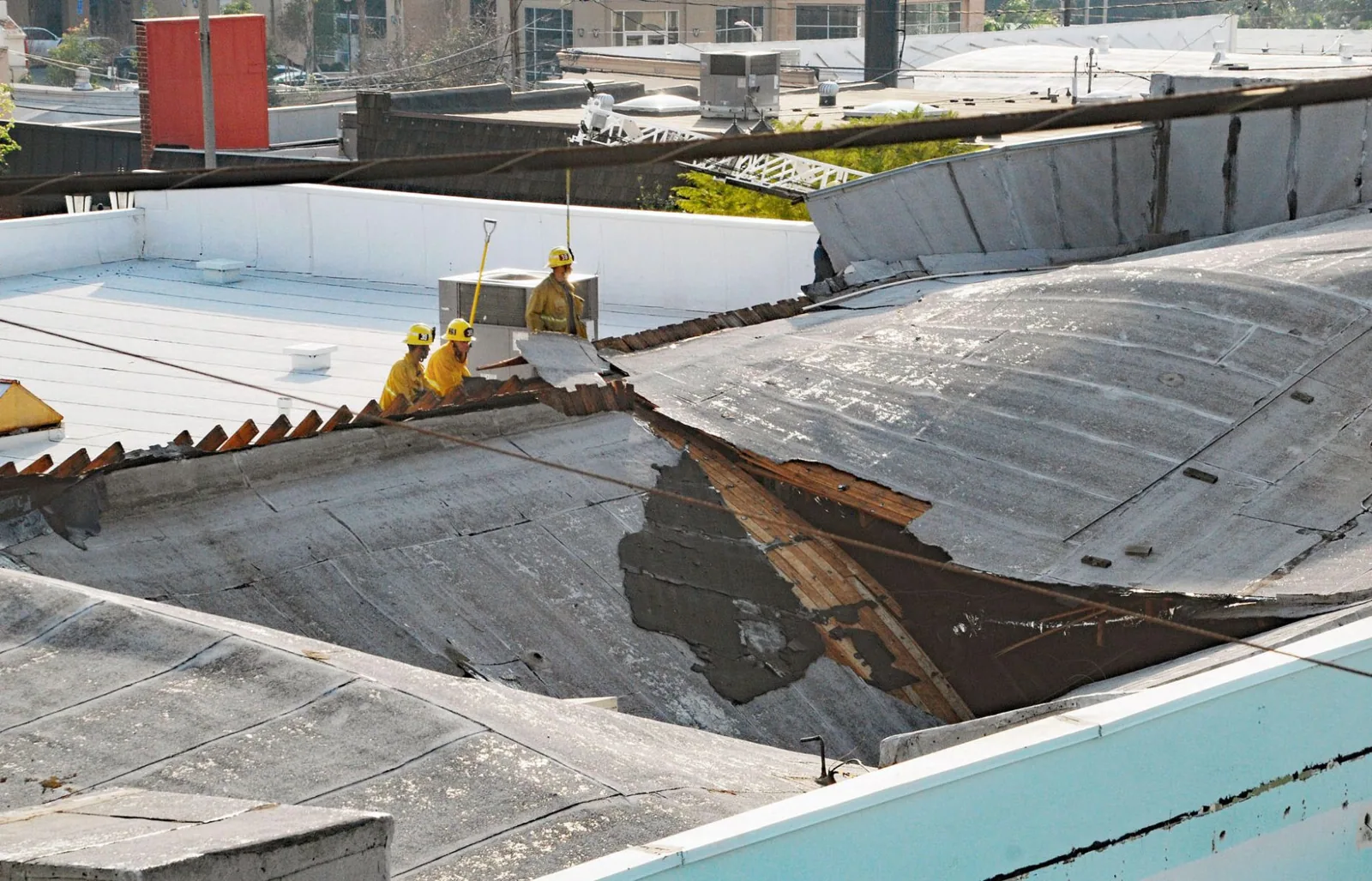
A roof file should state which conditions were directly visible and which need further investigation. Open flashing, displaced metal, a torn membrane, or a loose termination can be photographed as an observed condition. Moisture below the membrane, damage to concealed layers, or a cause that cannot be isolated from a visual inspection needs a separate test or expert review. We mark the affected boundary and note adjacent details that were checked. We do not convert an estimate into a coverage statement or represent that a repair is approved. When additional information is needed, the report names the proposed test and why the result could change the repair scope. A targeted moisture survey may help identify areas for confirmation where concealed moisture is in question. The owner can also provide maintenance logs, prior bids, and dated repair invoices; we list supplied documents and the dates they cover, without treating an older contractor's conclusion as a current finding. If a roof plan differs from field conditions, the report calls out the mismatch and labels the area used for the inspection. Those distinctions let a reviewer follow what the crew saw, what the property supplied, and what would require another visit or test.
Show the work behind the estimate
A clear estimate divides temporary protection, investigation, and permanent work. It identifies access assumptions, preparation, material, detail treatment, disposal, and the closeout evidence expected. If the roof includes multiple sections or prior repairs, the estimate maps the proposed boundary rather than assigning one undifferentiated amount to the entire surface. If the owner requests alternatives, each option should stand on its own and explain its assumptions. A defined repair scope may address a confirmed opening; a broader replacement comparison may be relevant when the inspection finds widespread deterioration. Price and scope are construction information, not a decision on what a policy covers. We can show labor and material assumptions alongside quantities and identify what access or substrate conditions could change them. If a concealed layer has not been opened, the estimate should state that limitation and describe how a verified condition would be handled. A reviewer can then distinguish a measured repair from a contingency instead of reading both as completed damage.
Coordinate site access and communications
Claim-related inspections can involve an owner, manager, insurer representative, adjuster, tenant contact, and contractor. We confirm who may authorize roof access, who receives the report, and whether a joint visit is requested. The written file uses consistent terms for roof zones and identifies any areas that could not be reached. We can explain construction observations and answer questions about the proposed work, while policy interpretation and claim decisions remain with the insurer and policyholder. The City identifies retail and commercial opportunity areas near North Valley Plaza and East 20th Street; local traffic and occupancy may influence a meeting or crew window, but the property's own access protocol governs. For an active leak, a separate emergency stabilization visit can address immediate protection while the claim discussion continues.
Keep a traceable closeout package
The final package includes the dated inspection notes, photo index, marked roof diagram, estimate, work orders, and completion photographs. If repairs proceed, the closeout records the materials and detail locations actually completed, along with any conditions discovered during preparation. Unresolved items stay visible as open questions with a responsible next step. The owner can keep that package with a condition report or a broader roof asset record for future maintenance. Planning material identifies Mangrove Avenue as a commercial retail and service corridor, while City documents also describe industrial and business-park areas around Hegan Lane. Those real place names can orient a service record, but only the building inspection supports statements about roof condition. This preserves a useful chain from initial report through repair and later review. When a repair is completed, the field record should identify the location, date, material used, and any preparation that changed the receiving surface. We keep follow-up items separate from work that is closed, so the next maintenance visit does not mistake an unresolved test question for a repaired condition. If the owner later obtains additional records, the file can be updated with the document date and source. A clear version history helps the property team compare what was known at the initial report with what the roof showed after work.
Commercial Roofing Questions
Can a roofing contractor tell us whether the claim is covered?
No. We can document construction observations and provide a repair estimate, but coverage and claim decisions belong to the insurer under the policy terms.
What should we gather before a roof claim inspection?
Share the date the issue was noticed, interior locations, prior repair records, roof plans if available, and any temporary work already completed. We label owner reports separately from field observations.
Do inspection photographs prove when damage occurred?
A photograph documents a visible condition at the time it was taken. It may support a discussion, but it does not by itself establish when a defect began or what caused it.
Should temporary protection wait for the claim review?
Active water entry may require prompt protection. We document the measure and its limits, then keep it distinct from the permanent scope and any coverage discussion.
What is included in a useful roof claim file?
A dated chronology, inspection notes, photo index, marked roof locations, estimate assumptions, work orders, and closeout images make the construction record easier to review.
Organize the roof record for your review
Share the reported date, interior locations, prior service records, and any access requirements. We will document what is visible, identify what needs testing, and prepare a construction scope without representing a claim outcome.