Commercial Roofing for Public Agencies in Chico, CA
A roof leak in a public building can affect counters, records, meeting space, or a service route that residents use. For a Chico agency, we identify the interior report, the roof zone above it, and the staff member authorized to provide access. The inspection records visible conditions, repair limits, and any opening that would need separate approval. That gives facilities and procurement staff a scope they can review without turning an unverified stain into a building-wide replacement.
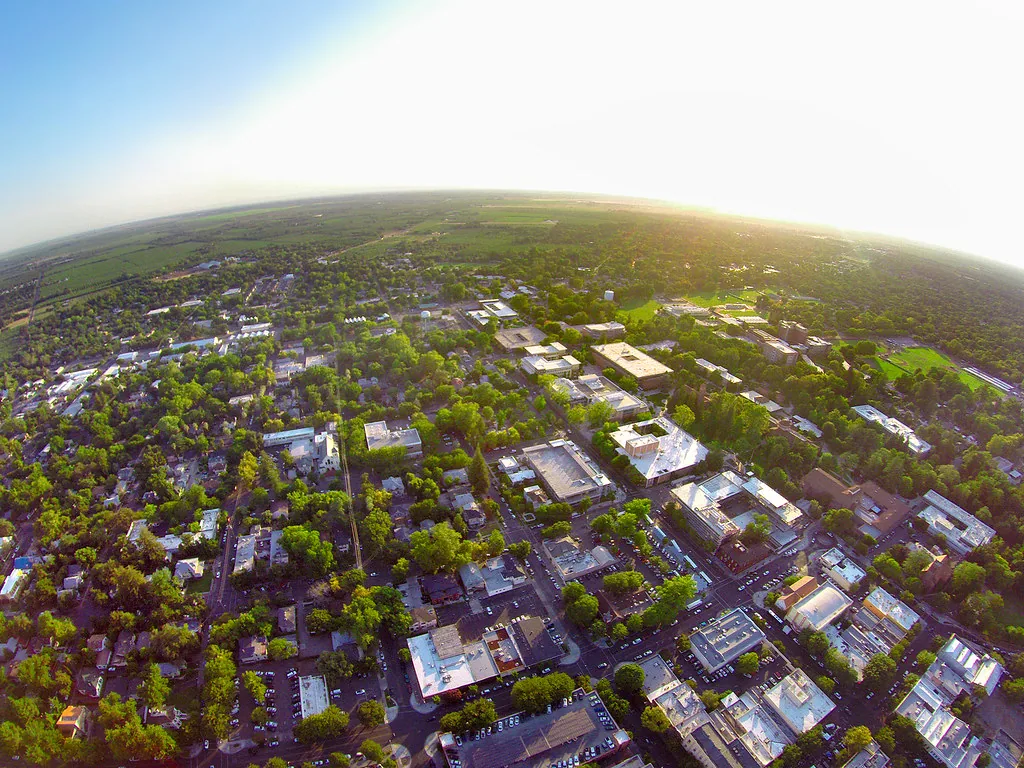
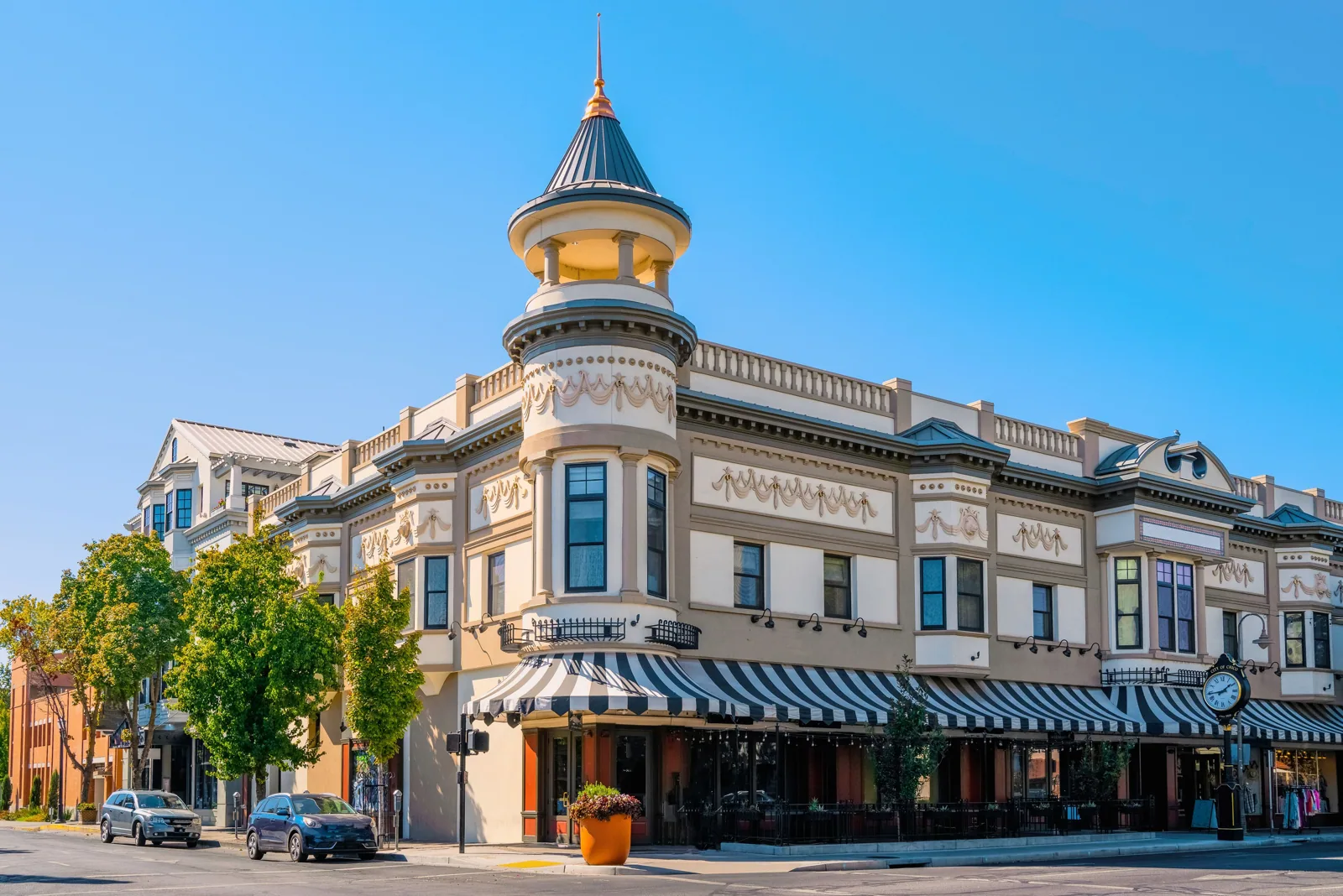
City planning maps place Hegan Lane among Chico's employment areas and show State Route 99 linking commercial districts at the city's north and south ends. This geography can help a public-works dispatcher route a visit; it does not reveal an agency roof's assembly, condition, or access rules. A Downtown Chico roof request begins with the actual building contact, entry process, and available maintenance records.
Name the Person Who Can Approve Access
Public properties may have separate facilities, purchasing, risk, and department contacts. Before scheduling an inspection, we confirm who can release a hatch, approve an interior opening, or authorize temporary protection. The written scope identifies what access is included and which decision requires agency approval. It does not assume that a building contact can change procurement terms or expand a project boundary.
We also document entry routes, public counters, meeting calendars, and areas that cannot be blocked. If a lift or material delivery affects an accessible entrance, the facilities contact sets the approved route. A roof inspection can map conditions and untested areas, while a condition report gives purchasing staff photographs and decision points to attach to the project file. Where a request comes from a department within a larger portfolio, record which structure and roof zone the request covers. Some projects route field questions through facilities and scope changes through purchasing. We identify who receives photographs and who can authorize added work, keeping construction observations distinct from a procurement decision.
Trace Reports Without Closing Public Space
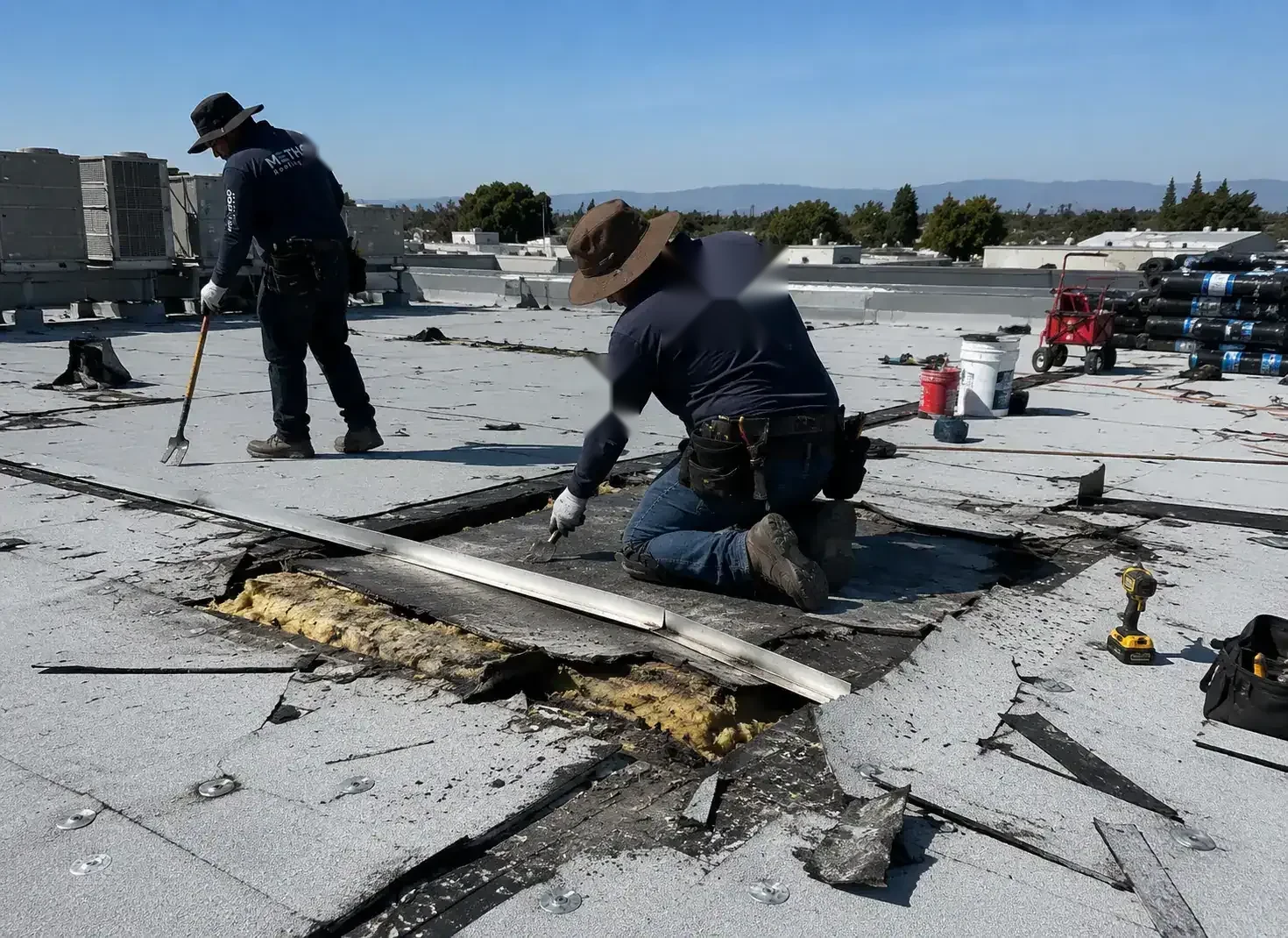
A ceiling mark at a public counter may be several feet from the roof opening. Water can travel along insulation or framing before it reaches a room, so we compare the reported time and location with slope, seams, curbs, drains, and wall transitions. A second room with a similar stain may share the same route, or it may have a separate source. We map each observation before calling the condition one repair.
If active water affects documents, equipment, or public access, the agency sets its interior response. We identify where a temporary measure may reduce exposure while the roof source is confirmed. The permanent scope names the material, preparation, tie-in, and area that can be closed each shift. An occupied-building work plan can coordinate noise and staging around public hours. If the report follows a storm, a storm roof inspection documents observed damage and separates it from conditions that need further testing.
Keep Permit Questions With the Scope
Roof repair, equipment changes, insulation work, and full replacement may involve different review steps. We identify the observed assembly and list permit or code questions for the governing authority rather than assuming one approval covers every detail. If a planned scope alters rooftop HVAC or the roof envelope, the design and permitting team should check the applicable requirements for that project. A condition report can show which area is proposed for work and where the agency needs a decision before pricing is finalized.
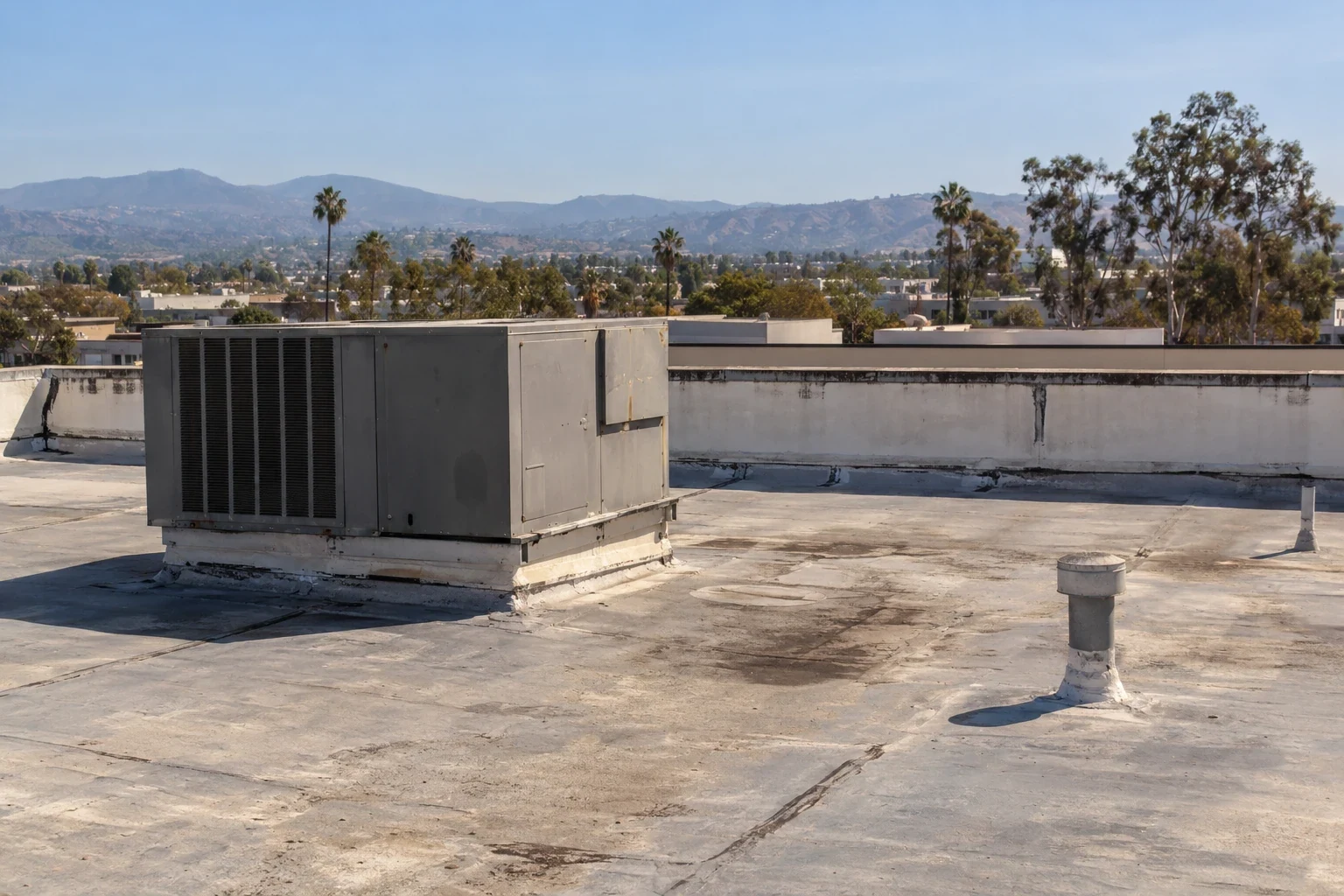
Chico's public-service employers are included in California EDD's Butte County employer listing. That local context does not identify a particular department, building, or procurement process. We work from the agency's actual documents, authorization limits, and maintenance record. A built-up roof review or membrane assessment should specify the field material, edge details, and concealed layers that were confirmed, not infer them from a public-use designation.
Check Drainage Before the Winter Cycle
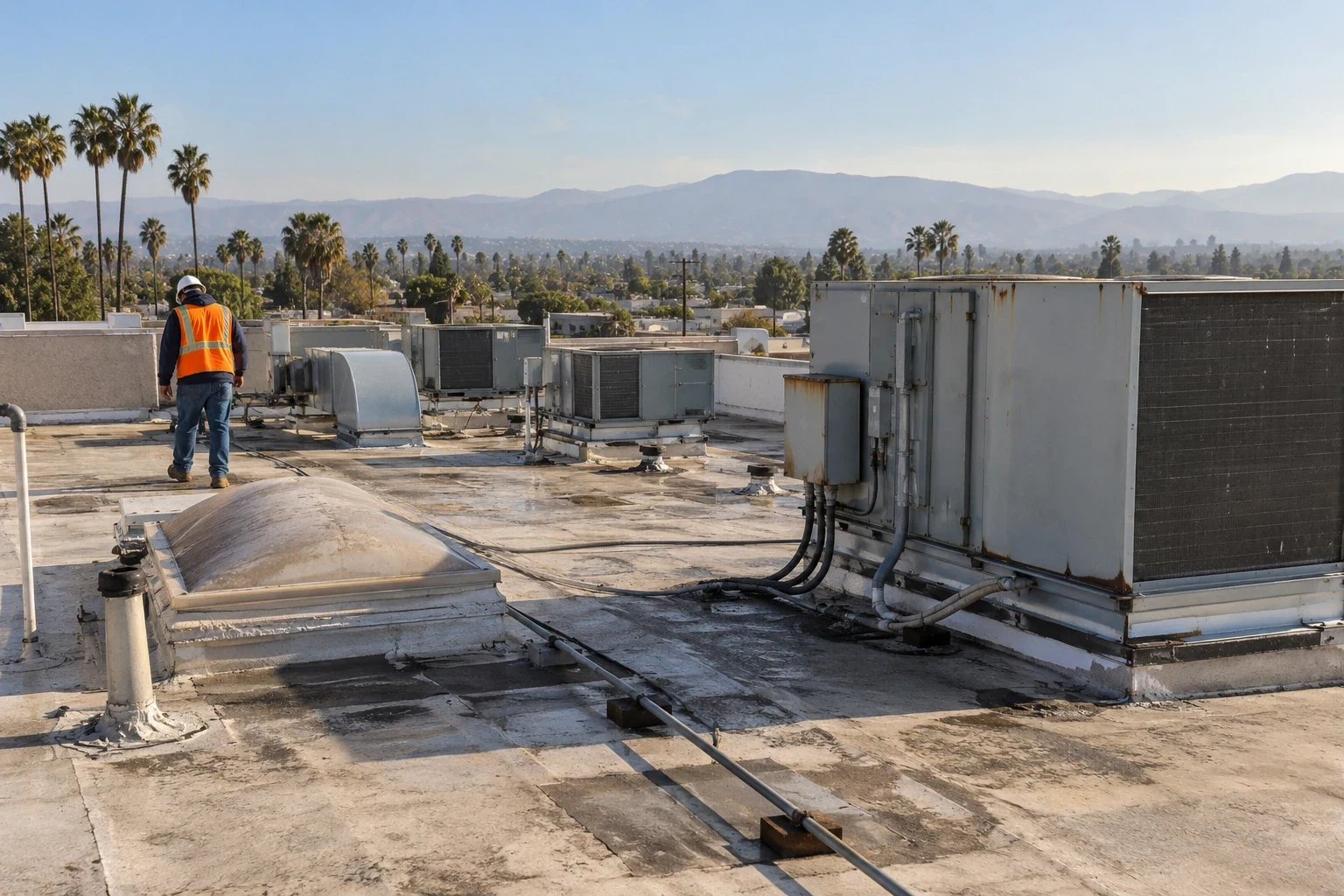
Chico receives more of its normal precipitation in winter than in midsummer. Before recurring rain, we inspect drains, overflow outlets, scuppers, gutters, low points, and transitions where runoff could reach an entrance or sidewalk. A city plan may identify the building's district but cannot show the roof slope or discharge path. We trace the actual route and mark which outlets were reached.
Downtown's civic designation and the State Route 99 corridor are broad planning contexts, not drainage findings for one public property. We check whether a curb, prior equipment move, or loose termination has redirected water. A drain and scupper review distinguishes maintenance from membrane repair, and a leak response ties a reported room to the roof area. If insulation may be wet, the report says whether additional testing or an approved opening is needed.
Make Bid Comparisons Comparable
Two proposals can use the word replacement and still include different removal limits, edge work, drains, equipment coordination, or interior protection. We define the roof zone, the base scope, the concealed-condition allowance, and the point where an agency contact reviews added work. An estimate should also identify public access controls, staging, debris handling, and the daily dry-in limit. Those details let purchasing compare the work rather than just the system label.
A localized repair may fit when a seam, curb, or flashing defect is bounded and nearby material remains sound. Partial replacement enters consideration when moisture crosses a larger area. Full renewal can be priced when failures extend across the assembly. A school district roof scope may have calendar constraints, while property management work may follow a different approval chain. We keep each proposal tied to its property and operating window. During bid review, differences in tear-off limits and protection assumptions can be harder to see than price. We can mark each proposal on one roof plan, list the details included, and identify items that need clarification before award.
Retain the Public Asset Record
After work, the file should identify inspected zones, completed details, materials used, temporary protection, and areas not accessed. Photographs show the repair boundary and the surface condition before closure. If an opening reveals wet insulation or a deck concern, the crew pauses at the agreed point and the agency reviews added removal before it proceeds. That record helps future staff distinguish an emergency measure from a permanent correction.
Send the property location, roof plan, service request, access authority, and any prior inspection notes. We will document findings, state what remains untested, and provide a scope the responsible agency contact can review. A replacement assessment should note permit questions, access limits, and daily closure points. The next maintenance decision should follow the observed roof condition and the agency's approved process.
Commercial Roofing Questions
What information should accompany a public building roof request?
Include the address, affected room, date of the report, roof plan, prior repairs, access authority, and the staff contact who can approve an opening or temporary measure.
Can an inspection happen while a public counter is open?
We plan around access, noise, staging, and the area beneath the roof. The agency identifies any counter or route that must remain available, and the work plan states what can be isolated.
How do you scope a repair when the source is concealed?
We trace the visible water path, document the roof details checked, and state what an approved test could confirm. The estimate keeps base work separate from concealed-condition decisions.
Does the roof scope determine the permit requirements?
No. We describe the proposed work and flag questions for the governing permit authority. The agency's design or permitting team confirms which rules apply to the actual project.
What should the agency keep after a repair?
Retain dated photos, the roof-zone map, materials and details corrected, inaccessible areas, temporary measures, approvals, and any test still due.
Document a Public Building Roof
Share the service request, roof plan, access contact, and any prior inspection record. We will map the reported condition and identify scope and approval points.