Commercial Roofing in Forest Ranch, CA
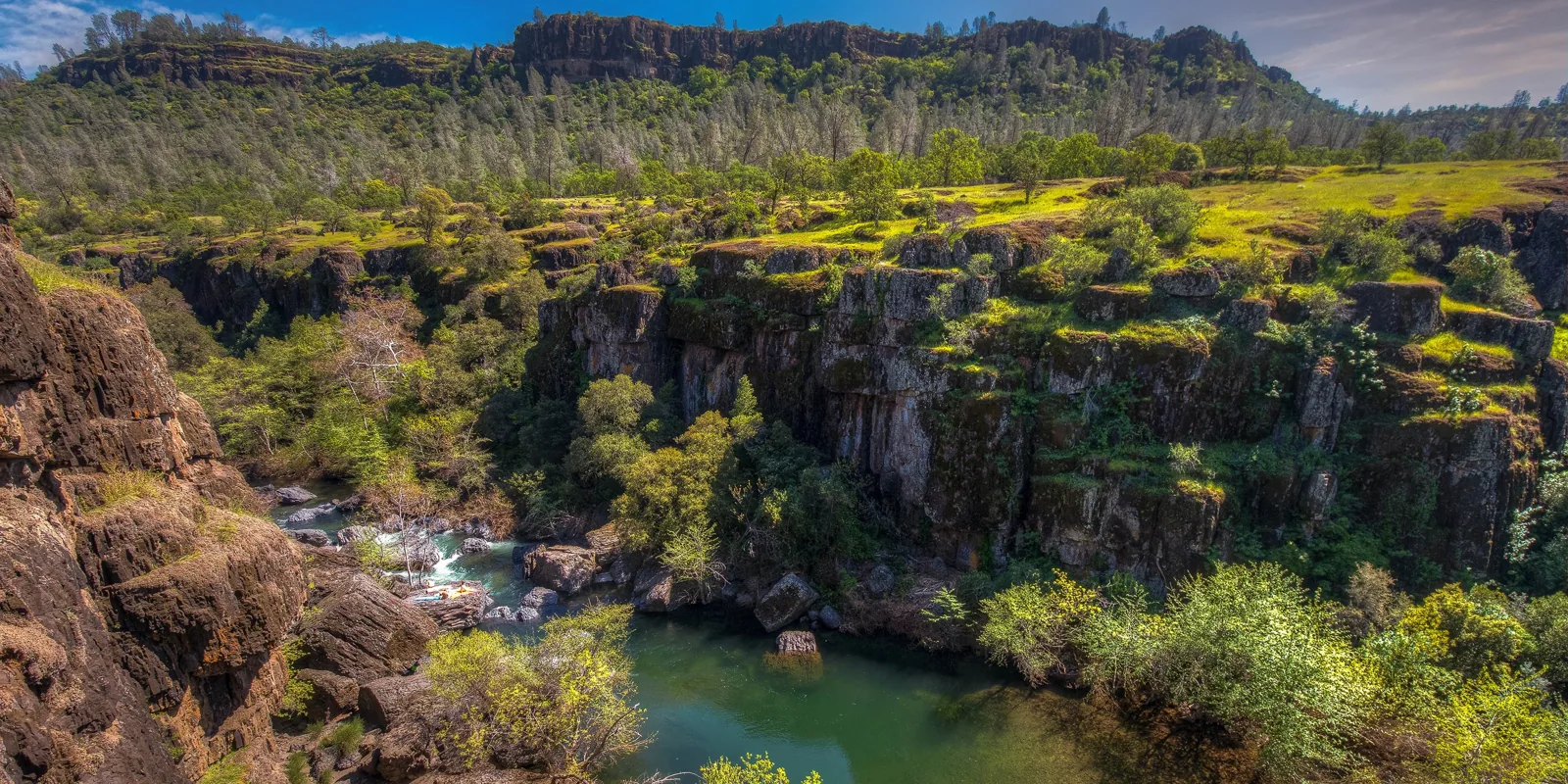
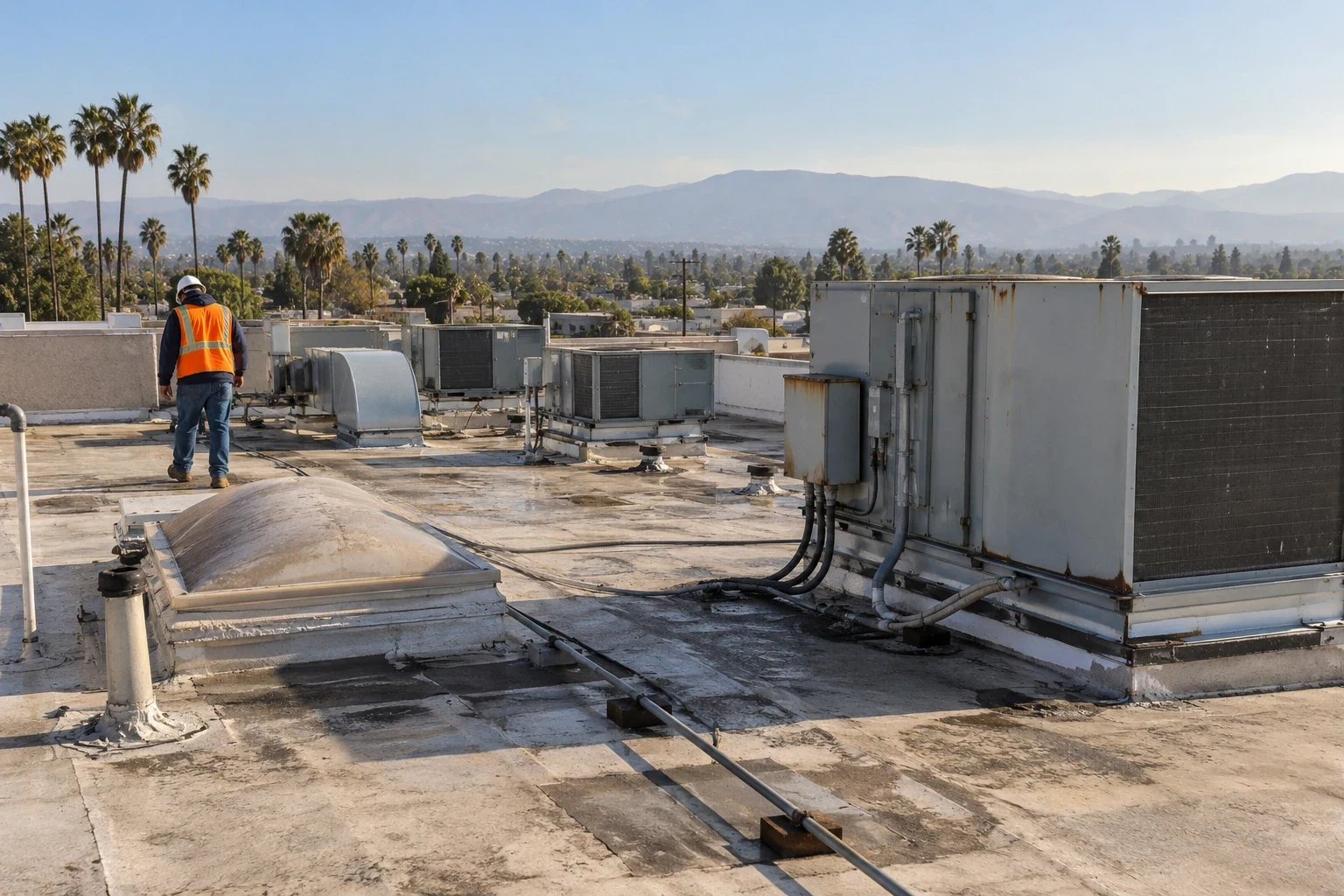
A foothill roof review begins by matching the access route to the roof area that needs attention. Butte County's General Plan 2040 identifies Forest Ranch as a foothill community and labels commercial use there, which supports a broad community service area. It does not establish the material or condition on any one building. We ask what changed, map the reported room to the roof zone, and note where an inspection can safely reach. That first record keeps a local seam repair from becoming a wider scope by assumption and gives the owner a clear point for the next decision.
Read the foothill parcel first
Forest Ranch is an unincorporated Butte County community. A mailing label alone may not answer which office handles a permit, so we identify the parcel and describe the proposed roof work before the owner confirms the applicable review path. Replacing a membrane, changing insulation, or moving rooftop equipment can raise different questions than resealing one flashing detail. We document the visible roof assembly, drainage, perimeter, and access limits so the scope can be discussed against the property rather than against a generalized foothill assumption.
California's 2025 Building Standards Code took effect on January 1, 2026, subject to locally adopted amendments. The project team should confirm which provisions govern the specific alteration and permit. We can identify the roof conditions and affected details for that conversation, then coordinate the work boundary with the approved scope. An inspection with a marked condition report distinguishes what is visible from what may need a closer look after removal. For a separate service area, a Cohasset roof assessment also begins with its own parcel and access record.
Keep the route clear while work opens
Before materials arrive, we confirm where the crew can unload, how the roof will be reached, and which surface can support the planned movement. A foothill work plan should name the person who controls access and the place where material or debris may be staged. We also identify the daily stopping point: the roof area that can be opened, inspected, and closed before the crew leaves. If a section cannot be reached safely, it remains outside the inspected boundary until access changes.
Butte County publishes a Forest Ranch evacuation map as part of planning for unincorporated communities. That gives a property contact a reason to keep current access and continuity instructions available during scheduled work, but it does not establish the conditions on a given road or roof. We confirm the property rules with the owner instead of relying on a community map to direct crews. When water is entering during a storm, our urgent roof response can address temporary protection first, then define the permanent repair after the area can be inspected.
Use the roof surface as evidence
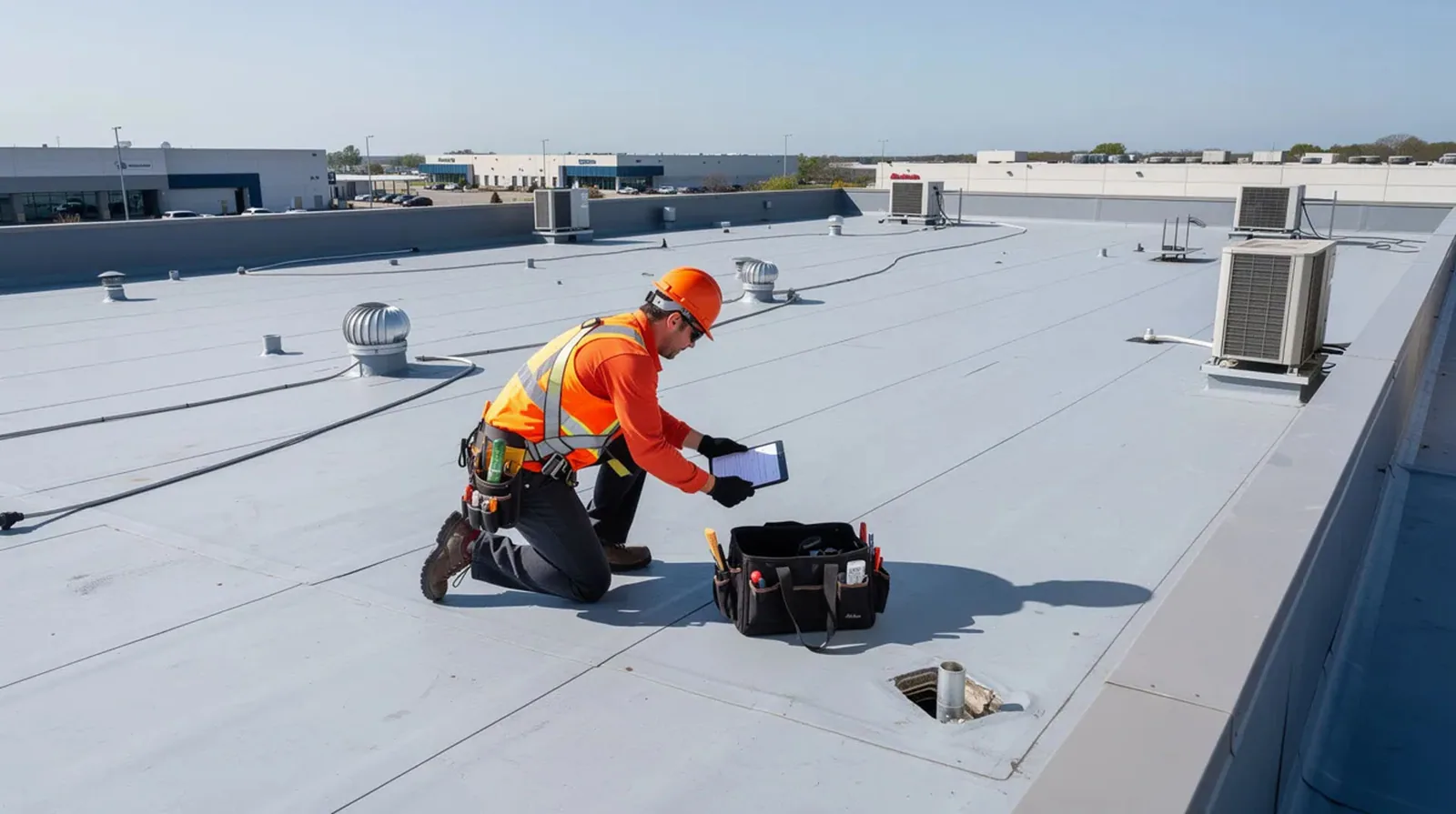
When an interior mark appears after rain, the first task is to trace the path, not to patch the ceiling projection. Water may travel along a deck or below insulation before reaching the room. We compare the report and its timing with seams, penetrations, changes in plane, drains, and edge details. A photo keyed to a simple sketch records the roof zone and the point where the material changes. If the affected area is not safely accessible, that limit stays in the report so the owner does not treat an unseen section as cleared.
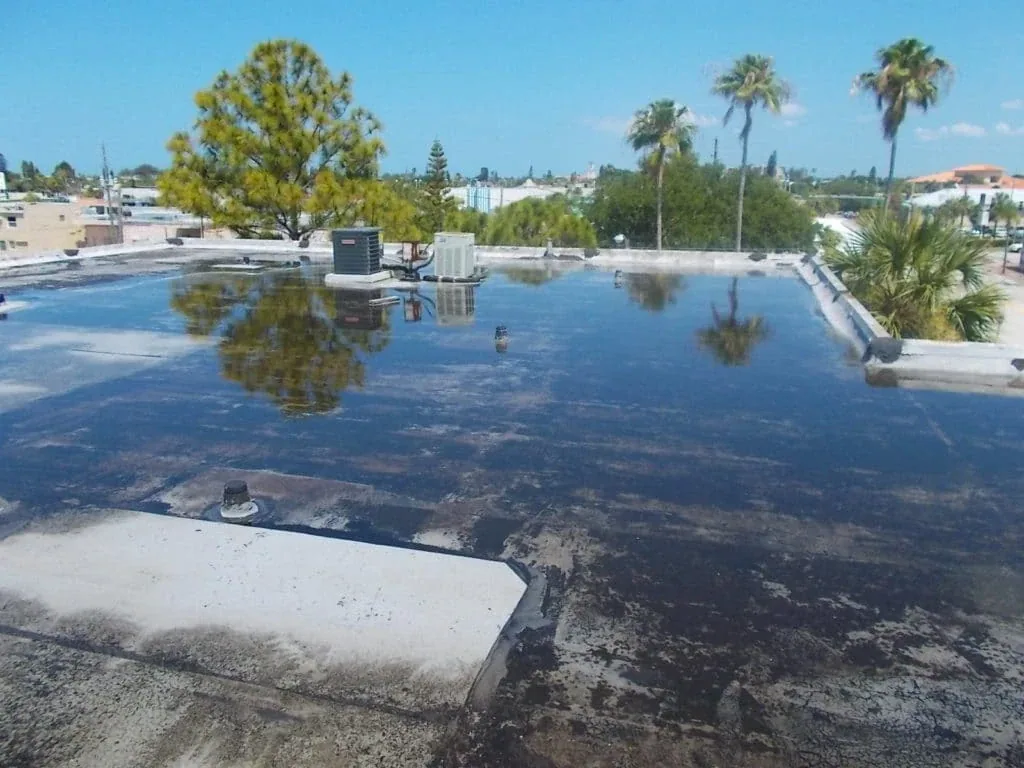
Butte County describes a Mediterranean climate in the Chico hazard annex, with hot dry summers and cool wet winters. Chico's NOAA normals show 27.39 inches of annual precipitation, concentrated more heavily in winter than in July and August. Those measurements describe the Chico station and market context, not a Forest Ranch site forecast. They make it useful to inspect drainage and temporary tie-ins before a roof is opened. A drain and scupper check records outlet flow, while a photo condition report keeps the water-path observations tied to a repair boundary.
Schedule around a changing season
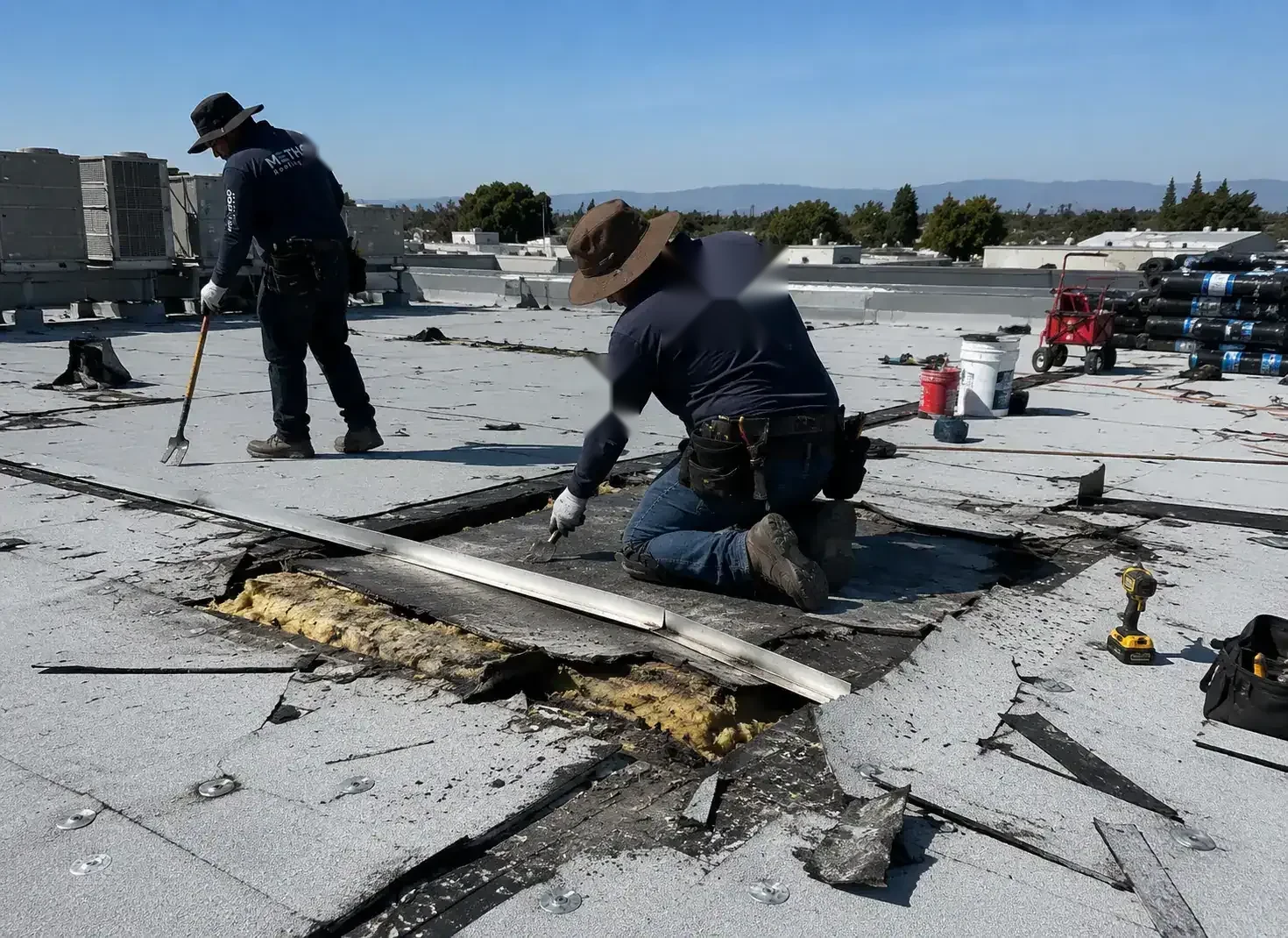
Summer heat can change surface temperature and crew pace, while a winter opening needs a close plan before removal begins. We look at the forecast, the actual roof assembly, the amount of insulation exposed, and the time required to make a temporary tie-in. If moisture is found beneath the membrane, the work area may need to expand only after the owner approves what removal reveals. The schedule should therefore include a decision window for concealed material, not just a start and finish date.
For an occupied property, we map the rooms or operations below the roof area and identify who receives an update if the work shifts. This matters when access is limited or a weather change narrows the safe work window. The owner can keep the route, contact, and evacuation instructions current for the crew. A maintenance visit can then revisit drains and exposed details before seasonal work is planned, using prior photographs rather than starting from a vague note about a past leak.
Choose the smallest defensible repair
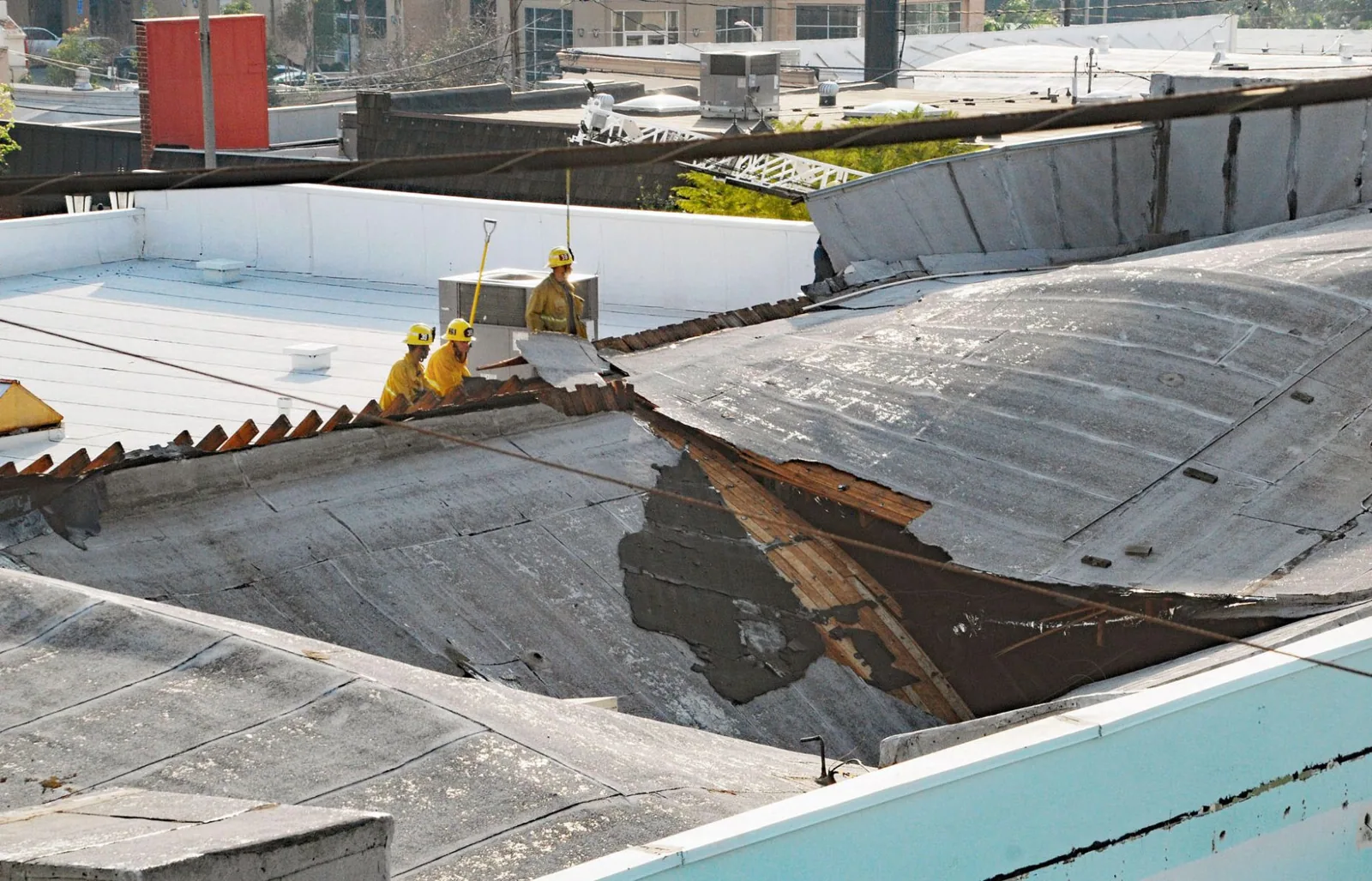
A local repair may be appropriate when the surrounding membrane remains attached, the substrate is dry enough to bond, and the opening has a defined edge. If repeated patches, widespread loss of adhesion, or confirmed wet insulation extend beyond that point, the work may call for a larger section. We show the observation that supports each choice and list what additional inspection would change it. The owner can compare a limited repair with a planned replacement without treating roof age or one interior stain as a complete diagnosis.
A recover adds a new assembly over existing material only when layer count, moisture, structure, drainage, attachment, and edge height support it. Where those conditions remain unknown, a test cut or targeted removal may be needed before pricing a full scope. A property in Meriam Park has its own design and access conditions; the same is true in Forest Ranch. A replacement estimate should state removal assumptions, deck review points, flashing work, and who can approve concealed-condition changes.
Carry observations into future maintenance
At closeout, we identify the repaired zone, material, dated photographs, and any item that remains for follow-up. The record should show whether a nearby seam or drain was inspected or left outside the access boundary. That distinction helps a facility manager compare a later stain with the earlier repair without assuming it has the same cause. Keep the roof sketch, access instructions, and contact list with the building service record so another person can understand the work without guessing from a short invoice description.
Scope and timing reflect the measured roof area, layers, deck condition, material, staging route, disposal, and weather window. A concealed deck issue may change the quantity, so the estimate should identify the approval point before work starts. Share the building use, symptom, roof history, and access contact to schedule a Forest Ranch inspection. We will document the accessible roof and state which condition needs the owner's next decision.
Commercial Roofing Questions
How do I confirm which office handles a roof permit?
Forest Ranch is unincorporated. We identify the parcel and proposed alteration so the owner can confirm permit jurisdiction and applicable code requirements with Butte County.
What does a useful foothill access plan include?
It names the route, unloading point, approved staging area, access contact, and daily closeout boundary. We keep any unreachable section outside the inspected area.
Should a leak be patched from the ceiling stain location?
We trace the roof assembly from the report through seams, penetrations, drainage, and edges. The interior mark alone does not set the repair boundary.
Does a Chico rainfall normal predict the Forest Ranch work day?
No. The NOAA figures describe the Chico station. We use the current forecast and the observed roof to plan an opening and temporary tie-in.
What changes a repair into a replacement scope?
Repeated failures, wet material beyond one detail, or broad attachment loss may support more work. We show the evidence and note what inspection could change the recommendation.
Plan a Forest Ranch roof inspection
Share the building use, current symptom, roof history, and access contact. We will record the inspected area and any decision that affects the work window.