Commercial Roofing for Hospitality Groups in Chico, CA
A leak above a guest room, event space, kitchen, or back-of-house corridor can affect both a building decision and the day's operating plan. For a hospitality group reviewing Chico properties, we start with the room or roof zone reported, identify the contact who can authorize access, and trace the water path. The inspection separates immediate protection from the permanent repair or renewal scope that needs more evidence.
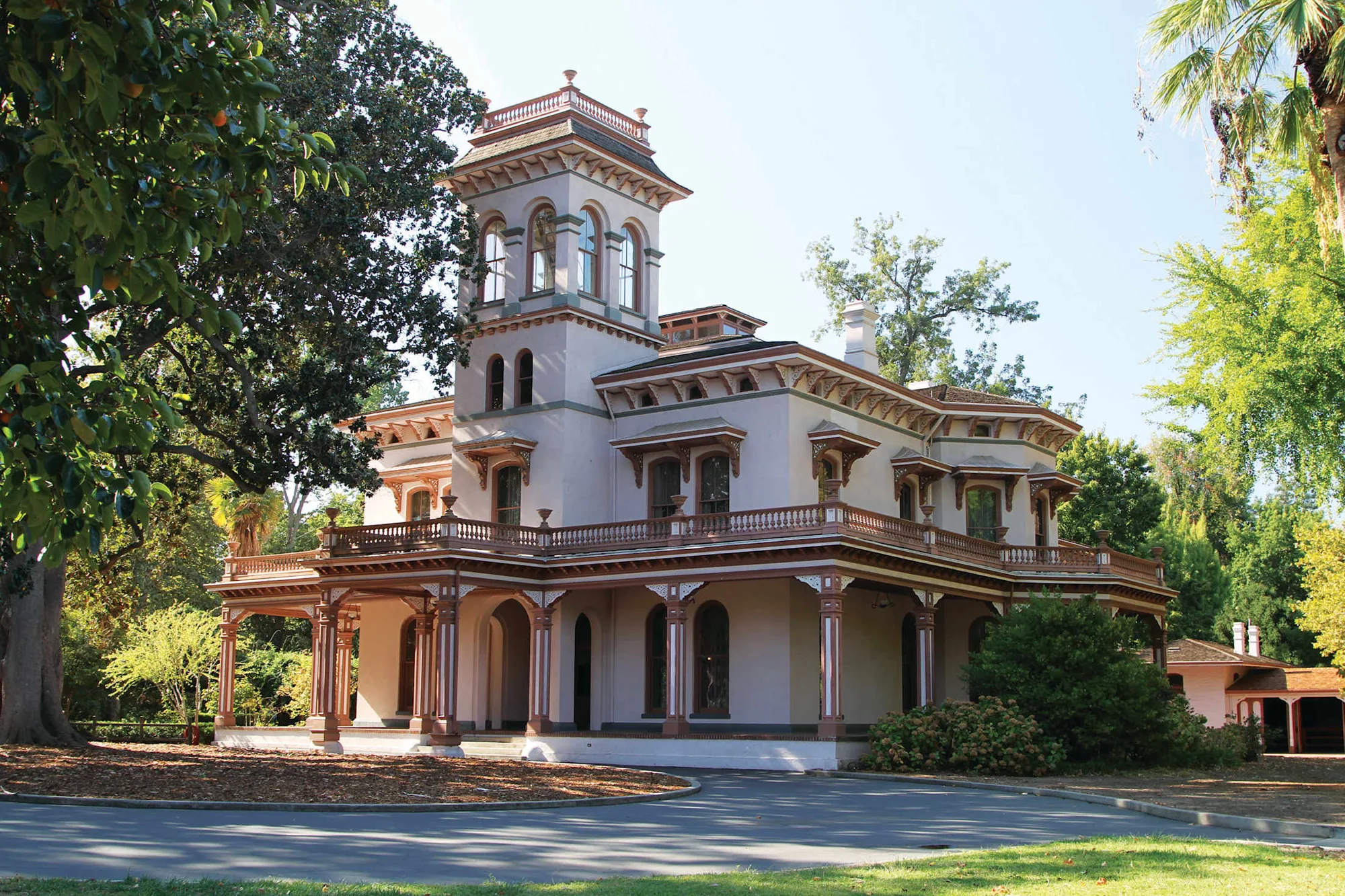
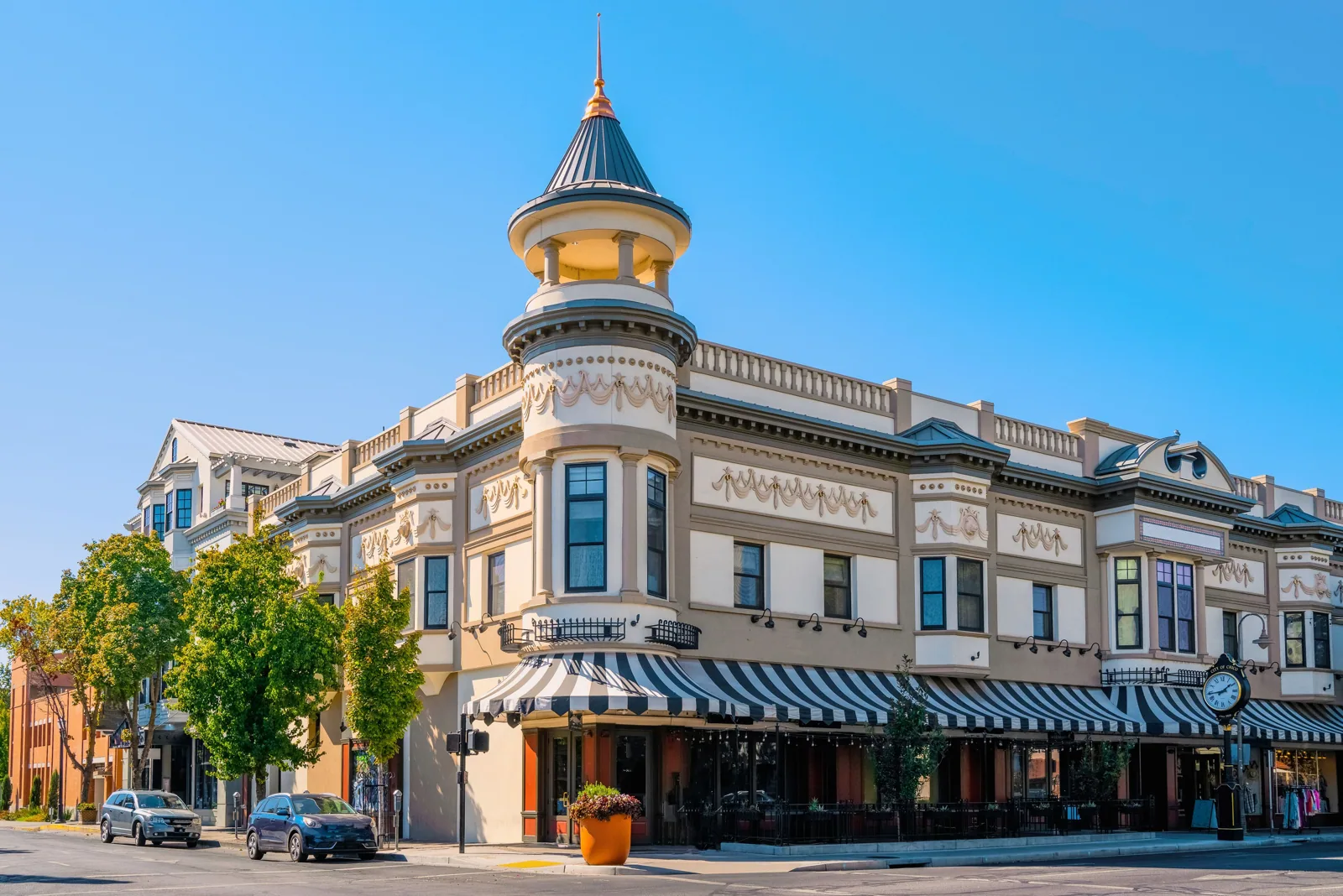
In Chico, Downtown and North Valley Plaza give a hospitality operator two different commercial settings to discuss when planning access. Those district names orient dispatch, but they do not establish the roof assembly, occupancy plan, or condition at a particular lodging property. Those area descriptions orient service planning; they do not establish the presence, layout, or roof condition of a particular hotel. A Downtown Chico roof request begins with the actual property and its access rules.
Protect the Guest and Staff Routes
The hotel or venue team identifies occupied rooms, event changeovers, deliveries, kitchens, and entrances that cannot be blocked. We tie those limits to the roof area above, the lift location, and any interior protection needed below. A ceiling report is not always directly under the entry point, so we inspect the slope, seams, curbs, drains, and wall transitions before closing an area or moving guests. The report notes each affected room and the roof evidence that supports the proposed boundary.
Noise and staging may need a different window from the main repair. If the property has a scheduled event or a full arrival period, we identify what work can be completed before that window and what should wait. An occupied-building sequence can define the daily stop point and access contact. When an exhaust fan or HVAC unit is in the zone, the hotel's mechanical lead confirms whether service access or a shutdown is required.
Inspect the Roof Above Mechanical and Service Areas
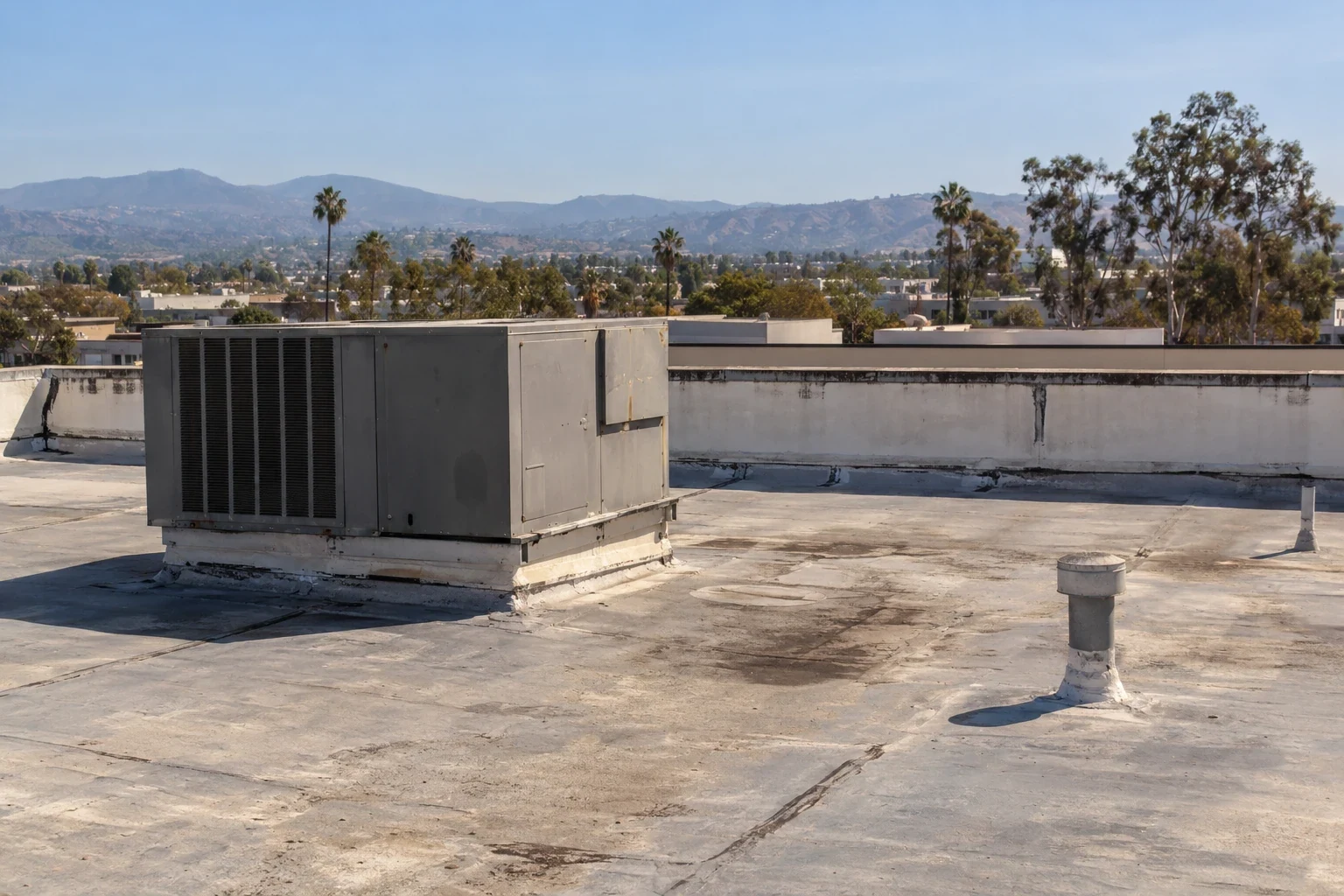
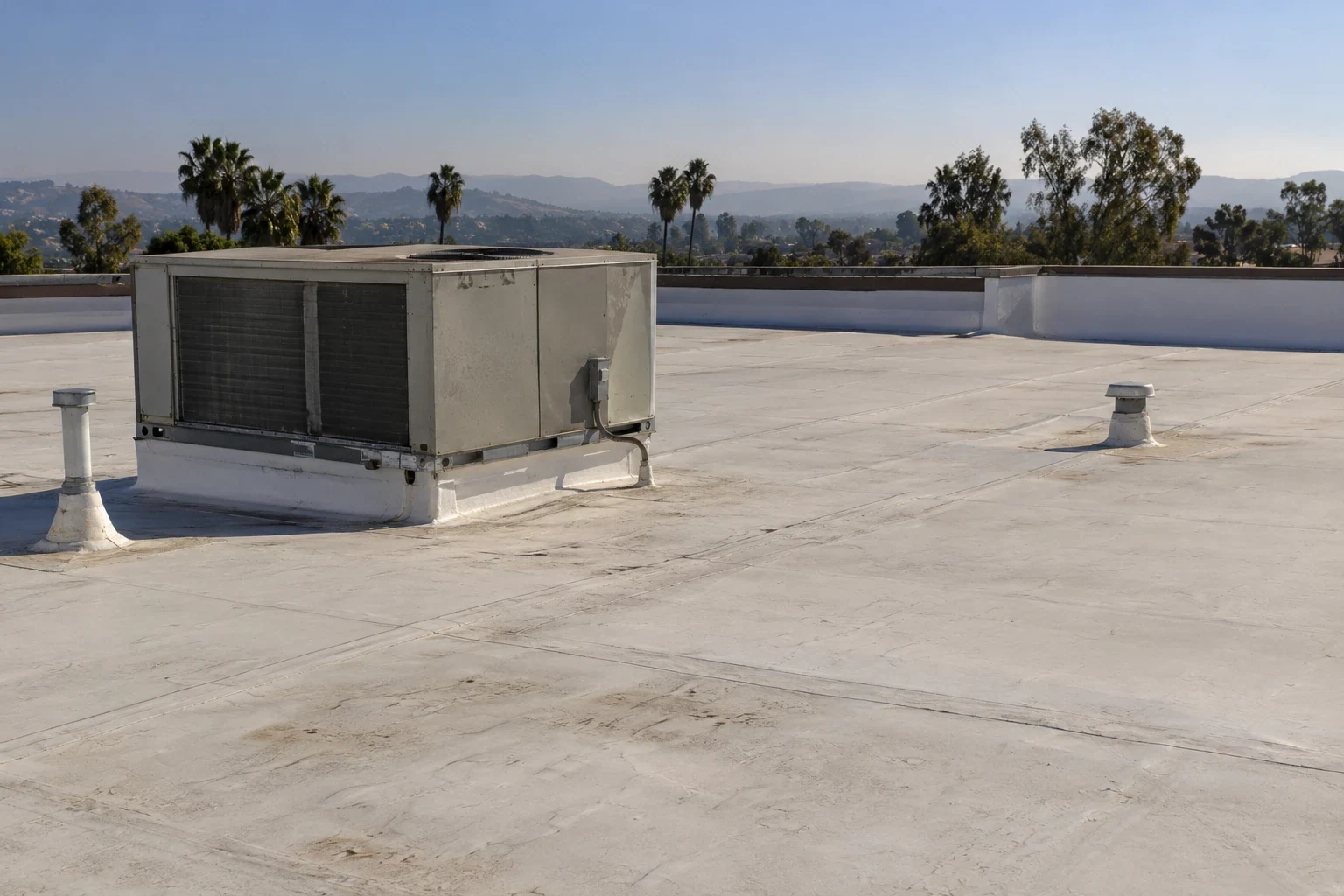
Back-of-house roofs may have exhaust, intake, refrigeration, plumbing, and other penetrations. We check flashing, curb corners, fasteners, nearby membrane seams, and drainage behind each unit. Grease or condensate exposure can matter at a detail, but we verify the surface before assigning a cause. If equipment replacement is scheduled, the proposal identifies which trade alters the curb and who restores the waterproofing after the unit is set.
Chico's hot, dry summers and wetter winter period give the roof different seasonal exposures. Heat can affect sealants and exposed laps, while winter rain tests outlets and transitions. Neither condition establishes that a hotel roof has failed. A commercial roof inspection documents the assembly and the detail that needs attention. If the system is confirmed as TPO, a TPO repair review can specify compatible preparation and welding at the actual seam.
Follow Water From the Roof Basin
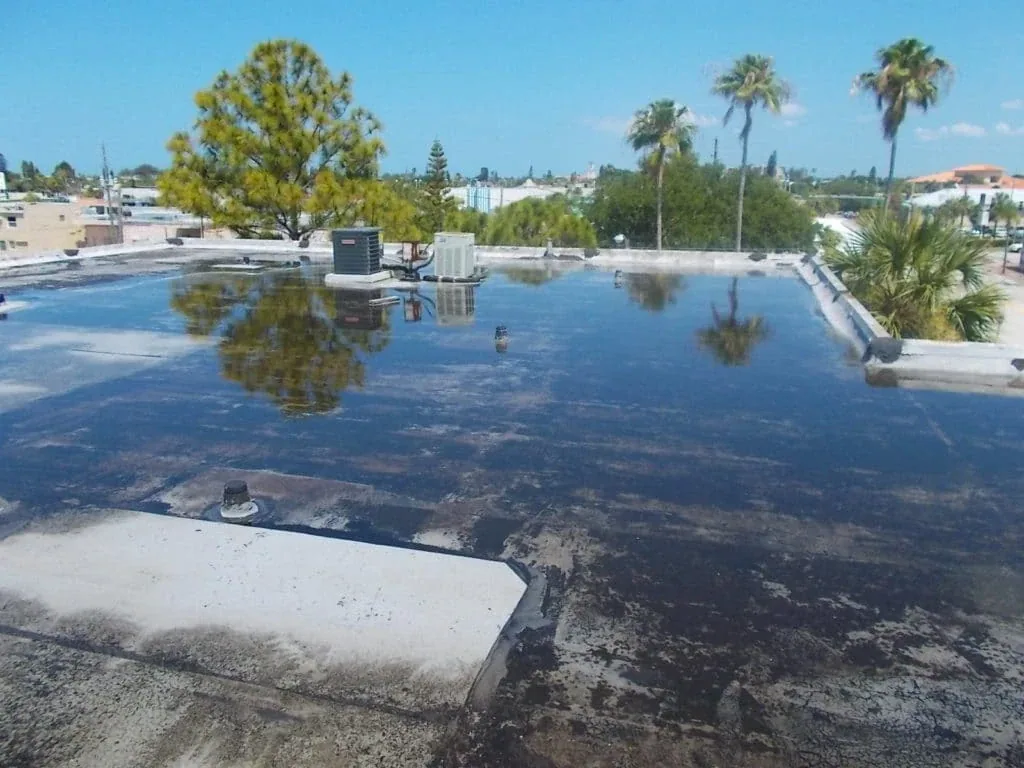
Chico's normal precipitation is concentrated in winter. We inspect the roof basins, drains, scuppers, overflows, and gutters before a sequence of storms, then follow the discharge route to its outlet. A low spot may reflect debris, altered equipment, slope, or a flashing concern; the observation needs to be tied to a roof map. If a discharge path crosses a guest entrance or loading area, we note where temporary controls would be needed during work.
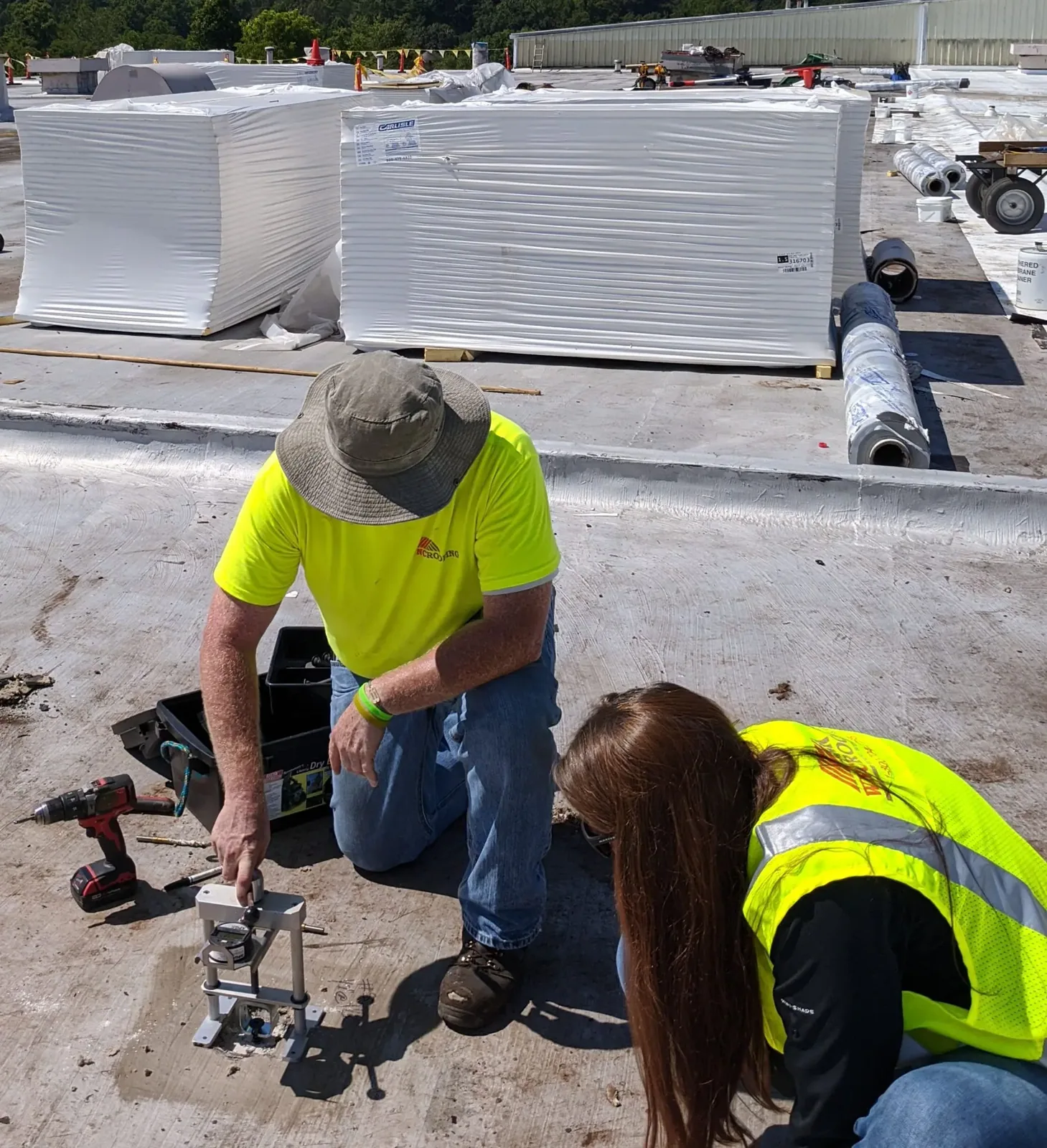
Downtown Chico's mixed-use setting and North Valley Plaza's commercial uses have different planning contexts, but neither shows how a specific building drains. We inspect the actual roof. A drain and scupper review can distinguish a maintenance task from a membrane correction. Where wet insulation is possible, we document the suspect area and identify whether conditions permit a moisture survey or an approved opening before recommending a wider replacement boundary.
Match the Work Window to the Operating Calendar
A hospitality schedule may include check-in, departures, meal service, conference setup, and deliveries. The property contact identifies which routes remain open and where materials can be staged. The roofing crew plans an area that can be safely closed and dried in that shift. If weather shortens the open-roof period, we protect the defined boundary and update the person who controls the next access window.
Summer heat can influence surface preparation and product handling. We check current conditions and the manufacturer's installation instructions before beginning. For properties near State Route 99 or other Chico commercial corridors, vehicle access can matter for delivery, but the site's own entrance and service requirements determine staging. The report records completed roof zones, temporary measures, and any room or route the operator chose to keep restricted until closeout.
Compare Options With Guest Operations in View
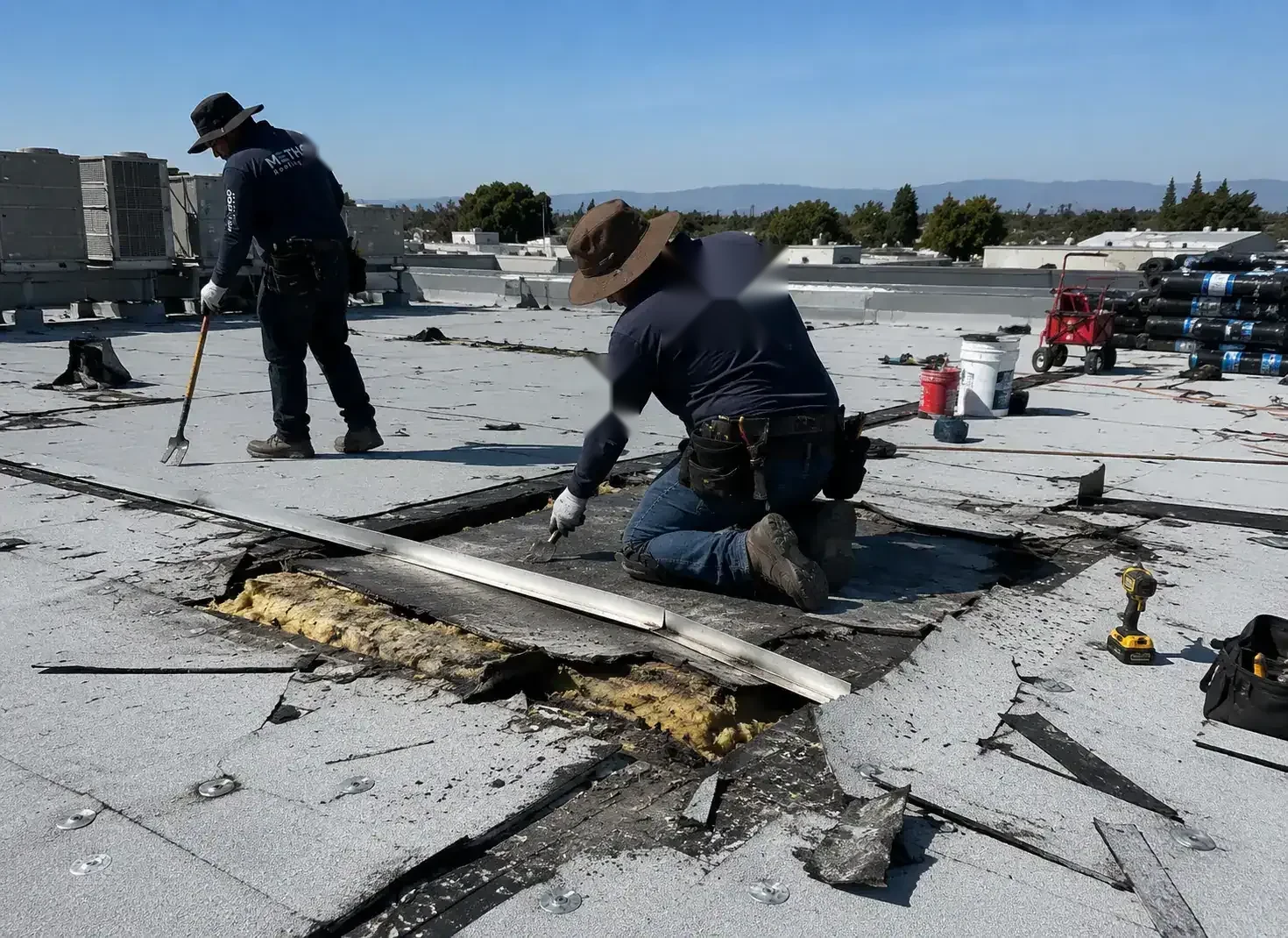
A repair may fit when a seam, curb, or flashing failure is localized and adjacent material remains serviceable. Partial replacement can be considered if moisture crosses a defined section or the same path returns after prior work. Full renewal belongs in the comparison when problems extend across the assembly or the substrate cannot support a durable tie-in. We map what is confirmed and list the test that could change the proposed limit.
Cost and timing depend on access, height, equipment, insulation, removal, drains, perimeter metal, disposal, and the open area that can be closed each day. A replacement scope should state how rooms, events, and deliveries are protected. A replacement assessment can compare a phased plan with a bounded repair, while a roof asset record helps a group track separate buildings without treating them as one condition. We keep the proposal tied to the actual property and approval contact.
Retain a Record for the Next Operator
Closeout should identify the roof zone, materials and details corrected, photographs, access limits, and any follow-up test. We keep temporary protection separate from permanent work and note which areas were not inspected. A later staff member can then connect a room report with the date and location of the prior repair, rather than treating every leak as a repeat of the same issue.
Share the building address, operating calendar, affected room, roof plan, and any mechanical work already scheduled. We will map the water path, document the repair boundary, and identify the next inspection point. A retail and restaurant roof review may involve different service periods, while a property manager's work order may address a separate approval relationship. Each scope follows the building's own access and roof evidence.
On a portfolio review, keep each property's roof map separate from the brand's operating calendar. Record the membrane or surfacing verified, repair date, photograph location, moisture findings, warranty documents, and next inspection trigger for each section. Mark access limits and any test that could not be completed. That record lets a facilities lead compare open repairs across locations without assuming that two buildings share an assembly, leak history, or renewal date. It also gives a new property manager a clear starting point.
Commercial Roofing Questions
Can roof repairs be scheduled between guest arrivals?
We can plan around the operating calendar when the access path, weather, and repair boundary allow a safe work window. The property identifies rooms and routes that must remain open.
What should staff do when water appears in a guest room?
Follow the property's room and interior-protection procedure, then record where and when the water appeared. We trace the roof path and document any temporary measure separately from permanent repair.
Does a leak near a kitchen exhaust mean the curb is failing?
It is one detail to inspect, not a diagnosis. We check the curb, adjacent seams, slope, drainage, and equipment history before setting the repair limit.
What can make a hospitality roof project take longer?
Equipment coordination, guest access, event schedules, removal depth, weather, and concealed moisture can change the sequence. We document the daily closeout limit and any approval hold point.
How can a group compare roofs at several properties?
Use one record format but keep each property's assembly, photographs, access limits, and findings separate. We can identify common reserve needs without transferring one building's condition to another.
Plan a Chico Hospitality Roof Review
Send the property address, operating calendar, room report, roof plans, and any equipment schedule. We will map the affected zone and set a workable access plan.