Duro-Last Commercial Roofing in Chico, CA
Duro-Last is known for custom-fabricated PVC roofing systems. A project record should still identify the exact product, roof area, attachment, insulation, and detail package installed at the property. We compare submittals and closeout documents with field seams, perimeter conditions, curbs, drains, and previous repairs before recommending a repair method. Fabrication records and field construction both matter when a detail needs service.
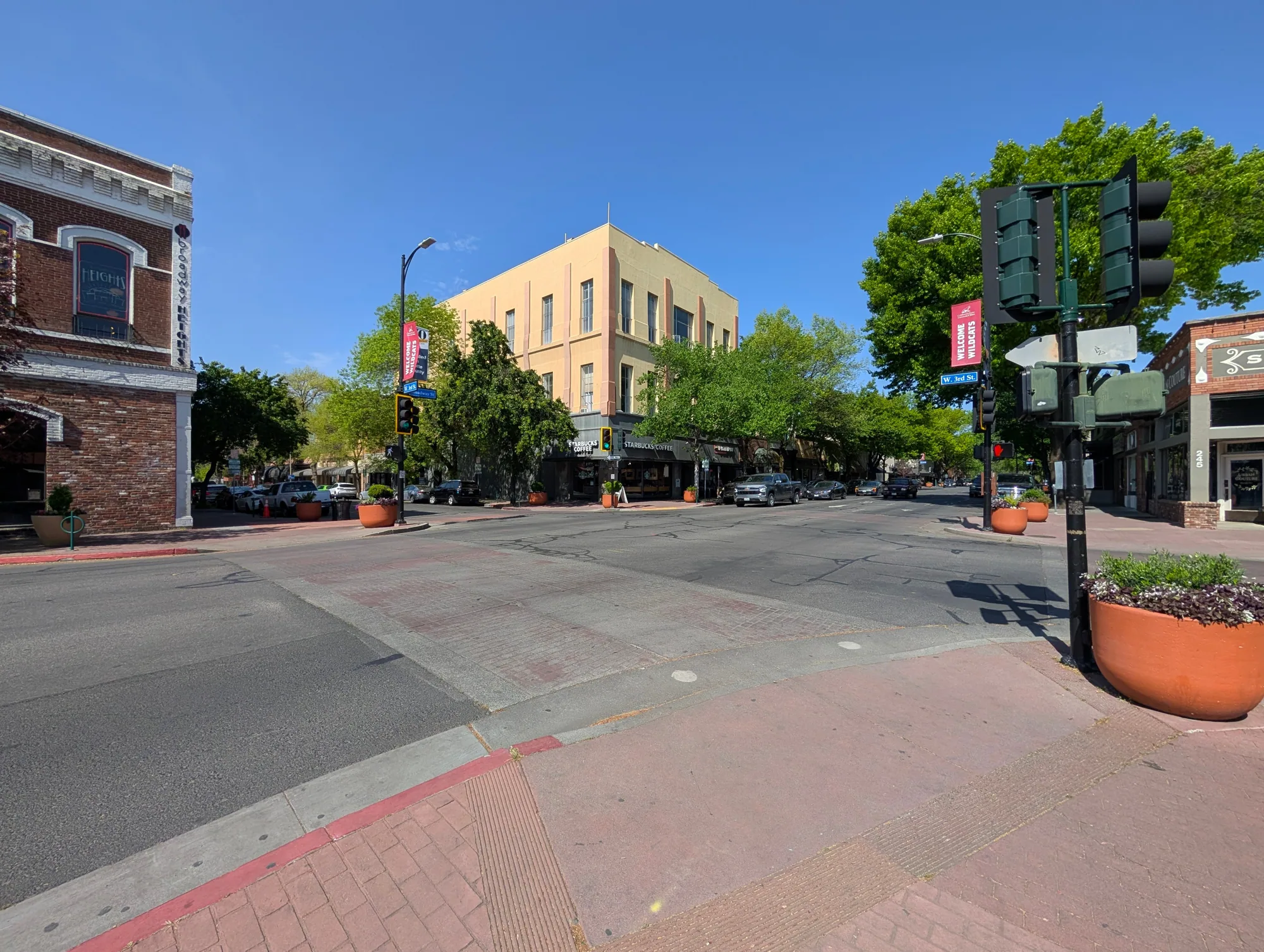
On a Chico property near Park Avenue, we use the roof plan to locate each area and note the inspection date and surface condition. The City's planning materials identify Park Avenue and 20th Street as important commercial routes, but the route itself does not describe a roof. A commercial roof inspection records accessible system details and unresolved questions.
Match Fabrication Records to Field Conditions
We review the approved layout, product schedule, closeout file, warranty certificate, and any later service tickets. A prefabricated membrane section may arrive with planned seams or formed details, while field conditions still require tie-ins around actual curbs, walls, and equipment. We compare the installed pattern to the roof plan and identify areas changed by later additions or repairs.
Documented measurements and field observations should agree before a repair is ordered. If an opening has moved, a curb has changed, or an earlier patch covers an edge, the current condition may differ from the original fabrication record. The owner receives a note about that difference before material is selected. The PVC system review can help frame material questions once the actual product is confirmed.
When records include a field seam map, compare its panel sequence with the present roof before ordering material. A service patch may have changed the original tie-in location, and a new curb can interrupt a prefabricated section. Photograph those differences and mark them on the current plan. The owner can then decide whether to request updated fabrication information or define a local field repair.
Check Field Seams and Formed Details
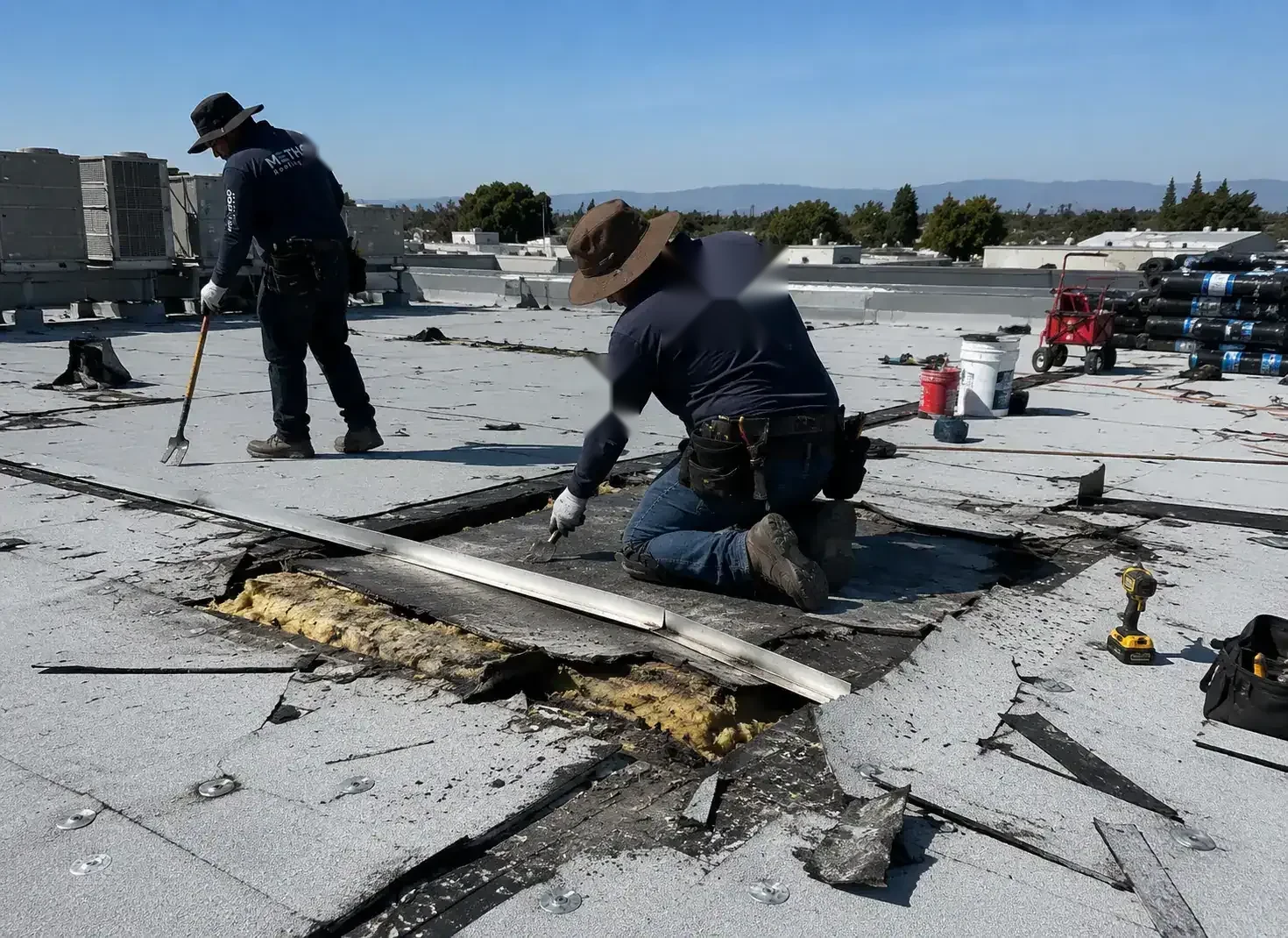
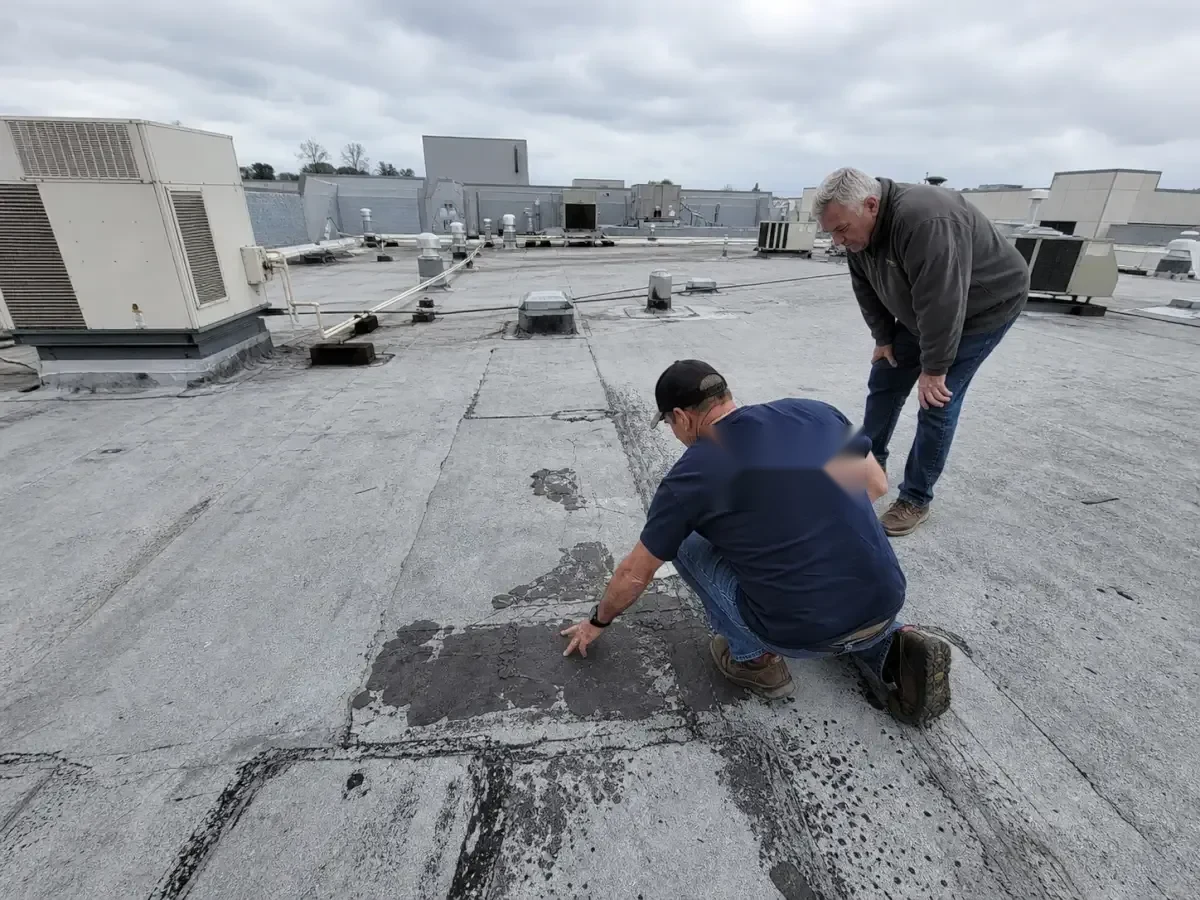
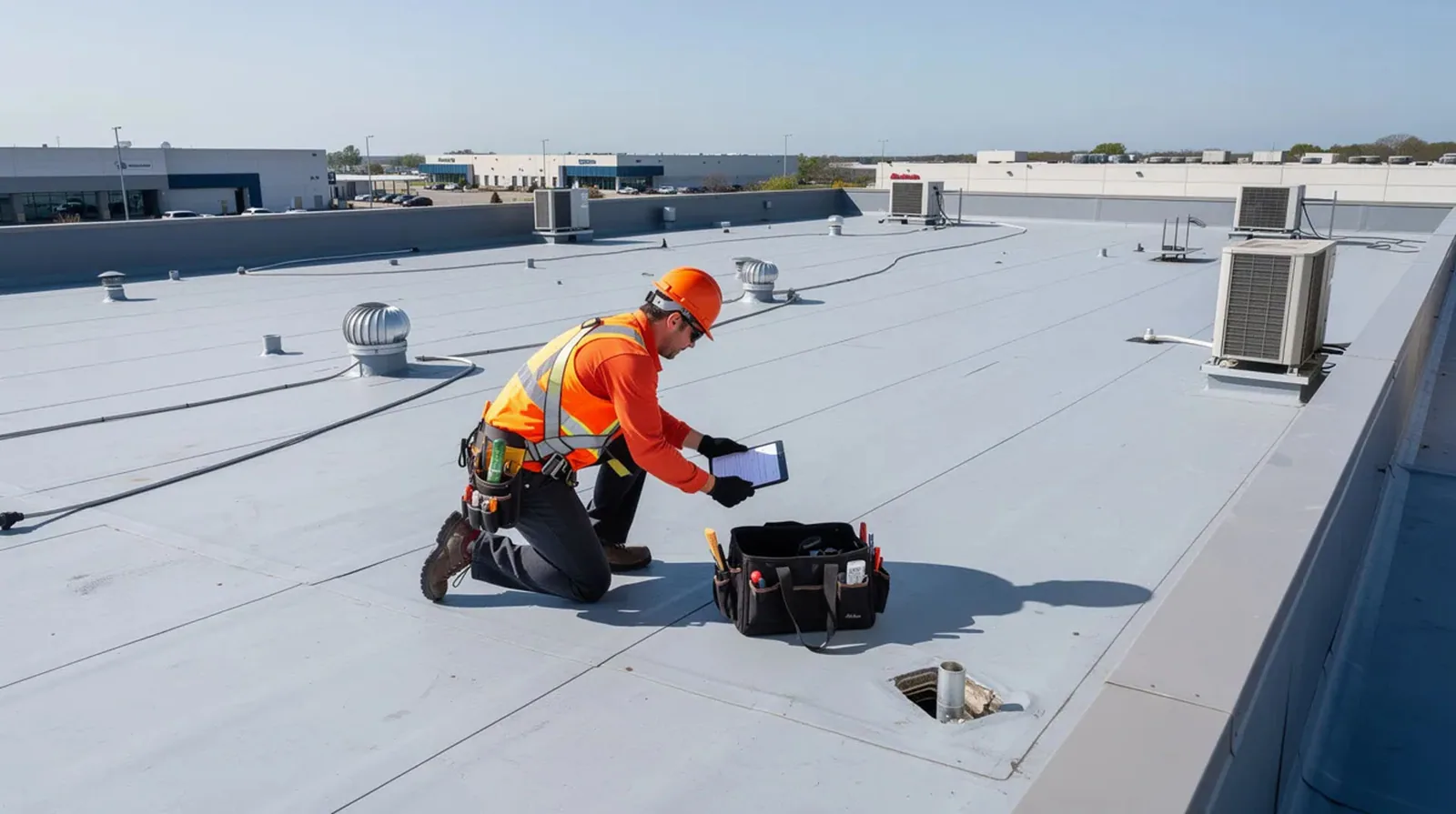
Inspection covers field seams, corners, pipe penetrations, drains, curbs, and termination points. We look for separation, wrinkles, open edges, abrasion, loose flashing, and patches with weak tie-ins. Each condition is linked to the plan reference and photographed. Where an allowed seam probe or other field check is used, the record identifies the exact segment and surface condition.
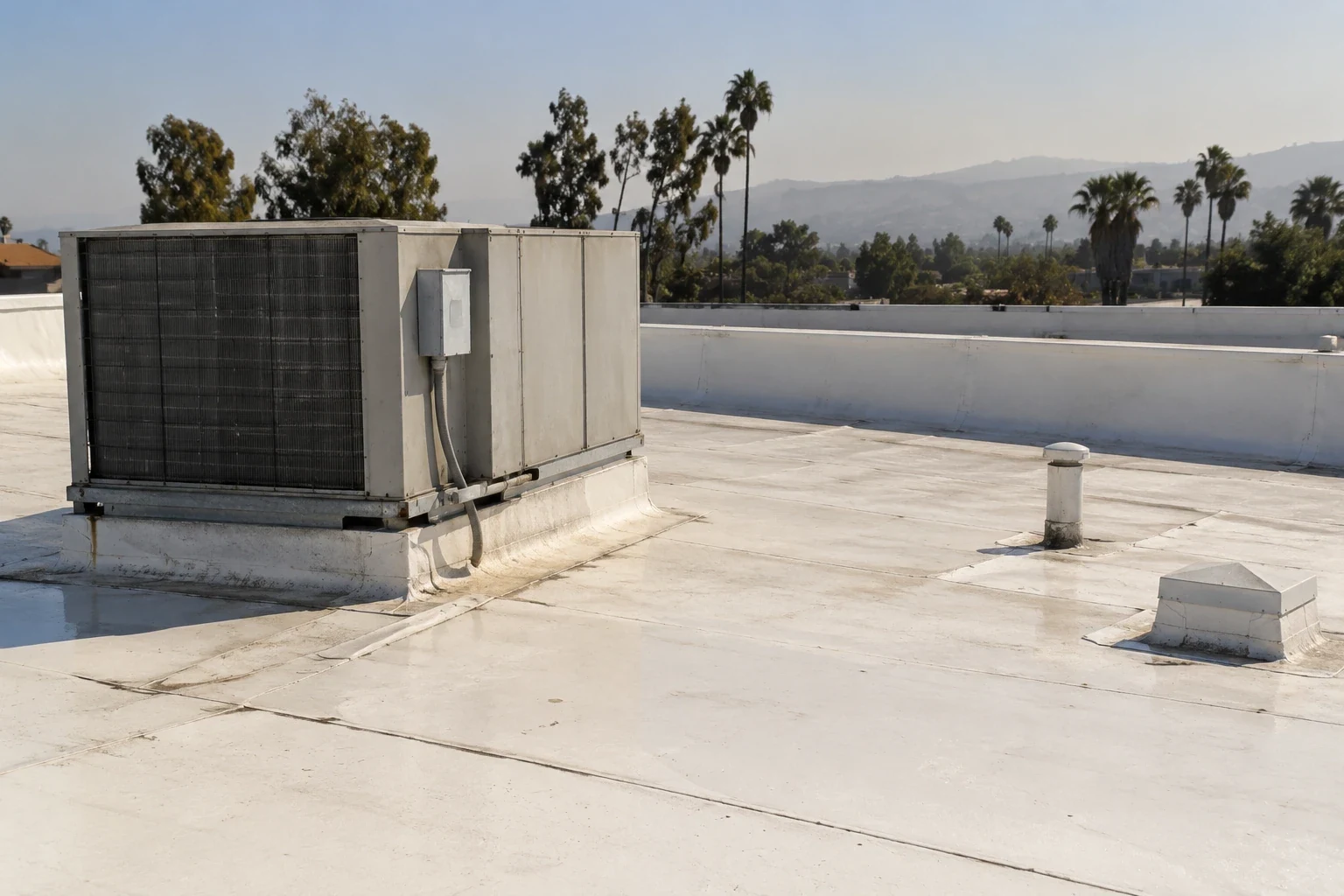
Factory-prepared details can simplify a planned assembly, but the finished roof still depends on its field connections and surrounding materials. A repair at a curb should follow the product and detail documentation, not an assumption that every prefabricated part can be reused. A penetration review can map a curb or skylight condition, while an open lap receives a seam repair assessment with its own tie-in length.
Prepare the PVC Surface for a Repair
Before patching, the crew confirms the product record and checks whether the membrane is clean, dry, and attached around the opening. Dirt, oxidation, coating, old adhesive, or another repair can affect the preparation. The selected patch and weld procedure follow the applicable product instructions. The scope states the preparation area, tie-in, and what conditions require an owner decision before work expands.
Water may appear inside at a point separate from the roof opening. We compare the report with slope, drainage, curbs, and prior closeout notes. If a concealed layer is suspected, a defined test may be needed before a larger patch or replacement boundary is drawn. A repair scope can address the confirmed area, while a moisture survey answers a separate mapping question.
For a welded patch, protect the prepared area from dust and foot traffic until the seam can be checked. The closeout should note the approximate surface condition and any interruption during the work. If the crew cannot verify a tie-in because the roof is wet or access closes, record the unfinished check and schedule a return instead of presenting it as complete.
Protect Details During Service and Maintenance
Maintenance notes can track roof access, debris, drain condition, seam observations, and repairs by roof-area reference. The property contact should identify equipment routes and areas where service activity could contact the membrane. After work by another trade, a brief detail review can document whether the path, supports, or flashing changed.
Chico's dry summer and wetter winter season make visit dates useful context, but surface condition and the manufacturer's directions determine a repair window. A maintenance visit can record accessible drains and details. The owner should keep these notes with fabrication drawings and the applicable product certificate so later work can be compared with the intended layout.
Keep Product, Warranty, and Repair Files Together
A warranty certificate, fabrication layout, approved details, inspection notes, and repair closeout should point to the same roof area. We can index the files supplied by an owner and note missing documents or conflicting references. The actual certificate defines its terms and covered system; a product label alone does not determine coverage or authorize a repair.
The closeout lists material identified, surface preparation, patch location, date, photographs, field checks, and remaining questions. A warranty record review can track document-based dates. If a portfolio includes other membrane systems, a Sika Sarnafil record and a GAF closeout file stay attached to their own buildings rather than mixed into a Duro-Last roof history.
Keep the certificate and fabrication record in the same property folder, with an index that names the roof area and file date. That reduces confusion when more than one system is present.
Compare a Bounded Repair With Broader Work
A local repair may fit when damage is limited and a compatible tie-in can reach sound membrane. Multiple failures, widespread wear, or a changed roof layout may call for a larger restoration or replacement evaluation. We state the observed basis, included area, access assumptions, and conditions that could change the scope. The owner can weigh the mapped correction against a distinct project that addresses additional roof areas.
For commercial properties near Park Avenue, East 20th Street, and the Skyway Commercial District, access and delivery timing depend on the site's operating rules. We confirm them with the property contact before scheduling. A replacement assessment should use the current layout and field measurements rather than treating the original fabrication drawing as a complete record of later changes. The final handoff identifies the sections inspected and any areas left for follow-up.
When several roof areas share one building, use a separate label for each section and note additions or canopies that were excluded. Keep the current plan, product schedule, and closeout references together so the next reviewer can trace which detail was repaired and which one still needs inspection.
Commercial Roofing Questions
What Duro-Last documents help with a Chico roof repair?
Share the product schedule, roof plan, fabrication layout, closeout records, warranty certificate, photographs, and prior repairs. We compare the records with accessible field seams and details and note any mismatch.
Can a prefabricated Duro-Last roof still need field repairs?
Yes. Field seams, penetrations, perimeter conditions, later equipment work, and prior patches can need attention. The repair should follow the installed product details and current surface condition.
Does the original fabrication layout show later roof changes?
Not necessarily. Additions, curb changes, and service patches should be documented against the current plan. We record observed differences so future work uses the present roof configuration.
Can you confirm whether a Duro-Last warranty covers a repair?
Coverage is governed by the issued certificate, the documented roof area, and its terms. We can file field records with that reference; the property owner should obtain any interpretation or notice direction from the issuer.
What should a Duro-Last repair closeout include?
Record the product, roof-area reference, preparation, patch or tie-in location, date, photographs, tests performed, and any limitation. Keep that record with the current layout and service history.
Compare the Layout With the Roof in Place
Send the Duro-Last fabrication file, roof plan, warranty records, and repair history. We will map accessible seams and details and prepare a compatible scope for your Chico property.