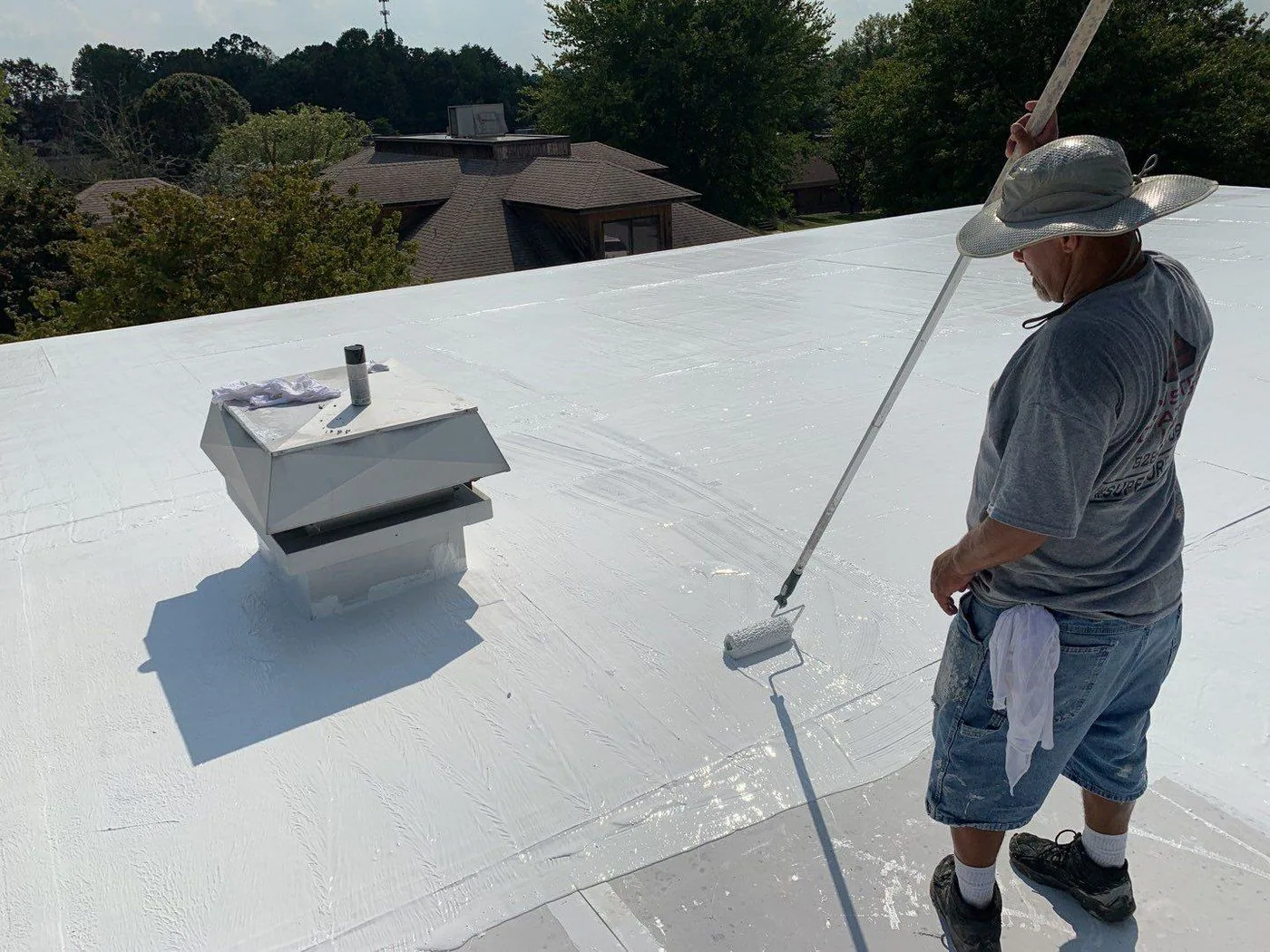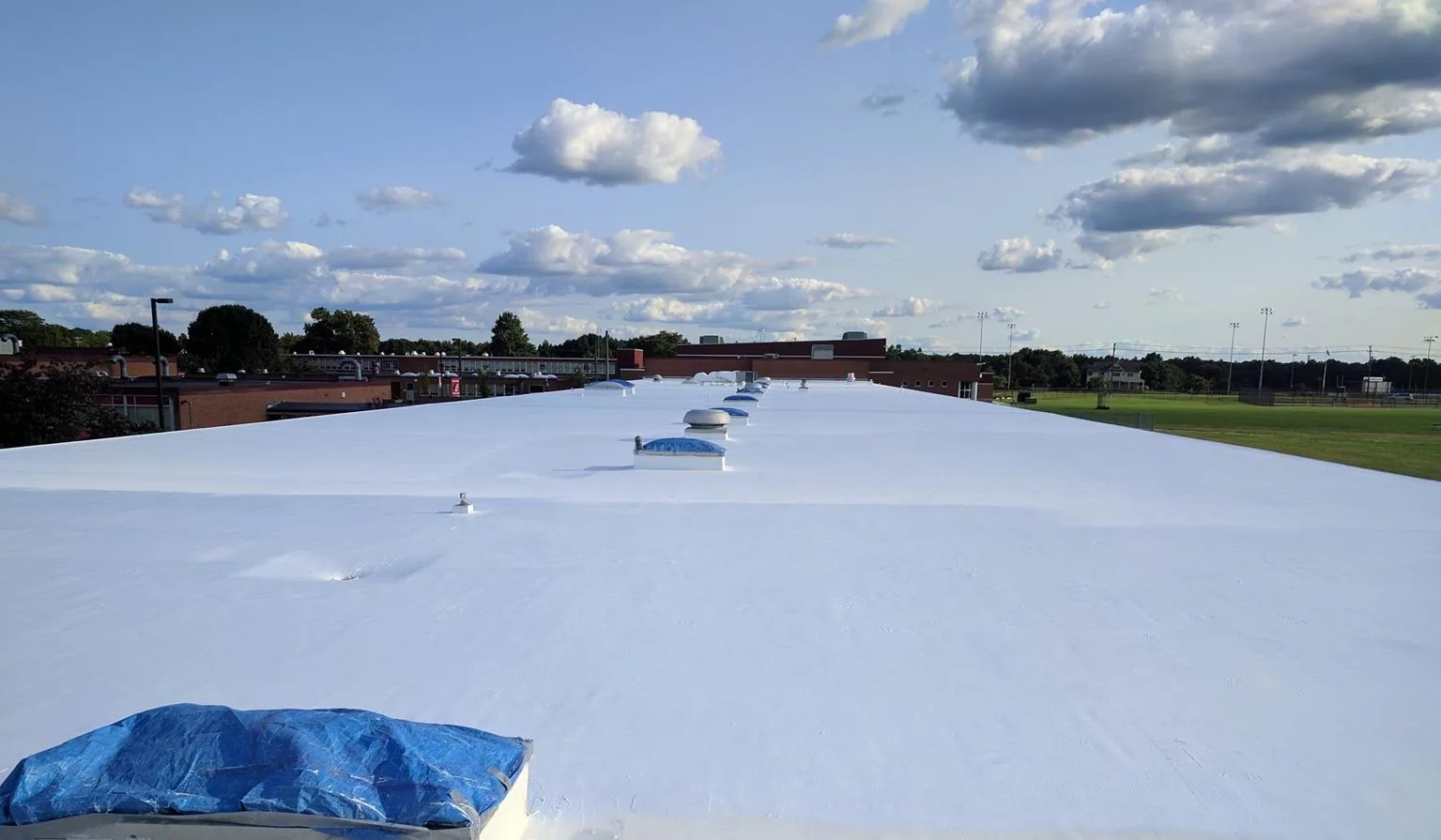
GAF Commercial Roofing Systems in Chico, CA
A roof schedule that names GAF is a starting point, not a complete assembly description. We compare the project records with visible membrane, attachment, flashing, cover board, and edge details before discussing repair or restoration. The exact system and product family affect preparation and compatibility, so the work record should identify what was confirmed and which areas remain unverified.

For a Chico building, the roof's exposure and access matter alongside its product records. Hot summer conditions and winter rain make it useful to record when an inspection occurred and what the surface was like. A property near Skyway's commercial district is still assessed from its own roof plan. A commercial roof inspection documents the installed assembly and the questions to resolve before work.
Identify the GAF Assembly From the Records and Roof
EverGuard TPO is one GAF commercial membrane family owners may see in specifications or closeout documents. The name should be checked against product labels, invoices, details, and exposed field construction. A TPO membrane is only one layer of a roof assembly; insulation, cover board, attachment, substrate, and flashing details can differ between projects. We record the evidence for each area rather than assuming an entire building uses one build-up.
If a schedule lists a coating or another membrane, we trace the source document and confirm whether it describes the current roof or an earlier project. A label on a curb or an old invoice may not represent the whole field. The TPO system review can help the owner compare membrane choices, while the repair method follows the material actually installed.
A project file that compares several named systems can be checked against a Carlisle system record and a Johns Manville product file using the same document-to-field process. Product schedules should retain the exact family and roof area rather than only a broad brand label.
Inspect Seams, Edges, and Penetrations
At a TPO roof, seam condition and tie-ins deserve careful review. We look for open edges, fishmouths, wrinkles, contamination, stress near corners, and patches that have separated. A seam check is performed only where the surface and system permit it, with the tested area recorded. At curbs, drains, skylights, and perimeter edges, we trace how the membrane connects to adjacent materials and whether an earlier repair changes the detail.
Water inside a building can appear away from the roof opening. We compare a report with slope, drainage paths, interior location, and prior repair notes. A mapped moisture survey can address a defined question about concealed wet areas, but it does not identify product compatibility by itself. An open lap can be scoped as a seam repair after the assembly and sound tie-in area are confirmed.
Prepare a GAF Repair for the Installed Product
Repair preparation begins with the correct product documentation and a clean, compatible surface. The crew confirms the membrane family and checks whether the nearby field is dry, attached, and suitable for a tie-in. Dust, old adhesive, coating, moisture, or a prior patch may change the preparation steps. The selected detail should follow applicable manufacturer instructions and the approved scope.
Where a repair involves heat welding, the technician follows product-specific guidance for equipment setup and seam verification. A patch should extend to sound material and should not cover an unresolved leak path. If the roof includes mixed systems or a later coating, we document that condition and confirm the correct interface before moving ahead. A coating restoration review is separate from a membrane patch and needs its own compatibility assessment.
Keep Maintenance and Warranty Records Together
Regular roof records make later decisions easier. A maintenance log can track debris removal, drain observations, loose details, repairs, and photographs by roof-plan area. The owner should retain the applicable warranty document and compare its actual requirements with the maintenance and repair record. We do not infer coverage from the presence of a product name; the certificate and its terms govern that question.
Chico's seasonal shift from dry heat to winter rain can help set a review calendar, while the roof's condition and document requirements determine the visit scope. An inspection and maintenance visit should state which areas were reached and what work occurred. A condition report links findings and photos to the same map, and the owner's warranty file remains the source for notices and dates.
When the maintenance log lacks a date or roof-area reference, retain the original note and flag the missing detail for the next visit. A later manager should not have to guess which field section the record describes.
Compare Repair With a Larger Roof Scope
A repair may suit a localized opening when nearby membrane and details can accept a sound tie-in. Repeated seam failures, widespread deterioration, or moisture in concealed layers may call for a broader restoration or replacement review. We describe the evidence and define the area included. Age or a single surface mark is not enough to price a full roof replacement.
For a facility near East 20th Street or the Hegan Lane employment area, scheduling still follows the property's loading, roof access, and occupancy rules. We set a separate scope for each building and explain any test opening or concealed-condition allowance. A replacement evaluation can compare defined options once the installed assembly and work boundary are understood.
Document the Product and Work Boundary
Turnover identifies the roof-plan area, verified GAF product, preparation steps, installed patch material, and dated photographs. Any field verification is recorded by method and segment, with a note about conditions that limited the check. If the crew could not access an adjacent area, it appears as a separate open item for the property manager.
A durable file lets the next technician return to the same curb, lap, or patch edge. Keep the approved detail and product record with the closeout so future work starts from the correct membrane guidance. The report describes completed work and remaining observations; the owner's warranty document continues to govern its terms.
The closeout can note the part of the product documentation used for the repair and the person who accepted the completed work. Store photographs at both overview and detail scale. If later roof work affects the same area, add its date and revised boundary rather than replacing the earlier record.
Commercial Roofing Questions
What GAF commercial membrane may appear on a roof schedule?
EverGuard TPO is a GAF commercial membrane family. The exact product and assembly should be checked against the project's records and field construction because insulation, attachment, cover board, and flashing can vary.
Can you patch a GAF TPO roof in Chico?
For a local repair, a compatible patch can address a verified opening when the GAF membrane and tie-in area are suitable. We prepare it under the product instructions and document the work boundary and check.
Does a GAF product name confirm warranty coverage?
No. Coverage depends on the actual certificate, covered roof area, terms, and recorded work. The owner should review the governing documents and direct any notice or coverage question to the appropriate issuer.
How should GAF roof seams be checked?
We inspect the seam and nearby details, then use a permitted field check only where the system and surface allow it. The report names the tested length, condition, and limits rather than treating one check as a review of the whole roof.
What should a property manager provide before a GAF roof repair?
Share the roof plan, product or closeout records, prior repair files, interior report location, and site access rules. Those records help confirm the membrane and define an approved work area before material is installed.
Review the Roof System Before Repair
Send the GAF closeout documents, roof plan, repair history, and photographs. We will compare the records with accessible field details and prepare a defined repair or evaluation scope.