College and University Roofing in Chico, CA
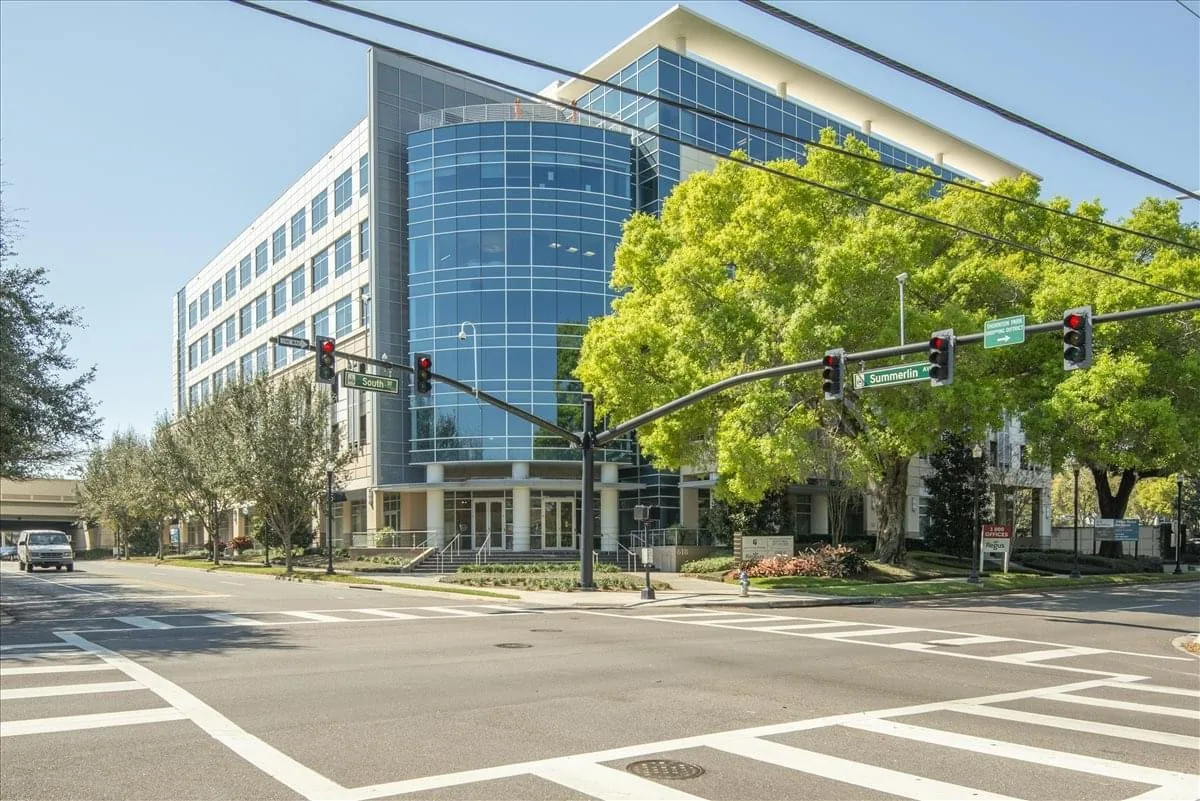
A campus plan should not collapse separate buildings into one roof condition. In Chico, CA, we identify the building, roof area, reported symptom, and access rules before choosing a repair boundary. Lecture rooms, laboratories, offices, dining areas, and support spaces may have different schedules and rooftop equipment, so inspection notes stay tied to each structure. Higher education is part of Chico’s employer mix, and the city has employment areas near Hegan Lane and Meyers Street. Those contexts shape service planning; the actual roof assembly sets the work.
Separate each building in the campus record
A roof list is useful when each note traces to the right building. We record roof area, system where known, penetrations, drains, edges, interior use, and prior repair boundaries. Dated photos help distinguish a repeated opening from a nearby detail that remains uninspected. A shared asset register can track priorities, but entries should retain their own evidence and access limits. The record should distinguish observed damage from reported symptoms and planned access. A marked roof map gives maintenance staff a repeatable location reference when the next inspection or work order occurs.
Before inspection, we confirm authorized sections, crew access, escorts, and available windows. If an area is unsafe or blocked by equipment, the report marks it uninspected. A roof asset record can connect findings, approvals, and repairs while preserving building-level detail.
Check curbs, penetrations, and trade interfaces
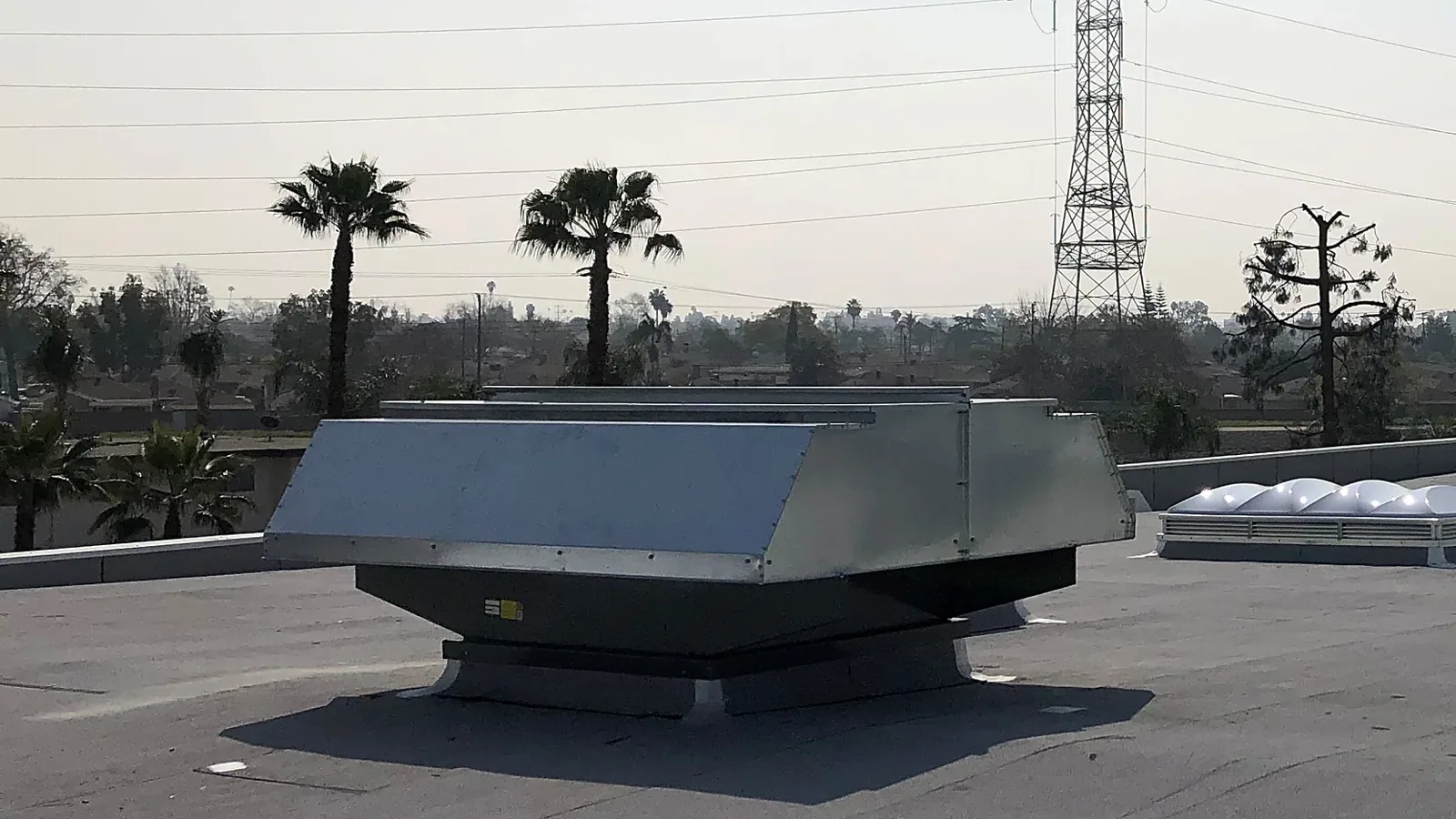
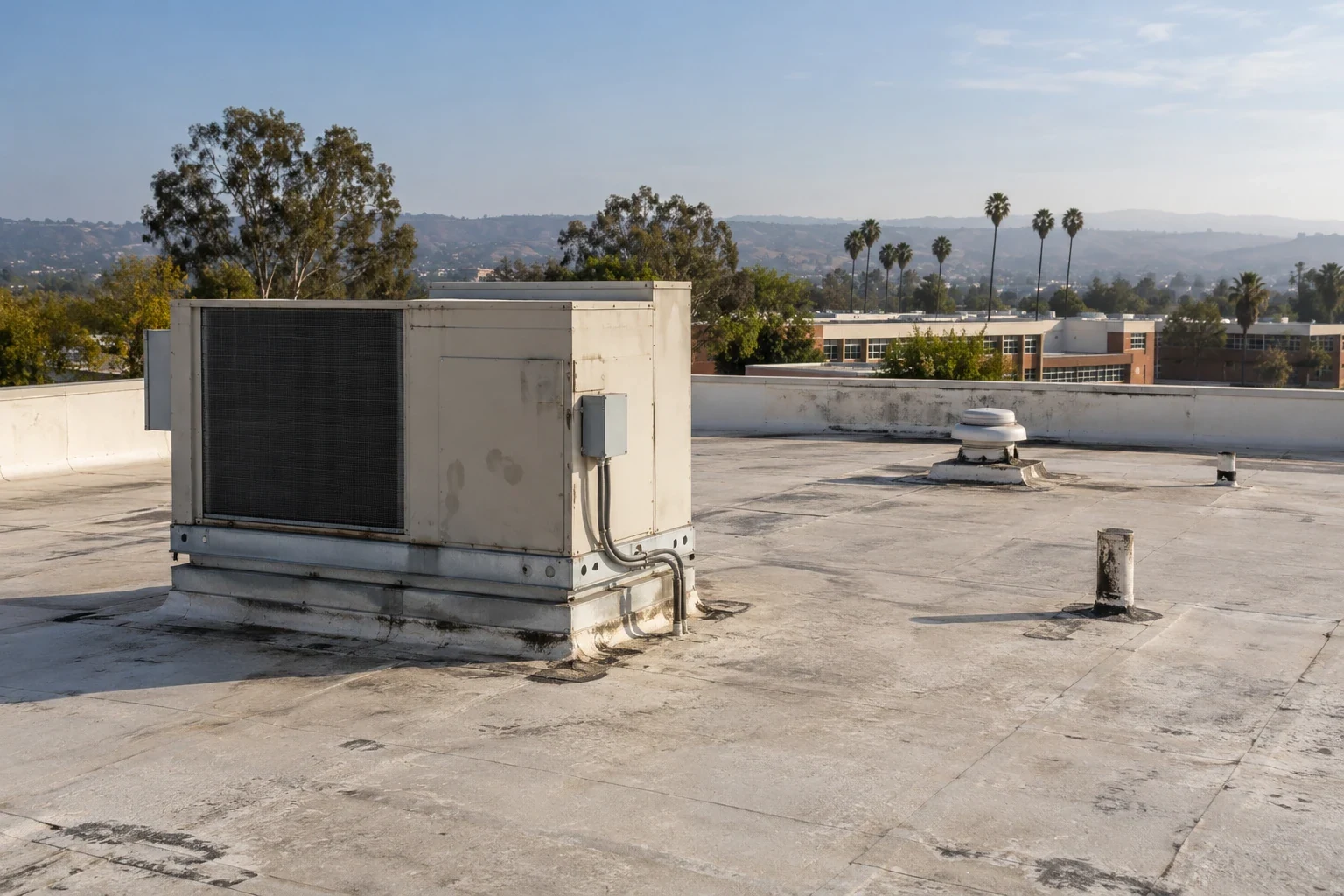
Rooftop units interrupt the membrane, so we review each curb flashing with the surrounding system. Open laps, movement, loose metal, failed sealant, or a patch bridging a transition can leave the detail vulnerable. If mechanical replacement is planned, the roofing scope should identify equipment removal, temporary protection, and the final membrane tie-in. Around a curb, we check how water can move past the flashing and whether nearby fasteners, seams, or counterflashing have shifted. Any equipment lift should have a named roofing contact for reopening and closeout.
California’s 2025 Energy Code took effect January 1, 2026 and includes provisions for applicable nonresidential alterations. End-of-life HVAC replacement and envelope work may need coordination under the governing permit. We identify the roofing interface and leave code interpretation to project professionals. An equipment-curb roofing scope can define flashing work; solar-ready planning should coordinate penetrations, attachment, and drainage with the reviewed design.
Trace moisture through the roof assembly
A ceiling mark near a laboratory, lecture hall, or office shows where water appeared, not necessarily where it entered. We compare the report with seams, drains, skylights, wall transitions, and penetrations along a plausible path. Dates and prior repairs can show whether the symptom follows rain, equipment work, or a recurring detail. Zone-labeled photos help prevent a small repair from expanding into an unsupported replacement scope. Interior stain location is still useful: we note the room, ceiling condition, date, and whether the space is sensitive to dust or interruption. That lets the owner sequence investigation without treating one stain as proof of broad saturation.
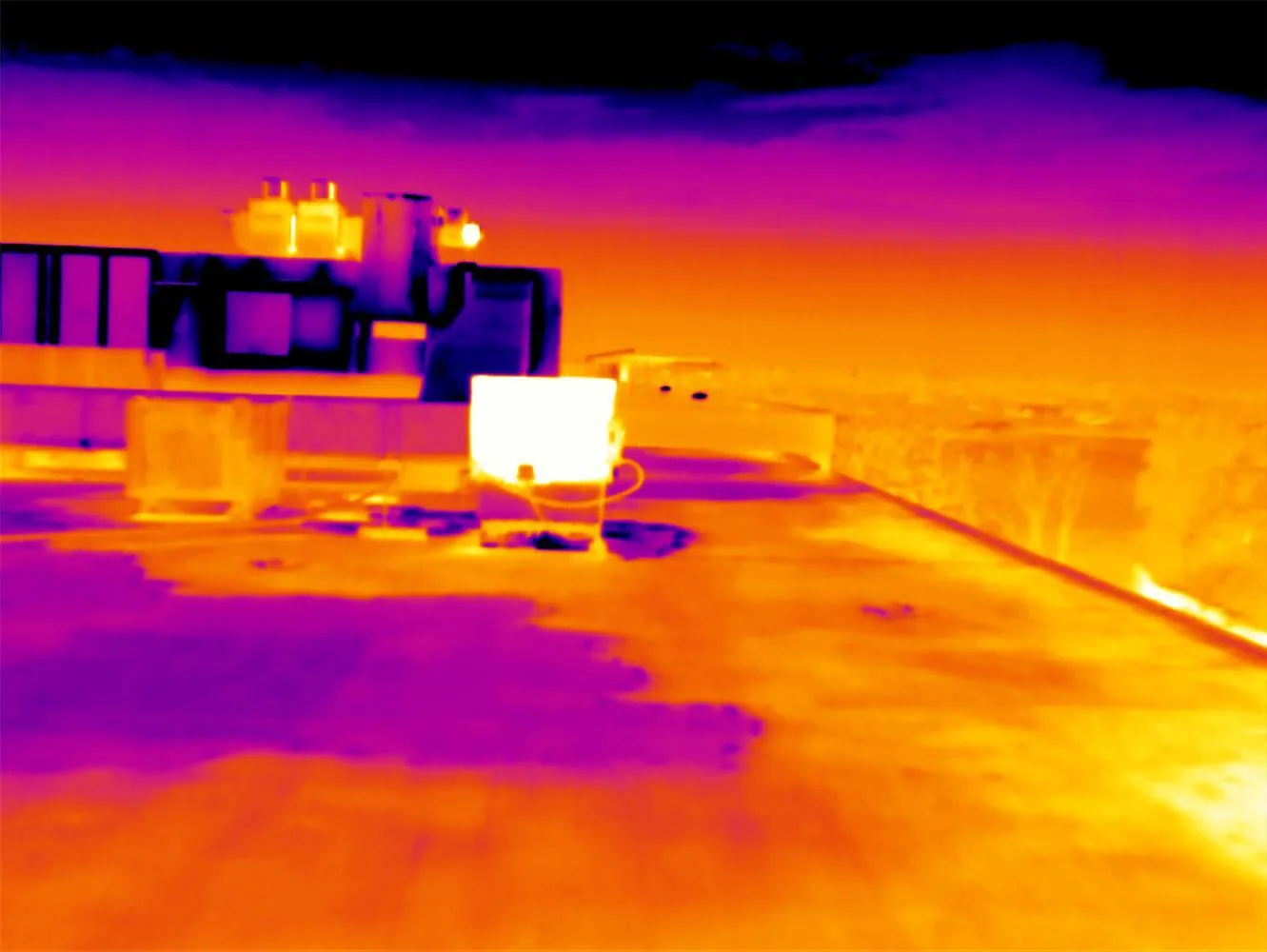
An infrared survey may identify temperature patterns for further testing, but readings require context from the assembly and conditions. Moisture should be confirmed before removal is priced. An infrared moisture survey can map areas for review. A hands-on check remains necessary where imagery cannot resolve the detail.
Use Chico weather as a schedule input
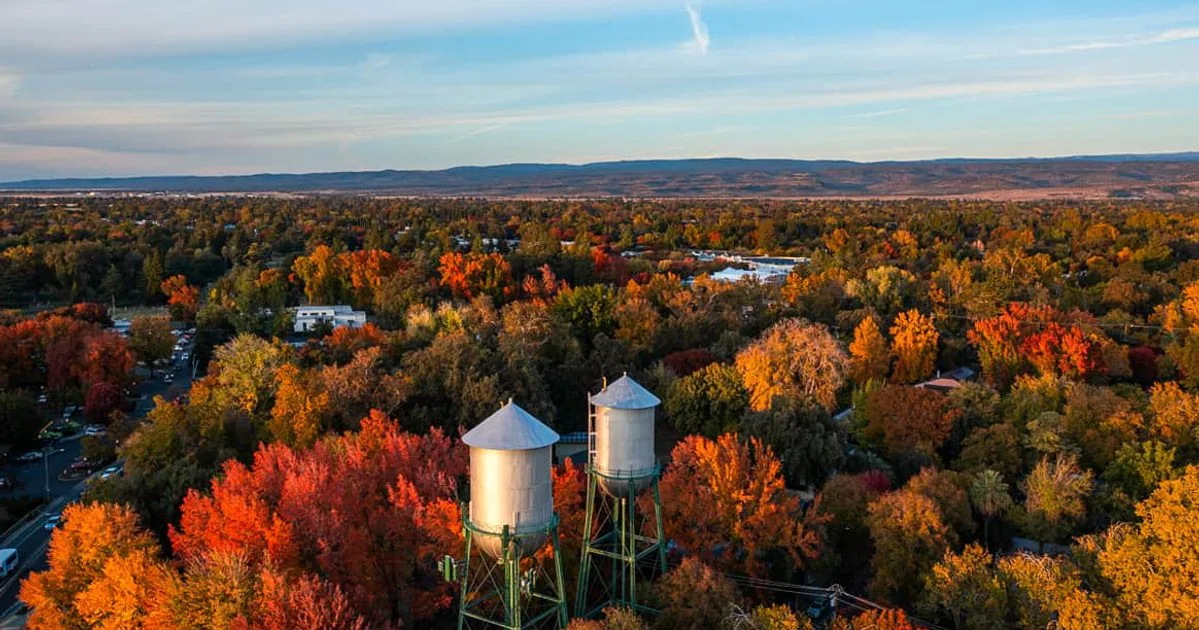
At Chico University Farm, long-term normals show 27.39 inches of yearly precipitation; January and February account for much more than July and August. Butte County classifies the local pattern as Mediterranean, with hot summers and a cooler wet season. These are city patterns, not a daily forecast. They inform drain checks and temporary-protection planning; current weather and the assembly guide each work sequence. Before an opening, the facility contact can identify rooms where temporary noise, odor, or access changes need notice. Crews can then sequence the work so a complete section is protected before attention moves elsewhere.
Summer heat can affect crew timing. Winter rain limits how much roof can be opened before protection is needed. Campus phasing also affects rooms and equipment below. We identify sections that can close in one shift, staging areas, and buildings needing separate notices. After a storm, the leak repair boundary should follow the inspected path, not a climate assumption.
Compare a local repair with a phased renewal
A failed penetration or seam may be repairable when nearby materials remain stable. Replacement becomes more relevant when several zones recur, moisture extends beyond a defined area, or roof layers cannot be confirmed. A recover reduces demolition only when the existing system, wet areas, structure, drainage, and perimeter height support another layer. Findings and follow-up testing should explain the choice. The comparison should state what remains serviceable, what must be repaired now, and what condition would justify a larger project. A test cut or additional moisture check can resolve uncertainty before a campus-wide budget assumes replacement.
Chico’s planned commercial mix spans downtown districts and employment corridors, including Hegan Lane and Meyers Street. Campus roofs still vary by building, age, system, and schedule. Compare K-12 school roof planning and office building roof work, while tying this scope to actual assemblies and access. A TPO roof system may suit one design; selection follows substrate, attachment, drainage, and project requirements.
Keep occupied buildings protected by phase
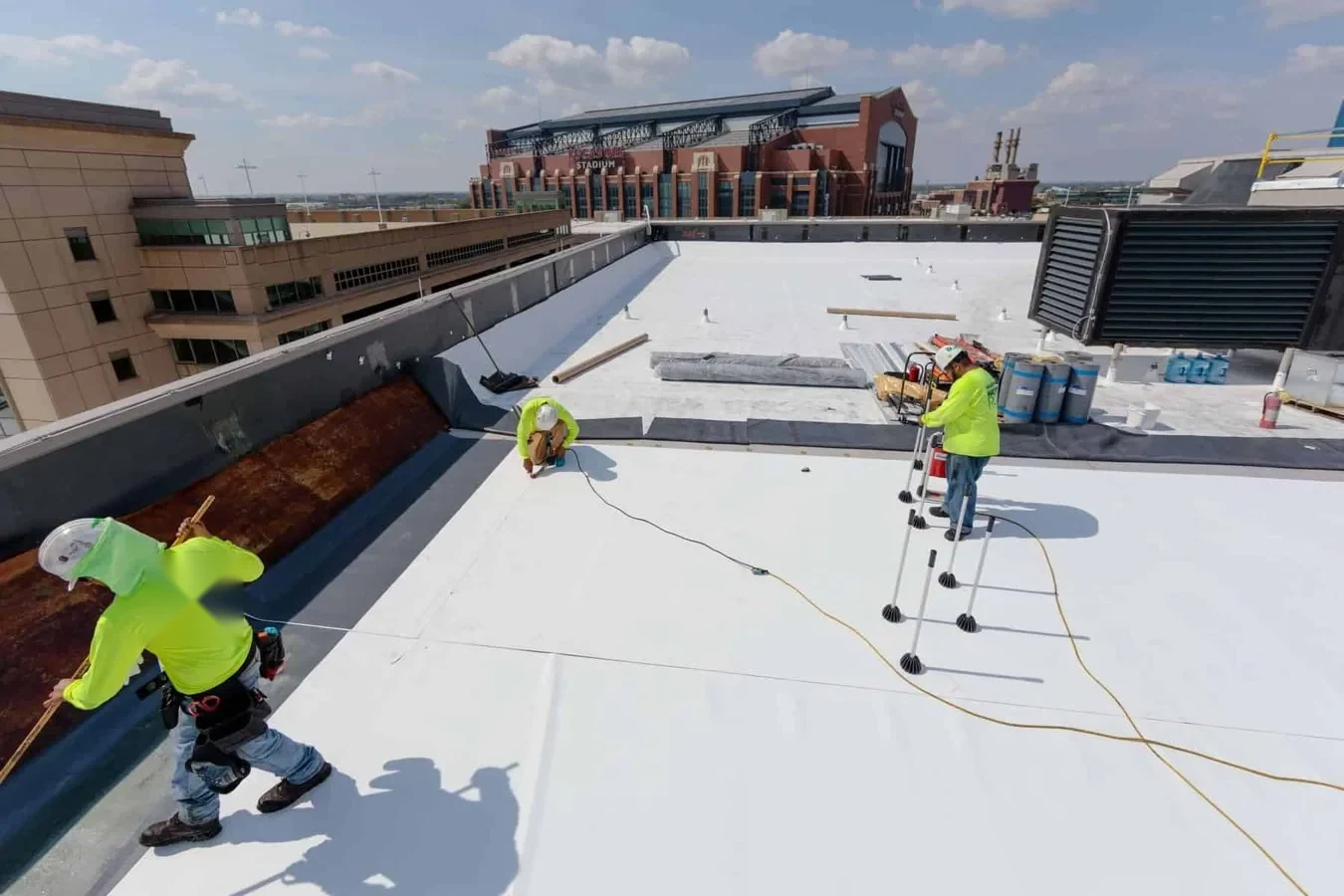
A phased plan names the roof area opening, temporary protection, and boundary to close before crews leave. It also covers deliveries, debris, noise, and access below. A facility contact can flag exams, classes, events, or restricted hours before production is estimated. Daily check-ins can confirm the active zone, occupied areas below, and any change in access. At closeout, a marked photo and repair description help maintenance staff know what was completed and what needs another visit.
For multiple buildings, closeout records identify the repaired zone, materials, photos, and remaining items. This keeps later findings from mixing repair histories. A phased occupied-building roof plan can define daily protection and crew boundaries. Work still depends on the roof, permits, lead times, and site forecast.
Give facilities a comparable project record
A proposal identifies each building and measured area, preparation, assembly, flashing, edges, drainage, access, disposal, and temporary protection. It separates confirmed work from concealed conditions that may need approval after opening. Buyers can compare exclusions, hours, room protection, and scope-change criteria on equal terms.
Price and timing depend on dimensions, existing layers, deck condition, materials, equipment coordination, access, sequence, and operating windows. We label inspected findings and items needing verification. A dated report supports budgeting with a defined repair boundary instead of a building-wide conclusion from one section. Chico’s employer base includes higher education and public services. The City identifies commercial districts including North Valley Plaza and East 20th Street. Each campus project still starts with the building, symptom, and roof record. Share access and calendar limits to plan an inspection.
Commercial Roofing Questions
Can one campus inspection cover several buildings?
A visit can include multiple authorized roofs, but each building needs its own assembly notes, access record, findings, and repair boundary.
How should a campus handle a leak near rooftop equipment?
We compare the interior symptom with the curb flashing, nearby seams, and equipment history. The roof and mechanical trades then coordinate any opening and tie-in.
Does infrared imaging confirm wet insulation?
It can identify temperature patterns for further review. We interpret those readings alongside the roof layers and verify moisture before pricing removal.
Can roof work happen while classes continue?
The sequence can be phased when access, noise, protection, and weather allow. We set daily boundaries with the facility contact before work begins.
What belongs in a campus roof budget request?
Use measured areas, documented conditions, repair history, access limits, and clear allowances for concealed materials. Separate records make priorities easier to compare.
Plan a Chico campus roof review
Share the building type, reported symptom, roof records, access rules, and academic-calendar constraints. We will confirm which areas can be inspected and how findings can be kept building-specific.