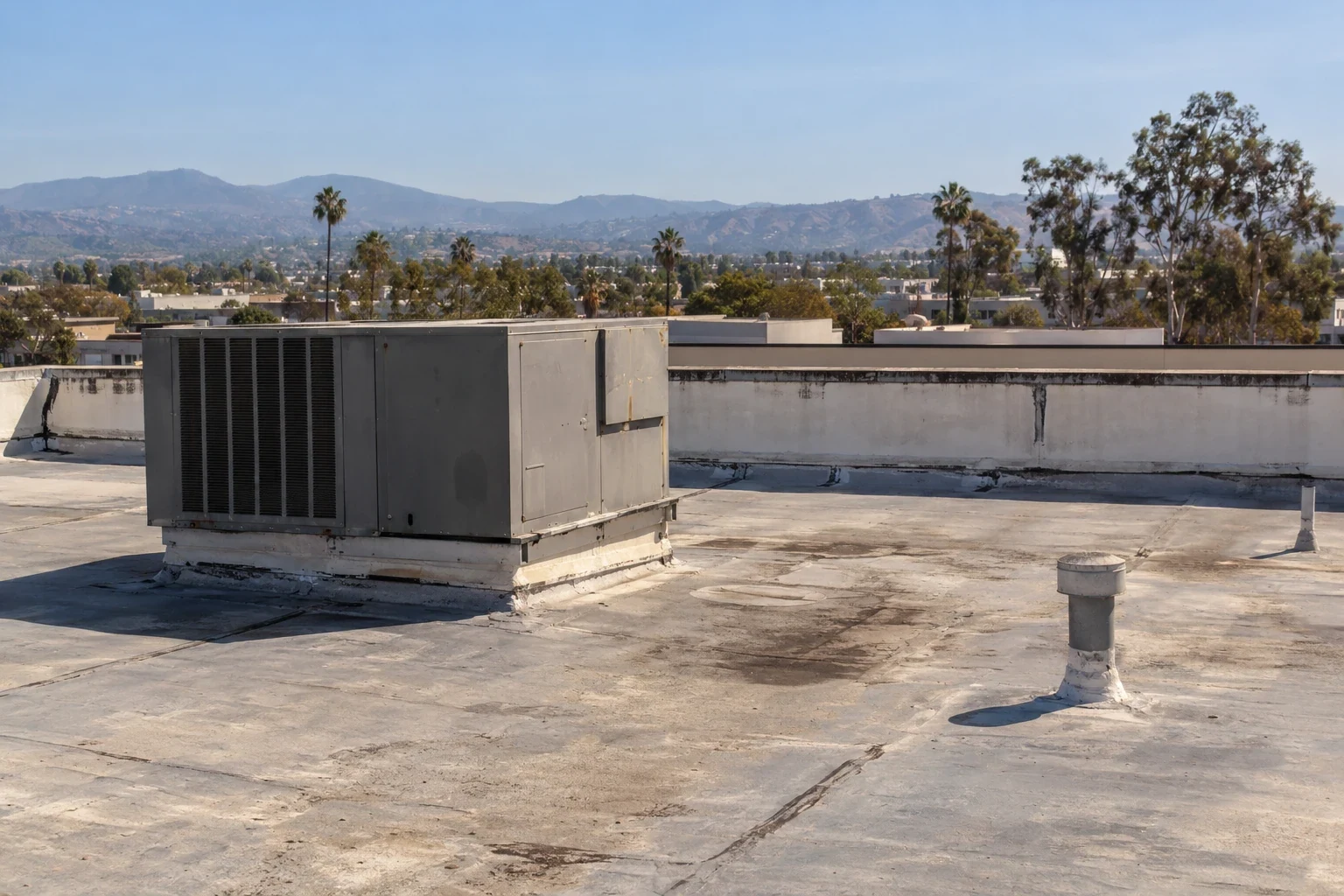
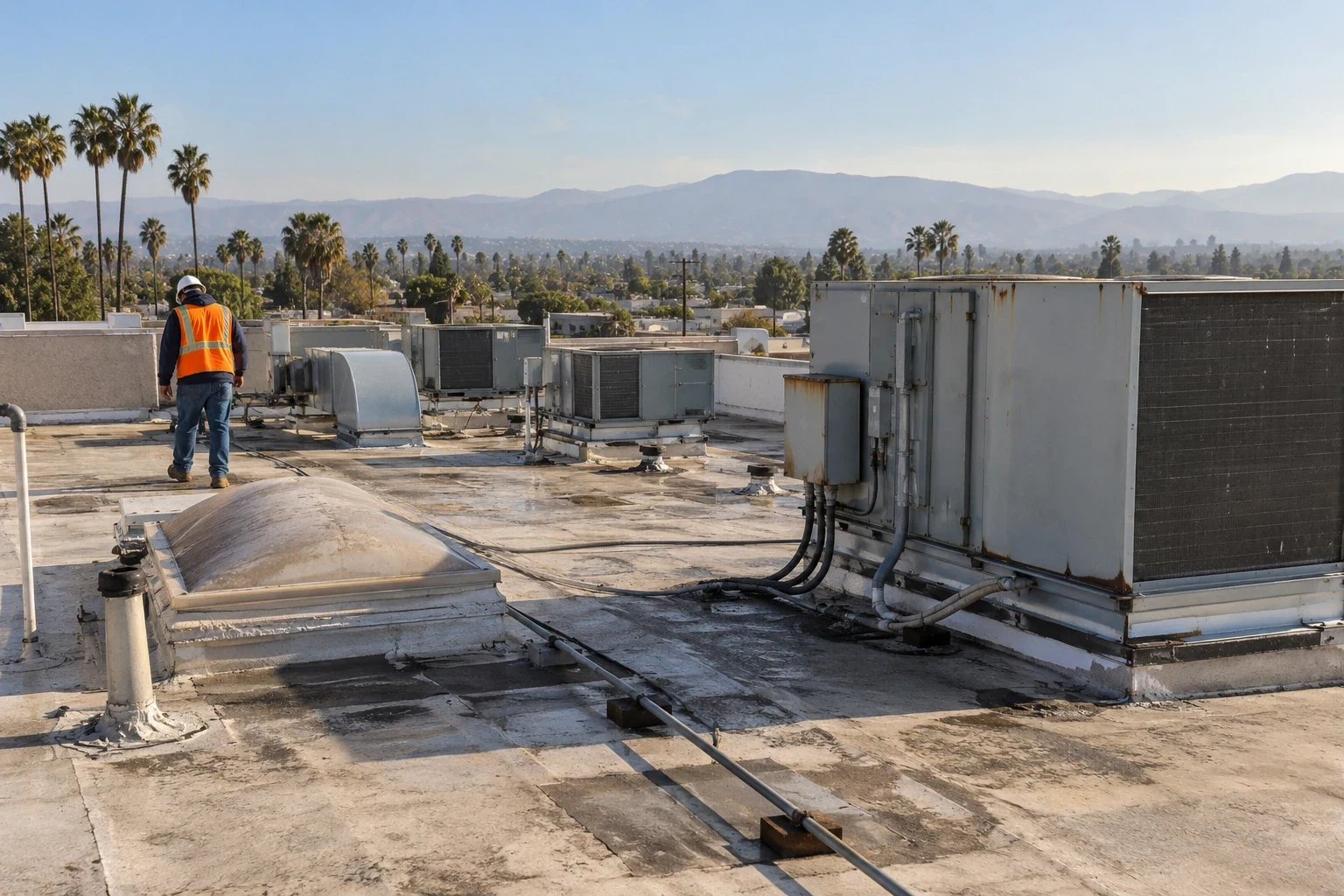
Senior Living Community Roofing in Chico, CA
A roof repair at a senior living community has to protect residents while keeping entrances, care routines, and service routes usable. For a Chico, CA property, we begin with the reported condition, the rooms below it, and the roof section that can be reached safely. The visit separates immediate protection from the permanent repair or renewal decision.

Chico's hot, dry summers and wetter winter season put different demands on a roof. Downtown Chico has civic and mixed-use designations, while North Valley Plaza is a multi-center commercial district. Those settings orient service planning, but do not establish a care building or roof assembly. We confirm use, access rules, and construction before recommending work.
Locate the Resident Impact
A ceiling mark in an apartment, dining room, corridor, or therapy space is a starting point, not a repair map. We compare the report with roof seams, drains, curbs, wall transitions, and slope. Water can travel beneath a membrane or insulation before appearing indoors, so the mark may sit away from the opening. The inspection note connects the room to a roof zone and records what remains uncertain.
Facility staff can define quiet periods, mobility routes, meal service, and areas that cannot be blocked. We use those limits to plan access and staging. If water is active, a temporary measure can reduce exposure while we document the assembly and check whether adjacent sections share the condition. The work order identifies a repair boundary instead of treating the roof as one undivided surface.
Read the Layers Above
A senior living property may have additions built at different times. The roof surface alone does not show whether insulation, cover board, vapor control, or an older membrane lies below. We identify layers at approved edges or existing openings, note the membrane and attachment that can be confirmed, and inspect transitions between roof sections. That record helps distinguish a seam repair from a detail that needs a broader opening.
Chico's summer heat can increase movement at sheet laps, perimeter metal, and rooftop penetrations. Heat is not a diagnosis, so we look for separation, displaced fasteners, brittle material, or failed sealant. Before considering a coating, we check adhesion, drainage, trapped moisture, and compatibility with the existing surface. Wet insulation or an unstable base needs a different scope.
We map several roof levels separately so one test result is not extended to every wing. A medical-office roof plan and hospital roof access plan address related care-setting coordination.
Prepare for Winter Water
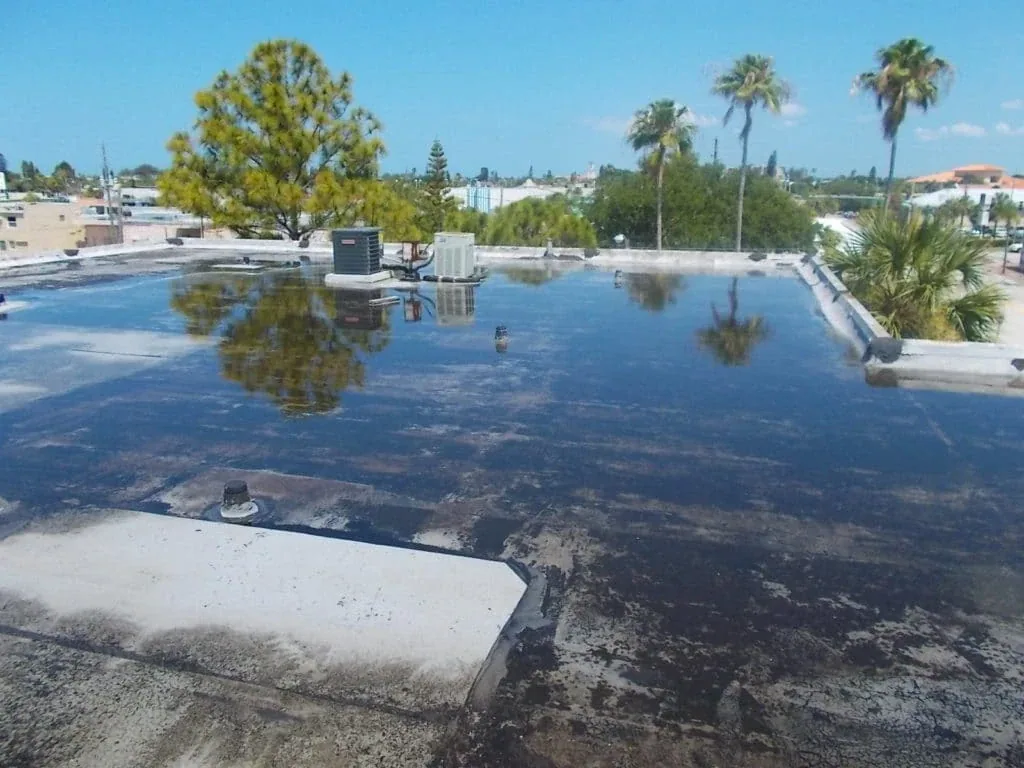
Chico's normal precipitation is concentrated in winter, so we review drains and low points before that season as well as during a dry stretch. We check for blocked outlets, debris, and water collecting at seams or transitions. Ponding can indicate a slope or drainage concern, but depth and duration matter before we decide whether the assembly is affected.
Mangrove Avenue has retail and service uses, while Downtown Chico includes civic and mixed-use designations. These broad settings orient service planning, but do not tell us how a particular community drains. We trace the property's discharge route and keep hoses, ladders, and work zones away from occupied paths. Our drain and scupper inspection records which outlets need cleaning, repair, or further evaluation.
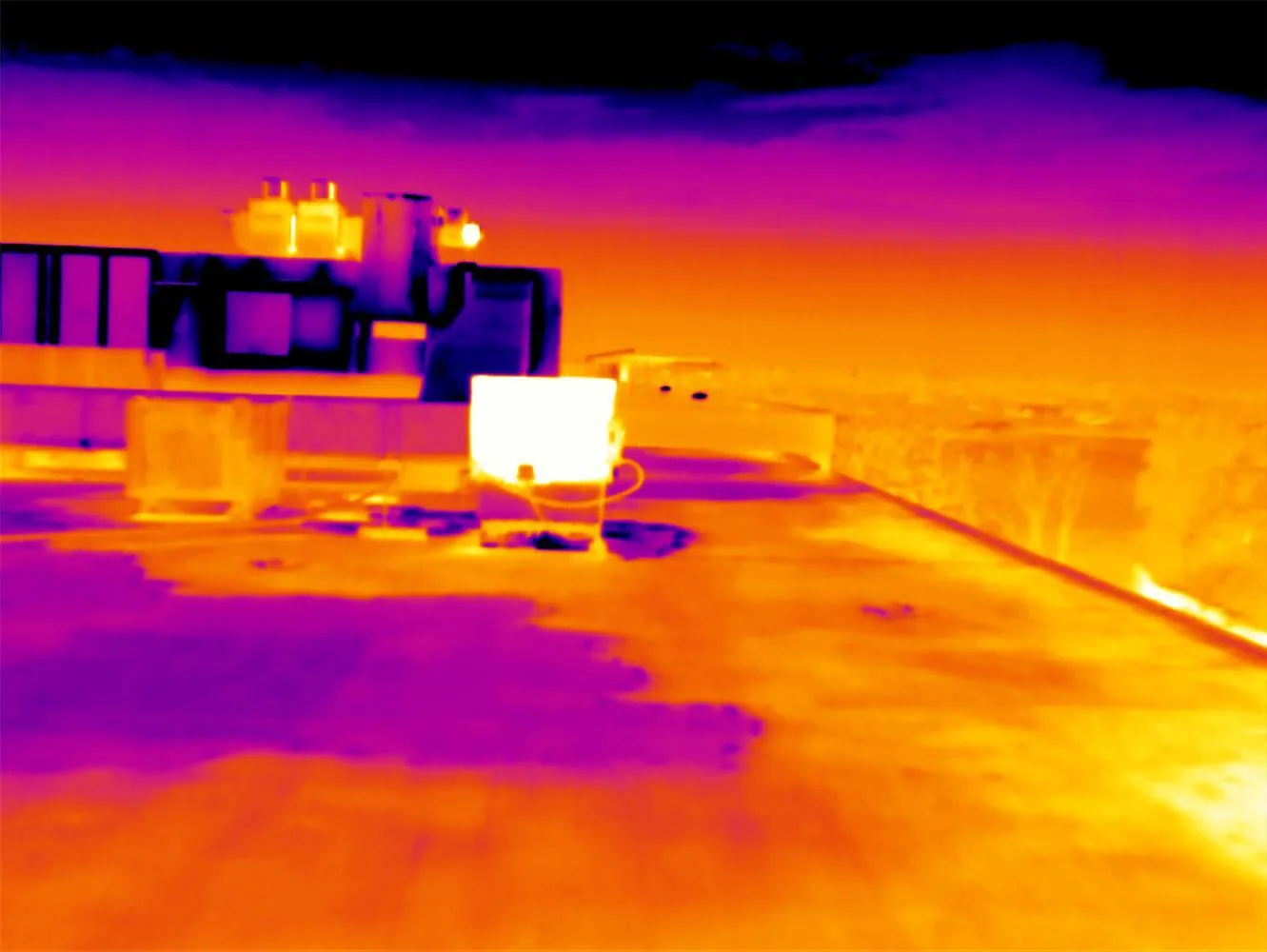
If moisture may have reached insulation, we map the suspect area and state how it was assessed. An infrared moisture survey can help identify zones when conditions support the test; confirmation may still require an opening. We keep that distinction in the record.
Set an Occupied-Building Window
A phased roof scope should reflect the community's daily rhythm. We confirm sign-in, stair access, resident activity areas, kitchen deliveries, emergency lanes, and noise restrictions. If a roof area sits above bedrooms or dining space, the building team can approve a quieter work window. Access and staging are set before materials reach the roof.
Chico has occasional freezing minimum temperatures, although snow is not routine in the city. Material use follows the day's temperature and product-specific cure limits. The crew protects only the area that can be dried in during the available window, then records the day's boundary so the facility knows which zone is complete and which remains under temporary protection.
The field contact receives the affected zone, access changes, and decisions still needed. An occupied-building sequence can account for resident routes, while a condition report tracks recurring concerns between scopes.
Compare Repair With Renewal
A repair fits when the defect is bounded, nearby seams and transitions are stable, and underlying layers are dry enough to retain. Replacement enters the discussion when moisture, repeated failures, or loss of adhesion extends beyond one detail. We identify the evidence for each choice and list confirmation still needed; a stained ceiling alone does not prove that the whole roof has the same condition.
Cost and timing depend on roof zones, verified moisture, access, equipment relocation, perimeter conditions, disposal, and daily dry-in limits. A recover is possible only when the existing assembly and permit path allow it; added layers cannot conceal wet material. We compare patching, partial replacement, recover, and full replacement against the same mapped boundary.
A replacement scope states how drains, curbs, perimeter metal, and occupied routes will be handled. We record repair limits and the next inspection point.
Leave a Useful Service Record
The closeout should help the executive director, facilities lead, and ownership group make the next decision. We label roof zones, attach photographs, identify repaired details, and note areas needing access or follow-up testing. Temporary measures stay separate from permanent work. Staff can connect a later interior report with the roof section and repair history.
For several buildings, the record tracks assembly, drainage, and operating limits without assuming every roof needs the same treatment. Urgent repairs and capital work stay separate, with permit or equipment coordination noted where it changes timing. Review TPO repair options only where that assembly is confirmed.
When contacting us, include the community address, the room affected, and the dates water appeared. We will map the roof zone, note evidence that needs confirmation, and set the next inspection with your facilities lead. A Downtown Chico roof visit begins by confirming the property's entry procedure.
Commercial Roofing Questions
A leak appears after a winter storm. What happens first?
We protect the affected interior area where appropriate, trace the report to a roof zone, and inspect the nearest drains, seams, curbs, and wall transitions. The first visit separates active water entry from signs that need testing. Staff access limits and resident routes are recorded before a temporary repair or opening is planned.
Can a small ceiling stain be repaired without opening a large area?
A bounded seam or flashing defect may allow a localized repair, but the stain does not define the roof opening. We compare the interior location with slope, membrane laps, insulation readings, and nearby penetrations. If moisture extends beyond the visible symptom, we show the measured area and explain why additional confirmation could change the repair boundary.
How do you keep roof work away from resident routines?
We build the sequence with the facility contact, including access, staging, noise-sensitive periods, deliveries, and emergency paths. Sections above sleeping rooms or shared spaces can be scheduled only after the building approves a window. Each daily scope states what will be opened and dried in, so staff can coordinate the affected zone.
What should our board compare in a repair and replacement proposal?
Compare the same roof boundary, confirmed wet areas, edge and drain work, access assumptions, and daily dry-in plan. We show which option is limited to a repair, which includes affected insulation, and what testing remains unresolved. Those details make the price and schedule differences understandable without treating an unverified condition as certain.
Does summer heat mean the roof needs a coating?
No. Chico's summer exposure is a reason to inspect seams, penetrations, and surface movement, not a diagnosis. We check adhesion, substrate condition, drainage, and moisture before evaluating a coating. If the roof has trapped water or an unstable layer, that condition must be addressed before an overlay or restoration is considered.
Plan a Roof Visit Around Resident Care
Share the community address, reported symptom, and roof history. We will inspect accessible zones, document the repair boundary, and map the access and work window with your facilities contact.