Silicone Roof Coatings for Commercial Buildings in Chico, CA
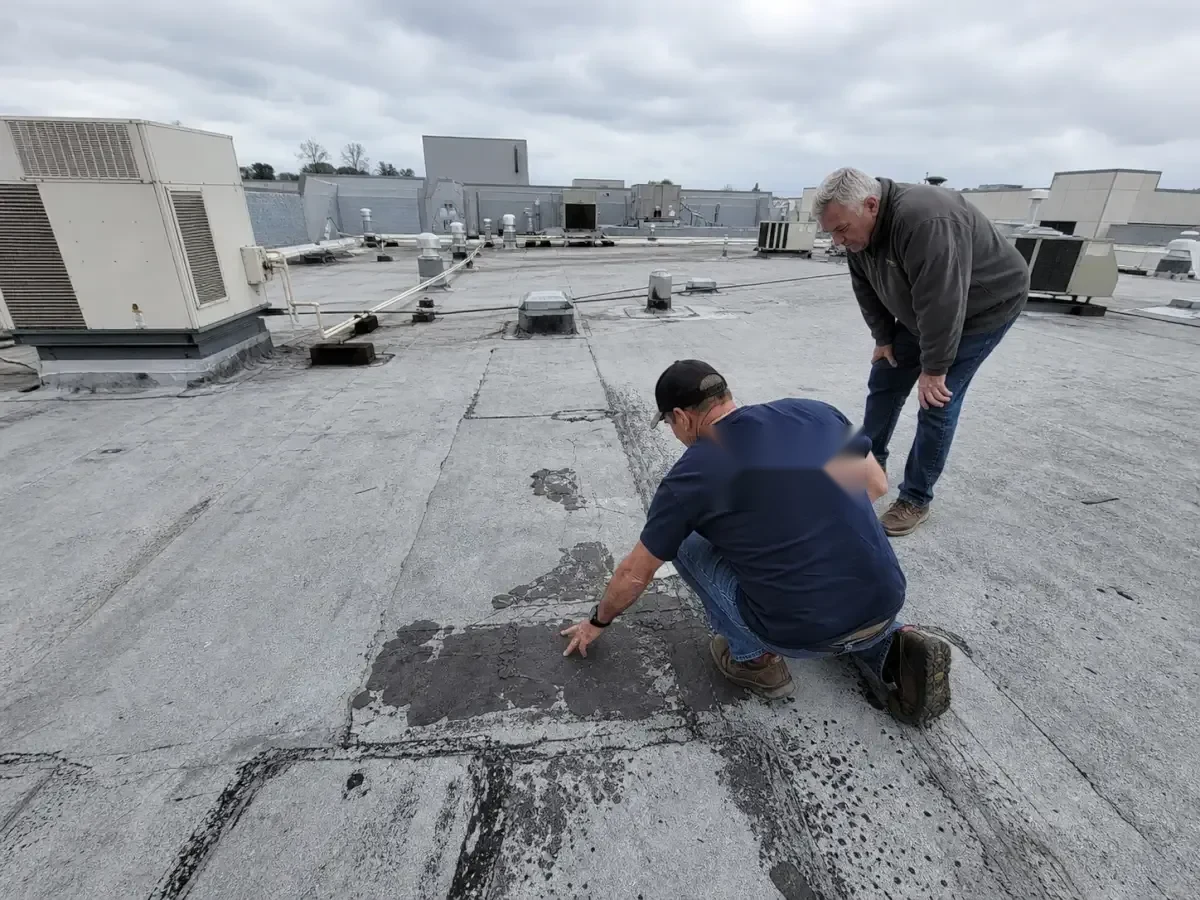
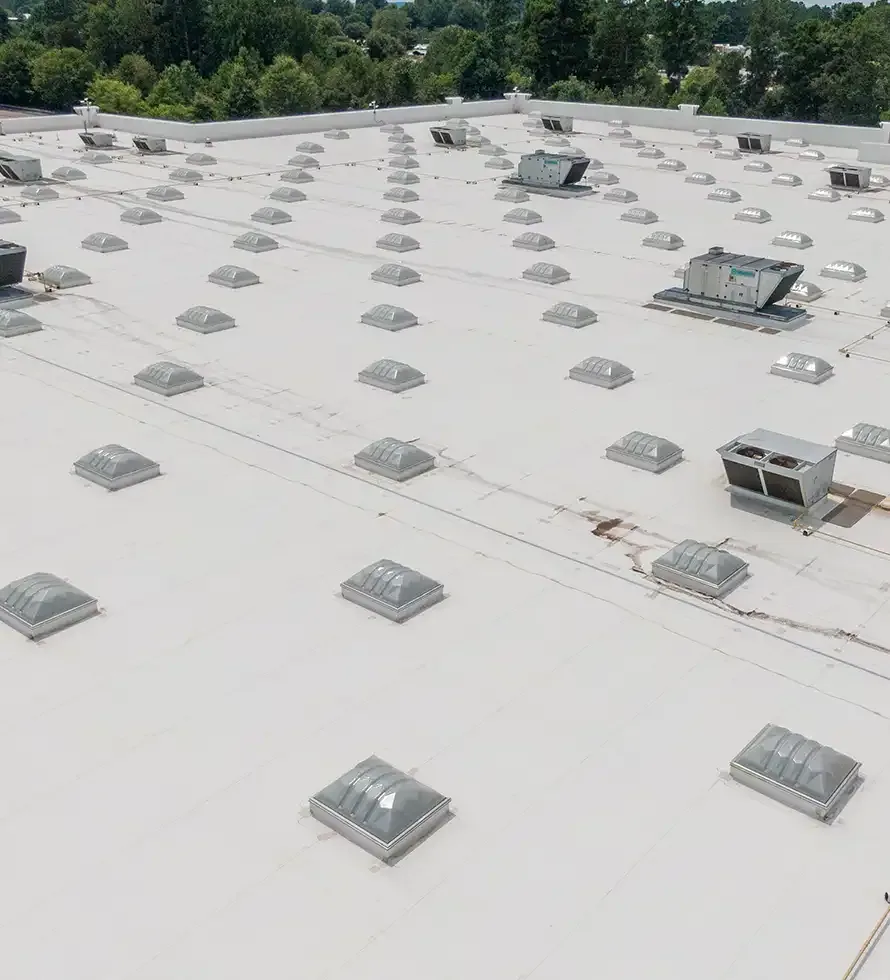
A silicone coating can renew a roof surface only when the existing assembly is a sound receiving surface. In Chico, hot summer exposure and a wetter winter season make coating condition and drainage worth reviewing together, but neither weather pattern proves that a particular roof is ready. We inspect the membrane, seams, penetrations, edges, and areas where water remains, then identify what must be repaired or tested before a coating scope is considered. That boundary matters: a coating can protect a prepared surface, while it cannot make wet insulation or an unstable layer sound. A written commercial roof inspection gives the owner a condition record to compare with prior leak calls and maintenance work.
Start with the layer beneath the coating
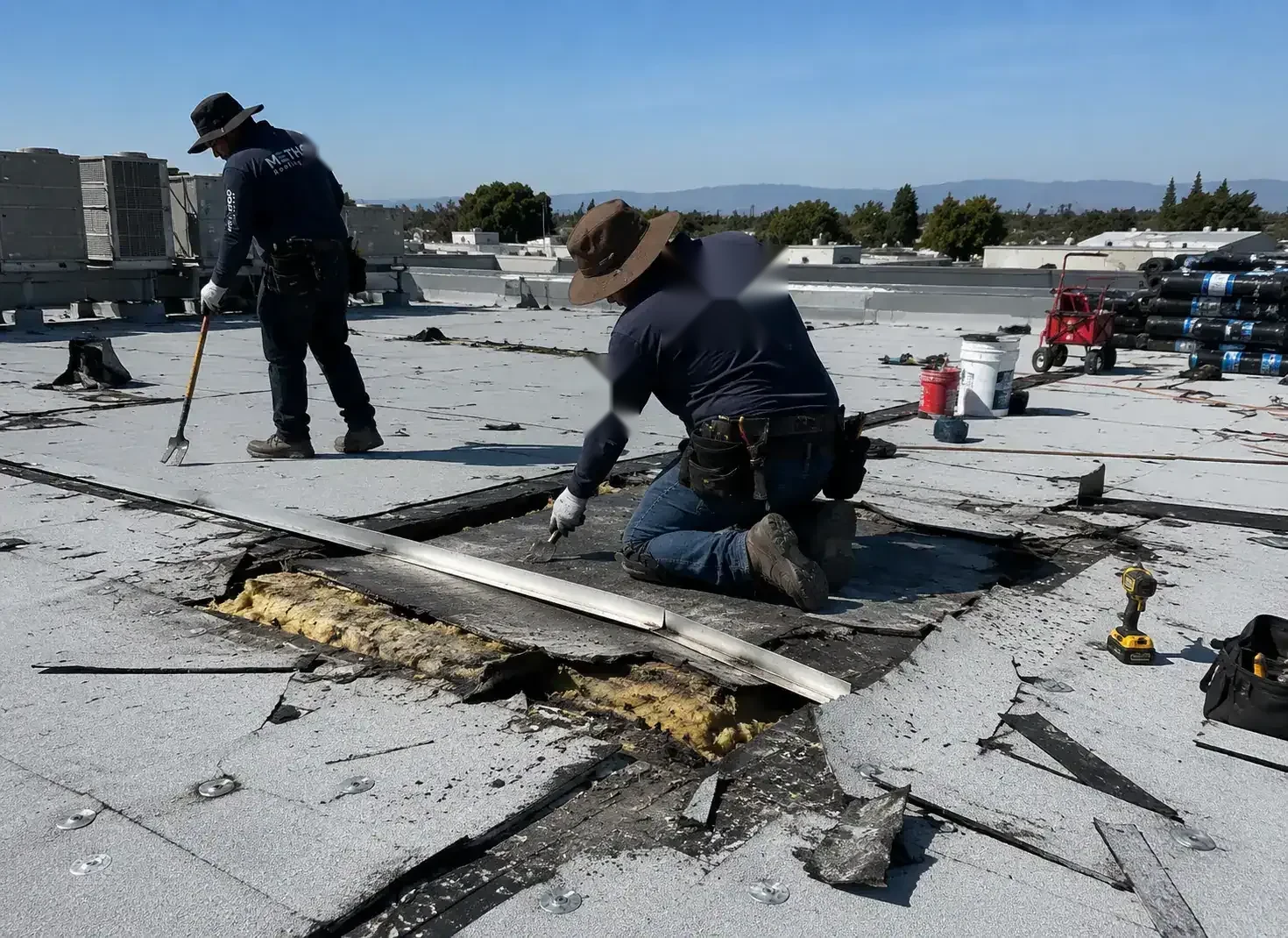
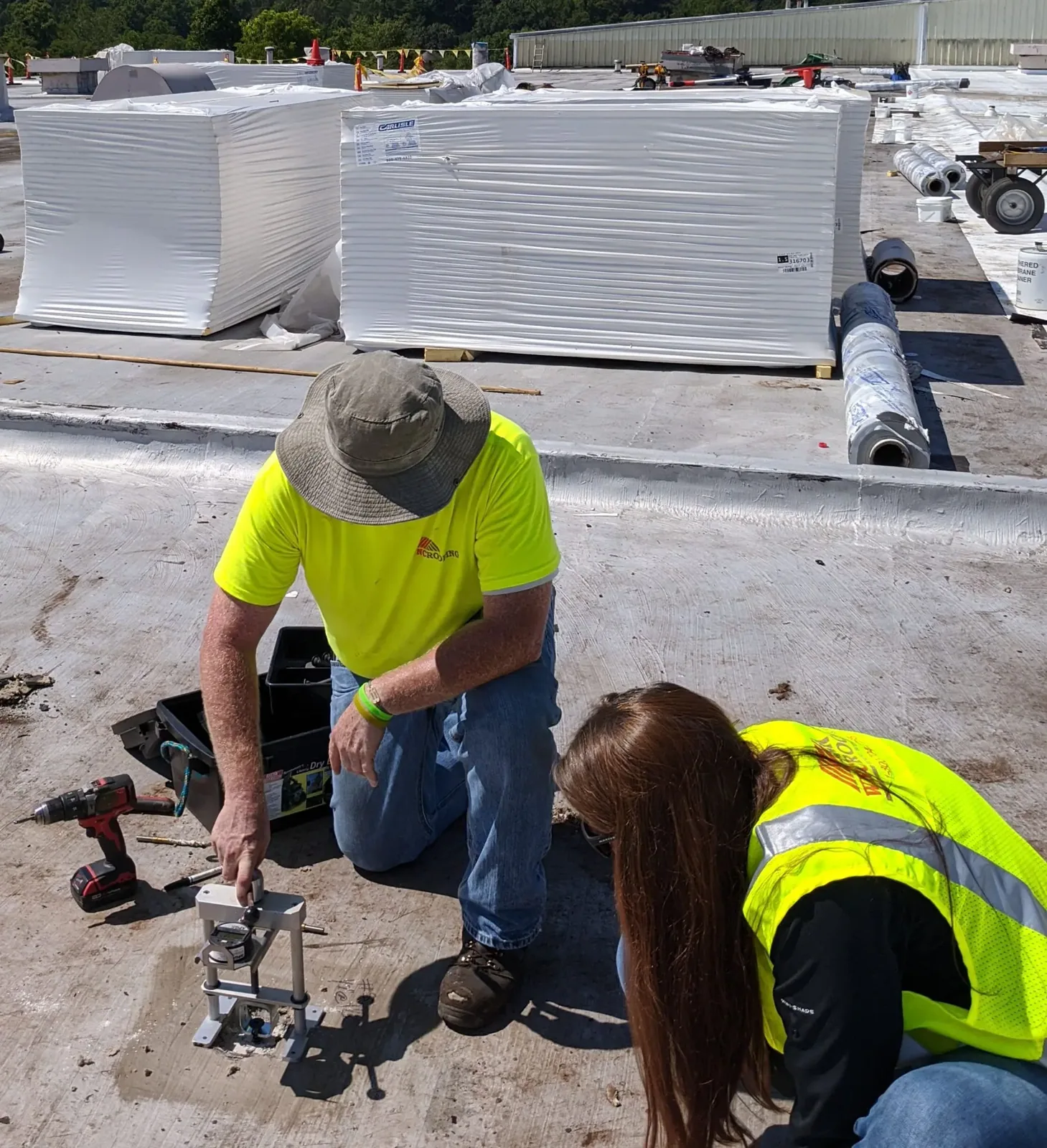
Silicone is a liquid-applied finish that cures into a flexible membrane. Its usefulness depends on the roof below it: the existing surface must accept the coating system, and the underlying layers must remain suitable for continued service. We identify whether the roof is metal, a single-ply membrane, modified bitumen, or an earlier coating, because each presents different seams, laps, fasteners, and adhesion questions. A small test area can show whether cleaning and primer produce a stable bond. If the surface releases, chalks heavily, or carries incompatible material, covering it does not solve the attachment problem. When the survey finds isolated openings, a compatible commercial roof repair can establish a more reliable boundary before restoration is priced.
Trace water before choosing restoration
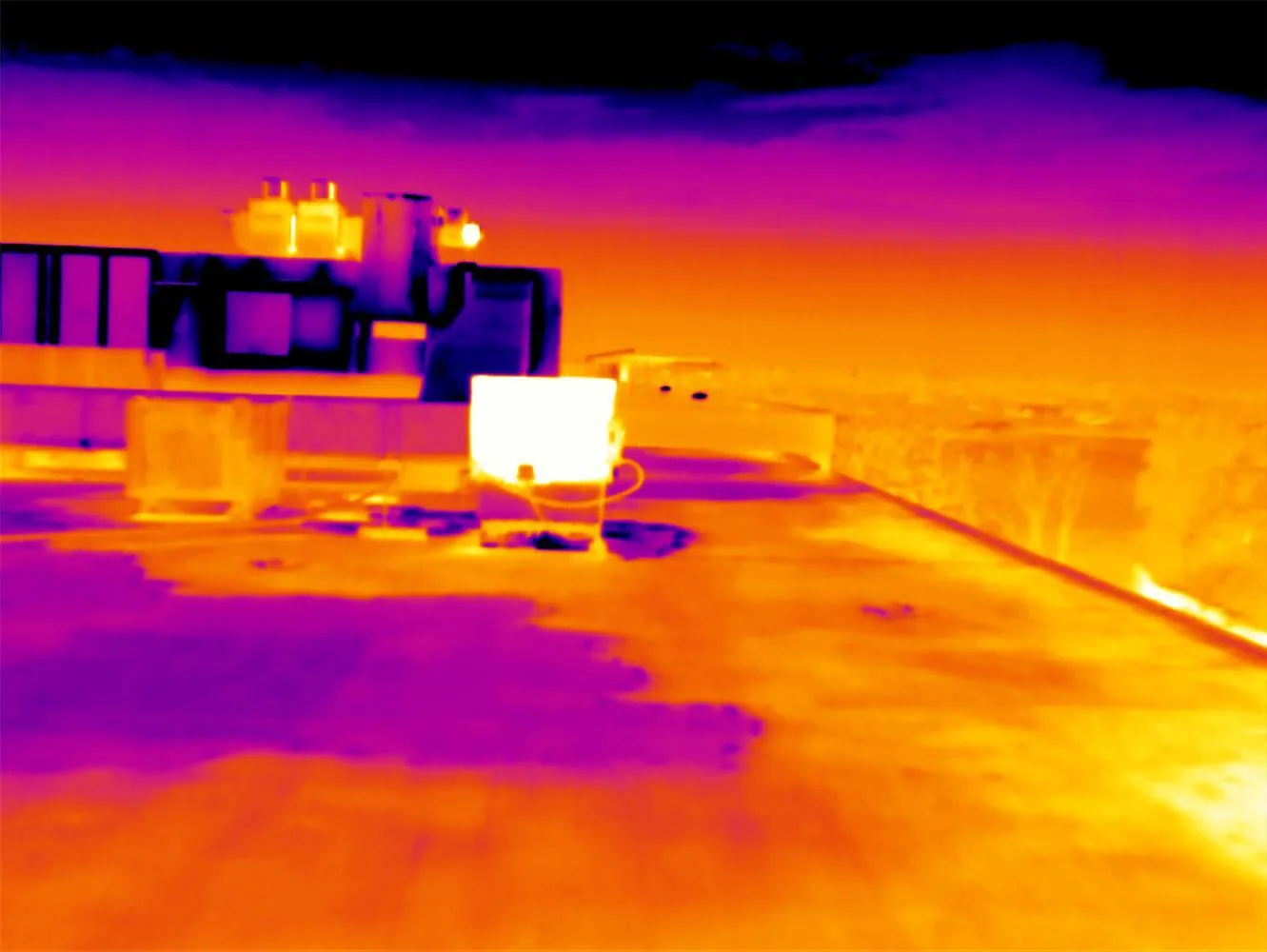
An interior mark, damp insulation, and an opening in the roof are separate observations until inspection connects them. Begin with the reported room, then account for slope, deck transitions, drains, curbs, and the route water could follow before it appears. Chico's hazard annex describes cool, wet winters and hot, dry summers, which makes the timing of a report useful context but not proof of its source. Record the roof evidence and the interior symptom independently. When a moisture question could change the coating boundary, an moisture survey can help choose where direct confirmation is worthwhile. The file should identify what was observed, what was tested, and which area remains uncertain.
Prepare each seam and penetration
Coating performance is often decided at transitions rather than across an uninterrupted field. Before application, we check lap edges, end laps, pipe penetrations, drain bowls, curb corners, and perimeter metal for movement or open seams. Loose material and failed sealant need removal or repair, not a thin coat over the top. On a metal roof, fasteners and panel joints may need a compatible treatment; on a membrane, adhesion and chemical compatibility must be established first. The City's East 20th Street District includes retail and commercial activity, while the North Valley Plaza District is identified as a regional retail center. That difference makes access, tenant hours, and equipment staging building-specific rather than interchangeable. We coordinate those constraints with the repair boundary and note where a penetration-flashing repair should be completed before the field coating begins. A different coating chemistry may be more appropriate for a compatible system, but it does not remove the need to evaluate adhesion and drainage.
Keep drains and low points open
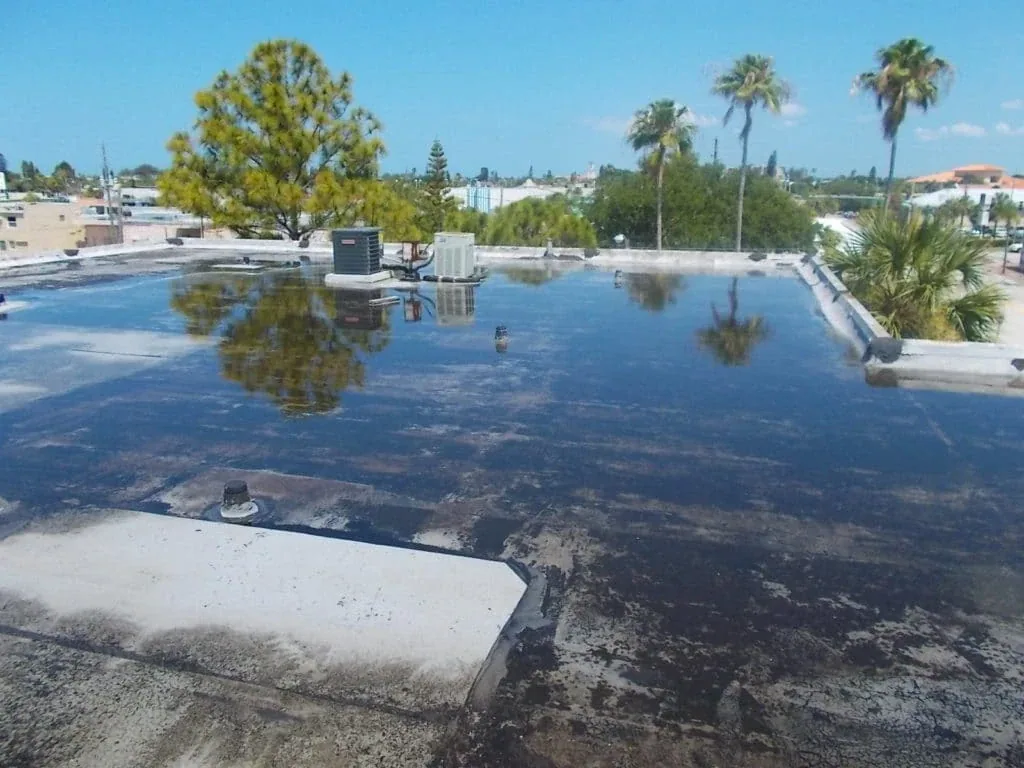
A coating does not correct a roof that holds water because a drain is obstructed, a slope is ineffective, or a low area has settled. We check the drain bowl, strainer, nearby membrane, and the route water takes toward the outlet. The Park Avenue opportunity corridor extends between 11th and 21st Streets and connects Southwest Chico with downtown; on roofs serving mixed uses, drainage access and interior operations may need to be planned together. A Downtown Chico roof with constrained staging may need a different access sequence than a large, open building, even though the drainage checks stay the same. We do not infer roof condition from the surrounding district. We document the roof's own low points and any evidence of slow drying, then determine whether a drain correction or broader assembly work belongs in the scope. A properly sized drain and scupper repair may be needed before coating, and a coating should never narrow an outlet or bridge debris into the water path.
Plan preparation and close-in
Surface preparation takes time because the receiving layer must be clean, dry enough for the selected system, and free of loose material. We sequence washing, repairs, primer, and coating around forecast conditions and the building's access needs. The wet-season drainage review should happen before the roof is closed in, while summer heat can affect how a crew stages materials and works across exposed sections. Those conditions shape scheduling; they do not replace the product instructions or a field check. On an occupied facility, we establish where equipment and foot traffic will move, how debris will be contained, and which openings must remain protected. The owner receives a work plan that identifies preparation, test areas, details, and the expected close-in sequence. If removal is more appropriate, we can compare the coating scope with full roof replacement using the same documented conditions.
Use the test results to set the scope
A coating is a restoration option, not a default alternative to replacement. It may fit where the existing assembly is stable, moisture findings are addressed, drains work, and the coating can bond to the prepared surface. Widespread saturated insulation, recurring movement at details, corrosion that has reduced metal integrity, or several incompatible layers can change the decision. We show the owner the test results, repaired areas, and remaining limitations, then separate immediate corrections from longer-term work. If the surface qualifies, the scope identifies preparation and detail treatment rather than promising a blanket result. If it does not, a new single-ply assembly or other replacement system can be evaluated against the building's use and drainage needs. A planning report identifies the North Valley Plaza District as a retail center and the East 20th Street District as a commercial corridor, but neither designation tells us the present condition of a specific roof. The roof record must do that work: it should state what was tested, where repairs were made, and which areas need another look. Chico's winter rainfall makes a reliable water path important, while summer exposure makes the surface condition worth tracking in the service record.
Commercial Roofing Questions
What has to be true before a silicone coating is considered?
The existing roof must be stable enough to receive it, the selected material must bond after preparation, and moisture or failed details must be addressed. We document those conditions rather than treating an older roof as automatically coat-ready.
Will silicone stop water that is already below the membrane?
No. Coating the surface does not dry wet insulation or repair a hidden deck problem. We locate suspected moisture and confirm it where the result would change whether restoration, selective removal, or replacement is appropriate.
Why inspect drainage if the coating itself is waterproof?
Water still needs a route off the roof. A blocked outlet, ineffective slope, or low area can keep the assembly wet and stress details, so we correct the water path before specifying the coating.
Can coating go over seams and penetrations without separate repair?
Those details need their own preparation and compatible treatment. We inspect laps, curbs, pipes, and perimeter metal, then price repairs that establish a stable edge before field application.
When does replacement make more sense than coating?
If the roof has broad moisture, unstable layers, failed attachment, or details that cannot be restored reliably, coating may conceal rather than solve the problem. We compare the verified condition with a removal or recover scope.
Put the receiving surface on record
Share the building use, active leak locations, roof history, and available work window. We will inspect the assembly, test the proposed receiving surface where useful, and document whether a silicone restoration or a different scope fits.