Acrylic Roof Coatings for Commercial Roofs in Chico, CA
An acrylic coating is useful only when the roof below it can accept a new surface and move water toward working drains. Chico's long, hot summer and wetter winter season make surface wear and drainage worth evaluating together, but the weather does not tell us whether a specific assembly is sound. We inspect the roof material, seams, curbs, edges, and low points, then check for loose coating, open laps, and moisture below the membrane. The owner needs a repair boundary before a restoration decision: coating over an unstable or wet layer can hide a condition without correcting it. A commercial roof inspection records the visible condition and identifies which test could change the scope.
What an acrylic layer can do
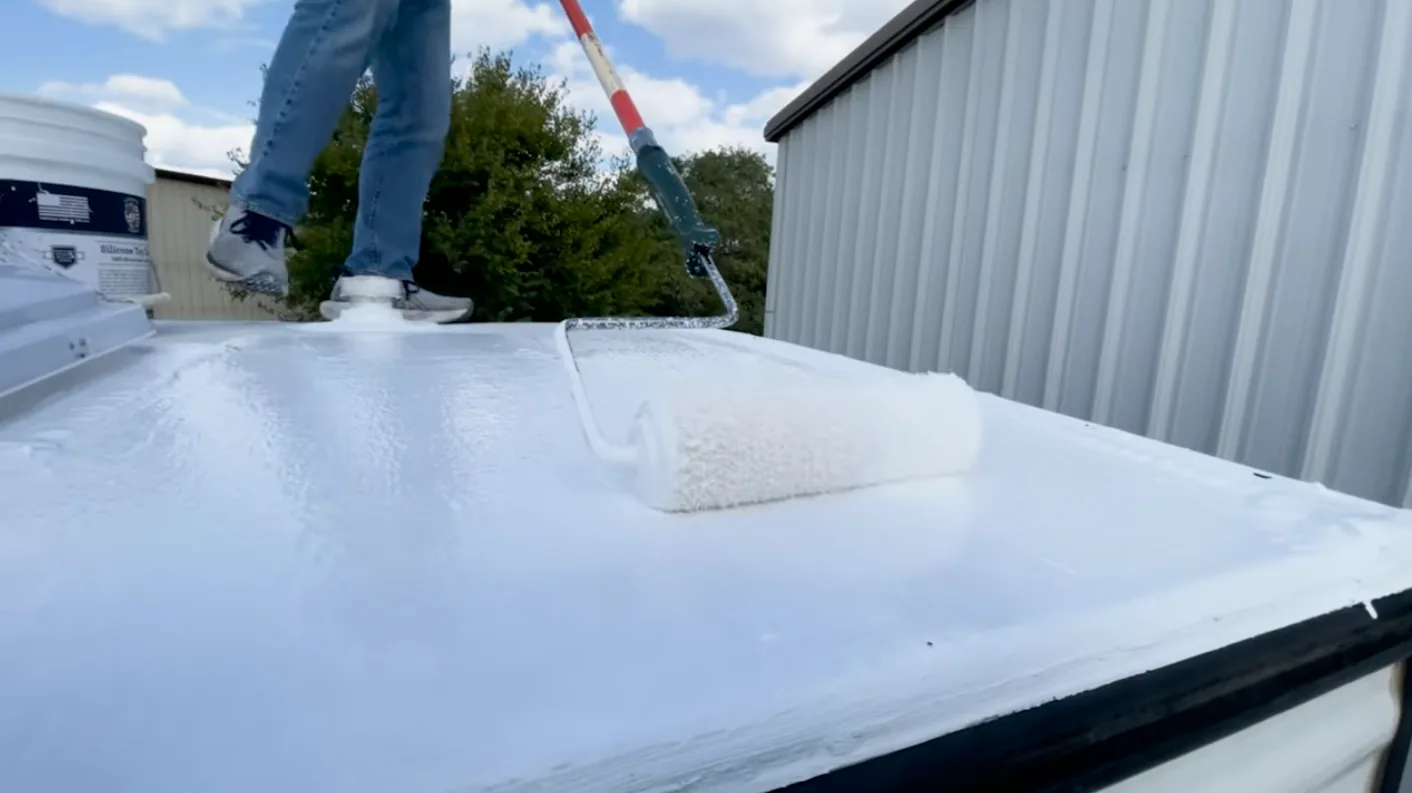
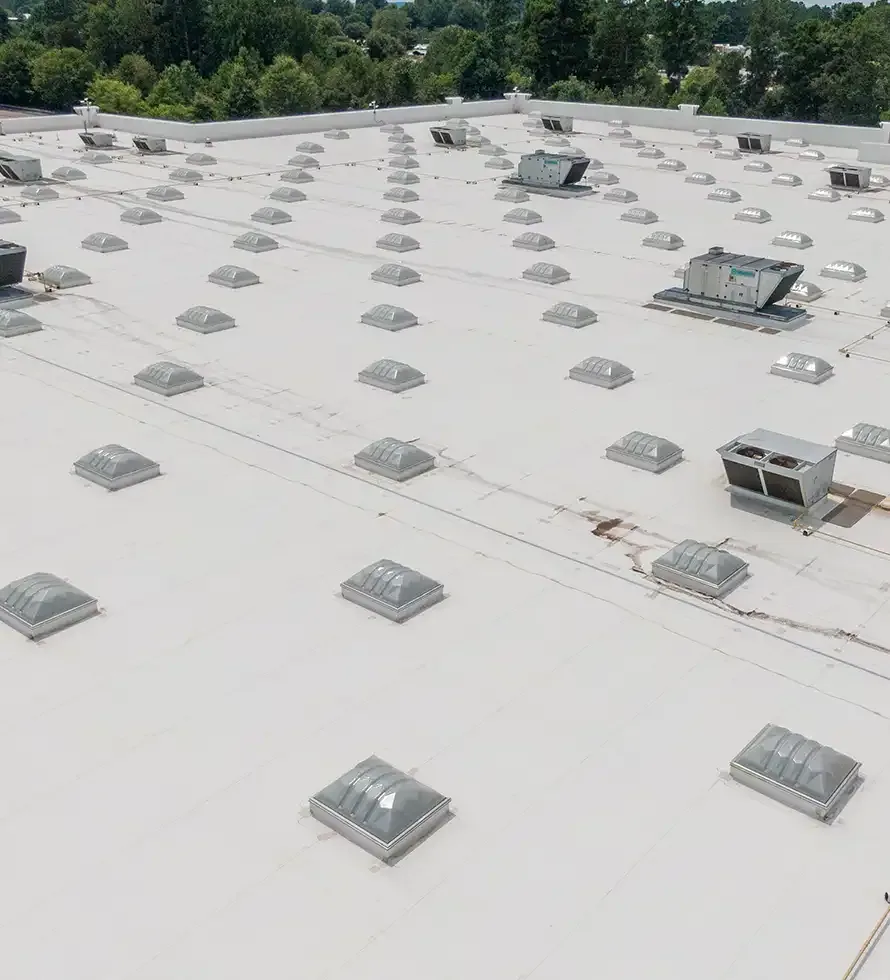
Acrylic coating is a water-based liquid material that cures into a protective film over a compatible, prepared roof. It can renew a surface and reflect more sunlight when the system is selected and installed for that assembly. It is not a new structural roof, a substitute for secure attachment, or a fix for wet insulation. We first identify what is already there, including prior coatings and patch materials, because adhesion depends on a compatible receiving surface. A test patch helps us check bond and drying before the full application is planned. Where seams or flashing have failed, we price those corrections separately from the field area. A silicone coating has different water-resistance characteristics, so we compare the actual roof, drainage, and product requirements rather than treating both chemistries as interchangeable.
A dry-out path comes first
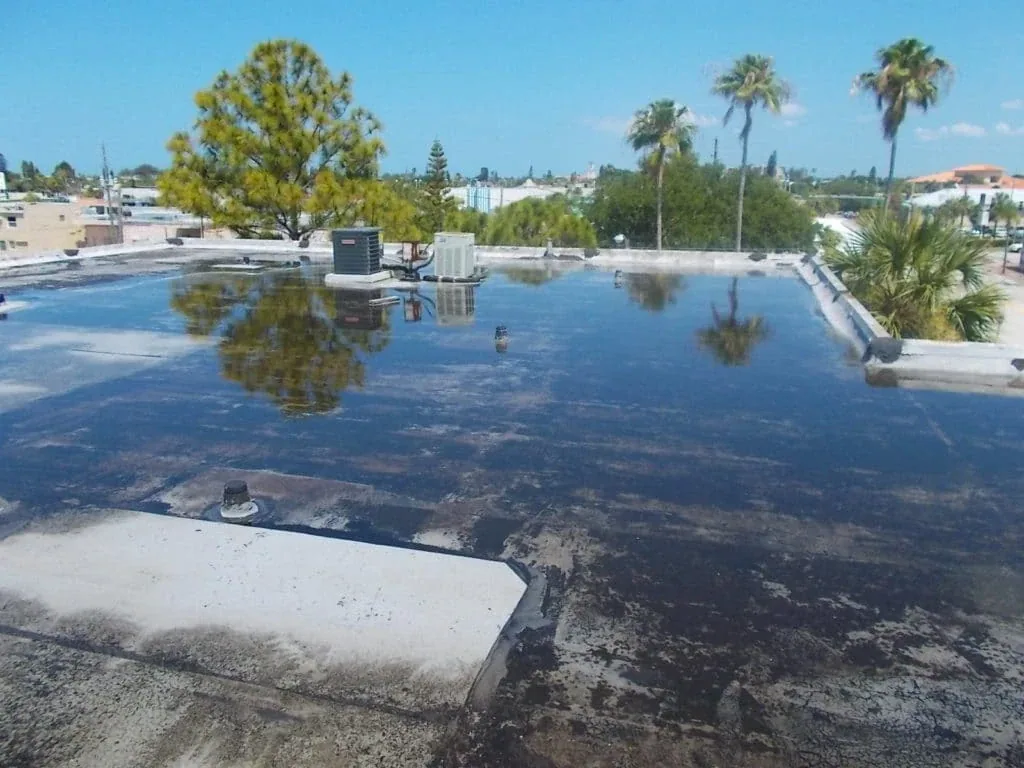
Set a follow-up question for every low point: after water reaches the outlet, what keeps it from leaving? Walk the bowl and strainer, then inspect the slope break, surrounding membrane, and any edge crossing the route. Record whether debris, settlement, or an open seam is visible; distinguish a confirmed restriction from a suspected assembly issue. Butte County's 2024 Chico hazard annex describes cool, wet winters following hot, dry summers. That seasonal context can guide scheduling, but current conditions and the roof itself control preparation. The East 20th Street opportunity area includes multiple shopping centers and large-format retail with extensive surface parking. That land-use setting may affect staging at a particular property; it does not establish its drainage condition. A drain or scupper correction may belong ahead of coating when the outlet or flashing is the restriction.
Treat the roof's changes in plane
Water finds the transitions: a curb corner, wall termination, pipe, skylight, expansion joint, or metal edge. We inspect each junction for movement, open sealant, loose attachment, and patches that have separated from the surrounding membrane. A coating can bridge only details that have been prepared and reinforced according to the selected system; it cannot make a moving or corroded connection stable by covering it. The City identifies Mangrove Avenue as a transit-served corridor with retail and service businesses, while East 20th is a separate retail and commercial district. Those settings do not prescribe a roof design, but they remind us to plan staging around each property's access and operating hours. We document each detail and, where necessary, complete a penetration or curb flashing repair before coating work reaches that junction.
Test, clean, and prepare
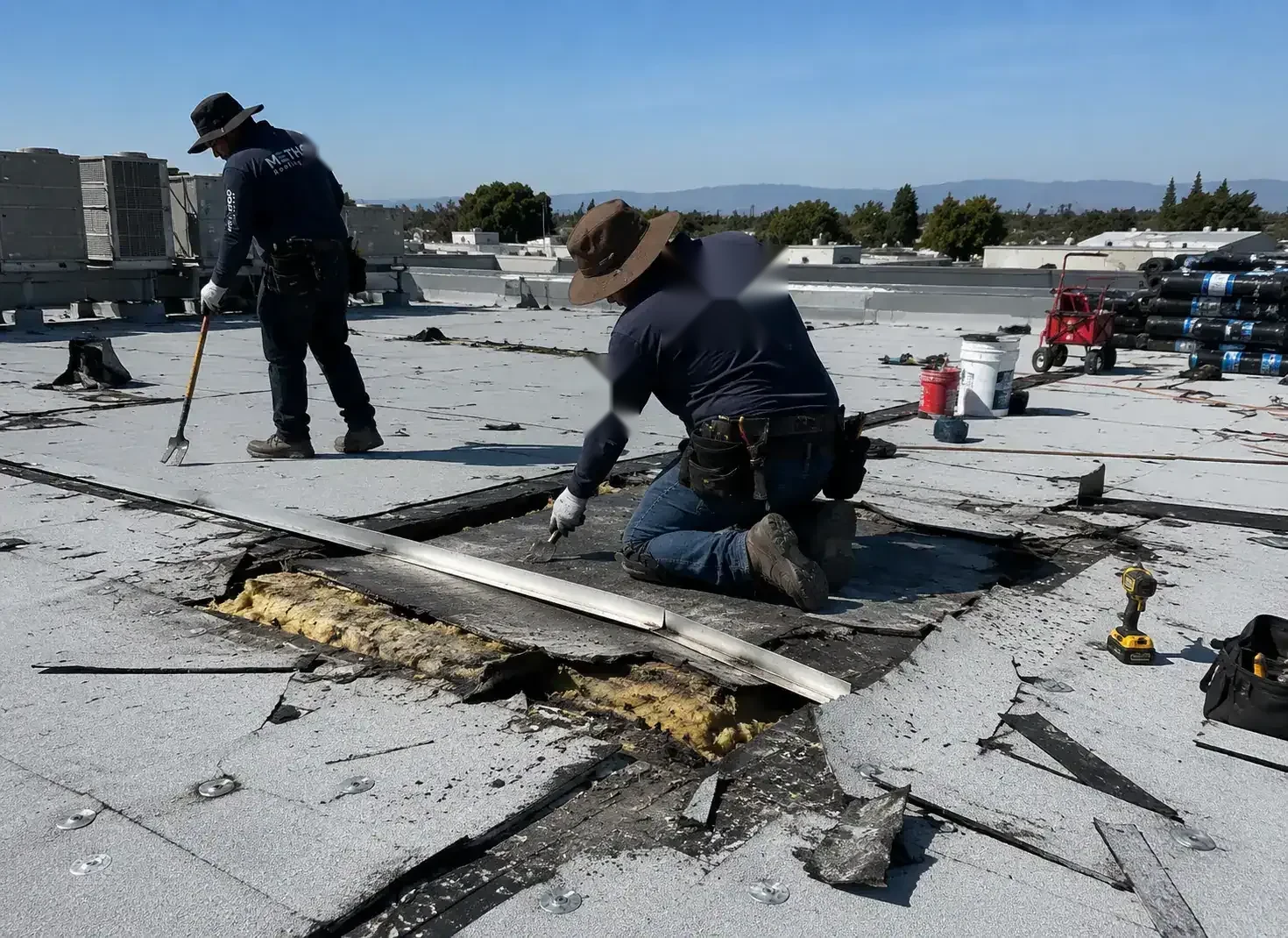
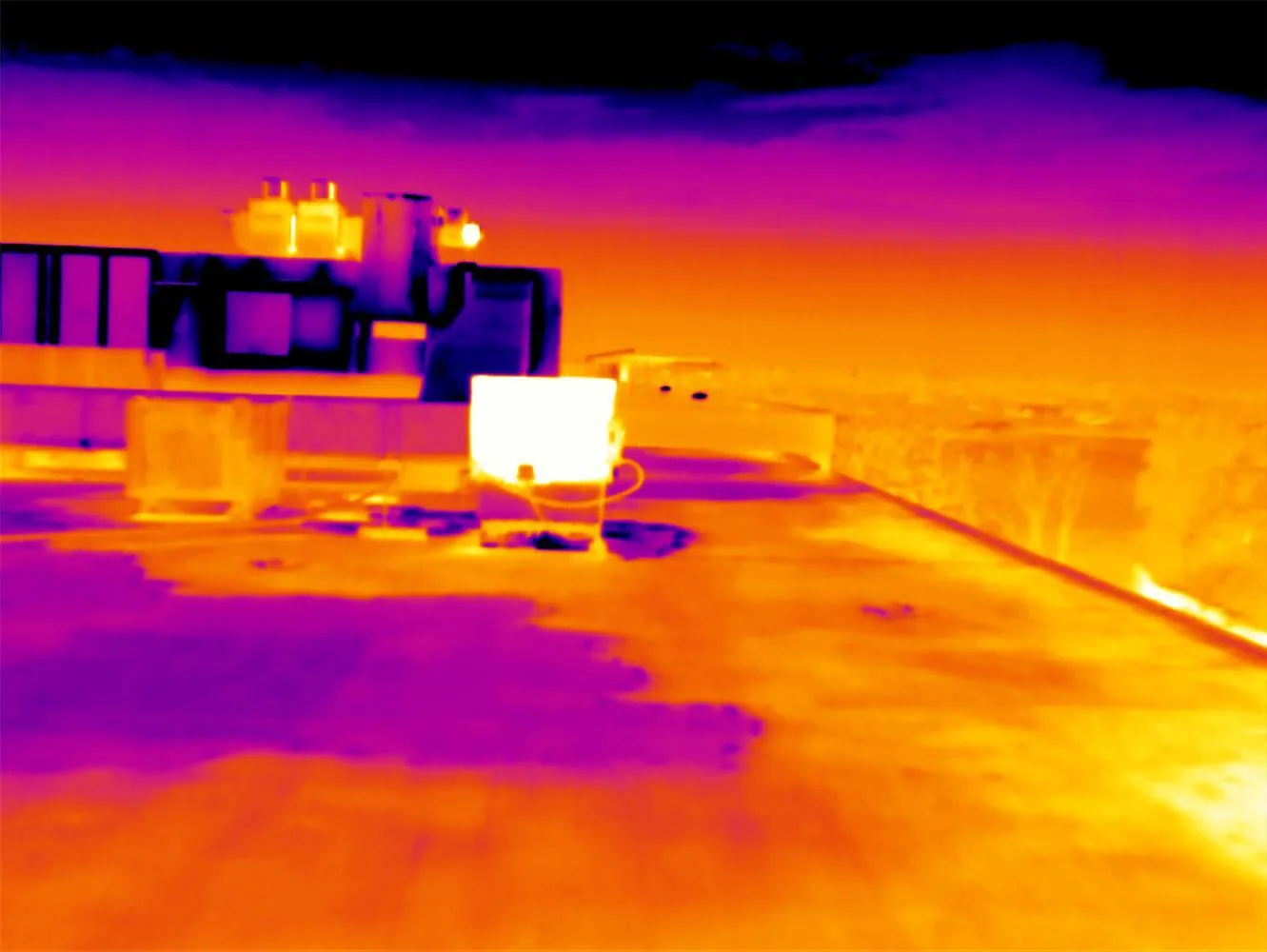
Preparation is not cosmetic. Dust, chalk, loose granules, biological growth, incompatible sealant, and weak coating can keep a new film from bonding. We remove material that cannot remain, clean the receiving surface, allow the required dry time, and test primer or adhesion where the roof assembly calls for it. A blister or split is opened only when the repair requires it; indiscriminate cutting can enlarge the work without improving the result. If moisture is suspected, we use the observation that will best resolve it, which may include targeted cores after an infrared scan. Chico's summer heat can change how quickly exposed surfaces warm, so we plan application around the product's temperature and drying instructions rather than assuming a citywide work window. In Downtown Chico, a roof with constrained staging or occupied storefronts may need phased access; the receiving surface still has to pass the same checks. We keep access routes clear, isolate each prepared work area, and record how the application will close around drains and penetrations if the schedule shifts. A coating may also be ruled out if the existing membrane cannot accept it; a replacement assembly then needs its own condition and attachment review. The inspection record distinguishes cleaned areas, repaired areas, and places where a moisture survey or core is still needed.
Sequence work around operations
On an occupied building, coating work has a sequence that the owner should be able to follow. We identify roof access, protect intakes and equipment, stage materials without blocking service routes, and agree on how each section will be closed in if conditions change. The surface must meet the selected system's preparation and weather requirements; a tight schedule does not override them. At an East 20th Street retail property, deliveries or customer activity may constrain lifting and access, while an industrial building can require different equipment coordination. The roof survey sets those limits for the actual site. We then state the proposed repair areas, coating area, detail work, and inspection points so the owner can compare the restoration scope with a full replacement. If the roof remains in use, a documented maintenance program can track drains and repaired transitions after the coating cures.
Let condition decide the next scope
Acrylic restoration can fit where the existing assembly is stable, the receiving surface passes preparation checks, and drainage is adequate for the product selected. Broad wet insulation, loose layers, failed attachment, corroded metal, or recurring movement at transitions can make removal or another system a better choice. We explain the evidence behind that call and identify which repair would change the recommendation. If coating is suitable, the written scope specifies surface preparation, repairs, reinforcement, application areas, and closeout observations. If not, the owner can compare a recover or tear-off using the same roof map and moisture findings. City planning identifies industrial and business-park areas around Meyers Street and Hegan Lane, but those plan labels cannot substitute for inspecting this roof's membrane and structure. We leave the next inspection with the owner, including the seams, edges, and drainage low points to revisit.
Commercial Roofing Questions
Can an acrylic coating go over every commercial roof?
No. The existing material, prior coatings, surface condition, drainage, and moisture findings all affect compatibility. We identify the assembly and test the receiving surface before pricing a full application.
Is a reflective coating a cure for heat-related roof problems?
It can change the surface's solar exposure when the roof qualifies, but it cannot repair wet insulation, open seams, or failed attachment. We separate those conditions from the coating decision.
What if water remains after rain?
We trace the low point to the outlet and check slope, drain condition, and nearby details. Persistent ponding should be addressed before coating so the restoration does not leave the water path unresolved.
How do you know the new material will bond?
We clean and prepare a representative area, then use the adhesion or primer check required for the selected system. A weak test result changes preparation or may rule out coating.
When should an owner compare coating with replacement?
Broad moisture, unstable layers, corroded panels, or repeated detail failures can point beyond a surface restoration. We document those conditions and compare the scope with removal or a compatible recover.
Check the roof before choosing a coating
Share the building use, current symptoms, roof history, and access window. We will map the assembly, test the receiving surface where appropriate, and explain whether an acrylic restoration or a different scope fits the evidence.