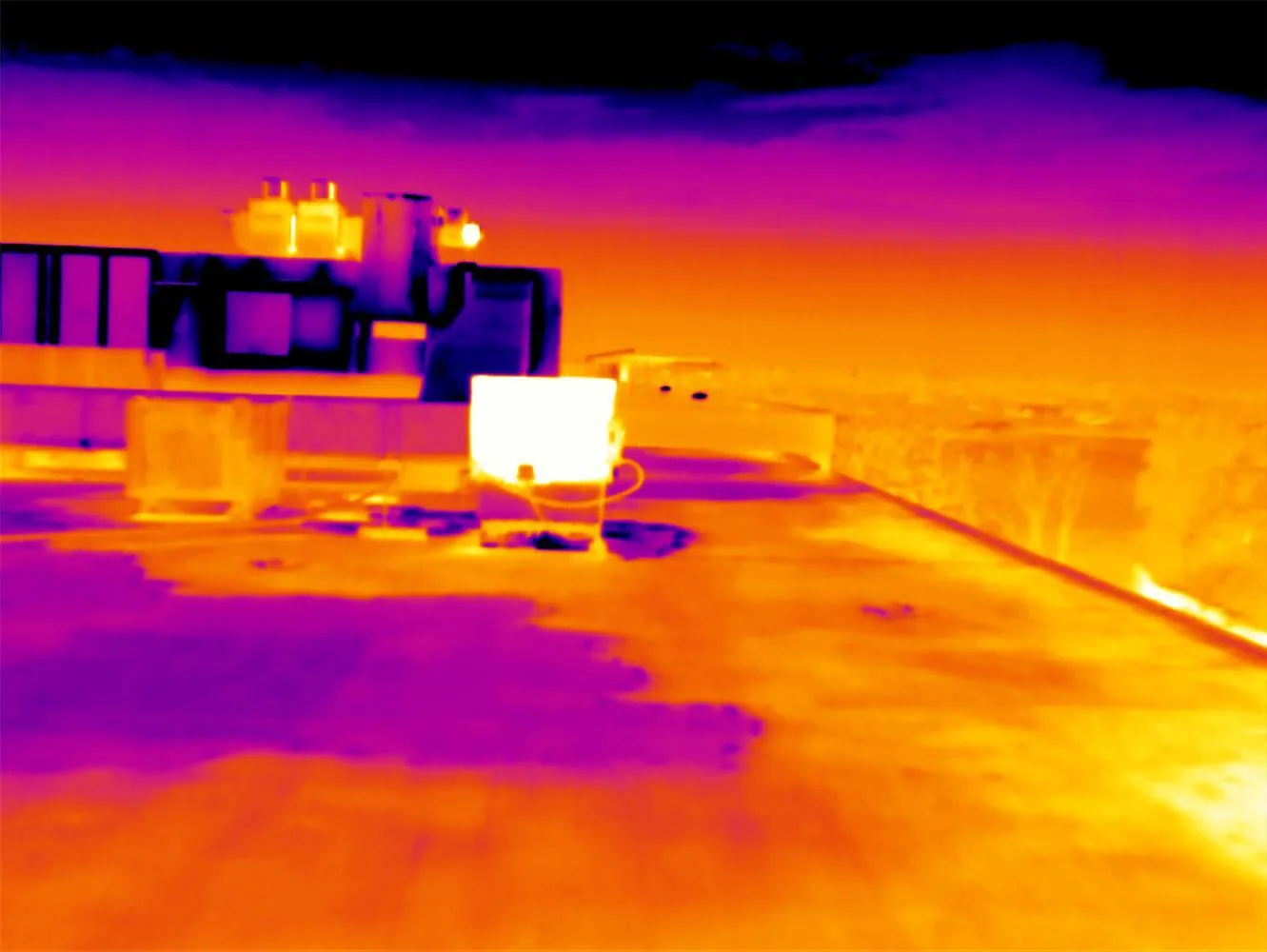
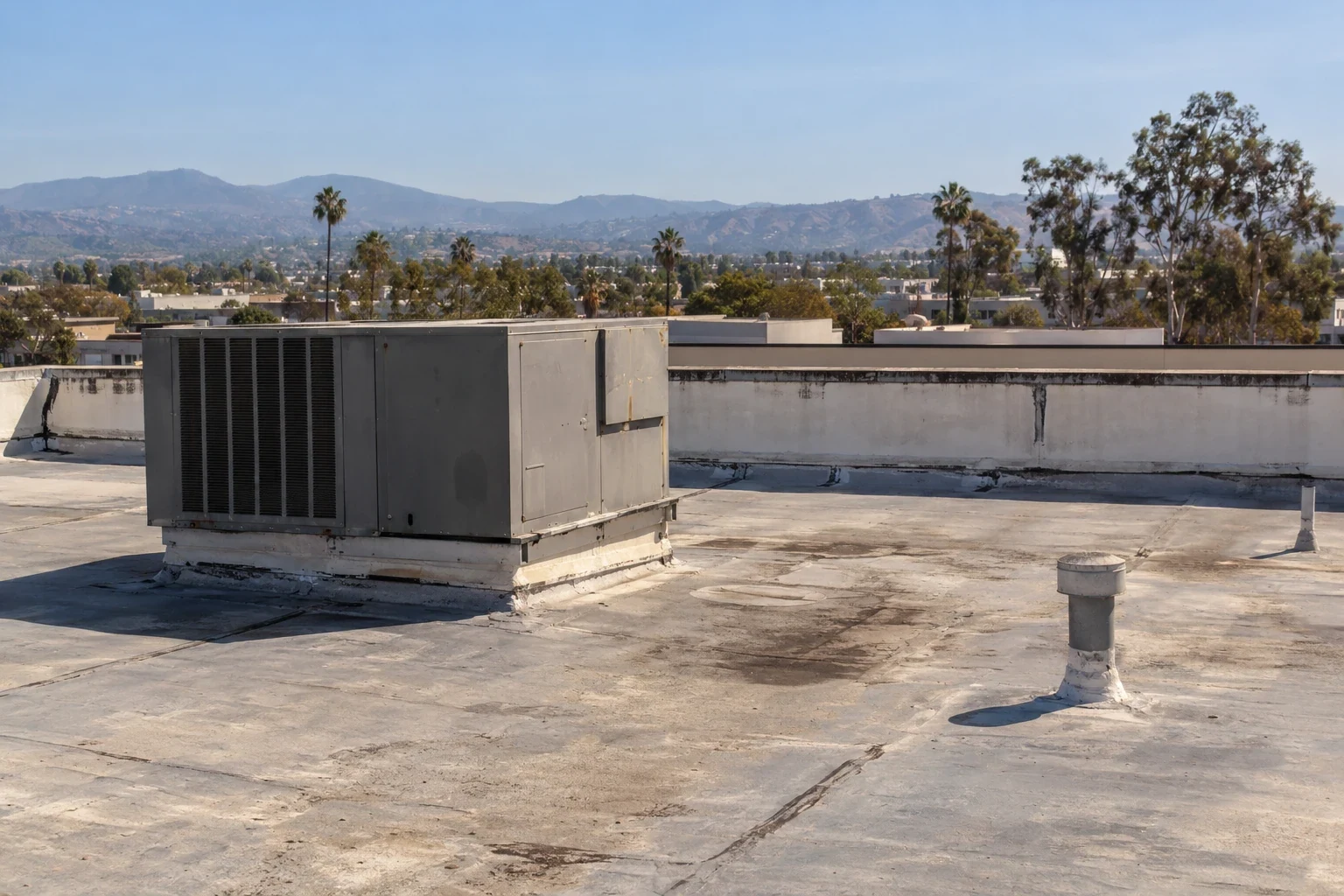
Church and House of Worship Roofing in Chico, CA
A roof leak above a sanctuary, fellowship hall, or classroom can interrupt more than a workday. For a Chico, CA house of worship, we first connect the interior report to the roof section, note upcoming gatherings, and identify which access routes must stay clear. The inspection distinguishes an urgent protective step from the repair or replacement scope that needs more evidence.
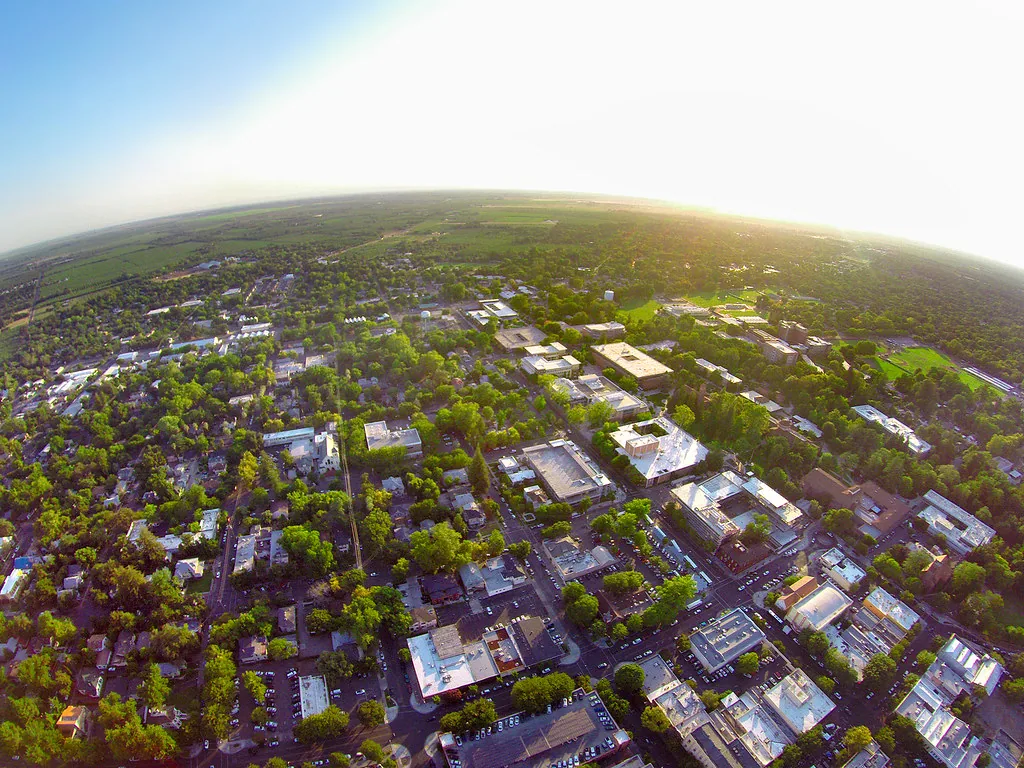
Chico's hot, dry summers give roof surfaces a long period of heat exposure, followed by a wetter winter season. Downtown Chico includes civic, office, and mixed-use designations, and the North Esplanade corridor has low-density commercial uses. These city descriptions orient the market without asserting where a congregation meets or what its roof contains. We verify the building and assembly before setting a scope.
Keep Gathering Routes Open
Before stepping onto a roof, we confirm who can authorize access, where ladders or lift equipment may be staged, and which entries serve worship, childcare, food service, or community programs. The building contact identifies event hours and rooms that should remain closed during work. We mark the working zone and agree how staff will receive updates if weather changes the sequence.
An active leak may call for temporary protection before the source is known. We isolate a safe roof section and document the water path. If lighting or sound equipment sits below the reported area, facility staff can set shutdown or protection steps before an opening is made. Our notes state what was observed and what still needs confirmation.
Access questions at a care-oriented property can be compared with a medical-office roof plan or hospital access plan, while the actual worship schedule determines this building's work window.
Check the Roof Beneath the Surface
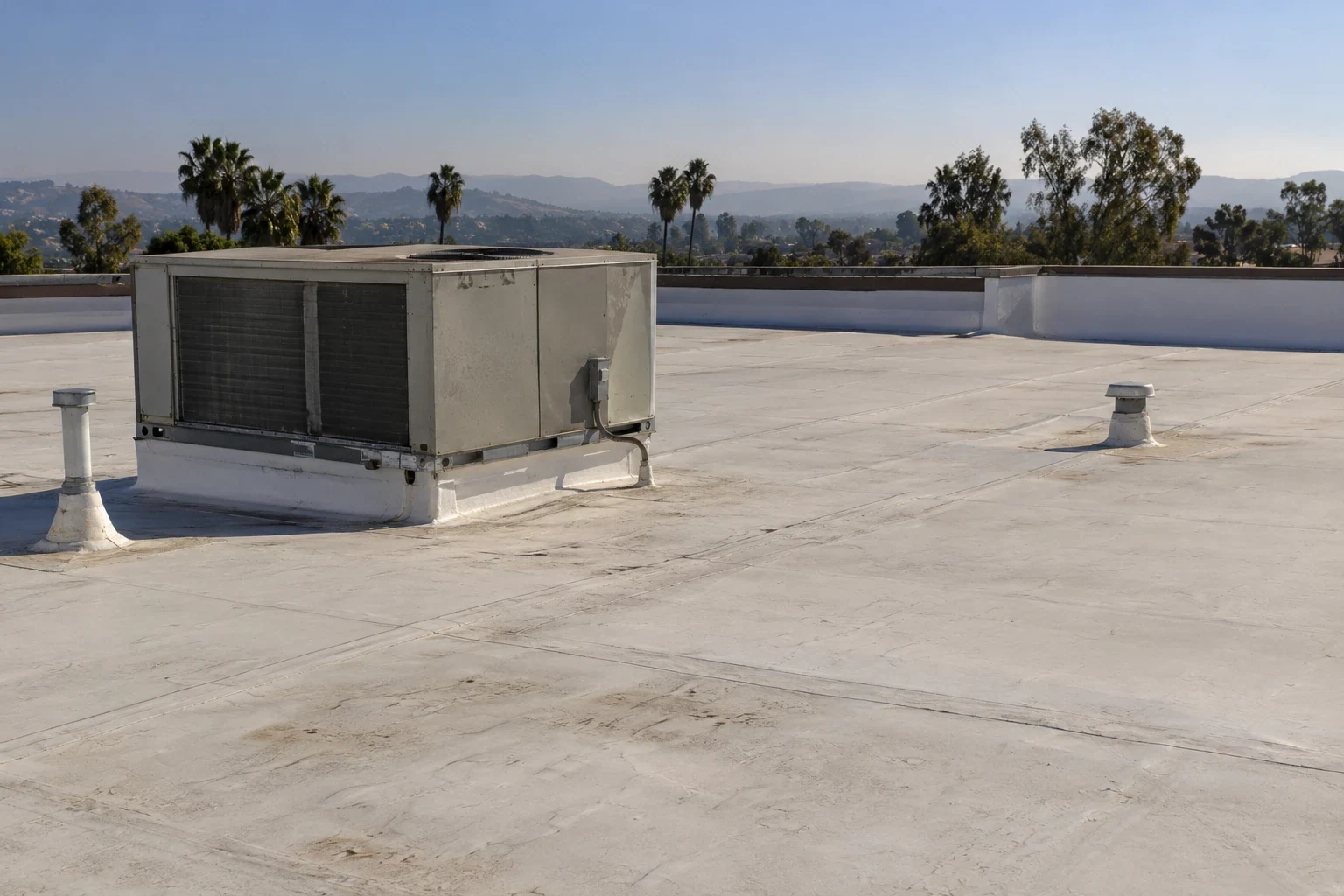
A sanctuary may have a broad roof plane, a steeper entry section, or additions that meet at several elevations. The exterior does not confirm the membrane, insulation, attachment, or layers below. We inspect seams, wall turns, curbs, skylights, and perimeter metal, then compare observations with records or exposed layers. An opening requires owner approval and a plan to protect the interior.
Heat can move membranes, metal edges, and sealant at changes in plane. We look for an actual split, loose termination, open lap, or failed transition. At the perimeter, we inspect parapet and gutter connections; at a steeper section, we trace where it meets the low-slope roof. The report separates defects from questions that need testing.
Where the surface is confirmed, a TPO repair review addresses that system. Building use alone does not determine material selection.
Trace the Winter Drainage Path
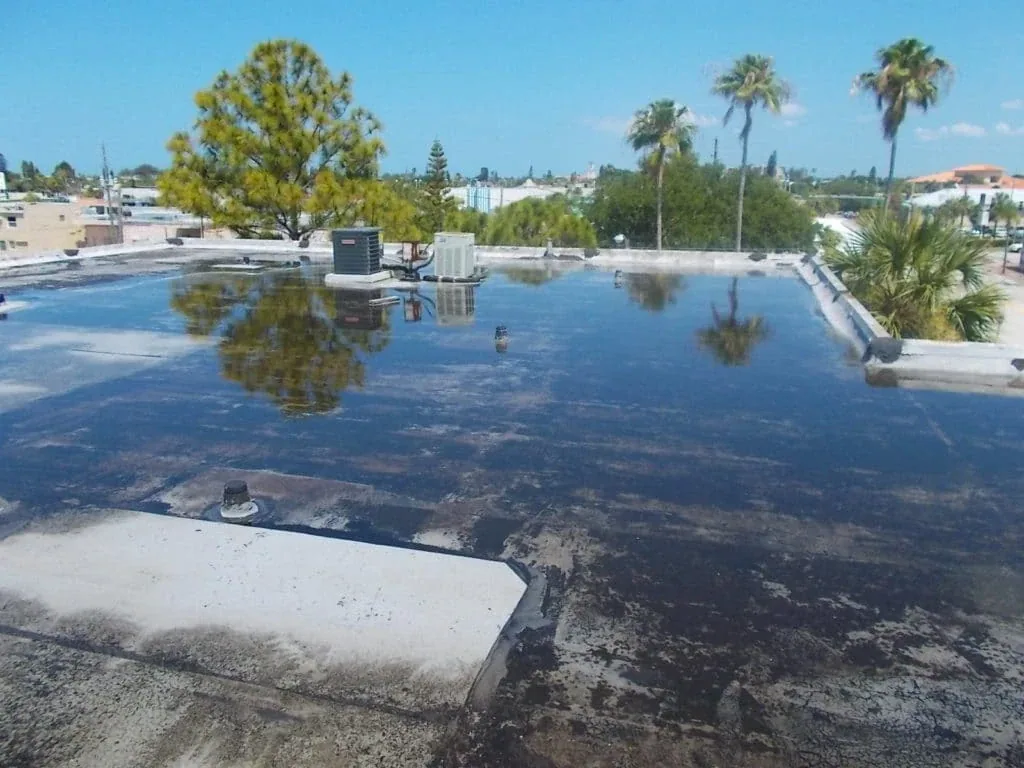
Chico's normal rainfall is concentrated in winter. We follow each roof basin toward its outlet, looking for debris, a loose connection, ponding, or a wall transition that turns runoff toward the interior. Those observations show whether a drainage correction belongs with the leak response.
Downtown Chico and the North Esplanade corridor have different planning contexts; neither establishes drainage at a worship space. We identify any flow path that crosses an entrance or sidewalk before choosing staging or temporary discharge controls. A drain and scupper check can pair with a moisture survey when the assembly and weather support that method.
Water trapped in insulation can change whether a coating or another roof layer is appropriate. We map the suspect area and explain what test or opening would narrow the boundary.
Coordinate Around Services and Events
Church schedules may include weekday programs, services, funerals, or seasonal events. We ask the facility contact to identify spaces that cannot be disrupted, then place noisy or exposed work in an approved window. Staging and debris removal stay separate from pedestrian paths and deliveries. If weather changes the dry-in sequence, the contact is told which zone remains open and what protection is in place.
Chico records occasional freezing minimum temperatures, though snow is not routine in the city. We check the day's conditions and product requirements before applying a coating, sealant, or adhesive. A phased replacement is limited to the area that can be closed that day; the plan notes any ceiling protection or room closure needed.
An occupied-building sequence can define access, noise, and daily dry-in limits. We record the work window for trustees to review.
Choose a Scope the Evidence Supports
A repair fits when the opening is localized, nearby transitions remain serviceable, and the substrate can accept the repair. Broader renewal enters discussion when repeated leaks, wet insulation, seam separation, or deteriorated perimeter details appear across zones. We show which observations support each option and what additional test would resolve any remaining gap.
Adding another membrane layer is possible only when retained materials are dry, attached, and permitted for that assembly. If moisture is trapped, affected material must be addressed before the roof is covered. We compare a localized repair, selective tear-off, or complete replacement against the mapped area and identify which details change in each scope.
A replacement scope shows how perimeter, drains, penetrations, and occupied rooms will be handled. The committee can weigh that work against upcoming programs and access windows.
Give the Committee a Clear Record
A useful closeout gives the pastor, trustees, facilities manager, or property committee enough detail to make the next decision. We label roof zones, include photographs, identify completed repairs, and mark areas that were inaccessible or need follow-up. Temporary protection stays distinct from permanent repair. The record states which connected sections were inspected.
That helps compare findings with prior leaks, invoices, and warranty documents without implying conditions those records do not show. We separate urgent work from capital renewal and note permit or equipment coordination that affects timing. A capital plan can carry priorities forward, while a Downtown Chico service request starts with the actual building location.
Share the building use, symptom, event schedule, and roof records when requesting a visit. We will document the water path, repair boundary, and decisions still needed. The recommendation follows the roof assembly and congregation calendar.
Commercial Roofing Questions
Should we cancel a service when a leak appears above the sanctuary?
First identify whether water is active, where it is entering, and whether the affected room or electrical equipment needs protection from the facility team. We can assess the roof and advise what temporary measure may limit exposure. The building's leadership decides room use; our report states the roof condition and any access or repair limits clearly.
Can roof repairs be scheduled between weekend services?
We can plan a work window with the facility contact, but the time required depends on access, weather, material cure conditions, and the repair boundary. A small verified detail may fit a shorter visit. Work that opens several roof layers needs a dry-in plan and a protected room below, so the schedule is set from the actual scope.
How do you investigate a stain that returns in a different room?
We plot each report against roof levels, slope, drains, seams, and penetrations, then compare the timing of each symptom. Water may travel before it reaches the ceiling, and separate stains can share one entry point or come from different details. We record the evidence by zone and recommend a test only where it can resolve an open question.
When is a coating an option for a church roof?
The existing surface must be compatible, sound enough to receive the system, and able to drain without trapping moisture. We check adhesion, seams, transitions, and wet areas first. A coating will not correct deteriorated insulation or a failed base. The recommendation also accounts for cure conditions and the building's event schedule.
What records help trustees compare roof proposals?
A roof map, photographs, repair history, known assembly details, and current leak locations help define the same scope for comparison. We can identify which findings are confirmed and which depend on testing or an opening. Each proposal should state the work boundary, daily dry-in area, access limits, and follow-up needed after repairs.
Schedule Work Around the Congregation
Send the building location, current roof symptom, service or event schedule, and any available roof records. We will document the affected zone, repair options, and access window with your facility contact.