Grocery Store Roofing in Chico, CA
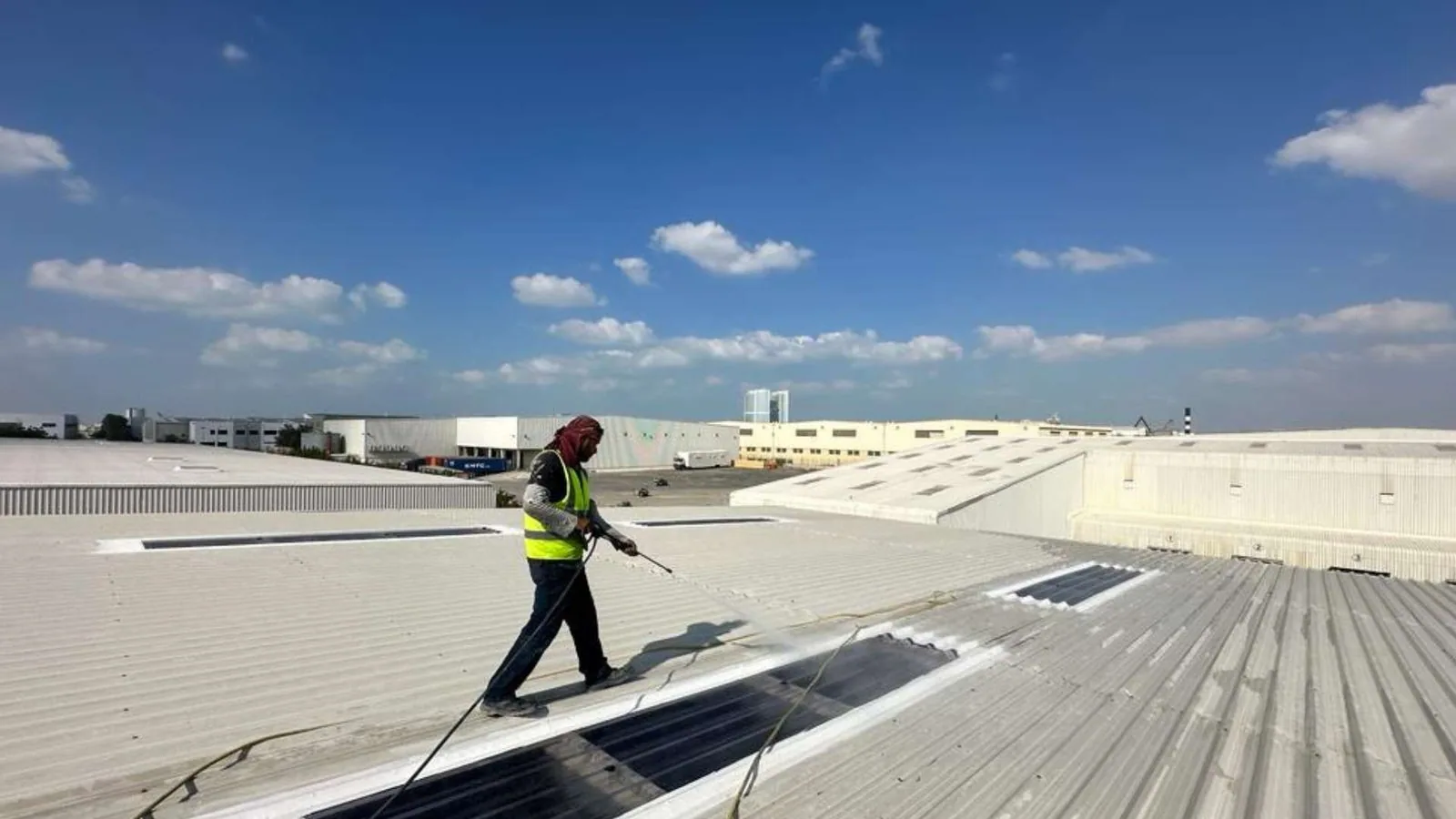
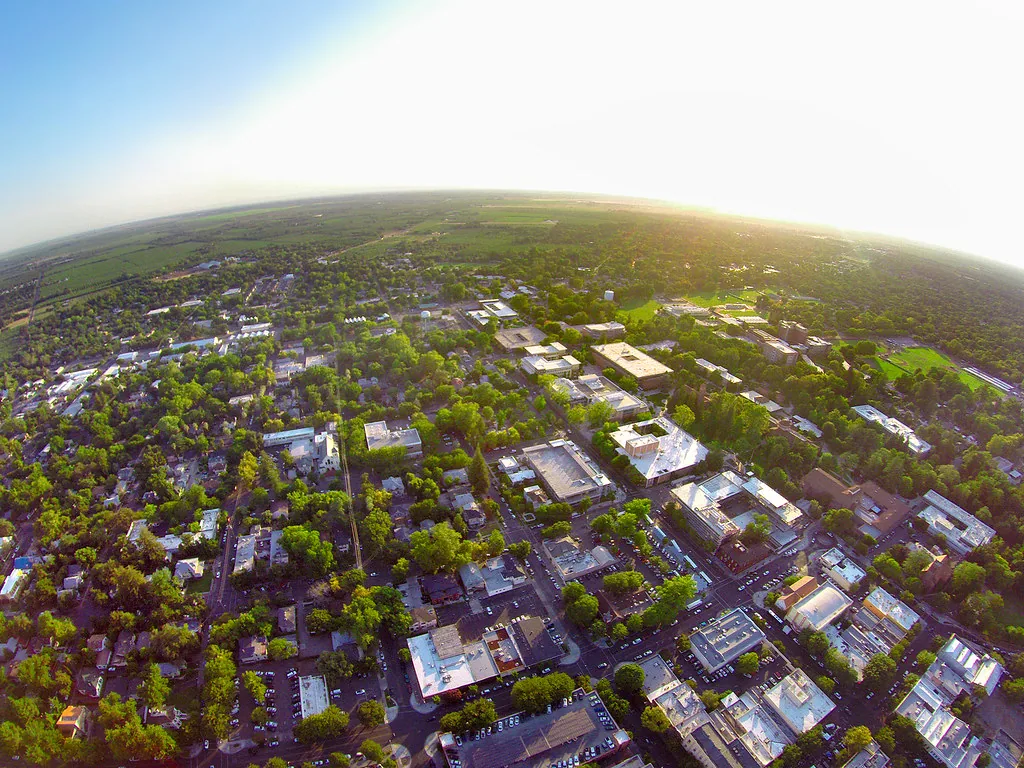
Grocery stores combine large roof areas with refrigeration equipment, exhaust, loading activity, and spaces where interruption matters. In Chico, CA, we begin with the store’s reported symptom, roof-zone records, equipment history, and operating limits. Water above a sales floor or stockroom is an urgent condition to investigate, but the visible ceiling mark does not identify the roof entry. The roof inspection follows a plausible path across seams, drains, curbs, and transitions, then records what was confirmed and what remains uncertain. Chico’s commercial areas include North Valley Plaza, East 20th Street, and Skyway; those districts provide geographic context, while each store’s actual assembly and equipment set its repair plan.
Separate roof and refrigeration records
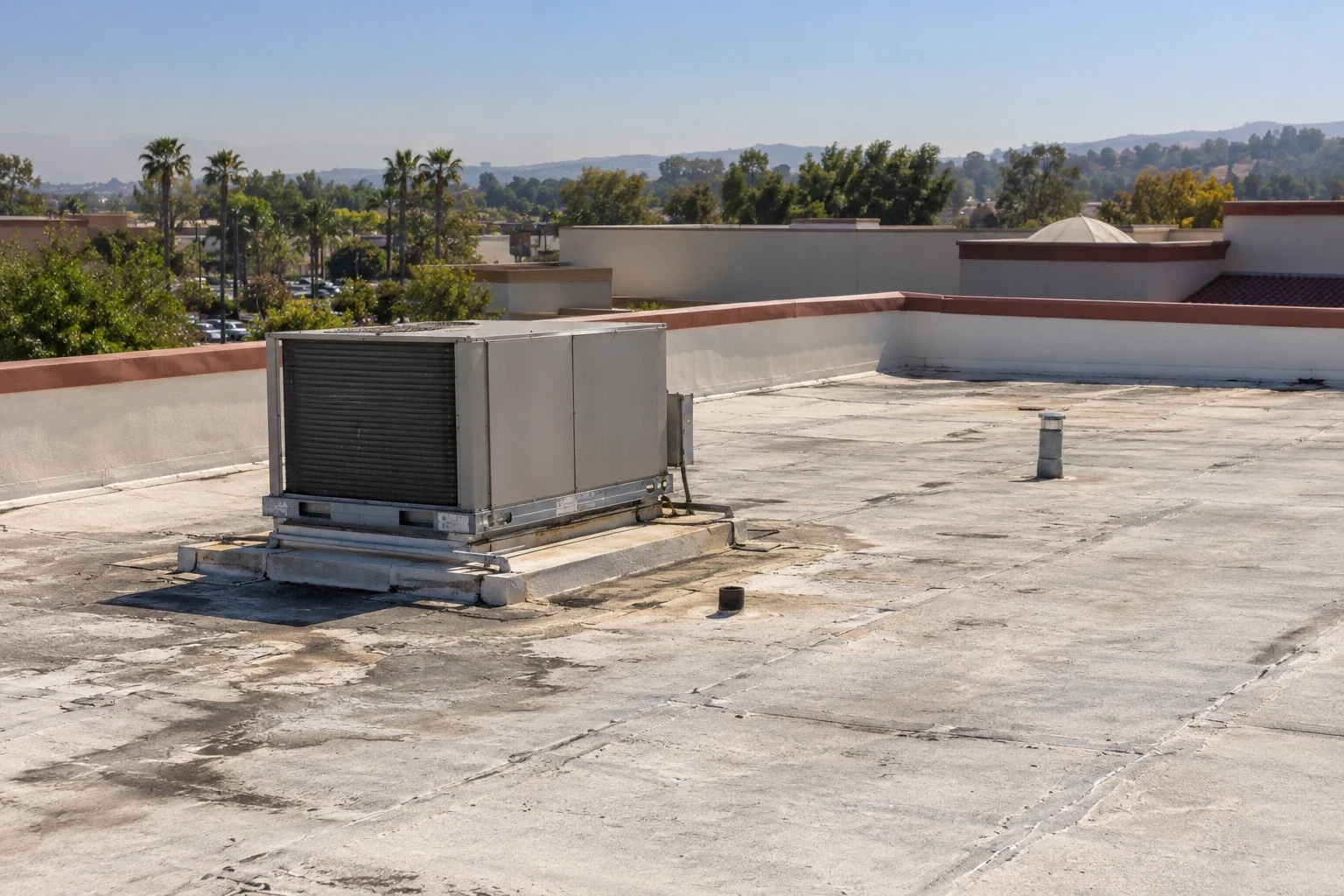
A grocery roof map should identify each section, membrane and insulation when known, drains, curbs, exhaust penetrations, skylights, edges, and access limits. Marking refrigeration lines and rooftop equipment helps the roofing and mechanical teams discuss who owns a detail before any unit is moved. We label photos by zone and note prior repairs so a recurring moisture report can be compared with the earlier work. If access is blocked, the report should preserve that limitation rather than imply the section was cleared.
Store managers can add the interior location, time, rainfall, product or equipment impact, and any service work to a leak log. Those observations help prioritize response but stay separate from roof findings until the entry path is tested. A shopping-center roof inventory uses similar tenant-zone records, while restaurant roofing plans also consider exhaust and kitchen operations. For a grocery store, refrigeration continuity and receiving access should appear in the work plan before a crew stages materials.
Coordinate refrigeration and curb work
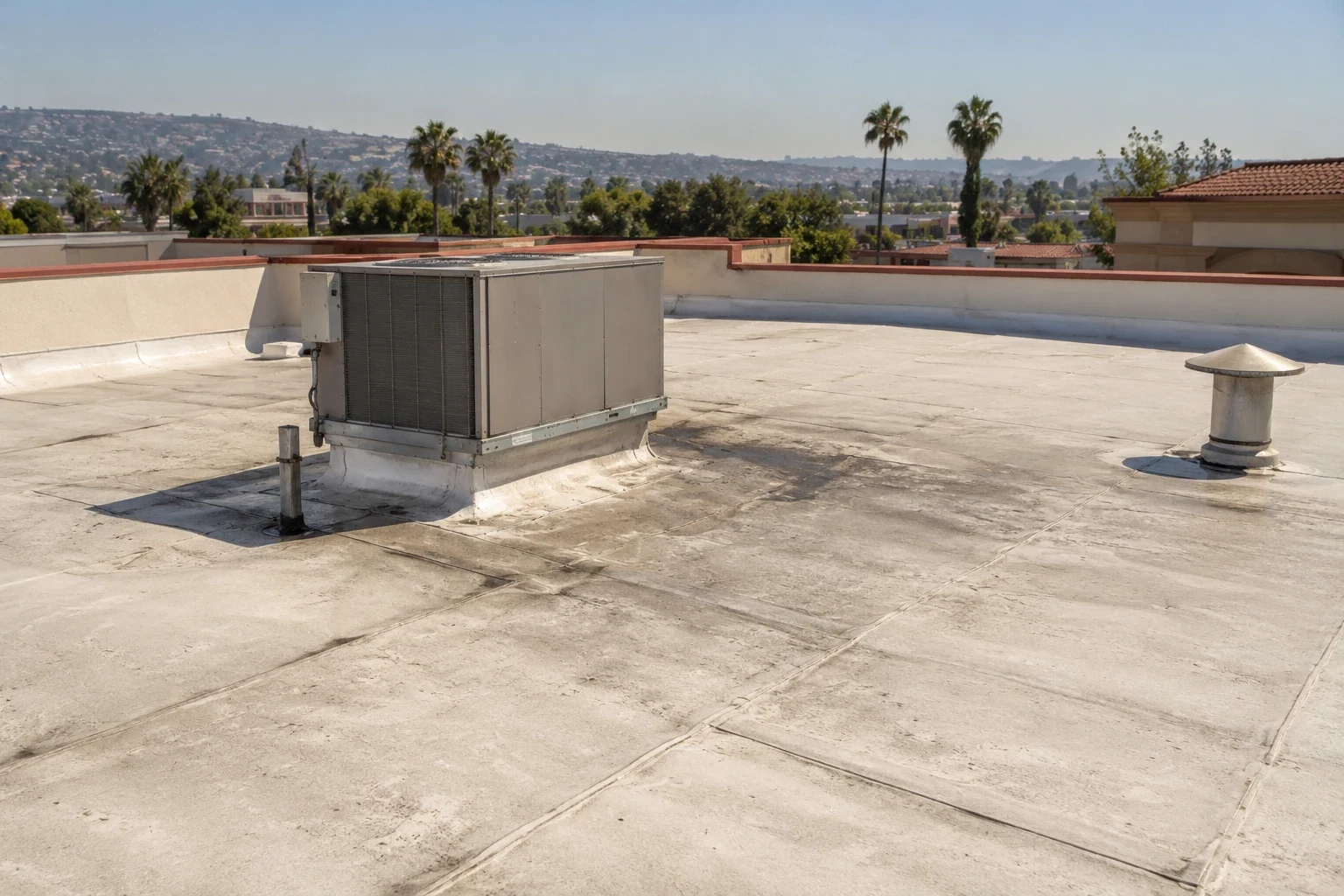
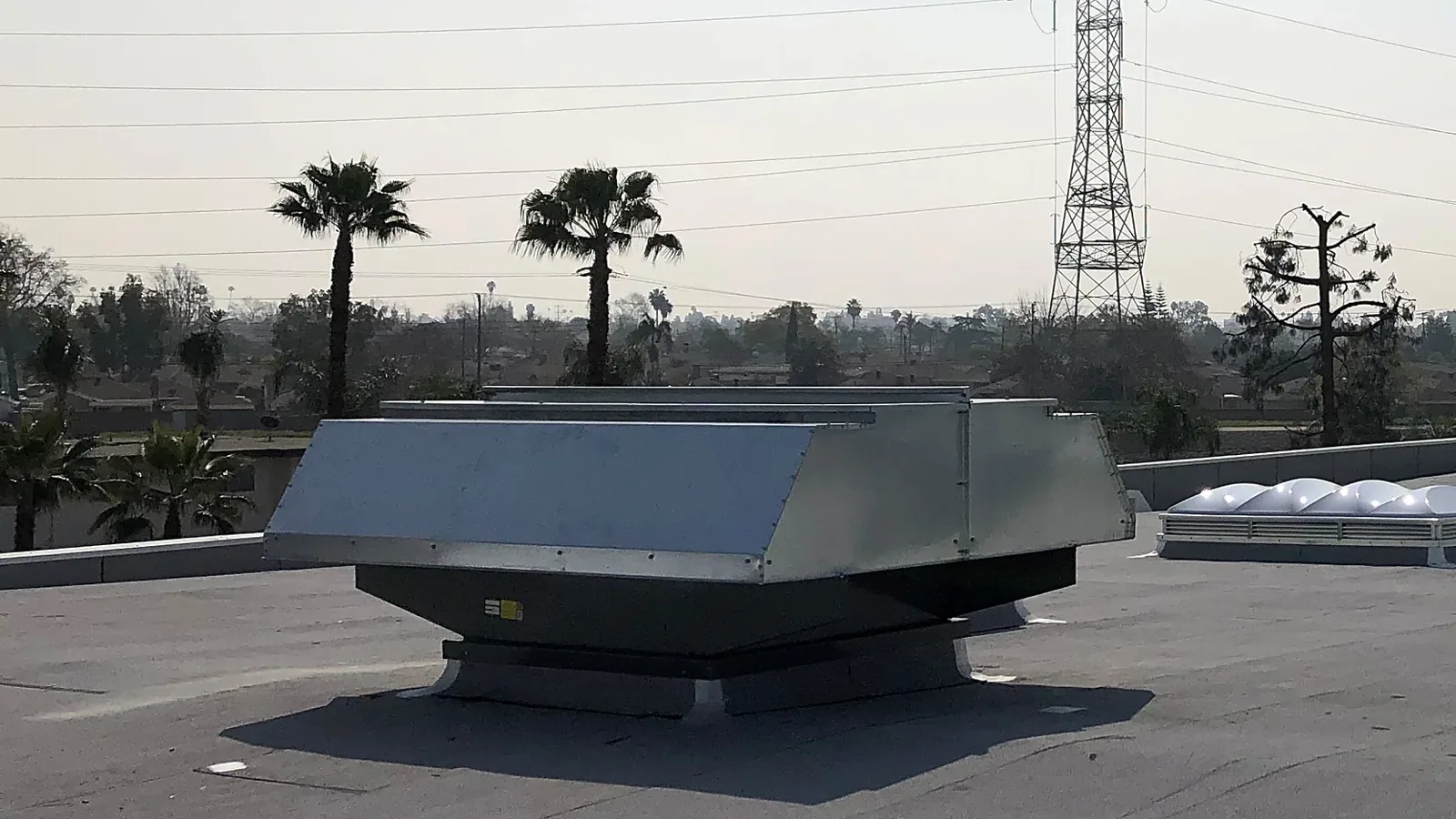
Refrigeration condensers, piping supports, exhaust fans, and rooftop units can create flashing and support details that differ from a simple field seam. We look for movement, open laps, loose metal, prior sealant patches, and evidence that a recent mechanical change disturbed the roof. If equipment must be lifted or lines disconnected, the owner and trades should agree on protection, timing, and the final roofing tie-in before work begins. The plan should identify a mechanical contact and a person who can approve the reopening of the affected section.
The California Energy Code edition effective January 1, 2026 includes rules for nonresidential construction and certain alterations. If a refrigeration or HVAC replacement affects the roof, the project team should confirm permit requirements before sequencing the work. Roofing can document its flashing interface; code decisions remain with the responsible professionals. An equipment-curb detail can document flashing and support work, and a moisture survey may help identify areas for follow-up testing.
Keep outlets and overflow paths clear
Grocery roofs can move water over broad areas before it reaches a drain. We inspect strainers, sumps, scuppers, overflow paths, visible slope, and low areas, then compare the findings with water reports below. Leaves or packaging at an outlet may need immediate clearing. Repeated ponding can call for a closer look at slope, deck movement, or changes made during previous work. A report should state where water was observed and whether the area was checked after drainage maintenance.
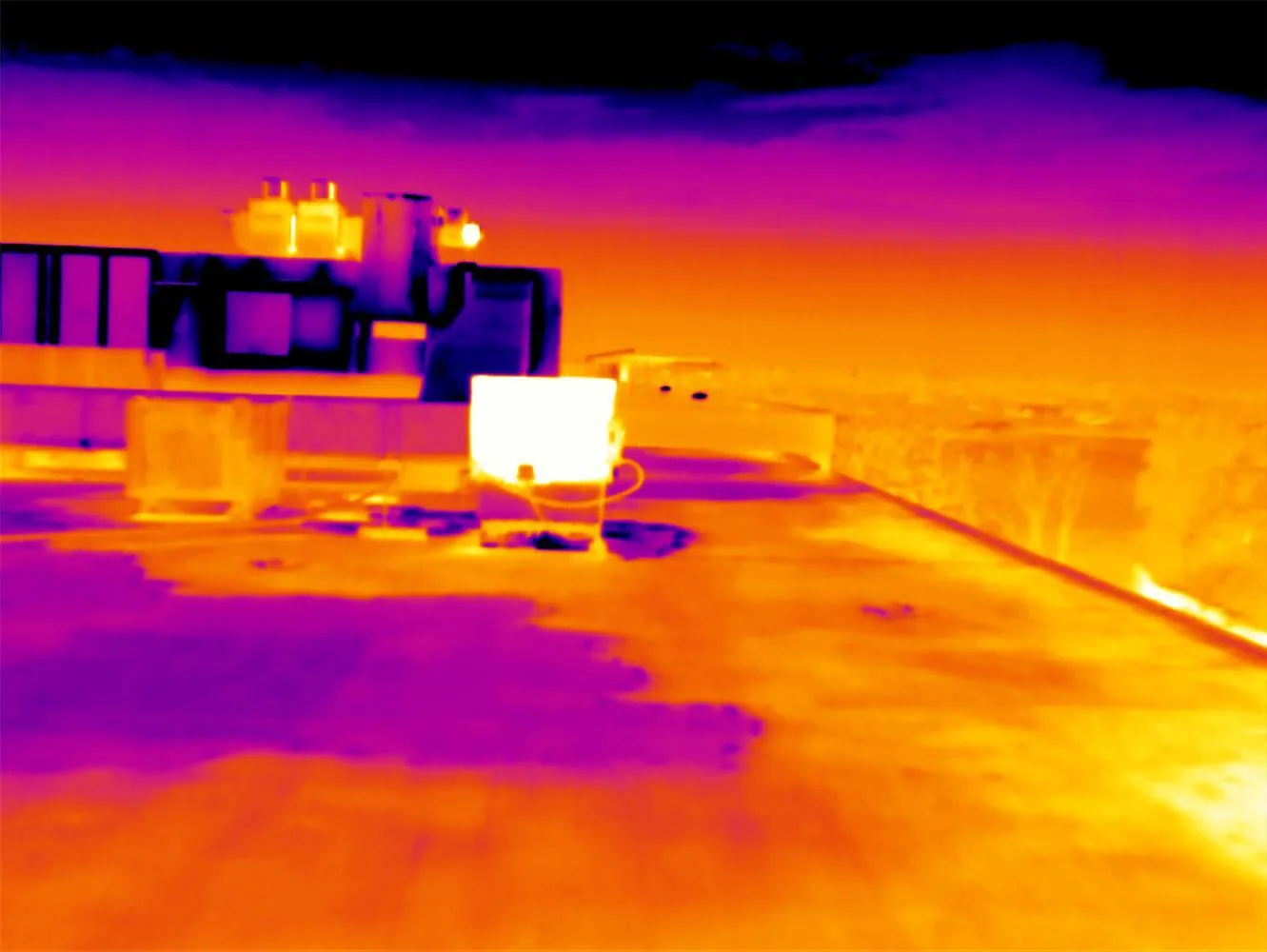
Roof penetrations and wall transitions can interrupt water flow or conceal a vulnerable termination. Photographs should capture the surrounding detail, not just the puddle. If moisture mapping is used, readings need confirmation against the assembly before material removal is priced. A commercial leak repair assessment can separate temporary protection from a permanent repair once the suspected route is inspected. The goal is a defined repair boundary that facilities staff can verify.
Protect food areas and store activity
Roof work above food preparation, coolers, and product storage requires advance coordination about dust, vibration, odors, temporary closures, and contamination controls. The store contact can identify sensitive rooms, product-handling rules, access paths, and hours when work creates the least disruption. The contractor can then describe what protection is used below the roof and who checks that the space is ready to reopen. No roof sequence should assume that refrigeration or kitchen operations can stop without a store decision.
Receiving doors, delivery traffic, fire lanes, and customer entrances also shape staging. The plan should show where materials and waste move, how emergency routes remain open, and which roof zone is active each shift. If a section is opened, temporary protection and a weather-ready closeout need to be in place before crews leave. The manager should know who receives any leak report during the project and how that report reaches the roofing lead.
Build a weather-aware work sequence
Chico averages 27.39 inches of annual precipitation, with most monthly rain in January and February and very low averages during July and August. Butte County describes a Mediterranean pattern with hot dry summers and cool wet winters. These long-term averages guide seasonal planning, not the forecast for an individual workday. We set a daily opening size based on roof condition, available protection, forecast, and the time needed to close the detail. A grocery store can also identify temperature-sensitive operations below the work area.
Heat can affect crew timing and material handling on open roof areas, while rain can constrain tear-off and temporary tie-ins. We agree on shift boundaries, drain checks, and a closure review before production begins. If an active leak appears after a storm, the manager should identify the room and time and protect product as required by store procedures. A roof emergency response can address immediate protection, followed by a separate inspection to define permanent scope.
Choose repair or renewal from findings
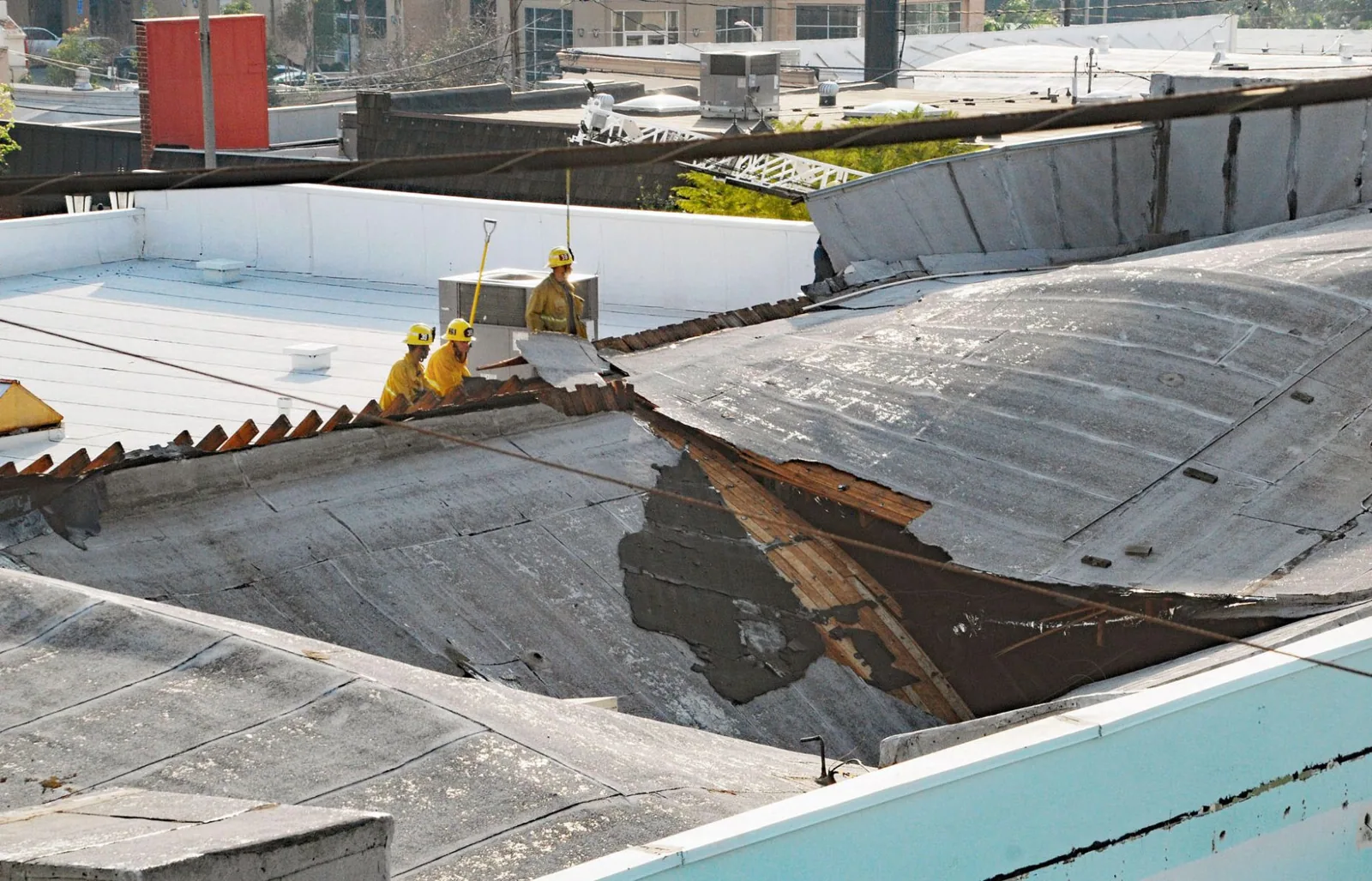
A failed flashing, seam, or support may be repaired when nearby membrane and substrate remain sound. Repeated openings, broad moisture, or weakened attachment may support a larger replacement plan. A recover is suitable only when existing layers, wet areas, drainage, structure, perimeter height, and attachment allow a compatible assembly. Before deciding, owners may need a test cut or additional moisture verification. The recommendation should state why the selected scope fits and which unresolved finding could change it.
Grocery operations make sequencing a cost consideration as well as a roof question. Compare repeated mobilizations, work windows, temporary protection, and time near receiving or food areas alongside material price. A TPO roof assembly may suit one design when substrate and details support it; it is not selected solely because a nearby East 20th Street district includes retail uses. The actual plans, roof condition, and owner criteria guide the choice.
Make the grocery scope comparable
A proposal should list measured roof zones, preparation, removal or recover assumptions, insulation, membrane, flashing, equipment coordination, drainage, access, disposal, temporary protection, and schedule. It should also state food-area controls, receiving routes, work hours, emergency contact, and how concealed conditions are presented for approval. The store should understand whether refrigeration relocation, electrical work, and interior protection are included or assigned to others. These boundaries prevent price comparisons from hiding operational responsibilities.
Timing depends on roof dimensions, deck condition, material availability, equipment, store hours, and weather. Chico’s identified commercial districts include North Valley Plaza, East 20th Street, and Skyway, but district plans do not establish a specific grocery roof’s age or system. The proposal should rely on the inspected building, drawings, repair history, and operating calendar. Closeout photos can support later drain and flashing checks. Share records and access limits to schedule a review that respects receiving and food handling.
Commercial Roofing Questions
How do you investigate water over a cooler or sales area?
We document the interior location and timing, then compare it with roof seams, drains, curbs, and transitions. The visible stain is a clue, not proof of the entry point.
Can refrigeration equipment stay operating during roof work?
The store sets equipment and operating requirements. The owner and mechanical team confirm access and scope, while the roofing sequence defines protection and tie-in boundaries.
What should be checked after a roof leak?
Protect affected product under store procedures, record the room and time, and arrange a roof inspection. The repair boundary follows confirmed conditions.
What information helps compare grocery roof proposals?
Measured roof areas, materials, drains, equipment interfaces, food-area protection, receiving access, hours, exclusions, and concealed-condition handling should be stated.
How often should the roof be maintained?
An owner can set an interval based on system, drainage, exposure, prior repairs, and site policy. Active water entry needs prompt investigation outside the scheduled check.
Plan a Chico grocery store roof review
Share the property use, reported symptom, roof records, access limits, and operating calendar. We will confirm the inspection boundary and document findings for the area reviewed.