National Guard Armory Roofing in Chico, CA
An armory roof repair begins with access authority, the mission schedule, and the building area that needs attention. For a Chico, CA project, we confirm who can approve the visit, what escort or badging process applies, and which roof zone is above the reported leak. The inspection records conditions and the repair boundary before permanent work is proposed.
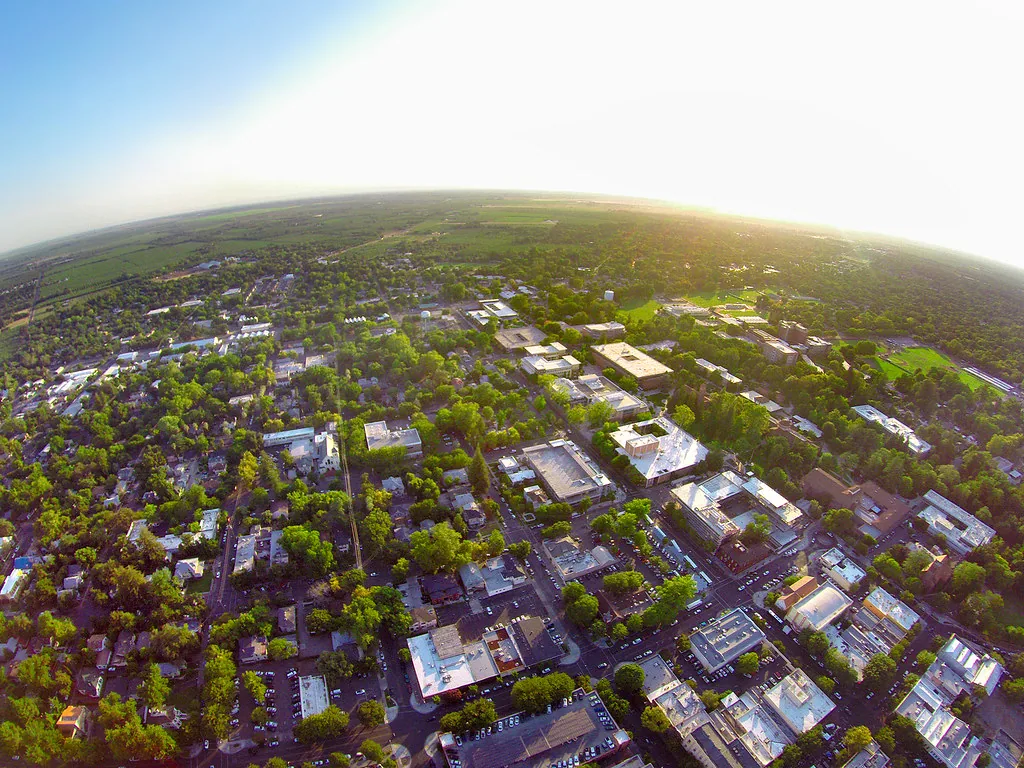
California National Guard materials identify the Chico Armory / 649th Engineer Company as a local contact point. The 649th is a California Army National Guard unit based in Chico. These facts establish a local Guard presence, not the armory's roof type or condition. Downtown Chico is a separate civic and mixed-use planning area. We confirm each property's actual scope.
Verify the Approval and Escort Chain
Before roof access, the facility contact identifies the approving authority, required identification, escort route, restricted areas, and any equipment or communications limits. We receive only the access needed for the inspection and record any zone that cannot be reached. An opening requires separate authorization and interior protection. The work order names the access and closeout contacts.
Roofing may need to fit around drills, equipment movement, readiness activity, and other scheduled use. The installation team sets dates and protected areas. We coordinate staging and lift placement, then establish the daily work boundary. Temporary measures for active water are listed separately from permanent repair when the full scope needs another access window.
Our military installation roofing work addresses access, escort, schedule, and roof details. An inspection record supports review of the Chico building.
Inspect the Confirmed Armory Roof
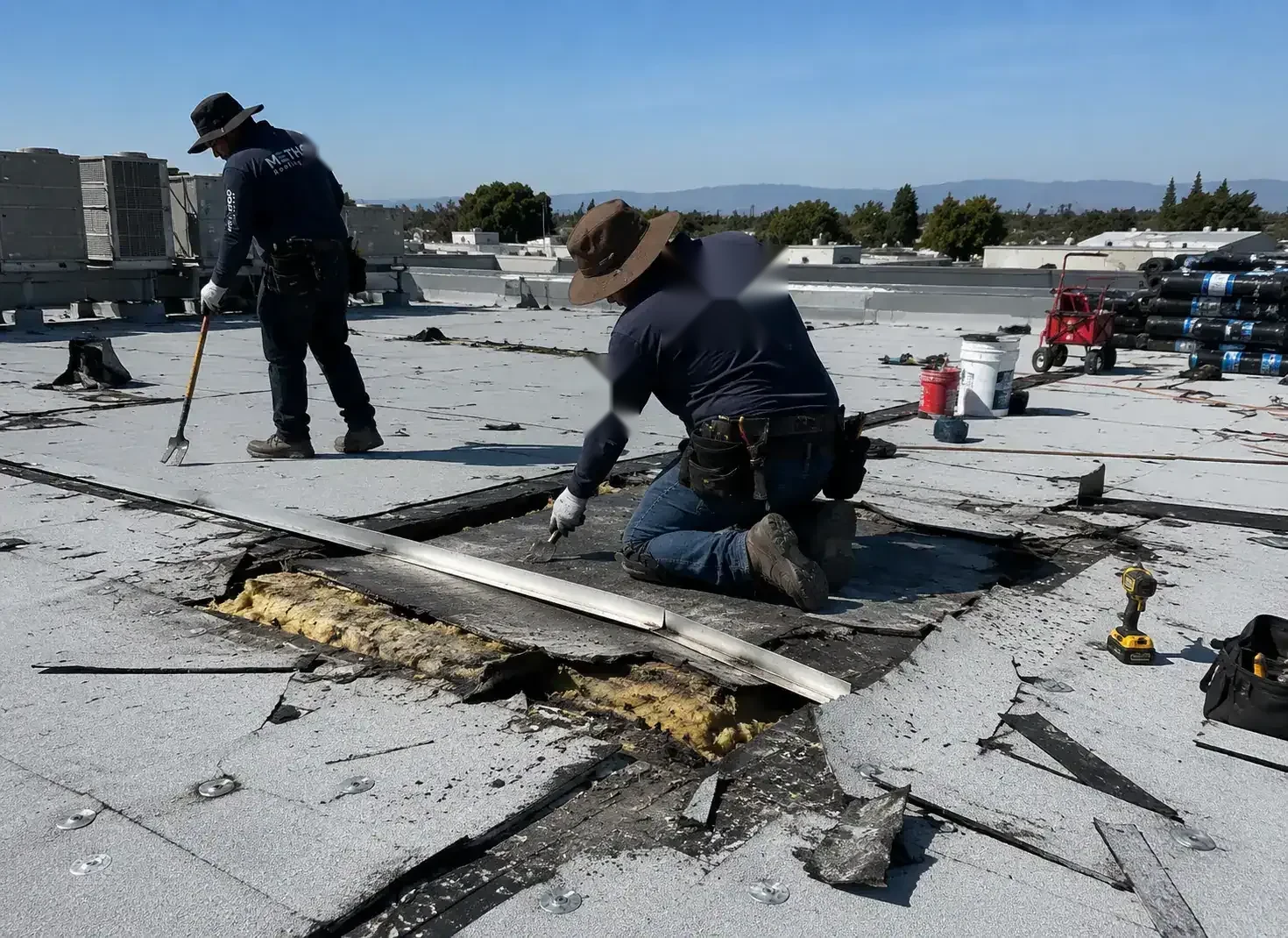
Public records confirm an armory and engineer-company presence in Chico, but not the building's roof assembly. We inspect the surface, seams, edge metal, drains, penetrations, and wall transitions, then compare observations with records the facility authorizes us to review. Where layers are hidden, we identify an opening or test that could confirm membrane and insulation.
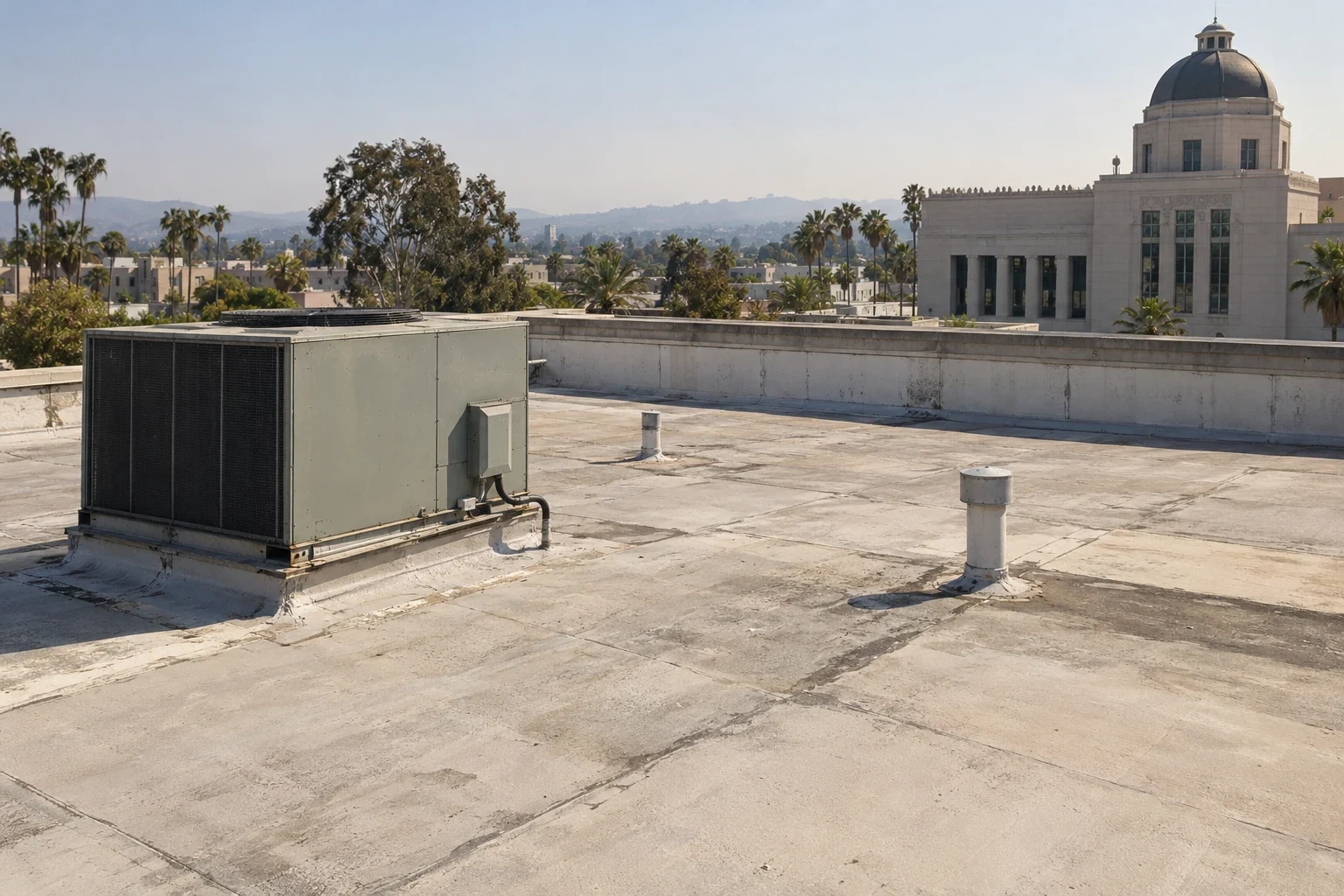
Chico's hot, dry summers expose roof surfaces to sustained heat, followed by a cooler, wetter season. We check for open laps, loose terminations, brittle sealant, fastener movement, and drainage problems rather than treating climate as proof of failure. If equipment supports are present, we inspect their flashing within the authorized scope and note any effect on the water path.
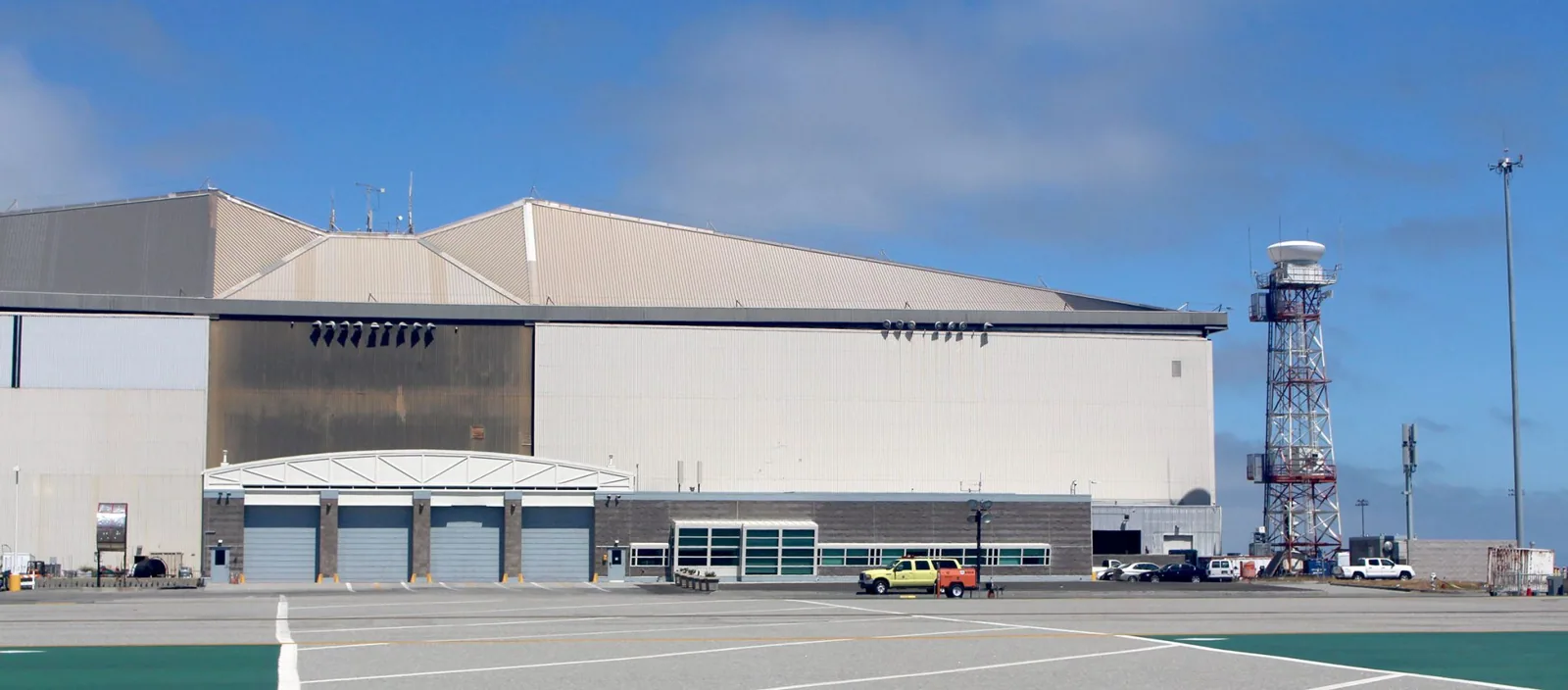
A government-building roof plan can frame public-property approval. A hangar roof review concerns a different structure and applies only if that building is in scope.
Trace Water Before Winter
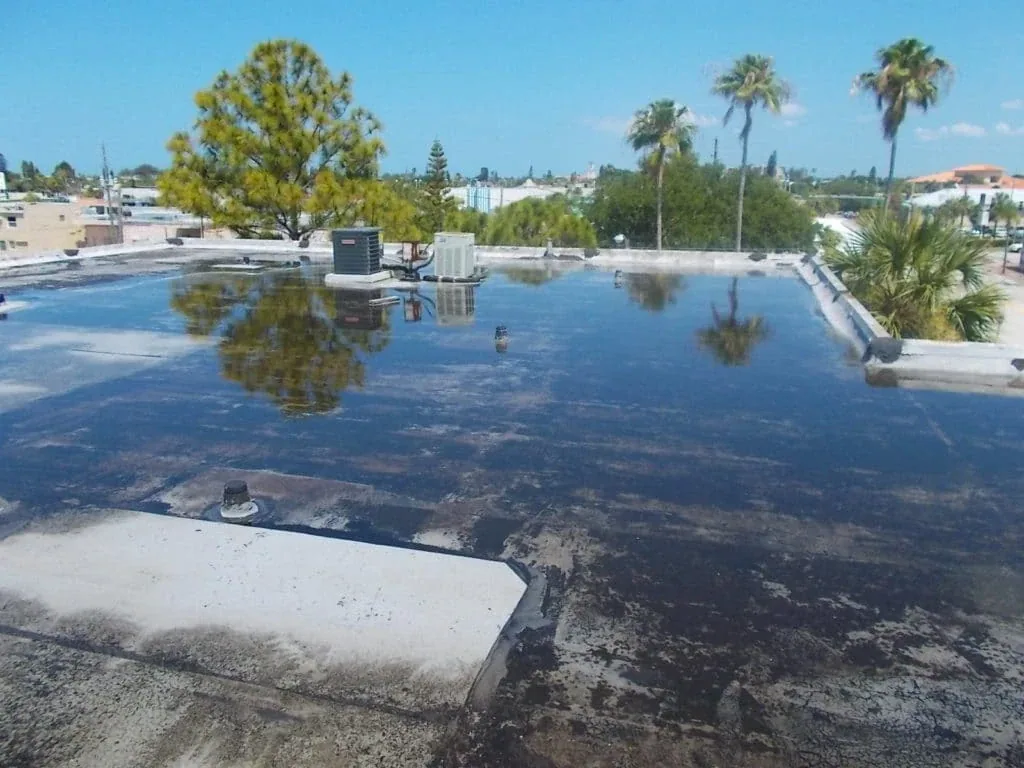
Chico's normal precipitation is concentrated in winter, so drains, scuppers, gutters, and low points deserve a roof-level check before repeated storms. We look for debris, loose outlets, ponding, and water that reaches a seam or parapet. An interior report can help locate the affected zone, but the roof slope and drainage route determine where the source may be. Photographs and notes distinguish a blocked drain from a flashing or membrane defect.
Downtown Chico's civic and mixed-use planning area is a broad public-facing setting elsewhere in the city. Its access context differs from a controlled military site, so we do not apply the same entry assumptions to both. For the armory, the installation contact confirms where runoff discharges and whether a temporary hose, ladder, or lift could interfere with operations. A drain and scupper review can address outlet condition; moisture below the surface may need additional testing.
When conditions support it, an infrared survey can identify suspect areas for follow-up, but readings do not confirm the assembly alone. We explain the result and any proposed opening before seeking approval.
Plan a Mission-Compatible Dry-In
The facility team defines work windows, vehicle movements, secure boundaries, and any mission activity that takes priority. We place noisy or exposed work in an approved period and keep access routes clear. A roofing crew protects the area below before opening a section, and the daily plan ends only where the roof can be closed and dried in. If weather cuts the shift short, we note the protected boundary and notify the designated contact.
Hot roof surfaces can affect material handling, while cool mornings may change the installation window for adhesives or sealants. We check current conditions and manufacturer instructions before beginning. The contact receives a written update on completed areas, pending repairs, and any unexpected condition that changes scope. We do not represent a particular clearance, federal contract, certification, or prior project at the Chico Armory.
A rapid leak response can stabilize active water entry within approved access. For larger work, the phased plan states which zones are open, how tools and materials move, and when the next escort or inspection is needed.
Compare Repair With a Full Assembly Scope
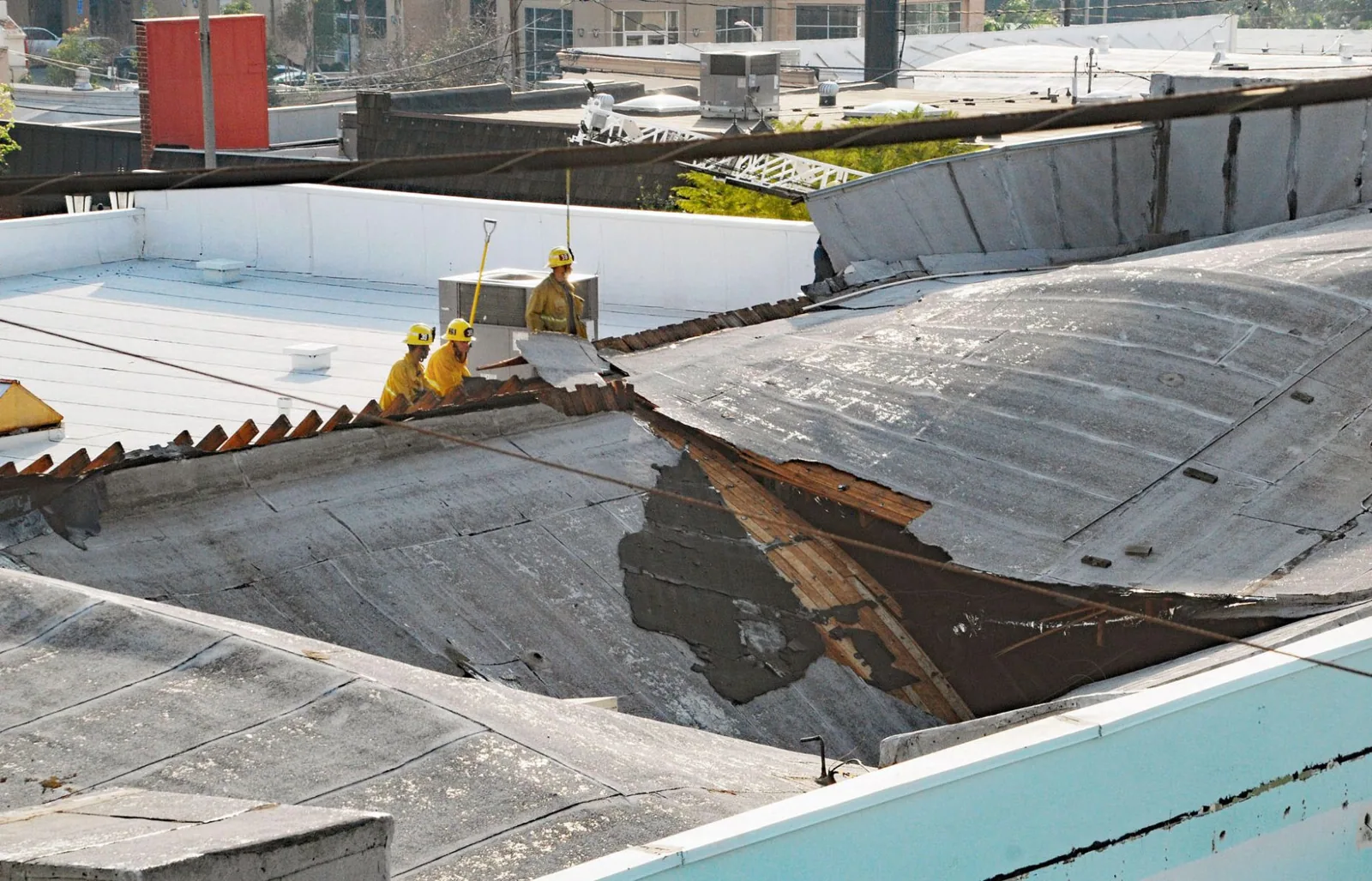
A local repair may fit when a seam, penetration, or flashing has a bounded defect and surrounding layers remain serviceable. A wider scope is considered when moisture, repeated leaks, or failed attachment crosses multiple zones. We map the observations and distinguish confirmed defects from conditions that need an opening or further test. No square-footage, age, or roof-system claim is made unless the documents or inspection establish it.
Cost and timing depend on access controls, roof height, staging, removal, equipment clearances, perimeter metal, drainage, disposal, and how much of the assembly can be left watertight before each approved shift ends. Another membrane layer is viable only where documents, field evidence, and permit review support retaining the existing assembly; wet insulation or failed support requires removal. The owner can compare repair, partial replacement, and full replacement against the same map, with access and mission windows identified for each option.
A replacement scope should include the confirmed assembly, roof details, approved access, and closeout requirements. We keep the roofing proposal distinct from any structural or equipment work assigned to other qualified trades.
Retain a Controlled Work Record
The closeout identifies inspected roof zones, photographs completed details, records temporary measures, and lists follow-up tests. It also notes areas not accessed, without assigning them a condition. The facility can retain that record with maintenance documentation and compare a later leak report with the date and location of the repair. Any material, attachment, or warranty statement is limited to what the project documents establish.
For an additional public-property roof request in Downtown Chico, access begins with the actual building contact and approval path; a civic district is not a single facility target. The condition report preserves observations and the next inspection point for review. Share the authorized site contact, symptom, and available roof records to plan the Chico visit.
Commercial Roofing Questions
What does an armory need to approve before a roof inspection?
The facility identifies the approving authority, escort or badging procedure, allowed access route, restricted zones, and limits on tools or photography. We confirm those requirements before scheduling and record any roof area that cannot be reached. An opening or repair requires its own approved scope and interior protection plan.
Can roof work be scheduled around drills and readiness activity?
The installation sets mission and training dates, then identifies periods and routes that must stay clear. We coordinate staging, noise, and exposed roof sections with that schedule. The daily plan states what is opened and dried in, and which zone requires another approved window.
Does the Chico Armory have a particular roof system?
The public sources used to describe the local Guard presence do not establish the building's roof type or condition. We verify the actual assembly through authorized drawings, records, and field inspection. The material recommendation follows confirmed layers and details, not the name of the facility.
Can emergency leak work proceed before a permanent procurement?
During active water entry, facility procedures govern which access and temporary measure can be approved. We document the observed path and propose limited protection for review, then provide a permanent scope once the roof condition and authorization are clear.
What should the final roof record include?
Keep the access scope, roof-zone map, photographs, repairs, temporary measures, inaccessible areas, and follow-up tests together. We can identify the assembly only as far as approved documents and inspection confirm it. That record supports future maintenance without assigning an unverified condition to another zone.
Coordinate the Armory Roof Review
Share the authorized facility contact, access and escort requirements, reported symptom, and available roof records. We will document the affected zone, repair boundary, and approved work window for the Chico property.