Spray Polyurethane Foam Roofing in Chico, CA
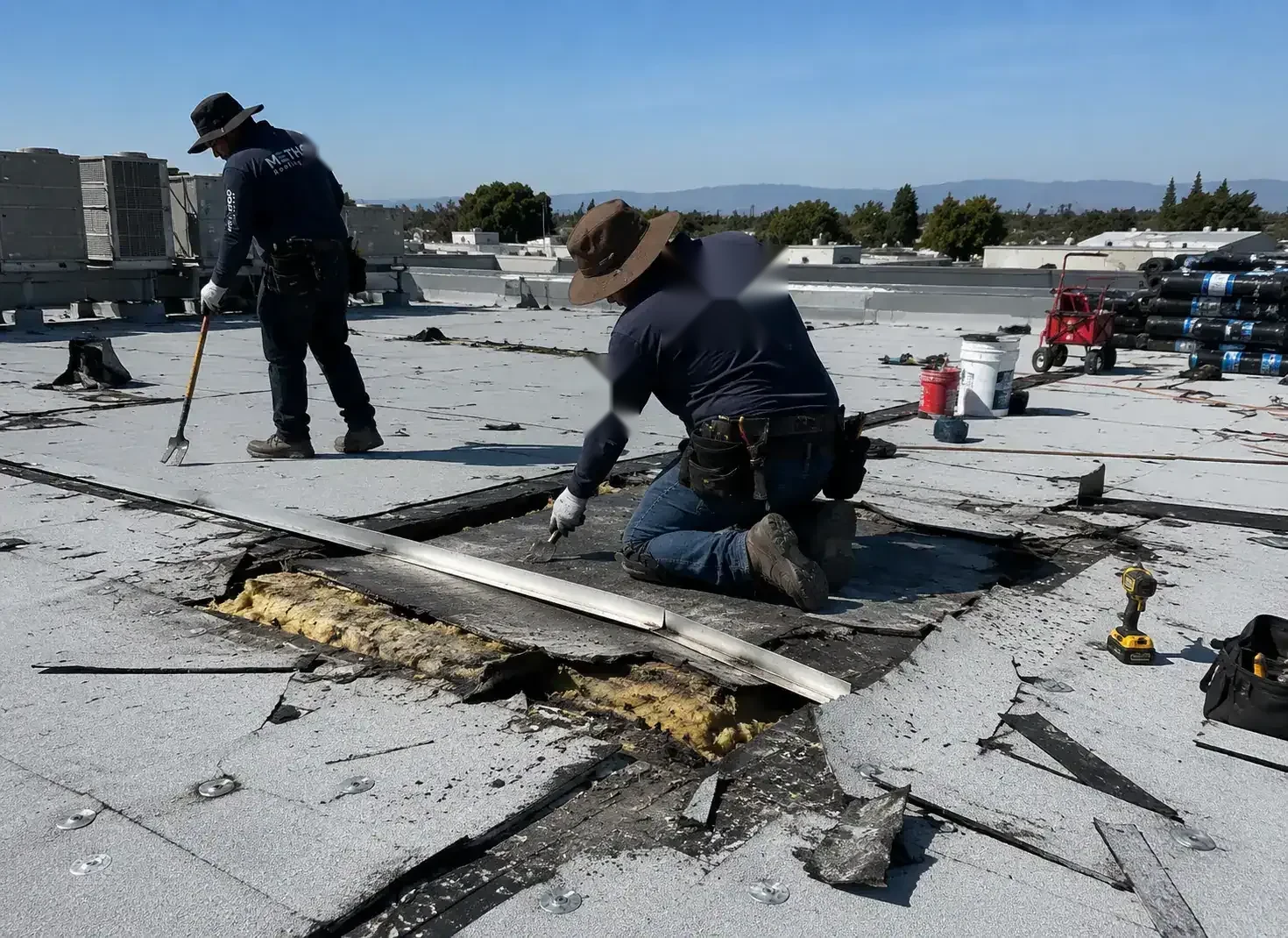
Spray polyurethane foam, or SPF, forms a continuous roof layer that can follow the contours of a prepared substrate. Its performance depends on more than the foam itself: adhesion, thickness, drainage, protective coating, and details all matter. Chico's hot summer exposure and winter rainfall make the coating surface and water path useful inspection points, but local weather cannot establish the condition of a specific roof. We check the existing foam for cracking, erosion, exposed cells, blisters, and soft or wet areas, then trace any interior leak toward its likely source. The owner receives a mapped repair boundary and a clear note on whether a roof inspection, moisture confirmation, or broader renewal is needed.
Read the foam and its protective layer
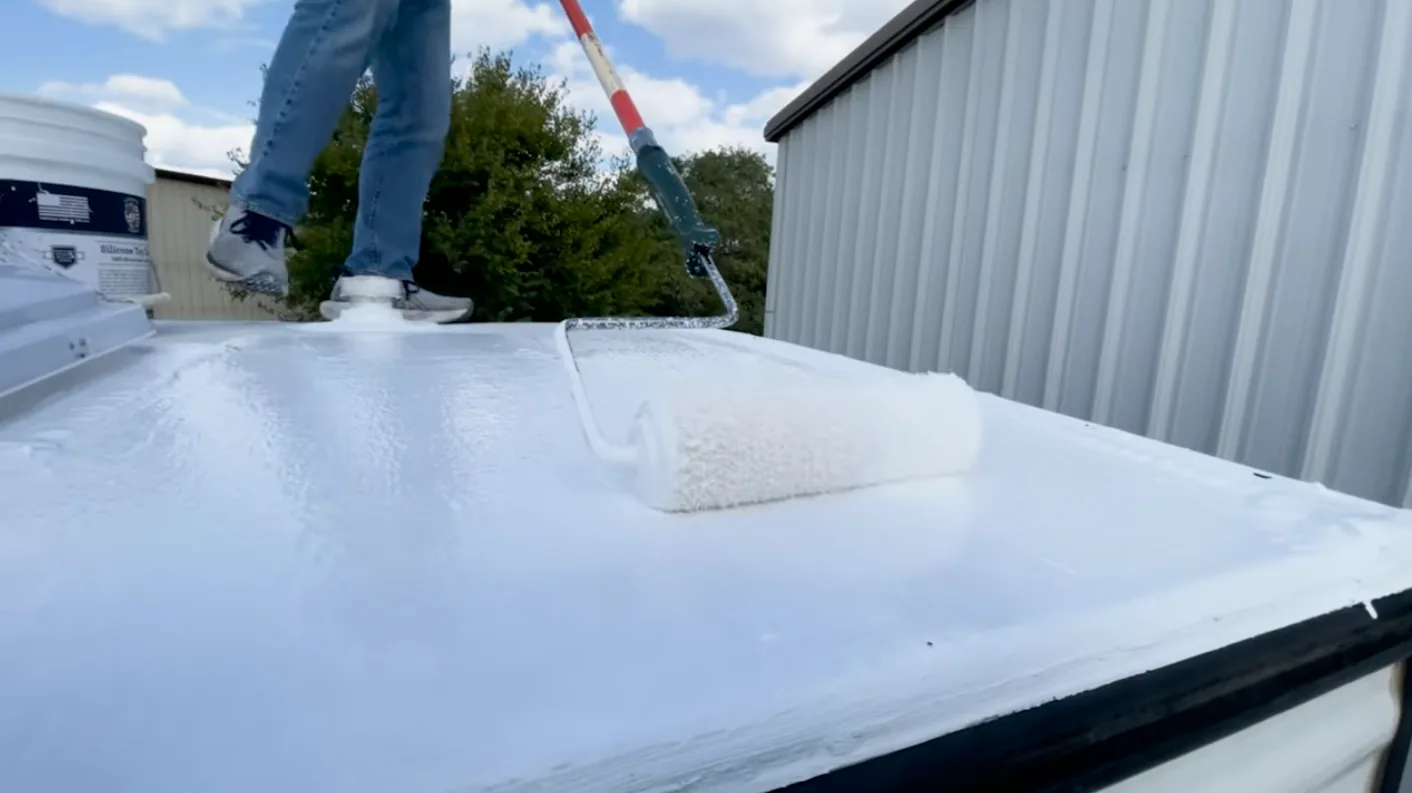
SPF is applied as a liquid that expands and cures into a rigid insulating layer. A protective coating shields that foam from ultraviolet exposure and weather, so a worn or thin topcoat can leave the underlying cells exposed. During a survey, we distinguish a surface defect from a deeper loss of adhesion or damaged foam. A crack in the coating may be local; a soft area, recurring blister, or broad separation can point to a larger repair. We compare the visible condition with maintenance records and prior applications rather than assuming the system's age or composition. The report identifies the layers we can observe and what testing would be needed to confirm hidden conditions. Where the assembly differs, a single-ply membrane system or other replacement option may be evaluated separately. When the foam remains attached but its finish is weathered, a compatible coating system may be considered after adhesion and drainage checks; the coating choice does not substitute for those checks.
Find where water enters and travels
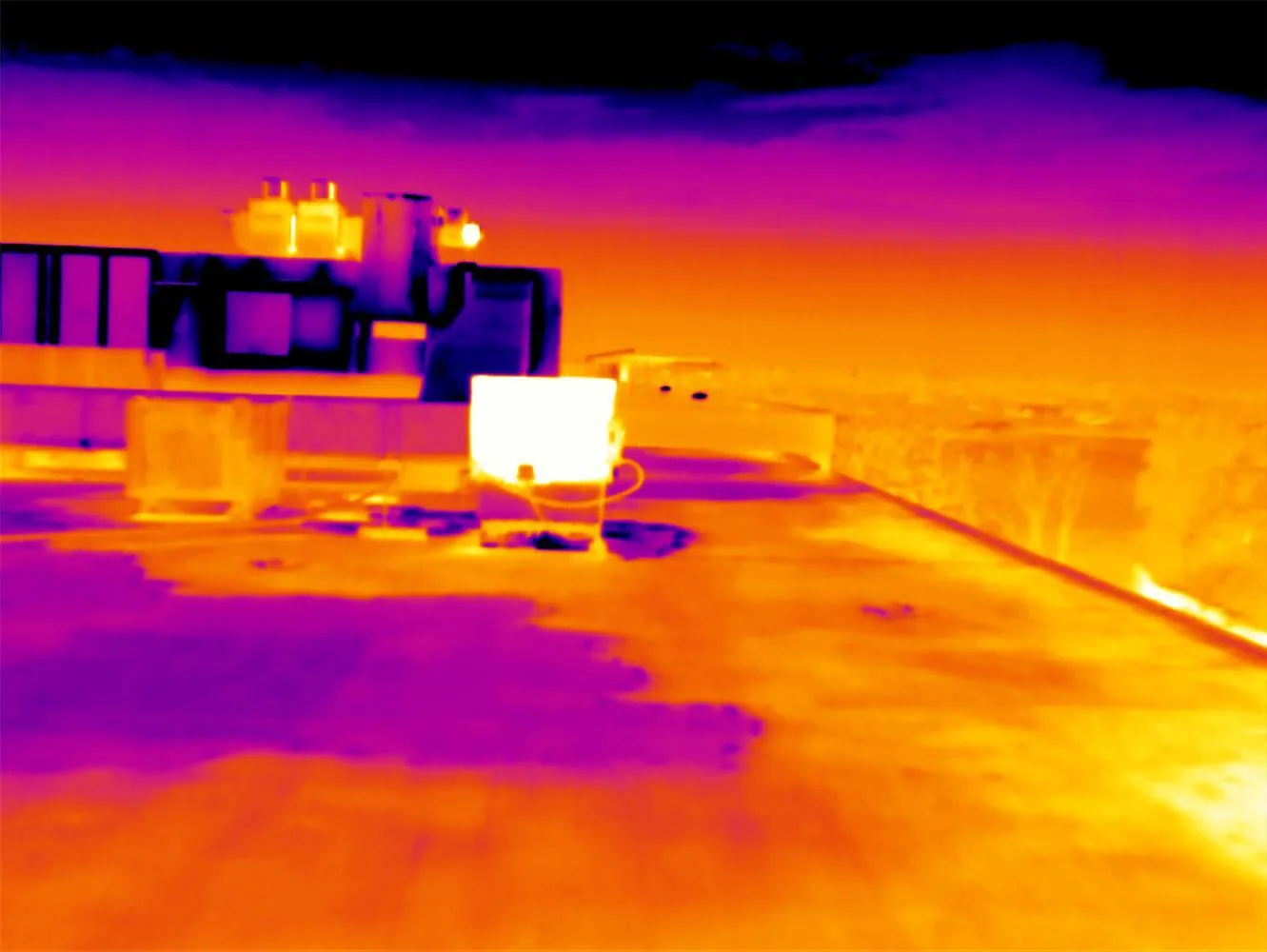
A ceiling stain rarely marks the precise opening in a roof. We check the foam field, coating, parapet transitions, drains, curbs, and penetrations, then compare these points with the interior location and leak timing. Butte County's 2024 Chico hazard annex describes cool, wet winters and hot, dry summers. A wet-weather inspection can help follow active drainage and identify where water remains, but the seasonal pattern does not establish that a leak is weather-related. The normal does not establish that a leak is seasonal; the building record and roof evidence do. If moisture may be within the assembly, a surface scan can direct targeted verification, while a carefully selected core can show the layers below. A moisture survey is valuable when results will change the repair boundary or replacement decision. We mark unconfirmed areas as such instead of treating an image or stain as proof.
Keep foam continuous at details
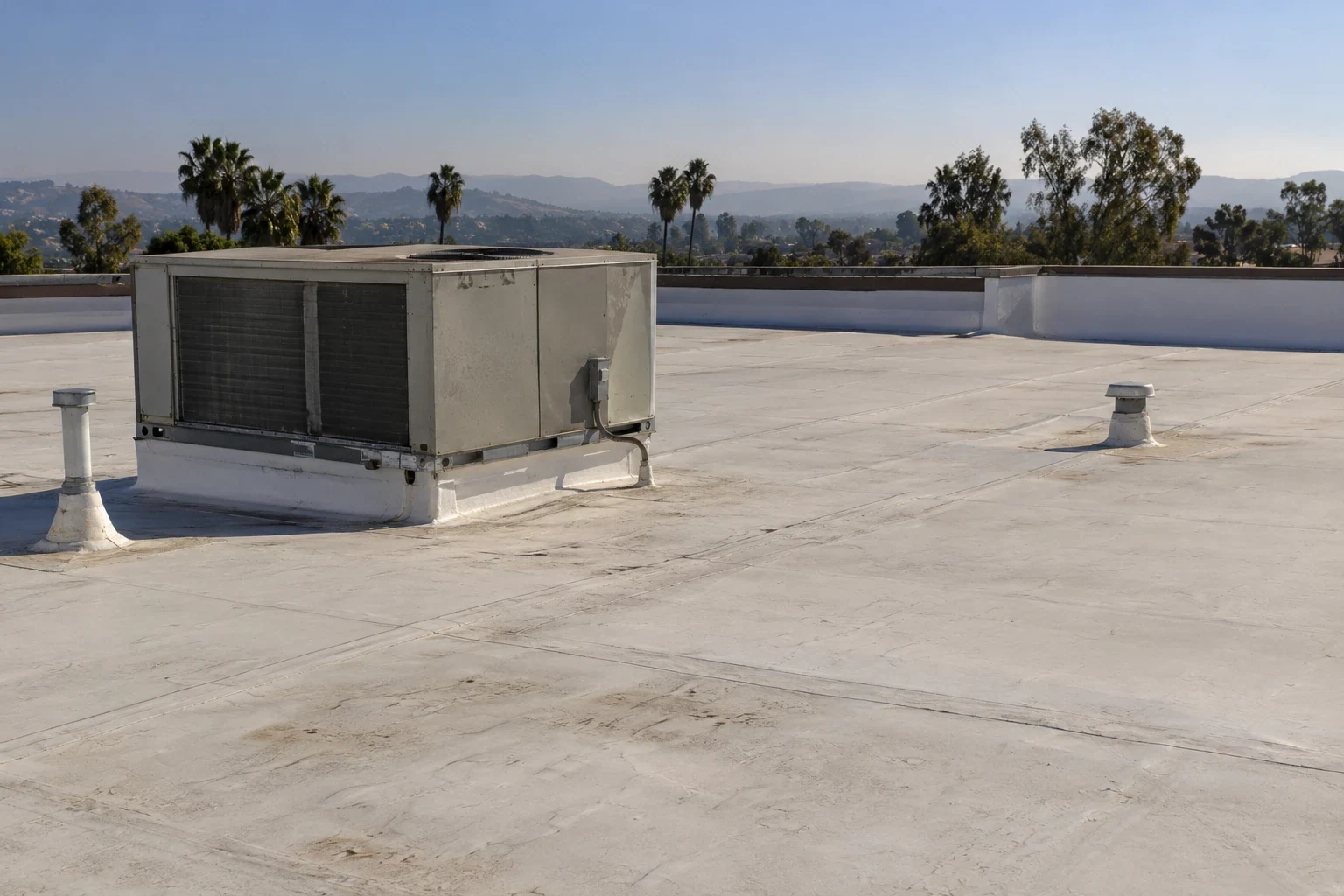
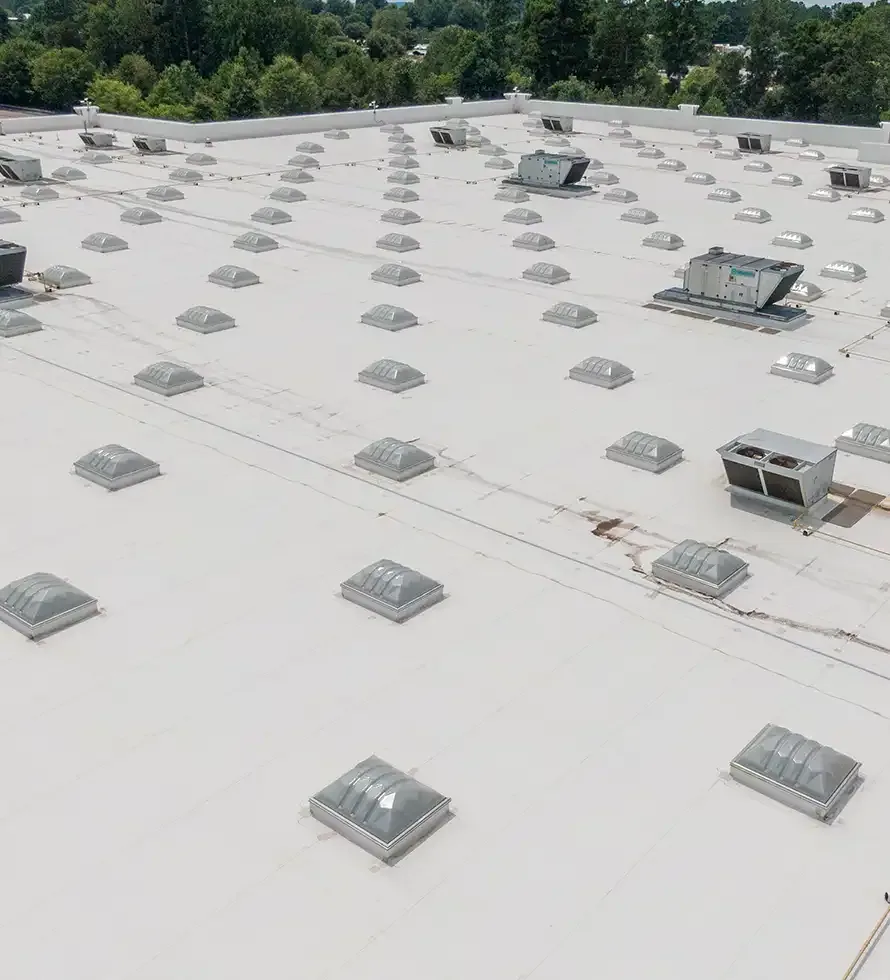
Foam roofing is especially dependent on continuity around roof openings and changes in elevation. We inspect the transition where SPF meets a wall, drain, curb, pipe, or skylight, checking whether the foam terminates cleanly and the coating remains tied into the adjacent material. A new pass of foam will not correct a loose metal edge or a moving curb. Those components need repair before the field is restored. On a commercial building, rooftop equipment may create narrow work zones where service personnel also need access; we identify those paths before staging the repair. City planning describes Skyway as a regional commercial center and Meyers Street as a multi-user industrial area; neither land-use setting determines the roof layout or the work it needs. If a penetration has failed, a defined flashing repair can keep the foam field from masking the open connection.
Give runoff an open route
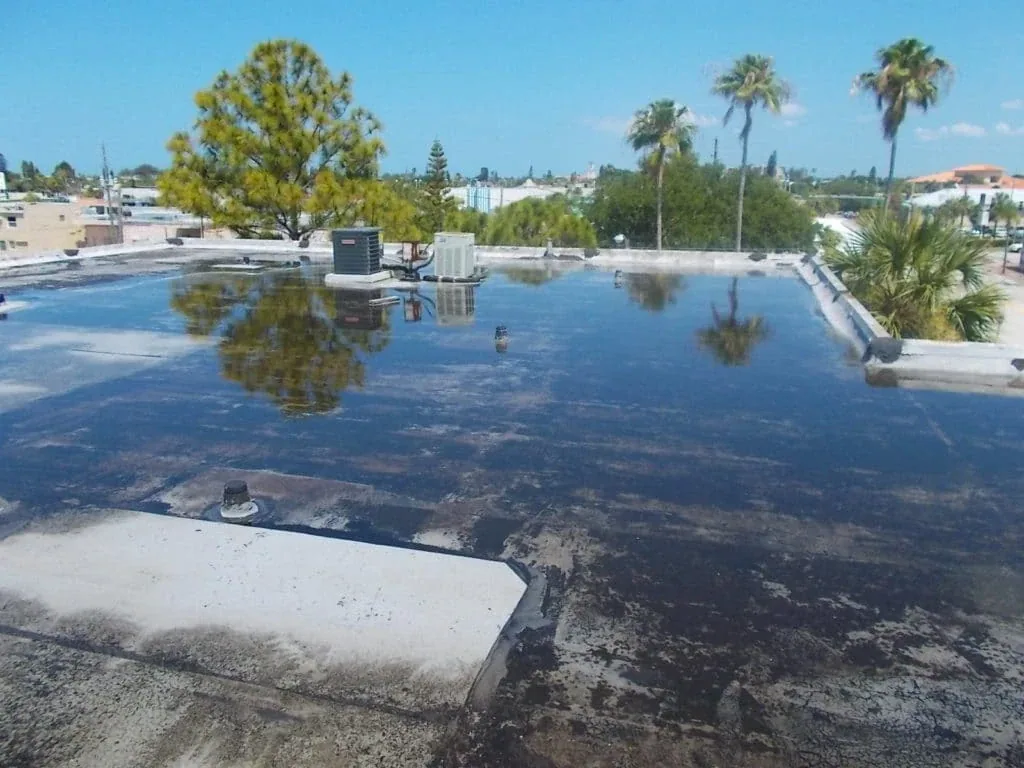
SPF can be shaped to improve a roof's slope during installation, but an existing low area does not become a functioning drain simply because the surface is coated. We inspect how the roof approaches each outlet, whether the drain is clear, and whether the coating or debris narrows the opening. Pooled water can accelerate wear in the protective layer and make small defects harder to find. A property with customer-facing or office operations may need a different access plan from a dedicated industrial building. That operating context does not establish roof condition; we map the assembly and coordinate the inspection with the site contact. We identify each drainage low point on the roof map and separate a drain correction from general coating renewal. A drain and scupper service belongs in the scope if the outlet or adjoining membrane needs repair.
Choose a repair that matches the foam
A limited SPF repair can fit where the surrounding foam is dry, firmly attached, and able to receive compatible new material and coating. The exposed area is prepared back to a sound boundary, moisture is addressed, and the new foam is finished so the protective layer remains continuous. If the damage extends broadly or the existing foam has lost adhesion, a patch may only move the failure line. We explain which conditions are confirmed and which would require additional testing. For a coating renewal, the topcoat must be compatible with the existing system and applied after proper cleaning and detail work. Chico's summer heat is an exposure to account for when reviewing the protective layer, not evidence that the roof has failed. We record the repair limits, material transition, and any monitored area so the next reviewer can distinguish a renewed section from surrounding roof. That history can guide whether a local correction remains suitable or the assembly needs a broader plan. A service record with repaired locations makes the next maintenance visit more useful.
Plan around preparation and occupancy
SPF work requires control of the application area, substrate condition, ventilation, and protection of nearby equipment or air intakes. Before mobilization, we confirm roof access, coordinate occupied operations, identify items that must be shielded, and set a close-in sequence in case weather interrupts work. Drying and cure requirements come from the selected materials and field conditions, not from a calendar promise. A Downtown Chico building with limited staging room may need smaller work zones and a clear delivery sequence, while an open industrial roof can allow different material movement. We keep drains, walk paths, and service clearances in view while planning the work so repaired areas do not block routine maintenance. If an older assembly has wet insulation or an unsuitable receiving surface, the scope should compare selective removal with a larger replacement rather than simply applying more material. A documented replacement estimate can use the same map of transitions, low points, and equipment zones, making the choice easier to review.
Commercial Roofing Questions
What should an SPF roof inspection distinguish?
We separate topcoat wear from foam damage, adhesion loss, and moisture below the surface. The report marks what is visible, where a repair can stop, and where testing is needed before a scope is selected.
Can a new coating protect exposed foam?
It can restore a protective layer after the foam and details are sound and prepared. Loose, wet, or deteriorated foam needs correction first, and the coating must be compatible with the existing system.
Does ponding mean an SPF roof has failed?
Not by itself. We locate the low point, check the outlet and slope, and look for coating wear or moisture evidence. The water path and assembly condition together determine whether correction is required.
How do you confirm moisture under spray foam?
A scan can help narrow the area, but it does not prove moisture by itself. We recommend targeted verification where the result would change whether to repair, renew, or remove part of the assembly.
When is a local foam repair no longer enough?
Broad adhesion loss, wet material, repeated failures, or damaged foam across several roof zones can make a patch unreliable. We document that boundary and compare repair with a larger renewal or replacement scope.
Map the SPF condition before restoring it
Tell us where leaks appear, what the roof records show, and when access is available. We will inspect the foam, coating, drainage and transitions, then explain a repair or renewal boundary tied to the observed roof.