Standing Seam Metal Roofing in Chico, CA
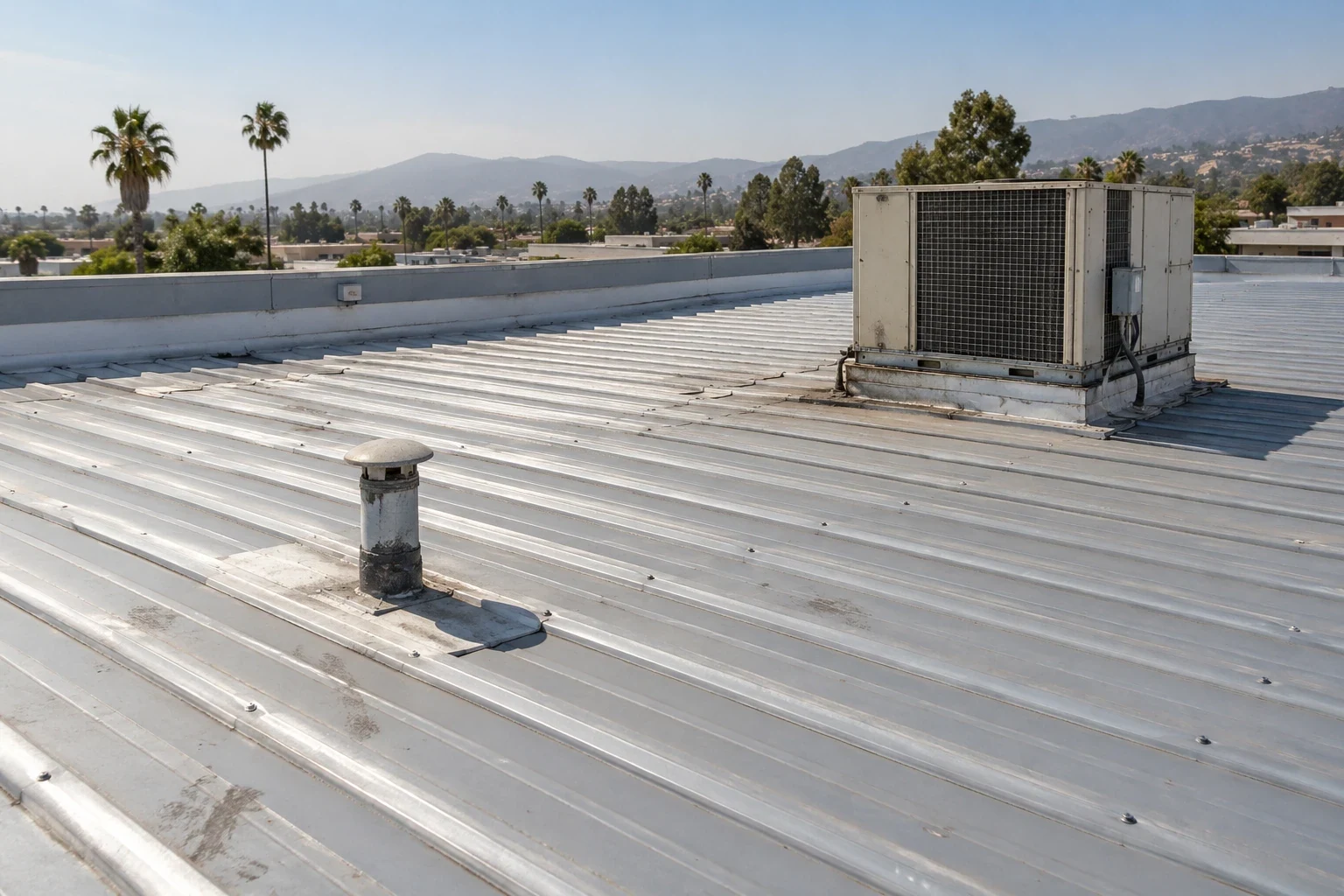
Standing seam metal roofing uses raised panel joints and concealed or exposed attachment details to shed water while allowing movement. A survey should identify panel profile, clip or fastener arrangement, substrate, and perimeter before a repair is specified. In Chico, hot summer exposure makes movement and coating condition useful topics, while winter rainfall makes laps, valleys, drains, and wall transitions worth reviewing. The local hazard annex characterizes Chico’s climate as Mediterranean and notes hot summers, cool wet winters, and occasional tule fog. This guides timing; panel condition still comes from the field survey. We inspect the actual panels and compare them with drawings, leak dates, and prior repairs. The report notes whether an oil-canning appearance is cosmetic, whether a fastener or seam has opened, and where water could enter. That gives the owner a repair boundary tied to the roof rather than a guess based on appearance. Where existing panels can remain, compare metal roof retrofit planning with a repair scope.
What the panel layout reveals
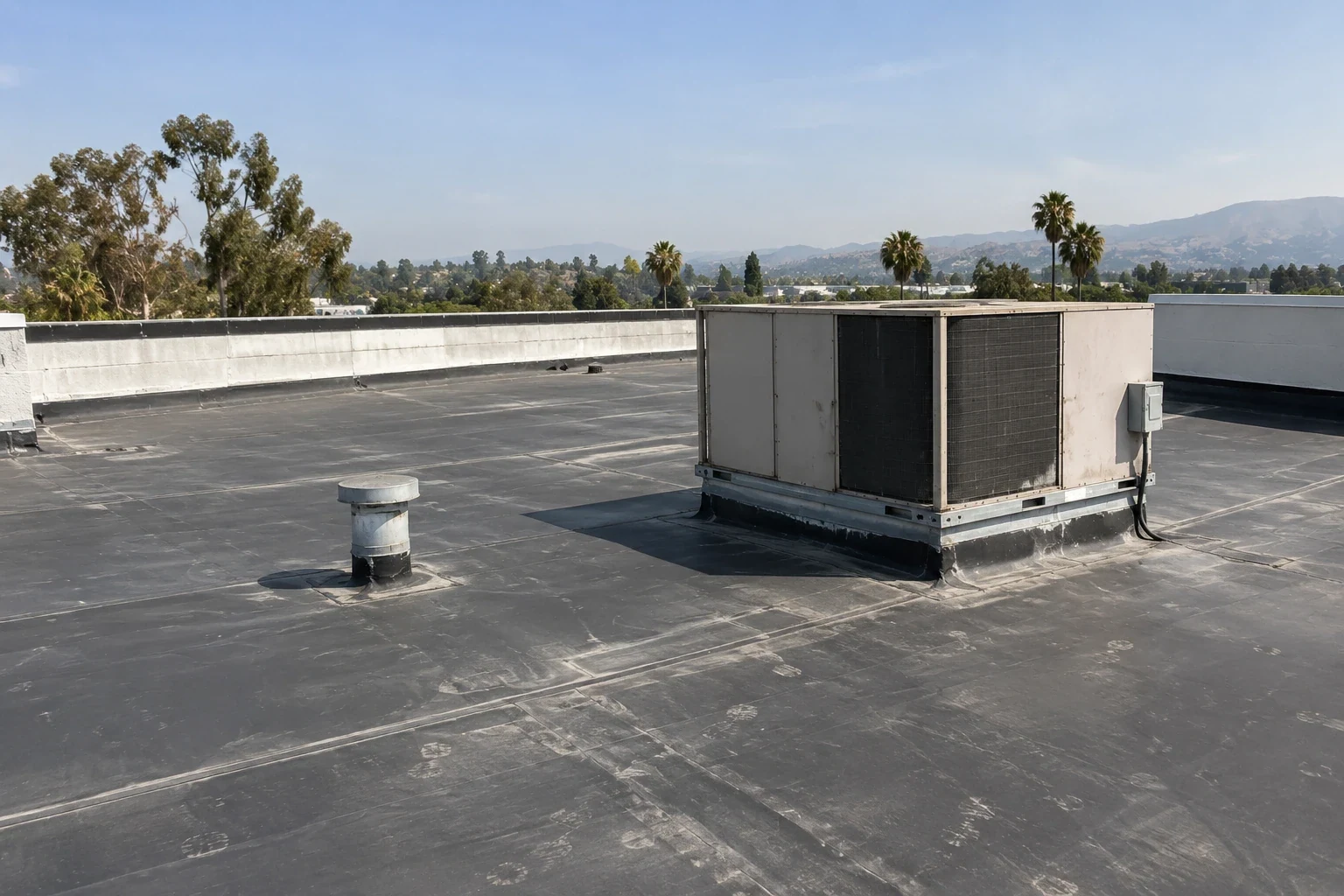
Panel width, rib shape, seam height, length, and roof geometry influence how a standing seam assembly moves and drains. We check eave, ridge, rake, valley, and change-of-plane details, along with any panel splice or expansion provision. Existing coating, corrosion, or a patched penetration can conceal the original profile, so we document what is visible and request records when they could change the repair detail. Chico's city planning includes light-manufacturing and employment areas near South Park Avenue/Fair Street and Hegan Lane. That broader context can raise practical questions about rooftop equipment and access, but it does not establish a particular building's panel system. A field survey confirms the metal, substrate, and connections before we name the repair materials. A membrane section should be evaluated separately from metal roof systems only after material confirmation.
How clips manage thermal travel
Concealed clips attach panels to the structure and permit movement; exposed fasteners use a different connection and need their own inspection. At exposed connections, we record screw-head height, washer wear, corrosion, clip distortion, and any sign that adjacent panels cannot move as intended. Replacing a fastener without understanding the panel layout may leave water entry or stress unchanged. For a repair, we mark the connection, check adjacent ribs, and verify whether the underlayment or insulation has been affected. Chico's hotter summer period can place more movement through metal panels, but the roof must show evidence before the scope expands. The service record identifies the affected run, hardware type, access route, and any panel section that needs a second inspection after the repair is complete. A roof survey through metal roof inspection records panels, connections, and drainage.
Where fasteners and seams need review
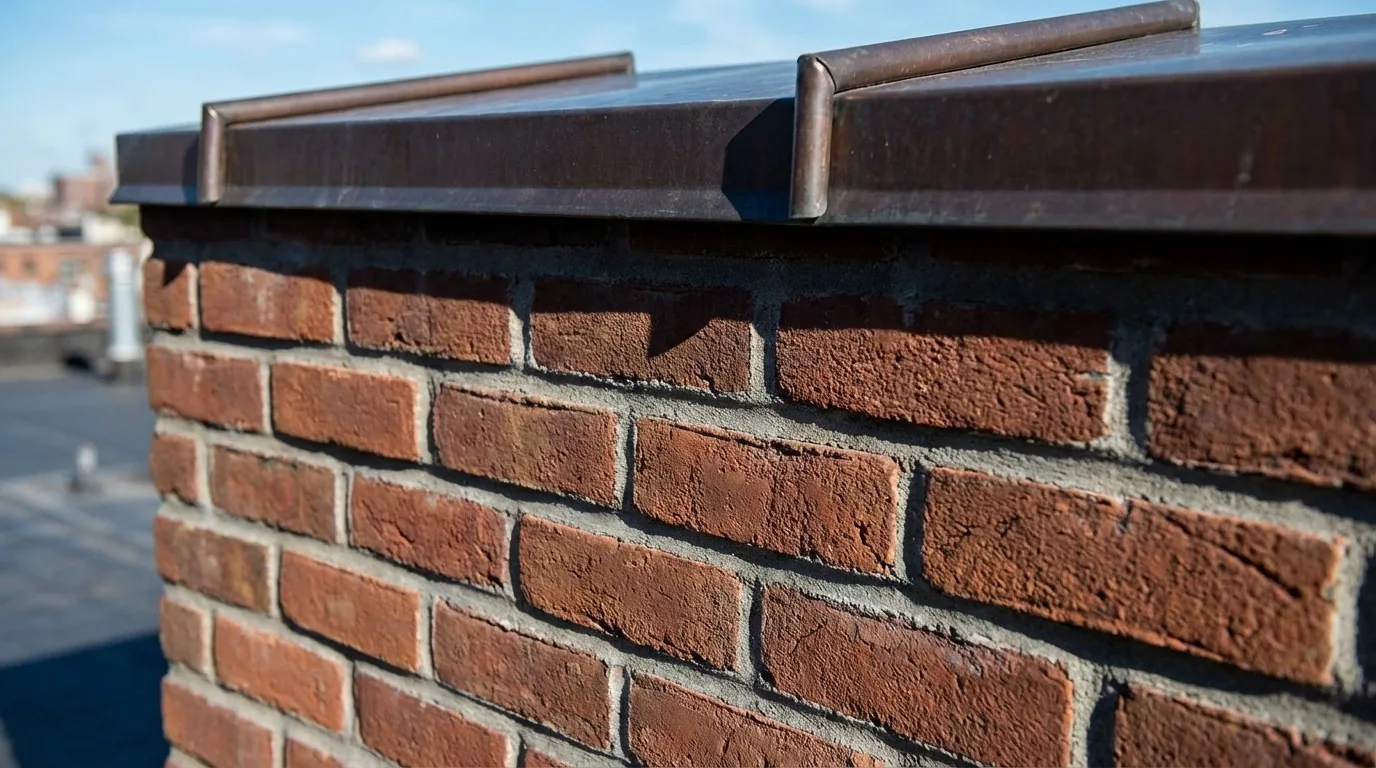
Water should move down the panel and off the eave without being trapped behind snow guards, curbs, valleys, or added equipment. We inspect slope, panel ends, gutters, outlets, and the route to grade, looking for overflow stains or corrosion that follows runoff. A roof can have a sound panel field and still leak at a valley or termination. The City identifies commercial corridors along Skyway and East 20th Street; those are broad planning areas with varied building forms, so the actual eave and drainage configuration must be checked at each property. We record whether an outlet was clear, whether a valley crosses another roof plane, and whether the water path is consistent with the reported interior location. The repair can then address the correct transition. At the edge, edge metal and coping work must match the panel detail.
How runoff crosses the roof
Penetrations in standing seam metal require a detail that respects panel ribs, movement, and water flow. We examine curb supports, pipe boots, flashing, sealant joints, and any panel cut that may have been made for later equipment. A rooftop unit should be supported without preventing the panels from sliding as designed. If a prior installer fastened through a moving rib, the repair may require a different transition rather than another bead of sealant. We coordinate with the equipment owner when a unit needs clearance or temporary shutdown. Chico's planned retail areas around North Valley Plaza and Skyway have diverse operating hours, but the work window comes from the property's contact. The scope states what equipment, access, and interior protection are required before the metal detail is opened. A damaged connection may call for roof damage repair after adjacent seams are checked.
Which transitions admit water
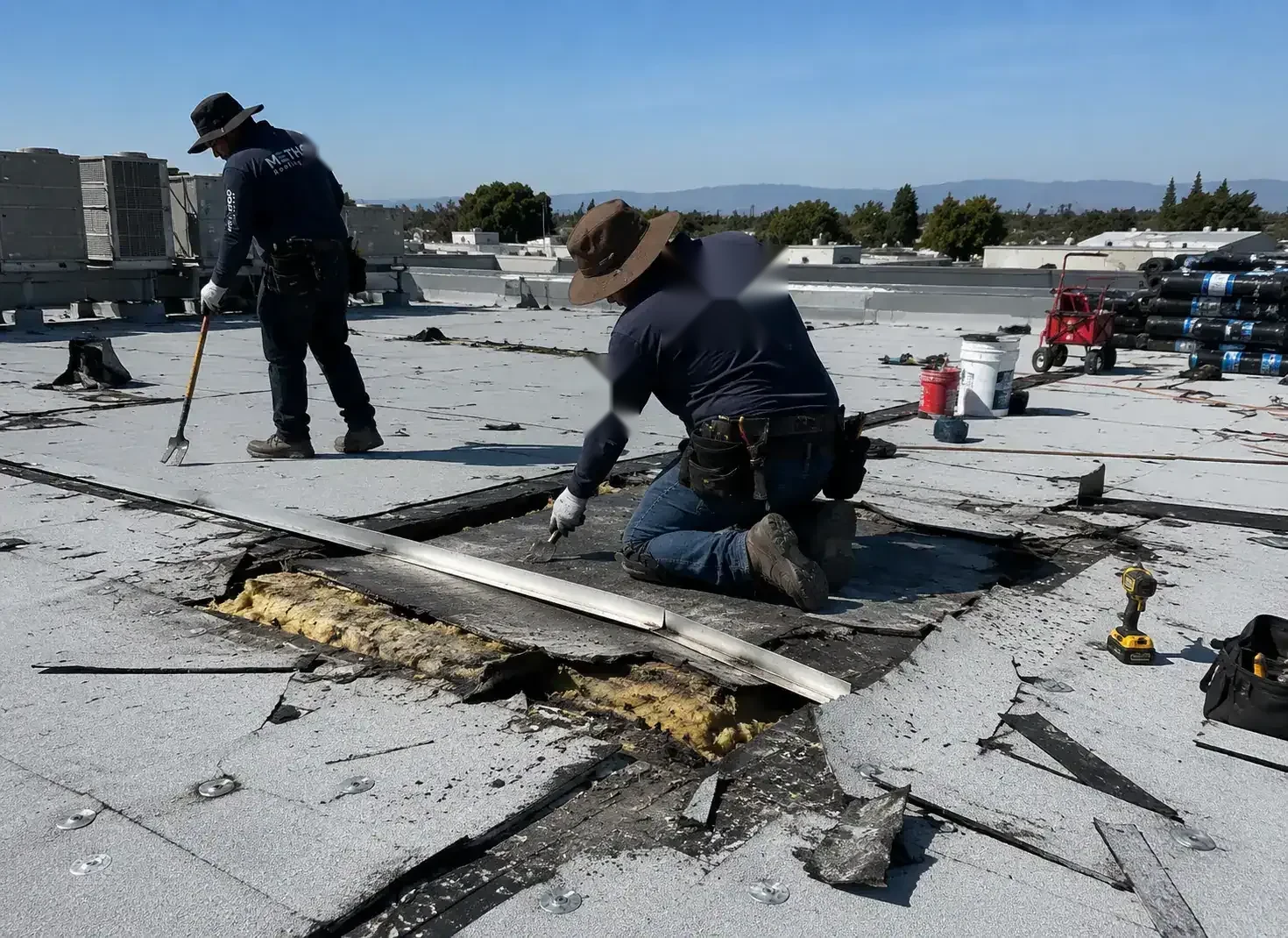
A standing seam repair may involve replacing a compatible fastener, repairing a flashing, addressing corrosion, or restoring a panel section. Widespread coating failure, repeated leakage at several seams, or damaged substrate may justify a broader metal-roof assessment. We distinguish appearance from functional failure and identify any corrosion that affects thickness or attachment. A coating can protect suitable metal after preparation, but it should not bridge an active leak or conceal a loose connection. If replacement is under consideration, the plan should identify panel profile, substrate, underlayment, attachment, edge metal, penetrations, and drainage. The owner can compare repair with a full or phased renewal after we establish the condition by roof zone and document the work constraints. The East 20th Street commercial district is a broad Chico area, while roof access is set site by site.
When repair or replacement fits
Metal panels can respond to seasonal temperature changes, so the maintenance file should retain the original repair location, fastener or clip type, and any movement detail observed. We provide photos of seams, edges, penetrations, and drainage, plus a note about any area that could not be inspected safely. A return visit can check whether a repair stayed secure through a change in season. For roofs near Chico's Meyers Street industrial area or Downtown, the route to the roof may differ, but neither location substitutes for the property plan. Add future equipment changes to the roof record and inspect new panel penetrations after other trades finish. That history gives the next decision a clear basis without assuming a leak repeats from one building to another. A curb can require rooftop equipment curb support coordination before metal closure. Panel observations are most useful when tied to a repeatable map. Mark the panel run, eave and ridge direction, seam locations, clip or fastener evidence, penetrations, and drainage path. Photograph a representative detail and any exception rather than relying on a broad roof overview alone. If movement or a connection remains uncertain, identify the inspection method and access needed to verify it. This lets the owner compare a targeted correction with a larger panel or substrate scope and keeps the next contractor from assuming that a nearby roof section was built the same way. The closeout should also record any coating or repair material applied so future inspections can distinguish original construction from later work.
Commercial Roofing Questions
What does visible waviness tell you about a standing seam roof?
Waviness can be cosmetic, but it can also prompt a closer review of panel support and clip engagement. We document its location and compare it with the panel profile, attachment, and visible water-entry details.
How do you stop a leak at a standing seam penetration?
We verify the panel profile and support, inspect the cut and flashing, and choose a compatible detail that does not block intended panel movement.
Can exposed fasteners be tightened to fix a metal roof?
A fastener adjustment may help when the connection is the confirmed defect. We check the washer, substrate, panel movement, corrosion, and adjacent seams before choosing the repair.
What should a metal roof survey include?
The route should cover panel seams, clips or fasteners, transitions, valleys, penetrations, gutters, and prior repairs. We tie photos to the roof plan and list inaccessible areas.
Does Chico heat determine when metal work occurs?
Seasonal temperatures matter for safe access and panel movement, but we schedule from current weather, roof conditions, and the site operating window.
Review the roof evidence
Share the building type, the current symptom, and any roof history you have. We can inspect the assembly, document a repair boundary, and explain timing considerations for the next step.