Commercial Roofing in Gridley, CA
Gridley is a distinct Butte County community, not a nearby Chico neighborhood. County materials place it about 30 miles southeast of downtown Chico, and the California Employment Development Department includes Butte County in the Chico Metropolitan Statistical Area. That regional connection supports serving commercial properties here, while the building, roof access, and scope still need to be evaluated on their own. The county hazard-plan annex describes orchards, rice fields, and grazing land around Gridley and reports agriculture across much of the adjacent greater urban area. Those facts give useful context without telling us what is on any one roof. Our work starts with the authorized property and a careful look at its actual assembly.
Use the first visit to answer building questions
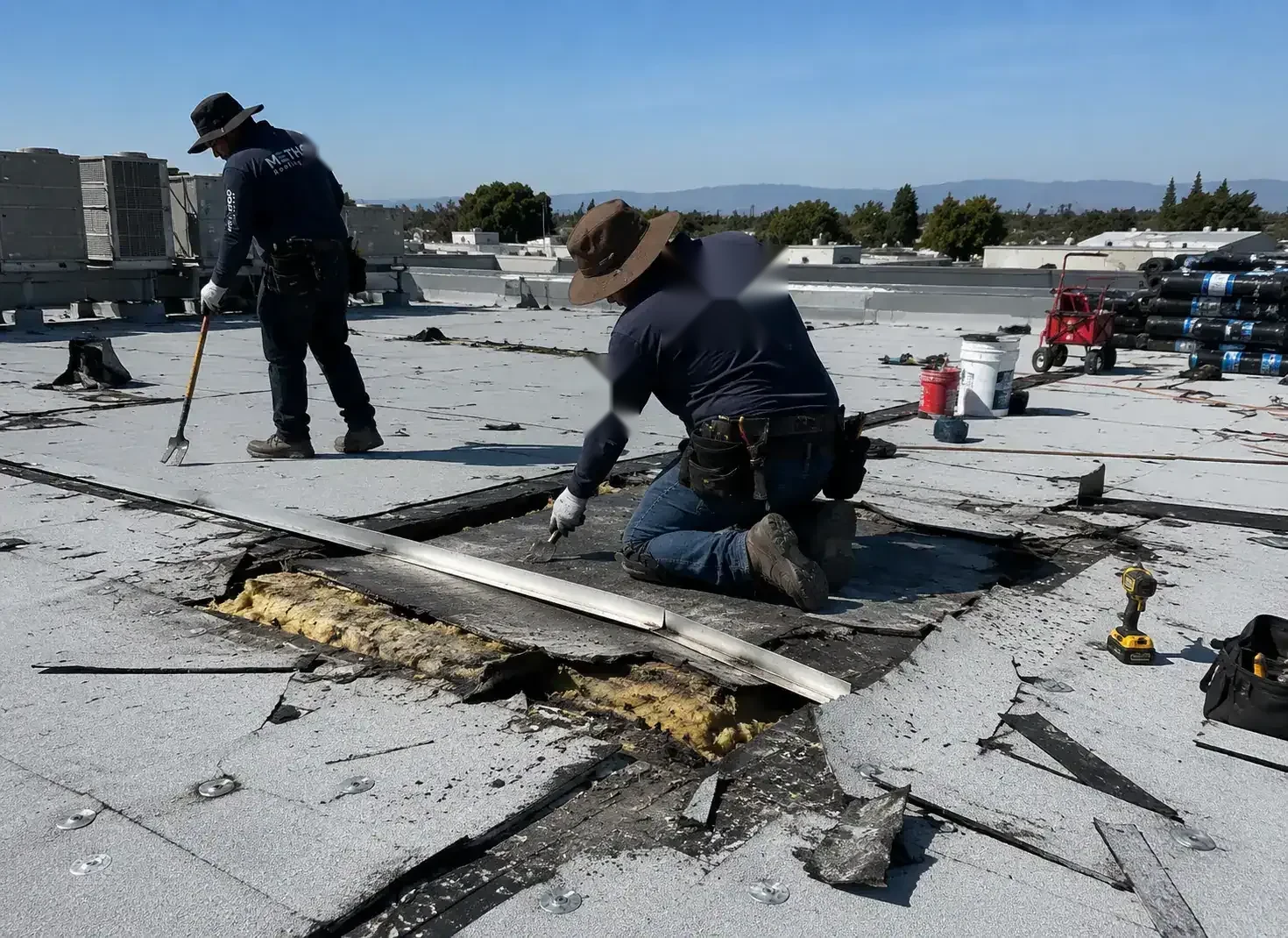
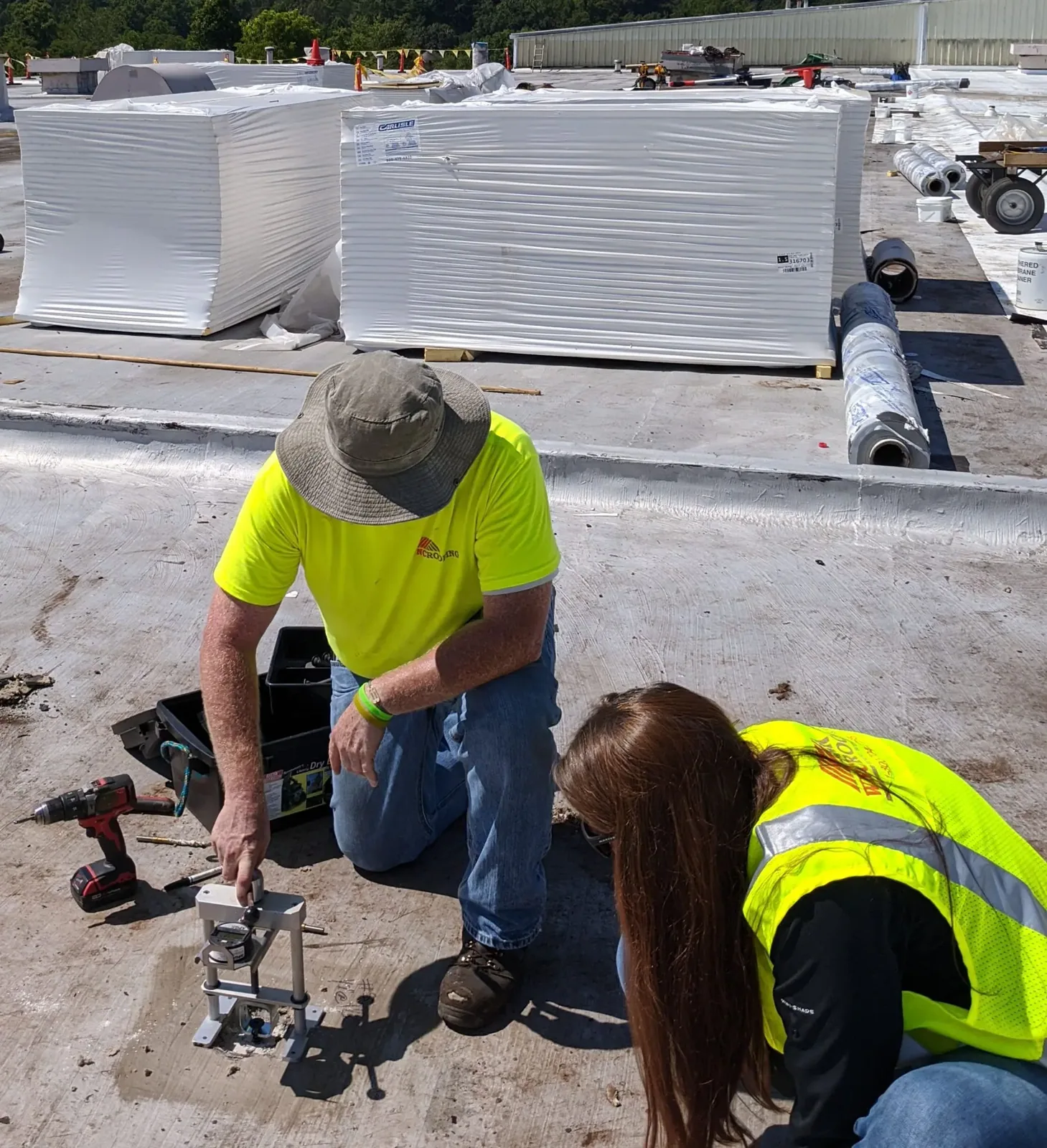
Before recommending a repair, we ask who can authorize roof access, what part of the building is affected, and whether the symptom has returned after earlier work. We look at the roof surface, seams, edges, penetrations, and drains that can be inspected safely. Inside, an owner or facility contact can point out staining, equipment concerns, or areas that cannot be interrupted. Comparing those observations with maintenance records often helps distinguish a new opening from an older condition that has been tracking through the assembly.
The visit also establishes what could not be confirmed. If a roof hatch is locked, a surface is unsafe to cross, or equipment blocks a detail, the report should say so. We avoid pricing unseen conditions as though they were measured. A second visit, safe access arrangement, or existing roof plan may be needed before the scope is final. A baseline commercial roof inspection records the accessible areas and the details that need further review.
Trace leaks instead of patching the nearest point
A water mark can appear far from the roof opening that let moisture in. We look for a plausible path across laps, curbs, wall transitions, drains, and other details, then compare those points with the interior symptom and its timing. Photos marked to a simple roof sketch help an owner review the evidence without relying on memory. When several locations are possible, we say which details deserve priority and what additional access or testing would help narrow the cause.
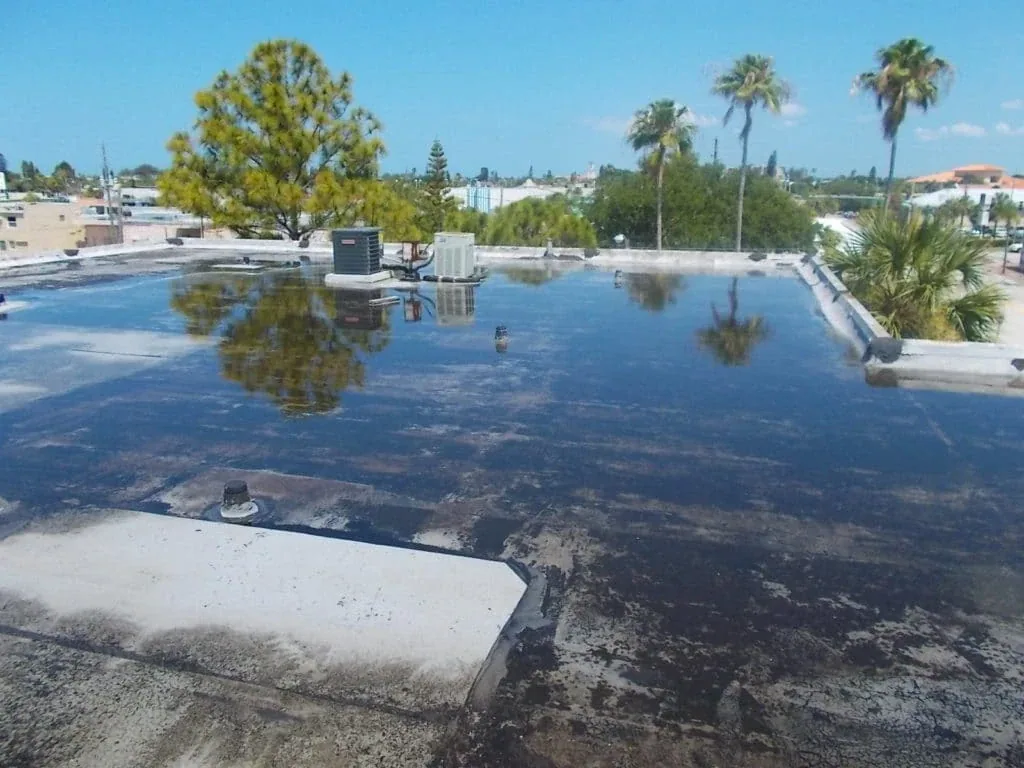
Drainage is reviewed as a system. We check whether water can reach the outlet, whether the opening is obstructed, and whether the overflow path is visible. A wet area after rain does not by itself prove a membrane failure, nor does a clear drain rule out an issue elsewhere. A drain and scupper inspection can document outlet flow, while a ponding-water assessment can trace the wet area and adjoining details. We tie each proposed action to a documented detail and define how the repair will be inspected when complete.
Keep roof planning separate from land-use assumptions
The county annex describes agricultural land around Gridley and a large agricultural share in the adjoining greater urban area. That regional fact does not establish that a particular customer operates an agricultural business, owns a specific structure, or has a certain roof type. We ask about the actual use of the building and how its doors, loading, refrigeration, storage, or work schedule affect roof access. If the property serves an agricultural operation, we plan around the owner’s stated operating needs; if it serves another use, we do not infer otherwise from the surrounding area.
For a commercial structure with equipment or stored materials below, the inspection should identify the interior areas that need protection and the acceptable work windows. We discuss where material can be staged, how debris can leave the site, and whether deliveries can proceed without crossing sensitive operations. Owners can share site rules or a roof plan before the visit so the crew can avoid avoidable interruptions. Those are project-specific decisions, not facts supplied by a county land-use summary.
Schedule around the regional heat and rain cycle
Chico weather data is regional context for work near Gridley, not a statement that every site has identical conditions. Chico station normals total 27.39 inches for the year. The monthly averages rise to 5.12 inches in January and 5.14 in February; July has 0.03 and August 0.10. Butte County classifies the broader climate pattern as Mediterranean. For roof scheduling, we separate the long summer dry spell from the cooler, wetter part of the year. That pattern makes it practical to discuss the forecast, roof temperature, and temporary protection before choosing a work window.
For a repair, we limit the exposed area and plan a safe end-of-day condition if moisture threatens. For replacement, the crew sequence should account for material delivery, substrate review, drainage details, and the amount of roof that can be completed before weather changes. Heat can influence crew timing; a rain window can change how a tear-off is staged. We confirm the current site forecast and work conditions rather than promise a date from a climate normal alone. A detailed storm-damage roof review can document conditions after a weather event without assuming every leak has the same cause.
Compare a targeted repair with a broader project
A localized repair is worth considering when the affected detail is clear and surrounding areas remain serviceable. A larger replacement may be more practical when deterioration is widespread, repairs keep recurring, or the roof layers cannot be reliably identified. A recover should be discussed only after existing layers, moisture, drainage, structure, and applicable requirements have been reviewed. We set out the observed condition and the limits of the inspection so the owner can compare options on an understandable basis.
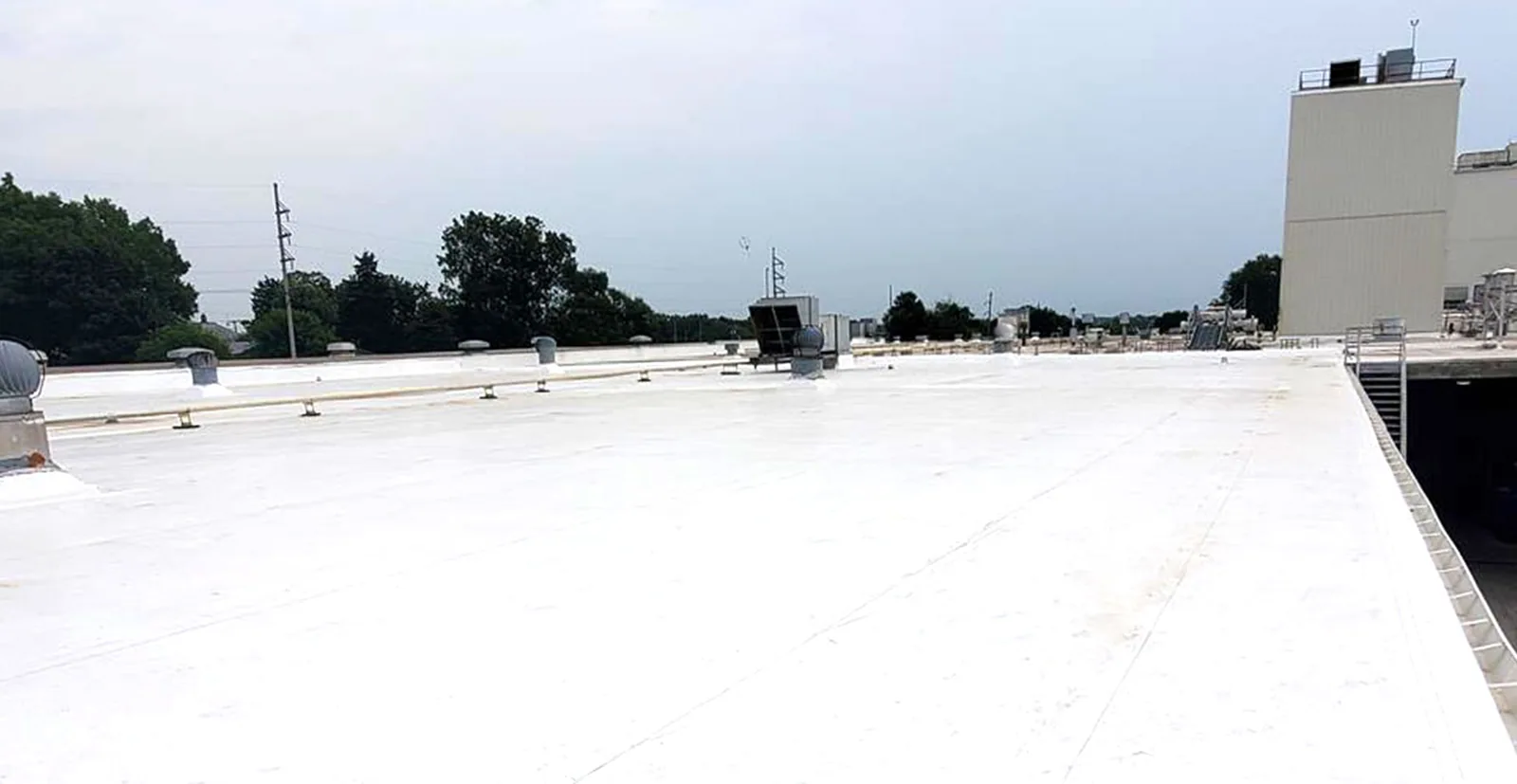
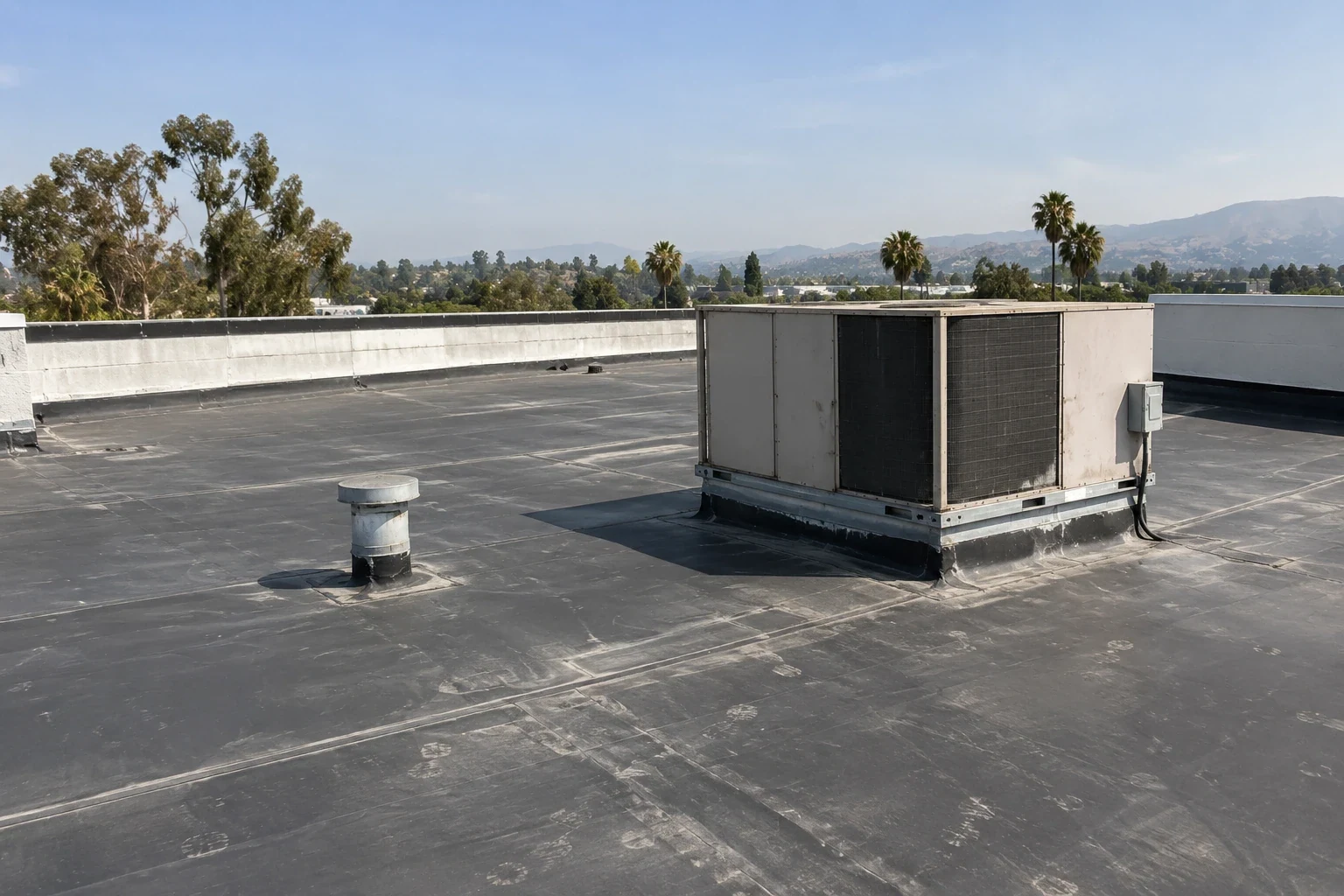
Material selection follows that evaluation. We note the current assembly, edge details, penetrations, drainage, and expected use before discussing a system. We do not assume a membrane is suitable simply because it is common on another property. When an EPDM assembly is under consideration, its seams and terminations should be weighed against project needs; roof recover work also requires review of existing layers, moisture, structure, drainage, and applicable requirements. If replacement is needed, a commercial roof replacement scope should identify tear-off, substrate contingencies, new flashing, and closeout.
Make the scope and cost drivers visible
A proposal should say which roof area is included, how it was measured, what preparation is planned, and how edges, penetrations, and drainage will be addressed. It should also identify access arrangements, disposal, temporary protection, and any work that remains excluded. If hidden wet insulation or deck damage could change the total, that should be described as a condition requiring review and owner approval, not presented as a known quantity.
Timing and price move with roof size, assembly, deck condition, material selection, access, crew staging, operating limits, and weather. We explain those factors in the scope and label assumptions that require confirmation. Owners comparing proposals can then look at the same work boundaries and ask where quantities or details differ. A photo-based roof condition report can preserve findings for maintenance. Owners managing several properties should keep separate records for a Biggs commercial roof and an Oroville Commercial Core roof, each with its own inspection and access notes. Share the Gridley property’s general location, use, roof symptoms, and access contact to arrange a review.
Commercial Roofing Questions
Is Gridley part of the Chico service region?
Gridley is a separate Butte County community about 30 miles southeast of downtown Chico, and Butte County is within the Chico MSA. We plan access and scope for the individual property.
Does the nearby agricultural land identify my building type?
No. County land-use facts describe the broader area. We ask how your property is used and what operations must be protected during roof work.
Can a roof review identify why water appears inside?
It can compare interior symptoms with roof details and prior repairs. If access or testing is limited, the report should clearly state what remains uncertain.
What information helps plan a replacement?
Existing roof records, known leaks, access rules, building use, and preferred work timing help shape the inspection. We confirm actual roof layers and dimensions on site.
Will you recommend one roof system for every Gridley property?
No. The assembly, drainage, substrate, code path, and building operations matter. We explain suitable options after reviewing those project conditions.
Arrange a commercial roof inspection in Gridley
Tell us the property use, location, known leak history, roof access arrangements, and operating schedule. We will confirm the inspection scope and the information needed to prepare a useful next step.