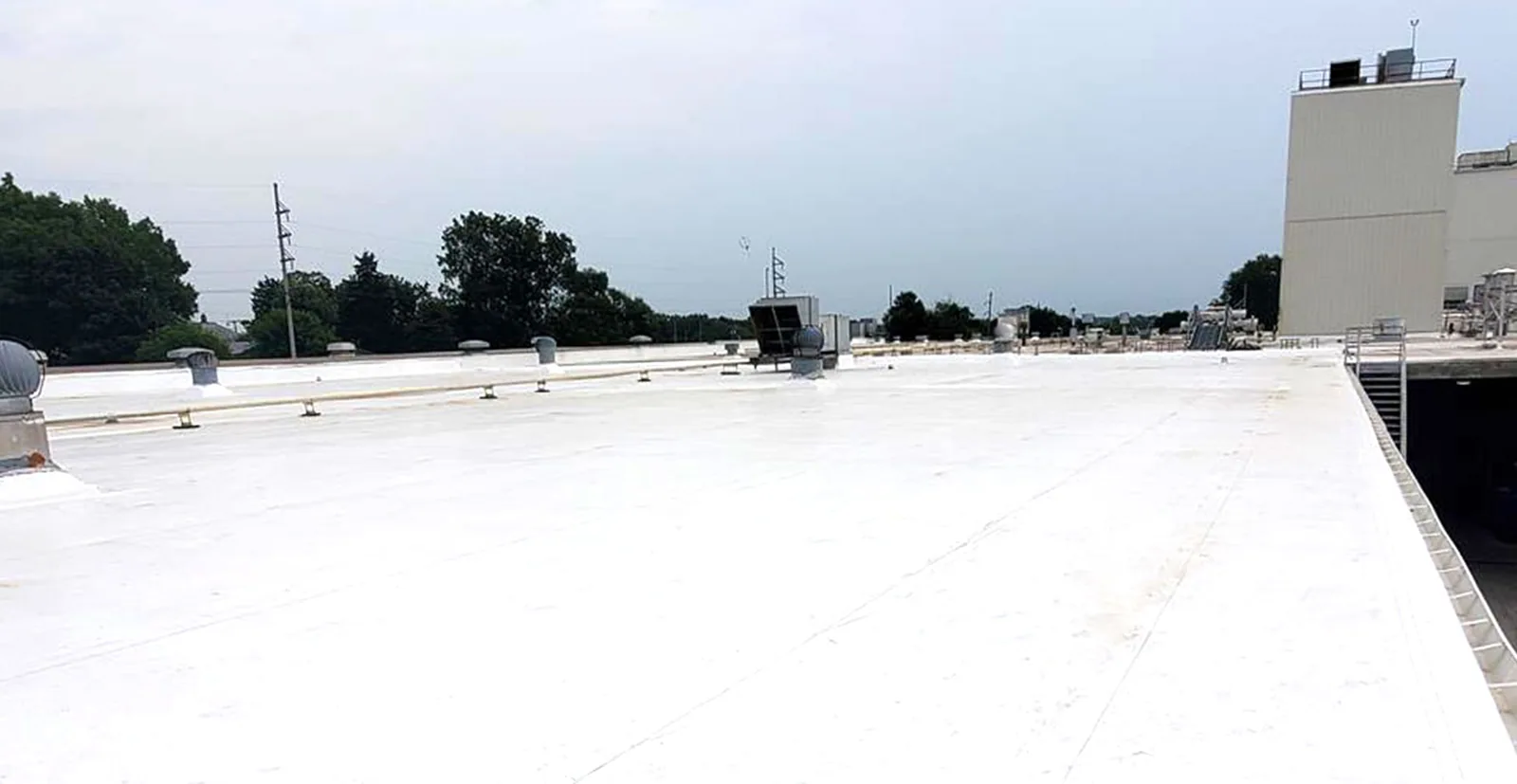
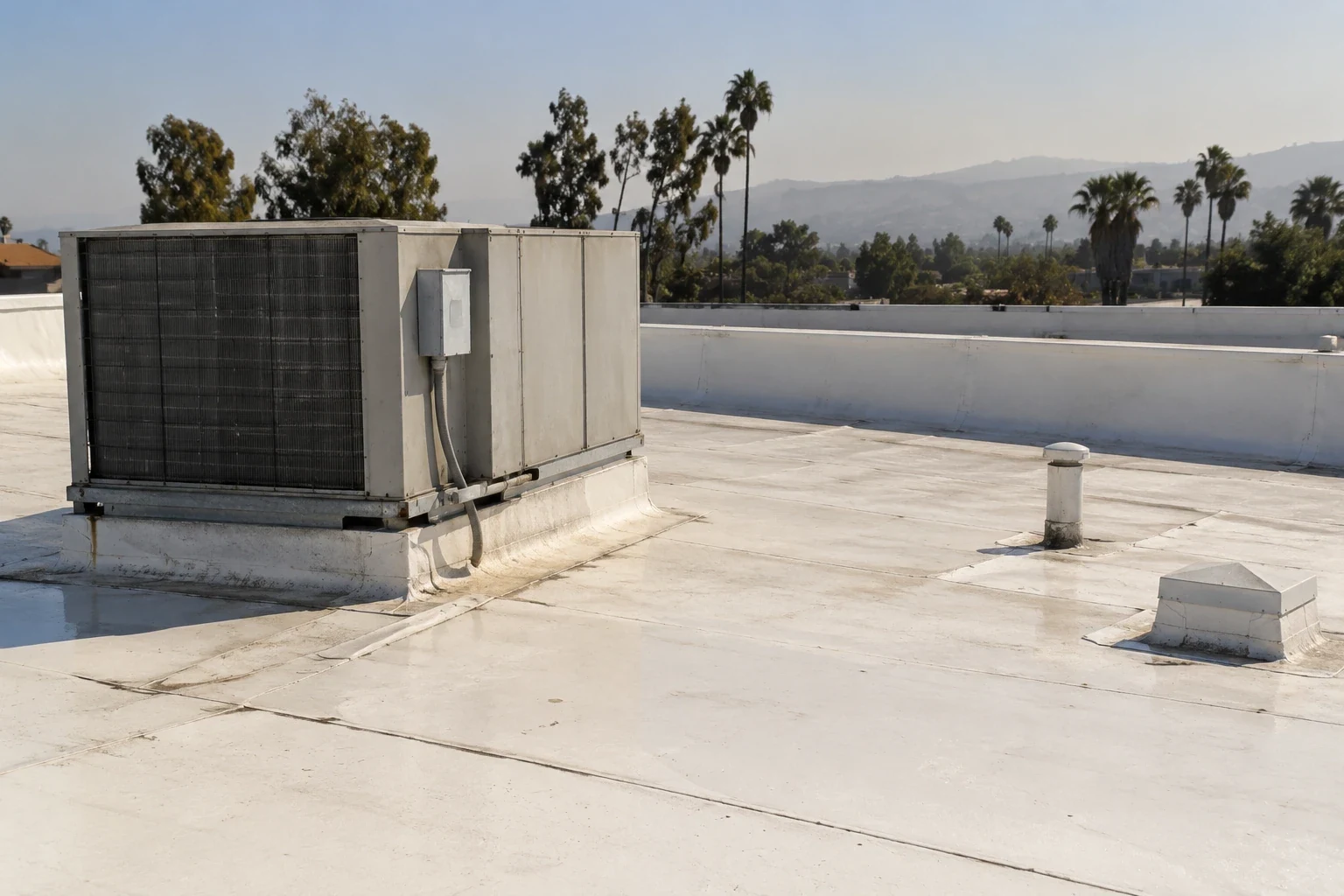
Commercial Roofing in Oroville Commercial Core, Oroville, CA
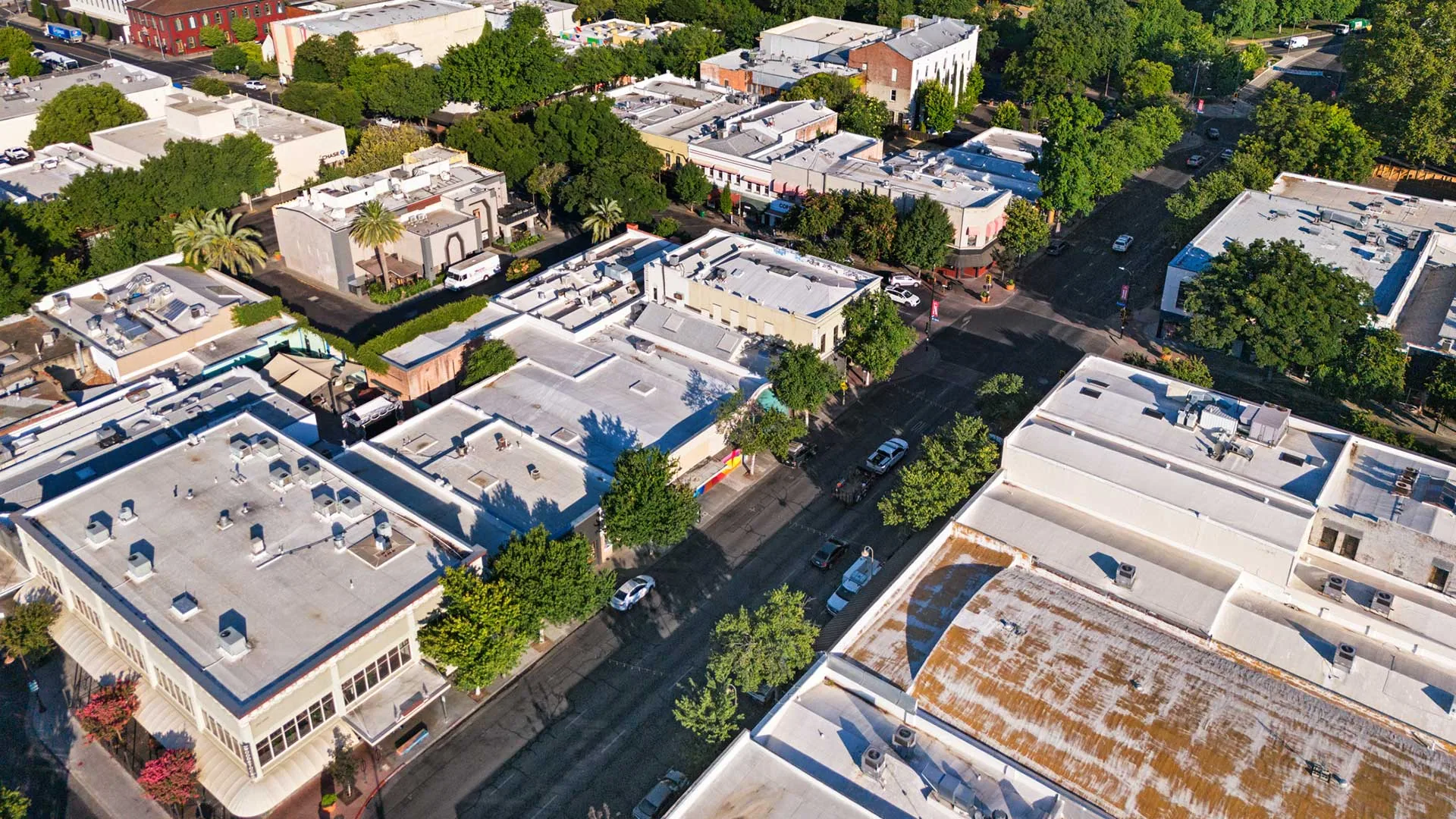
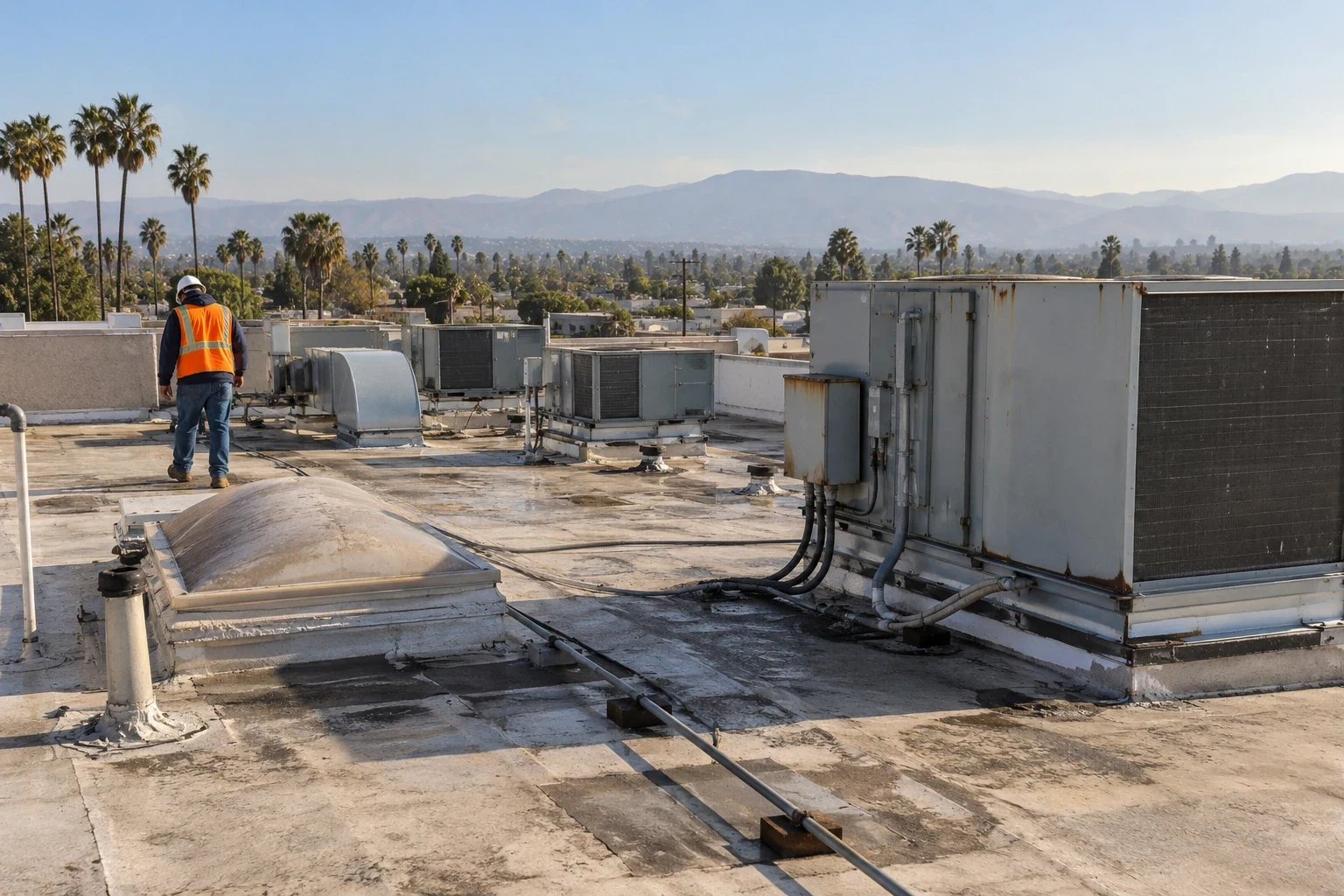
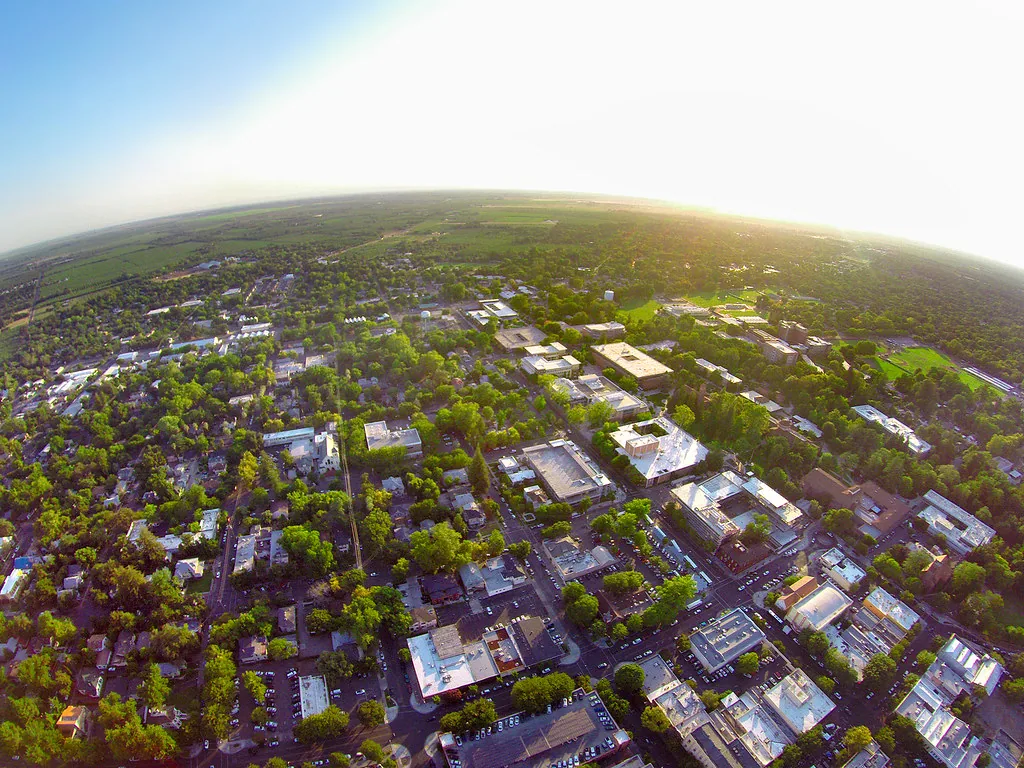
A commercial core can include several business areas, but a roof proposal still belongs to one inspected property. Oroville defines its Commercial Core across the Oro Dam and Feather River commercial areas and part of Olive Highway. The city describes the core as freeway- and transit-oriented, serving shopping needs for Oroville and nearby communities. Those broad conditions make access and operating schedules useful to confirm before a crew mobilizes. We inspect the roof assembly, drainage, penetrations, and edge details at the authorized building, then set a repair boundary from what is visible and what the owner approves us to test.
Keep each commercial area distinct
The Oro Dam corridor carries commercial activity toward Lake Oroville, while the Feather River area is another commercial subdistrict and Olive Highway is partly within the core. These are separate orientations within a broad city center, not a single operating site. We confirm which property the owner means, who can authorize roof access, and whether business hours or deliveries limit the inspection. A street or district name alone does not tell us where a ladder, hatch, loading area, or safe staging point is located.
The Oroville Industrial Park is another multi-property employment district with a different work context. Our commercial roof inspection records the actual building, assembly, and access route so findings in the Commercial Core do not get confused with another property in Oroville.
Trace a symptom to the roof detail
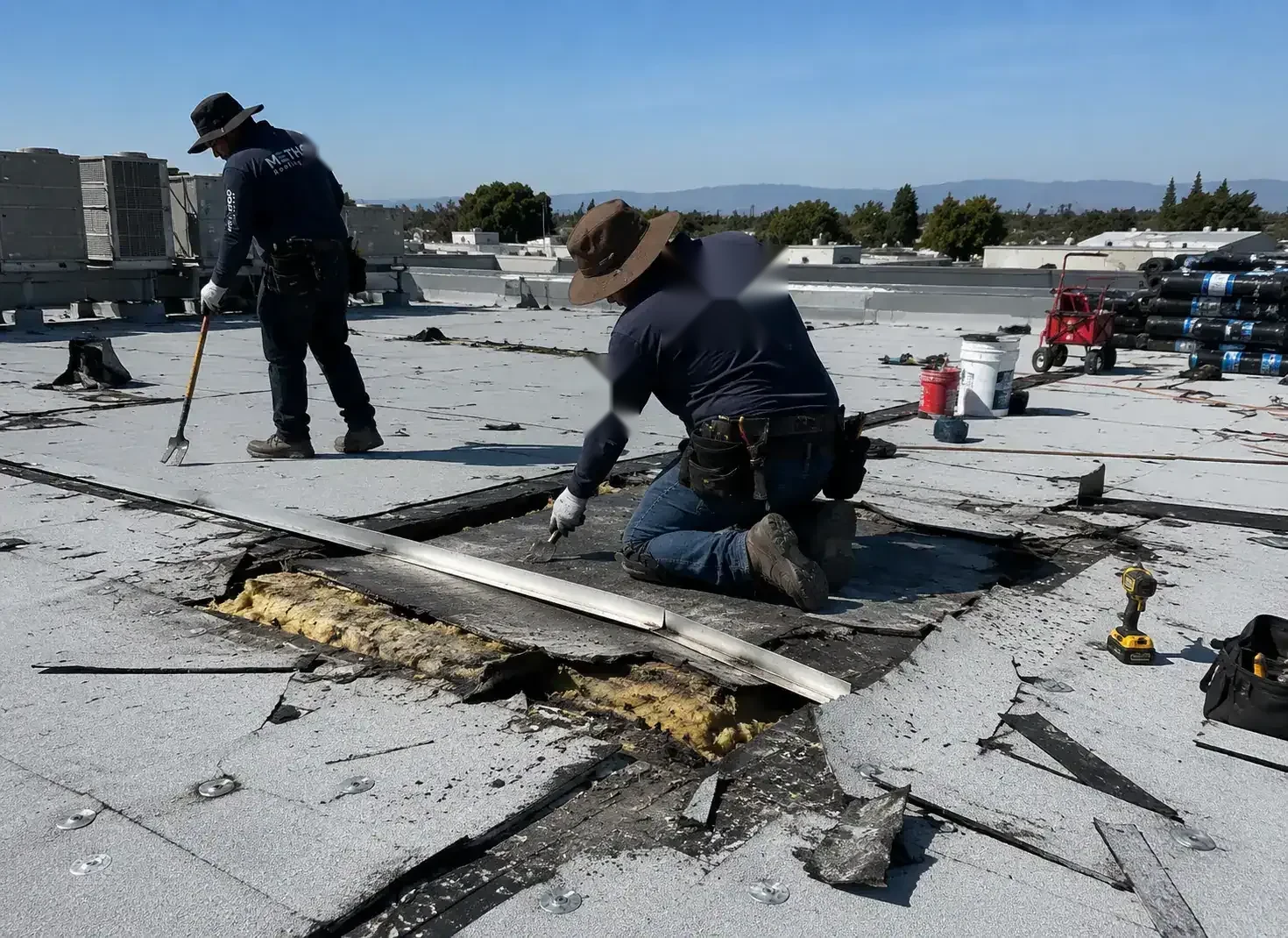
A ceiling stain may appear several feet from the seam or flashing that admitted water. We compare the interior report with laps, wall transitions, curbs, skylights, drains, and roof slope, then record the likely route and any evidence that could widen the repair. If moisture may be under the membrane, we explain whether a test opening would change the recommendation before removal starts. The owner can see what is known, what remains concealed, and the point where an added scope requires approval.
Where a commercial property serves customers or several tenants, interior protection should be planned before the roof is opened. A photo condition report identifies the inspected area, prior patches, and any limitation on access. If a defect follows a failed wall or curb transition, the repair should restore the flashing and membrane together rather than cover the visible symptom alone.
Check the outlet and its overflow path
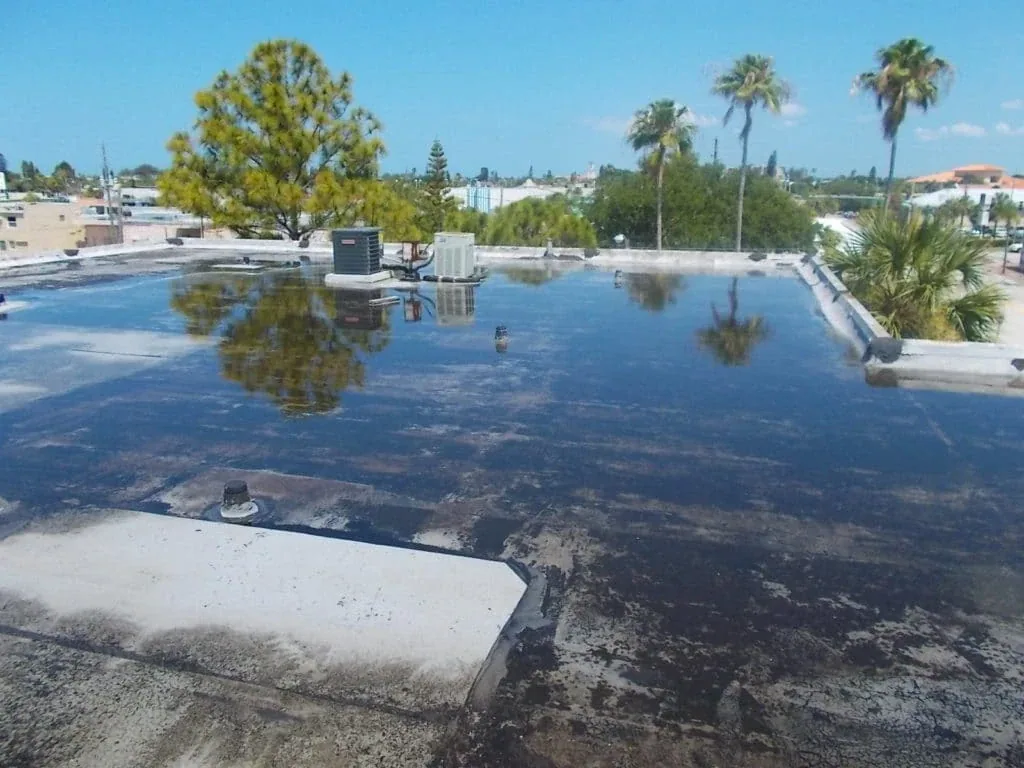
We inspect each drain bowl, strainer, scupper, overflow opening, and surrounding flashing. A blocked outlet may need cleaning; standing water that remains after flow is restored may call for a slope, insulation, or membrane review. We map the wet area and compare it with seams and penetrations so the owner can decide whether a local fix is enough. A drain repair should not conceal loose membrane or saturated insulation around the opening.
Chico’s normal rainfall is concentrated in winter, while midsummer is very dry. Oroville has its own property-specific roof conditions, but the Chico climate normals provide the market-level seasonal context for maintenance timing. A drain and scupper review can document the outlet before wetter months. If water remains beyond a drain, a ponding-water assessment records its boundary and checks adjoining details.
Select the system from the building evidence
The Commercial Core’s orientation toward shopping and transit does not determine roof type or material. We verify the existing assembly, deck, attachment, and moisture before comparing repair, recover, or replacement. An overlay is an option only if the current membrane is dry and stable, the proposed layers can bond as designed, and the added build-up will not compromise drains or edge height. If several areas show failure or insulation moisture, a larger replacement comparison may be easier to maintain than another isolated patch.
For a specified membrane replacement, a PVC system review considers seams, terminations, and perimeter details against the project requirements. The proposal also coordinates insulation, curbs, drains, and sheet metal with the selected assembly. Product choice follows the roof plan, owner priorities, substrate, and installation conditions rather than a general preference for one material.
Protect a business that stays open
Regional shopping activity can create delivery and customer access concerns around an operating property. Before mobilization, the owner confirms work hours, loading windows, pedestrian routes, lift placement, and areas that must remain available. We mark the section scheduled for removal that day and set the end-of-shift condition needed to keep the interior protected. If removal exposes wet insulation or a damaged deck, the crew secures the area and waits for approval before the boundary expands.
When a business continues below the work, a phased reroofing sequence can divide the roof into closeable areas. Equipment changes need a separate handoff so a later trade does not cut into a completed membrane without coordination. We record the curbs and penetrations inspected, the protected interior areas, and the person who can approve a schedule or scope change.
Plan around the Chico rain cycle
Chico’s climate normals show winter as the wetter season and very little normal rain in July and August. That seasonal pattern can help an owner plan drain maintenance and roof walks, but it does not prove whether a particular Oroville roof is ready for service. Summer surface temperature and substrate moisture affect material installation; winter work may need tighter protection and end-of-day checks. Product instructions and field conditions govern whether the scheduled repair can proceed.
For an active leak after hours or during a holiday, temporary protection can be separated from the permanent repair scope. The service note identifies what was covered, what still needs inspection, and when the next visit should occur. For planned work, the crew sets a realistic daily opening limit and keeps a dry-in plan ready if weather changes. This makes the timing decision visible without promising that the weather will cooperate.
Show what drives the project total
A proposal lists measured areas, preparation, materials, removal, edge metal, flashing, drainage work, access, debris handling, and temporary protection. If concealed deck or insulation conditions may change quantities, the owner sees how that work will be authorized before the crew begins removal. Timing and cost depend on roof area, system selection, access, existing substrate, material lead time, operating schedule, and weather. A regional shopping role does not set the price for an individual roof.
California’s 2025 Building Standards Code took effect on January 1, 2026; project permits and locally adopted amendments establish which provisions apply to the work. We coordinate roof details with the project team and identify mechanical or structural questions for the responsible professional. Closeout photos show the completed boundary, materials, and open items for the next inspection. For an owner managing more than one community, a Paradise roof project keeps its access notes and condition record separate from Oroville.
Commercial Roofing Questions
Does the Commercial Core include one roof to inspect?
No. It spans multiple commercial areas. We need the authorized property and roof access to inspect a specific building.
Does the Oro Dam corridor determine a building’s roof system?
No. We identify the existing assembly and check its condition before recommending a repair, recover, or replacement.
How do you handle a leak during customer hours?
We coordinate access and interior protection with the property contact, then set a work boundary that can be dried in before the shift ends.
When should a drain be checked?
A visit before the wetter season can record debris, flashing, and overflow condition. The roof still needs property-specific inspection.
What can change a repair proposal after removal begins?
Concealed wet insulation, deck damage, or a different roof layer can affect quantities. We document the finding and request approval before expanding scope.
Review a specific Oroville roof
Share the property use, current symptom, access limits, and work timing. We will confirm whether an inspection or project-plan review is the right first step.