Cool Roof Installation in Chico, CA
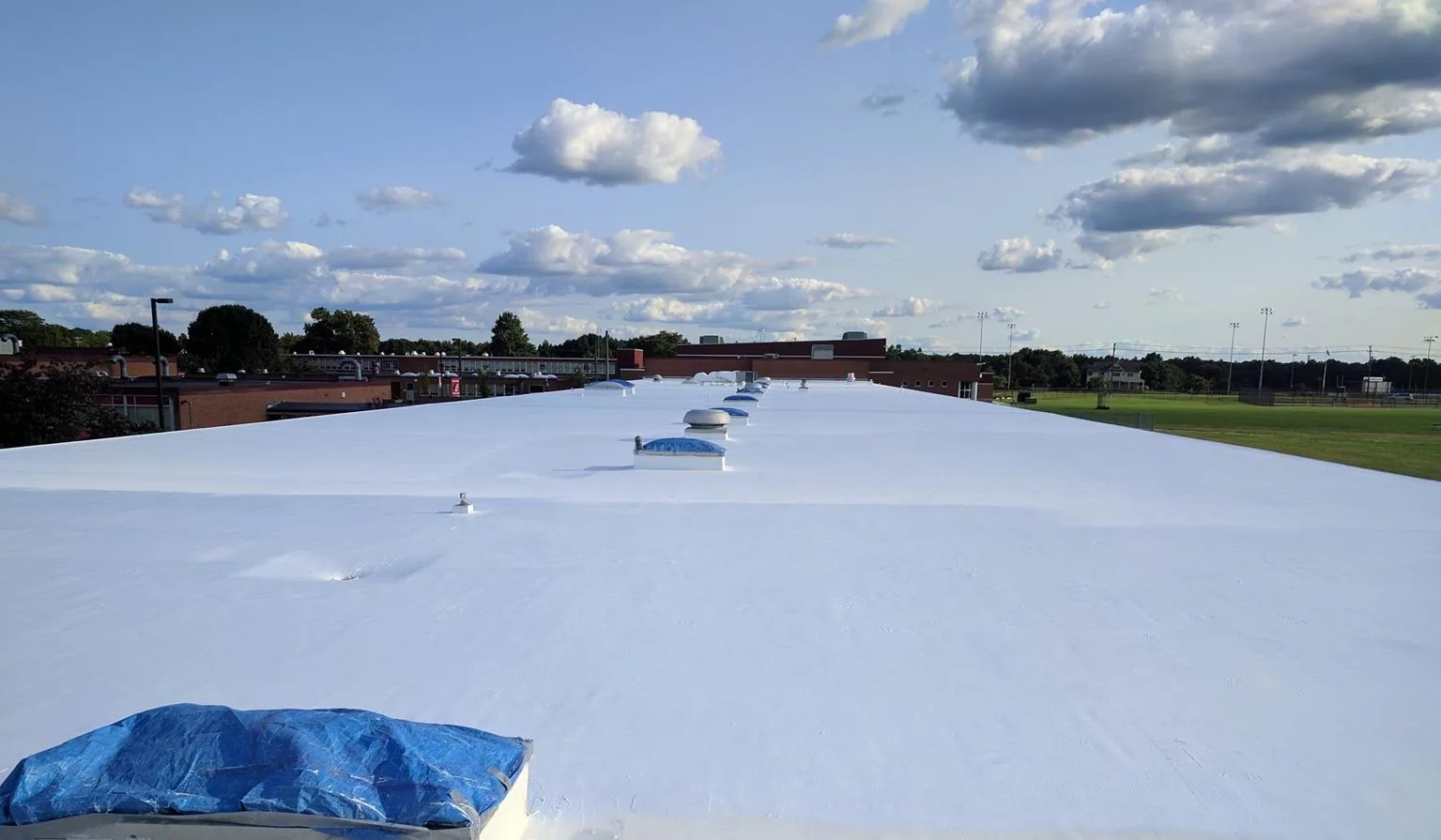
A reflective roof changes how a surface absorbs solar energy, but reflectance alone does not decide whether a coating or new membrane fits the building. In Chico, CA, hot dry summers make roof exposure part of the conversation, while winter rain tests the same assembly from another direction. Chico has hot, dry summers and cooler, wet winters, yet a seasonal pattern cannot tell us what sits beneath a particular roof or whether its drains work. We inspect the existing membrane or metal, check attachment and moisture, trace the water path, and compare the options with the owner’s operating schedule. The recommendation should show the preparation, repairs, and transitions that make the system suitable. A commercial roof inspection gives the starting record for that comparison.
Separate reflectance from roof condition
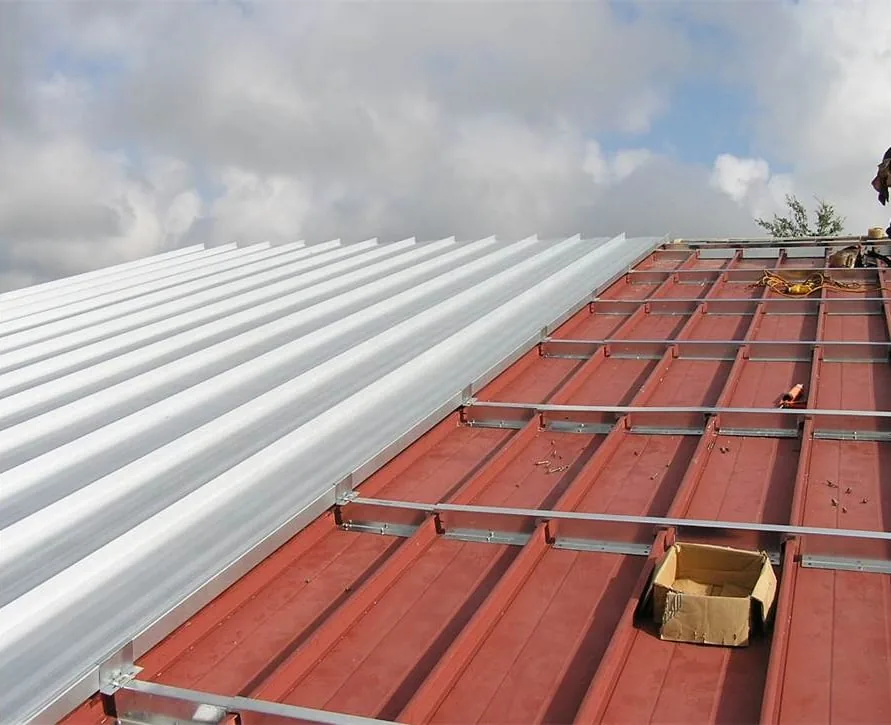
Reflectance describes how much incoming sunlight a surface sends away; emittance describes how readily it releases absorbed heat. A cool-roof product may have published values, but those values do not measure the condition of the substrate below it or predict a particular building’s utility bill. We first identify whether the roof is membrane, metal, or an existing coating, then check whether the surface can accept the proposed product. A coating needs a compatible, stable base. A new membrane needs an attachment and perimeter plan suited to the deck and wind design. We record what is visible and identify any test that could change the proposed assembly.
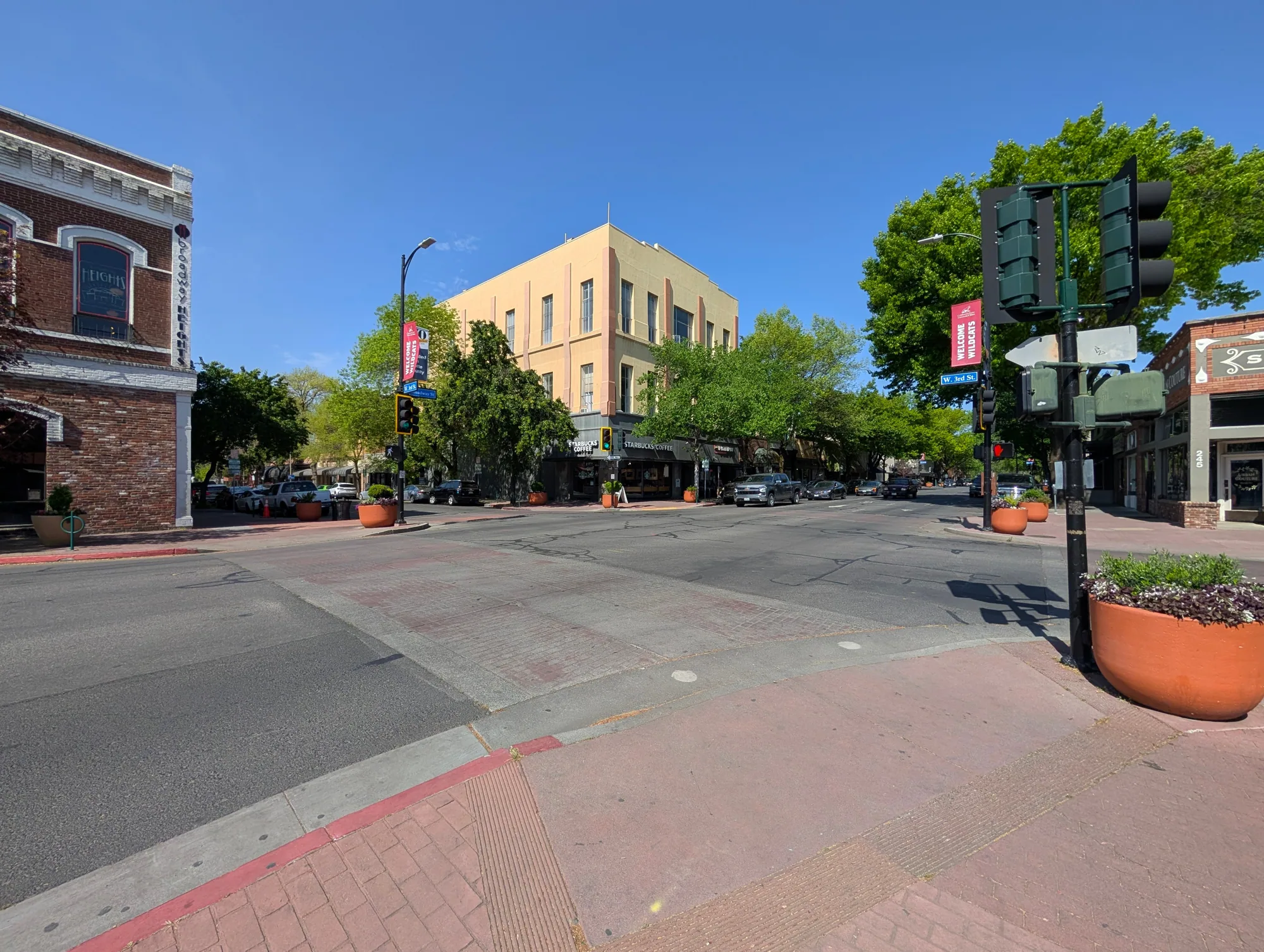
Retail districts near North Valley Plaza, East 20th Street, and Skyway include large parking areas and infill or reuse opportunities. The map explains local building variety, not a roof’s condition. A property with rooftop equipment needs access planning; an industrial roof may have production-hour limits. We compare each assembly from its roof map, without promising an energy result. If coating is under consideration, review roof coating restoration.
Check the layer that will receive the work
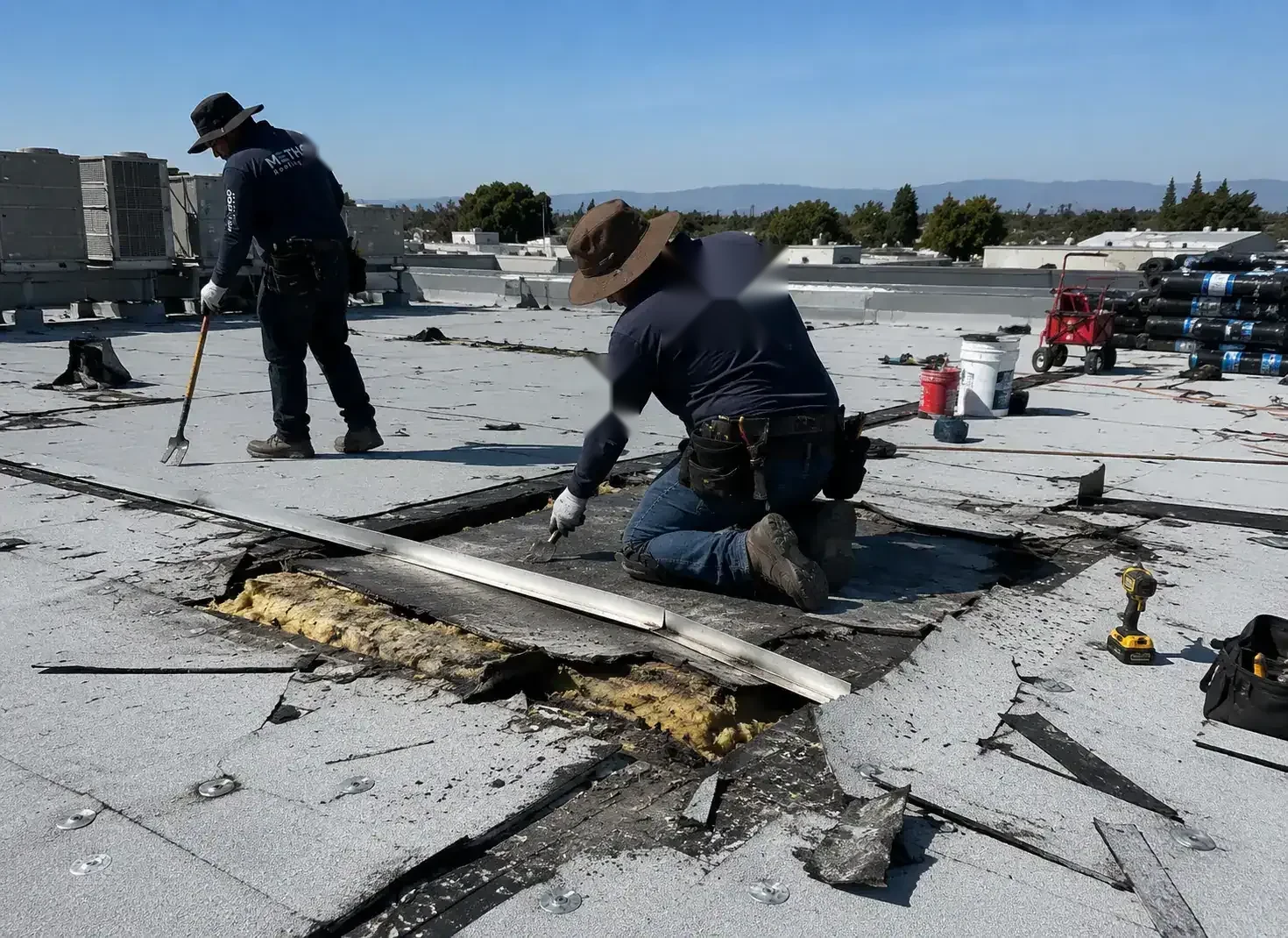
Before applying a reflective coating, we inspect seams, laps, fasteners, edge metal, wall transitions, penetrations, and prior repair material. A small adhesion test can show whether the prepared surface and primer form a usable bond. Loose coating, corrosion, open seams, or widespread wet insulation need attention before a finish layer is considered. For a replacement, we review deck condition, insulation, cover board, and attachment so the new assembly does not preserve an unresolved defect. The scope distinguishes repair work from the cool-roof layer and lists the hold point where the owner can review the prepared surface.
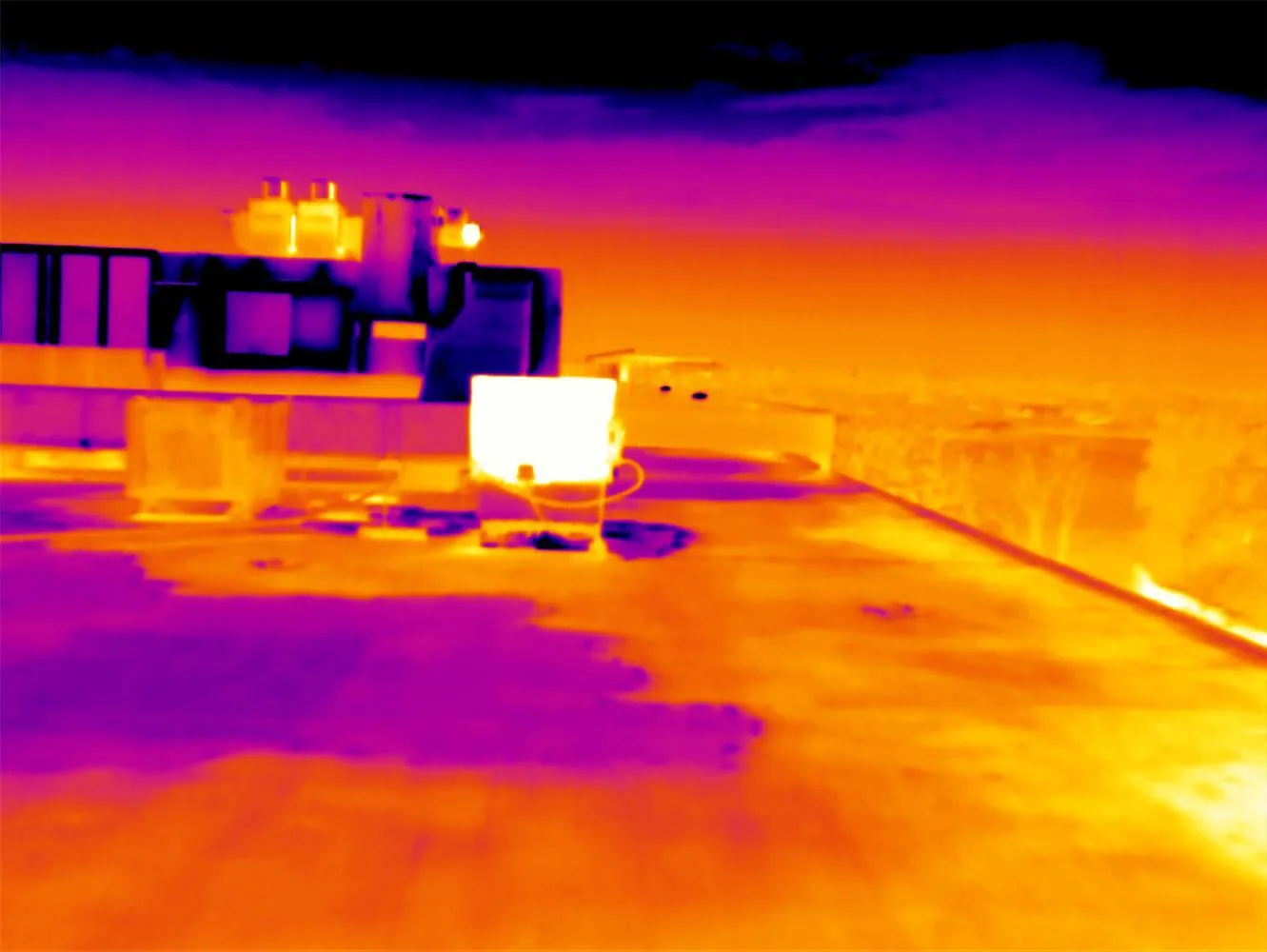
Employment areas near Meyers Street and Hegan Lane help frame delivery access, but the survey supplies roof-condition evidence. We test where the result could change the scope. An infrared moisture survey can guide confirmation; a targeted core can show whether layers should stay. The choice still accounts for attachment, drainage, and details. Silicone coating is an option only when the assembly and product instructions support it.
Resolve drainage before changing the surface
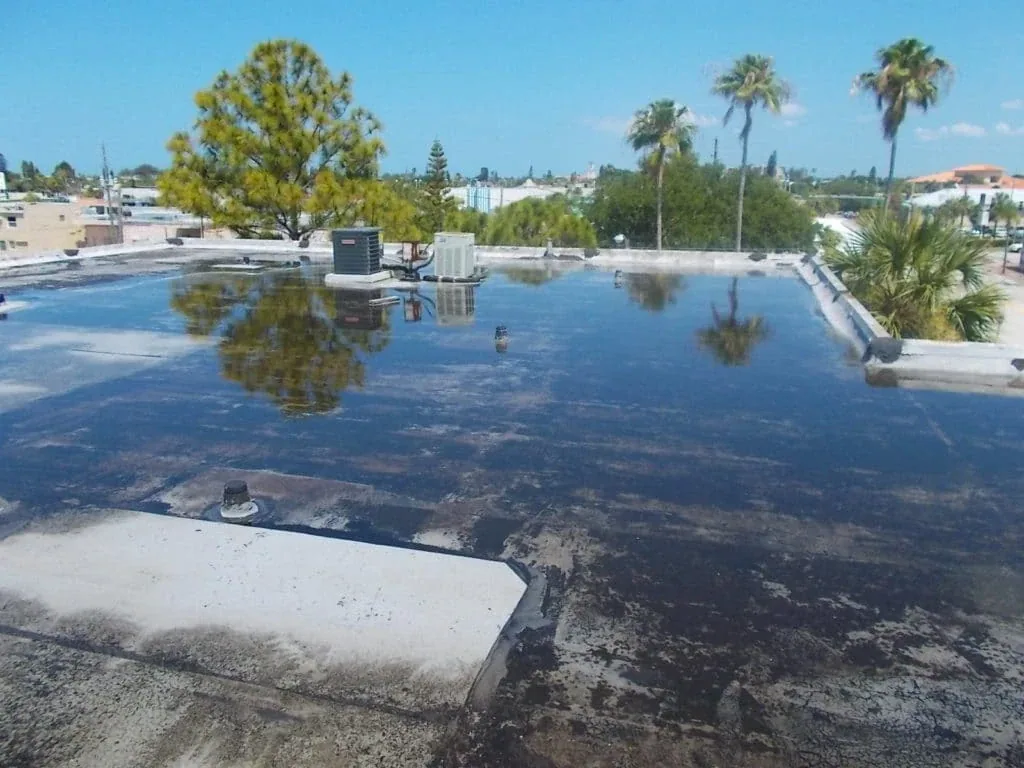
Reflective products do not create slope or clear blocked drains. We inspect bowls, strainers, scuppers, overflow, and low points, then compare the roof plan with any retained-water history. A finish can change thickness, so drain and edge transitions belong in the detail design. The scope separates cleaning, outlet repair, tapered insulation, and other corrections. We mark outlets reached and any area we could not inspect safely.
Chico rainfall normals show much more precipitation in January and February than in July and August. That pattern can guide inspection timing, but a dry-season visit does not prove winter drainage. Slope, penetrations, and outlet capacity still control the water path. If a low area meets a unit or walkway, the scope should state how the chosen finish handles it. Review drain and scupper work where needed.
Coordinate reflective work with equipment
A cool-roof project can coincide with rooftop HVAC replacement, insulation changes, or other envelope work. California’s 2025 Energy Code took effect January 1, 2026, and applicable alterations include provisions that may affect end-of-life HVAC equipment and envelope efficiency. The governing permit and design team determine what applies. We confirm curb height, service clearances, disconnect timing, and the roof tie-in before equipment is moved or a new membrane is closed in. If roof height changes, the scope checks wall flashings and equipment supports so the new finish does not leave a transition unfinished.
Retail near North Valley Plaza and East 20th Street spans more than one center, but those district names do not identify a building’s equipment or permit scope. We work from project documents and the roof survey. Compare a roof recover option when layers qualify, and evaluate TPO roofing when a new membrane is planned. The assembly must fit the structure, drainage, attachment, and project requirements.
Plan preparation, cure, and access
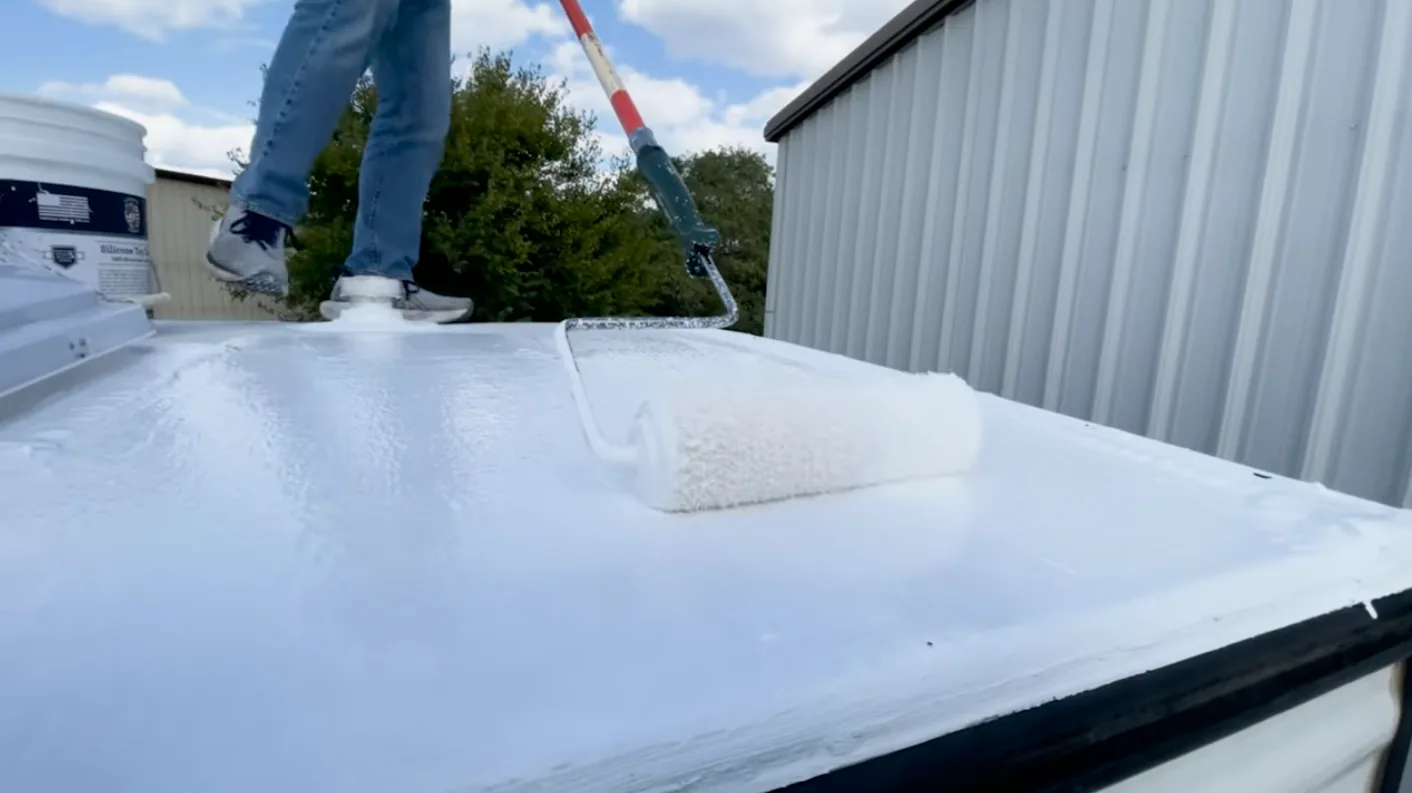
Preparation affects both bond quality and the usable work window. We identify cleaning, removal of loose material, repairs, test areas, primer, reinforcement, and cure checks in the sequence. Hot surfaces can affect crew timing and product handling, so the day’s conditions and manufacturer instructions guide when an area is coated or closed in. A forecast can help schedule mobilization, but it does not replace a surface check. We also establish where materials can be staged and which drains, doors, or mechanical routes must remain clear while work is underway.
Preparation affects bond quality and the work window. The sequence lists cleaning, loose-material removal, repairs, test areas, primer, reinforcement, and cure checks. Hot surfaces can change handling and crew timing; field conditions and product instructions guide application. A forecast helps schedule the visit but does not replace a surface check. We also mark staging space and routes that must remain clear.
Compare coating, recover, and replacement
A stable, compatible roof with repairable details may support coating restoration. Sound layers that meet applicable requirements may make a recover worth comparing. Widespread moisture, unstable materials, repeated failures, or deck concerns can point toward removal. We explain what evidence supports each path and identify any test or permit decision that remains open. Cost and timing depend on preparation, repair depth, access, equipment coordination, and how much of the assembly must be removed; a reflective finish does not erase those drivers.
Closeout should include a zone map, photos, materials, repairs, and areas to revisit. Those records can support a capital plan that compares maintenance with later renewal. A property near the Skyway commercial district still needs its own roof map. Share roof history, active symptoms, equipment plans, and access limits; we will document whether a reflective assembly fits the observed condition and what should precede it.
Commercial Roofing Questions
Will a reflective roof lower every building’s cooling use?
Not by a fixed amount. Building insulation, HVAC operation, occupancy, roof area, and climate all affect results. We can compare product data and roof condition, but a project-specific energy result needs a separate analysis.
Can a cool-roof coating go over an older coating?
Only when the existing layer is stable and compatible with the proposed system. We inspect and test representative areas, repair defects, and identify where removal is needed before application.
Does reflective roofing correct standing water?
No. A finish does not change slope or clear an outlet. We map low areas and drain routes, then list cleaning or drainage corrections separately when the inspection supports them.
What should be ready before application begins?
The receiving surface, repaired details, test results, product sequence, cure conditions, access plan, and close-in boundary should be confirmed. We use a hold point so the owner can review preparation before the coating covers it.
How do you compare coating with a new membrane?
We compare the existing layer condition, moisture, drainage, attachment, detail repairs, and expected work window. The recommendation states which findings support restoration and which would make removal the more suitable scope.
Review the roof before selecting a reflective system
Share the building type, roof history, active symptoms, and equipment or access constraints. We will inspect the existing assembly, map drainage, and document the options that fit the observed condition.