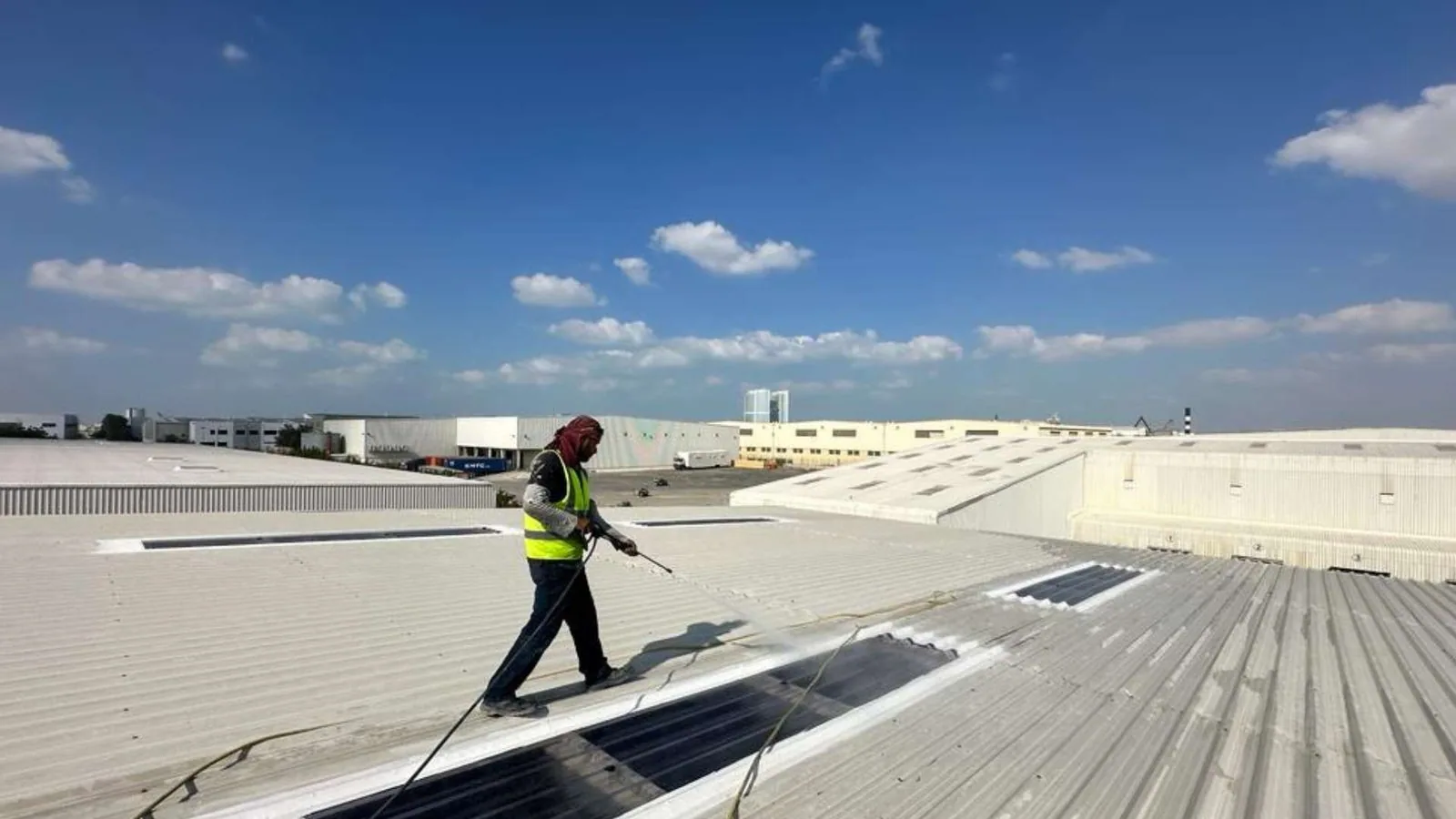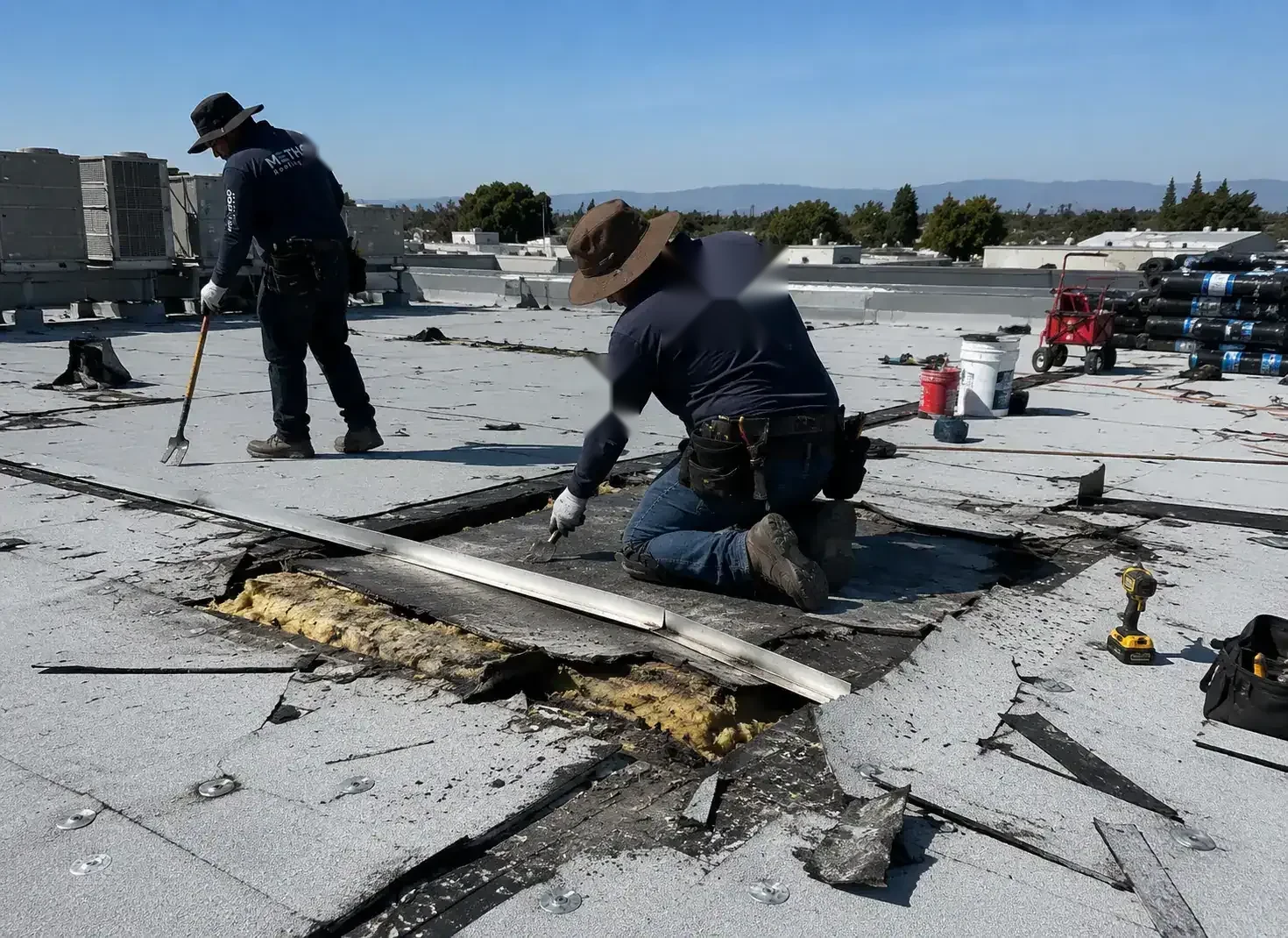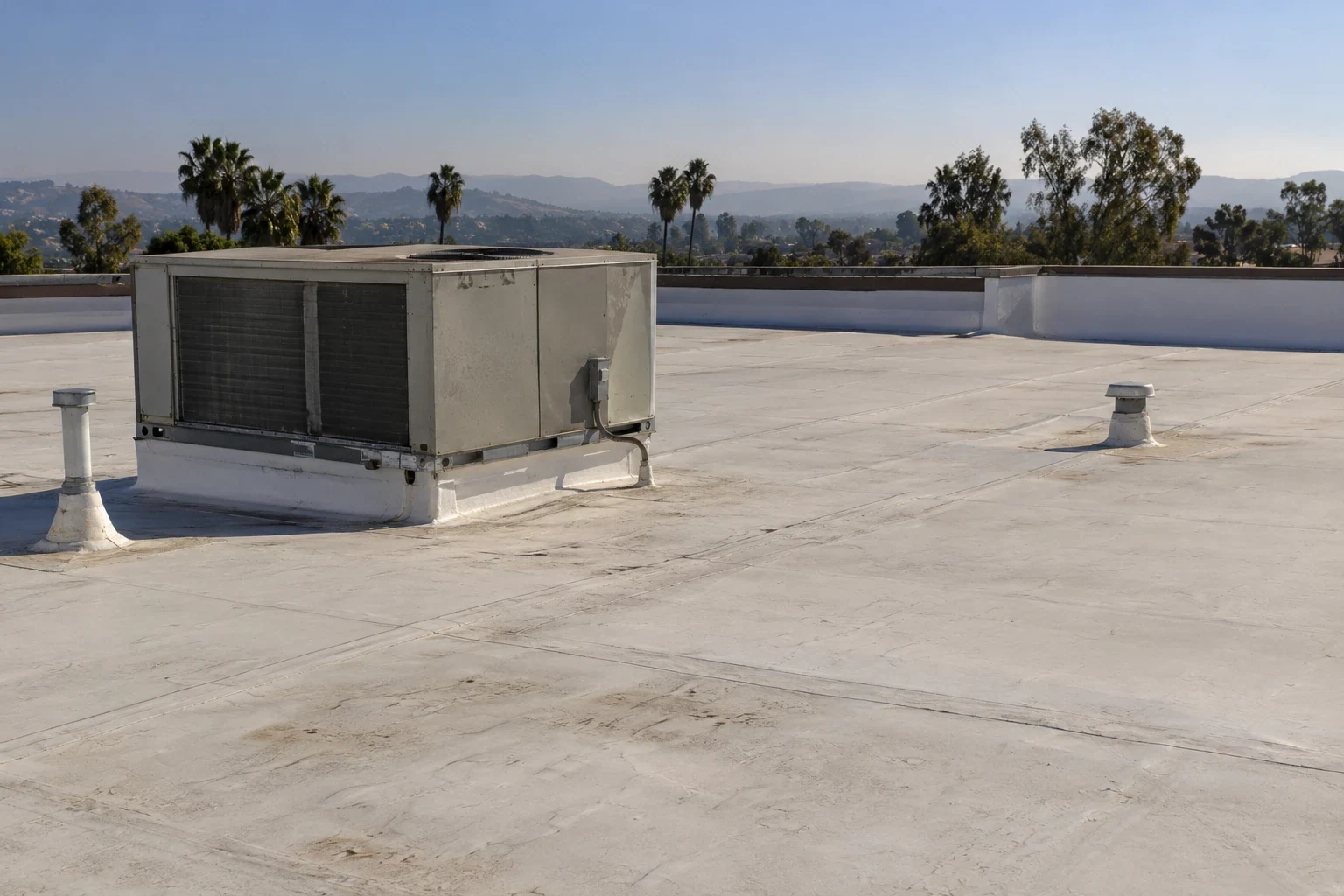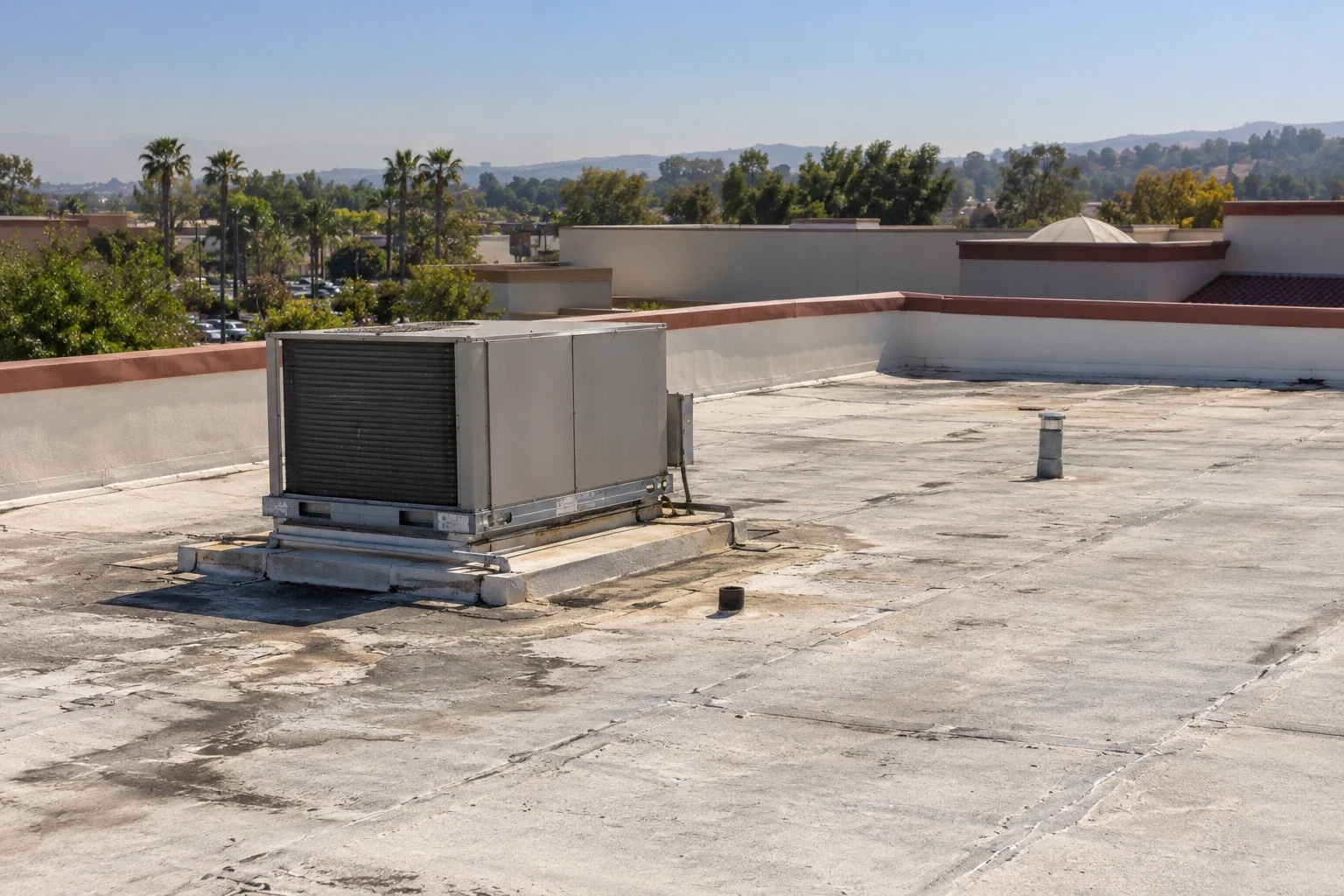
Auto Dealership Roofing in Chico, CA
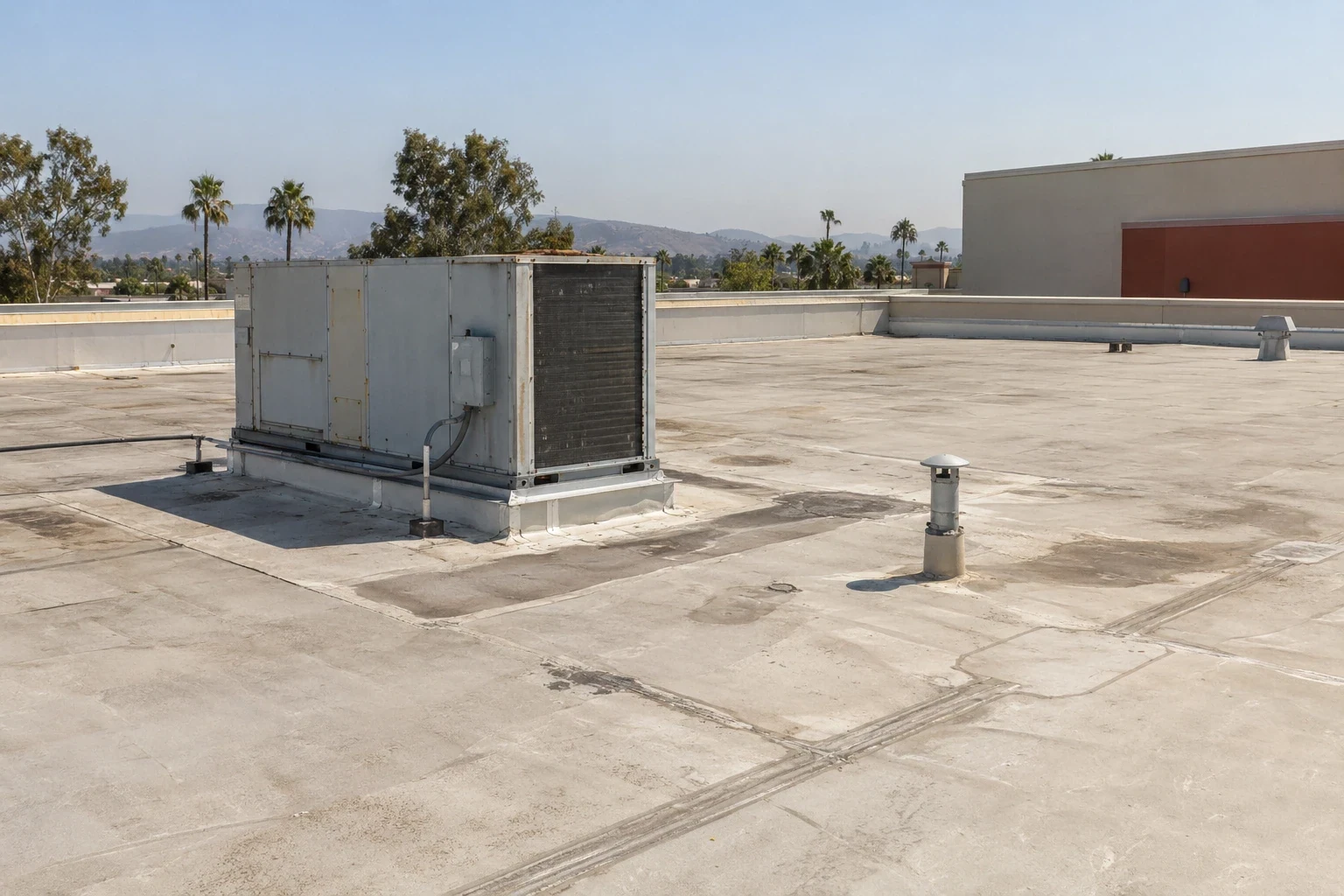
A dealership roof has to keep the showroom, parts area, offices, and service bays working while repairs happen above. We start by matching the reported symptom with the operation below it, then inspect the relevant roof zone and trace the water path. The condition record shows what can be repaired and what needs confirmation before a larger scope is priced.
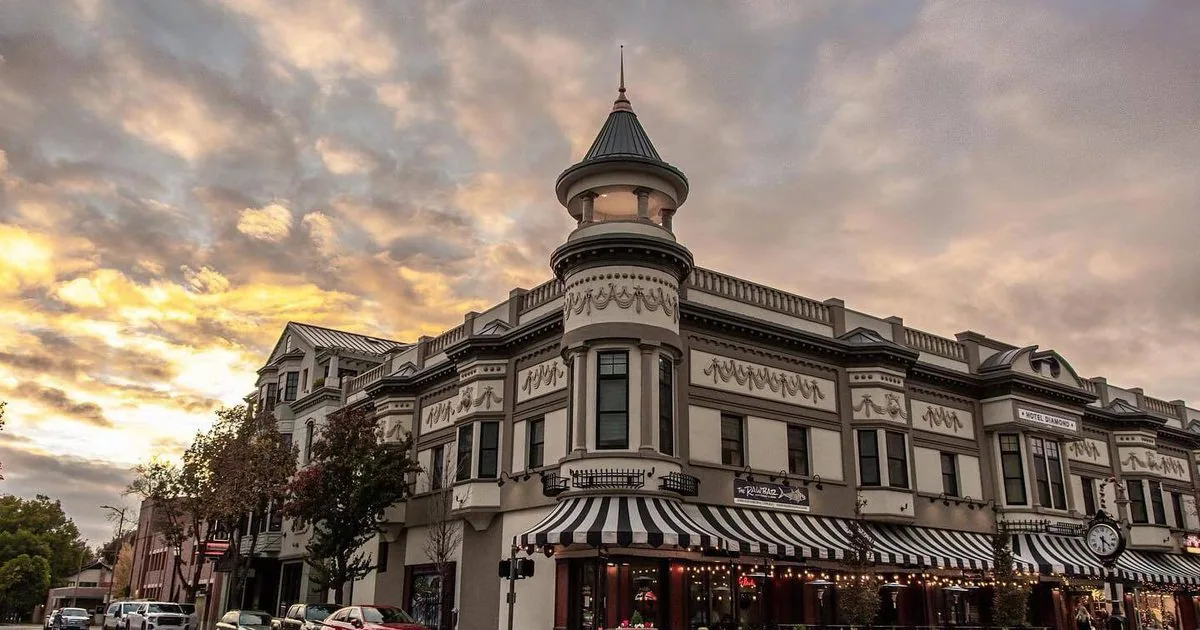
The East 20th Street District is a Chico commercial center with large-format retail, and Skyway is another regional center. A dealership can have customer routes, receiving patterns, and service traffic to coordinate, so we verify its building layout and operating limits before planning work.
Keep the Showroom and Shop in the Plan
A drip above a sales desk, vehicle display, parts counter, or service lane calls for a location-specific response. We compare the interior report with membrane seams, roof drains, curbs, exhaust penetrations, and perimeter transitions. Water can move beneath the surface before appearing inside, so the ceiling mark is not the repair boundary. We photograph the evidence and note whether the affected area can be isolated without closing a customer or technician route.
The facility contact identifies delivery hours, test-drive circulation, vehicle lifts, and any bay that cannot be taken out of service. We use those limits to set access, material staging, and the daily work zone. If active water threatens inventory or electrical equipment, temporary protection can proceed while the roof investigation determines whether insulation or deck needs to be opened. The report distinguishes immediate mitigation from permanent repair.
A commercial leak repair may fit a contained detail. When symptoms recur across the roof, a condition inspection provides a broader map before the owner compares options.
Check the Roof Above Each Use
Showroom and service areas may have different roof heights, equipment, and additions. We identify the assembly that can be confirmed, inspect laps, penetrations, curbs, drains, and edge metal, and compare details with records. A visible membrane does not disclose the insulation below. If an opening is needed, we identify its location and interior protection before work starts.
Chico's summer heat can increase movement in sheet laps, sealants, and metal edges. We look for an open seam, loose termination, or cracked flashing rather than treating heat as proof of failure. HVAC replacement can disturb curbs and nearby membrane, so we record interfaces that need coordination with equipment service.
For a confirmed system, a TPO repair review addresses material details. A shopping-center roof plan or large-format retail sequence can frame circulation concerns, while this dealership's access plan governs the work.
Trace Water Across the Roof
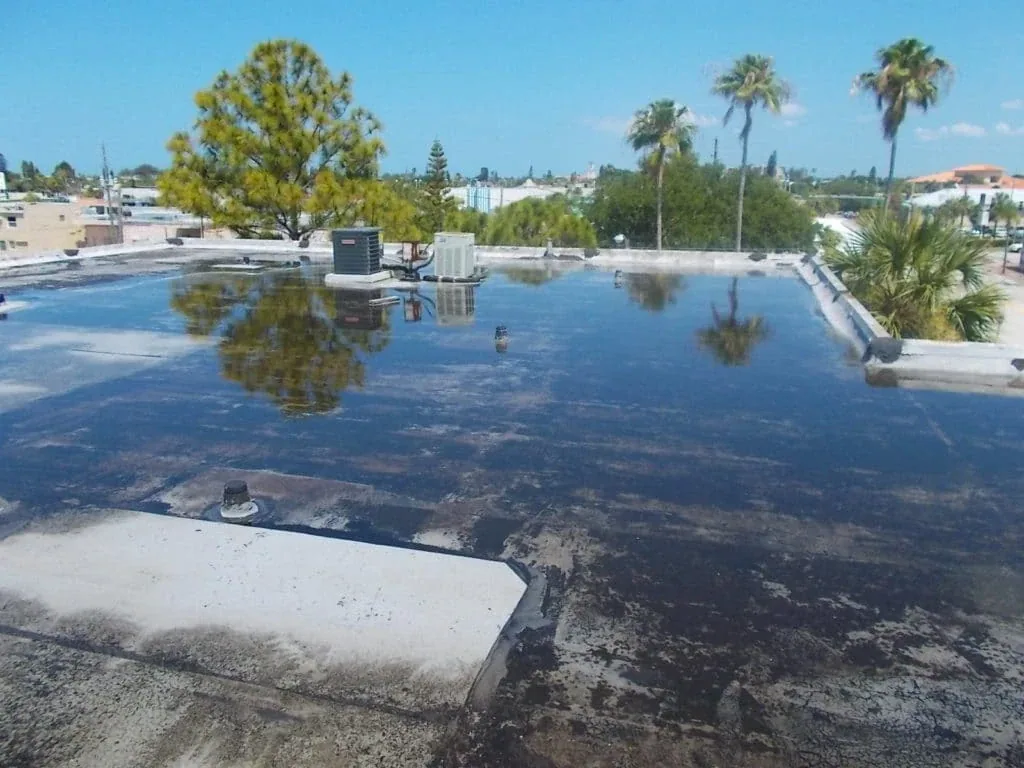
Chico's normal precipitation is concentrated in winter, making outlet checks useful before the wet season. We inspect drains, scuppers, gutters, low points, and discharge paths for debris or loose connections. Water may cross a slope or curb before reaching a showroom or service-bay ceiling. We map each outlet and note whether ponding, flashing, or a seam needs closer review.
The East 20th Street District and Skyway Commercial District are regional shopping areas, but the setting does not establish drainage at a dealership. We inspect the building's outlets and note runoff across an entrance, vehicle lane, or accessible route. A drain and scupper review can be included in the repair.
When interior reports remain uncertain, we state what an opening would confirm. This keeps a drainage correction separate from replacement and avoids extending one wet area across the roof without evidence.
Sequence Work Around Sales and Service
Dealership schedules include vehicle deliveries, customer appointments, parts receiving, and service work that cannot all stop at once. We coordinate roof access with the facilities lead, mark the affected bay or showroom zone, and keep staging away from vehicle movement. No equipment is placed over a vehicle or customer path without the owner's approval. If a section must be closed below, the daily sequence states when the area is expected to reopen.
Chico's hot, dry summer conditions and cooler winter mornings can affect surface preparation and product cure. We check the day's conditions and installation requirements before opening a roof. Each shift ends within the area that can be dried in, and a weather change triggers an updated protection plan. The owner receives the completed and pending roof zones, any access adjustment, and the next step before the following work period.
An occupied-building reroof sequence can coordinate service-bay availability and customer routes. We can document recurring findings in the property file.
Compare a Local Repair With a Larger Scope
A patch may be appropriate when a seam, curb, or flashing defect is isolated and the surrounding material remains sound. Partial replacement deserves review when moisture or repeated failures cross several sections. Full replacement becomes a discussion when the assembly has widespread deterioration or cannot accept a durable repair. We map the evidence and list any test needed to confirm insulation or deck condition before final limits are set.
Cost and timing change with roof area, access, equipment curbs, removal volume, perimeter metal, staging, disposal, and the amount that can be dried in daily. A second membrane is an option only when field checks and the permit review support retaining the current layers; wet insulation or a loose substrate belongs in removal. We compare repair, partial replacement, recover, and full replacement against the same roof map, noting how each choice affects showroom and shop operations.
A replacement scope should show how penetrations, drains, perimeter work, and vehicle access will be managed. If the surface is compatible and the substrate is sound, restoration can be evaluated after adhesion and drainage checks.
Leave a Clear Service History
The closeout identifies the building zone, photographs repairs, and records areas that were inaccessible or need testing. We separate temporary measures from permanent work and note changes to vehicle routes or service schedules. The dealership can retain the roof map with equipment and interior records, so a future leak can be compared with the actual prior scope.
For a request in the East 20th Street District, we confirm the building and entry process before staging. Share the symptom, showroom or service-bay limits, and roof history. We will document the repair boundary and next inspection step.
Commercial Roofing Questions
Can roof work continue while the service department stays open?
Often the roof can be divided into work zones, but access, noise, weather, and daily dry-in limits control the sequence. We coordinate with the facilities lead to keep approved vehicle and customer paths available and identify any bay that needs a temporary closure. The work plan states which area is affected each day.
Why does water show up over the showroom when the roof opening is elsewhere?
Water may travel along the membrane, insulation, deck, or framing before reaching the ceiling. We compare the interior mark with roof slope, seams, curbs, drains, and equipment penetrations. If the path remains uncertain, we document the options for a test opening instead of assuming that a repair directly overhead will stop the leak.
What roof records help before replacement pricing?
Prior repair invoices, roof plans, equipment replacement dates, leak locations, and any warranty documents can help identify changes to the assembly. We compare those records with accessible roof details and label what is confirmed. The proposal can then state which areas need opening or testing before the final replacement boundary is set.
Will summer heat require a reflective coating?
Heat exposure alone does not determine whether a coating belongs on the roof. We first check membrane condition, drainage, adhesion, trapped moisture, and compatibility. A system applied over a wet or unstable base can leave the underlying defect unresolved. The recommendation explains the condition that supports restoration or a different repair.
How should we protect vehicles and parts during a repair?
The facility contact identifies inventory and operating areas below the work zone. We agree on staging, access, debris control, and any temporary room or bay protection before an opening. The daily dry-in limit is recorded, and any scope change that affects a vehicle path or service bay is raised before that section is opened.
Plan Roofing Around the Dealership Floor
Share the building layout, current leak area, service schedule, and available roof records. We will map the affected zone, discuss repair and renewal options, and coordinate access with your facilities contact.