Commercial Roofing in Chico Airpark Employment Area, Chico, CA
A commercial roof near Air Park Boulevard or Cohasset Road needs a scope based on its own assembly, access, and operating hours. Those roads orient Chico’s broader northwestern employment geography, but the area name does not identify a tenant, roof, or approved entrance. We work from the authorized business property, inspect the visible roof details, and keep the repair boundary tied to that building. A planned employment designation is not an inventory of completed structures, so a roof review begins only when an existing roof or defined construction plan is available.
Confirm the property before planning work
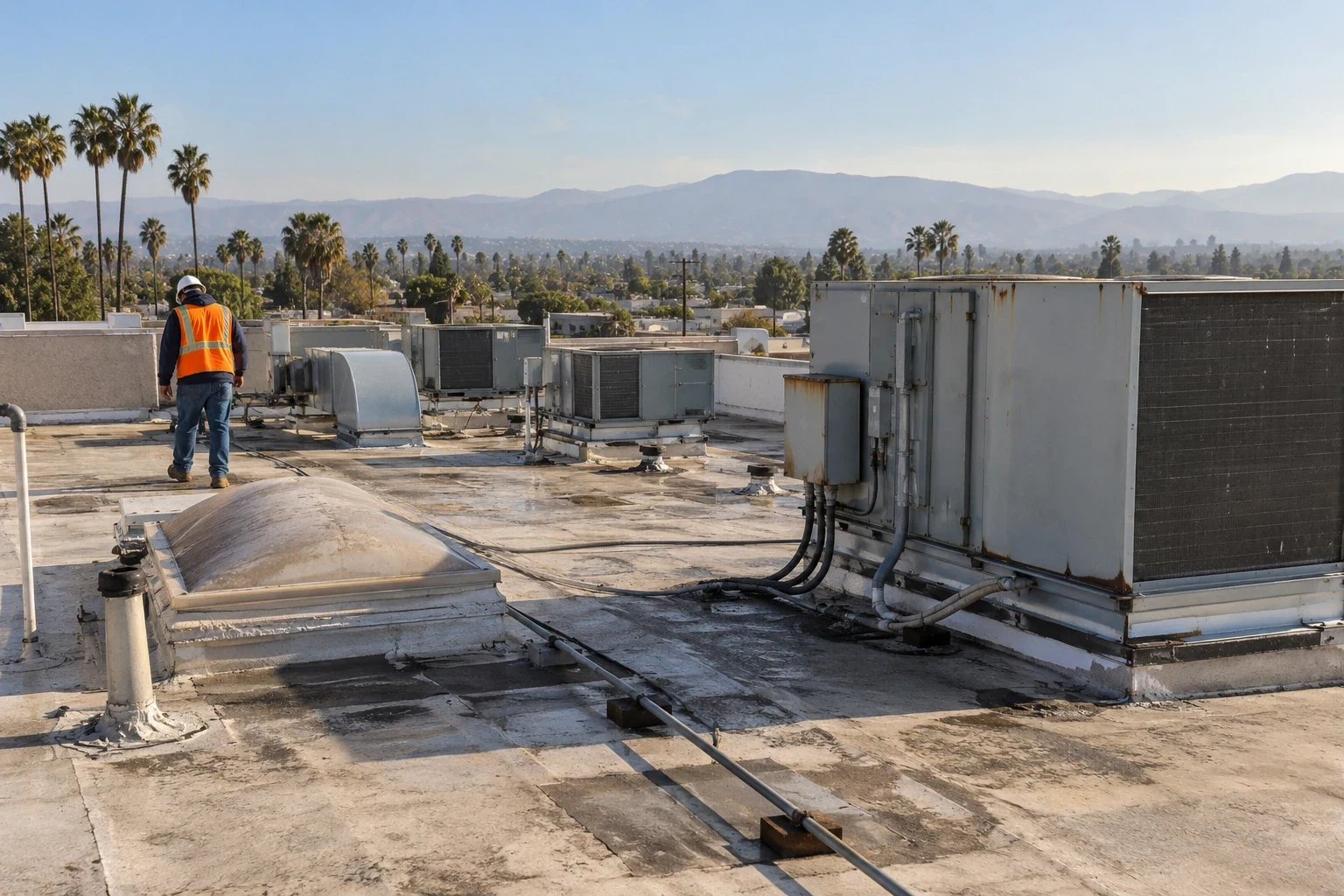
Before dispatch, the property representative confirms the commercial site, permitted entry, roof access, and any operating limits. We do not infer those details from a broad employment-area label. An inspection records the actual surface, seams, penetrations, drainage, and perimeter, then connects each observation to the reported symptom. If the roof is planned rather than built, the useful review is of the drawings, deck, insulation, slope, drains, equipment schedule, and permit sequence.
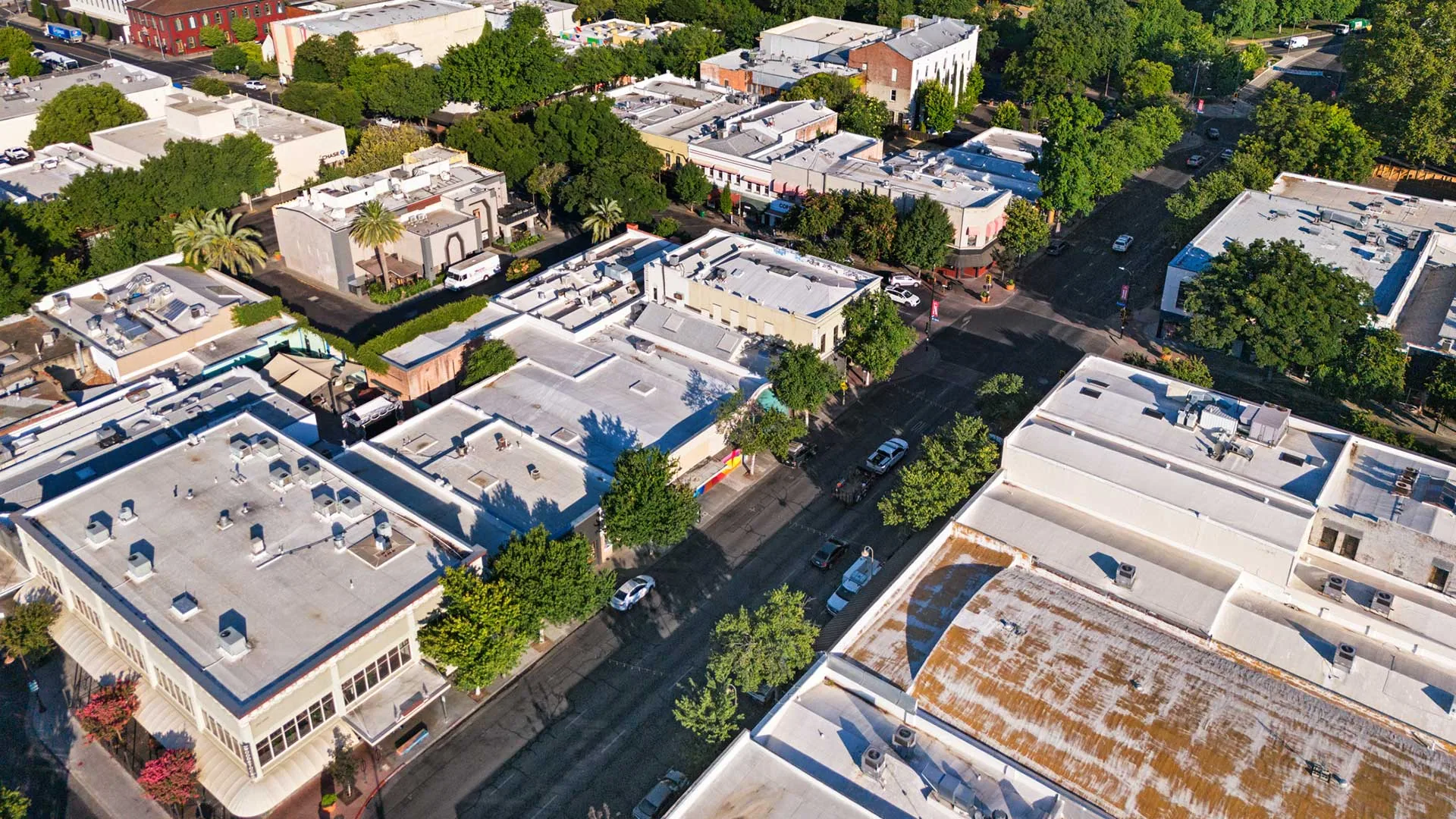
Chico’s northwest employment geography differs from South Chico’s industrial areas. A Southwest Chico property and a Hegan Lane commercial site need their own scope and access records. For an existing building here, a commercial roof inspection gives the manager a clear starting point without treating separate properties as one job.
Trace the leak across the roof assembly
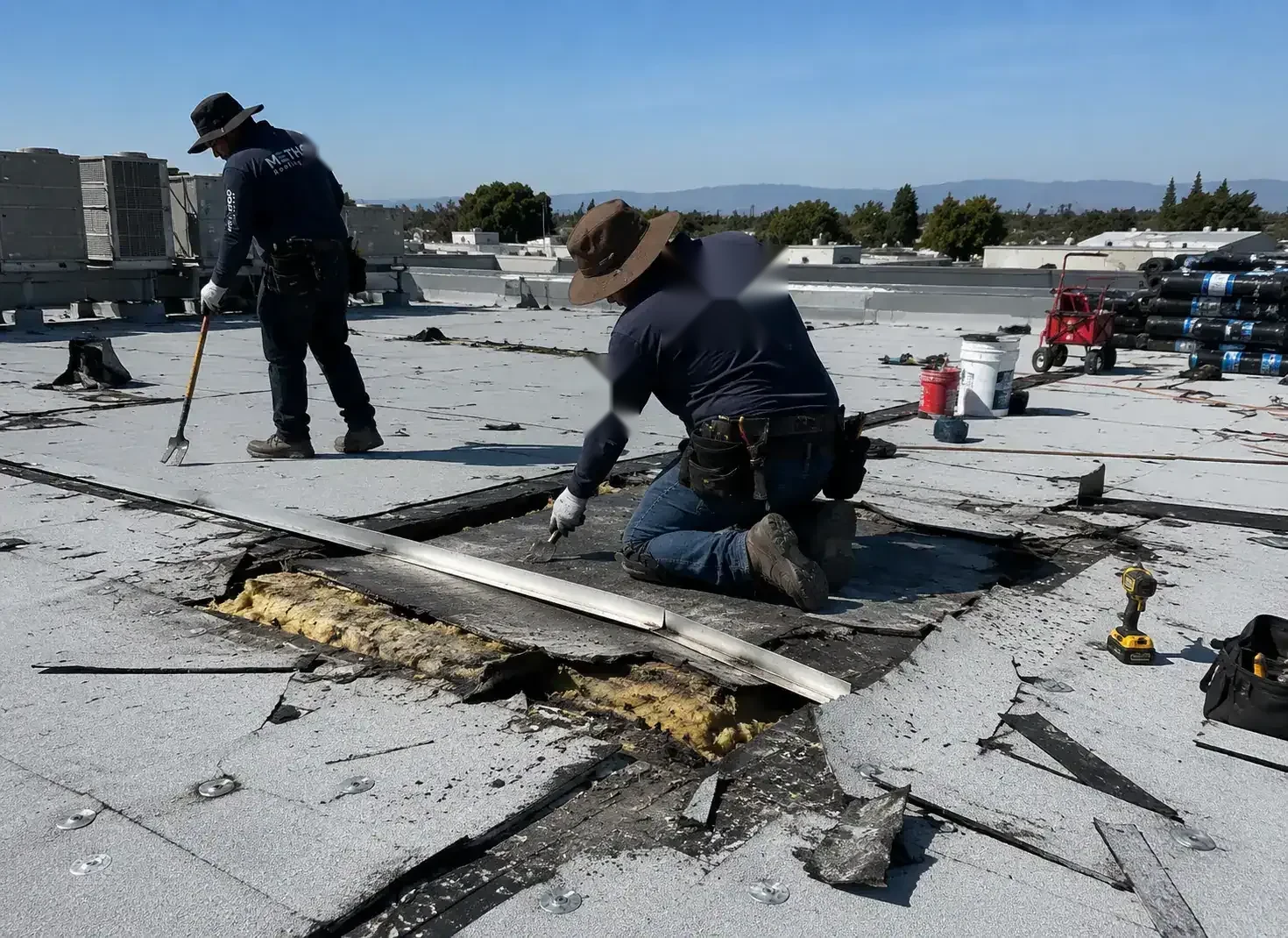
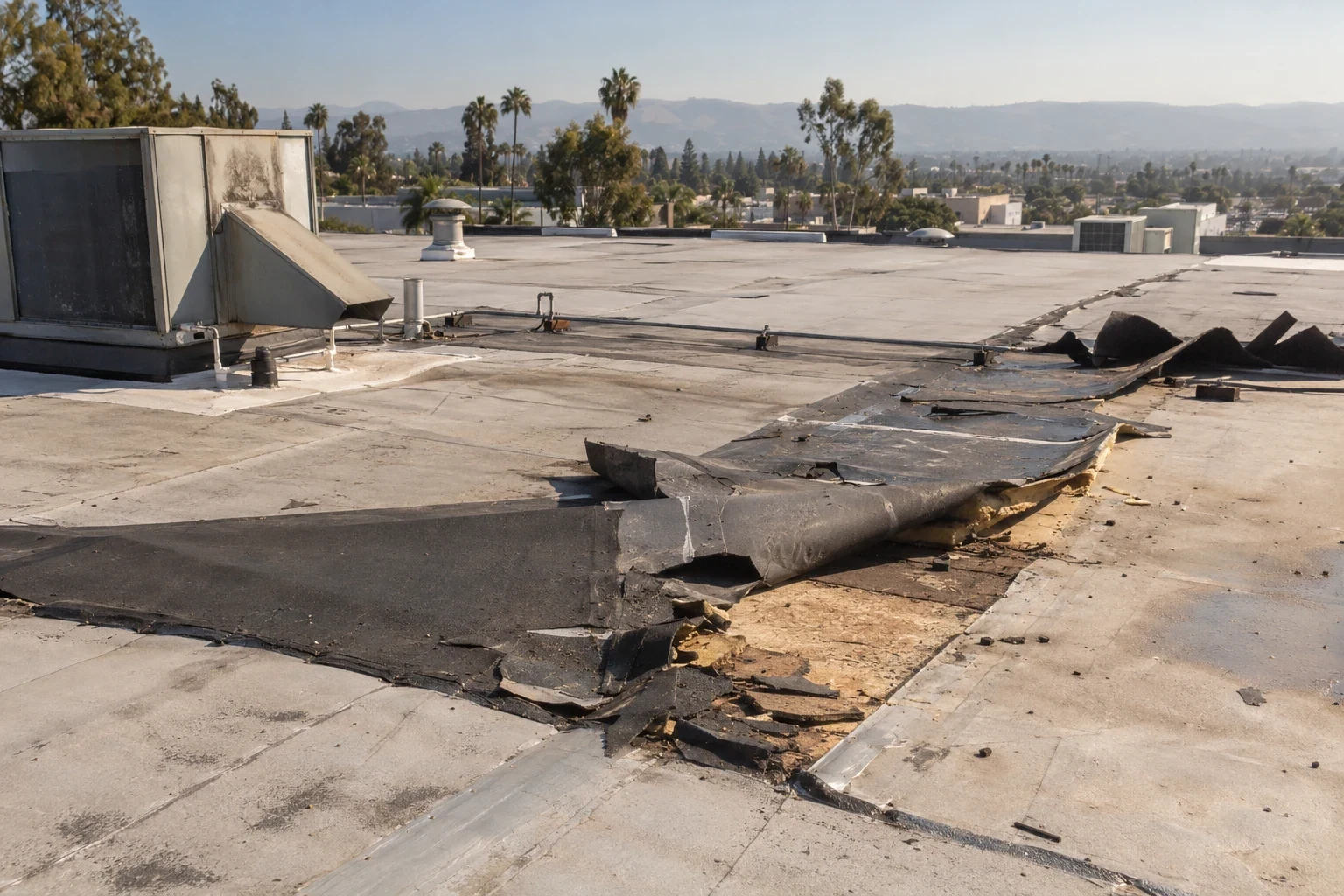
A ceiling mark may sit beyond the failed seam or flashing that admitted water. We compare the report with roof slope, laps, curbs, wall transitions, and drains, then record the path that best fits the evidence. Old patches and recent equipment work can change where an inspection should focus. If moisture may be trapped beneath the membrane, we explain whether a test opening or survey would change the repair decision before any area is removed.
At an operating business, interior protection and production timing can matter as much as the repair itself. We note what needs to stay open, when roof access is possible, and where the crew can complete a dry-in at the end of a shift. A photo condition report preserves the observed repair boundary, questions for testing, and areas not opened so a future visit does not rely on memory.
Check outlets before water reaches an edge
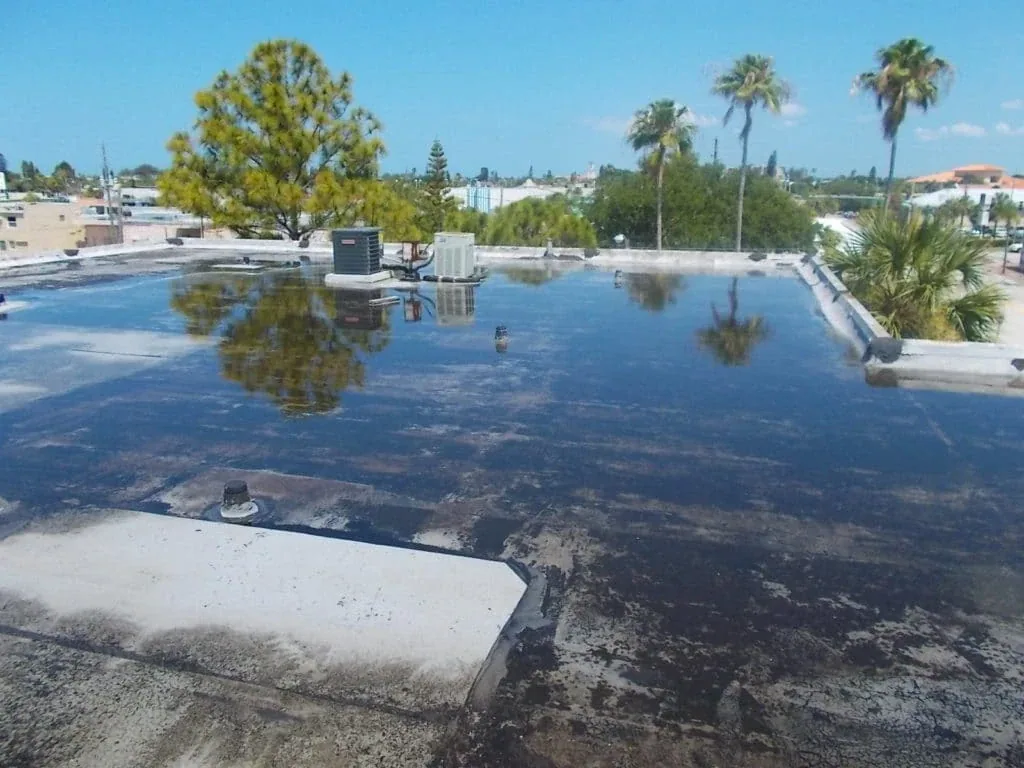
We inspect drain bowls, strainers, scuppers, overflow paths, and flashing where water leaves the roof. If a primary outlet is blocked, cleaning may restore flow; if water remains after the route is clear, slope, insulation, or membrane conditions may need separate review. We mark the low area and compare it with nearby seams and penetrations. That makes the next decision more precise than treating every wet mark as a drain repair.
Chico’s normal rain falls mainly in winter, while summer months are very dry. A pre-season walk can document debris and outlet condition, but the actual roof must still be checked after changes or repairs. Our drain and scupper service records primary and overflow details. If wind has disturbed edge metal before rain arrives, a wind-related inspection can document the perimeter and adjacent membrane.
Keep planned capacity apart from existing roofs
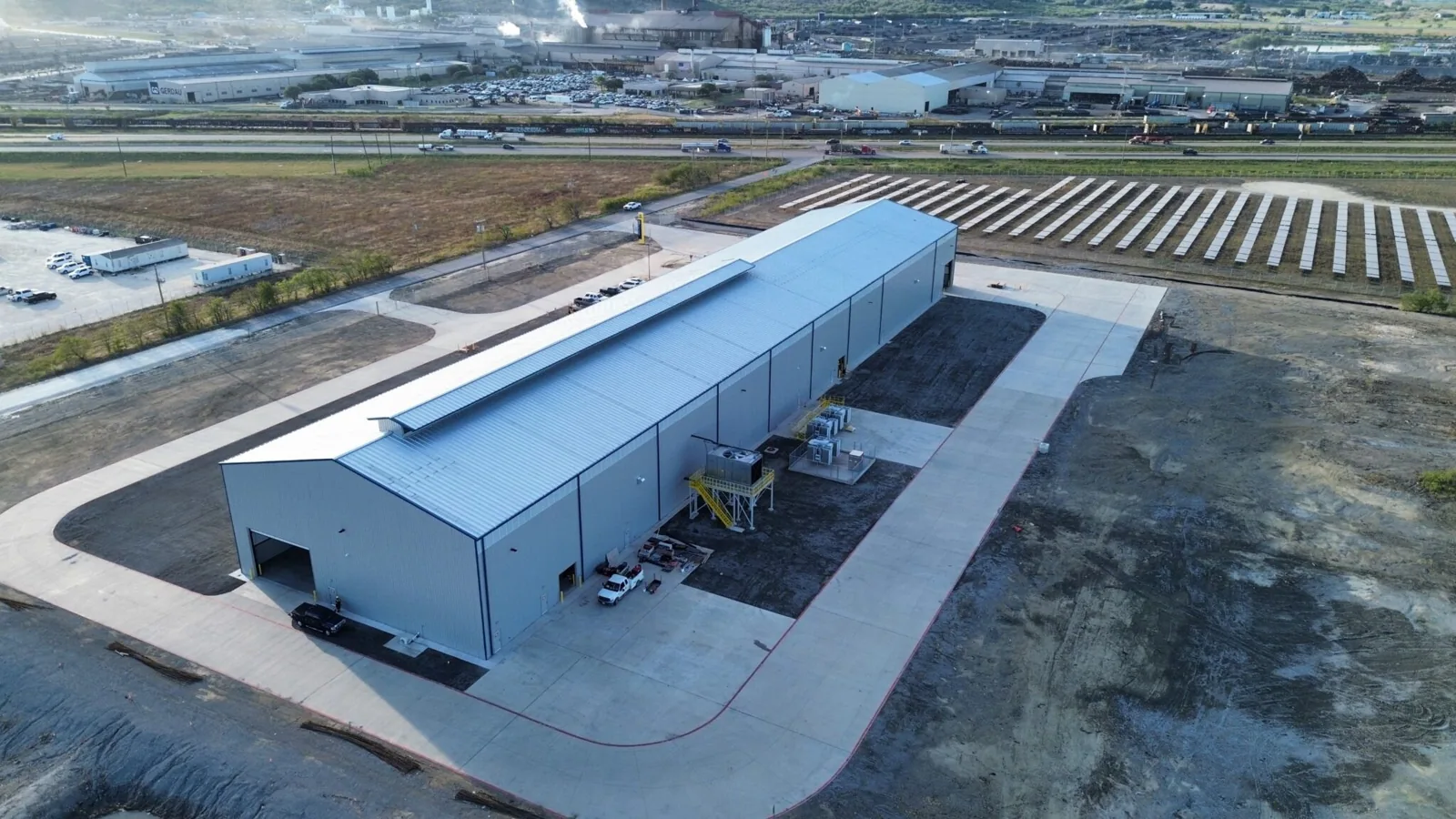
Planning documents describe an employment geography and anticipate some light-industrial development in a broader growth area. A land-use assumption does not mean a project is built, permitted, or ready for roofing, and it is not a measure of roof area. For existing business properties, we inspect the assembly that is actually present. For a future project, we review approved drawings and coordinate roof details before material quantities or sequence are finalized.
A new commercial roof needs agreement on drainage, edge conditions, equipment curbs, insulation, and the trade handoff before the membrane closes. We identify the roofing work and flag interfaces that need confirmation from the designer or mechanical contractor. If a parcel remains undeveloped, there is no field inspection to perform there. The owner can still request a design review once plans show the deck, roof plan, and permit scope. We check section boundaries, primary and overflow drains, perimeter tie-ins, and curb locations against the sequence for deck, insulation, and membrane. That review helps keep later trade work from reopening a finished area.
Use material requirements from the actual plans
An employment-area use does not tell us whether a building has a membrane, metal roof, coating, or another assembly. We check layers and attachment, look for moisture evidence, and verify whether existing material can accept a repair. Replacement choices depend on deck, slope, drainage, project requirements, and details at curbs and walls. A TPO assembly review focuses on seams, terminations, and perimeter details specified for that roof, not a general preference for the material.
For occupied commercial work, the approved sequence sets the open-roof boundary, material staging, and temporary dry-in. A phased reroofing plan can help keep protected areas apart from active work. If the current assembly is unknown, a controlled opening may be needed to identify layers before selecting attachment or insulation. We show the owner what the test will answer and how the opening will be secured afterward.
Schedule around surface and moisture conditions
Chico has hot, dry summers and a wetter winter season. Summer surface temperature and substrate moisture still determine whether a particular repair product can be installed. In the rainy months, temporary protection and daily dry-in become important when removal is needed. The crew checks the actual roof and product instructions before starting rather than assume a seasonal calendar creates a suitable work window.
If water is entering during off-hours or a holiday, a temporary measure can protect the business until a permanent boundary is defined. The service record notes what was protected, which area remains to inspect, and when a follow-up can occur. For planned replacement, we set a clear person for approvals if weather or concealed conditions change the sequence. That keeps the building contact informed without promising that the work can proceed in conditions that do not support a proper installation.
Price the property scope, not the map label
The proposal identifies measured areas, preparation, selected materials, flashing, edge details, drains, access, disposal, and temporary protection. If a test opening or removal may reveal more damage, the owner sees how added work will be approved before quantities change. Cost and timing depend on roof area, assembly, deck condition, access, operating hours, weather, and material lead time. A broad employment-area designation is not a substitute for those job details.
California’s 2025 Title 24 standards took effect January 1, 2026, and local amendments and permit requirements determine which provisions apply. We coordinate roof details with the project team and identify questions for the responsible design professional or trade. Closeout photos show work completed, conditions outside the authorized boundary, and maintenance items for the next inspection. The report stays assigned to the business property that was actually reviewed.
Commercial Roofing Questions
Does this work include airport operations?
No. The scope is for authorized commercial or industrial business properties in the broader employment area; airport facilities and operations are outside this roofing scope.
Can you inspect a planned building before the roof is installed?
We can review a defined roof design and sequence. There is no installed assembly to inspect until construction has placed the roof.
What does a first visit document?
We record the roof assembly, visible details, reported water path, access conditions, and questions that could change the repair boundary.
How do Chico seasons affect repair timing?
Rainfall timing can help prioritize drain maintenance, while temperature and substrate condition govern product use on the scheduled day.
What information helps price a replacement?
Measured roof area, deck and insulation details, drainage, access, equipment locations, material requirements, and operating constraints define the proposal.
Discuss a defined business property
Share the property use, roof concern, access limits, and timing. We will confirm whether an inspection or a review of project drawings is the right next step.