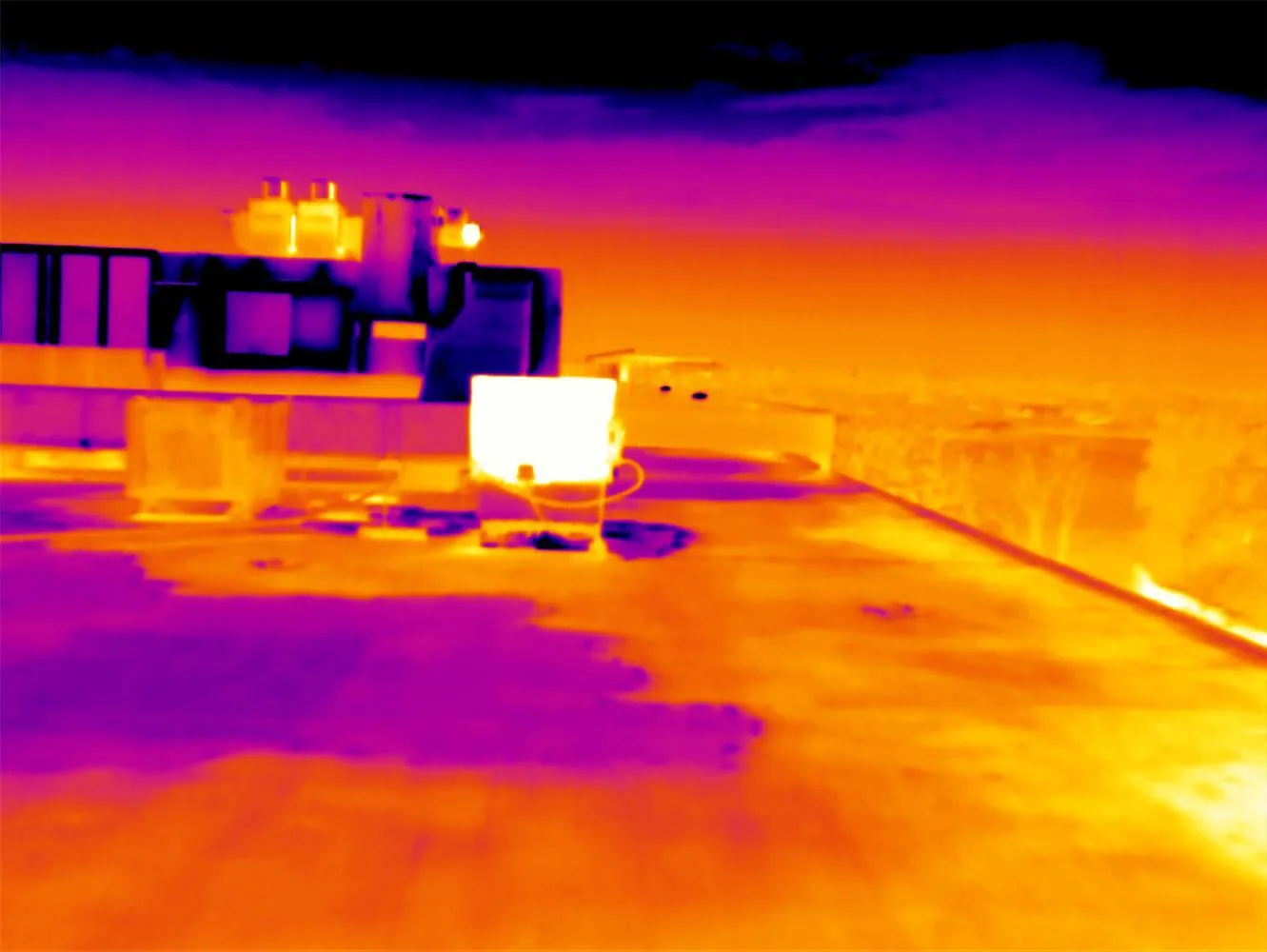
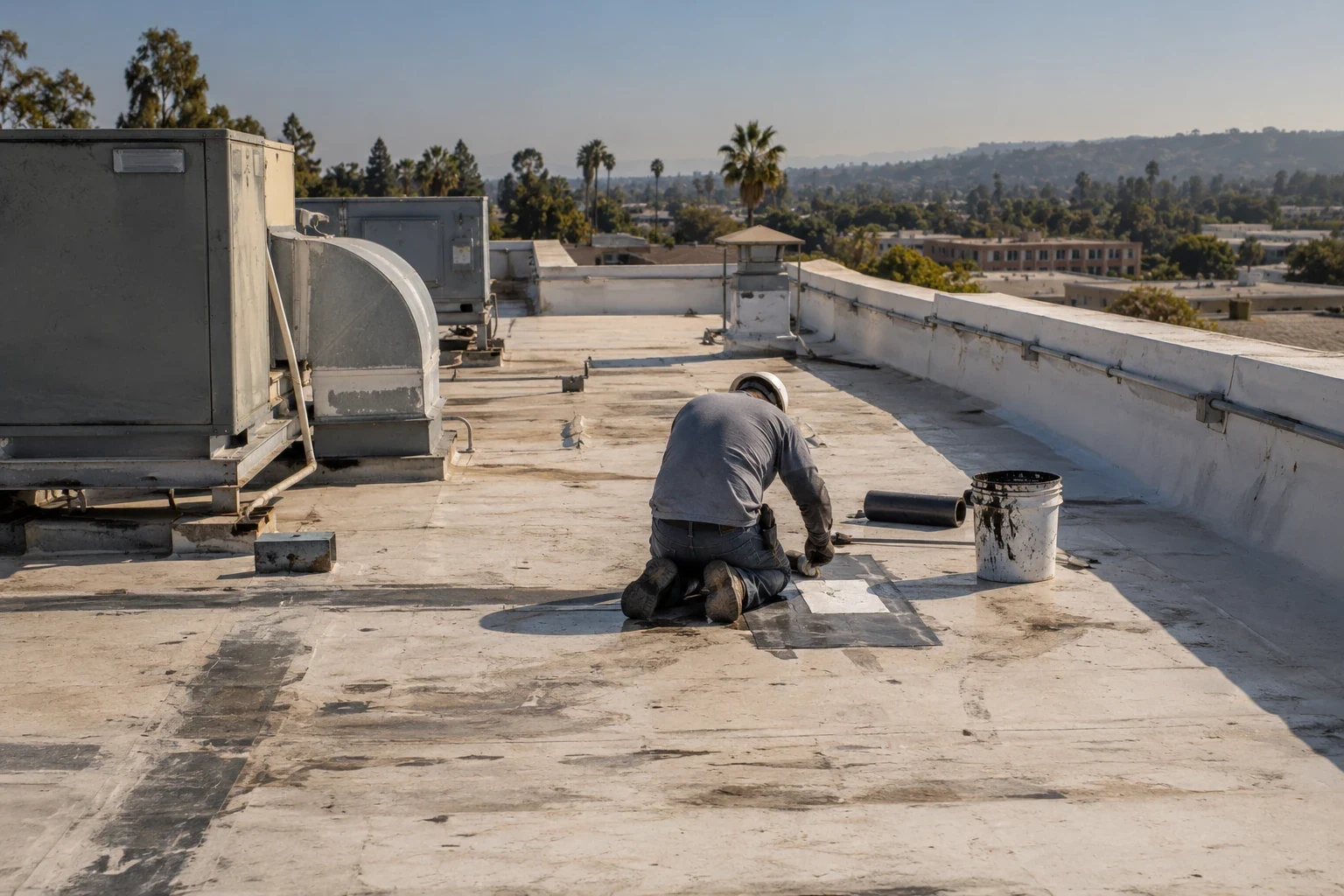
Commercial Roof Heat and UV Damage Repair in Chico, CA
Sun exposure, high surface temperatures, rooftop traffic, and aging coatings can leave different marks on a commercial roof. Fading alone does not show whether a membrane has failed, and a brittle edge does not reveal how far deterioration extends. We inspect the reported area, identify the roof assembly, and document cracks, exposed reinforcement, open seams, coating wear, or other visible conditions before discussing repair options.
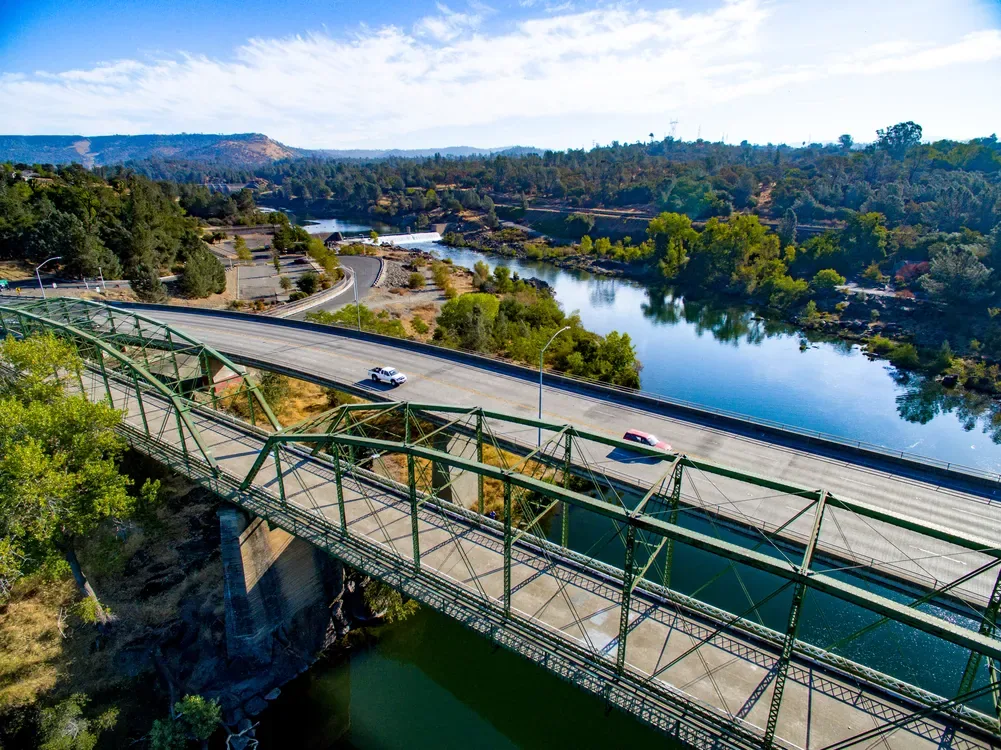
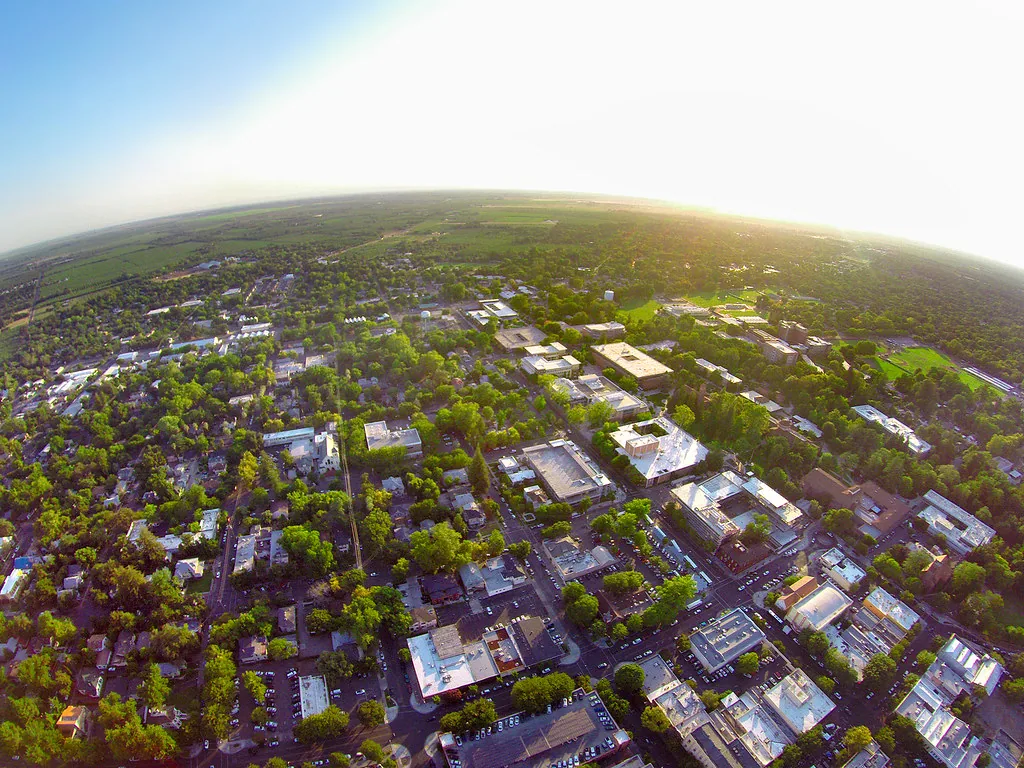
Chico's normal July average daily high is 95.2 degrees Fahrenheit, with 25.7 days reaching at least 90 degrees. Roof orientation, shade, surface temperature, and inspection time help us evaluate a heat-exposed detail without treating the climate as proof of a defect. We record those conditions rather than prescribe a generic coating from a photograph. For properties near Skyway's commercial area or East 20th Street, the actual roof layout and access determine what we can inspect. A commercial roof inspection identifies the system and maps the affected field.
Distinguish Surface Appearance From Membrane Failure
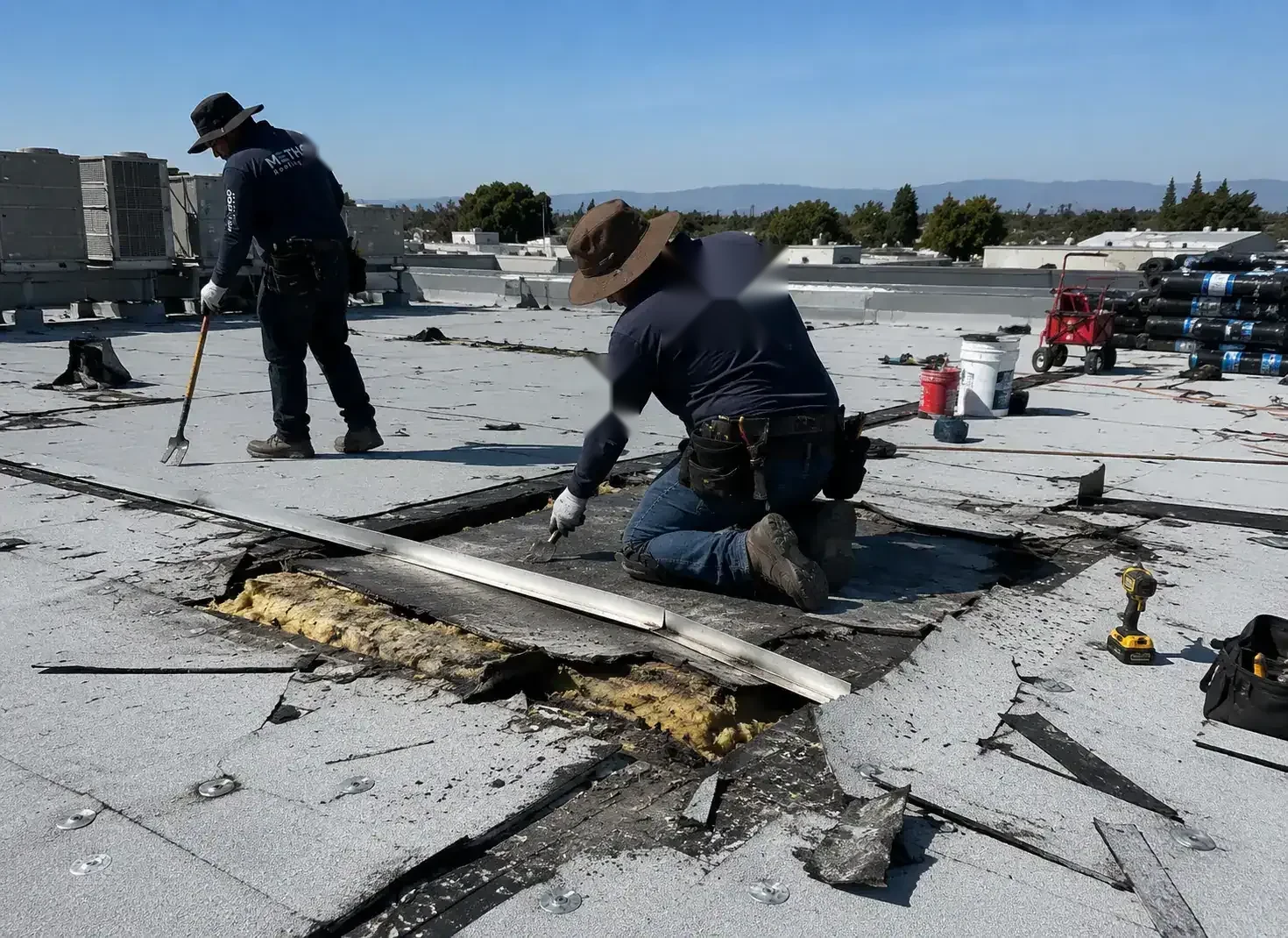
We look for cracking, chalking, loss of coating adhesion, exposed scrim, shrinkage, open seams, brittle flashing, and repairs that have separated at their edges. The same visual change can have different causes depending on whether the roof is a membrane, modified-bitumen assembly, metal panel, or previously coated surface. We check available records, exposed layers, attachment, and nearby details before calling a condition a failure.
The inspection notes where the roof receives full sun and where equipment, parapets, or neighboring structures create shade. That context helps compare areas with different exposure without implying that orientation alone caused the defect. If the surface remains continuous, a maintenance or coating option may be worth evaluating; if the membrane is split or the substrate is affected, a coating could hide rather than correct the issue. We mark each finding and show the owner what was visible at the time.
We also note whether the review occurred during direct sun or after the roof had cooled. Temperature can affect a product check, so the record should identify the condition under which adhesion or flexibility was observed.
Confirm the Roof System Before Choosing a Repair
A repair material must suit the installed assembly and the condition of its surrounding surface. We review closeout documents, product markings, exposed edges, seams, fasteners, and previous work. A reflective finish is not enough to identify the substrate, and an older coating may cover a different roof below it. When a record and field observation conflict, we identify the open question instead of assuming compatibility.
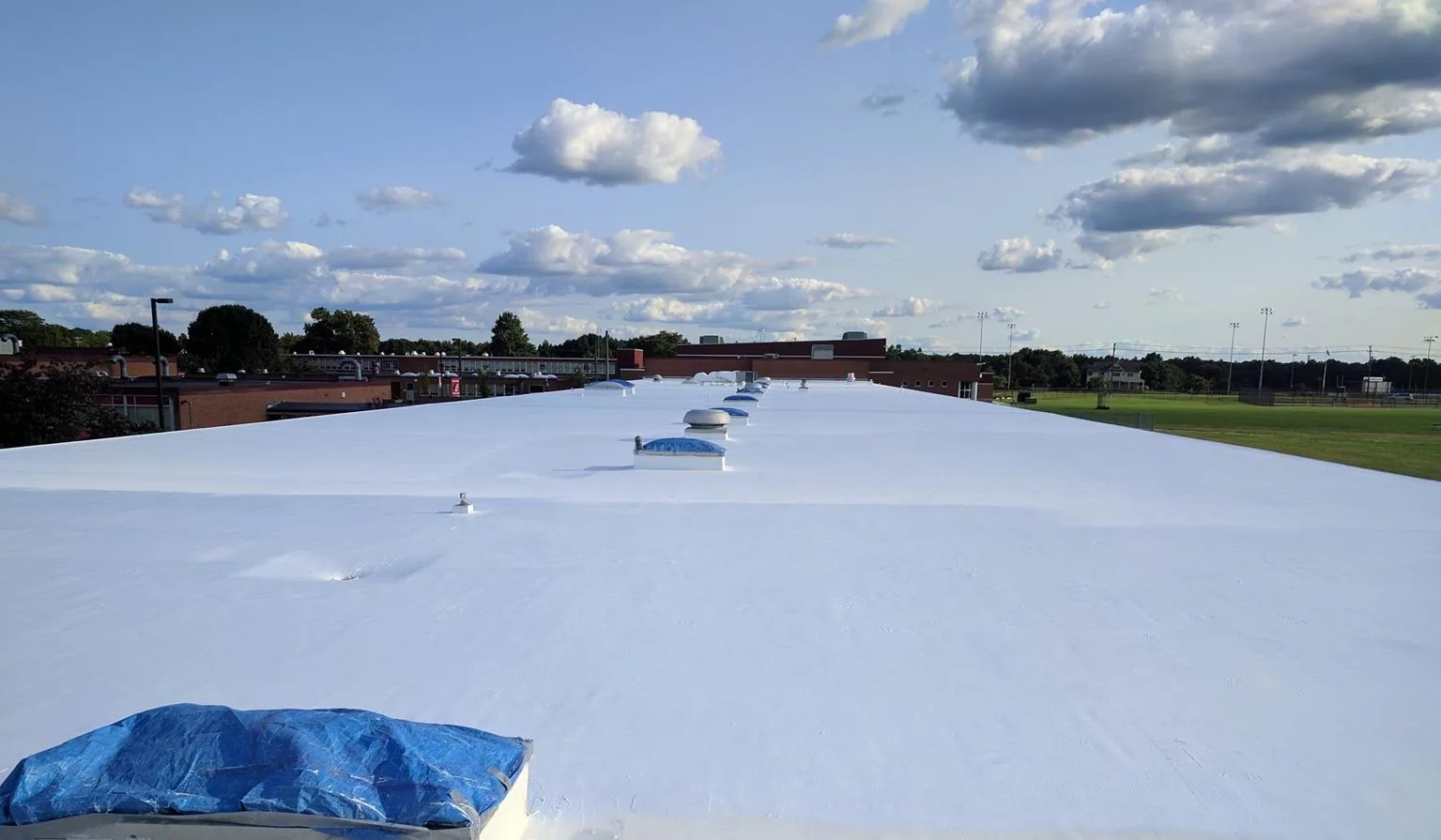
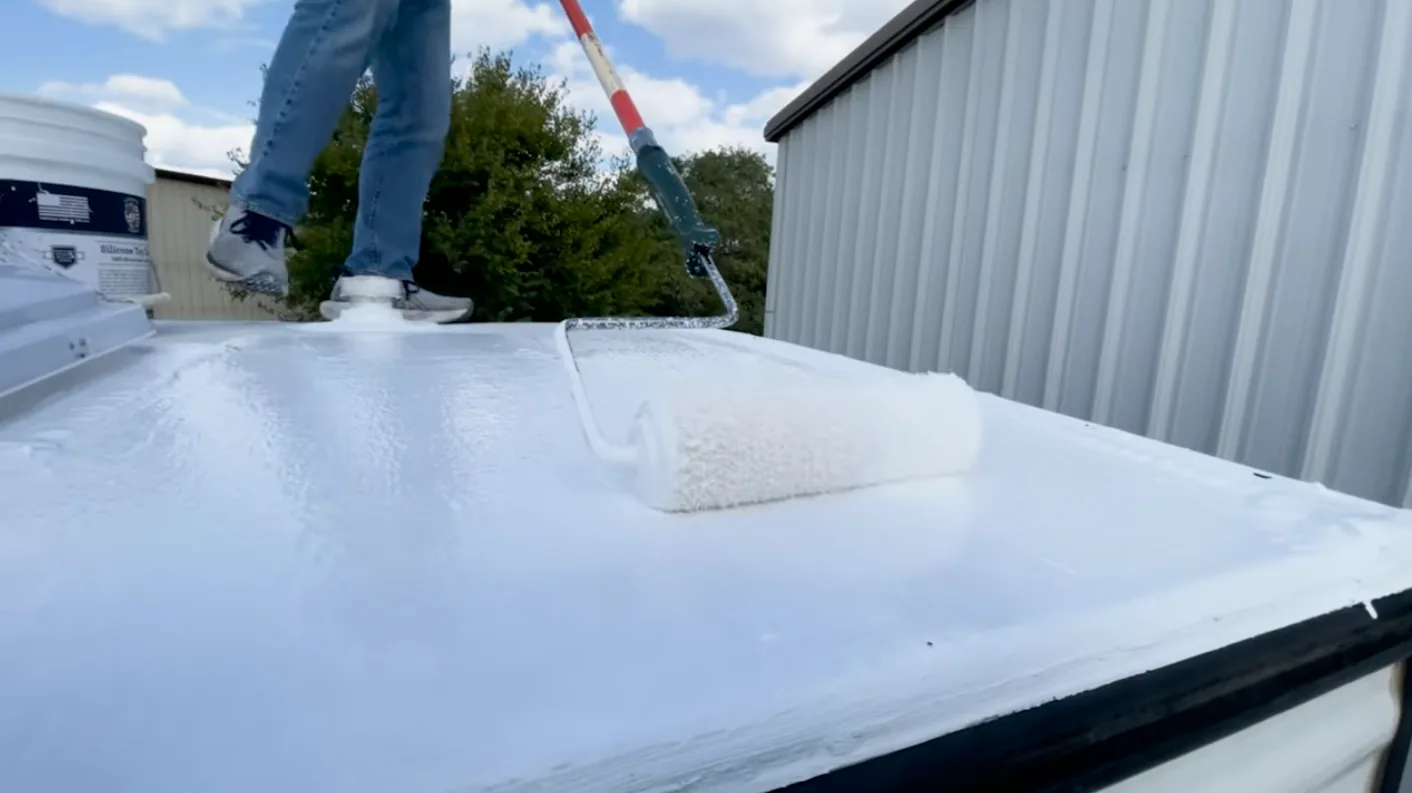
Preparation may require removal of loose coating, cleaning, drying, or a product compatibility test. The selected manufacturer's instructions govern the application window, coverage, reinforcement, and cure conditions. If deterioration reaches beyond the planned repair area, we stop and document the transition before expanding scope. For a confirmed coating system, a roof coating restoration review can compare preparation and application needs; a silicone coating system is considered only when the roof and product criteria support it.
Map the Affected Roof Field and Nearby Details
We mark the limits of visible heat-related wear and check nearby seams, drains, curbs, penetrations, edges, and earlier patches. These details can fail independently of the field surface. A roof plan reference, measured boundary, and photographs make it easier to compare the same area on a later visit. If there are several conditions, they are recorded separately instead of blended into one broad allowance.
Moisture or interior staining should be traced as its own question. Heat exposure does not establish that insulation is wet, and a ceiling mark does not pinpoint a surface defect. We compare the report with slope and drainage, then recommend testing only where it answers a stated question. A moisture survey may help map a suspected wet area, while a puncture repair assessment addresses a confirmed opening rather than broad color change.
Compare Local Repair, Restoration, and Replacement
A localized repair can fit when the affected material is limited and the surrounding assembly can accept a compatible tie-in. A restoration scope may be more appropriate where a larger coated area needs preparation and renewal. Replacement evaluation may be warranted when there is widespread deterioration, repeated failures, saturated layers, or no sound boundary for the planned repair. These options should be compared from findings, not from roof age or a single temperature reading.
We state the area included, preparation, material, tie-in points, and exclusions for each option. Any concealed layer or test opening is a separate decision with a defined location and purpose. If a scope changes after surface preparation, we photograph the new condition and request approval before proceeding. Owners can review TPO assembly considerations alongside the verified system records, but a new membrane is not proposed merely because a roof has a light or dark finish.
Plan the Work Window and Protect Occupied Areas
Heat-sensitive installation requirements and current roof conditions shape the work window. We check substrate dryness, surface temperature, forecast, wind, and the manufacturer's application limits for the selected materials. If those conditions fall outside the approved range, the crew records the reason and reschedules the affected step rather than applying product in unsuitable conditions.
For a Chico facility that remains open, the property contact confirms roof access, staging, ventilation concerns, noise limits, and protection below the work area. We identify an arrival point and keep access routes clear. A phased building-work plan can coordinate notices and operating windows; repair tasks remain limited to the approved roof areas. Near Park Avenue or the Meyers Street employment area, deliveries are scheduled for the property's actual loading and business rules.
Record the Repair and Set a Useful Follow-Up
After the selected repair, we photograph the prepared surface and completed tie-in, identify the product and date, and note any area that could not be accessed. The closeout describes the checks performed, such as visual review or an allowed field test, and states their limits. A follow-up inspection can compare the same roof-plan locations after another hot period or after rain, but it should not be described as proof about concealed areas that were never opened.
If wind damage, an open seam, or a water entry point is found beside the heat-exposed surface, that condition receives a separate repair boundary. A wind-damage review or seam inspection can be scoped to the actual finding. The record gives facility staff a practical map for future Chico roof walks and helps distinguish renewed coating work from a new membrane defect.
Commercial Roofing Questions
Does a faded commercial roof need a new coating?
Not necessarily. Fading is an appearance change, not a complete condition assessment. We identify the assembly and check adhesion, cracks, seams, exposed layers, drainage, and prior repairs before comparing maintenance, coating restoration, or broader work.
Can high roof temperatures affect repair timing in Chico?
They can affect the approved application window for some products. We check current surface conditions and follow the selected manufacturer's instructions. The work sequence may change if temperature, wind, substrate moisture, or forecast falls outside those requirements.
How do you tell coating wear from membrane damage?
We review the roof records and exposed layers, then inspect adhesion, seams, transitions, and the substrate where accessible. If the layers remain uncertain, we document that question and propose a defined verification step before selecting a material.
Will a reflective coating fix a roof leak?
A coating is not a substitute for locating and repairing a confirmed opening or correcting a separate drainage condition. We trace the report, identify the assembly, and state whether restoration is suited to the affected area.
What information helps scope a heat-related roof repair?
A roof plan, system records, photographs, repair history, affected interior areas, and access rules help. We also record the inspection date and surface conditions so the repair recommendation reflects the roof as observed.
Review the Heat-Exposed Roof Area
Send the roof plan, system records, repair history, and photographs. We will map visible conditions, confirm the assembly, and compare a bounded repair with other options when the findings support them.